Healthcare, nursing, politics, and responsibility in a changing society
According to the AOK, healthcare is closely linked to nursing, political control, and the question of social responsibility. The underlying discussion clearly shows how closely these areas are intertwined and why simple answers often fall short.
Enjoyment of work, closeness to people, and a functioning system are identified as core values, but at the same time, structural deficits are openly addressed. It is precisely this tension that makes the statements relevant for an objective assessment of the current situation.
Closeness to people as a guiding principle
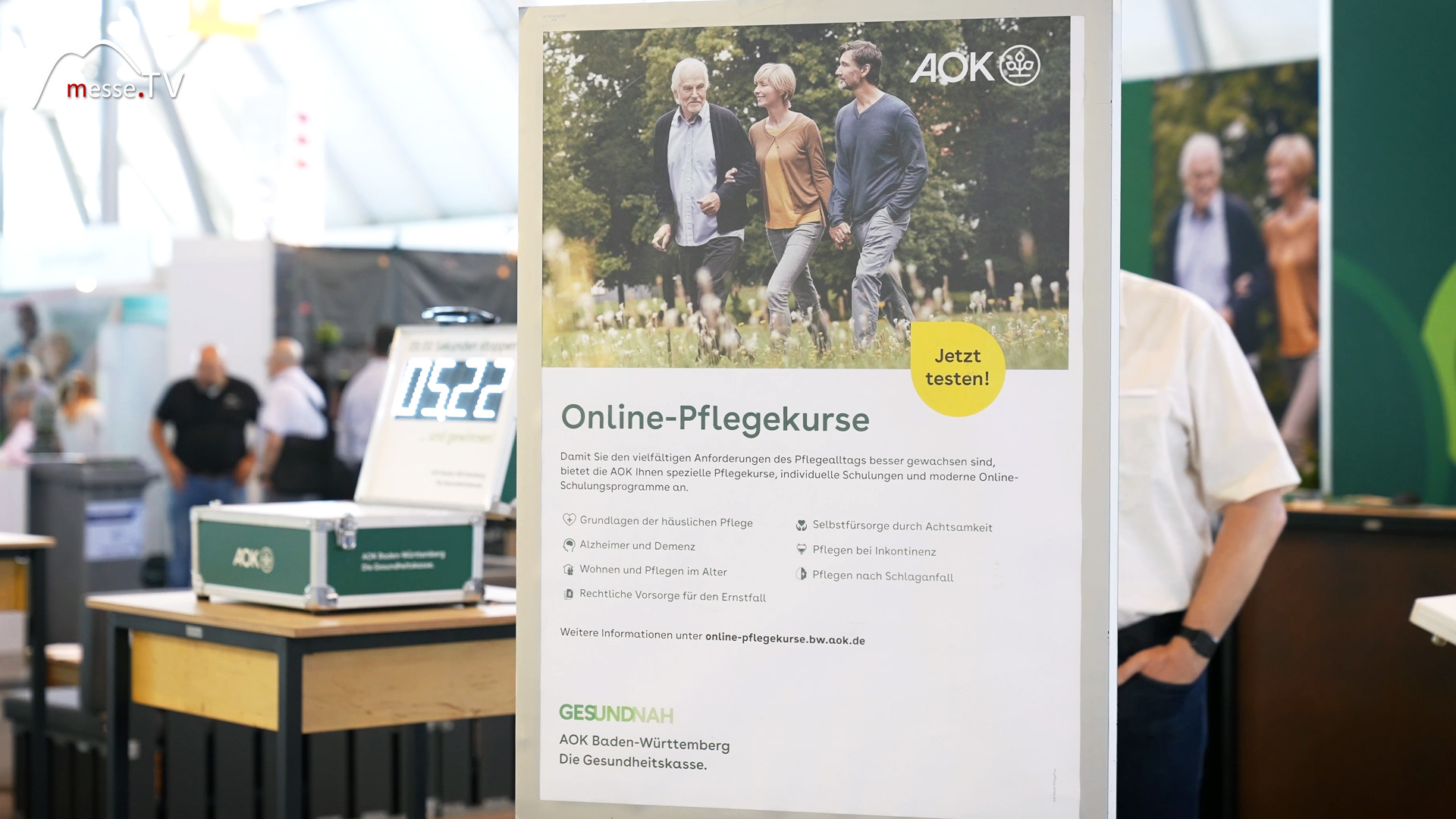
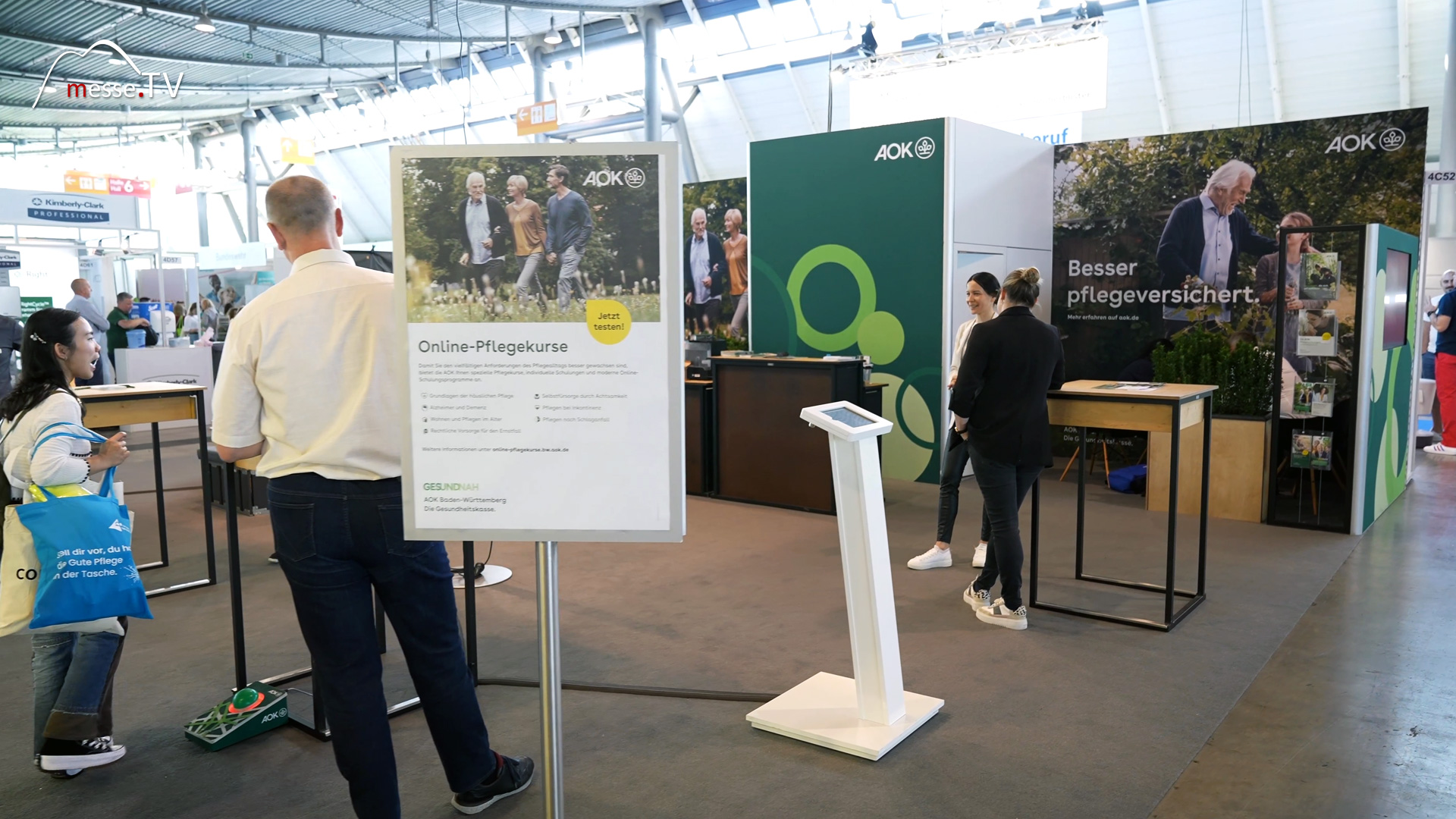
The focus is on a self-image that understands health not as an abstract administrative service, but as a service to people. The claim to be there for insured persons, partners, and employees alike is cited as a key reason for the strong market position. Attendance at events, direct exchange, and a willingness to face critical questions are not seen as a compulsory exercise, but as part of this approach. It is striking that criticism is not ignored. Deficits in the system are clearly identified, but at the same time placed in a larger context. Not every weakness is self-inflicted; many framework conditions are politically determined. This differentiation runs through the entire conversation and avoids simple finger-pointing.

Healthcare between stability and cost reality
Despite all the challenges, healthcare is described as efficient overall. Reference to international comparisons shows that the system is fundamentally well positioned, even if other countries have found different solutions in individual areas. It is crucial not to fall into a blanket negative assessment, but to recognize the existing quality. At the same time, the cost issue is not relativized. Rising expenditures affect all areas, savings are inevitable and must be made in a timely manner. Demographic developments, in particular the aging of the population, are seen as a long-term burden. This reality calls for political decisions that keep both security of supply and affordability in mind.
Care as a key issue for the future
One focus is on the topic of care. It is clear that care is not viewed in isolation, but as an integral part of healthcare. Services are aimed not only at insured persons, but also at service providers, educational institutions, and trainees. Training, financing qualifications, and professional exchange are seen as investments in the future. Being present on site, involving experts, and allowing discussions are explicitly part of this. Critical discussions with partners are also described as necessary. Care is thus presented not only as a cost factor, but as a cornerstone of a functioning system, the strengthening of which will benefit all parties involved in the long term.


Politics, reform debates, and systemic issues
Political framework conditions are a common thread running through the statements. Reforms in the insurance system, such as the discussion about a uniform solution for all population groups, are classified as complex and financially challenging. An abrupt change in the system is viewed with skepticism, especially with regard to municipalities and state-owned enterprises. Instead, there are calls for differentiated, open models that preserve choices and realistically assess financial implications. Politicians are faced with the task of ensuring long-term sustainability without prematurely destabilizing functioning structures.
Lessons learned from crises and the importance of digitalization
The experiences gained during the coronavirus pandemic are given special significance. The crisis is described as a burden, but also as a learning process. It has become clear that not everything can be regulated and prescribed. At the same time, the situation has accelerated developments, particularly in the area of digitalization. Digital processes are seen as a means of becoming less dependent on direct contact and making procedures more efficient. Concrete examples from everyday life show how appointment scheduling and digital organization reduce waiting times and make life easier for both customers and organizations. These experiences are not seen as exceptions, but as a blueprint for future structures.

Between responsibility and pragmatism
The overall picture that emerges is of a system that is efficient but faces profound challenges. Responsibility towards people, realistic cost estimates, and a willingness to change are identified as key factors. Care, healthcare, and political control cannot be separated, but must be considered together. The following priorities can be identified to classify the areas of action mentioned:
- Strengthening care through training, financing, and professional exchange
- Securing healthcare despite rising costs
- Pragmatic reforms instead of radical system changes
- Consistent use of digital solutions based on crisis experiences









Trade fair reporting Germany - Trade fair knowledge, dates & events


