Care in transition: employees, digitalization, and new structures
Nursing is facing profound changes. Demographic change, a shortage of skilled workers, and increasing demands on quality and organization are forcing social enterprises to continuously develop their structures.
At the same time, there is a growing demand to position care not only as a service, but as a professional, meaningful career field. Large organizations that coordinate many locations, retain employees, and at the same time must remain open to new technological developments are navigating this area of tension.
Size and structure as an organizational challenge
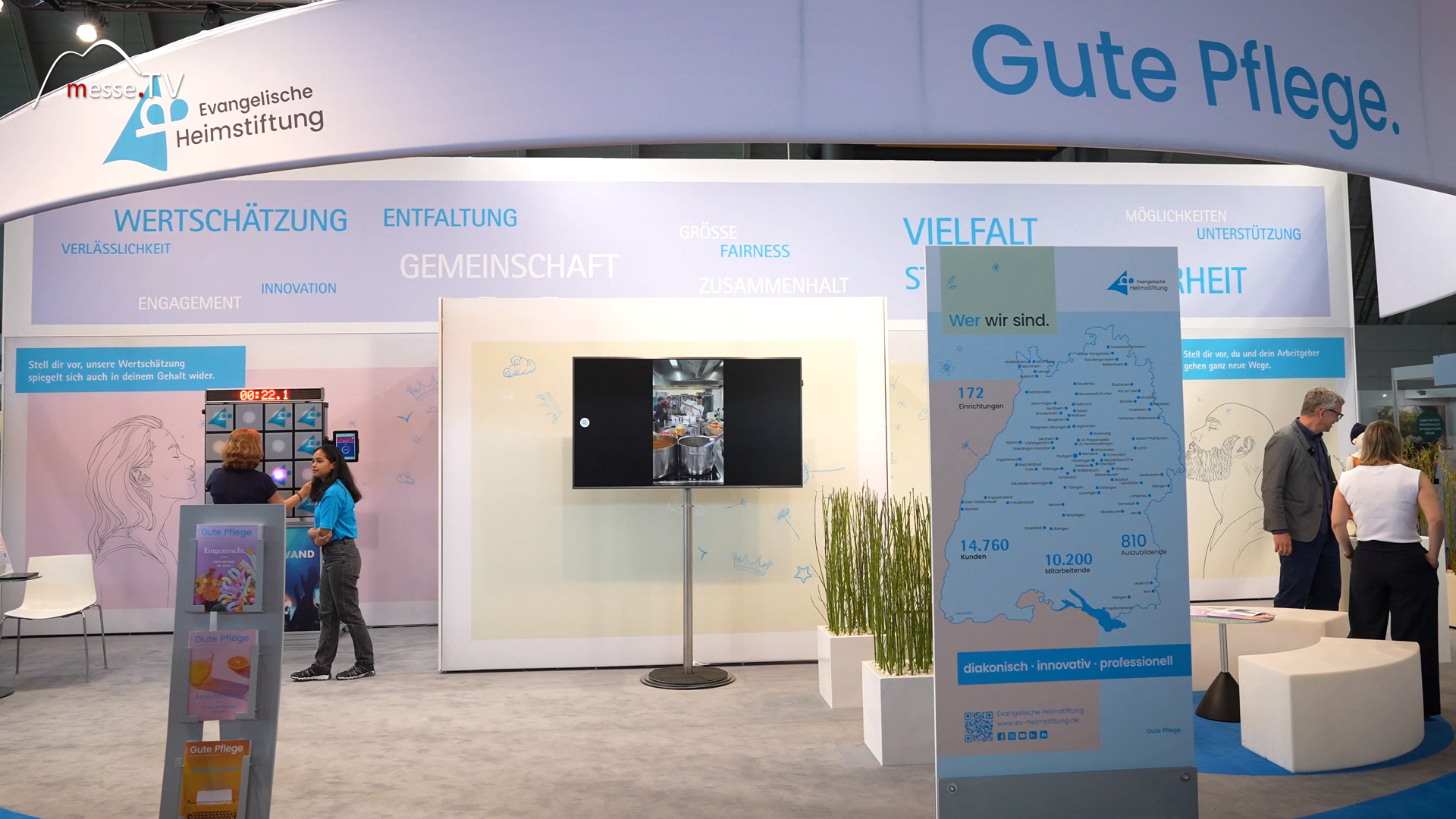
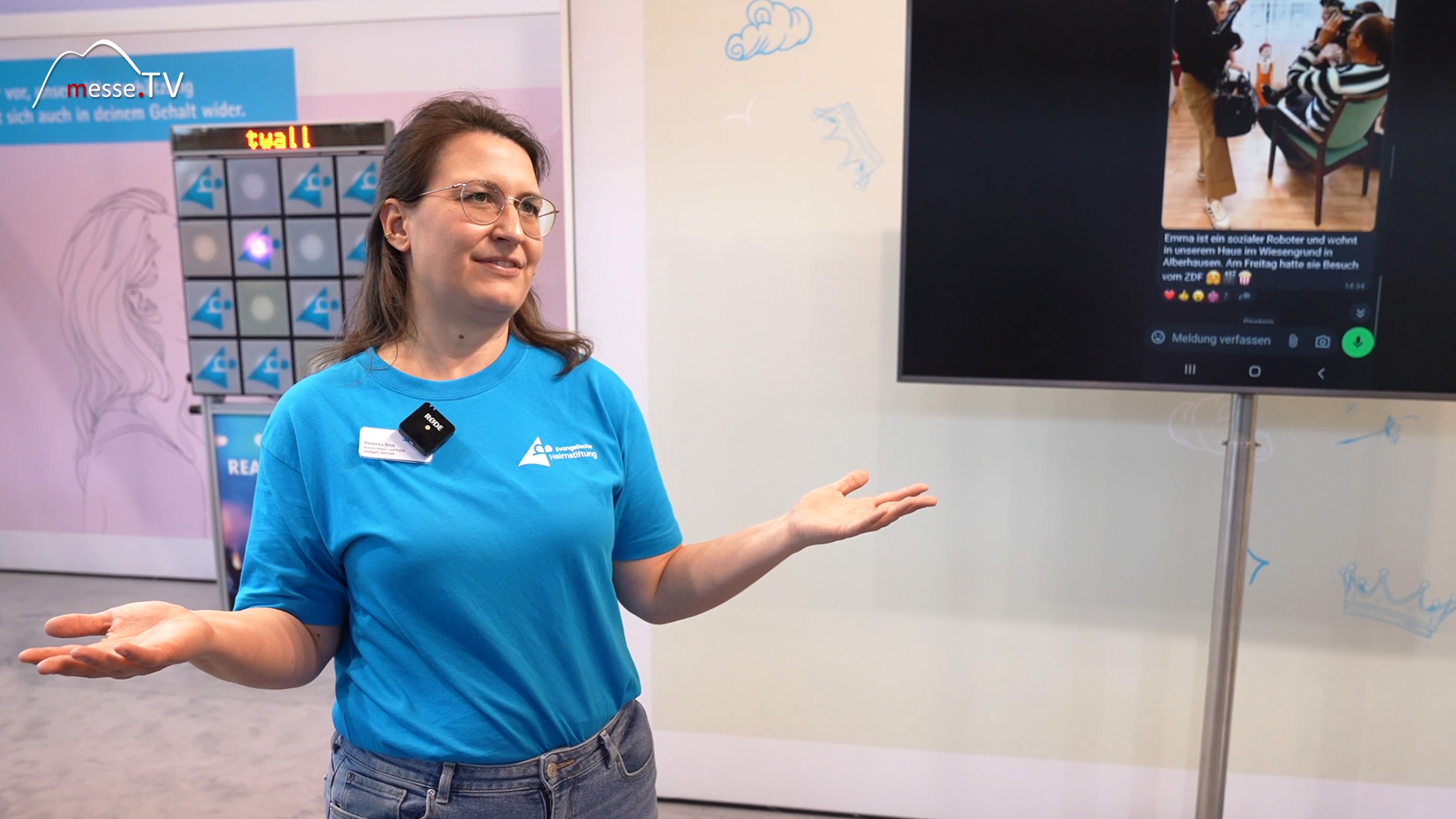
With a large number of facilities spread across an entire federal state, there is a special responsibility towards employees. Inpatient care, mobile services, day care, and other forms of care entail different working realities. A social institution of this size must therefore do more than just organize operations. It is about creating identification and providing spaces where employees can come together, even though they work in different locations in their everyday lives. The Evangelische Heimstiftung is a prime example of this task. As the largest care provider in Baden-Württemberg, it unites numerous locations under one organizational umbrella. Exchange between employees plays a central role in strengthening shared values and conveying the feeling of being part of a larger whole.

Attracting and retaining employees
The demand for qualified employees is constantly growing. Care is a professional field that continuously needs new staff, not least because of the growth of many institutions themselves. At the same time, it is important to stabilize existing teams and show them prospects for the future. Attracting new employees is therefore not a short-term recruiting issue, but part of a long-term strategy. An important aspect is the permeability of the system. Nursing offers numerous entry and development opportunities, from voluntary social service years to training and studies to management positions. The fact that careers are possible within one's own company is a strong argument in a competitive job market. Employees who can experience their development in the same environment often stay longer and identify more strongly with their work.
Nursing as a professional field
The image of nursing remains ambivalent. High stress levels and staff shortages shape public perception, while professional competence, responsibility, and development opportunities often take a back seat. Yet this is a profession that requires a high degree of professionalism and can also be personally fulfilling. Targeted communication of these aspects is crucial to presenting nursing as a profession with a future. This also includes highlighting successes: individual career paths, stable teams, and innovative projects. This does not romanticize nursing, but rather describes it realistically as a demanding but malleable field of work.
Digitalization as a driver of change
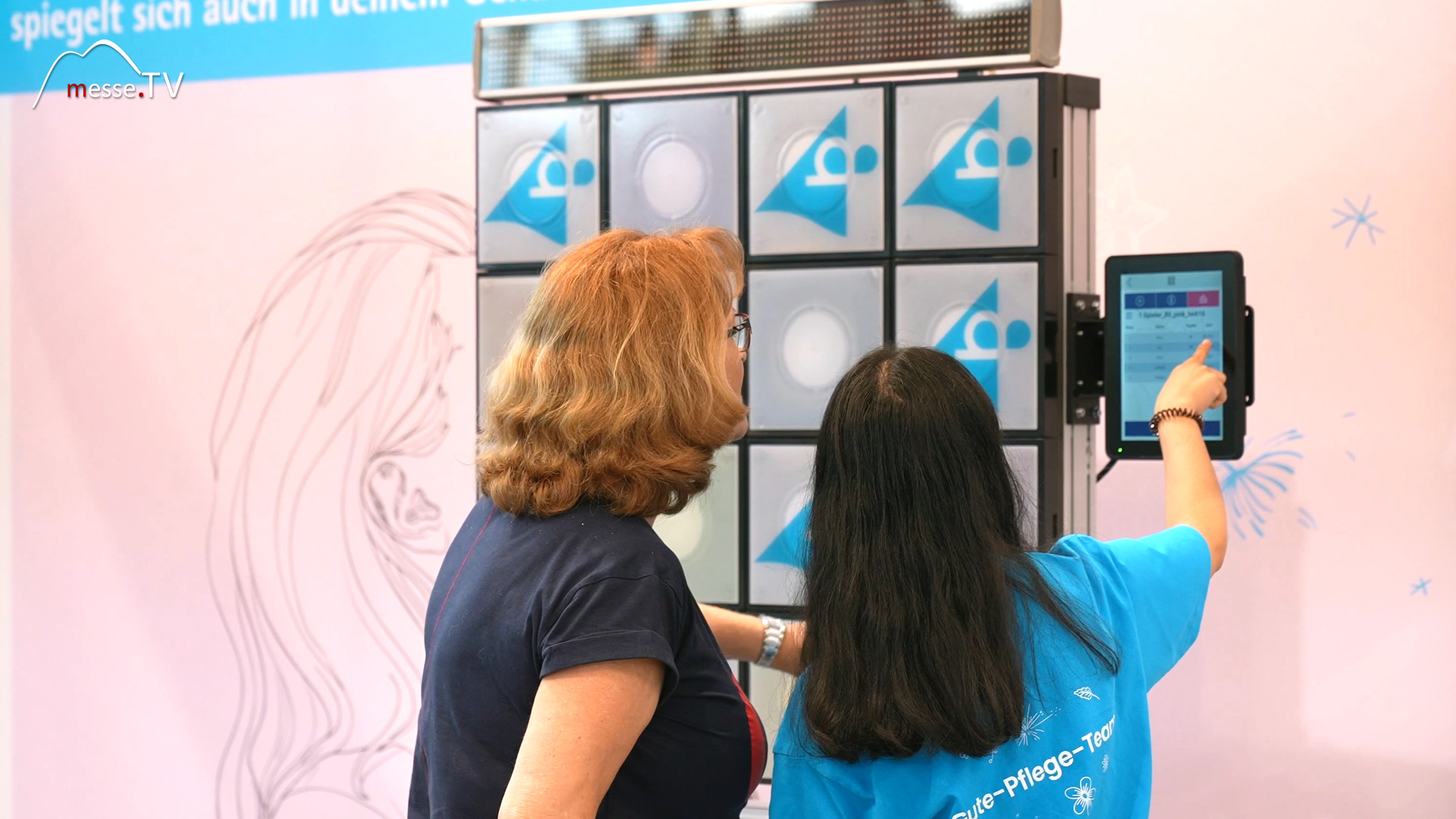
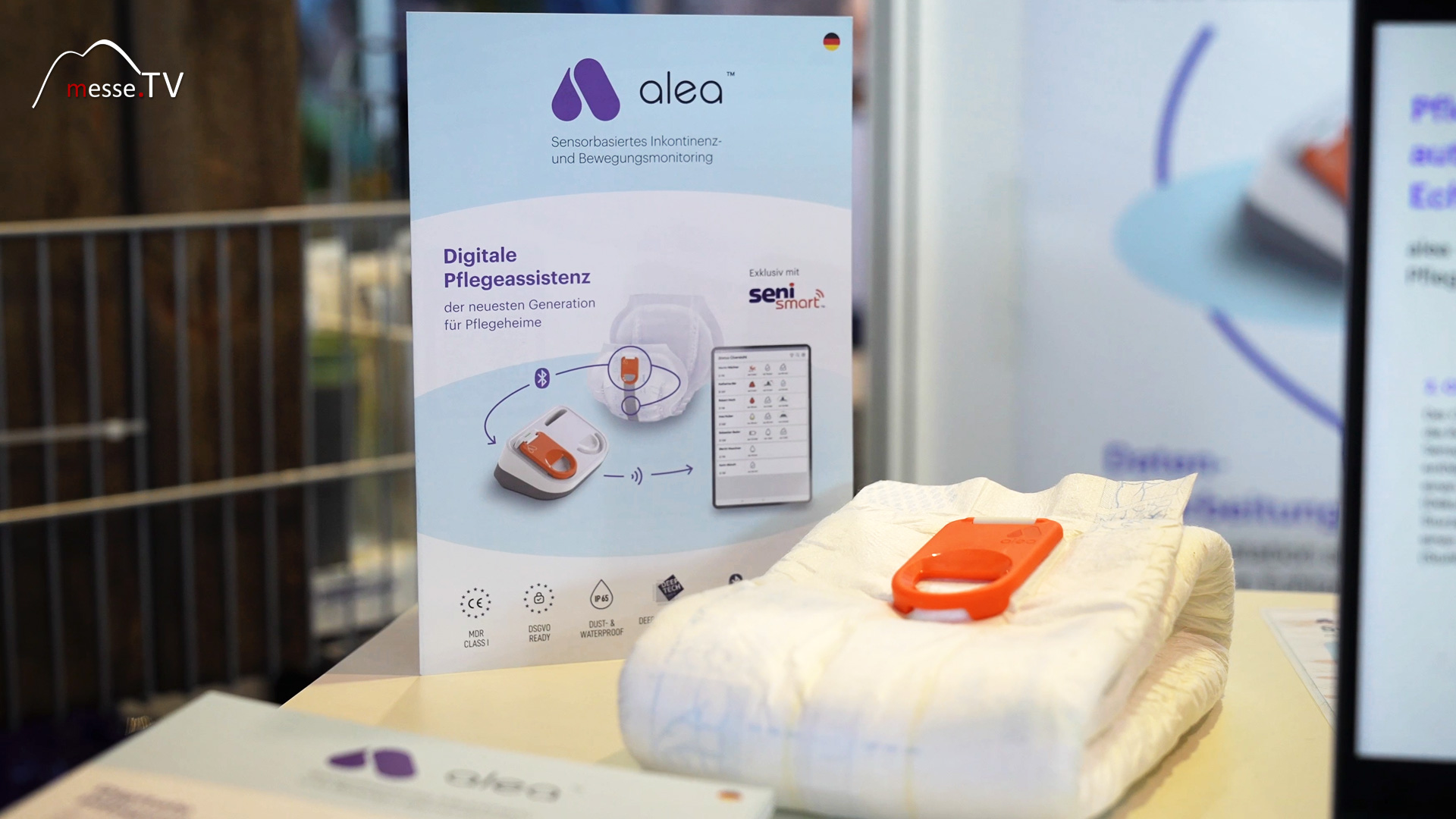
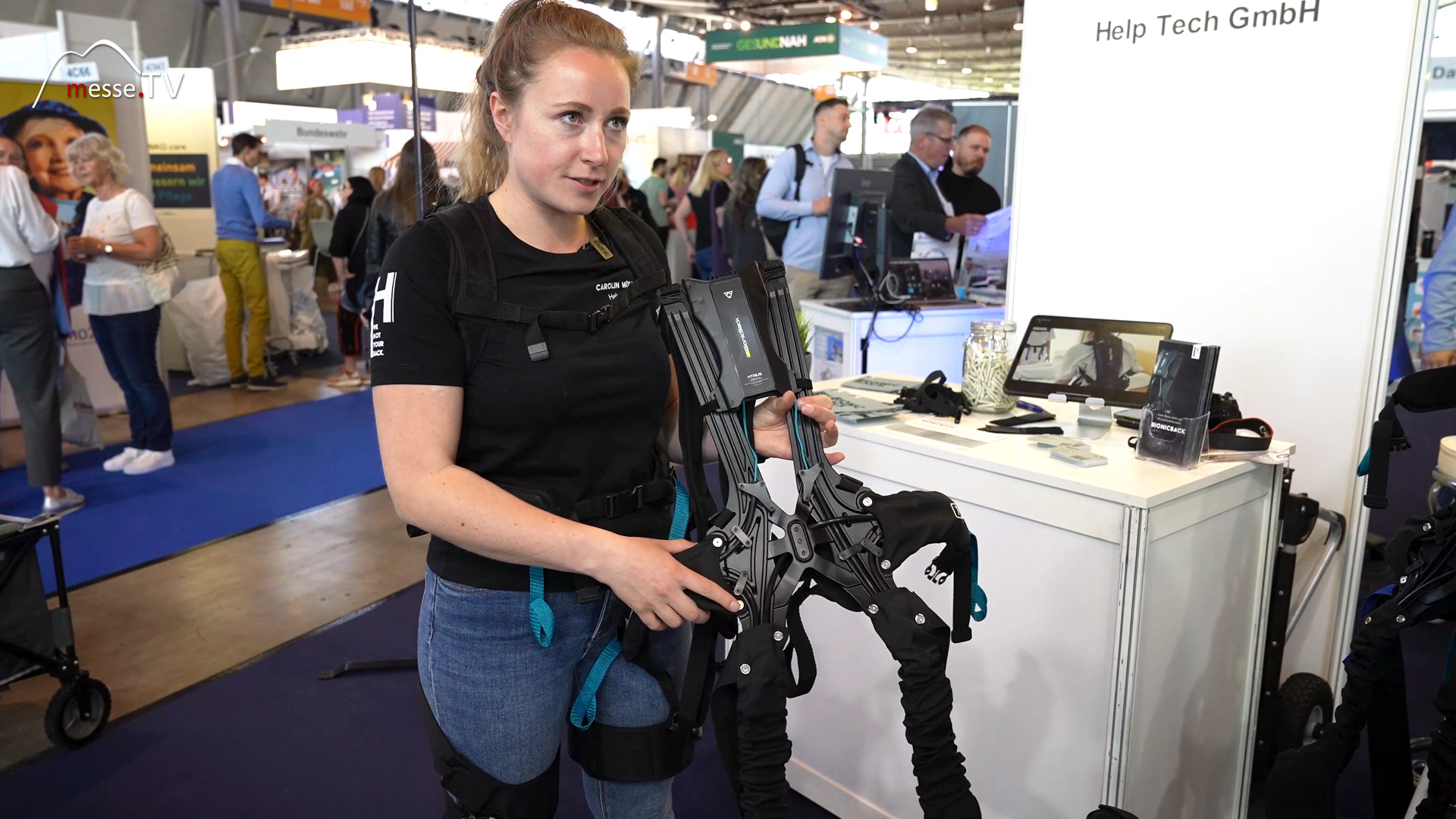
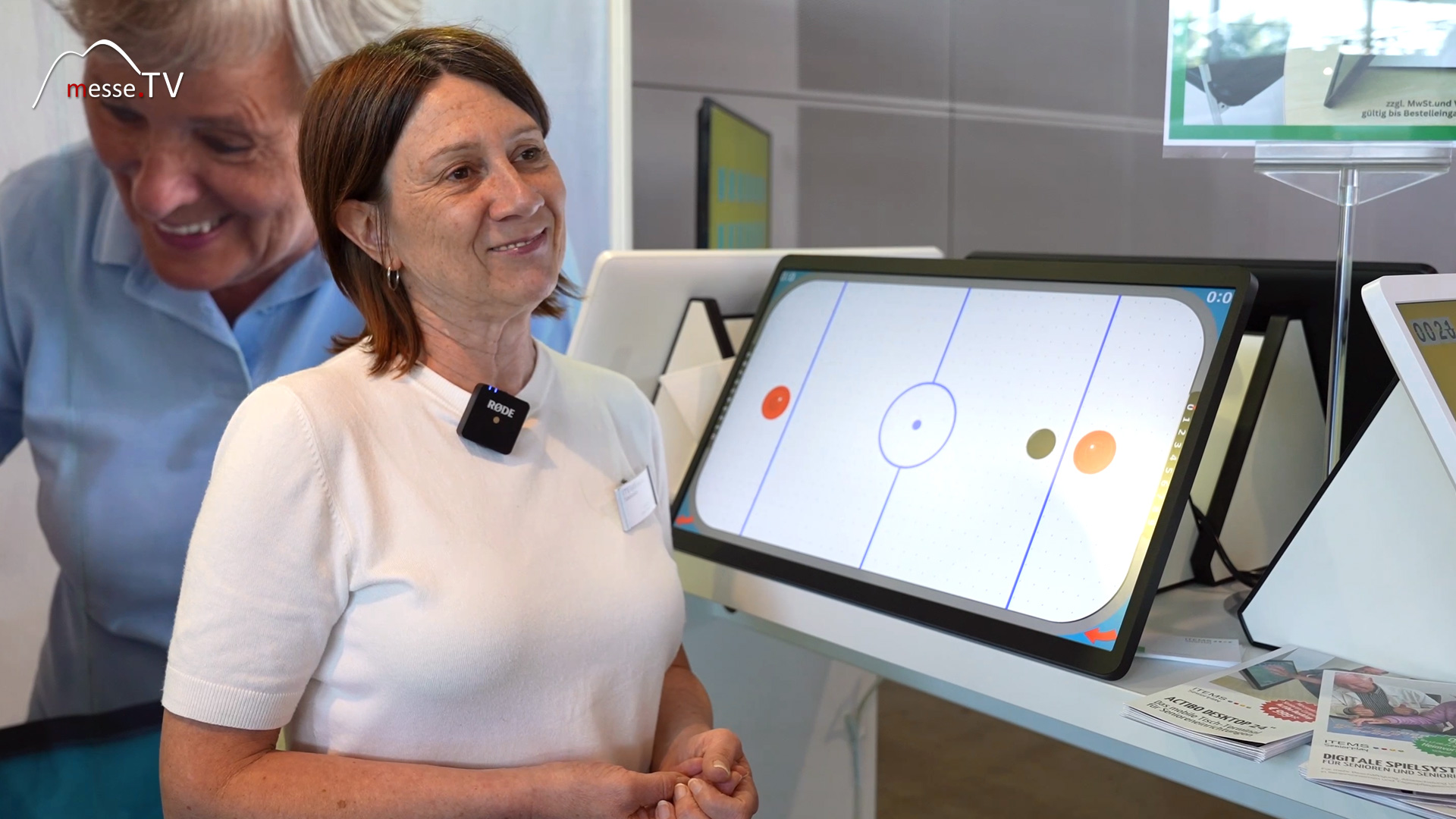
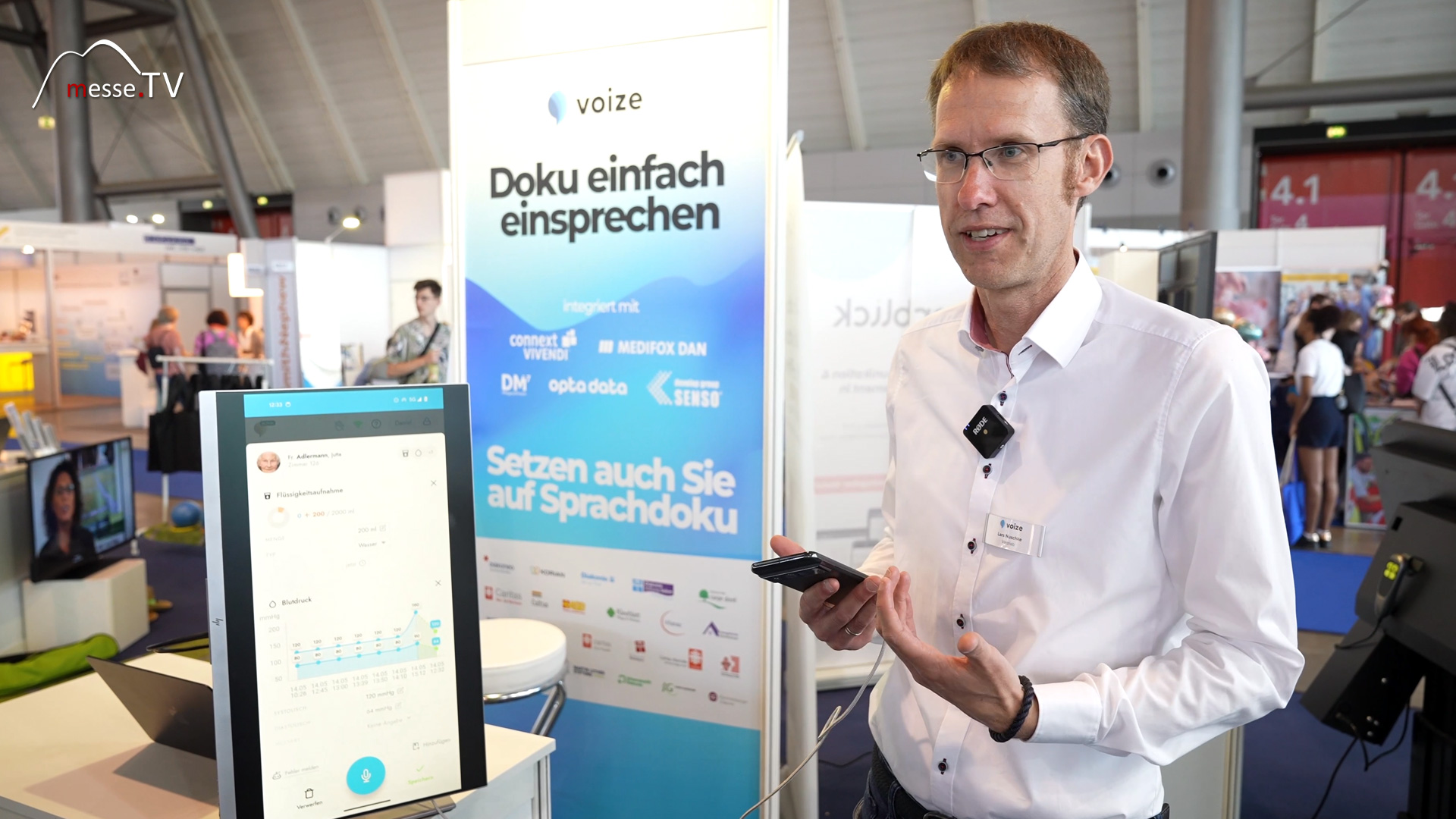
The future of nursing is closely linked to digitalization. Digital documentation, mobile devices, and networked systems are already changing everyday work. The aim is to make processes more efficient and relieve nursing staff of administrative tasks. Digitalization is not an end in itself, but a tool to create more time for actual nursing care. At the same time, the structure of care is changing. Mobile services are becoming increasingly important as more and more people want to stay in their own homes for as long as possible. Care is thus increasingly shifting away from purely inpatient services toward flexible, local solutions. This development requires new skills, but also new technical support.
Robotics as complementary support
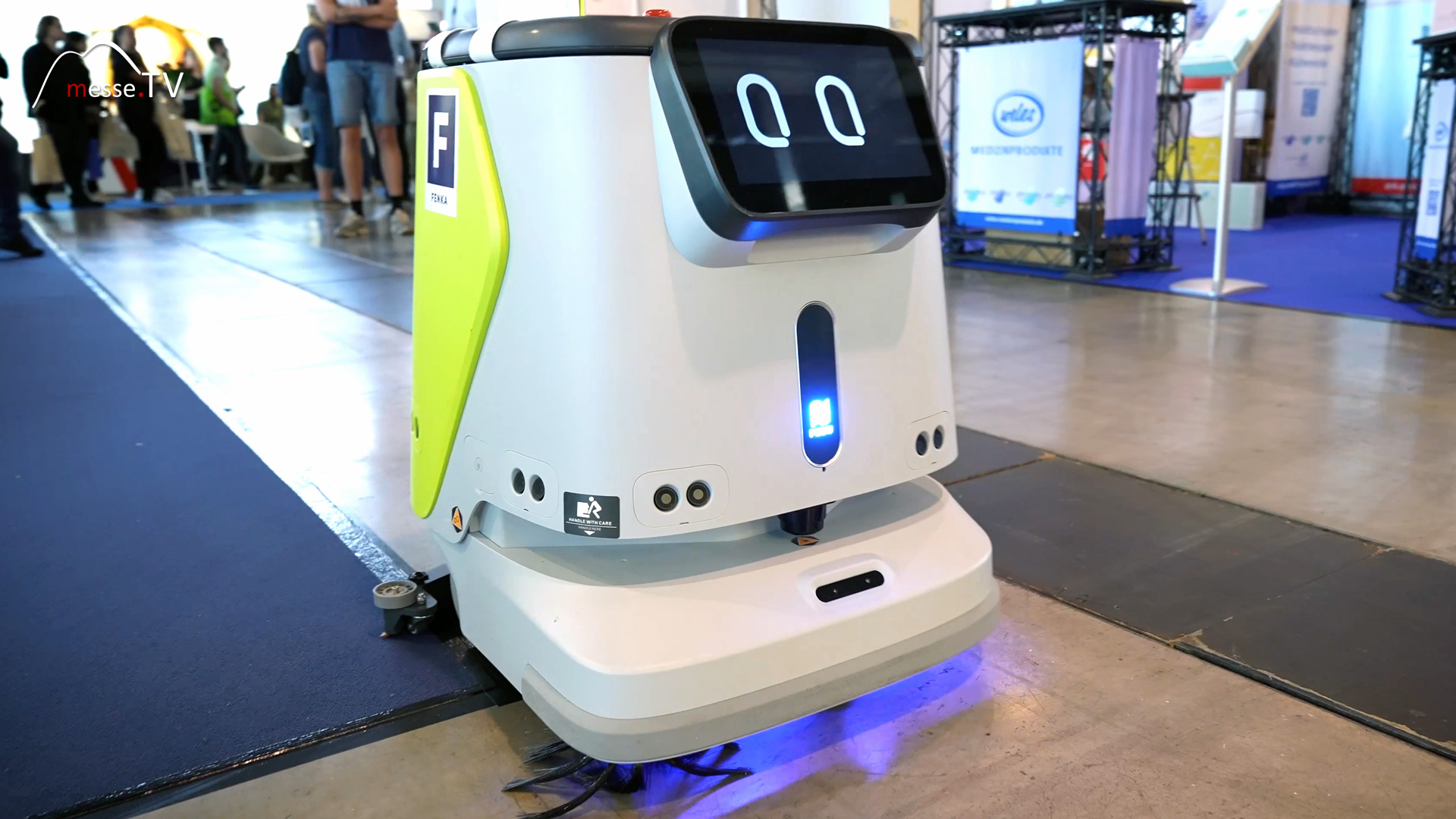
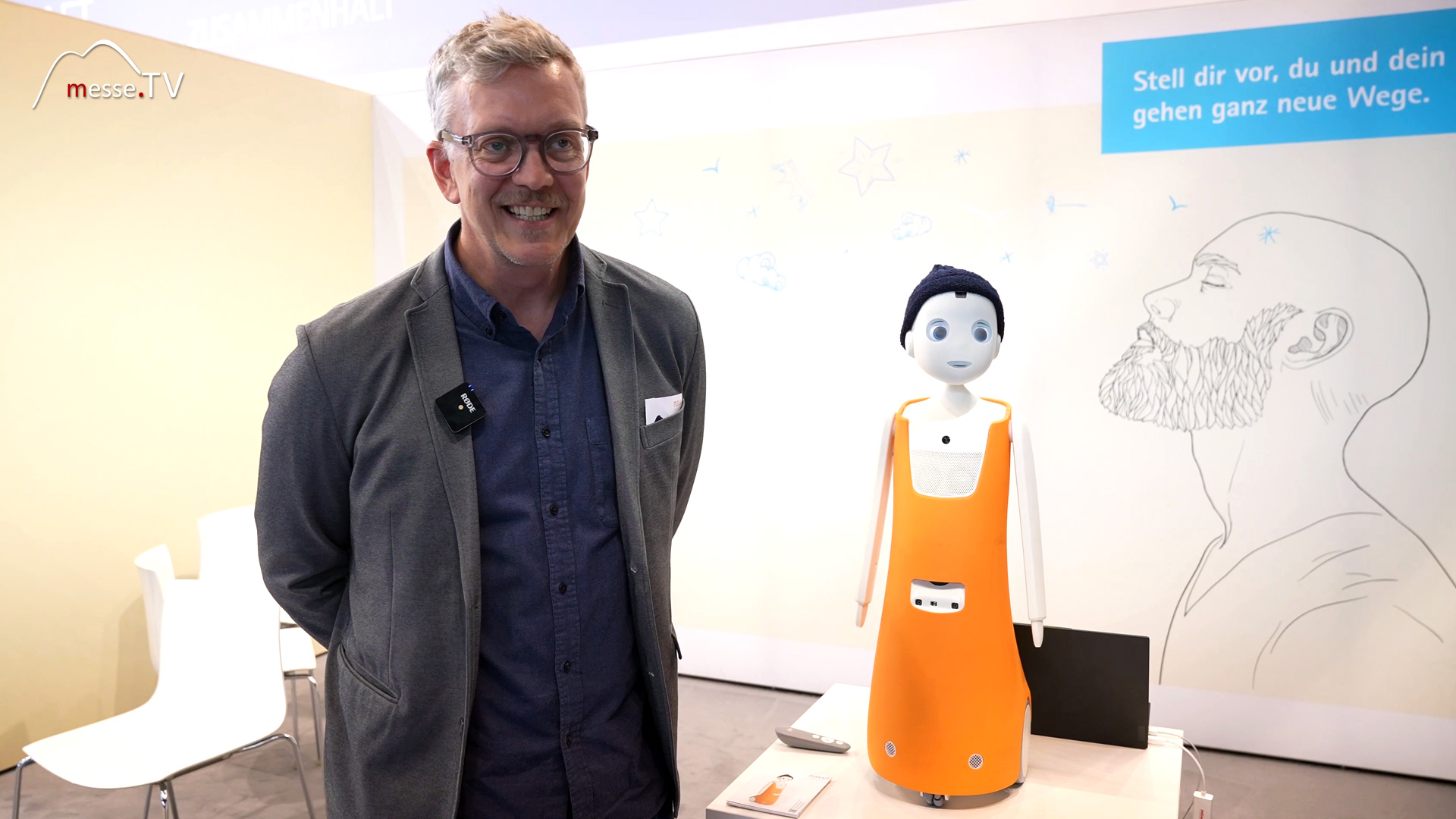
In addition to classic digital applications, robotics is also coming into focus. The use of social robots is increasingly being tested to find out where they can provide meaningful support to employees and where there are clear limitations. The aim is not to replace, but to complement. One example is the use of a social robot as part of a scientifically supported project. The aim is to realistically evaluate which tasks can be taken over – such as activation, information or support – and which activities still require human presence. This differentiated approach is crucial in order to perceive technology not as a threat, but as a relief.
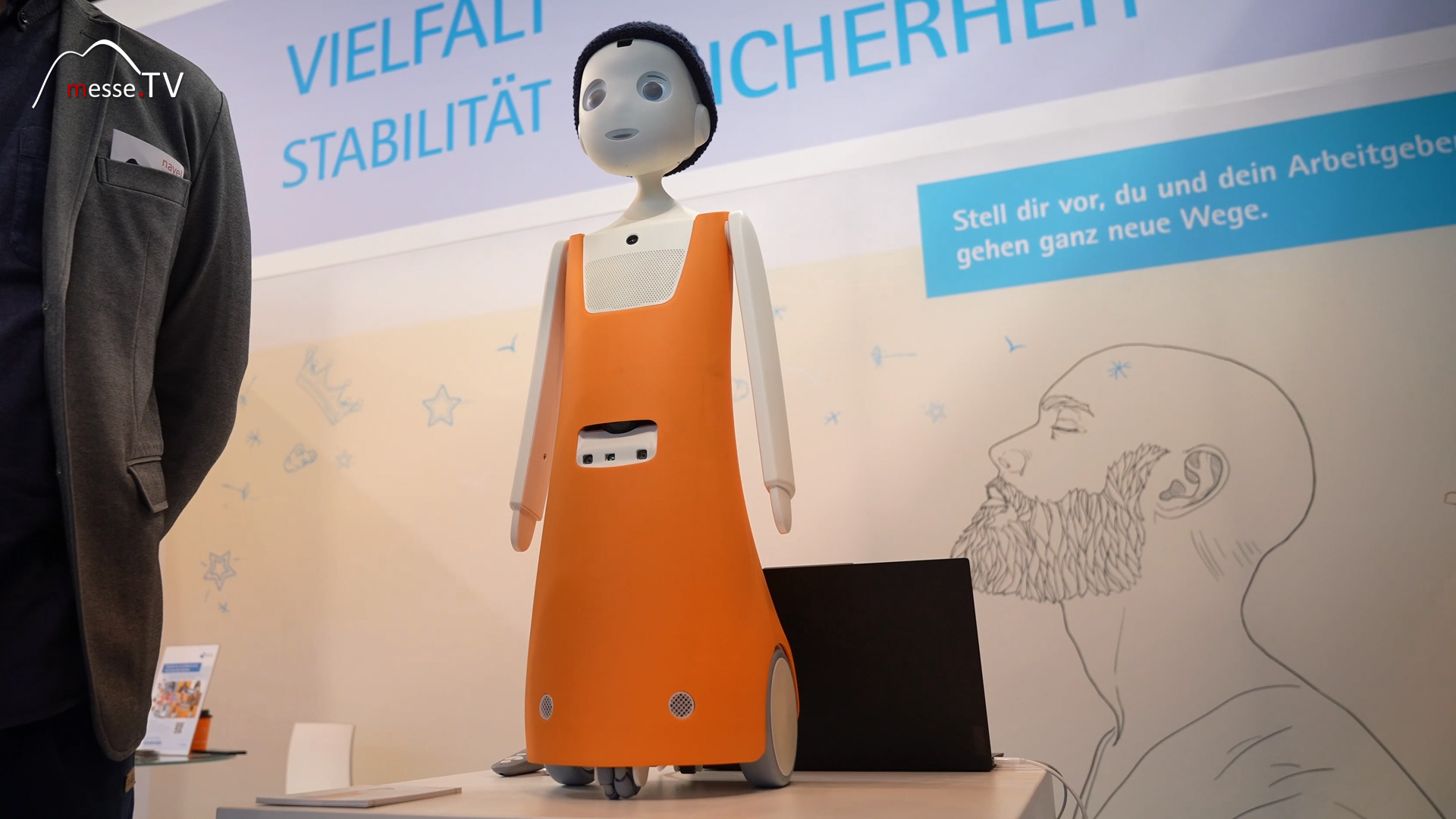
Professionalization as a long-term development
Care will continue to become more professional. This includes standardized processes, specialized roles, and greater integration of care, technology, and organization. At the same time, care remains a relationship-based profession that cannot be fully automated. The challenge lies in combining the two. Key developments can be clearly identified:
- Greater digitization of documentation and organization
- Increasing importance of mobile care services
- Targeted use of robotics for support
- Clear career paths for employees
Shaping the future instead of managing it
The care of the future will not be created by individual measures, but by an attitude. Employees must be involved, technical developments must be critically examined, and new forms of care must be actively designed. Large social enterprises bear a special responsibility in this regard because their decisions affect many people – both those in need of care and employees. Care, employees, digitalization, robotics, and the future cannot be viewed separately. Only when they interact can a system be created that remains stable, attractive, and capable of development. The coming years will show how successful we are in shaping this change in such a way that care remains a reliable pillar of social cohesion.


Trade fair reporting Germany - Trade fair knowledge, dates & events


