Steiff Hansel: Tradition, Materialinnovation und ein ungewöhnlicher Teddybär
Mit Steiff verbindet sich für viele Menschen vor allem eines: klassische Teddybären, hochwertige Verarbeitung und eine lange Geschichte, die weit über den Spielwarenmarkt hinausreicht. Umso spannender ist es, wenn ein Unternehmen mit genau diesem Hintergrund bewusst neue Wege geht – so wie beim „Hansel Teddybär“, der auf der Messe vorgestellt wurde.
Ein Teddybär aus Hanf als Sammlerstück
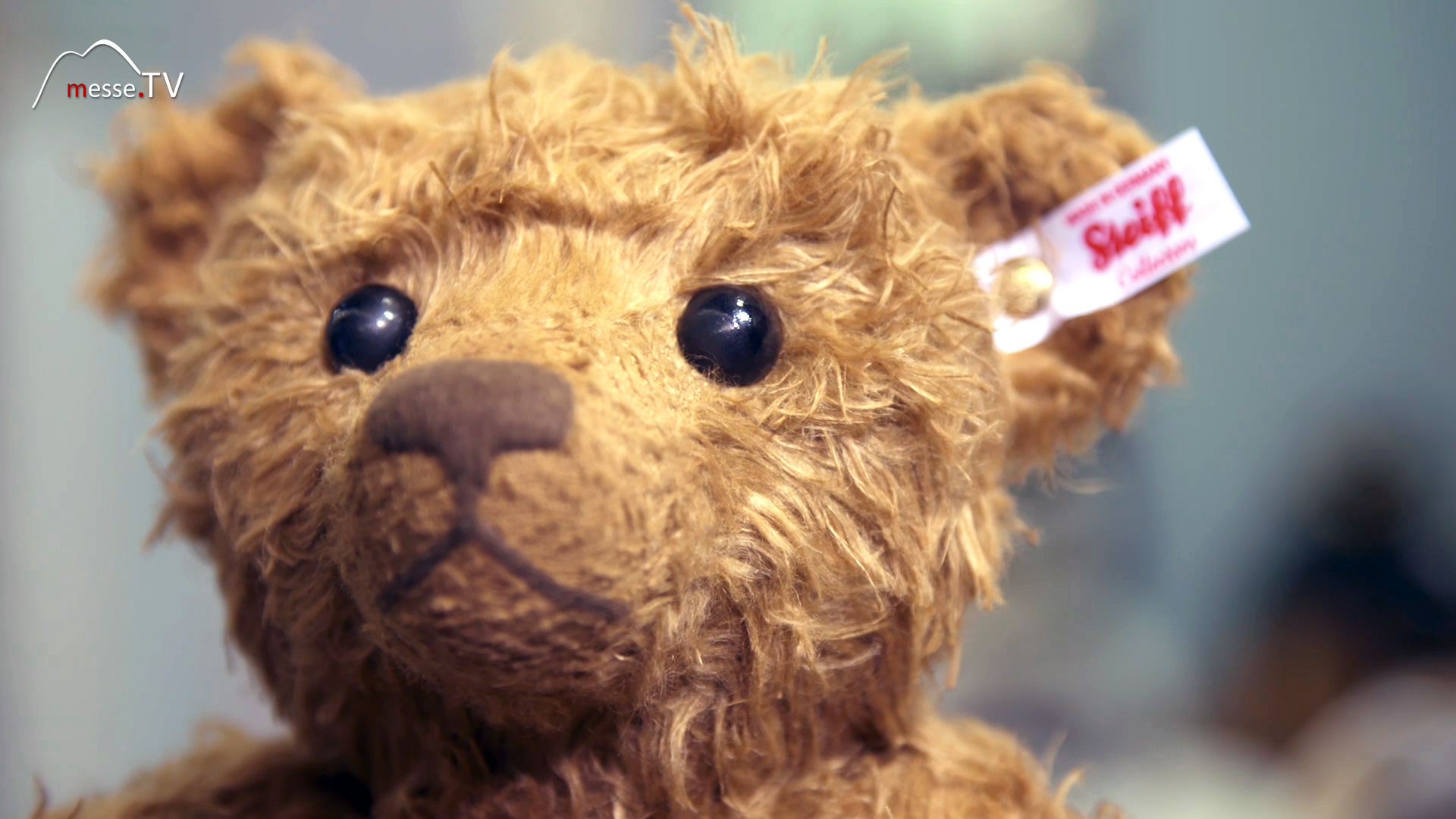
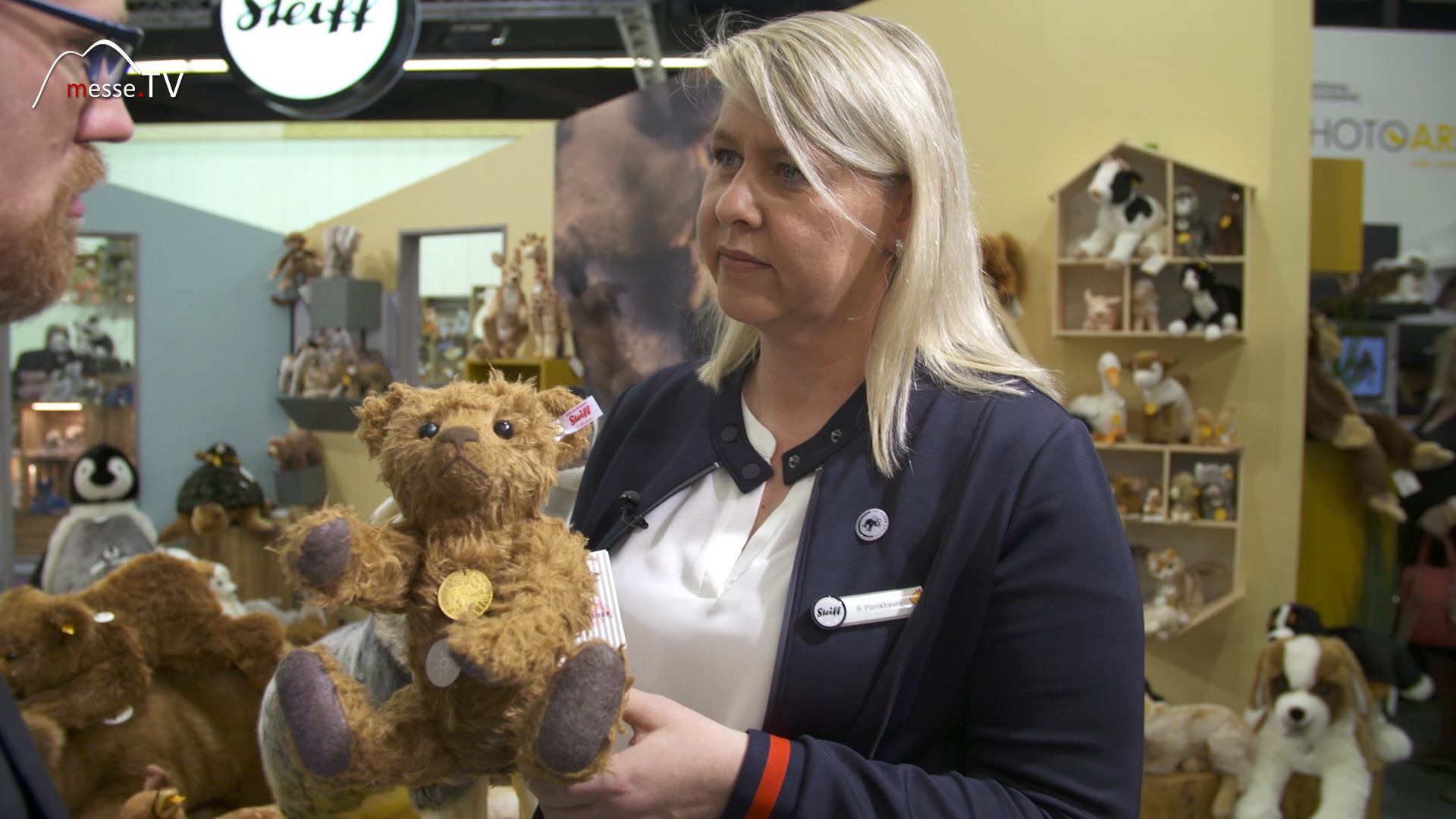
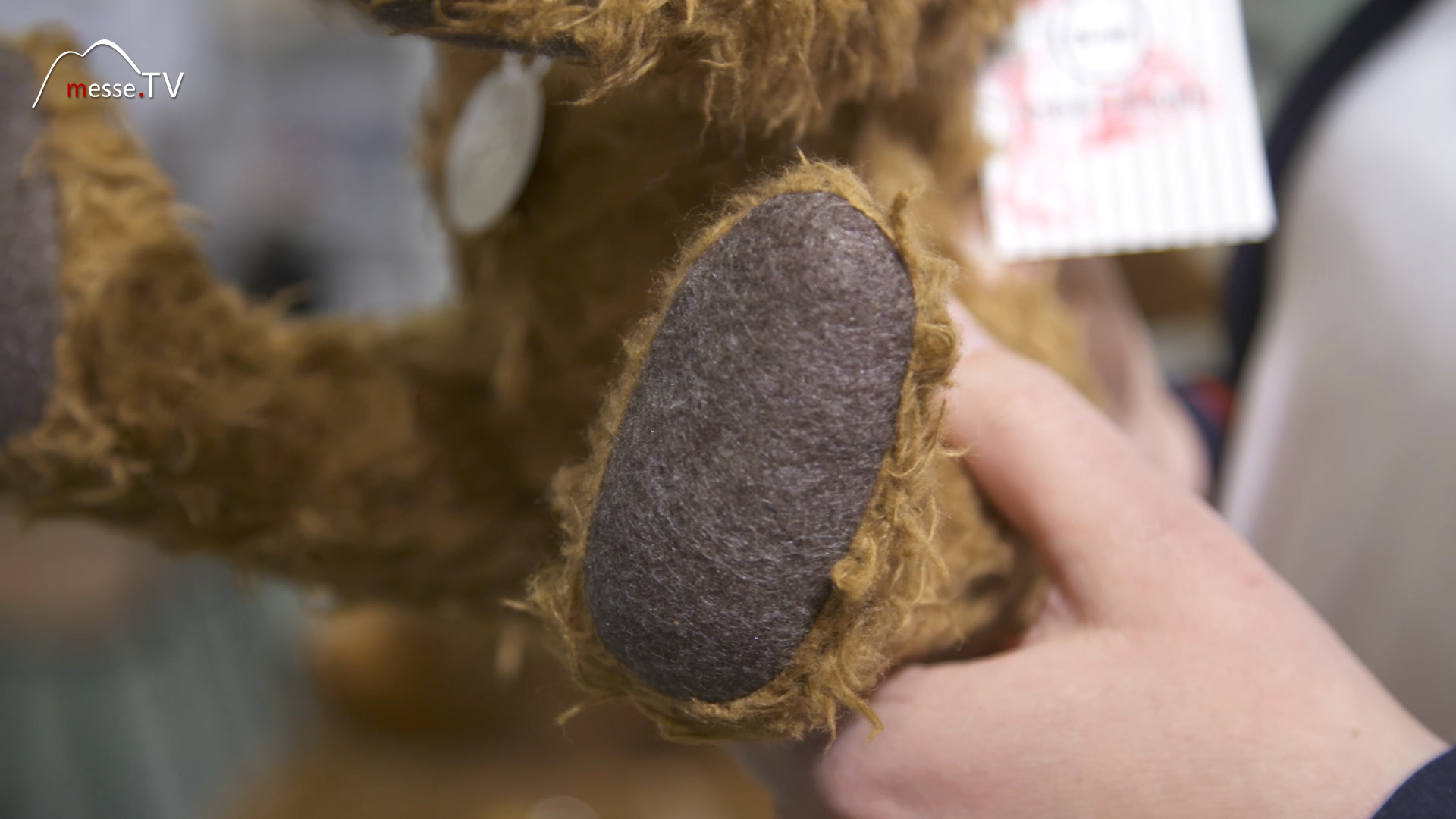
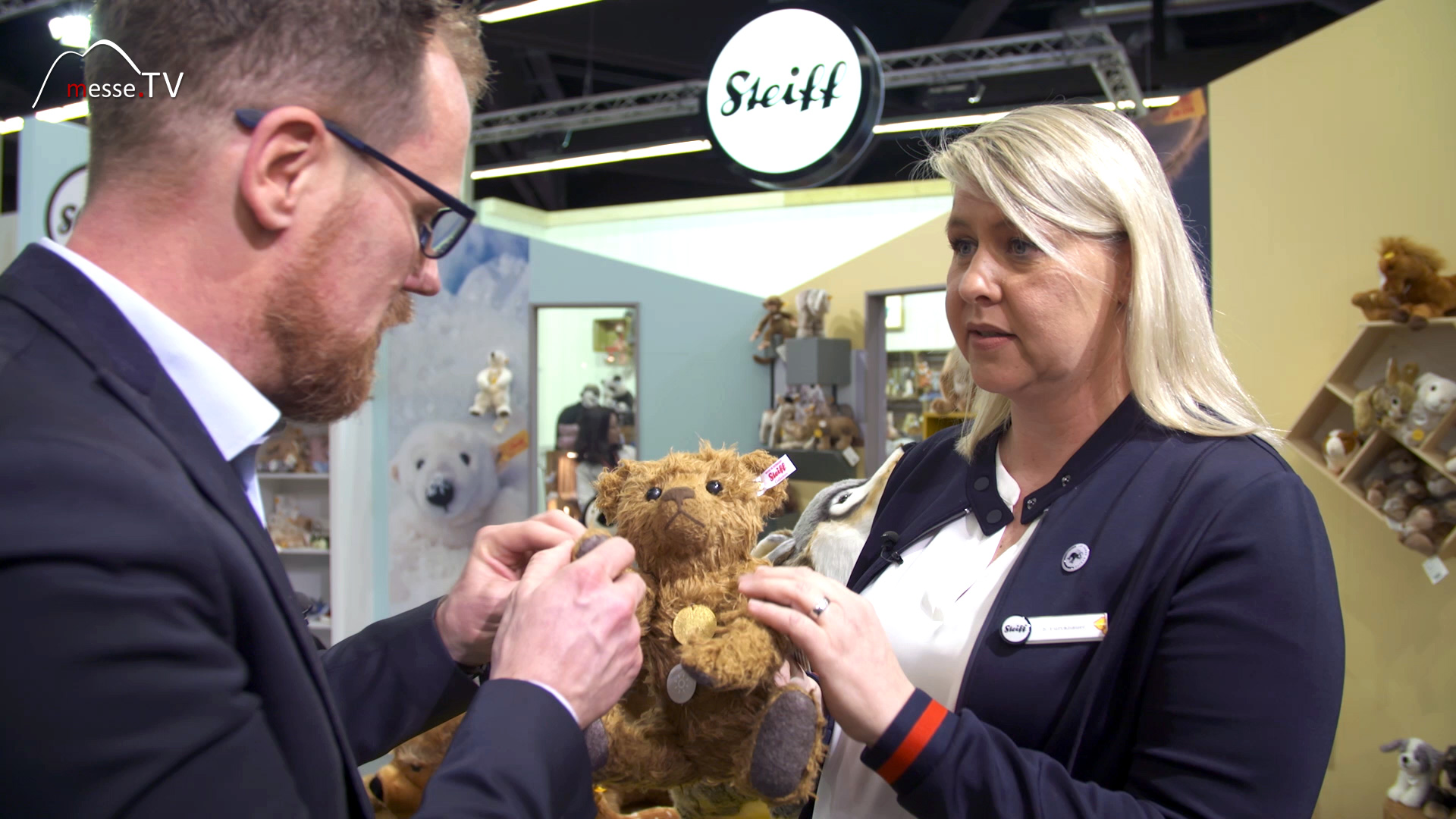
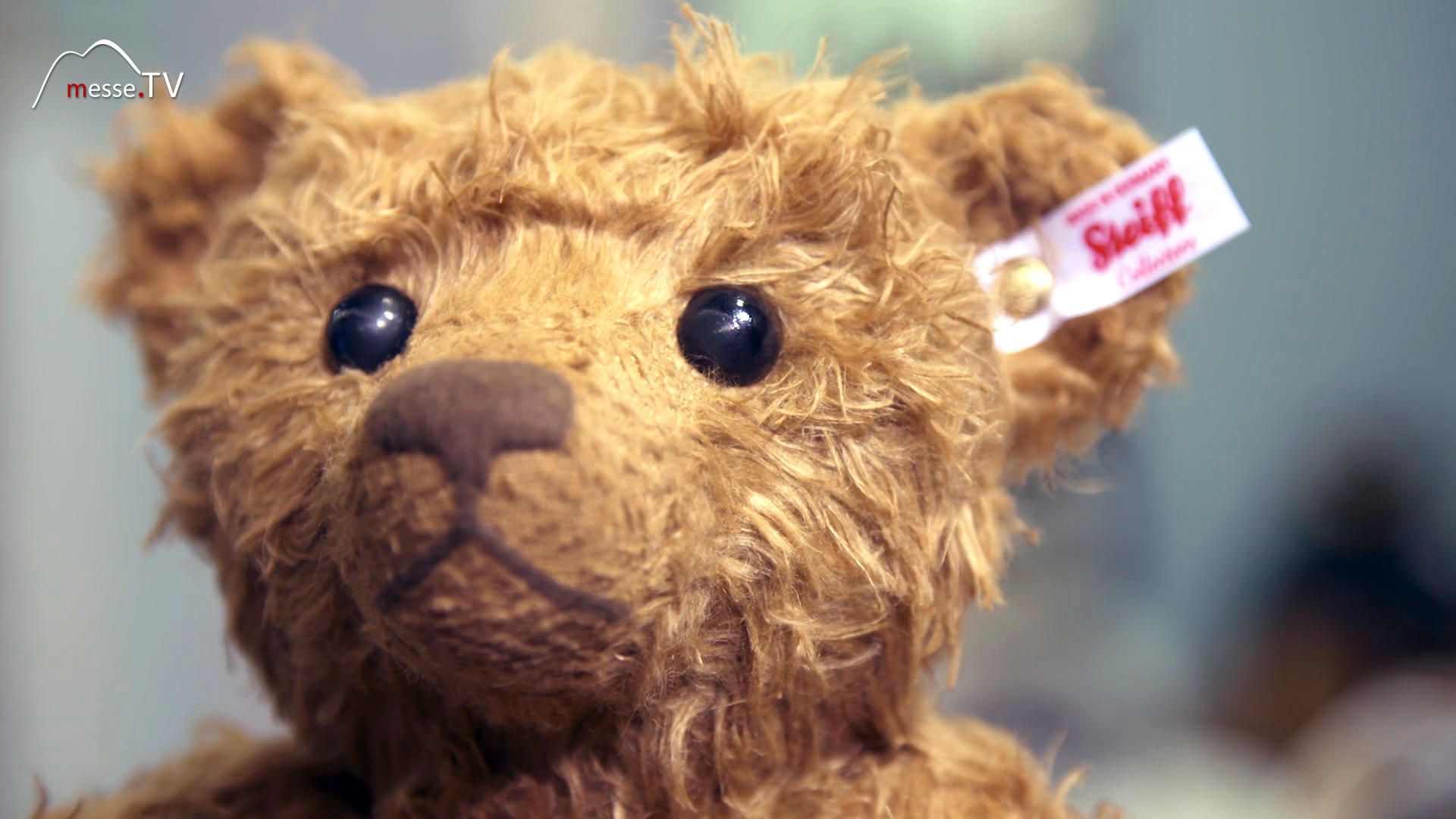
Der Hansel Teddybär fällt sofort auf. Sein Fell wirkt ungewohnt, leicht wuschelig, fast wie Wolle – und genau hier liegt die Besonderheit. Das Außenmaterial besteht aus Hanf. Für Steiff ist das kein Bruch mit der eigenen Identität, sondern eine konsequente Weiterentwicklung. Hanf fühlt sich weich an, ist robust und lässt sich vergleichsweise umweltschonend verarbeiten. Auch bei den Details geht Steiff bewusst andere Wege. Die Fußsohlen bestehen nicht aus klassischem Filz, sondern aus Ananasleder, einem pflanzlichen Material auf Faserbasis. Die Augen sind Schuhknopf-Augen aus Holz. Damit unterscheidet sich dieser Teddy klar von Serienprodukten und richtet sich bewusst an Sammler und Liebhaber besonderer Stücke. Die Auflage ist auf 1.000 Exemplare limitiert. Damit ist Hansel kein Massenprodukt, sondern ein Statement innerhalb des Sortiments – ein Experiment, das zeigt, was möglich ist, ohne bestehende Linien sofort zu verändern.
Materialwahl mit historischem Bezug
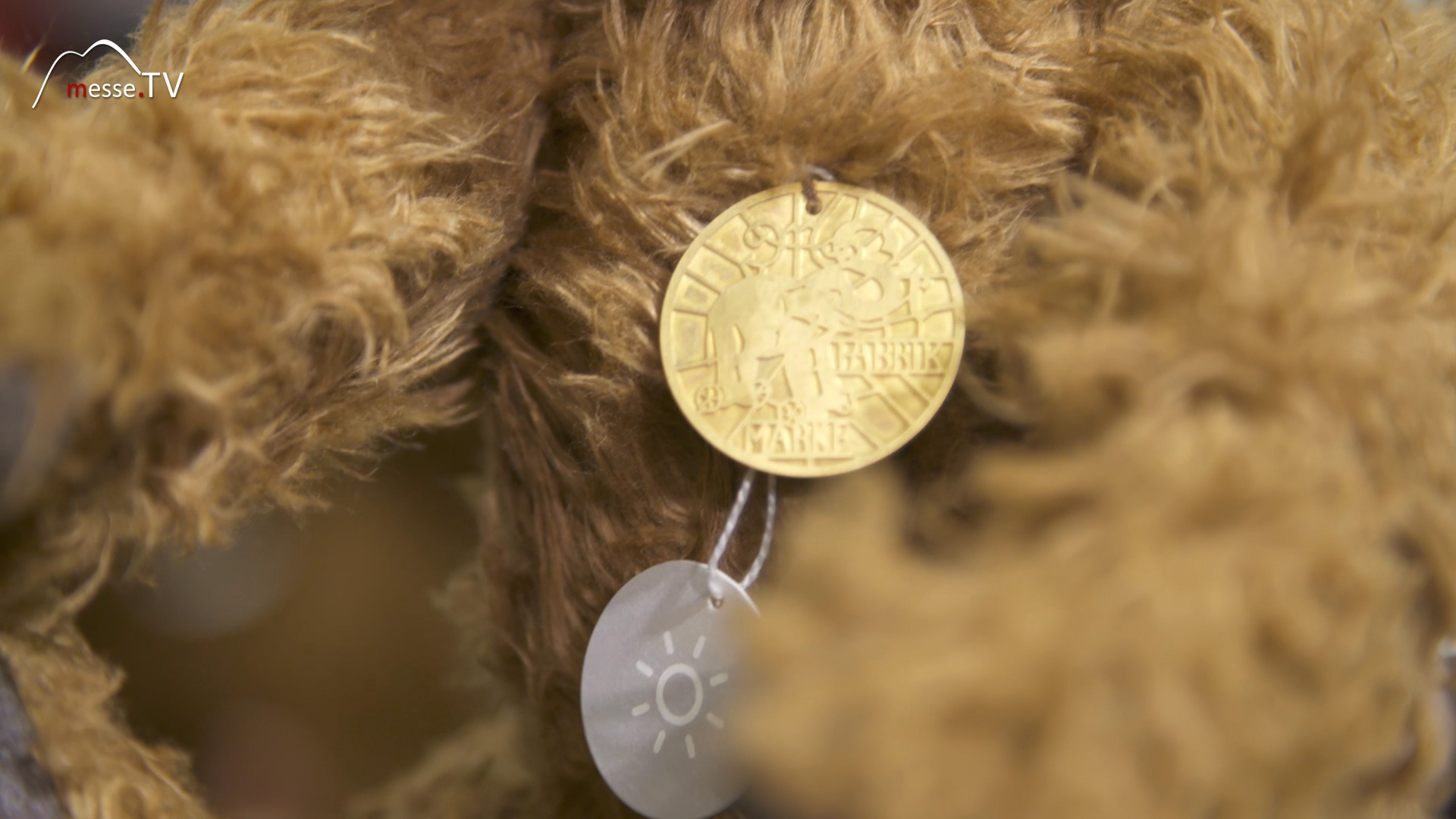
Der Einsatz alternativer Werkstoffe ist bei Steiff kein völlig neues Thema. Bereits 1910 entstand ein sogenannter Papier-Teddy, der aus Ersatzmaterialien gefertigt wurde. Damals war die Motivation eine andere, heute steht eher die Frage im Raum, wie Materialien nachhaltiger eingesetzt werden können, ohne Qualität und Charakter zu verlieren. Der Hansel Teddybär knüpft genau an diese Tradition an: Neues ausprobieren, ohne die eigene Geschichte zu verleugnen. Das Unternehmen zeigt damit, dass Innovation nicht zwangsläufig laut oder radikal sein muss, sondern auch leise, punktuell und bewusst erfolgen kann.
Nachhaltigkeit ohne Bruch mit der Marke
Auffällig ist, dass Steiff bei diesem Produkt auf große Versprechen oder weitreichende Ankündigungen verzichtet. Es geht nicht darum, sofort das gesamte Sortiment umzustellen. Vielmehr dient der Hansel Teddybär als Testfeld: Wie reagieren Sammler? Wie wird das Material angenommen? Welche Erfahrungen lassen sich in der Produktion sammeln? Diese vorsichtige Herangehensweise passt zur Marke. Steiff steht für Langlebigkeit und Beständigkeit. Ein Teddy ist oft kein Wegwerfprodukt, das Kuscheltieren begleitet Menschen über Jahre oder sogar Generationen. In diesem Kontext gewinnt die Materialfrage eine zusätzliche Bedeutung.
- Außenmaterial aus Hanf mit weicher Haptik
- Fußsohlen aus Ananasleder statt Filz
- Holz-Schuhknopf-Augen als bewusstes Detail
- Limitierte Auflage von 1.000 Exemplaren
Zwischen Spielzeug und Sammlerobjekt
Der Hansel Teddybär richtet sich weniger an Kinderzimmer als an Vitrinen und Sammlungen. Das Design ist bewusst zurückhaltend, fast nostalgisch, und unterstreicht den handwerklichen Anspruch. Gleichzeitig bleibt er eindeutig als Steiff-Teddy erkennbar – sowohl in der Form als auch in der Ausstrahlung. Gerade diese Balance ist interessant: Ein modernes Materialkonzept trifft auf eine klassische Teddy-Ästhetik. Damit entsteht kein modischer Effekt, sondern ein Produkt, das zeitlos wirken soll. Genau das unterscheidet es von kurzlebigen Designexperimenten.
Blick nach vorn, ohne Festlegung
Auf die Frage, ob künftig mehr Teddys mit alternativen Werkstoffen folgen werden, bleibt Steiff bewusst offen. „Lasst euch überraschen“ lautet die Antwort. Das ist mehr als eine Floskel. Es signalisiert, dass der Hansel Teddybär kein isolierter Zufall ist, aber auch kein fertiger Masterplan dahintersteht. Für ein Unternehmen mit über hundertjähriger Geschichte ist dieser Ansatz nachvollziehbar. Innovation entsteht hier nicht durch schnelle Richtungswechsel, sondern durch gezielte Impulse. Der Hansel Teddybär ist genau so ein Impuls – klein in der Auflage, aber groß in der Aussage.
Ein stilles, aber deutliches Zeichen
Mit diesem Produkt zeigt Steiff, dass sich Tradition und neue Materialideen nicht ausschließen. Der Hansel Teddybär steht exemplarisch für einen Weg, der offen bleibt: ausprobieren, beobachten, weiterdenken. Ohne Übertreibung, ohne laute Botschaften – aber mit einem klaren Bewusstsein für Verantwortung, Qualität und Geschichte.

Messe-Berichterstattung bundesweit - Messewissen, Termine & Veranstaltungen


