LGB Zahnradlok: Vom historischen Vorbild zum Metallmodell
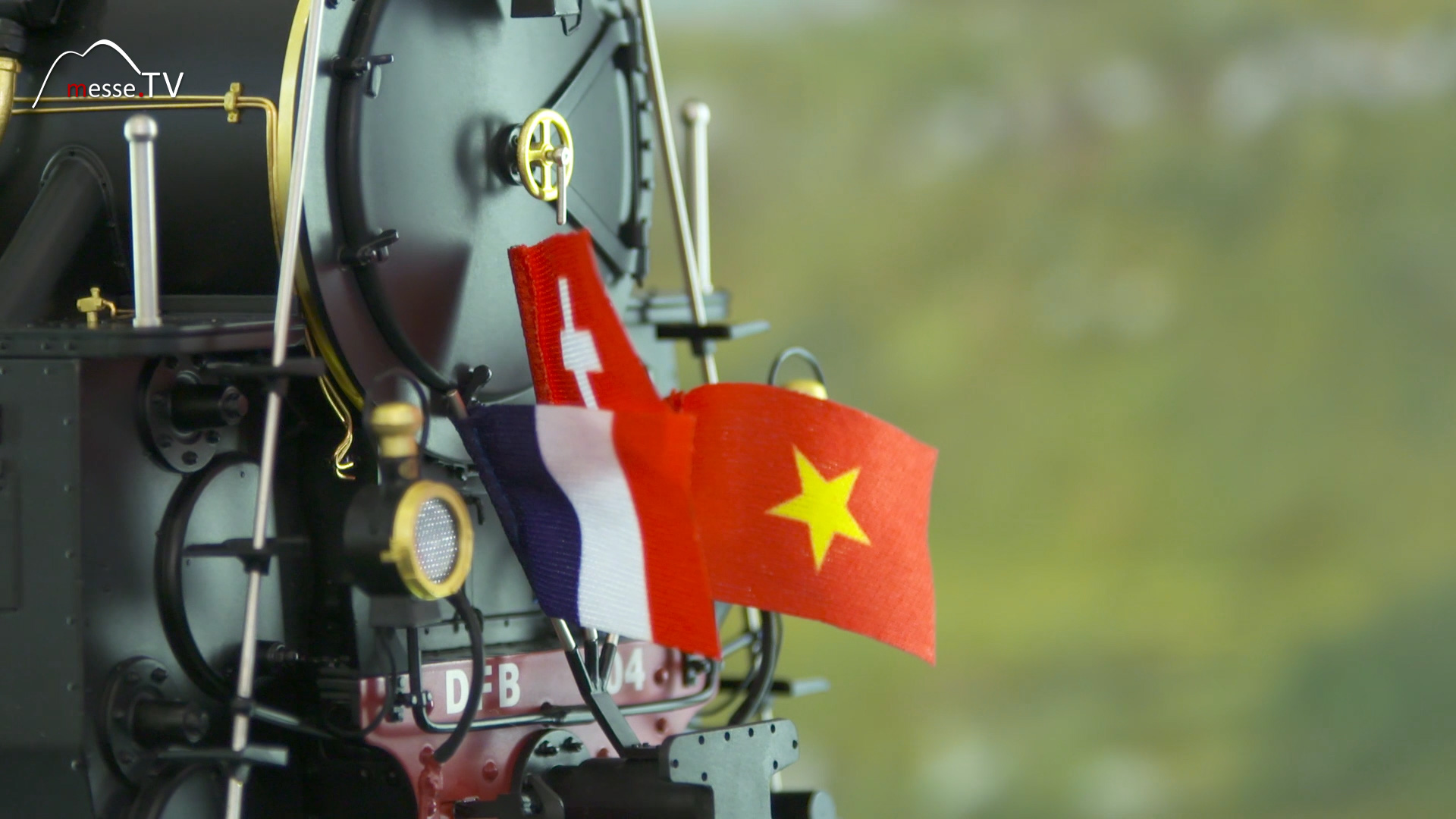
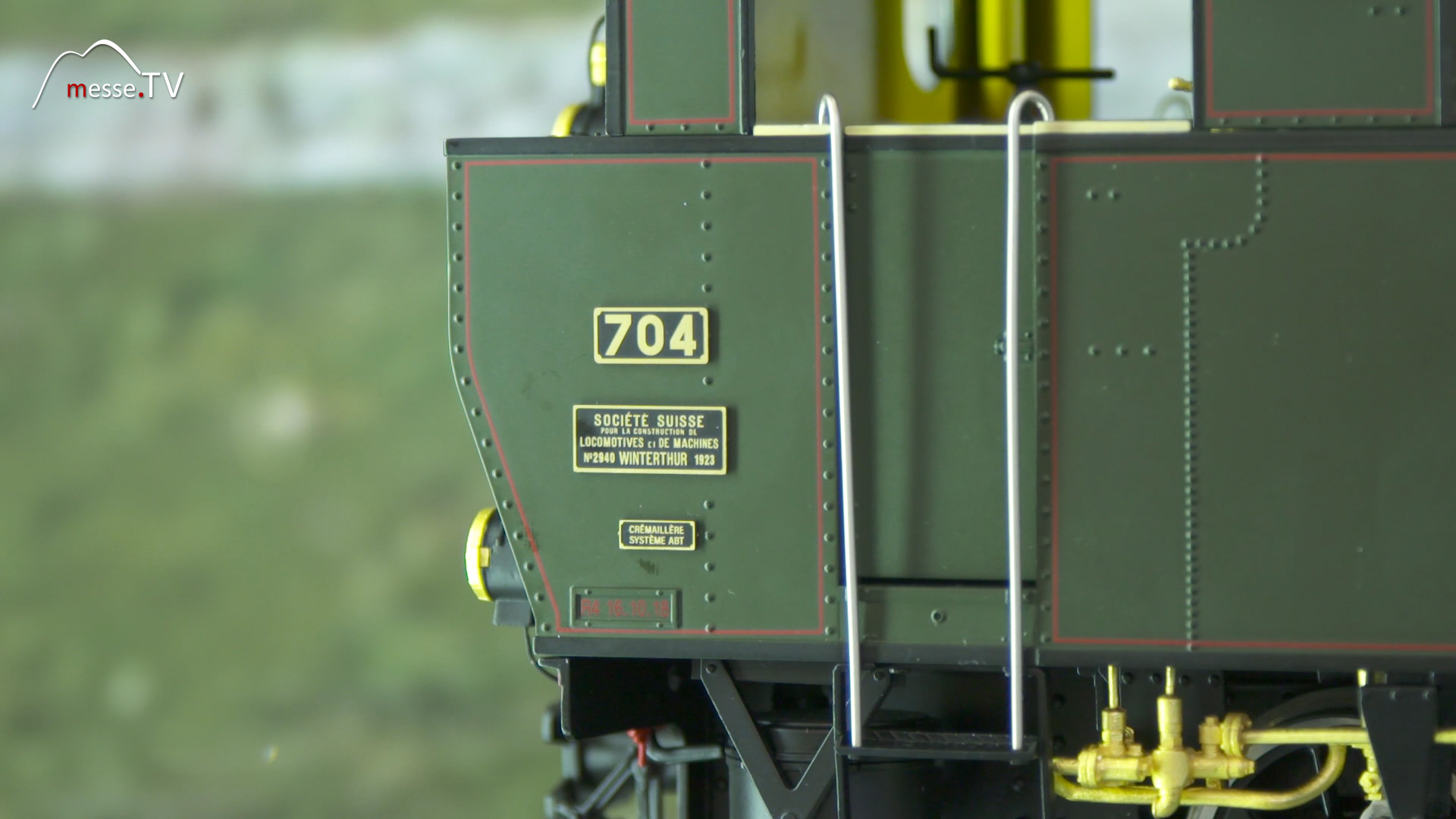
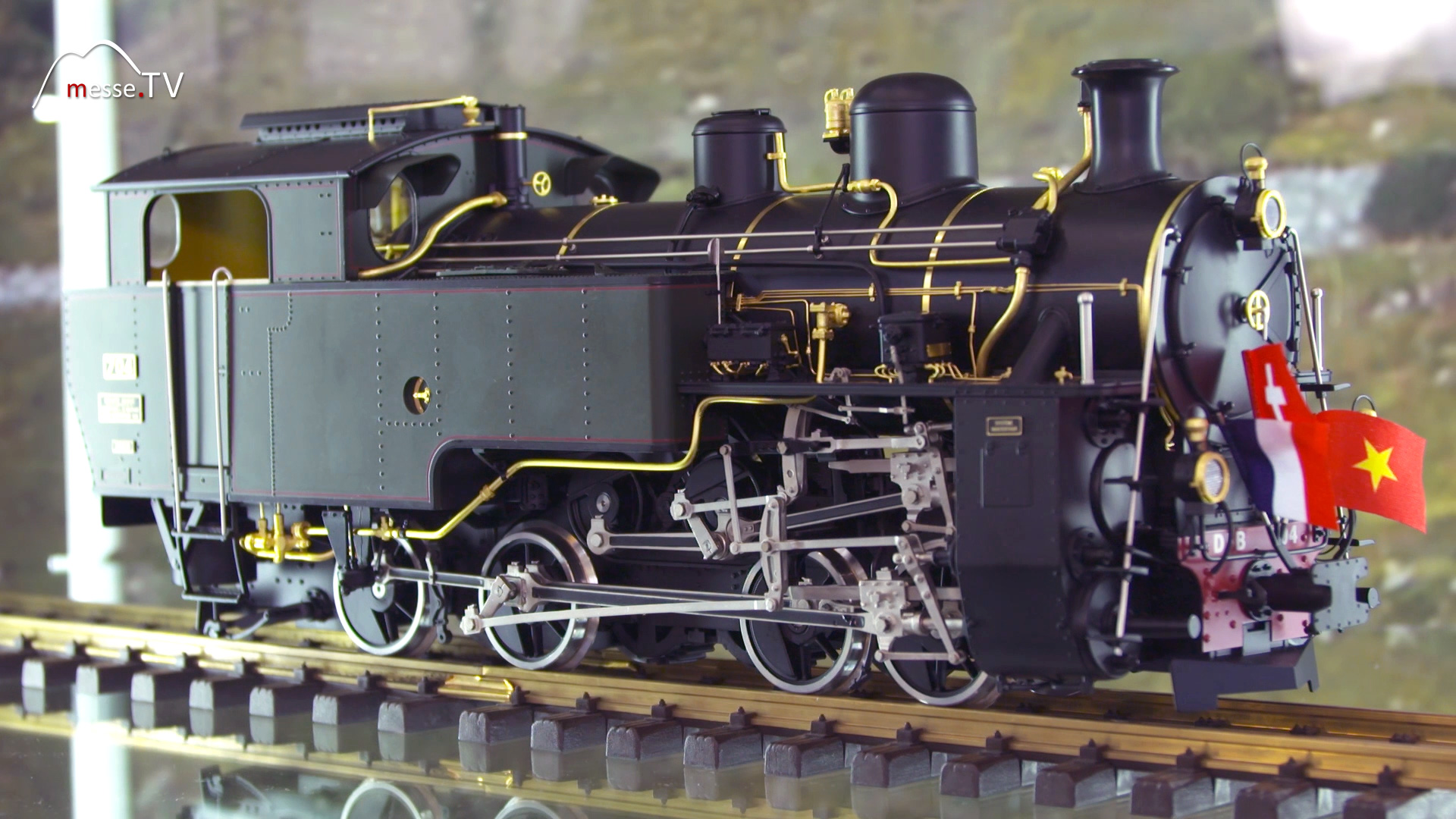
Die vorgestellte Zahnradlok von LGB basiert auf einem außergewöhnlichen historischen Vorbild aus der Schweiz. Konkret geht es um eine Lokomotive der Dampfbahn Furka-Bergstrecke, deren Geschichte weit über den alpinen Raum hinausreicht. Die Maschinen wurden vor rund hundert Jahren zunächst nach Indochina geliefert, wo sie viele Jahre im Einsatz waren und teilweise beschädigt wurden. Erst in den 1990er-Jahren gelangten einzelne Exemplare zurück in die Schweiz, wo sie aufwendig restauriert wurden und heute wieder auf Museumsstrecken fahren. Diese ungewöhnliche Biografie bildet die Grundlage für das neue LGB-Modell, das sich bewusst nicht nur an Spielbahner richtet, sondern klar an erfahrene Modellbahnliebhaber.
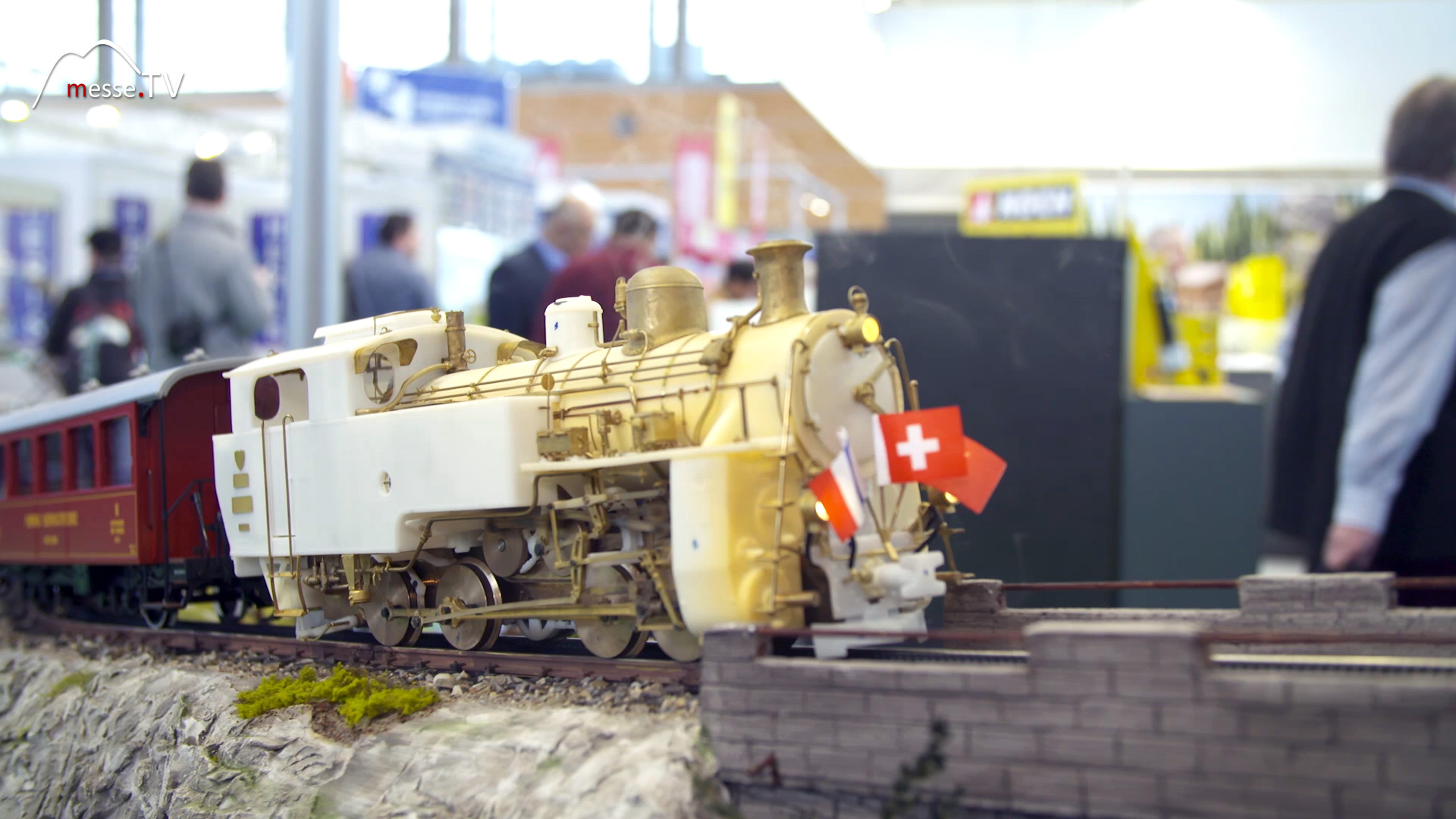
Funktionsmuster statt Lackierung: Warum die Lok weiß ist
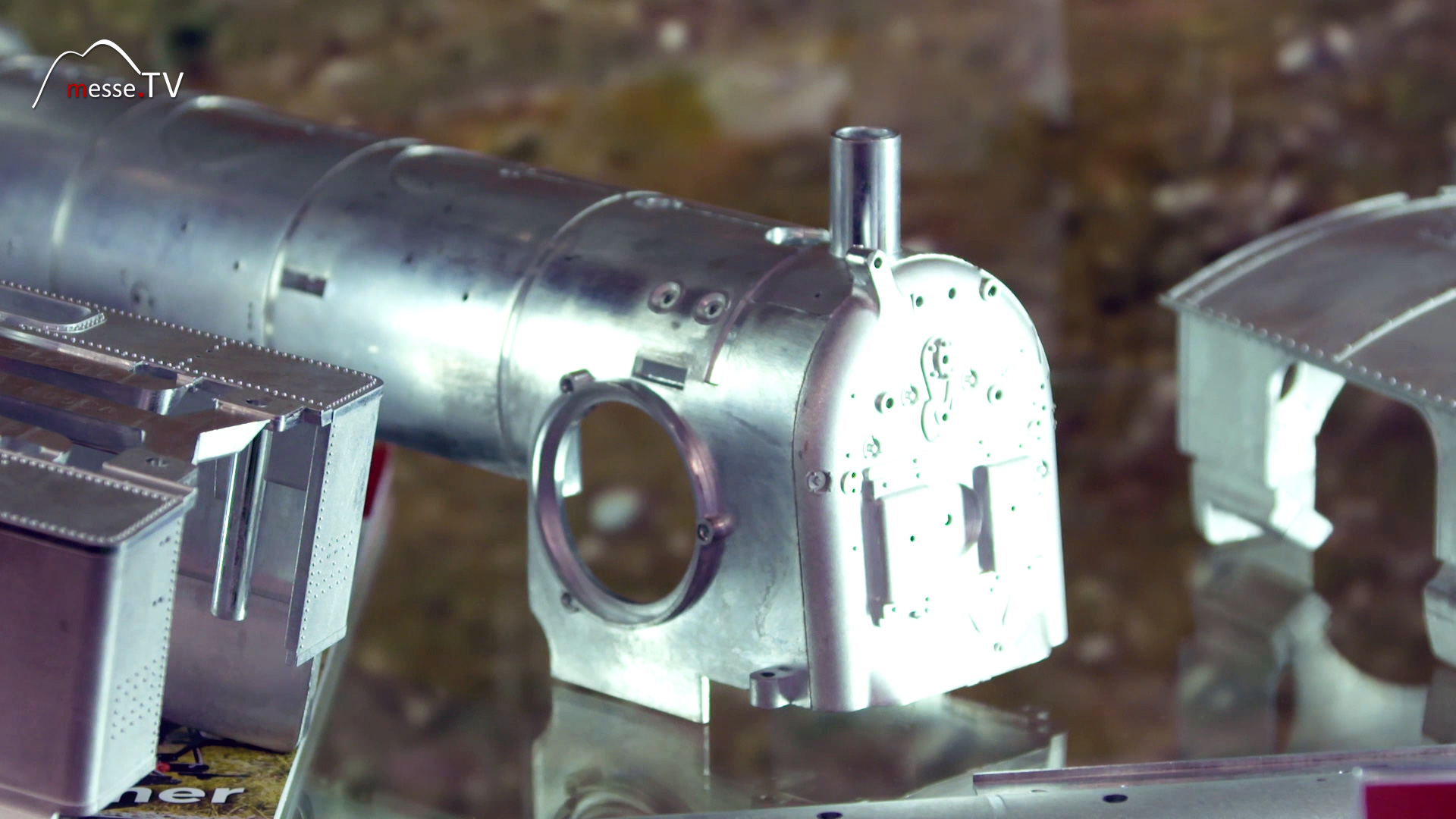
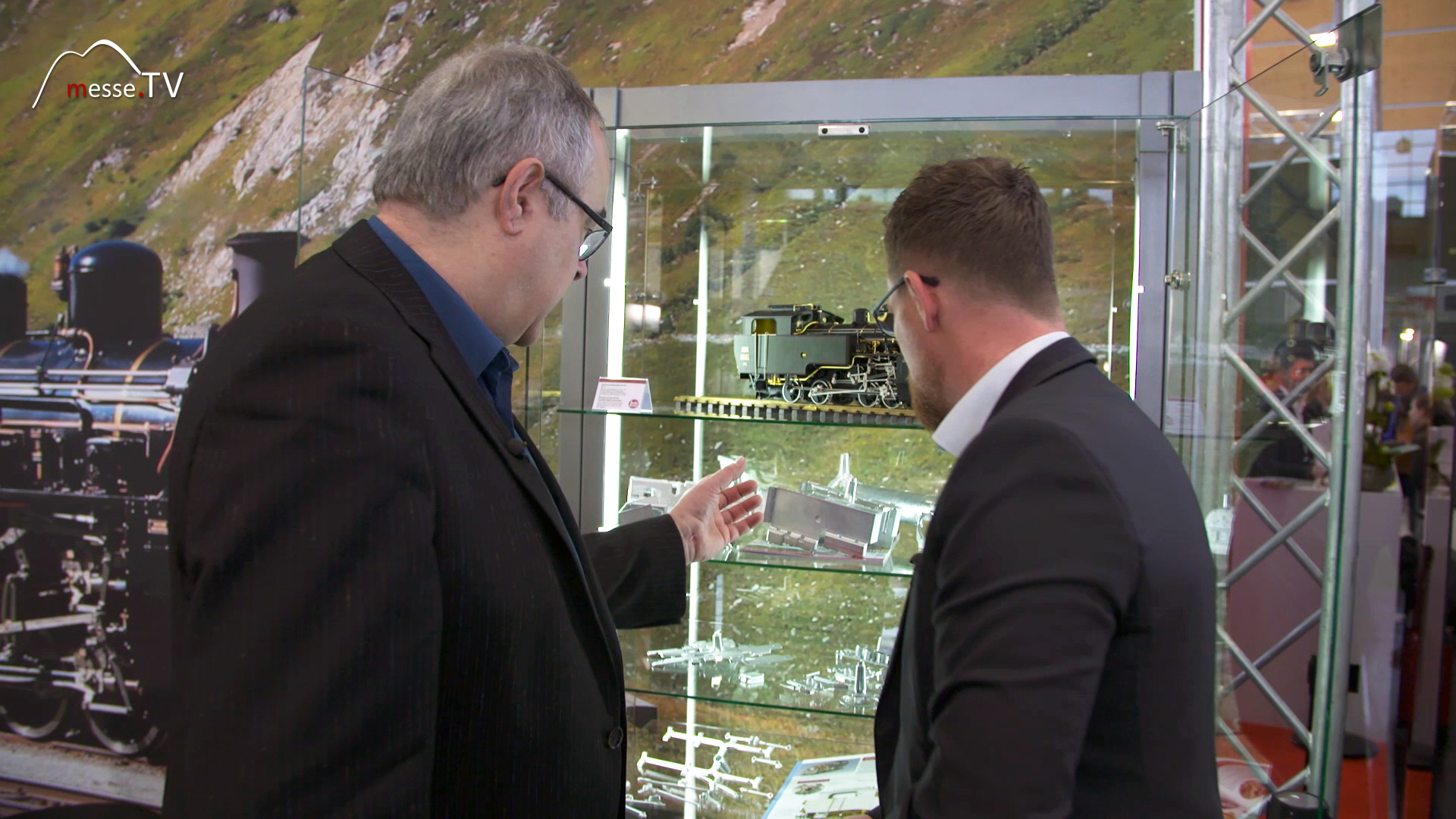
Auf dem Messestand fällt sofort auf, dass die Lok nicht lackiert ist. Der weiße Farbton ist kein Designmerkmal, sondern kennzeichnet ein frühes Funktionsmuster. In dieser Phase wird geprüft, ob Getriebe, Steigungen, Kurvenlauf und mechanische Belastungen den Anforderungen entsprechen. Viele Bauteile stammen aus dem 3D-Druck, andere – etwa erste Metallkomponenten – sind bereits aus Messing gefräst.
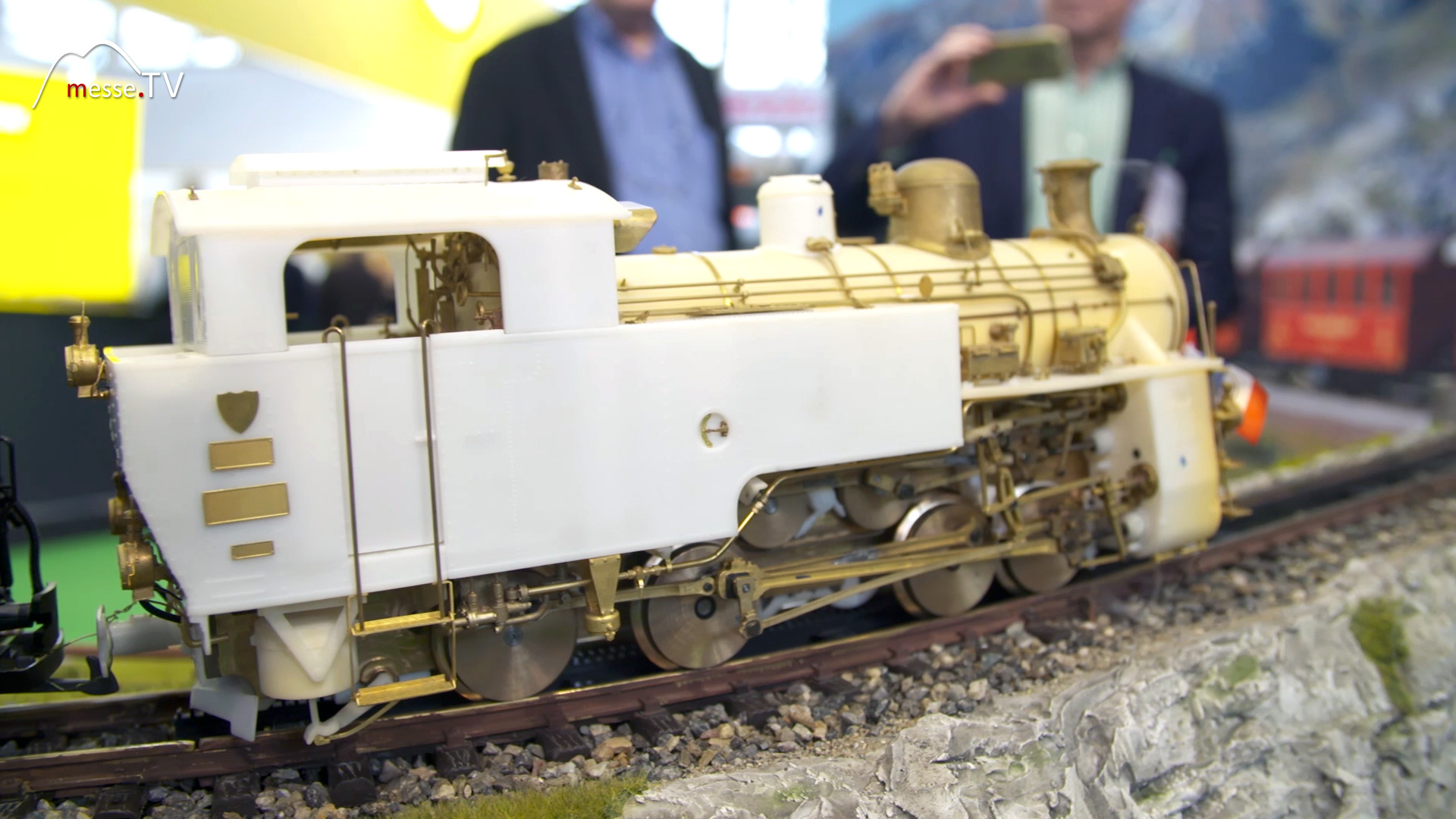
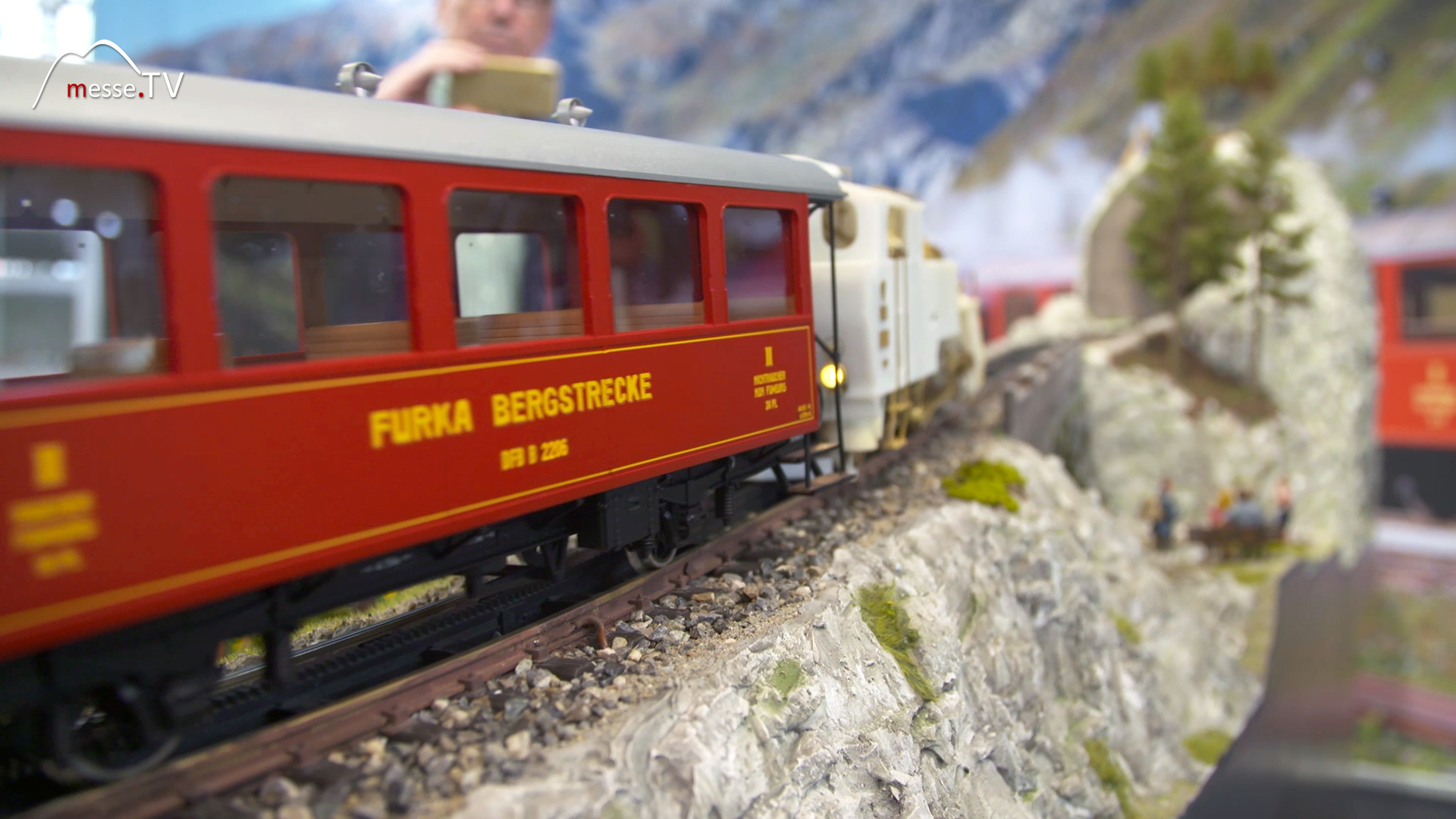
Dieses Zusammenspiel aus digitalen Fertigungsverfahren und klassischer Metallbearbeitung ist heute Standard bei komplexen Modellbahnprojekten. Erst wenn diese Phase abgeschlossen ist, folgen die endgültigen Werkzeuge für den Druckguss und später die Oberflächenveredelung.
Vom Prototyp zur Serienlok
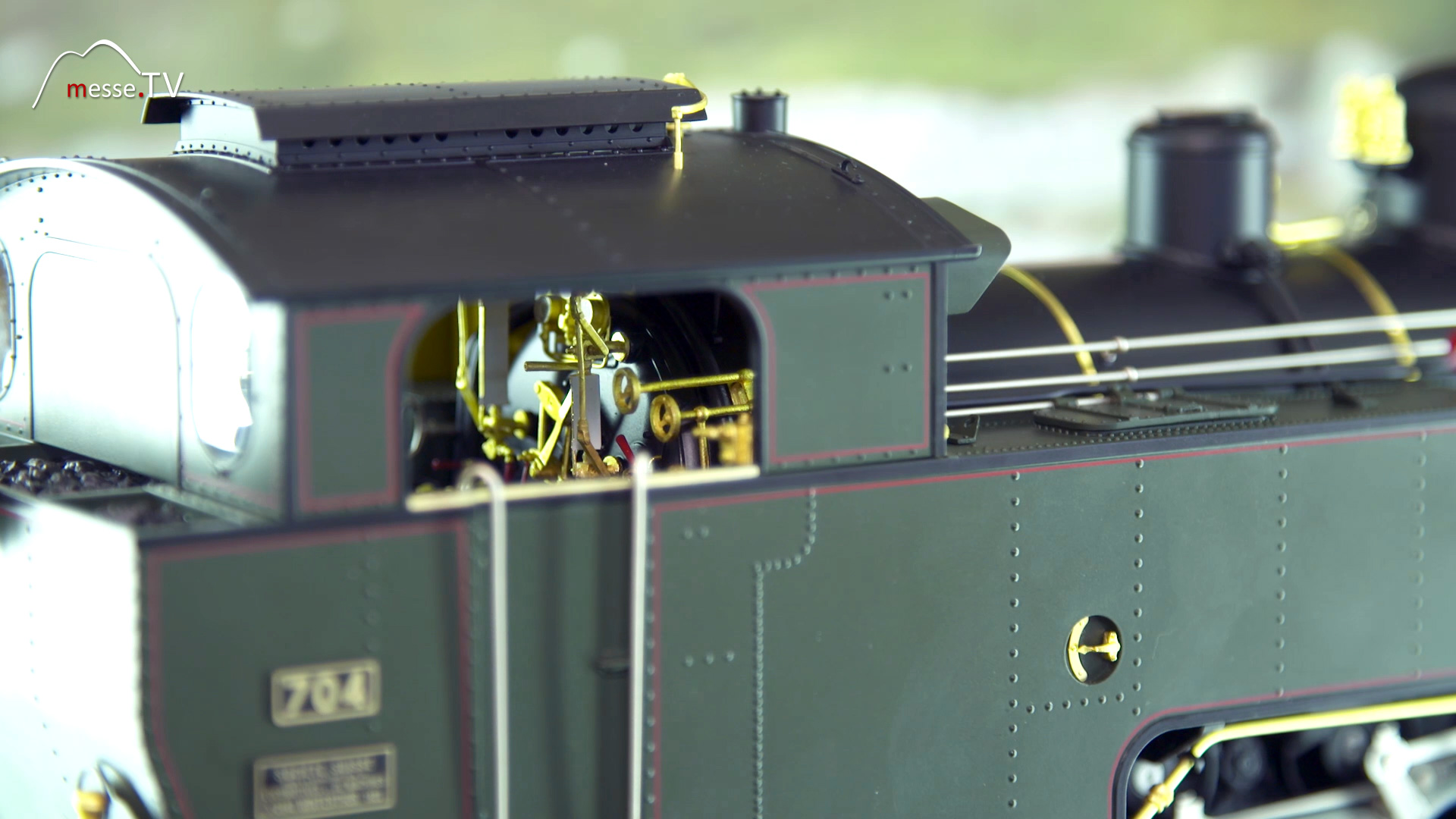
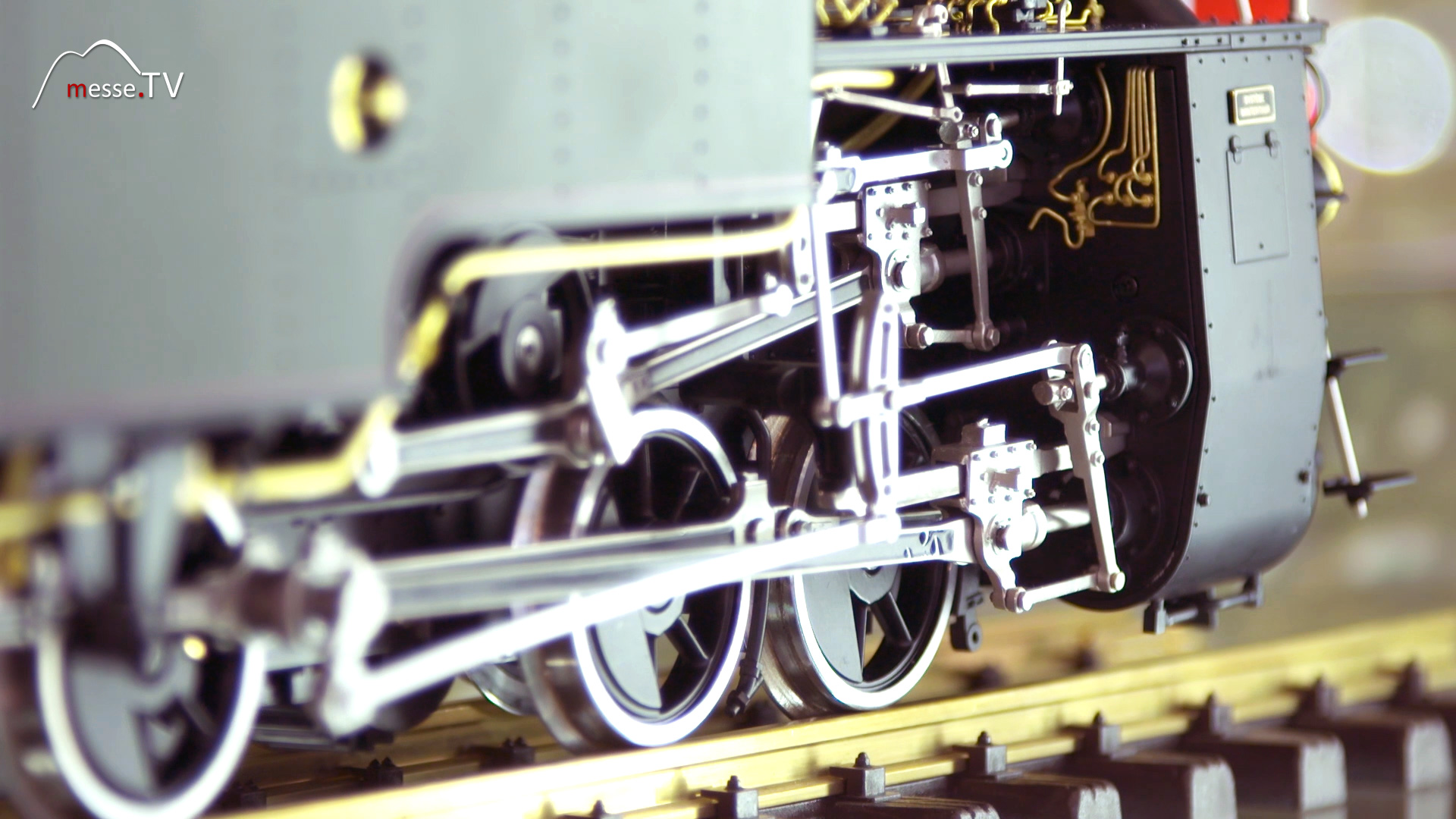
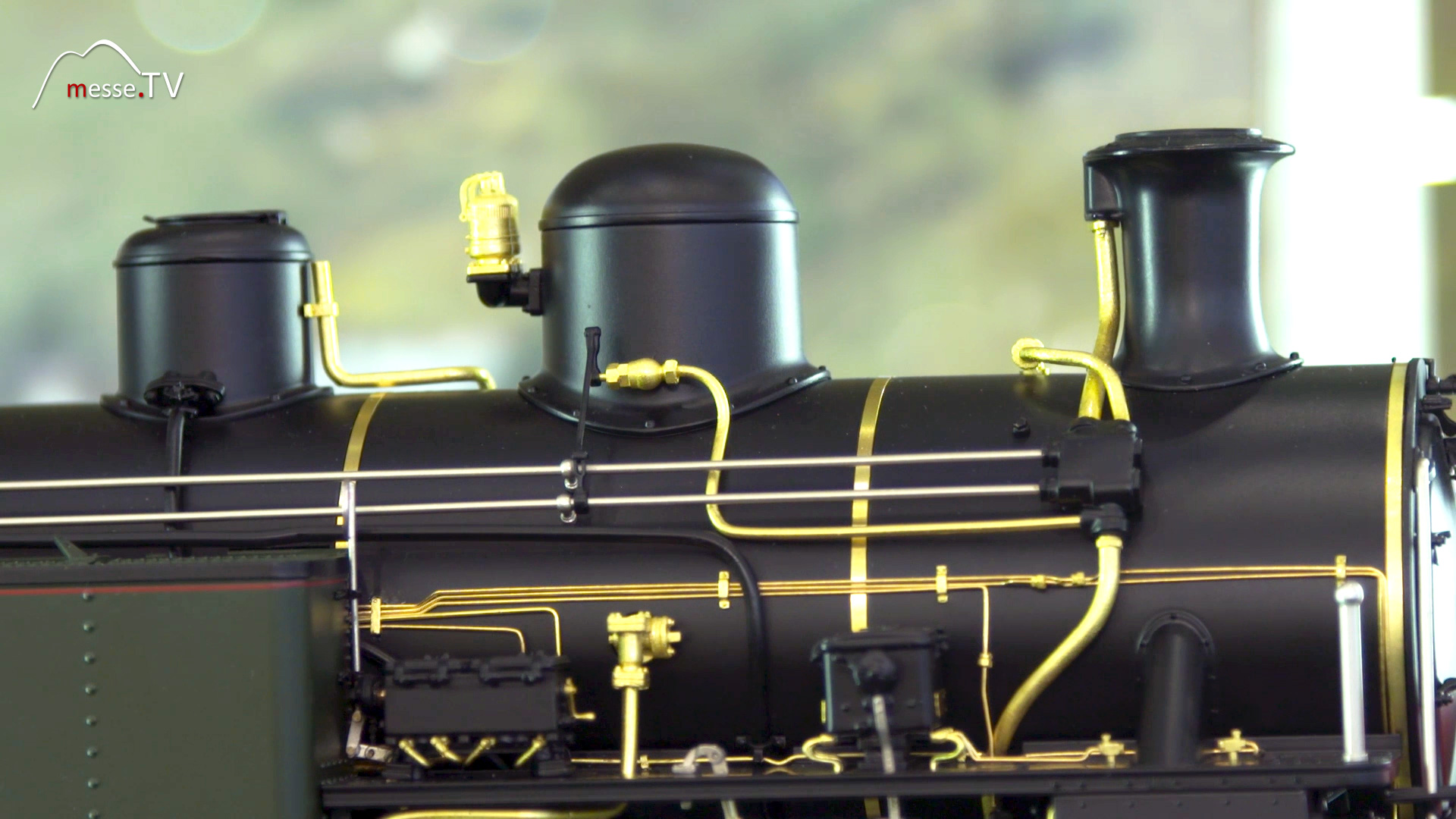
Nach dem Funktionsmuster beginnt die eigentliche Serienentwicklung. Formen werden erstellt, Metallteile im Druckgussverfahren gefertigt, anschließend bearbeitet, lackiert und montiert. Das gezeigte Modell ist bereits sehr nah an der finalen Version, auch wenn die Elektronik noch fehlt. Bewegliche Klappen, fein ausgearbeitete Details und die massive Bauweise lassen jedoch schon erkennen, wohin die Reise geht.
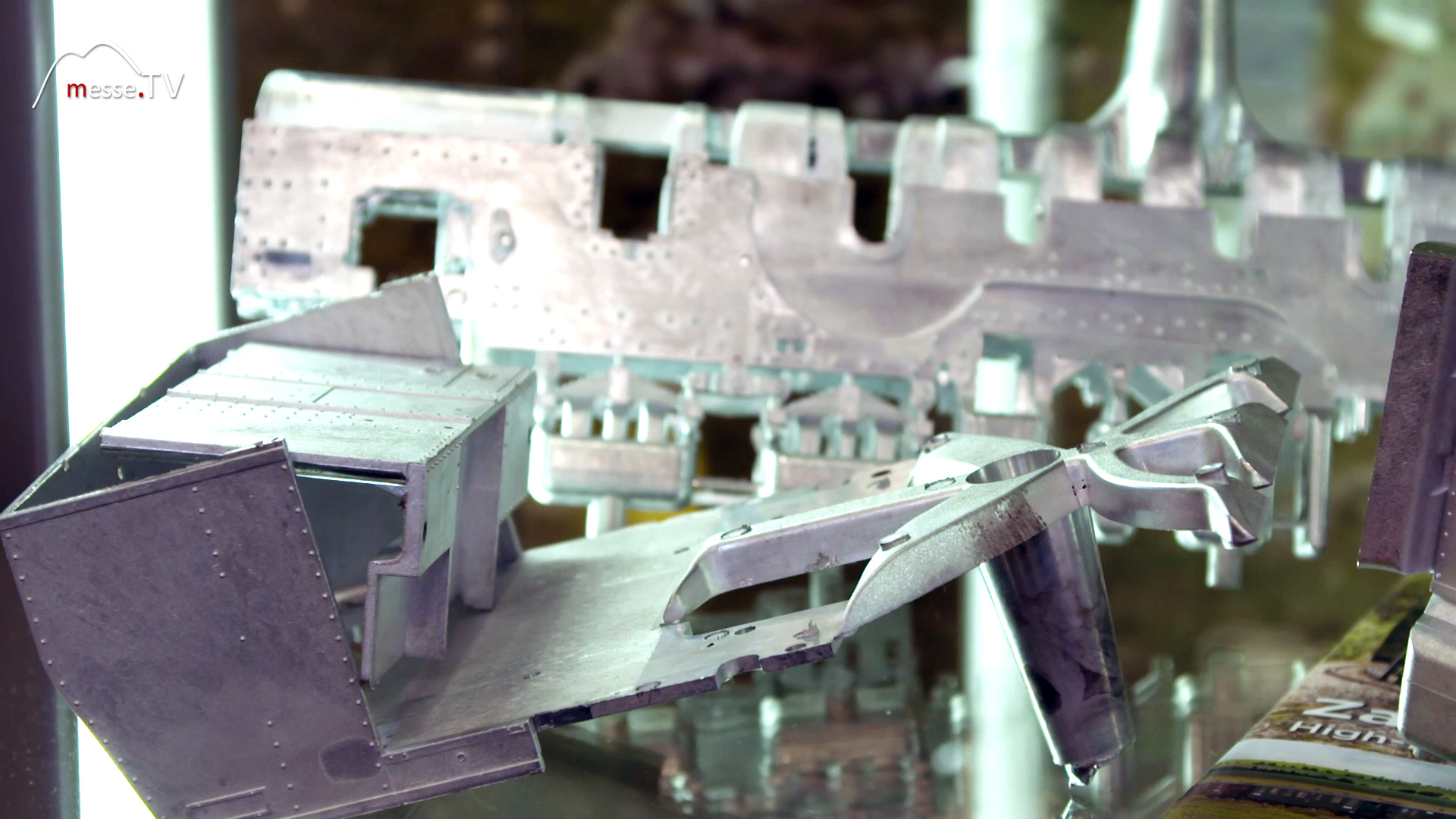
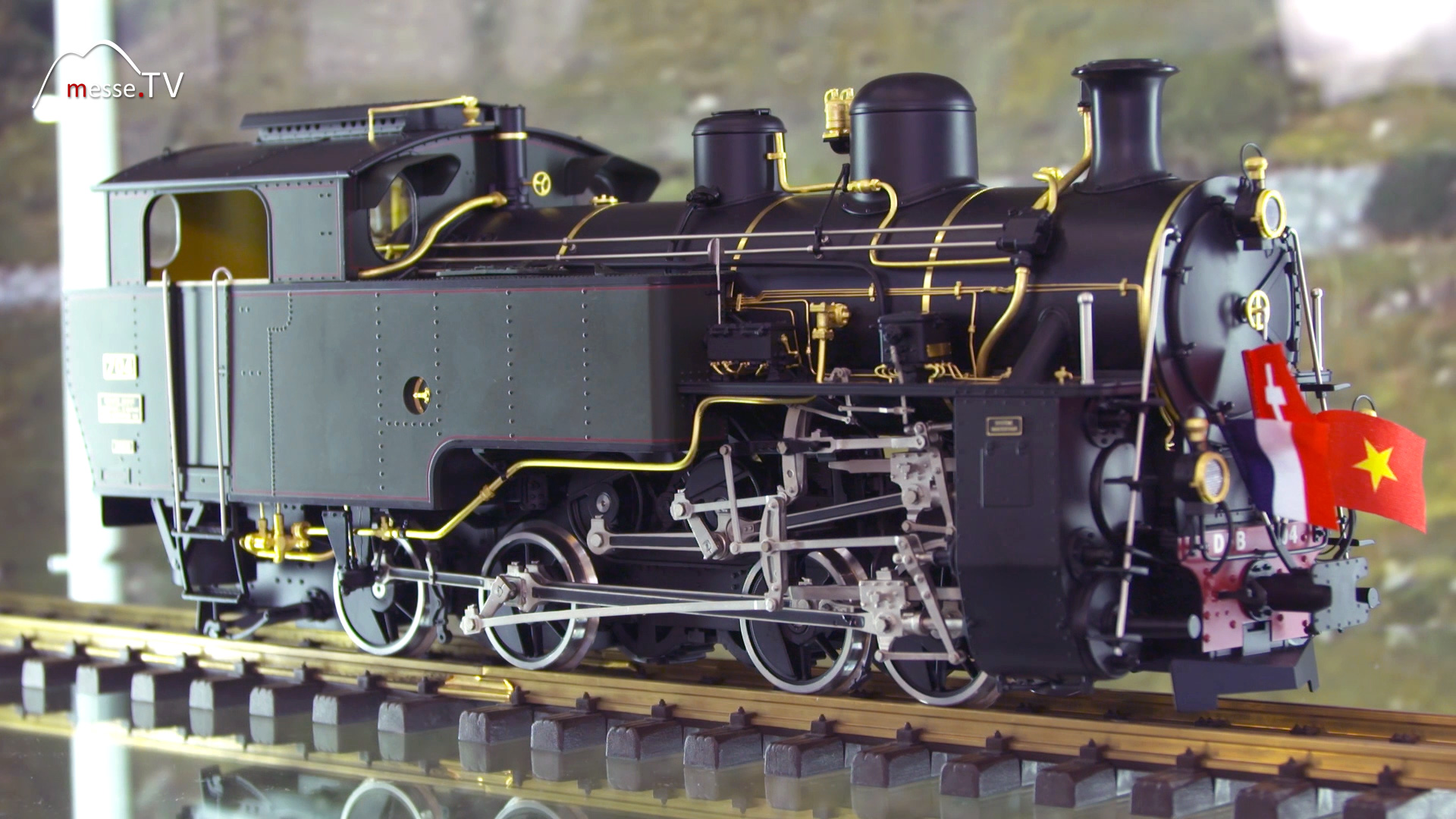
Auffällig ist der konsequente Materialeinsatz: Nahezu alle sichtbaren Teile bestehen aus Metall. Kunststoff kommt nur dort zum Einsatz, wo es technisch notwendig ist, etwa bei Fensterscheiben oder isolierenden Komponenten.
Material, Gewicht und Detailtreue
Gerade im Gartenbahnbereich spielt Gewicht eine zentrale Rolle. Metall sorgt nicht nur für eine realistische Anmutung, sondern auch für zuverlässigen Betrieb auf längeren Strecken, bei Wind oder leichten Unebenheiten. Gleichzeitig erlaubt es feinere Details, etwa bei Gestängen, Zahnrädern oder Gehäuseteilen.
Die Lok ist klar als Sammler- und Betriebsmodell konzipiert, nicht als Einstiegsprodukt. Das zeigt sich sowohl im Fertigungsaufwand als auch in der Preisgestaltung.
- nahezu vollständige Metallkonstruktion
- hohes Eigengewicht für stabilen Fahrbetrieb
- bewegliche Klappen und fein ausgearbeitete Details
Preis und Zielgruppe
Mit einem Preis von rund 3.600 Euro richtet sich das Modell an eine sehr klar definierte Zielgruppe. Wer sich für eine solche Lok entscheidet, sucht kein Zubehör, sondern ein zentrales Fahrzeug für seine Anlage. Dass bereits vor Produktionsstart viele Exemplare verkauft sind, zeigt, wie groß das Interesse an exakt umgesetzten Vorbildern ist – gerade dann, wenn sie eine ungewöhnliche Geschichte mitbringen. Für Sammler spielt zudem eine Rolle, dass solche Modelle oft nur in begrenzten Stückzahlen verfügbar sind. Das erhöht nicht nur den ideellen, sondern auch den langfristigen Wert.
LGB und die Rolle historischer Vorbilder
LGB greift seit Jahren auf reale Bahnen, Strecken und Fahrzeuge zurück, insbesondere aus dem alpinen Raum. Zahnradbahnen sind technisch anspruchsvoll und visuell markant – beides Eigenschaften, die sich gut in ein Modell übertragen lassen. Gleichzeitig erzählen sie Geschichten von Ingenieurskunst, internationalen Einsätzen und aufwendiger Restaurierung. Gerade diese Verbindung aus Technik, Historie und handwerklicher Umsetzung macht den Reiz solcher Modelle aus. Die Zahnradlok der Furka-Bergstrecke ist dafür ein besonders gutes Beispiel.
Ein Modell für Liebhaber mit Geduld
Die Lok ist zum Zeitpunkt der Präsentation noch nicht fahrbereit, was für viele Interessenten kein Nachteil ist. Im Gegenteil: Der Entwicklungsprozess ist Teil des Reizes. Wer sich früh entscheidet, begleitet das Projekt von den ersten Prototypen bis zum fertigen Serienmodell. Damit steht diese LGB-Zahnradlok exemplarisch für einen Modellbahnansatz, bei dem es nicht um schnelle Neuheiten geht, sondern um langfristig gedachte Produkte mit hohem Anspruch an Material, Technik und Vorbildtreue.
Messe-Berichterstattung bundesweit - Messewissen, Termine & Veranstaltungen


