Playmobil 1.2.3: Spielen und Lernen für die Kleinsten
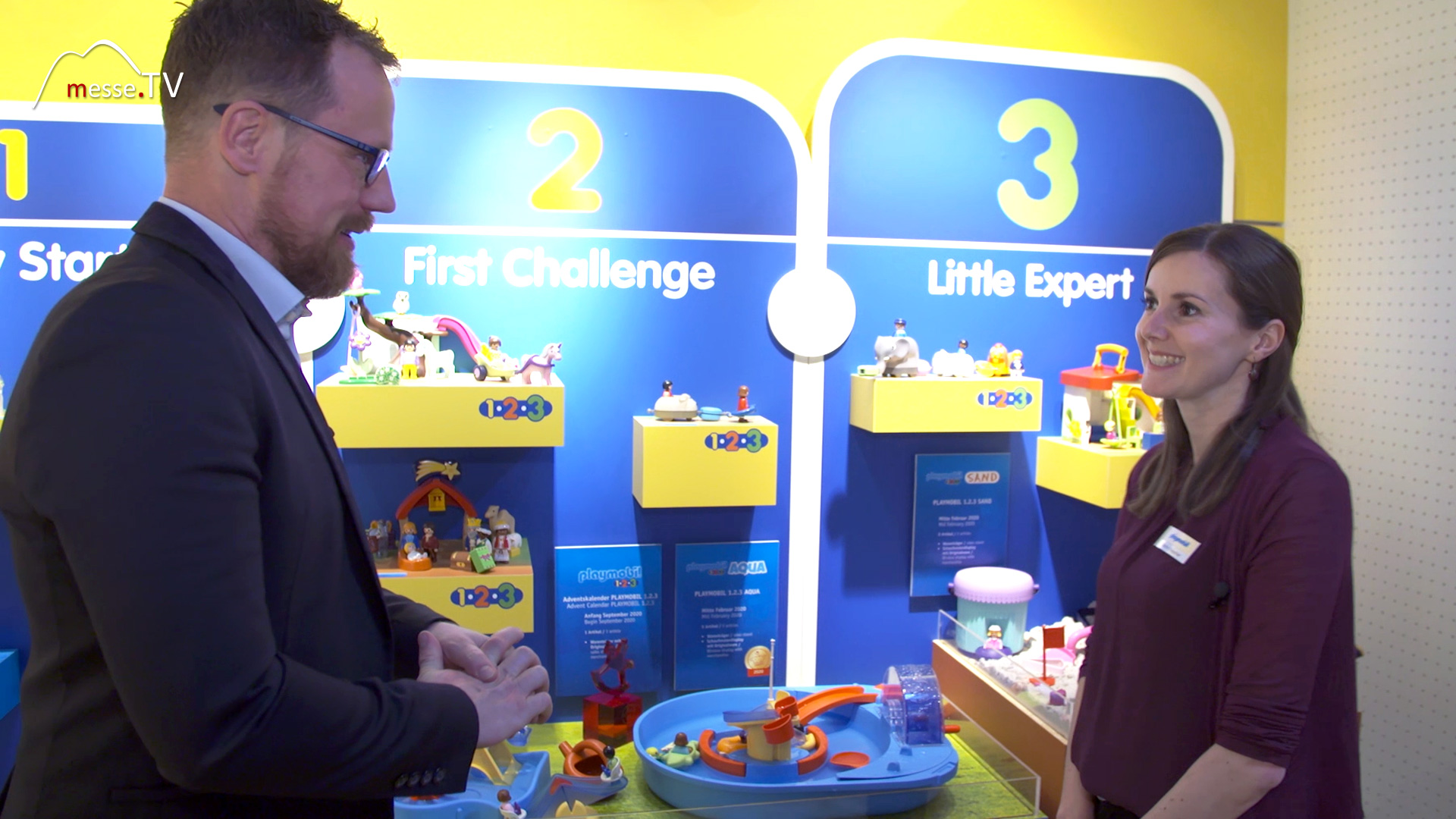
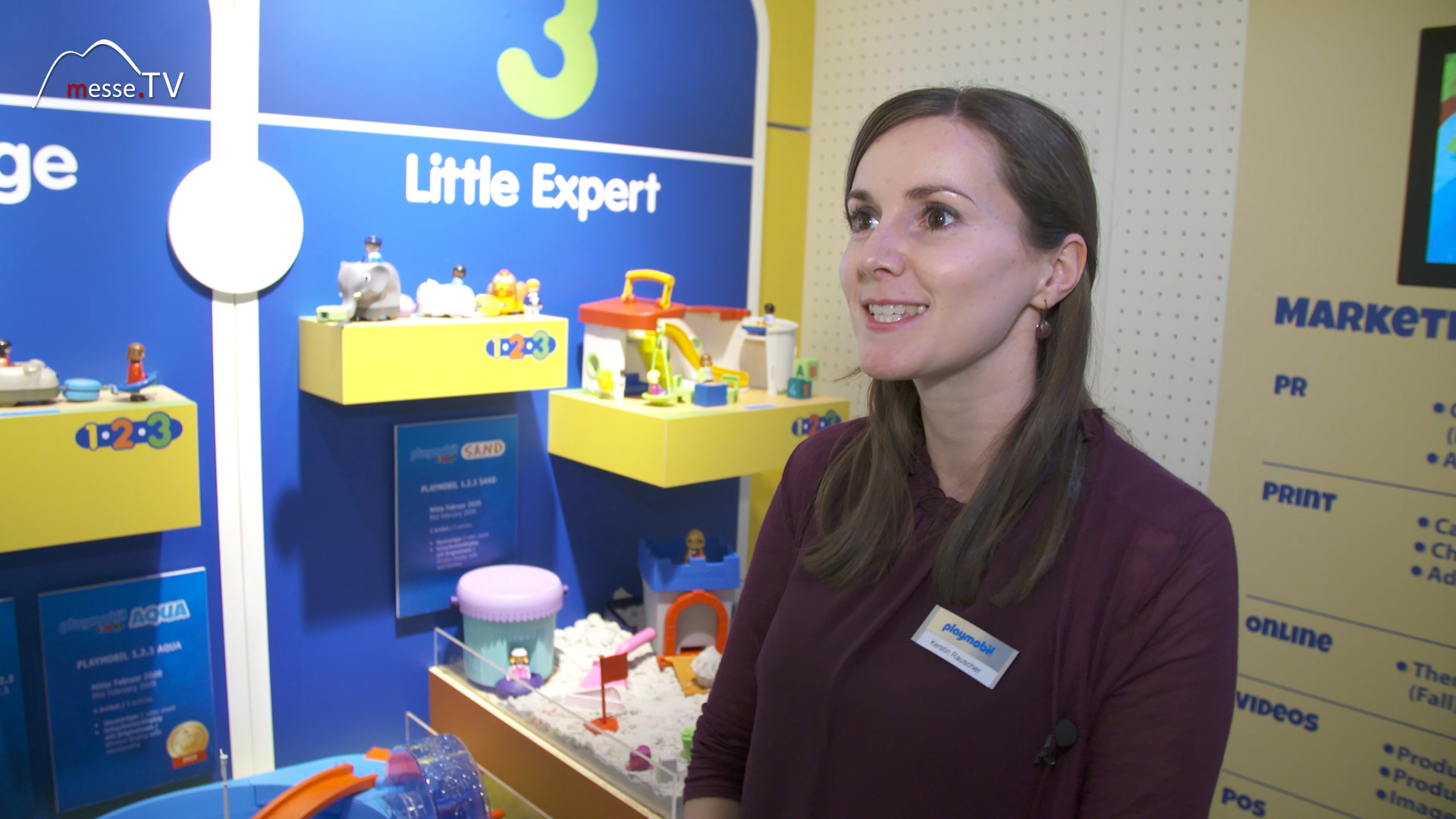
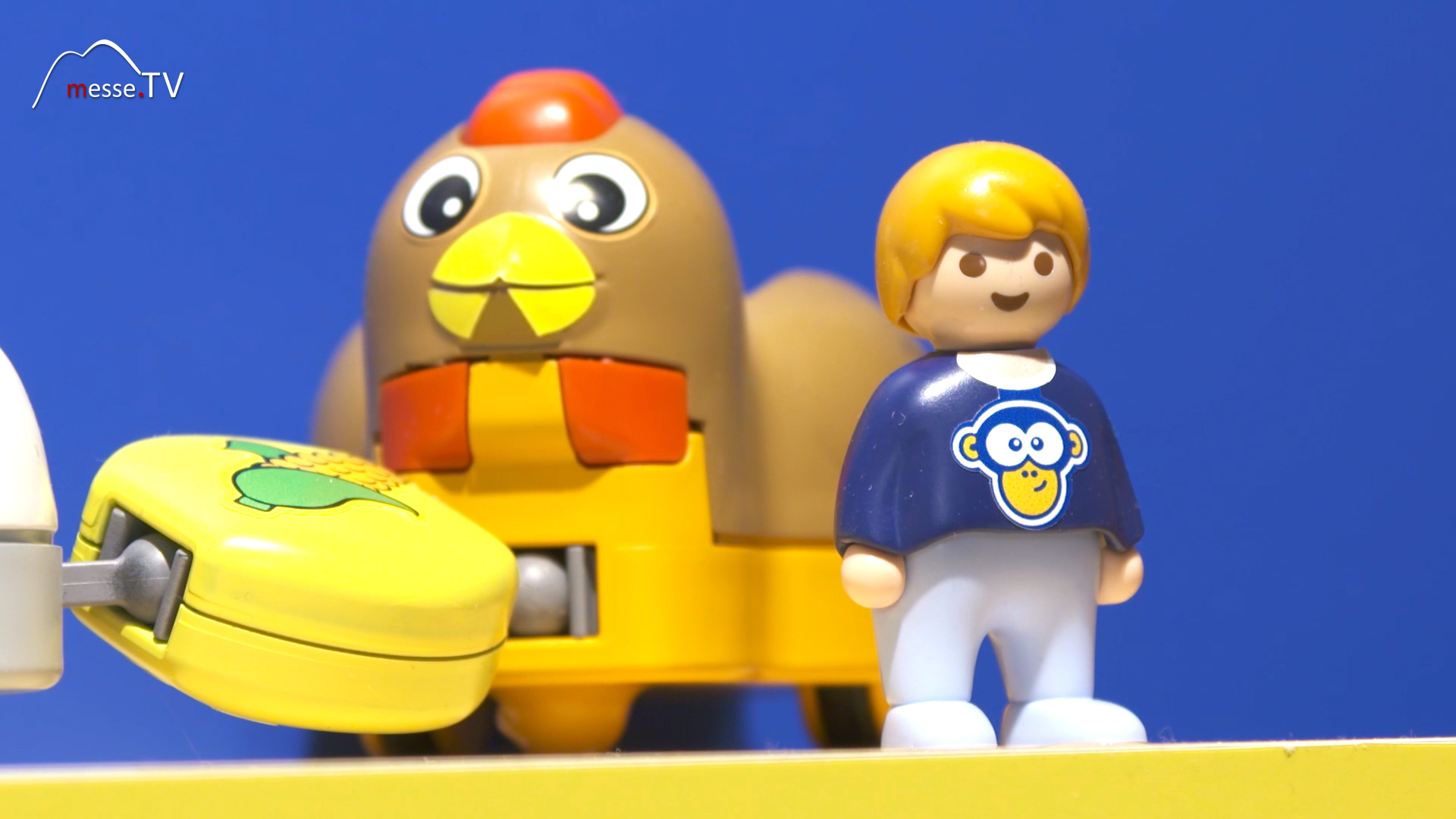
Mit der Linie Playmobil 1.2.3 richtet sich der Hersteller gezielt an Kinder im Alter von etwa anderthalb bis vier Jahren. Im Mittelpunkt steht dabei nicht das klassische Rollenspiel mit komplexen Figurenwelten, sondern eine klar strukturiert Spielwelt, die sich an den Entwicklungsstufen der Kleinsten orientiert. Auf der Messe wird deutlich, wie konsequent dieses System aufgebaut ist und warum es sich deutlich vom regulären Playmobil-Sortiment unterscheidet.
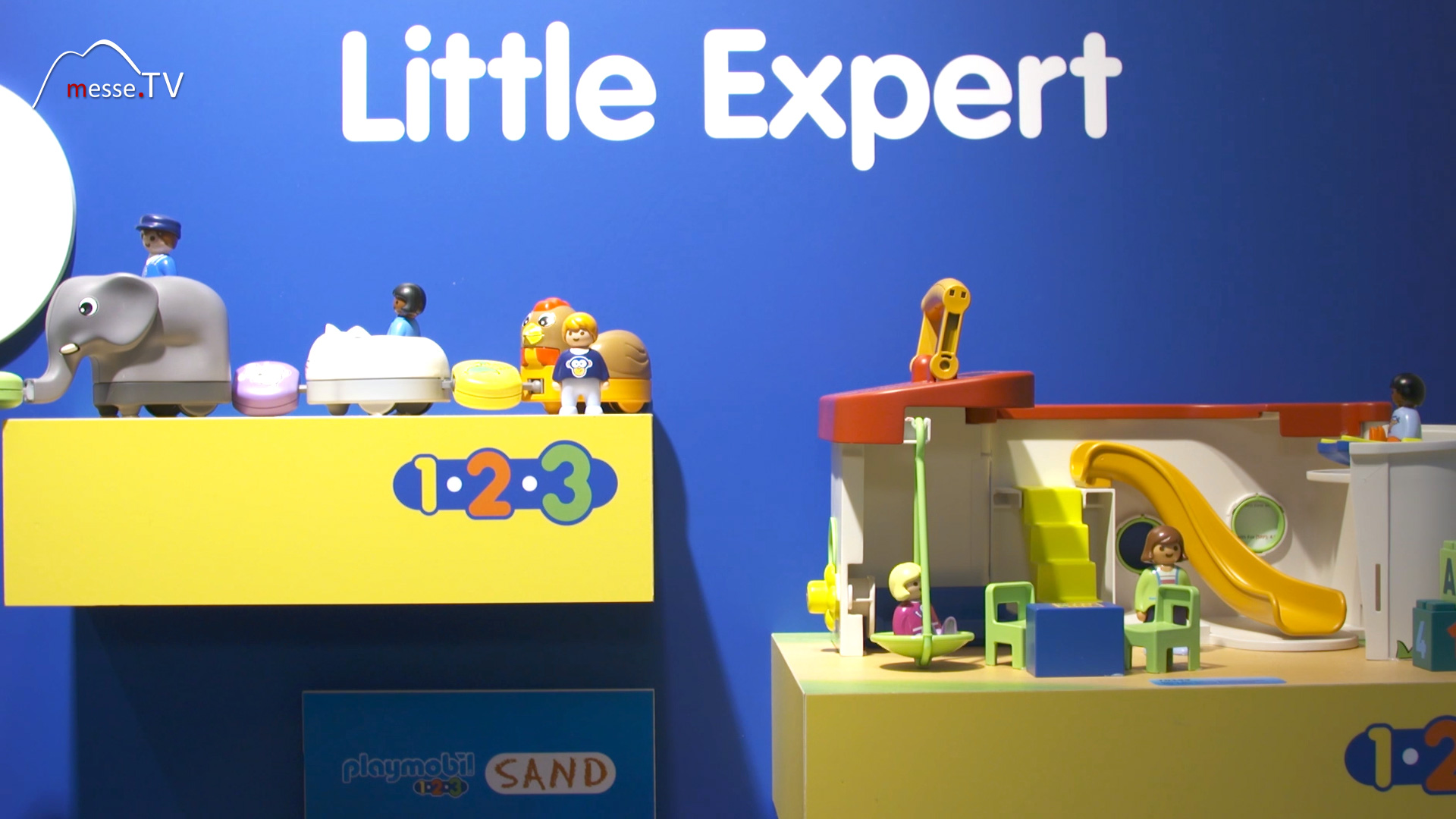
Ein Spielsystem nach Entwicklungsstufen
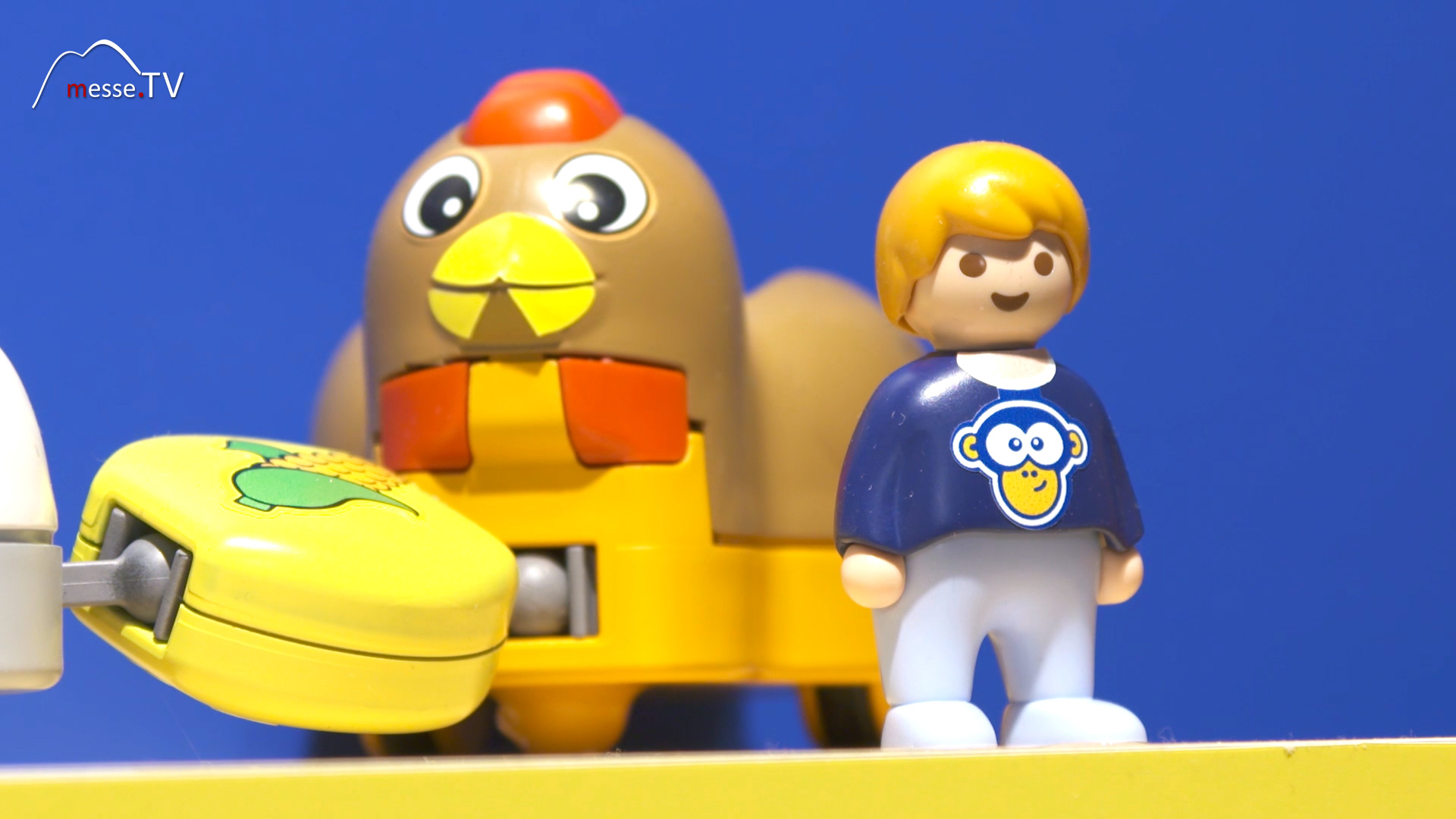
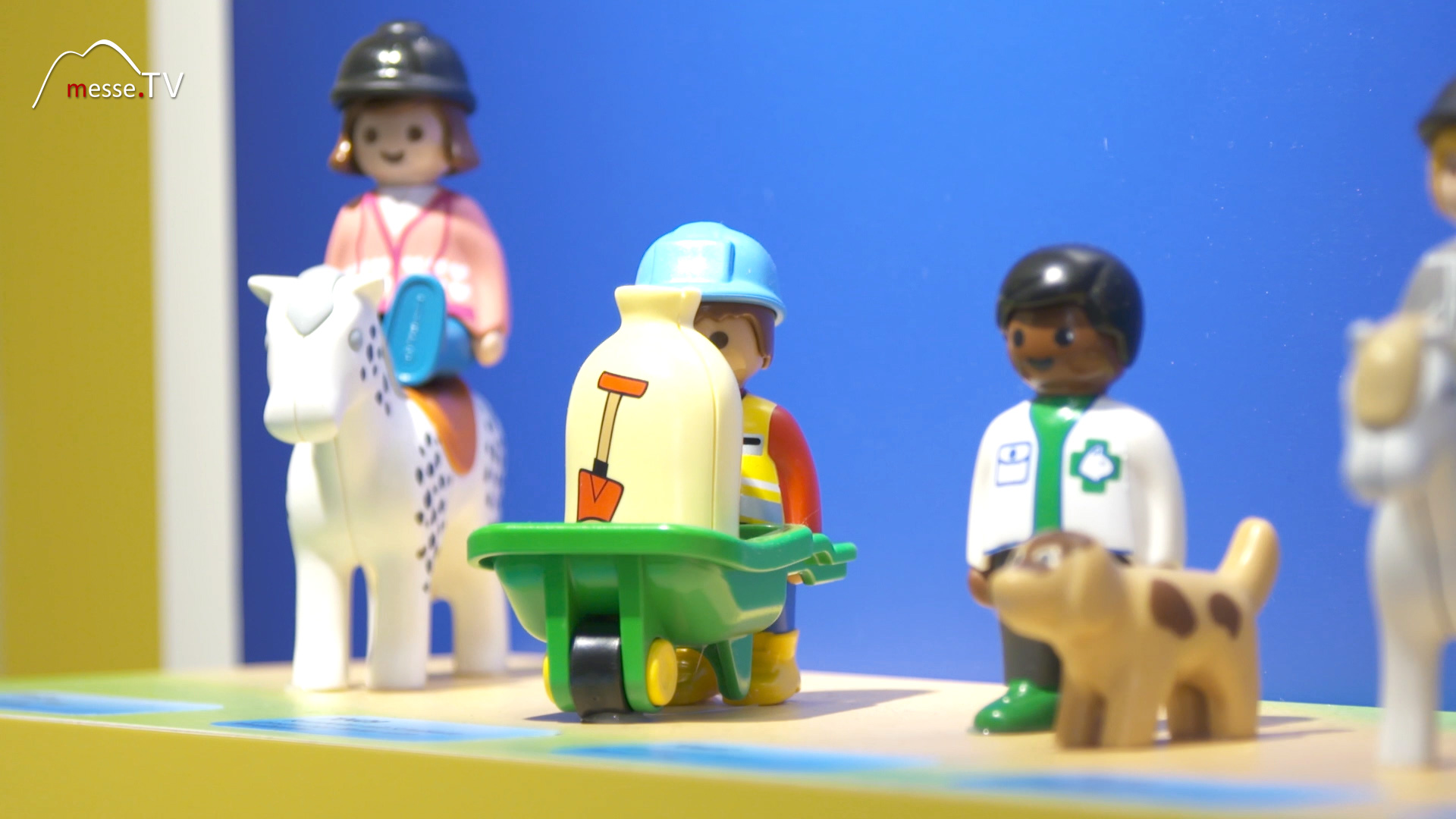
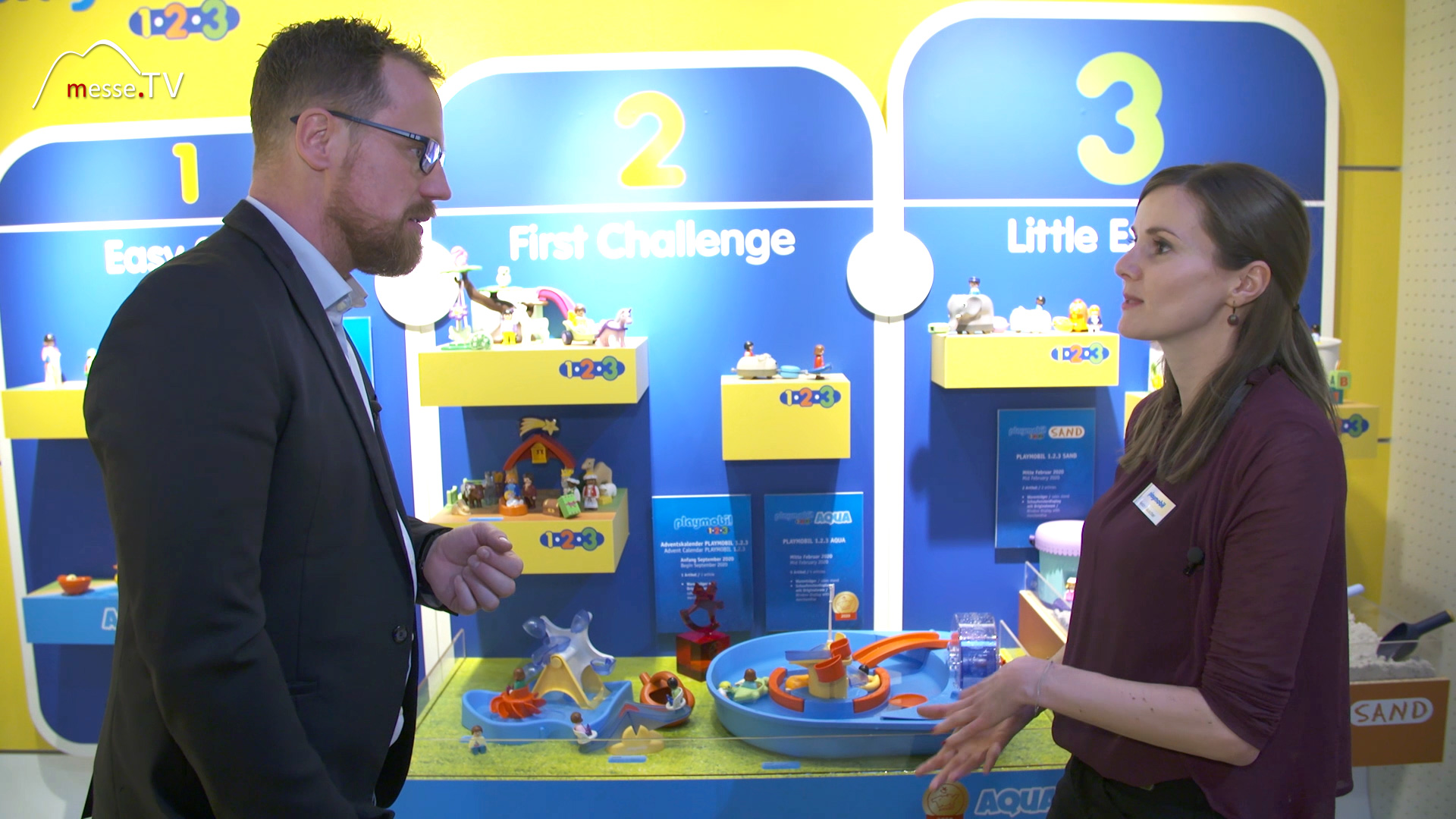
Der Name 1.2.3 steht nicht für Altersangaben im klassischen Sinne, sondern für drei aufeinander aufbauende Lern- und Spielstufen. Jede Stufe greift die Fähigkeiten auf, die Kinder in diesem Entwicklungsabschnitt typischerweise mitbringen, und erweitert sie behutsam. In der ersten Stufe geht es vor allem um das Kennenlernen von Formen, Figuren und Tieren. Die Elemente sind bewusst groß gestaltet, robust verarbeitet und leicht zu greifen. Kinder können Figuren ertasten, Tiere zuordnen oder erste Geräusche und Bewegungen nachahmen. Es steht nicht das „Nachspielen“ einer Geschichte im Vordergrund, sondern das Entdecken der Welt über einfache, wiederholbare Handlungen.
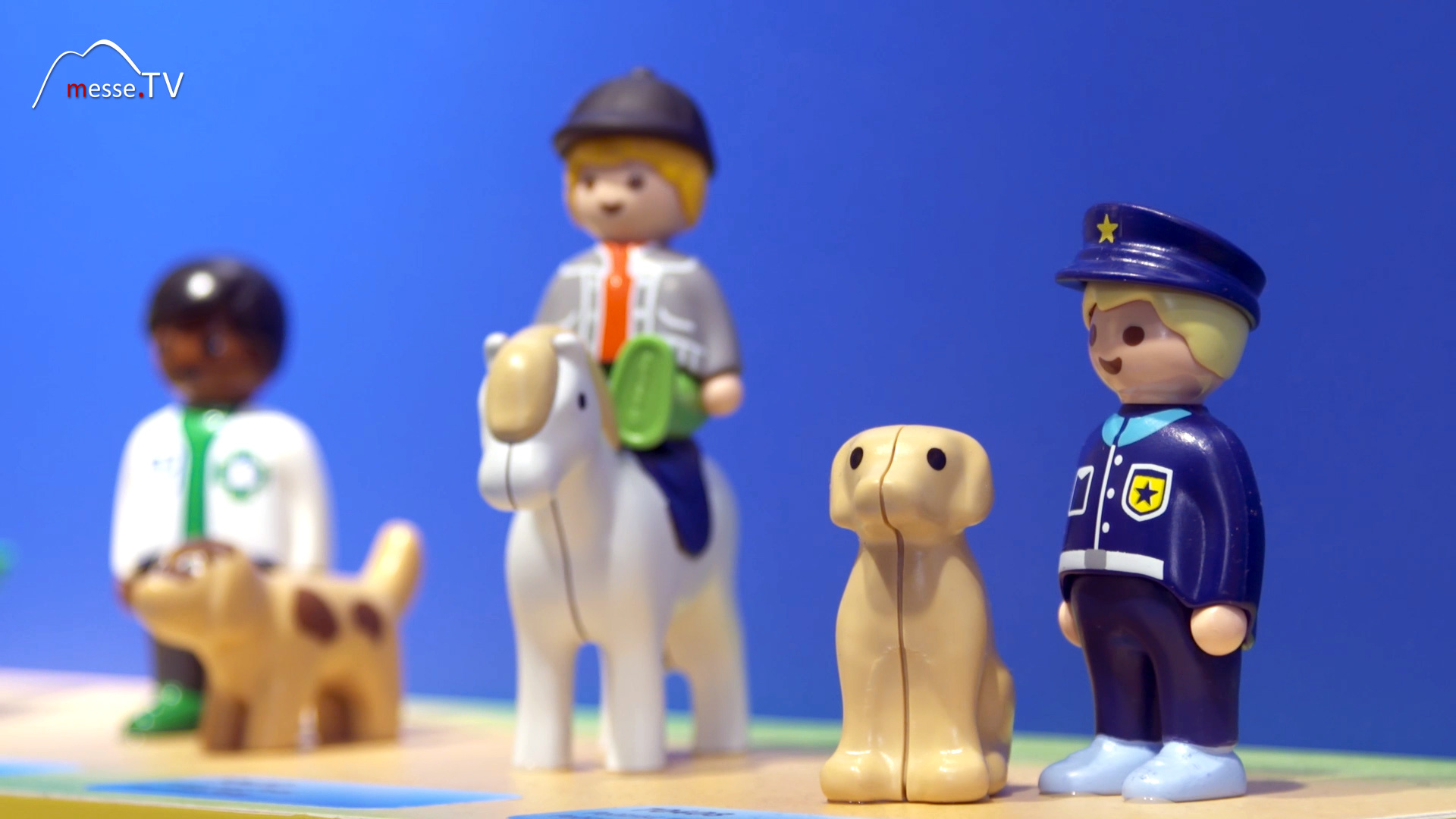
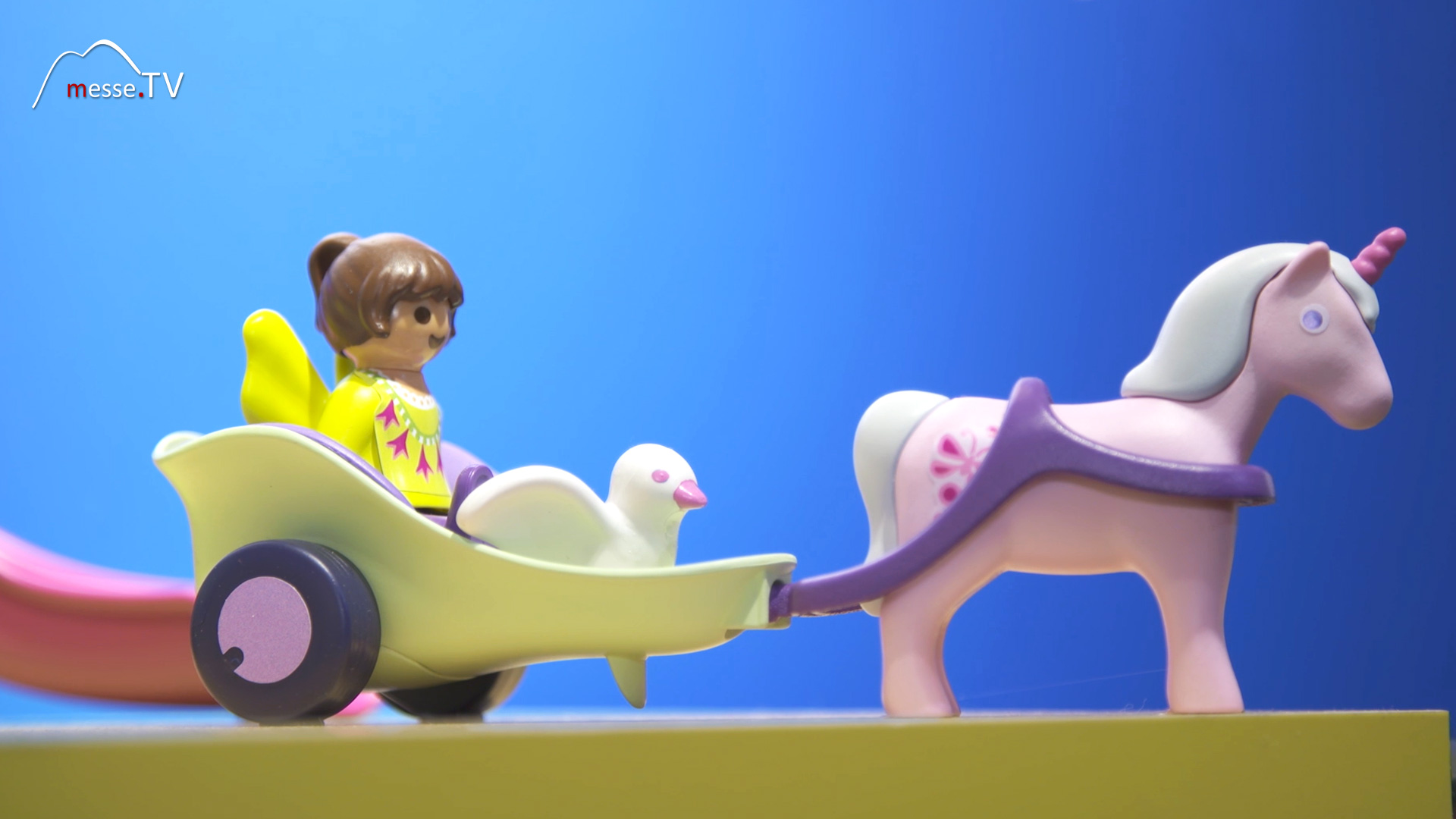
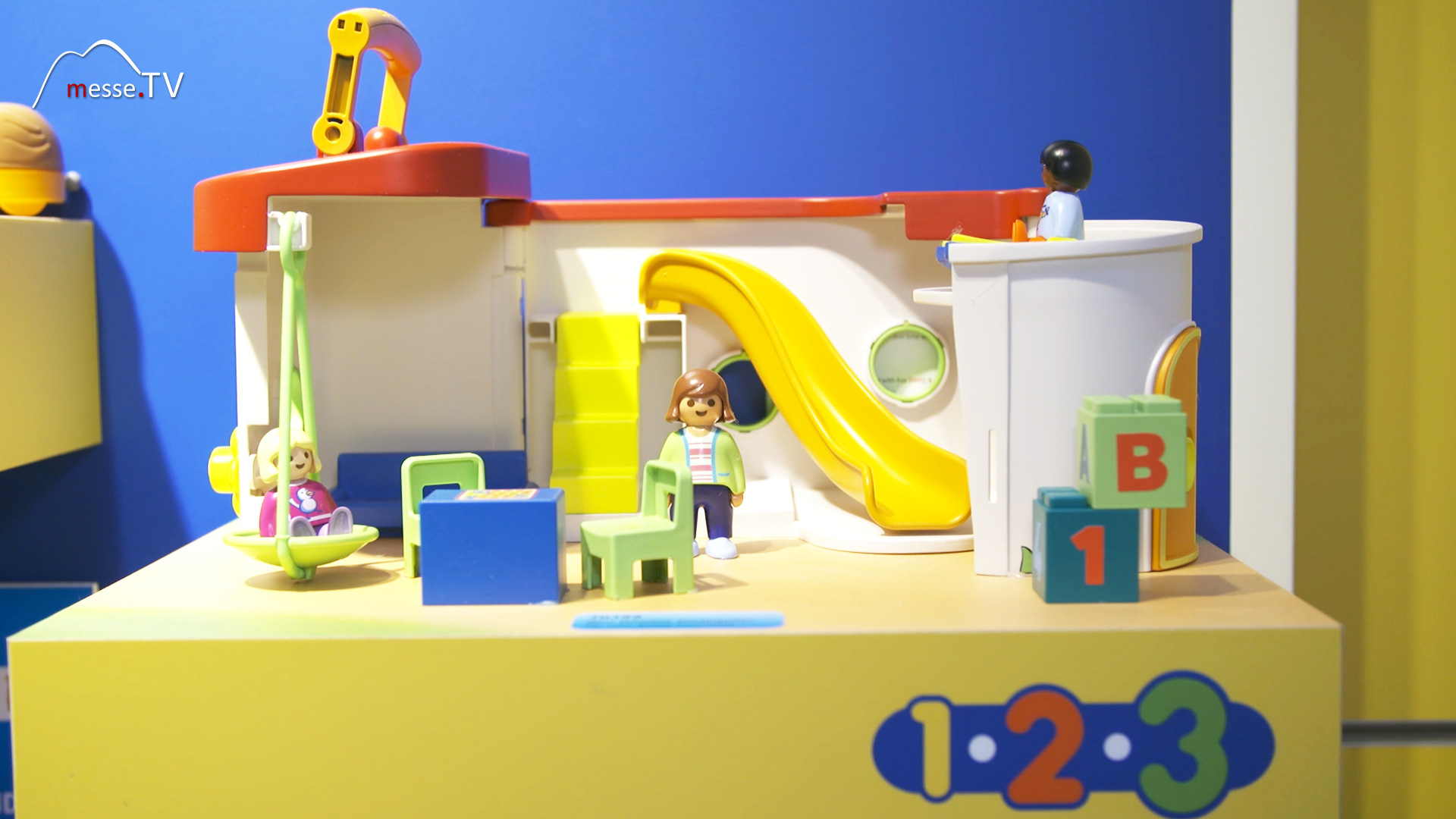
Mit Stufe zwei wird das Spiel zunehmend funktionaler. Figuren können schaukeln, rutschen oder bewegt werden. Kinder erleben erste Ursache-Wirkungs-Zusammenhänge: Wenn ich etwas bewege, passiert etwas anderes. Diese Phase ist besonders wichtig, weil sie motorische Fähigkeiten mit ersten logischen Erfahrungen verbindet – ohne Überforderung, sondern durch spielerische Wiederholung.
Die Aquawelt als Einstieg in komplexeres Spiel
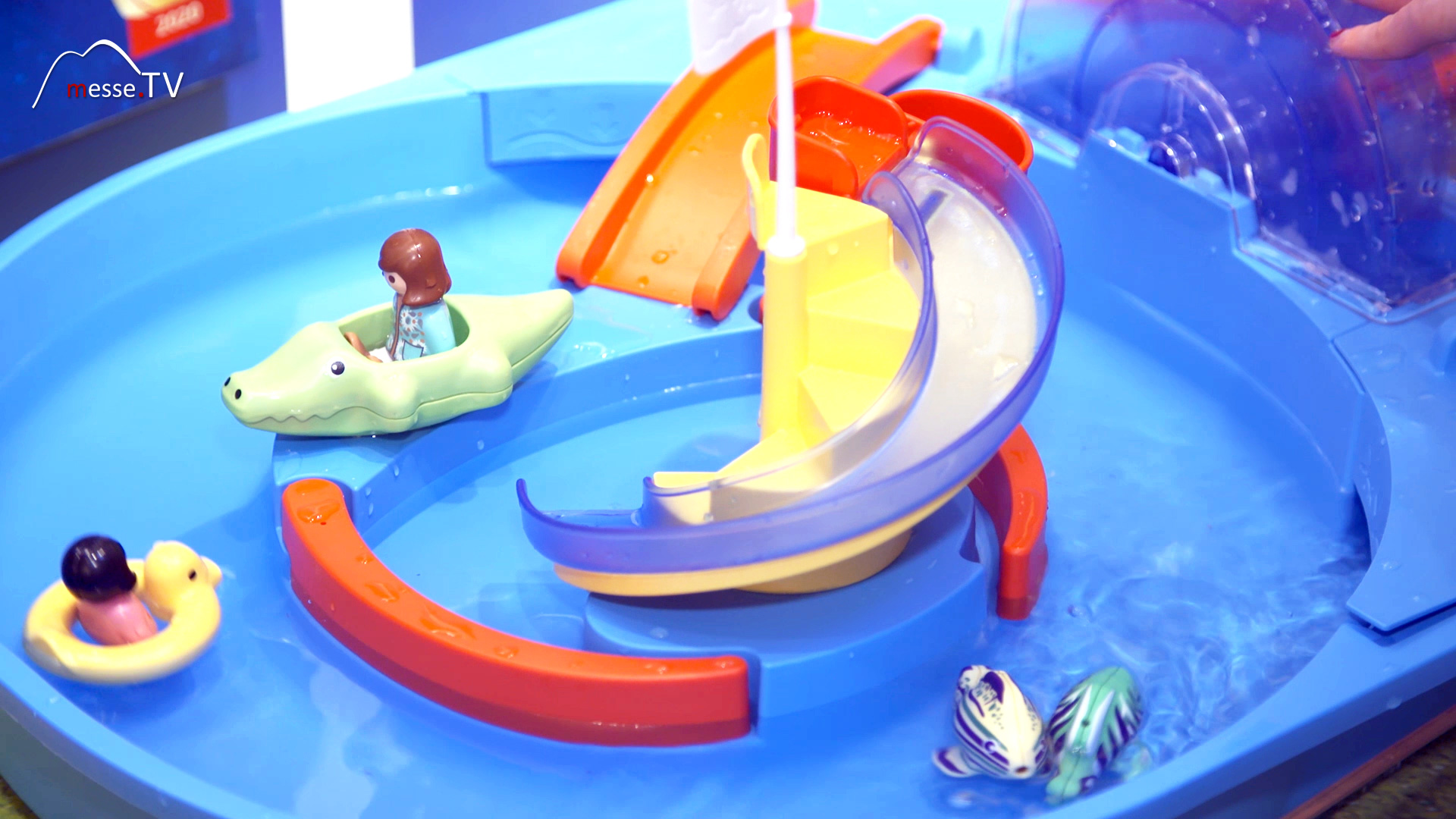
Ein zentrales Beispiel für die dritte Stufe ist die Playmobil 1.2.3 Aquawelt, die auch mit einem Toy Award ausgezeichnet wurde. Hier wird das Spiel deutlich komplexer, bleibt aber altersgerecht. Kinder steuern Wasserläufe, erzeugen Strömungen und setzen Tiere gezielt in Bewegung. Durch Kurbeln und Weichen bestimmen sie selbst, welchen Weg das Wasser nimmt und wie sich die Figuren verhalten. Das Besondere daran ist, dass Kinder nicht nur zuschauen, sondern aktiv eingreifen. Sie experimentieren, probieren aus und lernen, dass kleine Veränderungen große Auswirkungen haben können. Damit wird das Spiel fast unmerklich zu einem frühen Lernfeld für physikalische Grundprinzipien – ganz ohne erklärenden Zeigefinger.
Warum frühes Spiel mehr ist als Beschäftigung
Playmobil 1.2.3 versteht Spiel nicht als bloße Ablenkung, sondern als Teil der frühkindlichen Entwicklung. Gerade im Alter zwischen eineinhalb und vier Jahren werden grundlegende Fähigkeiten ausgebildet, die später selbstverständlich erscheinen: Greifen, Sortieren, Verstehen von Abläufen, erstes Problemlösen. Die Produkte sind so gestaltet, dass sie mit den Kindern „mitwachsen“. Ein Set wird nicht nach wenigen Wochen uninteressant, sondern kann immer wieder neu entdeckt werden, sobald sich die Fähigkeiten des Kindes erweitern. Das unterscheidet das Konzept deutlich von vielen klassischen Spielzeugen, die nur einen sehr begrenzten Nutzungszeitraum haben. Typische Förderaspekte von Playmobil 1.2.3
- Förderung von Motorik durch Greifen, Drehen und Bewegen
- Erste Erfahrungen mit Ursache und Wirkung
- Sensorisches Lernen durch Formen, Farben und Materialien
- Schrittweiser Aufbau von Konzentration und Ausdauer
Abgrenzung zum klassischen Playmobil
Während klassisches Playmobil stark auf Rollenspiele, Figurenwelten und narrative Szenarien setzt, verzichtet 1.2.3 bewusst auf kleine Einzelteile, komplexe Steckverbindungen oder filigrane Accessoires. Sicherheit, Übersichtlichkeit und einfache Handhabung stehen im Vordergrund. Gleichzeitig bleibt der typische Playmobil-Stil erkennbar, was den Übergang zu den späteren Produktlinien erleichtert.
Ein durchdachtes Konzept für die ersten Spieljahre
Playmobil 1.2.3 zeigt, dass Spielzeug für Kleinkinder nicht beliebig sein muss. Durch die klare Struktur in Lernstufen, die robuste Ausführung und den Fokus auf Entwicklung statt Effekte entsteht ein Angebot, das Eltern ebenso anspricht wie Kinder. Es begleitet die ersten Spieljahre sinnvoll und schafft eine stabile Grundlage für späteres, freieres Spielen.

Messe-Berichterstattung bundesweit - Messewissen, Termine & Veranstaltungen


