Tipp-Kick: Ein Spielprinzip, das Generationen verbindet
Tipp-Kick zwischen Tradition und Beständigkeit
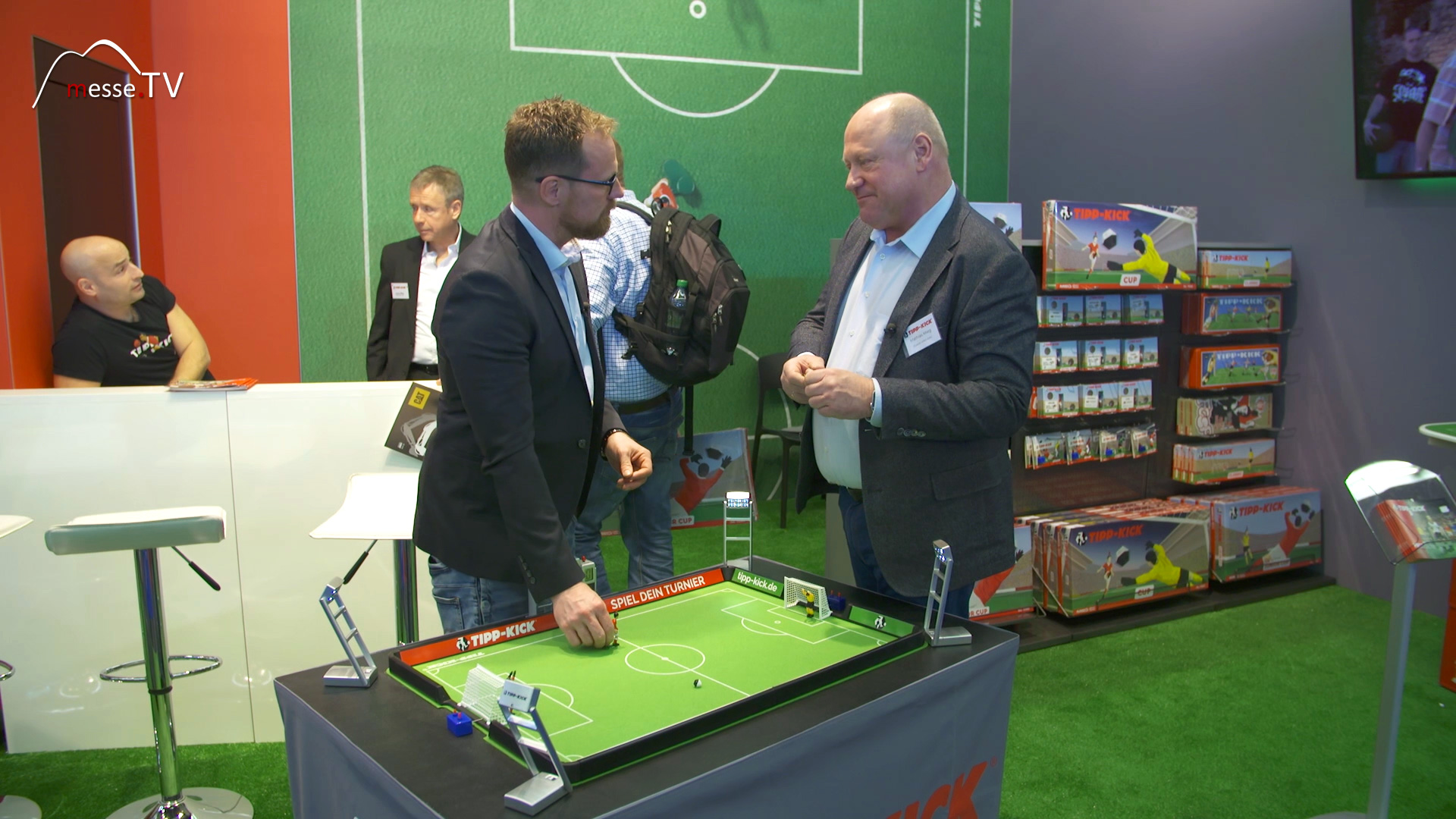
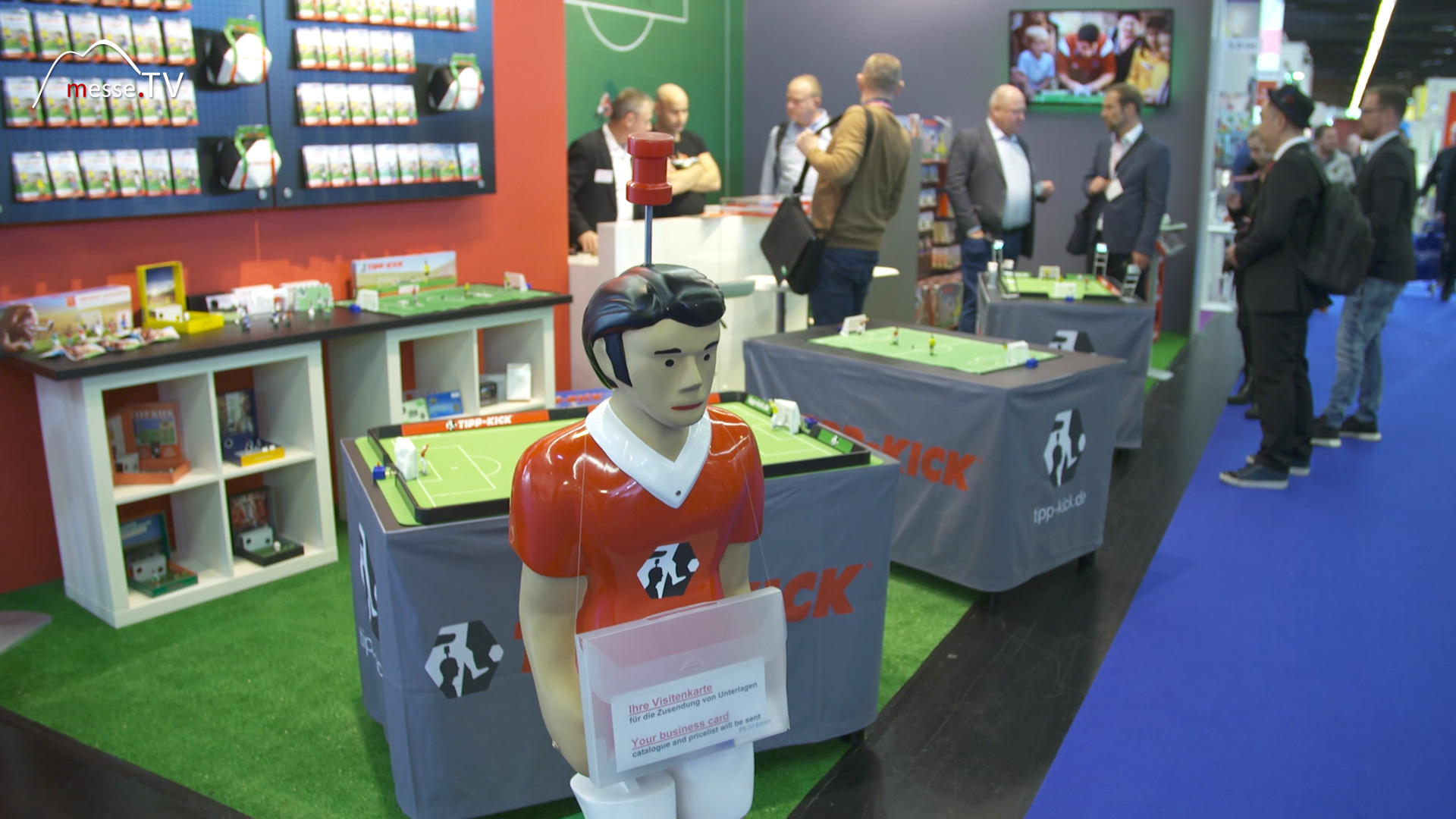
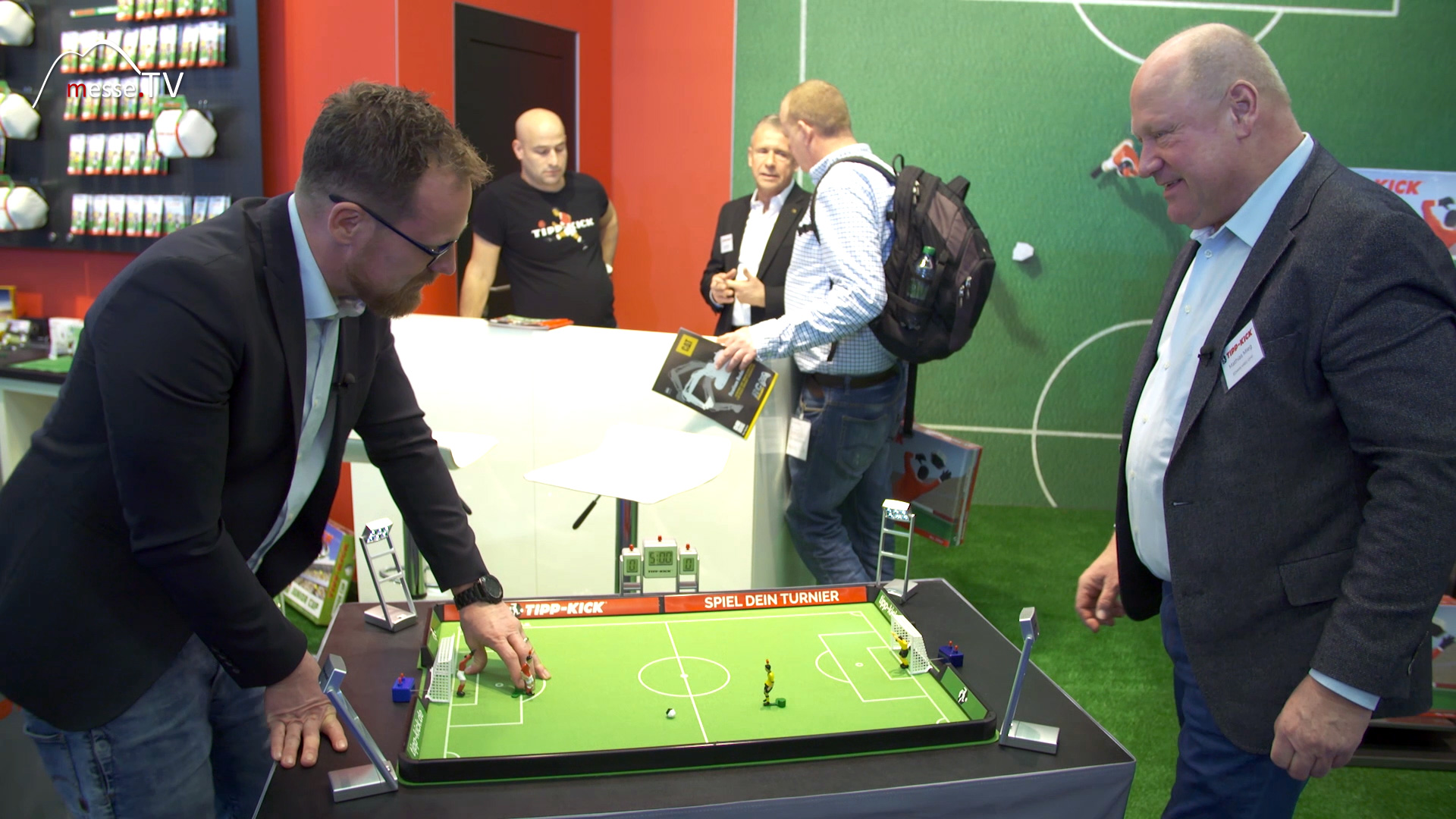
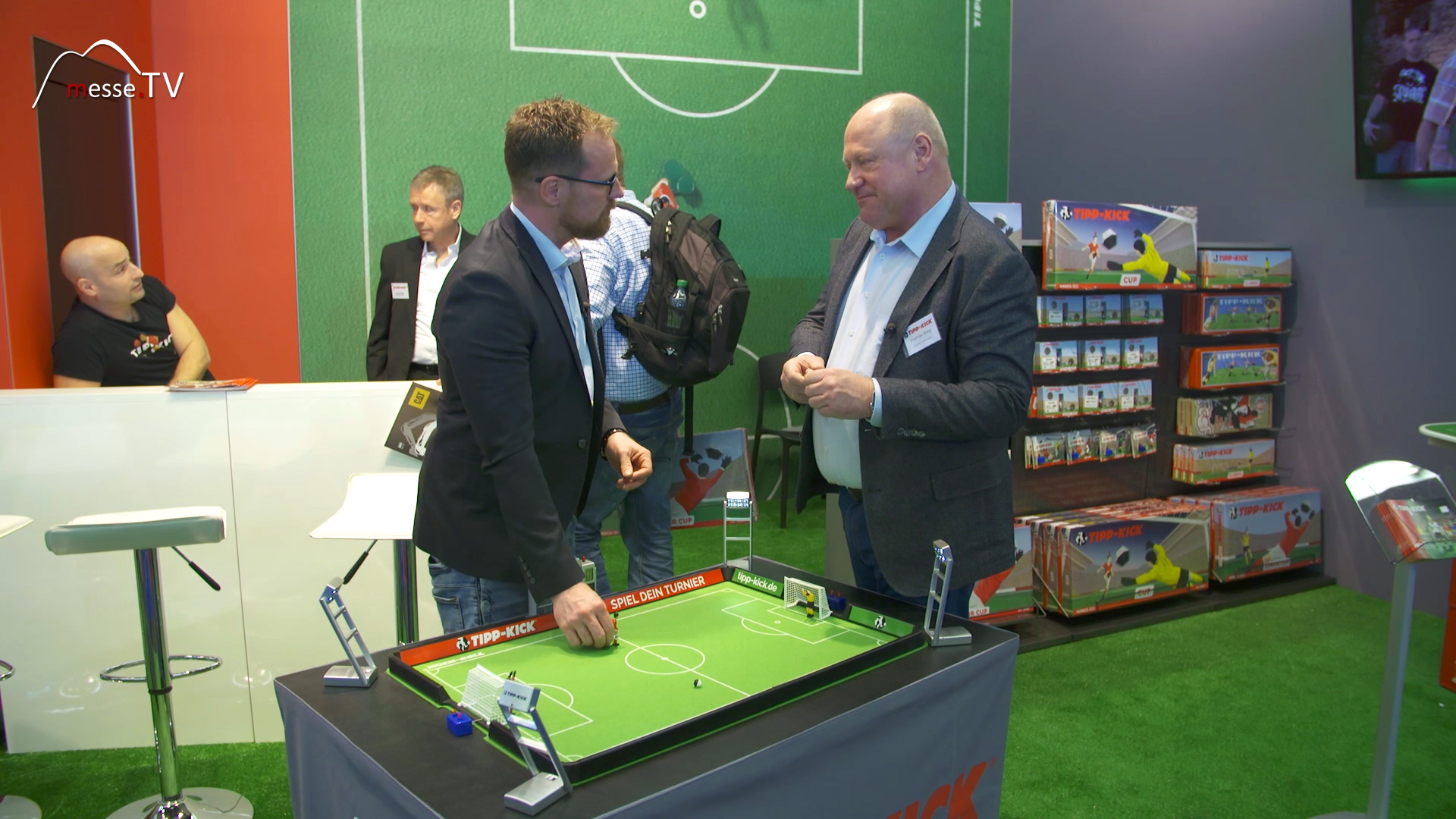
Tipp-Kick gehört zu den wenigen Marken der Spielwarenbranche, die offen sagen können, dass es keine grundlegenden Neuerungen braucht. Fast ein Jahrhundert nach der Einführung steht nicht Innovation im Sinne ständiger Produktveränderung im Mittelpunkt, sondern die bewusste Pflege eines Spielprinzips, das sich über Jahrzehnte bewährt hat. Auf der Nürnberger Spielwarenmesse geht es daher weniger darum, etwas Neues vorzustellen, sondern zu zeigen, dass es Tipp-Kick weiterhin gibt – nahezu unverändert und genau deshalb relevant. Ein Spielprinzip, das Generationen verbindet. Der Wiedererkennungswert ist hoch: Spielfeld, Figuren und Ball erinnern viele Besucher unmittelbar an die eigene Kindheit. Diese Kontinuität ist kein Zufall, sondern Teil der Markenidentität.
Materialien und Technik: Kleine Anpassungen statt Brüche
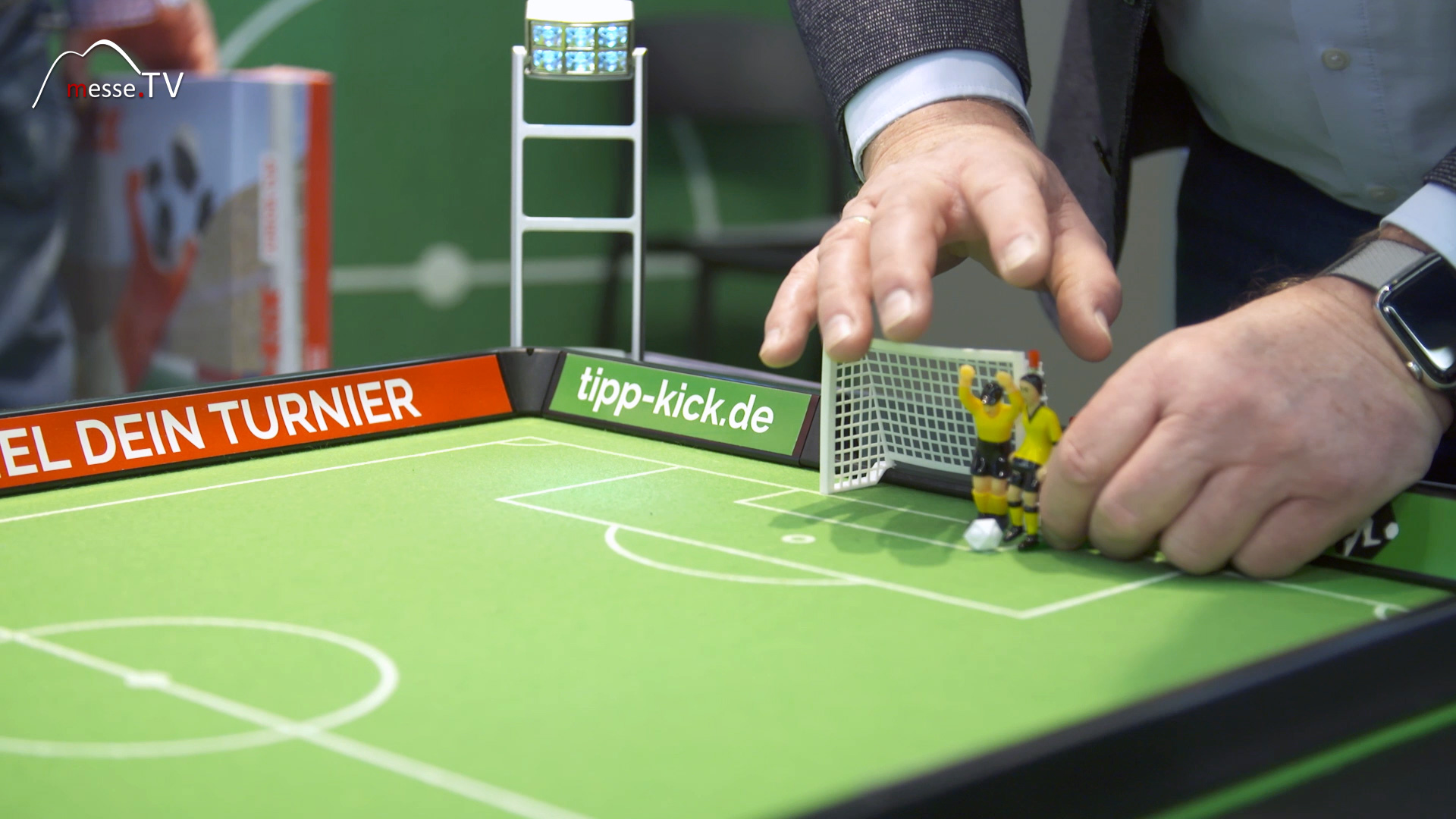
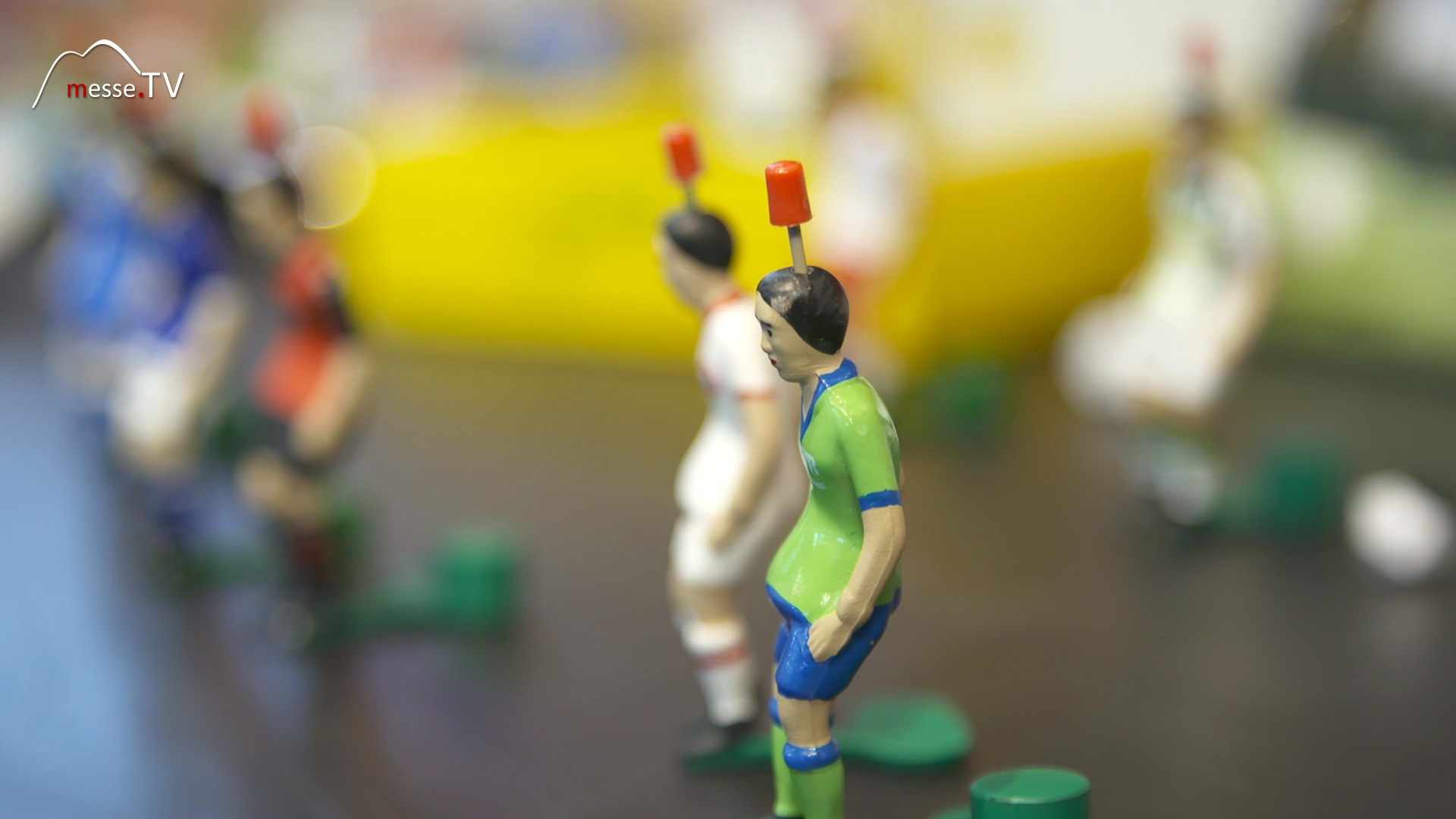
Ganz unverändert ist Tipp-Kick über die Jahrzehnte natürlich nicht geblieben. Die ersten Spielfiguren bestanden aus Blei, was aus heutiger Sicht nicht mehr denkbar wäre. Seit den 1950er-Jahren wird stattdessen Zinkdruckguss eingesetzt, ein Material, das langlebig, stabil und gesundheitlich unbedenklich ist. Abgesehen von solchen notwendigen Anpassungen blieb das Grundkonzept jedoch erhalten. Auch technische Ergänzungen wie digitale Halbzeituhren oder Flutlichtsysteme sind bewusst als optionale Erweiterungen gedacht. Sie verändern nicht das Spiel selbst, sondern ergänzen es behutsam. Das Herzstück – das mechanische Spielprinzip – bleibt unangetastet.
Das Spielprinzip als unveränderbarer Kern
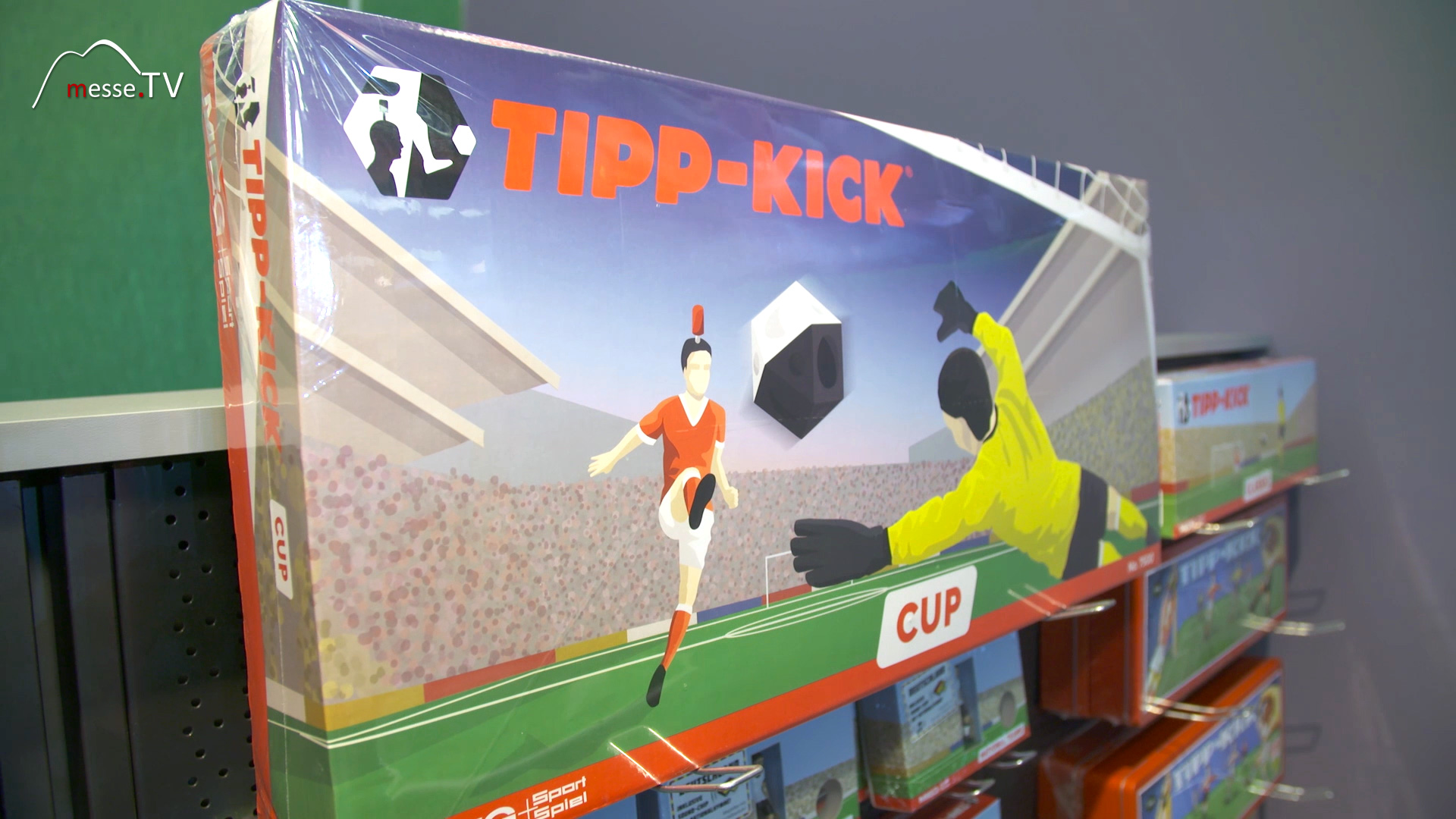
Ein zentrales Element ist der schwarz-weiße Ball, der bestimmt, welche Spielfigur als Nächstes schießen darf. Dieses einfache, aber raffinierte Prinzip ist seit Jahrzehnten unverändert und sorgt bis heute für Spannung, Fairness und Überraschungsmomente. Genau hier liegt der Grund, warum Tipp-Kick nicht grundlegend modernisiert wird. Die Spielidee funktioniert generationsübergreifend, ohne digitale Effekte, ohne App-Anbindung und ohne permanente Reizüberflutung. Der Reiz entsteht aus der Mechanik, der Konzentration und dem direkten Duell am Tisch.
Fangemeinde: Erwachsene als Brücke zur nächsten Generation
Die Kernzielgruppe von Tipp-Kick liegt heute vor allem bei Erwachsenen, die mit dem Spiel aufgewachsen sind. Doch diese Fangemeinde bleibt nicht unter sich. Viele bringen ihre Kinder aktiv an das Spiel heran. Tipp-Kick ist eines der wenigen Spiele, bei denen Eltern und Kinder auf Augenhöhe miteinander spielen können – ohne Altersbarriere, ohne komplexe Regeln, ohne Technikvorsprung. Wenn Kinder zunächst mit den Eltern spielen und später mit Freunden weitermachen, entsteht eine natürliche Weitergabe des Spiels. So wächst die Fangemeinde nicht über Trends, sondern über persönliche Erlebnisse.
Analoge Spielwelt als bewusster Gegenpol
In einer Zeit, in der Kinder früh mit Smartphones, Tablets und digitalen Spielen konfrontiert werden, gewinnt Tipp-Kick eine neue Bedeutung. Viele Eltern sehen das Spiel als willkommene Alternative zu Bildschirmen. Es bietet etwas Haptisches, Greifbares und fördert direkte Kommunikation. Rückmeldungen von Familien zeigen, dass Tipp-Kick gezielt eingesetzt wird, um gemeinsame Zeit zu schaffen und digitale Dauerbeschäftigung zu unterbrechen. Das Spiel wird damit nicht nur als Unterhaltung wahrgenommen, sondern auch als soziales Bindeglied.
Aktionen und Impulse durch besondere Anlässe
Dass klassische Spiele auch heute noch Impulse setzen können, zeigte eine Aktion im Umfeld einer Fußball-Weltmeisterschaft. Über eine große Einzelhandelskette wurden Tipp-Kick-Figuren verteilt, was zu einem spürbaren Nachfrageanstieg führte. Besonders viele Rückmeldungen kamen von Müttern, die den Wiedereinstieg ihrer Kinder in analoge Spiele positiv hervorhoben. Solche Aktionen verändern das Produkt nicht, machen es aber neuen Zielgruppen wieder bewusst – oft mit nachhaltiger Wirkung.
Beständigkeit als Erfolgsfaktor
Das Erfolgsgeheimnis von Tipp-Kick liegt nicht in ständiger Neuerfindung, sondern in Zurückhaltung. Marginale Ergänzungen sind möglich, das Spiel selbst bleibt unverändert. Gerade diese Konsequenz unterscheidet Tipp-Kick von vielen anderen Spielwaren, die sich ständig an neue Trends anpassen müssen. Mit dem bevorstehenden 100-jährigen Jubiläum zeigt sich, dass ein klares Bekenntnis zur eigenen Idee langfristig tragfähig sein kann. Tipp-Kick steht damit exemplarisch für ein Produkt, das nicht trotz, sondern wegen seiner Beständigkeit relevant bleibt.

Messe-Berichterstattung bundesweit - Messewissen, Termine & Veranstaltungen


