Playmobil EverDreamerz: Sammeln, Auspacken, Fantasiewelten
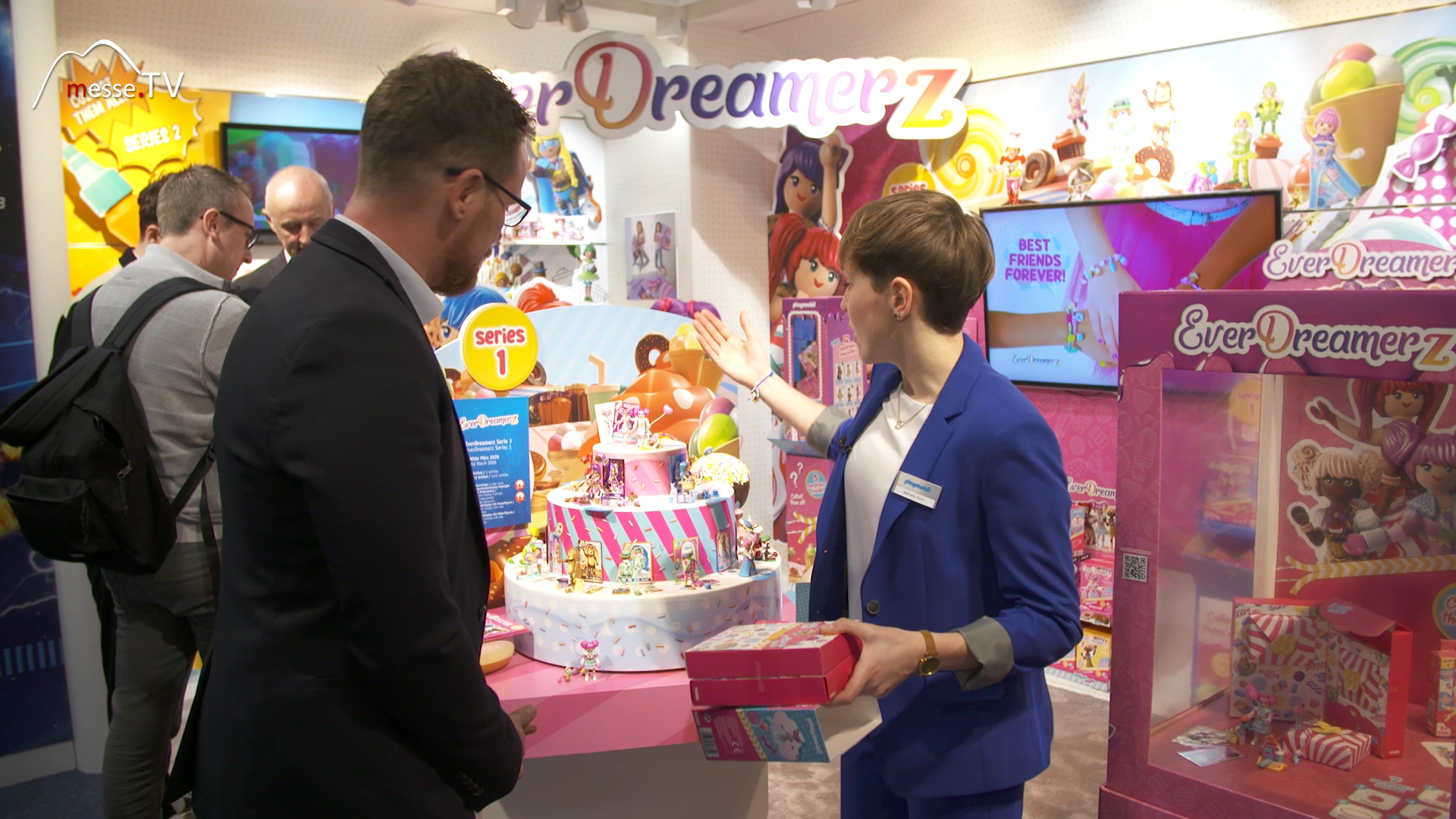
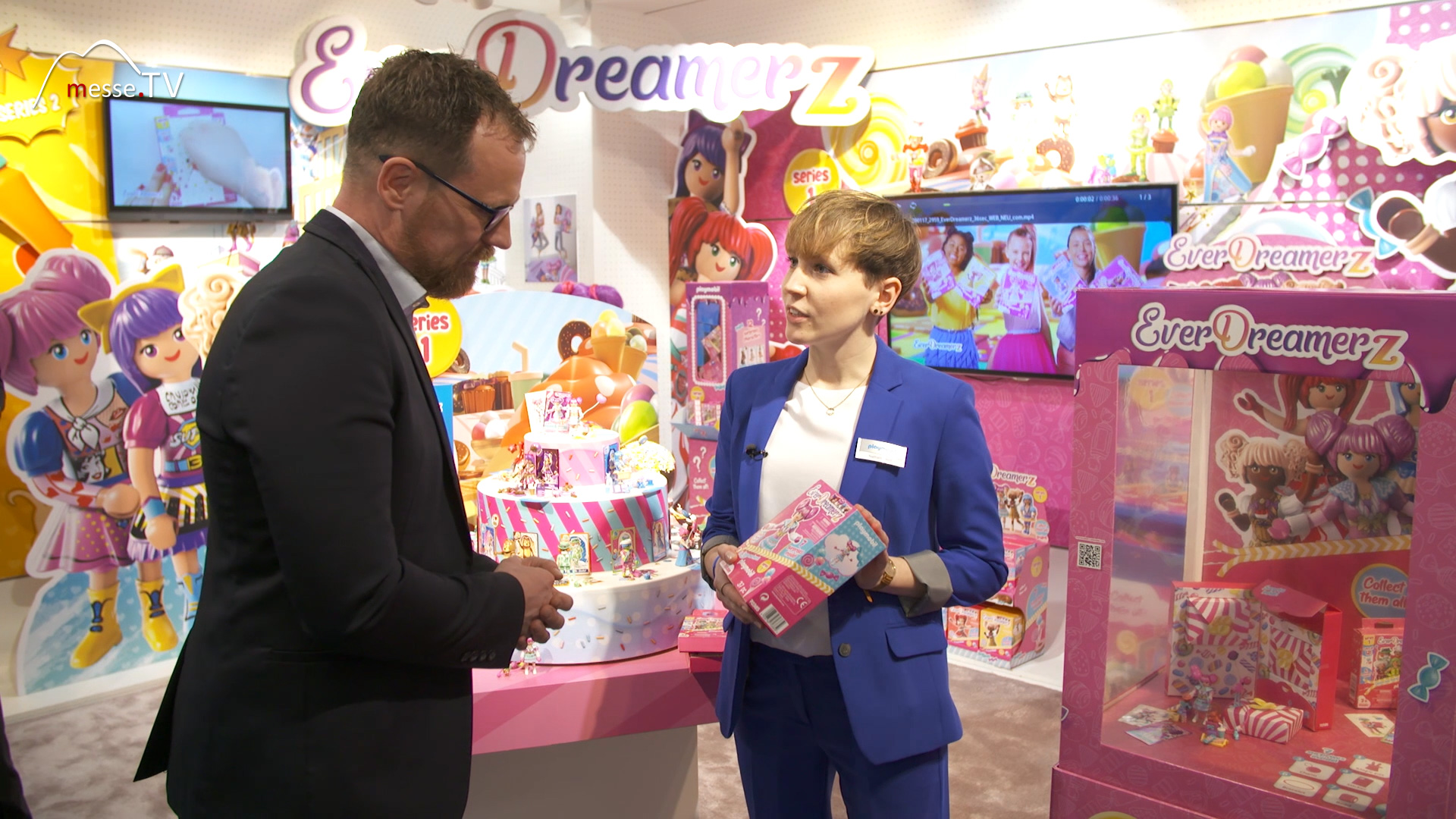
Mit EverDreamerz erweitert Playmobil sein Sortiment um eine Produktlinie, die sich klar an Kinder ab etwa sieben Jahren richtet und bewusst andere Akzente setzt als klassische Spielwelten. Im Mittelpunkt stehen Freundschaft, Sammelspaß und fantasievolle Traumwelten, die weniger über feste Szenarien funktionieren, sondern über Emotionen, Identifikation und gemeinsames Erleben.
Freundinnen im Zentrum der Spielidee
Everdreamerz erzählt keine lineare Geschichte mit klaren Rollen wie Polizei, Piraten oder Ritter. Stattdessen geht es um eine Gruppe bester Freundinnen, die gemeinsam in unterschiedliche Traumwelten reisen. Diese Offenheit ist zentral für das Konzept: Kinder können selbst entscheiden, wie die Figuren zueinanderstehen, welche Abenteuer sie erleben und wie sich die Welten verändern. Das Spiel lebt weniger von vorgegebenen Abläufen als von Fantasie und Austausch. Auffällig ist dabei die klare Ausrichtung auf soziale Aspekte. Freundschaft, Zusammenhalt und gemeinsames Sammeln stehen im Vordergrund. Die Figuren sind nicht isoliert gedacht, sondern entfalten ihre Wirkung besonders dann, wenn mehrere Kinder miteinander spielen, tauschen und vergleichen.
Die Verpackung als Teil des Spielerlebnisses
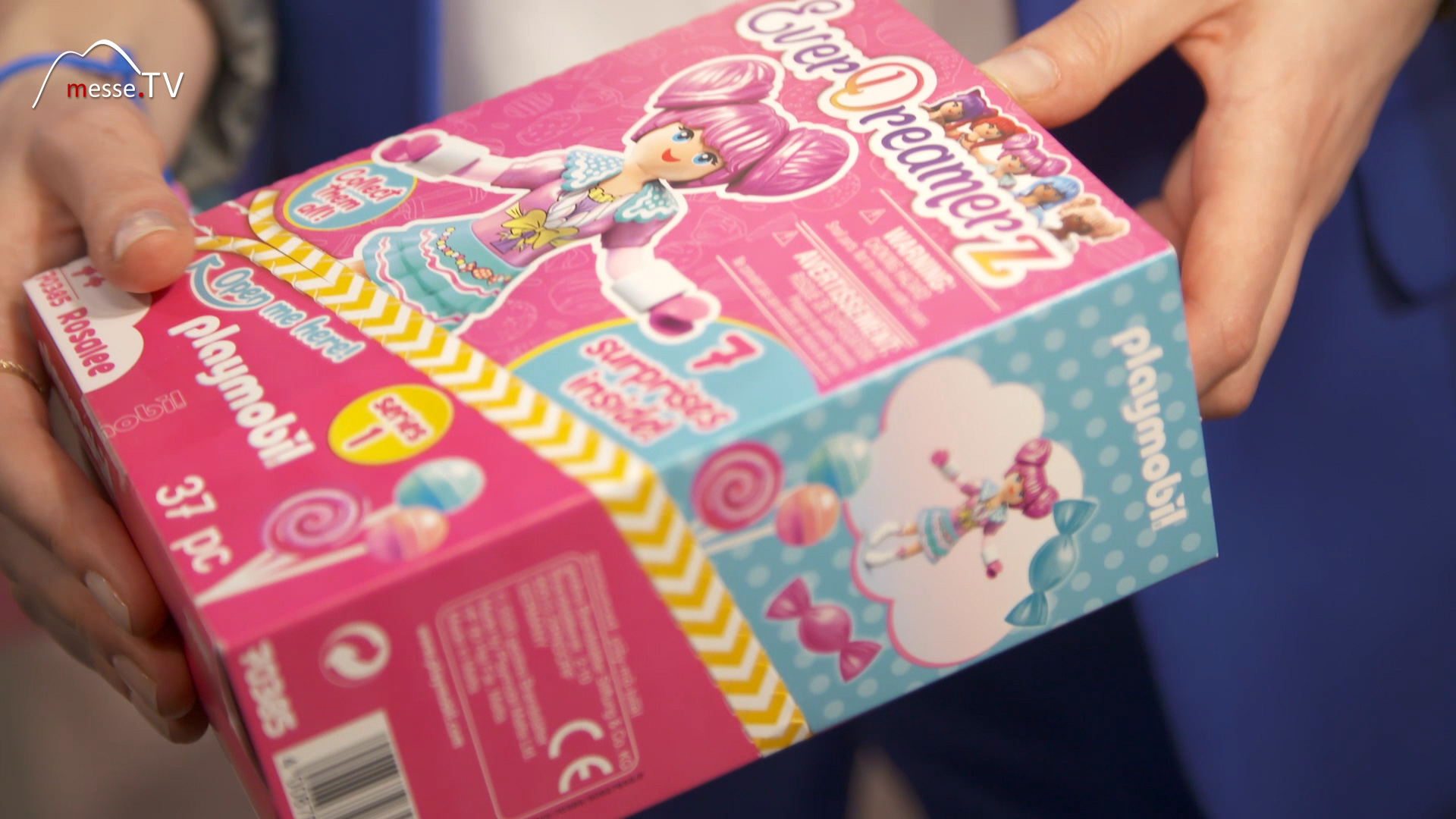
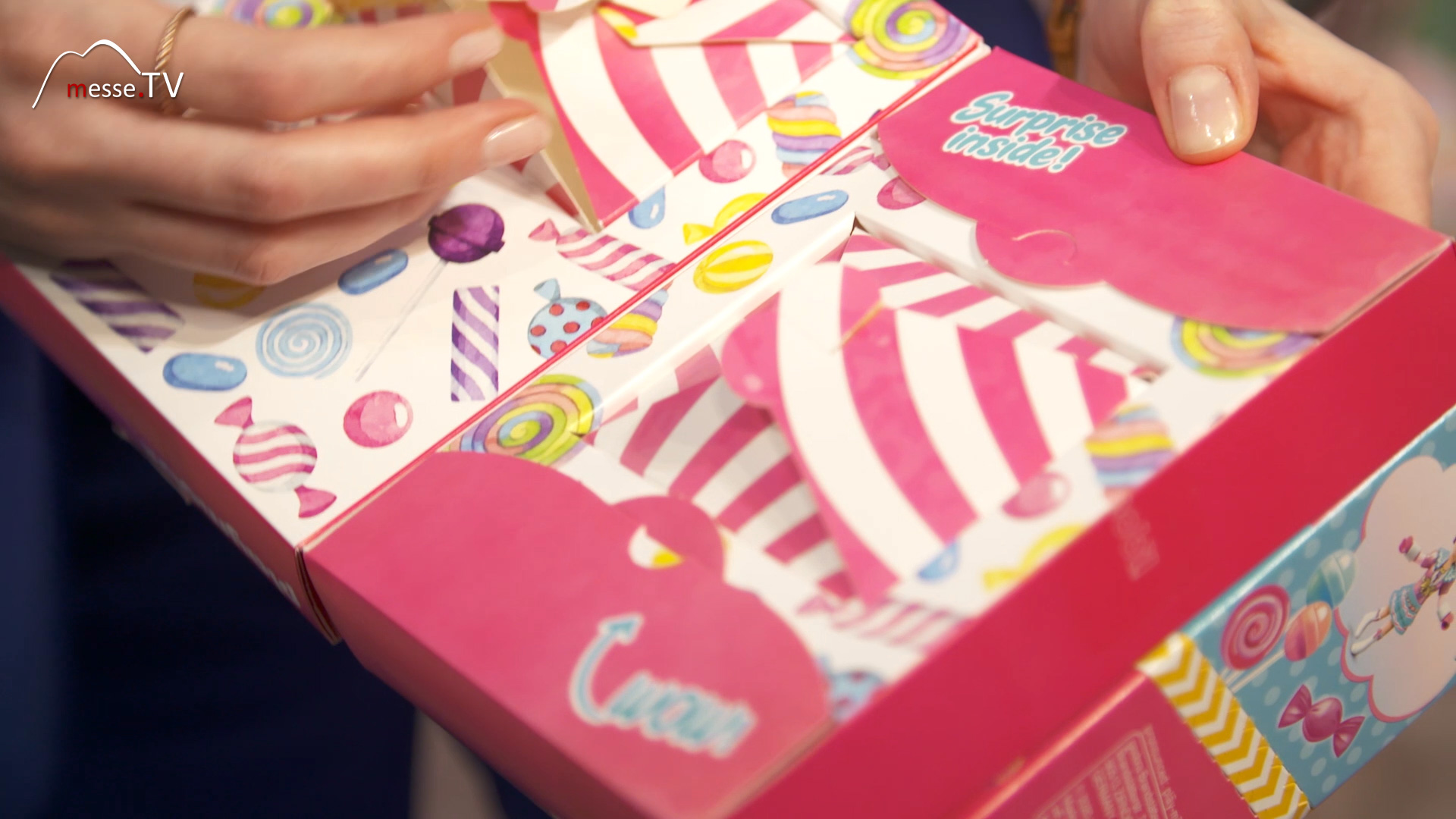
Ein zentrales Element von EverDreamerz ist das mehrstufige Unboxing-Konzept. Die Verpackung ist nicht nur Transportmittel, sondern bewusst als Erlebnis gestaltet. Nach dem Entfernen der Außenhülle öffnet sich eine Art Buch, das weitere Fächer und Boxen enthält. Jeder Schritt gibt neue Inhalte frei und steigert die Spannung. Dieses Prinzip kennt man aus Sammel- und Überraschungskonzepten, es wird hier jedoch sehr hochwertig umgesetzt. Das Auspacken wird Teil des Spiels und nicht nur ein notwendiger Zwischenschritt. Gerade für die Zielgruppe spielt dieser Moment eine große Rolle, da er Neugier, Vorfreude und Gesprächsstoff unter Freundinnen erzeugt.
Inhalte mit Sammel- und Tauschcharakter
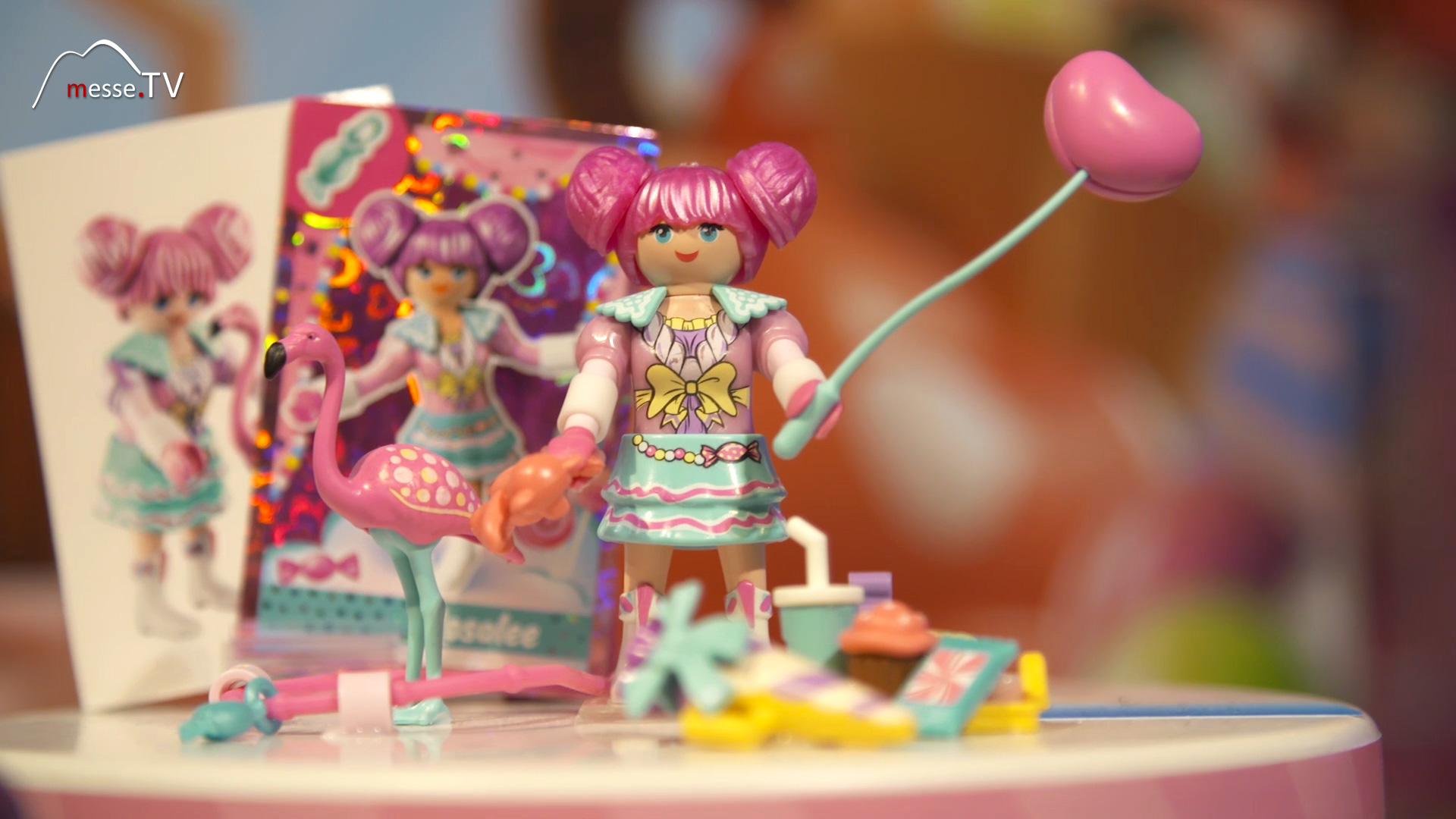
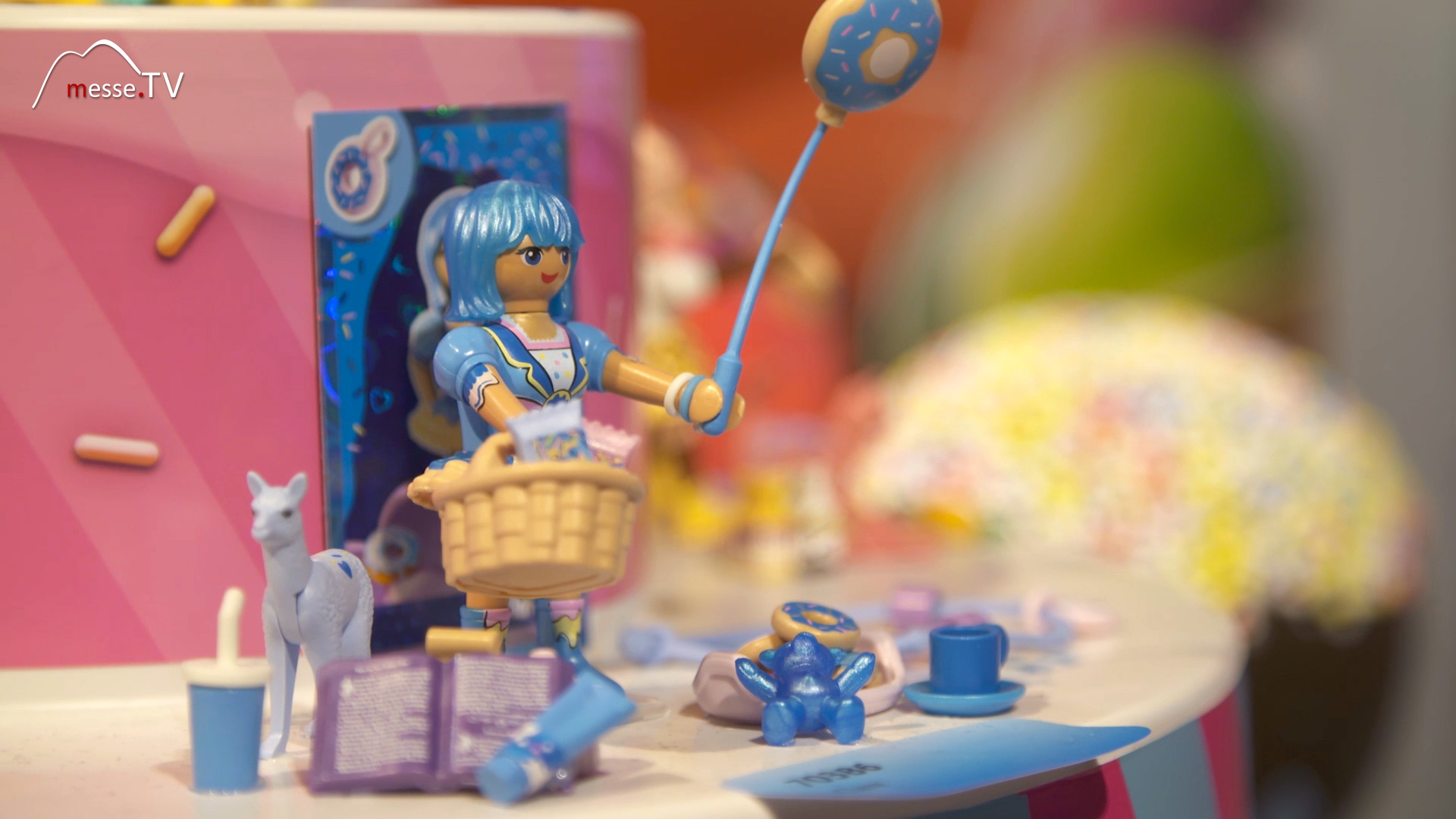
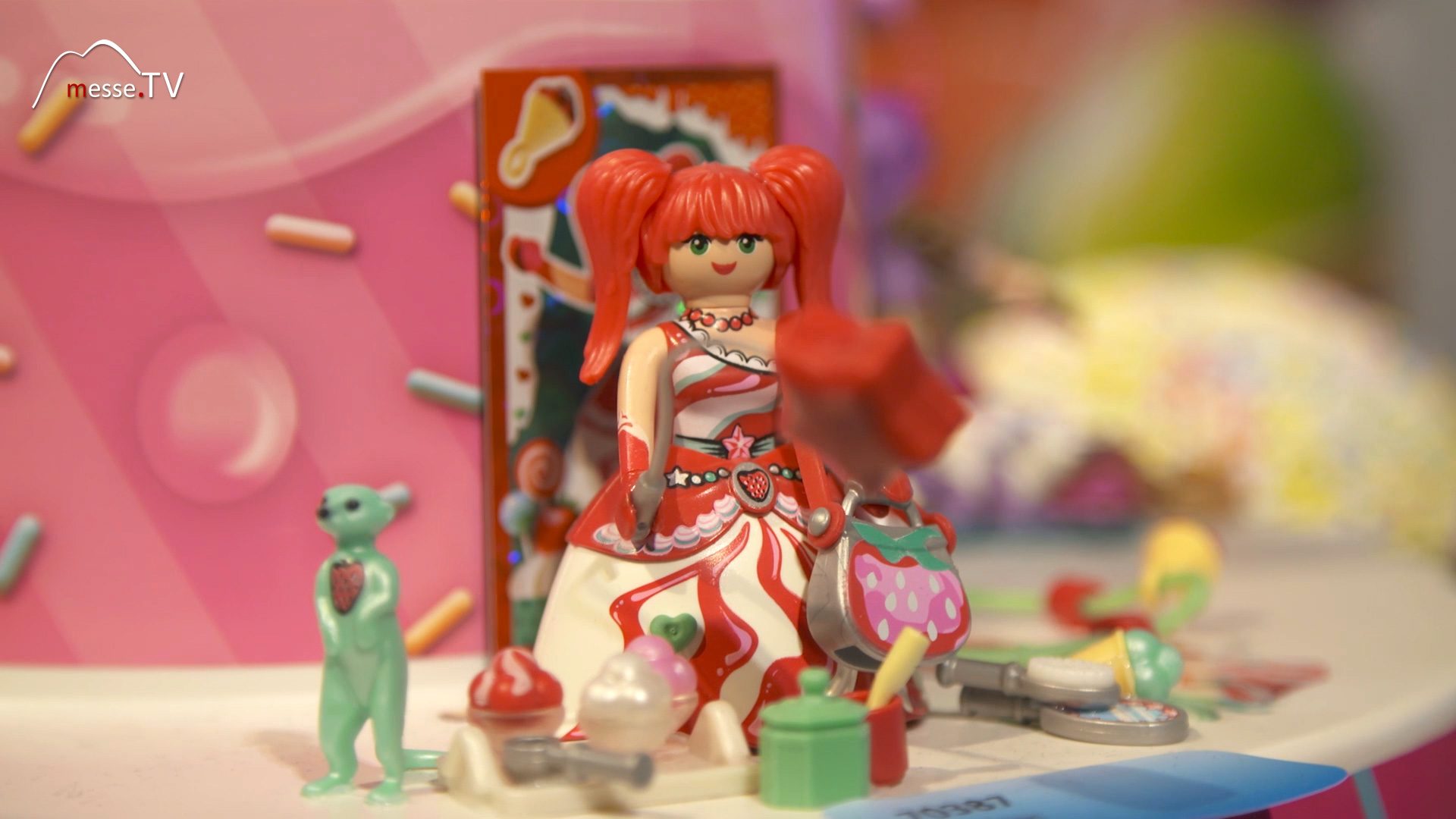
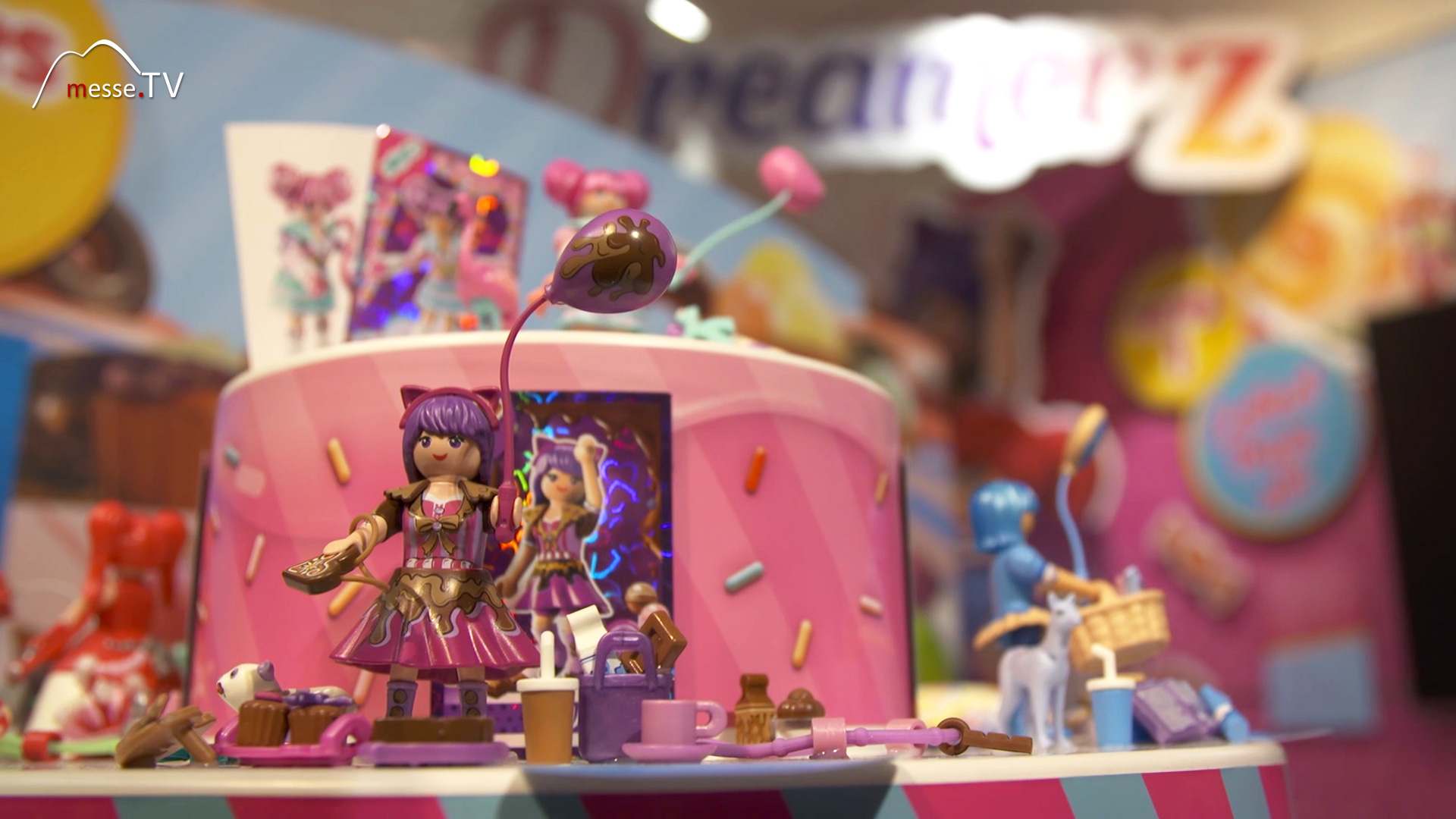
In jeder EverDreamerz-Box steckt deutlich mehr als nur eine Spielfigur. Neben der Figur selbst gehören Sammelkarten, Sticker, Accessoires und ein Tier zum Set, das die Figur in jede Traumwelt begleitet. Ergänzt wird das Ganze durch ein Armband mit austauschbaren Anhängern, das auch außerhalb des eigentlichen Spiels genutzt werden kann. Damit verbindet EverDreamerz klassisches Spielzeug mit Elementen, die man eher aus Sammelserien kennt. Tauschen, Kombinieren und Vergleichen werden bewusst gefördert und verlängern die Beschäftigung mit dem Produkt über das eigentliche Spielen hinaus.
- Spielfigur mit individueller Gestaltung
- Sammelkarte und Sticker als Ergänzung
- Tierbegleiter für jede Traumwelt
- Freundschaftsarmband mit wechselnden Anhängern
Gestaltung und Design als eigenständiges Thema
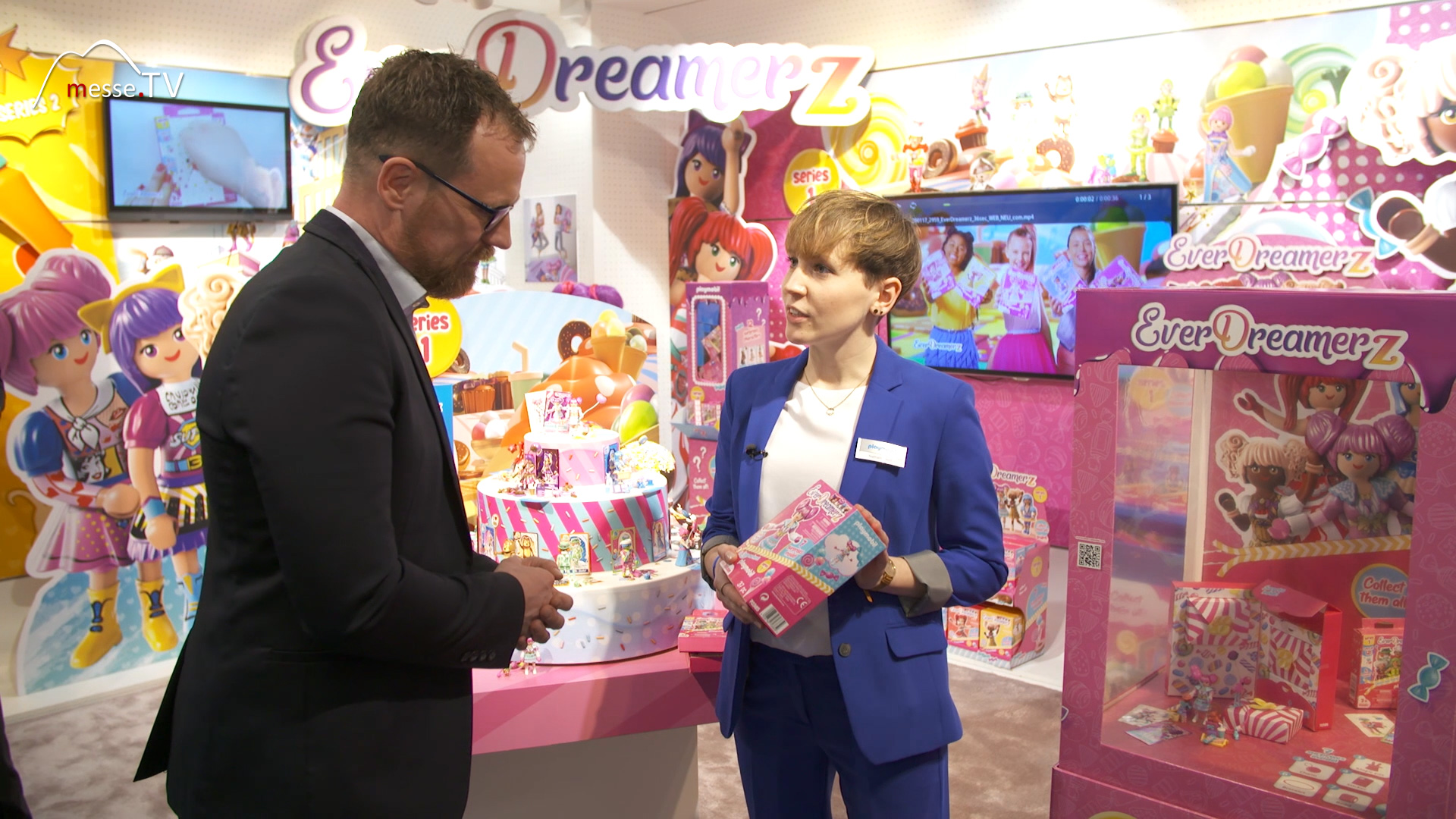
Im Interview wird deutlich, wie viel Wert auf Gestaltung gelegt wurde. Farben, Grafiken und Figuren sind bewusst emotional, verspielt und modern gehalten. Anders als bei klassischen Playmobil-Figuren stehen hier Individualität und Stil im Vordergrund. Jede Figur hat einen eigenen Look, eine eigene Farbwelt und einen klaren Wiedererkennungswert. Die Arbeit der Designerteams spielt dabei eine zentrale Rolle. EverDreamerz ist weniger technisch oder funktional gedacht, sondern visuell und atmosphärisch. Damit spricht die Linie Kinder an, die sich stark über Ästhetik, Mode und Identifikation definieren.
Abgrenzung zu klassischen Playmobil-Welten
Im Vergleich zu traditionellen Playmobil-Themenwelten verzichtet EverDreamerz bewusst auf feste Spielmechaniken oder klar definierte Aufgaben. Es gibt keine Fahrzeuge, keine Gebäude im klassischen Sinn und keine festen Berufe. Stattdessen entsteht das Spiel aus Interaktion, Fantasie und sozialen Dynamiken. Das macht die Linie nicht besser oder schlechter, sondern anders. Sie ergänzt das bestehende Sortiment und zeigt, dass Playmobil zunehmend differenzierter auf unterschiedliche Spieltypen reagiert. Während manche Kinder strukturierte Szenarien bevorzugen, spricht EverDreamerz jene an, die Geschichten frei erfinden und gerne sammeln, tauschen und kombinieren.
Ein Konzept, das auf Gemeinschaft setzt
Everdreamerz funktioniert besonders gut im sozialen Kontext. Die Idee, Figuren zu sammeln, Freundschaftsarmbänder zu teilen und gemeinsam Traumwelten zu entdecken, zielt klar auf gemeinsames Spielen ab. Damit knüpft die Linie an reale Lebenswelten von Kindern an, in denen Freundschaften, Austausch und gemeinsames Erleben eine zentrale Rolle spielen. Playmobil EverDreamerz ist damit weniger ein klassisches Spielset als ein offenes Spiel- und Sammelkonzept, das Fantasie, Design und soziale Interaktion miteinander verbindet.
Messe-Berichterstattung bundesweit - Messewissen, Termine & Veranstaltungen


