Hubelino Dachsteine erweitern das Bauen um klassische Hausformen
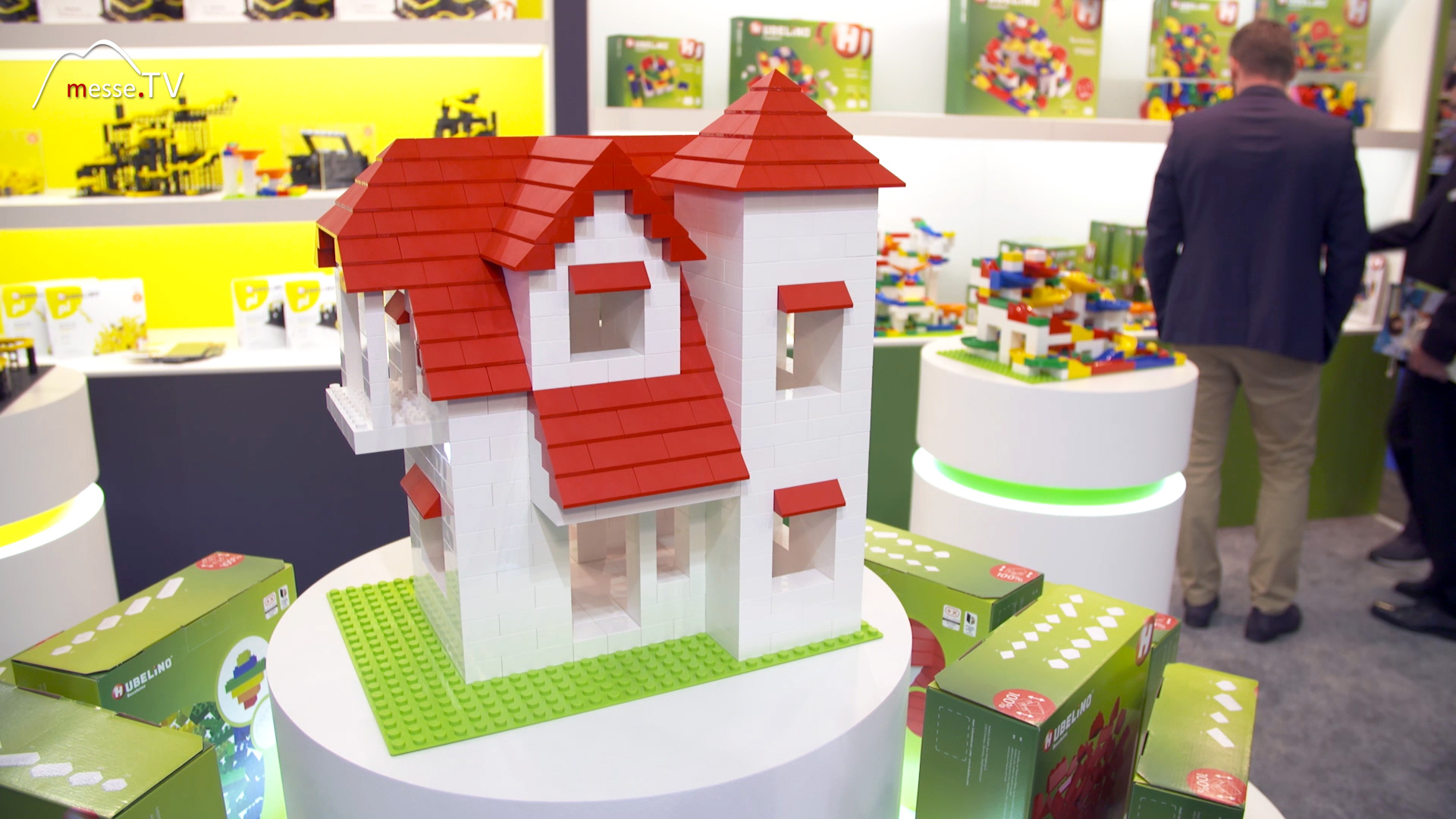
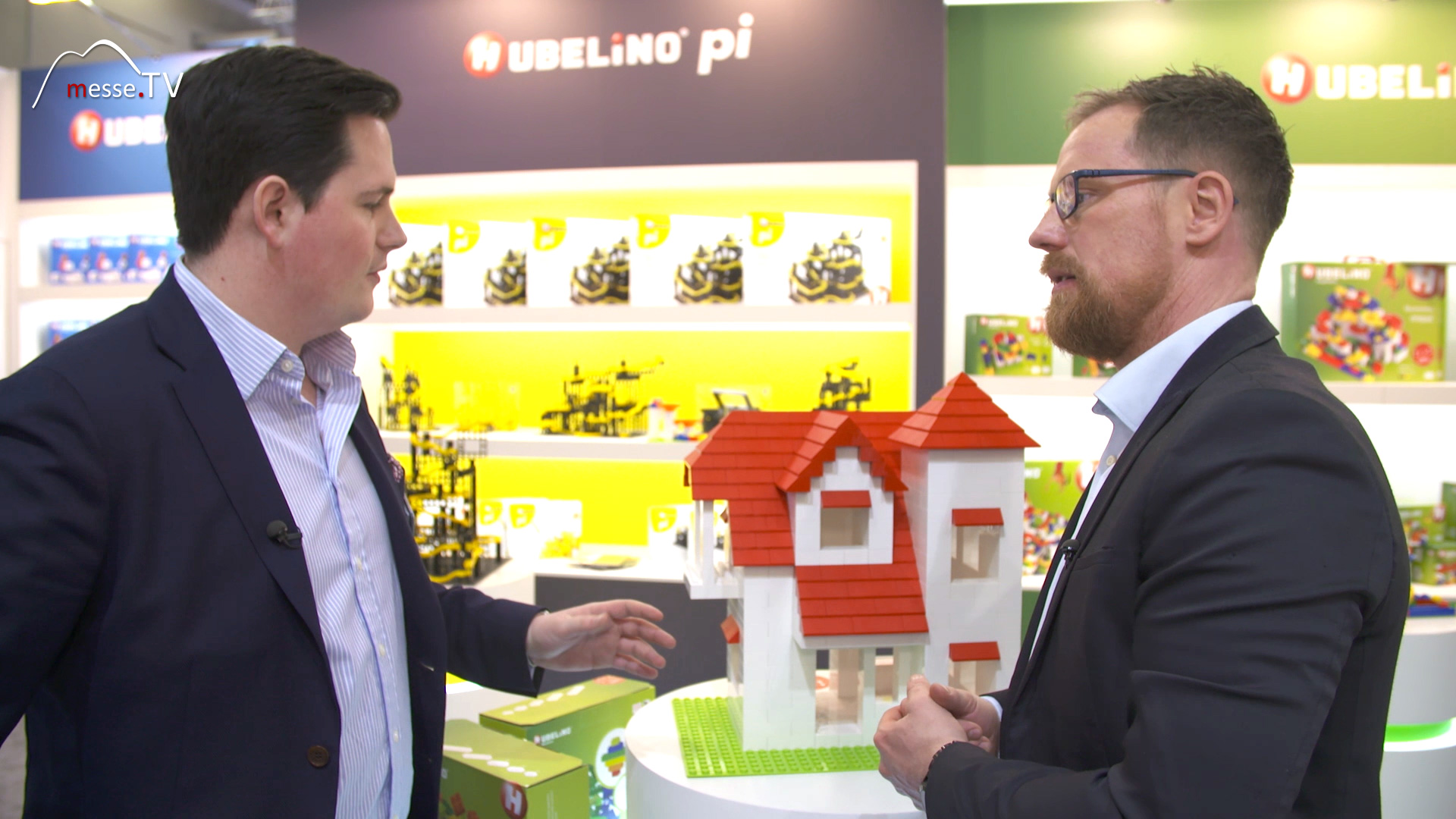
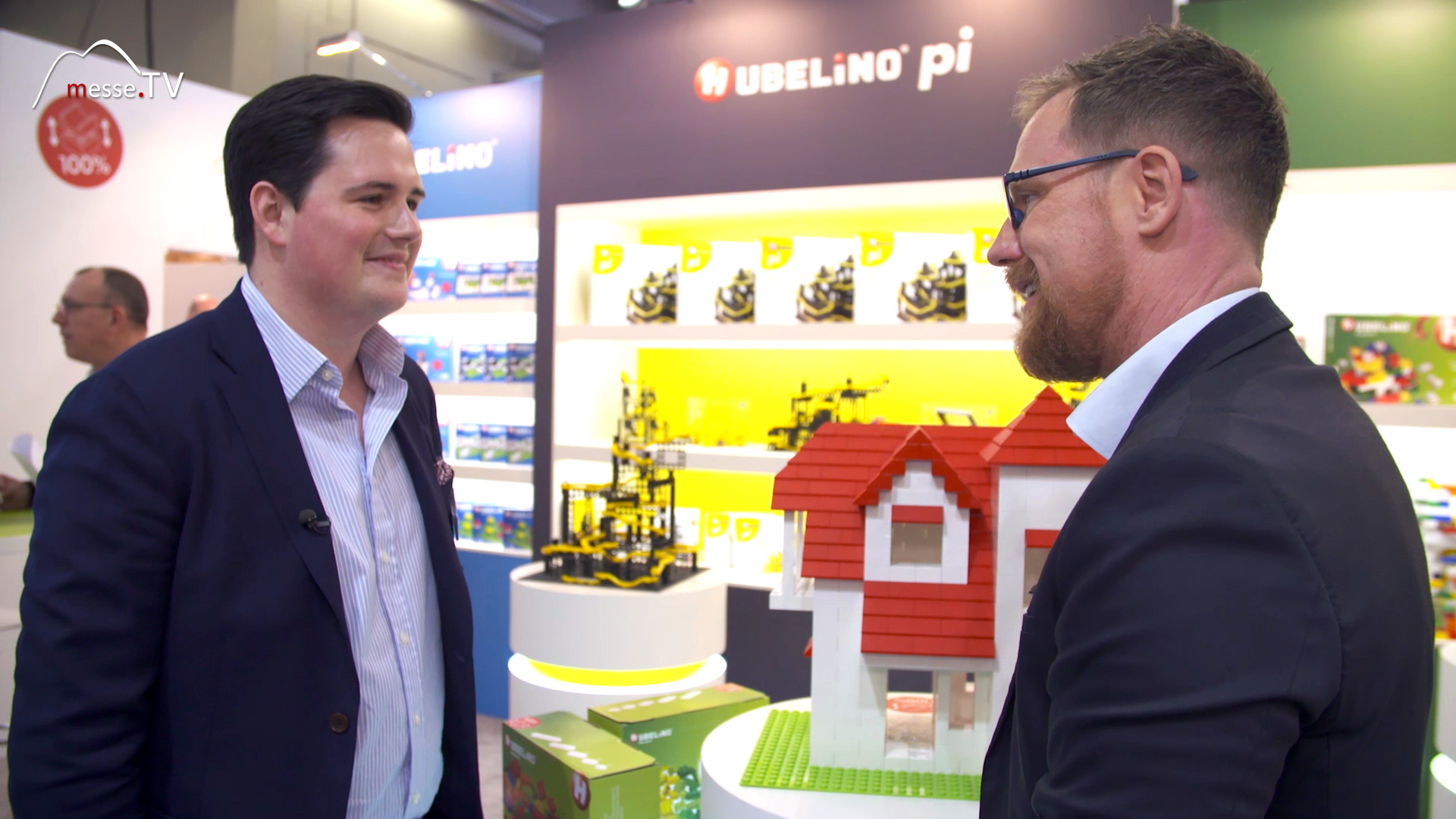
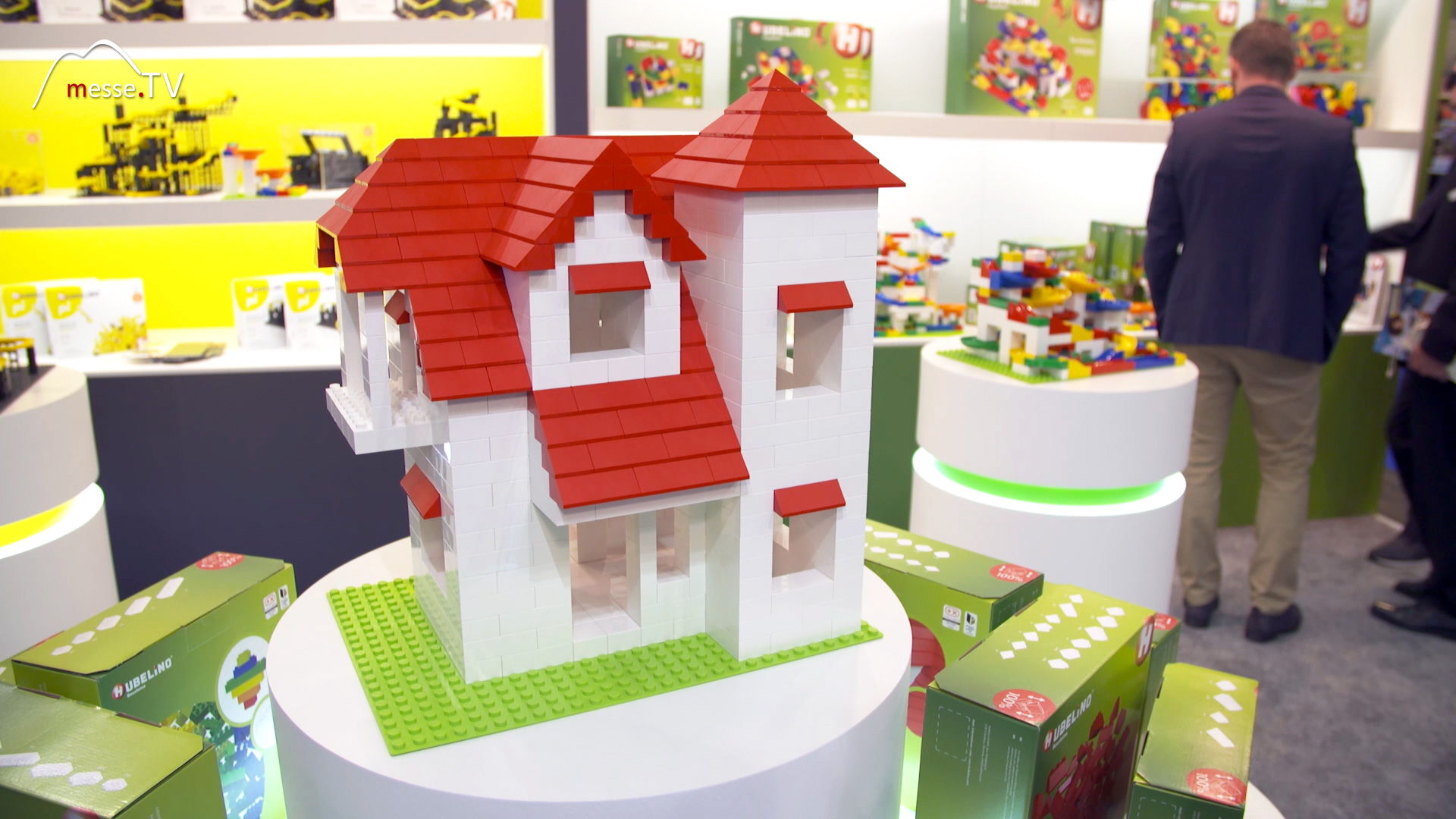
Mit den neuen Dachsteinen reagiert Hubelino auf einen Punkt, der im freien Bauen lange gefehlt hat: Häuser konnten zwar entstehen, blieben aber stets ohne Dach. Genau diese Lücke schließen die roten Dachsteine nun und erweitern das Konstruktionsspiel um eine naheliegende, im Alltag verankerte Bauform. Kinder bauen Häuser – und können sie jetzt auch realistisch abschließen.
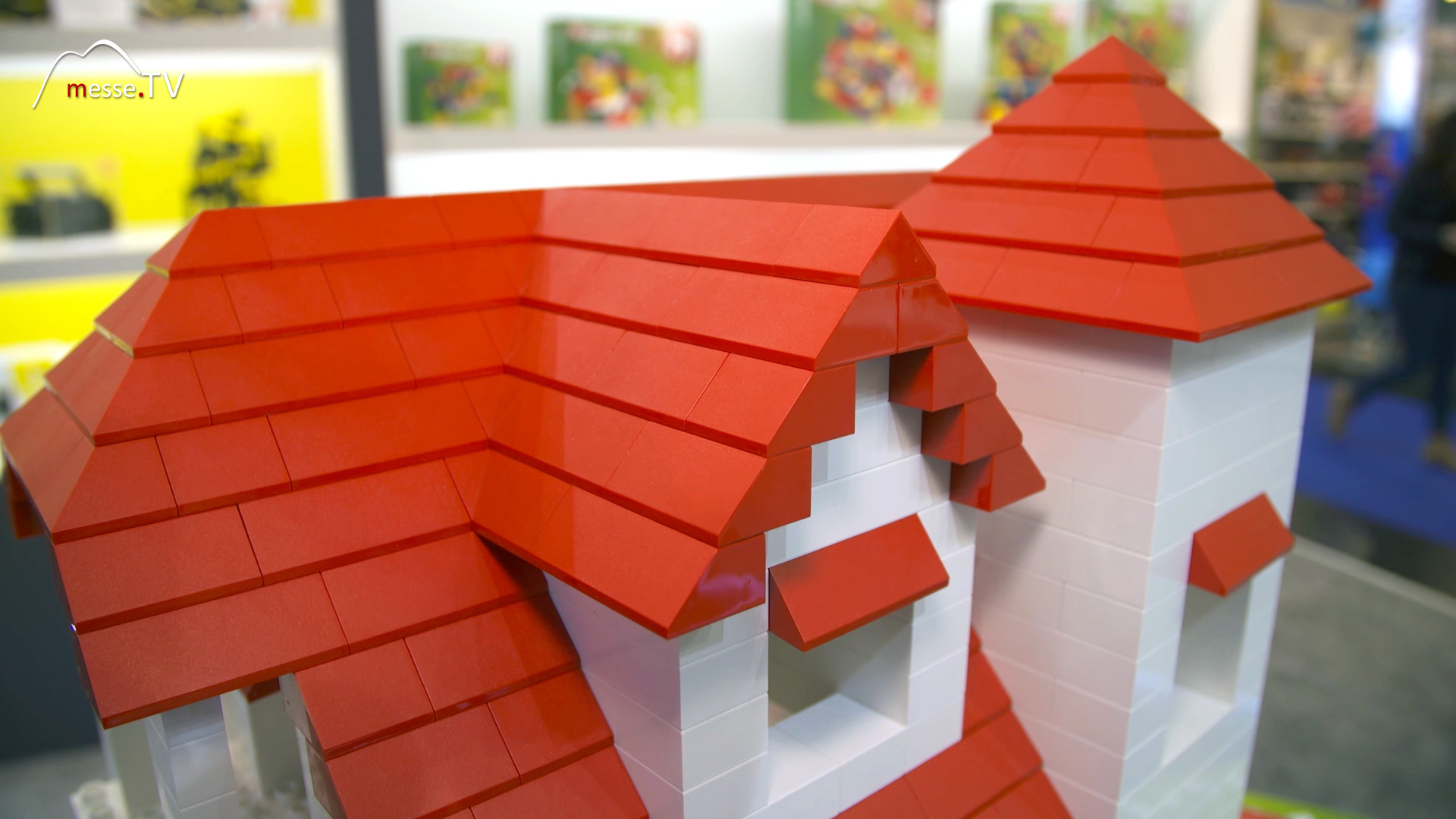

Rückbesinnung auf freies Konstruieren
Im Gespräch wird deutlich, dass sich viele Eltern und Händler zuletzt wieder stärker auf das eigentliche Bauen konzentrieren möchten. Themenwelten und stark vorgegebene Sets sind zwar präsent, lassen aber oft wenig Raum für eigene Ideen. Dachsteine wirken hier fast selbstverständlich, waren bislang aber nicht vorhanden. Mit ihnen rückt das freie Konstruieren wieder stärker in den Mittelpunkt: Wände, Etagen und nun auch Dächer entstehen aus eigener Vorstellung heraus, ohne Spielhandlung oder Figuren vorzugeben.
Zwei Sets mit unterschiedlichem Anspruch
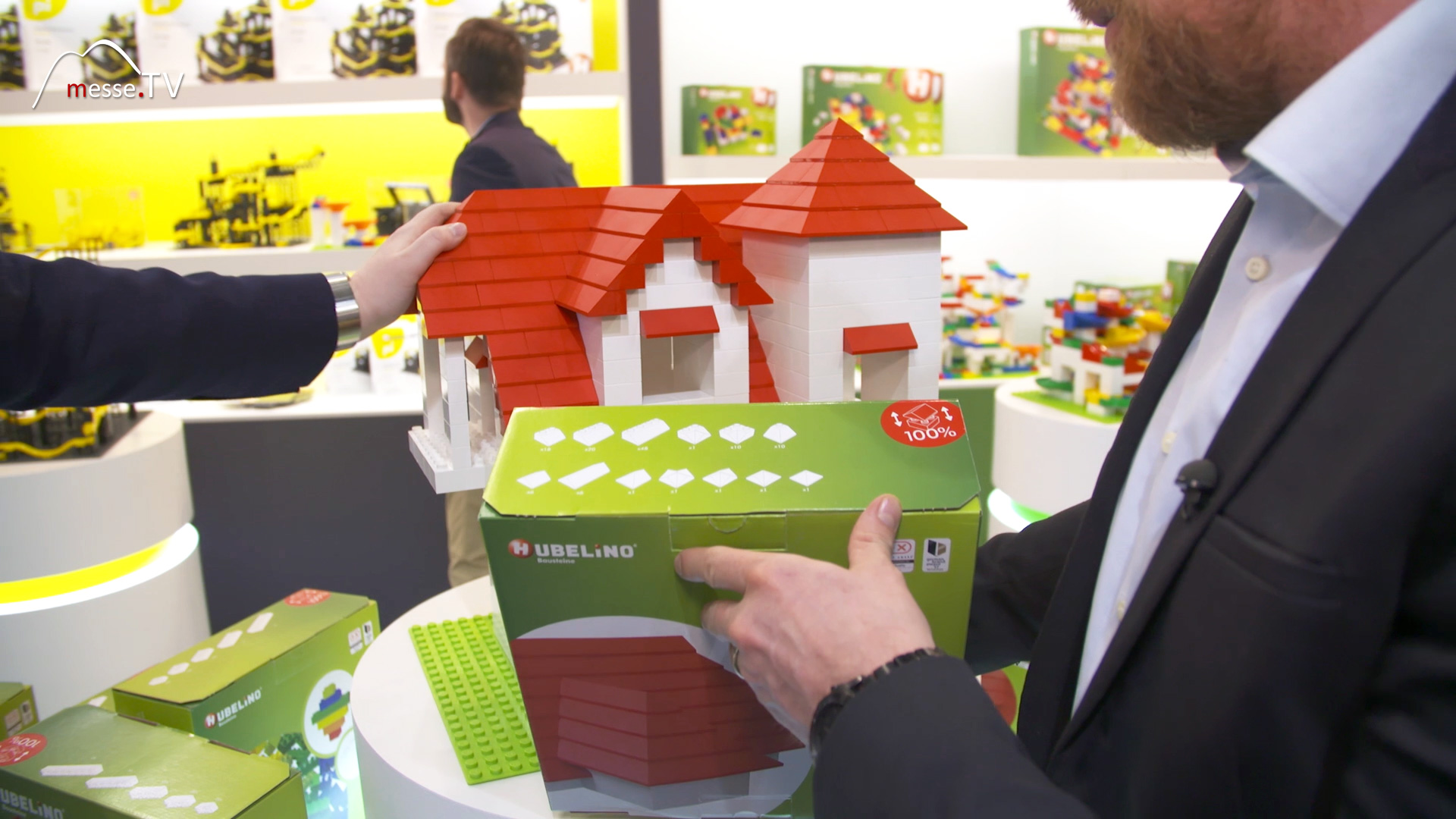
Hubelino bringt die Dachsteine in zwei Ausführungen auf den Markt. Das kleinere Set konzentriert sich auf ein klassisches Satteldach, das größere erweitert die Möglichkeiten um zusätzliche Formsteine. Damit lassen sich nicht nur einfache Häuser, sondern auch komplexere Dachformen bauen. Die Zielgruppe beginnt bewusst früh – bereits Kinder ab etwa eineinhalb Jahren können erste Bauversuche unternehmen und diese mit zunehmendem Alter weiterentwickeln.
- kleines Set mit Satteldach für einfache Bauformen
- großes Set mit zusätzlichen Formsteinen für variablere Dächer
- kompatibel mit gängigen Klemmbausteinsystemen

Kompatibilität als zentrales Prinzip
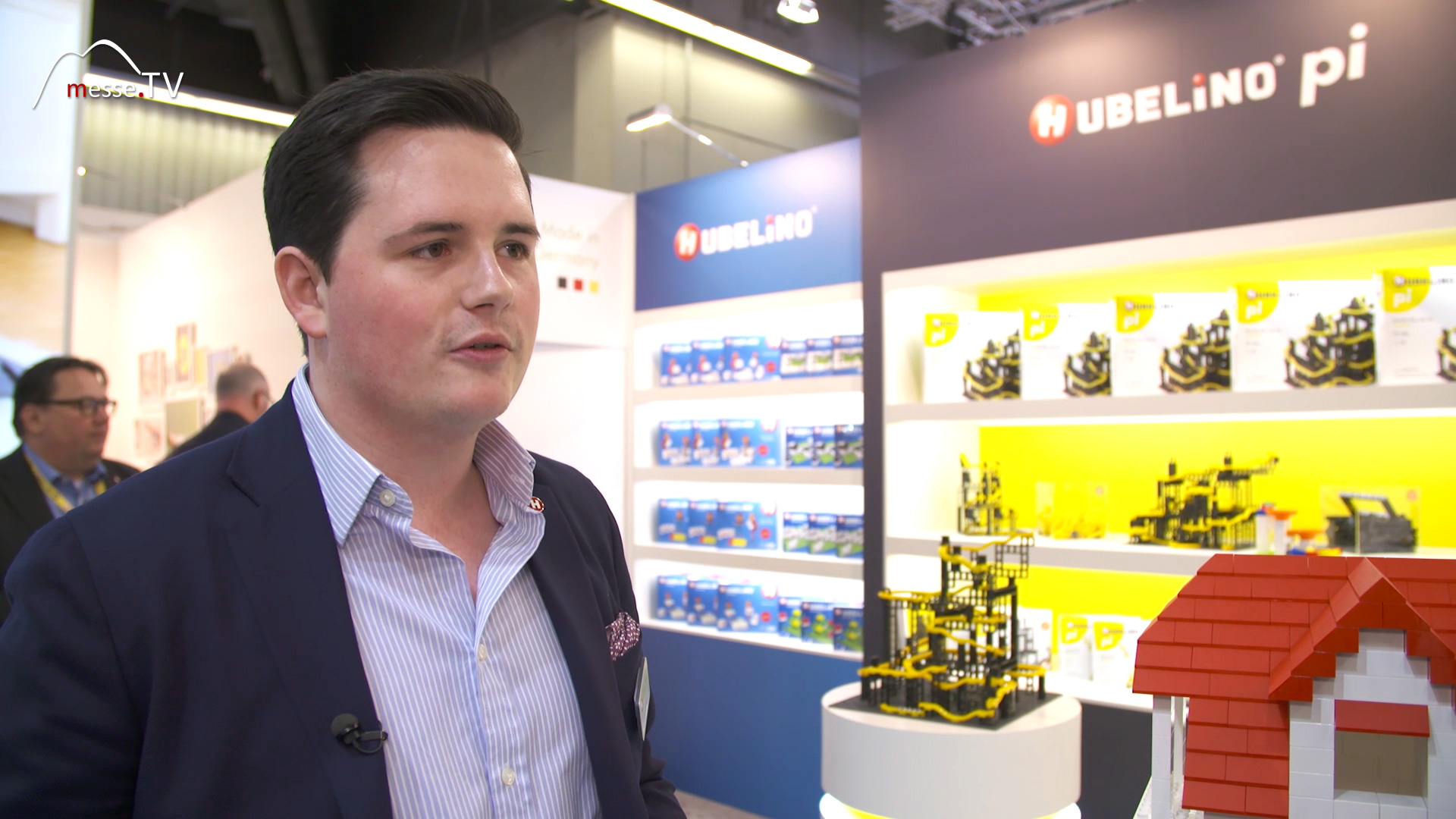
Ein wichtiger Punkt ist die vollständige Kompatibilität mit bekannten Klemmbausteinen anderer Hersteller. Bestehende Bauwelten müssen nicht ersetzt werden, sondern lassen sich gezielt erweitern. Das fördert langfristiges Spielen, weil vorhandene Steine weiterhin genutzt werden können. Gerade im Alltag vieler Familien, in denen sich unterschiedliche Bausteinsysteme angesammelt haben, ist das ein klarer Vorteil.
Bedeutung von Bauformen für die frühkindliche Entwicklung
Häuser gehören zu den ersten komplexeren Strukturen, die Kinder nachbauen. Dächer sind dabei nicht nur ein optisches Element, sondern stellen auch konstruktive Anforderungen: Neigungen, Stabilität und symmetrische Formen müssen verstanden werden. Solche Bauelemente fördern räumliches Denken, Feinmotorik und ein erstes Gefühl für Statik – ohne dass diese Aspekte erklärt werden müssen. Das Lernen geschieht über Ausprobieren.
Kugelbahnen, Bausteine und Systemdenken
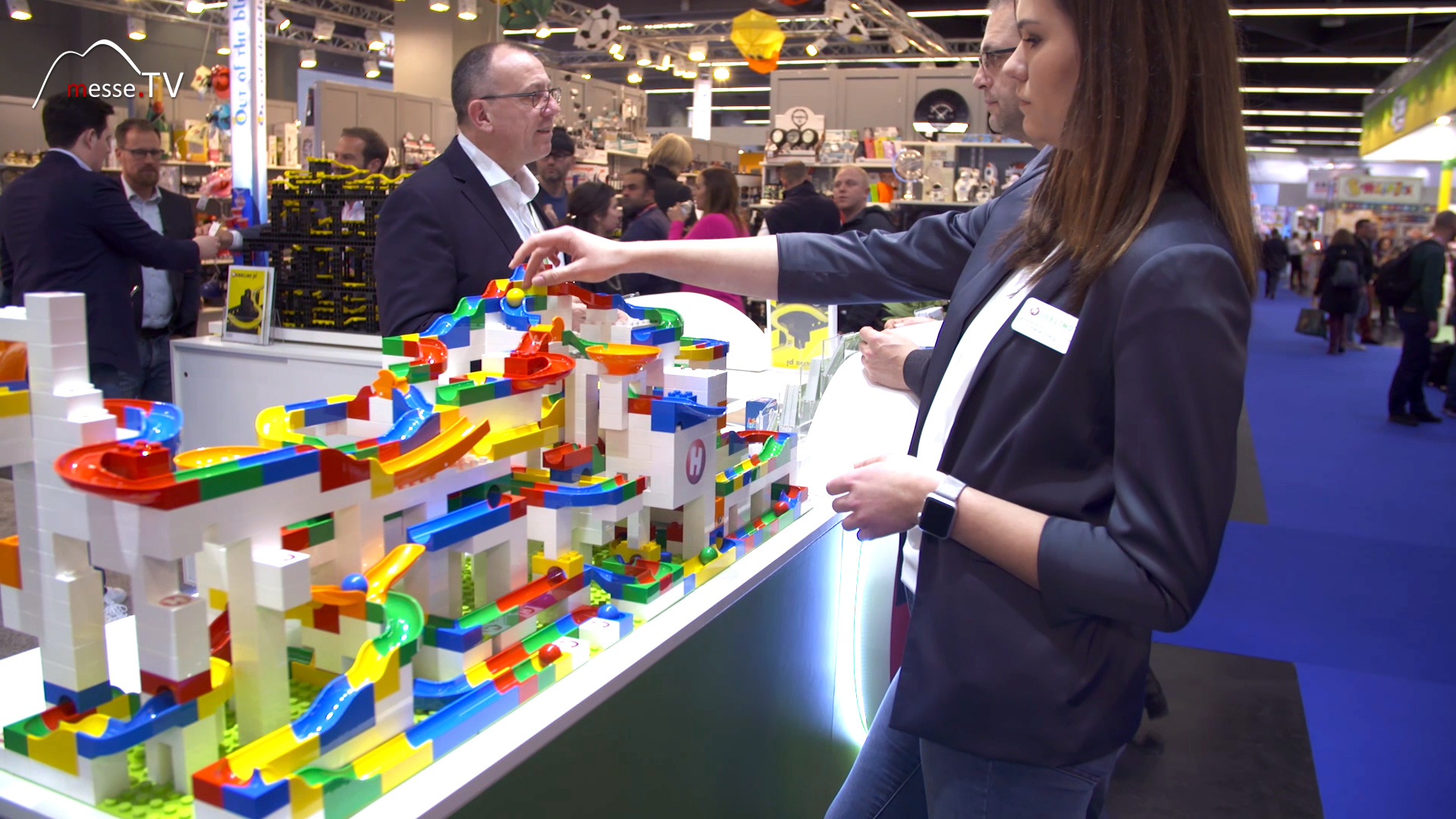
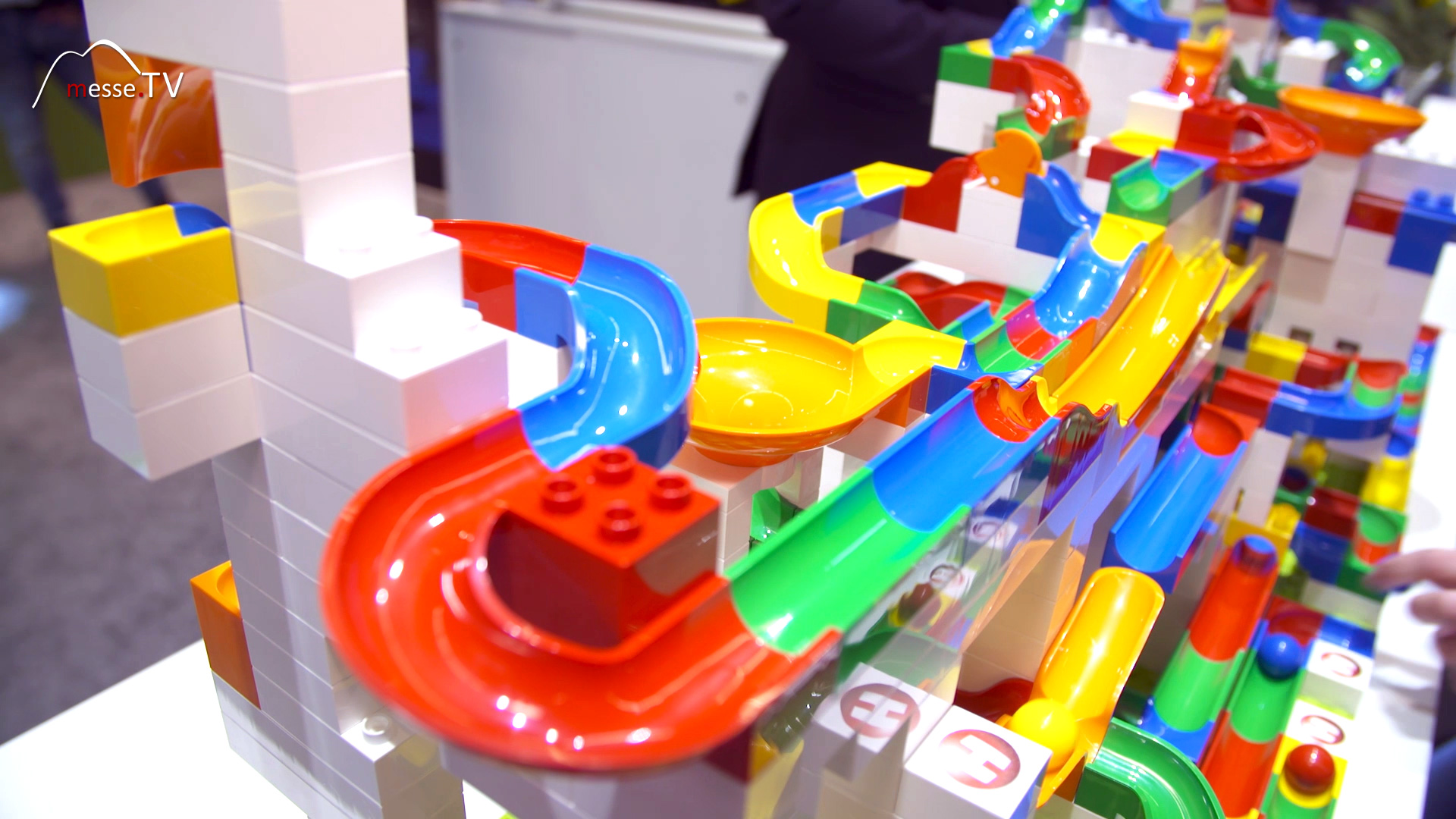
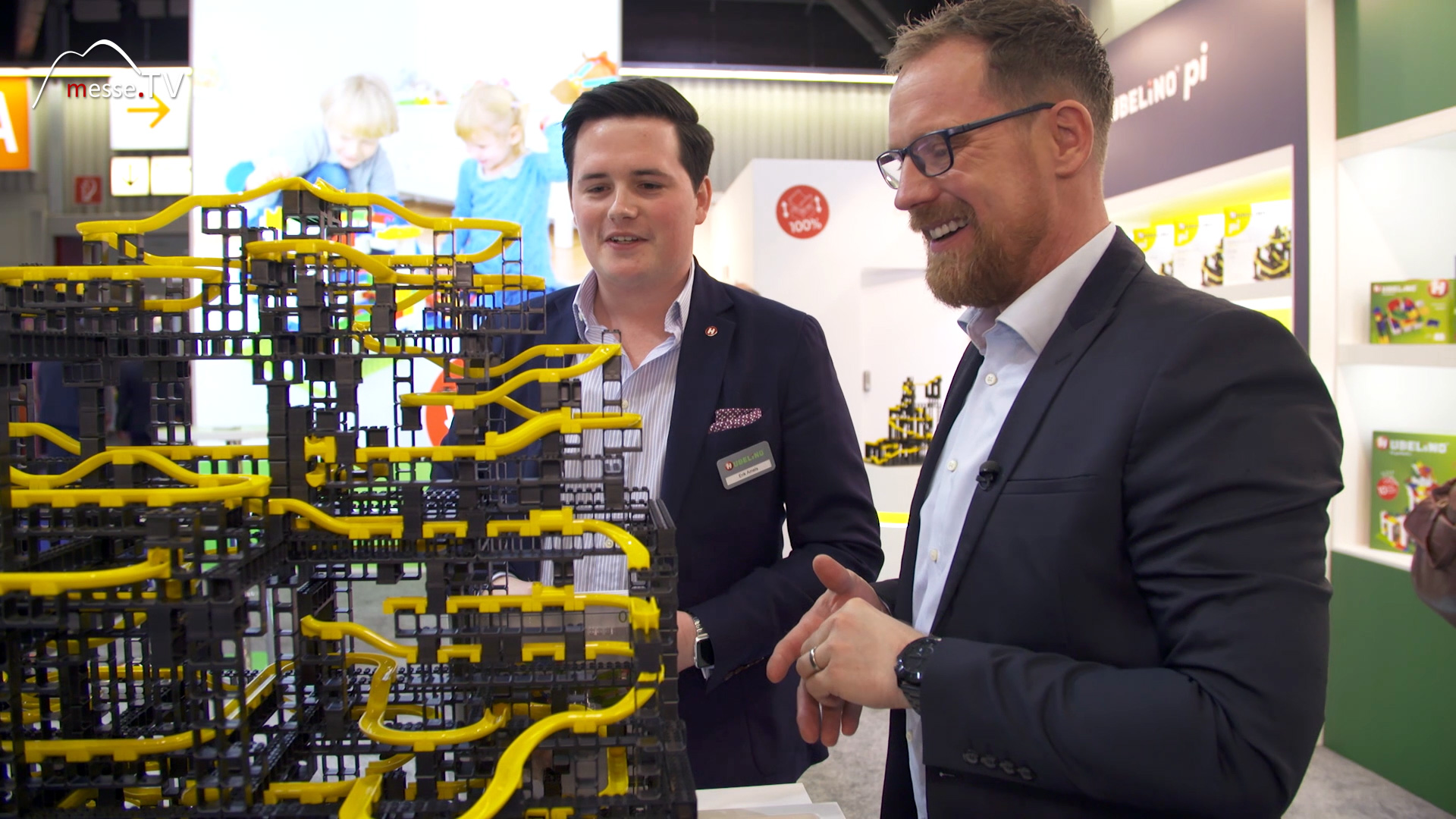
Auch wenn Hubelino stark über Kugelbahnen bekannt ist, zeigt sich hier ein gemeinsames Prinzip: Systeme, die offen bleiben. Kugelbahnen und Konstruktionsbausteine funktionieren dann besonders gut, wenn sie nicht auf eine einzige Bauweise festgelegt sind. Erweiterungen wie Dachsteine greifen dieses Systemdenken auf und ergänzen es sinnvoll, statt es zu ersetzen. Bestehende Elemente bekommen neue Funktionen, neue Bauideen entstehen aus dem vorhandenen Material.
Fertigung und Herkunft als Teil des Konzepts
Ein weiterer Aspekt, der im Gespräch anklingt, ist die Produktion in Deutschland. Für viele Händler spielt das eine Rolle, für Eltern oft ebenfalls. Kurze Wege, nachvollziehbare Fertigung und gleichbleibende Qualität sind Argumente, die gerade im Segment für Kleinkinder relevant sind. Sie stehen hier nicht im Vordergrund, sind aber Teil des Gesamtbildes.

Ergänzung statt Neuausrichtung
Die Dachsteine verändern das Hubelino-System nicht grundlegend, sondern ergänzen es logisch. Das Bauen bleibt offen, individuell und kombinierbar. Häuser bekommen ein Dach, Konstruktionen wirken vollständiger – ohne dass das Spiel enger geführt wird. Genau darin liegt der Reiz dieser Erweiterung: Sie wirkt selbstverständlich, obwohl sie lange gefehlt hat.






Messe-Berichterstattung bundesweit - Messewissen, Termine & Veranstaltungen


