Videos and articles on industry, production and technology
Technological developments are rapidly shaping industrial production. Contributions from the industrial sector show how machines, systems, and processes are being further developed – from manufacturing to automated control.
Developments in manufacturing, automation and industrial digitalization
Refractory products for the glass industry and battery cells
Refractory materials are rarely the centre of attention when talking about glass production, battery cells or industrial high-temperature processes. Yet the stability, process reli... Refractory materials for extreme temperatures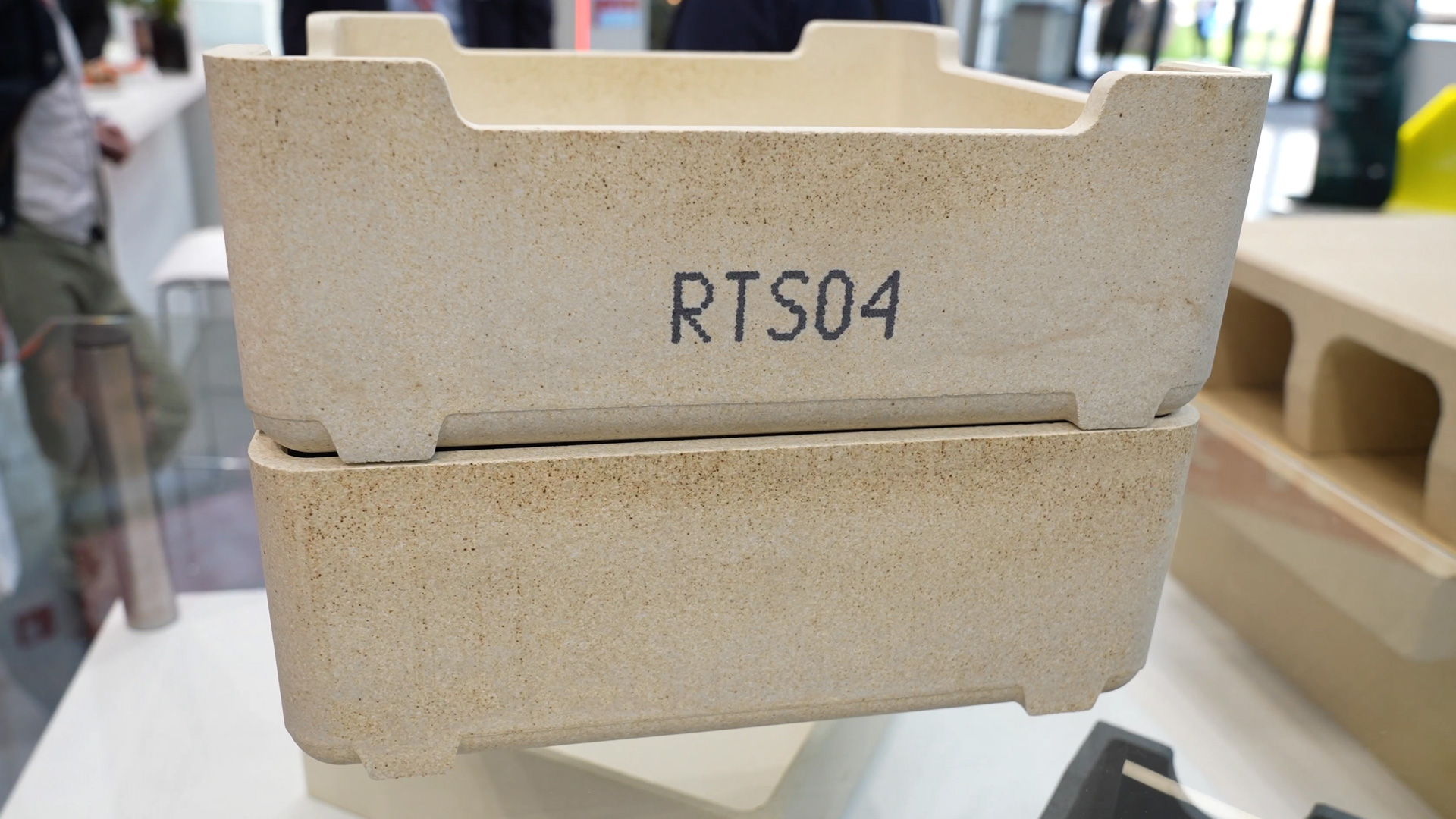
Exoskeleton S700 with data cable in industrial use
Exoskeletons are one of the most visible developments in the industrial working environment. They intervene directly in the physical strain of skilled workers and push the boundari... Reducing physical strain in industrial working environments

Agile ONE humanoid robot for industrial systems
Industrial robotics is in a phase of fundamental expansion. While traditional industrial robots specialise in clearly defined, repetitive tasks, the focus is increasingly shifting ... Industrial robotics in the expansion phase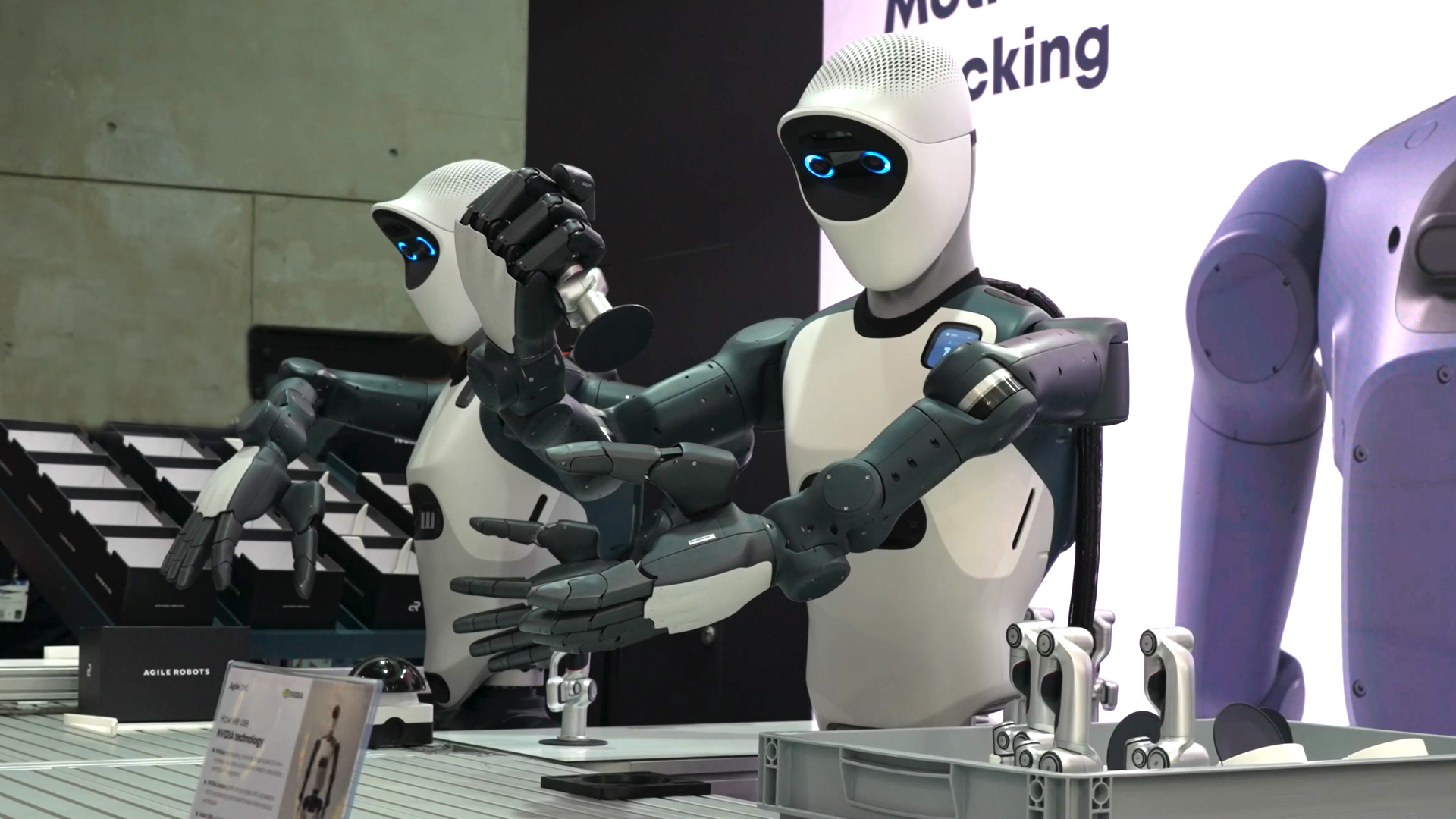
Quality control for plates in crockery production
Surface defects, dark spots, flaking or small flaws in the material can impair usability and at the same time reduce the visual quality. This is precisely where the system presente... Reliably detect defects in the material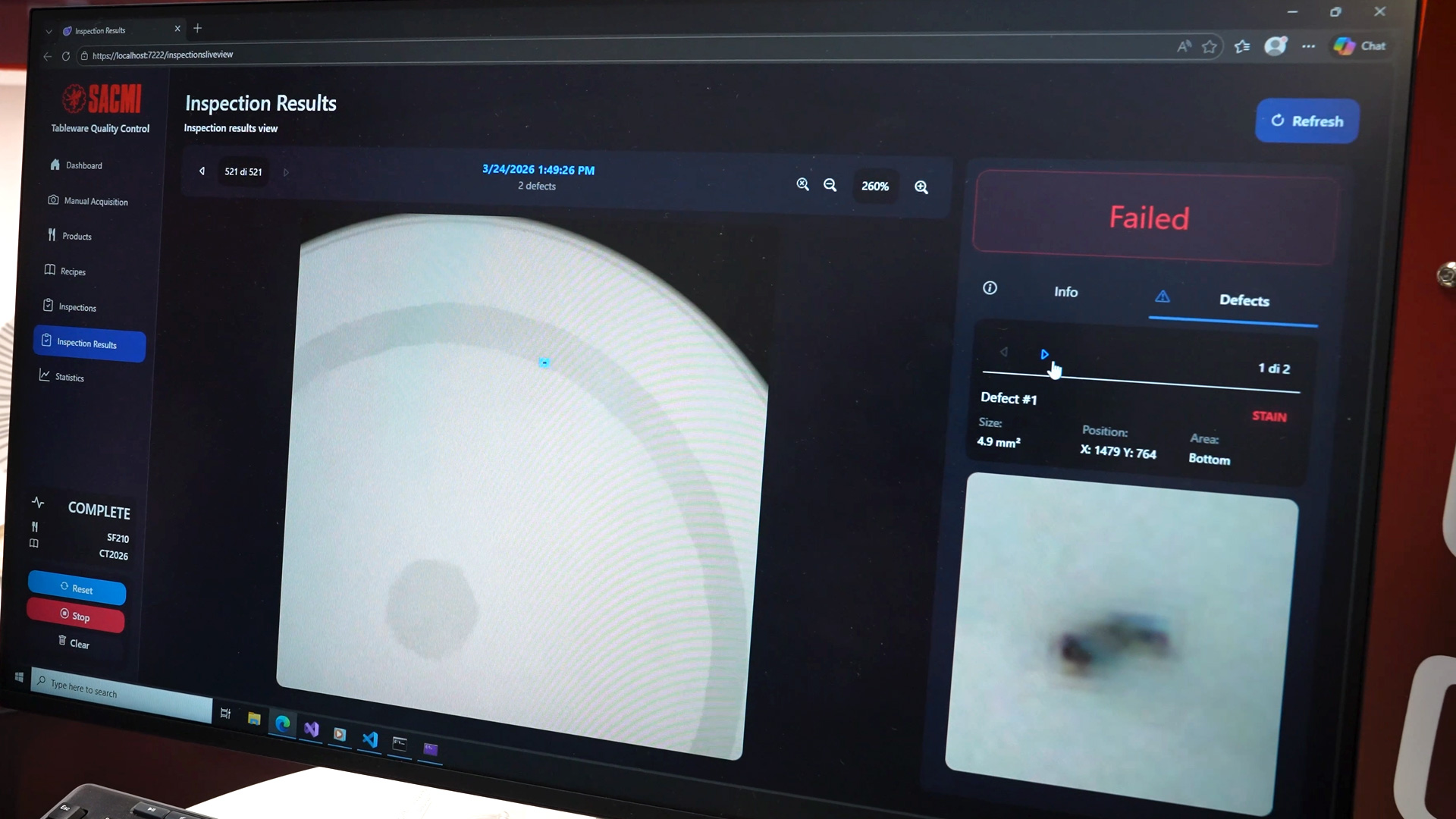
Circuit-breaker 3QD2 for DC systems
The development of modern energy infrastructures is currently visibly shifting towards direct current. What was long considered a special application is increasingly becoming the f... Development of modern energy infrastructures
Multifunctional tester for electrical tests with AI
In the industrial testing of electrical components, quality is not only determined by the design, but also by the reliability of the measurement processes. Industrial testing of electrical components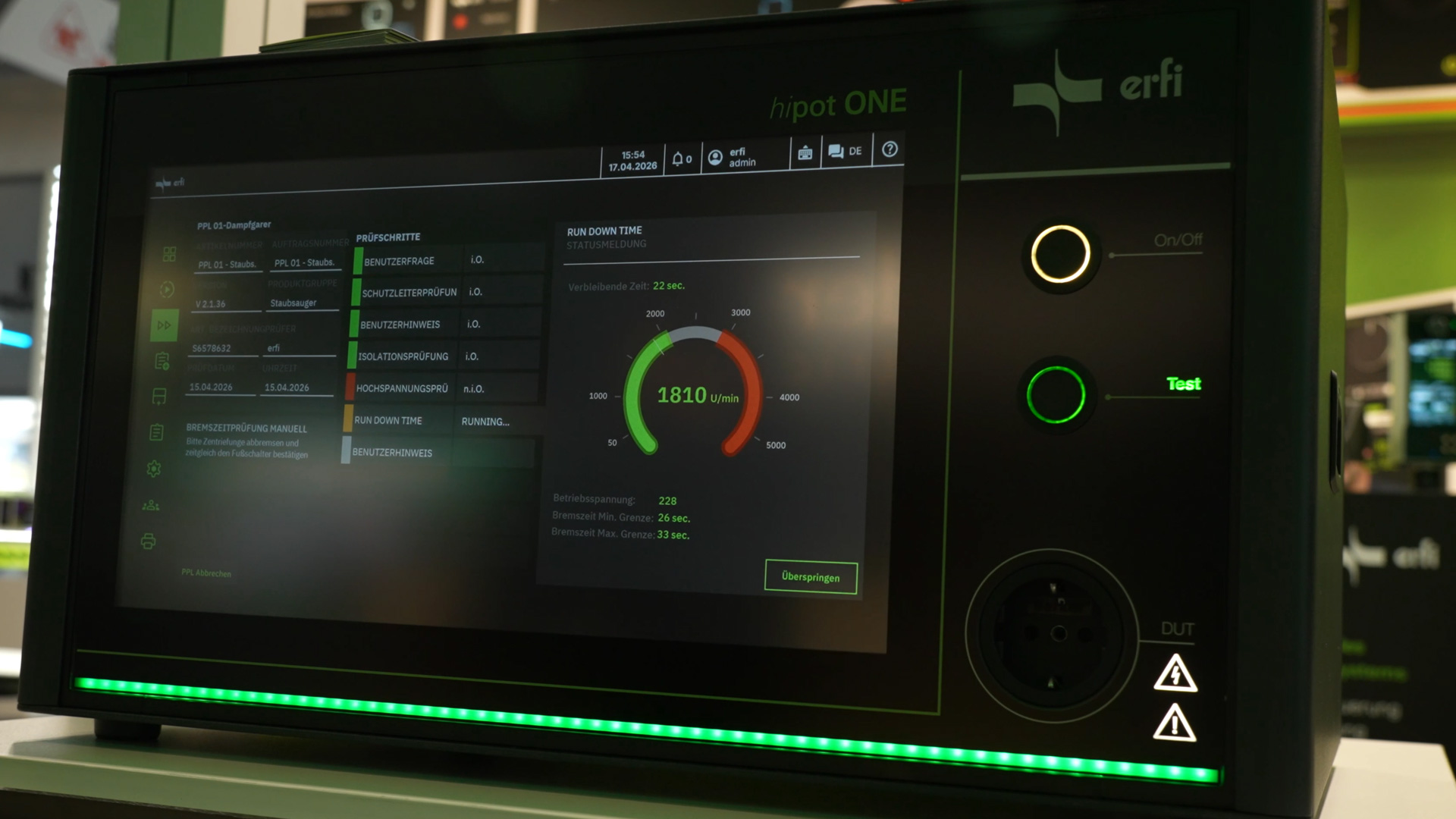

Cell culture automation reduces costs in biotechnology
The production of cells for medical applications is considered one of the most promising approaches in modern medicine. At the same time, it is one of the most cost-intensive proce... Production of cells for medical applications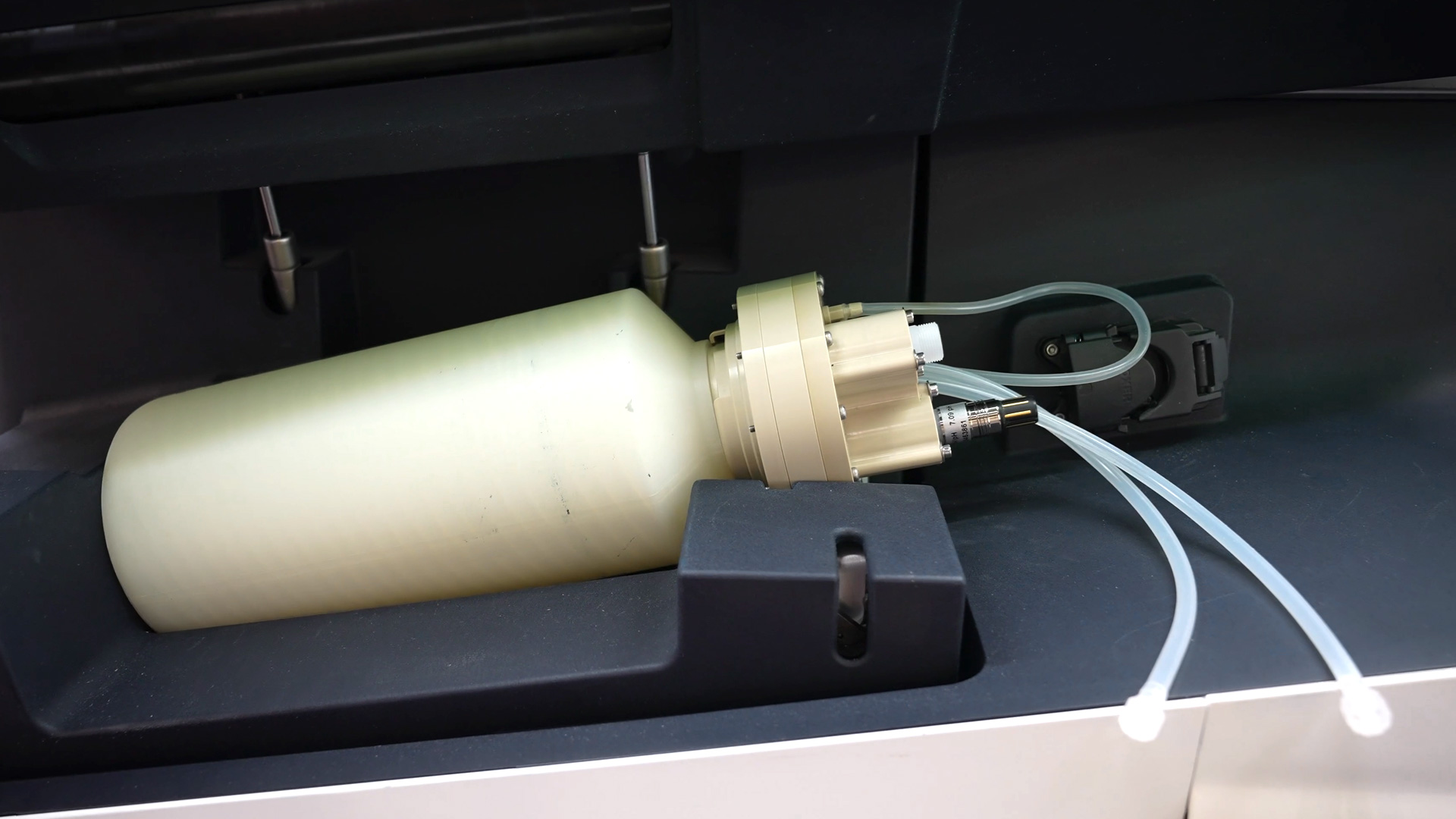
Precision in ceramic and carbide powder pressing
Anyone who manufactures components from ceramics, carbide or other powdered materials is working at a delicate interface between material behaviour, tool technology and process rel... Manufacturing components from powdered materials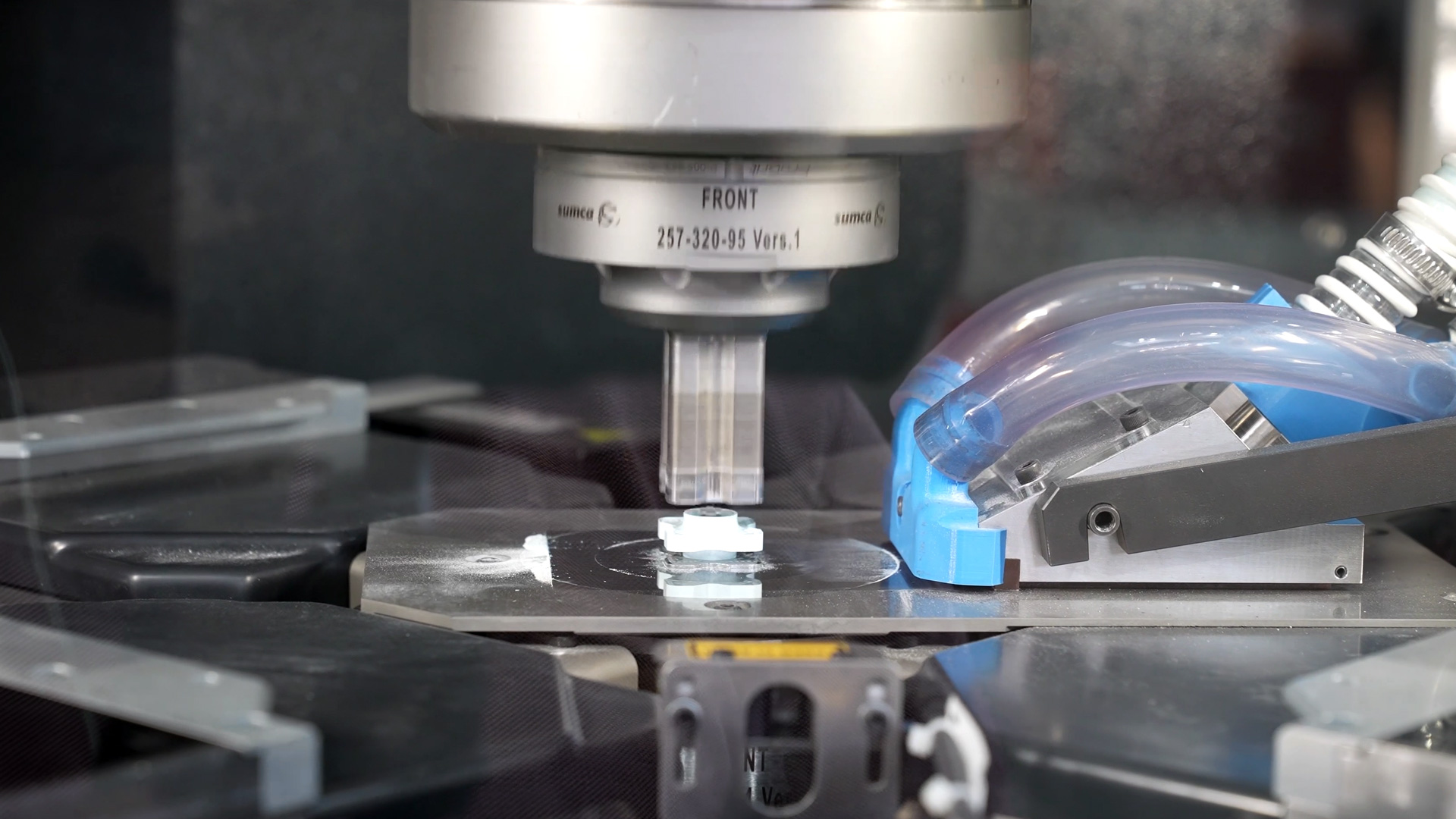
Exhaust gas measurement for efficiency and control during operation
Wherever combustion takes place, exhaust gases are produced. This applies to heating systems in buildings as well as industrial processes with high thermal loads. What can be measu... Energy efficiency through modern measurement technology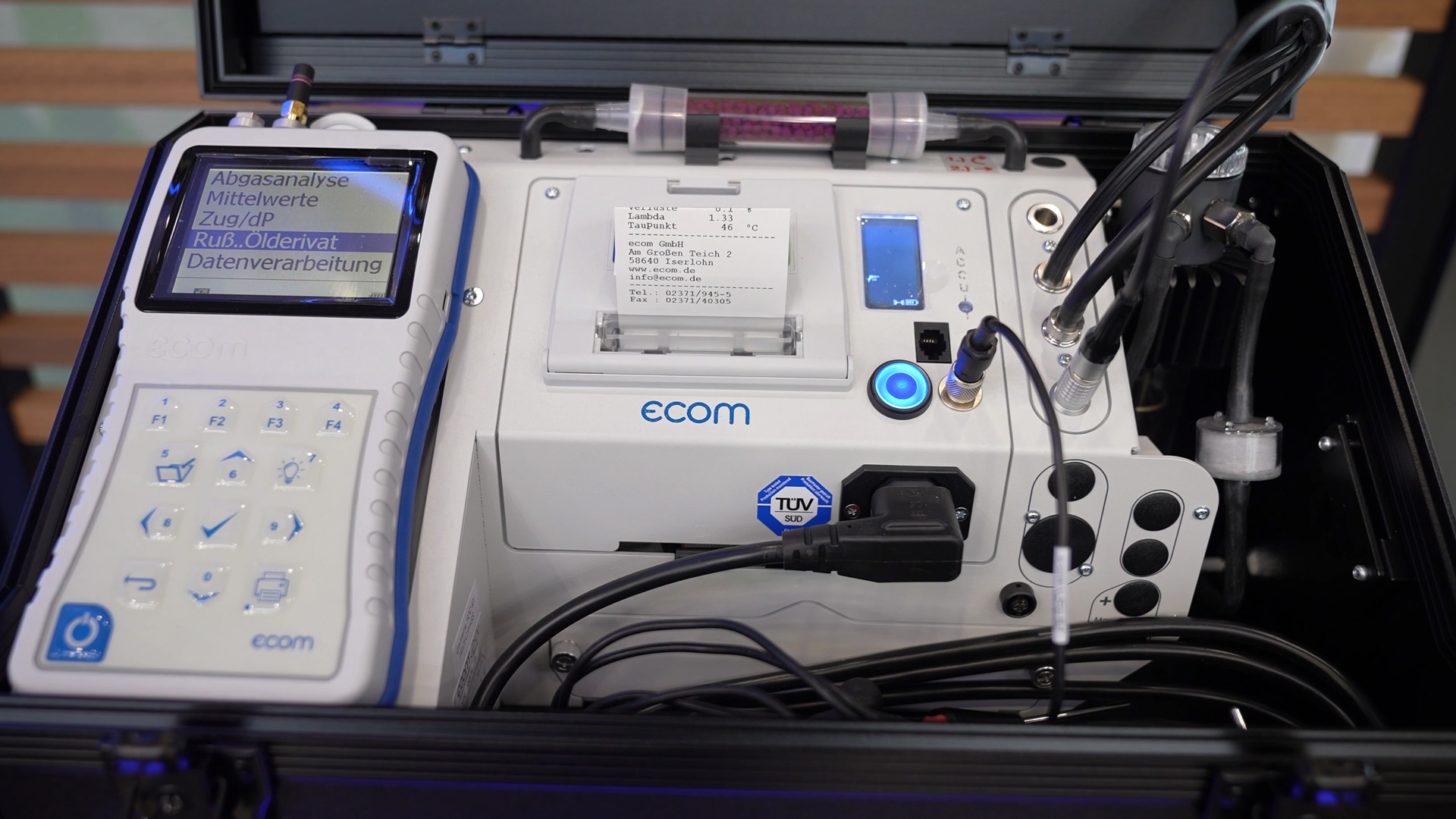
Viaduct brick in kiln car for tunnel kiln systems
The heavy clay industry is characterized by high thermal loads, long operating cycles and clearly defined requirements for material stability. Components used in tunnel kilns must ... Solution for the heavy clay industry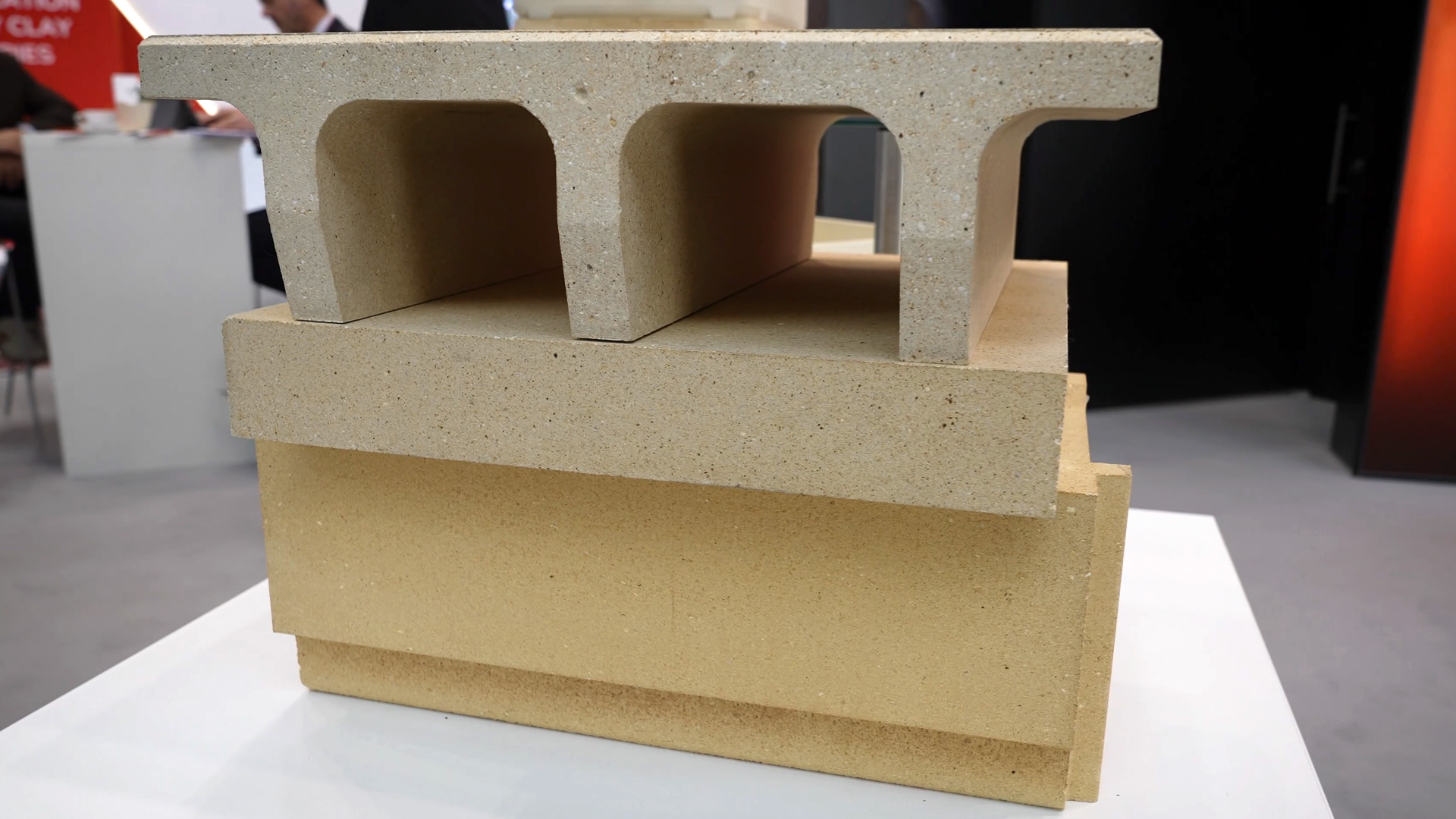
Technical ceramics for implants and industry
Ceramics are a background material in many industries. It is rarely seen as a finished product, although it often plays a central role in key applications. This is precisely where ... Ceramics for Medical Technology and Industry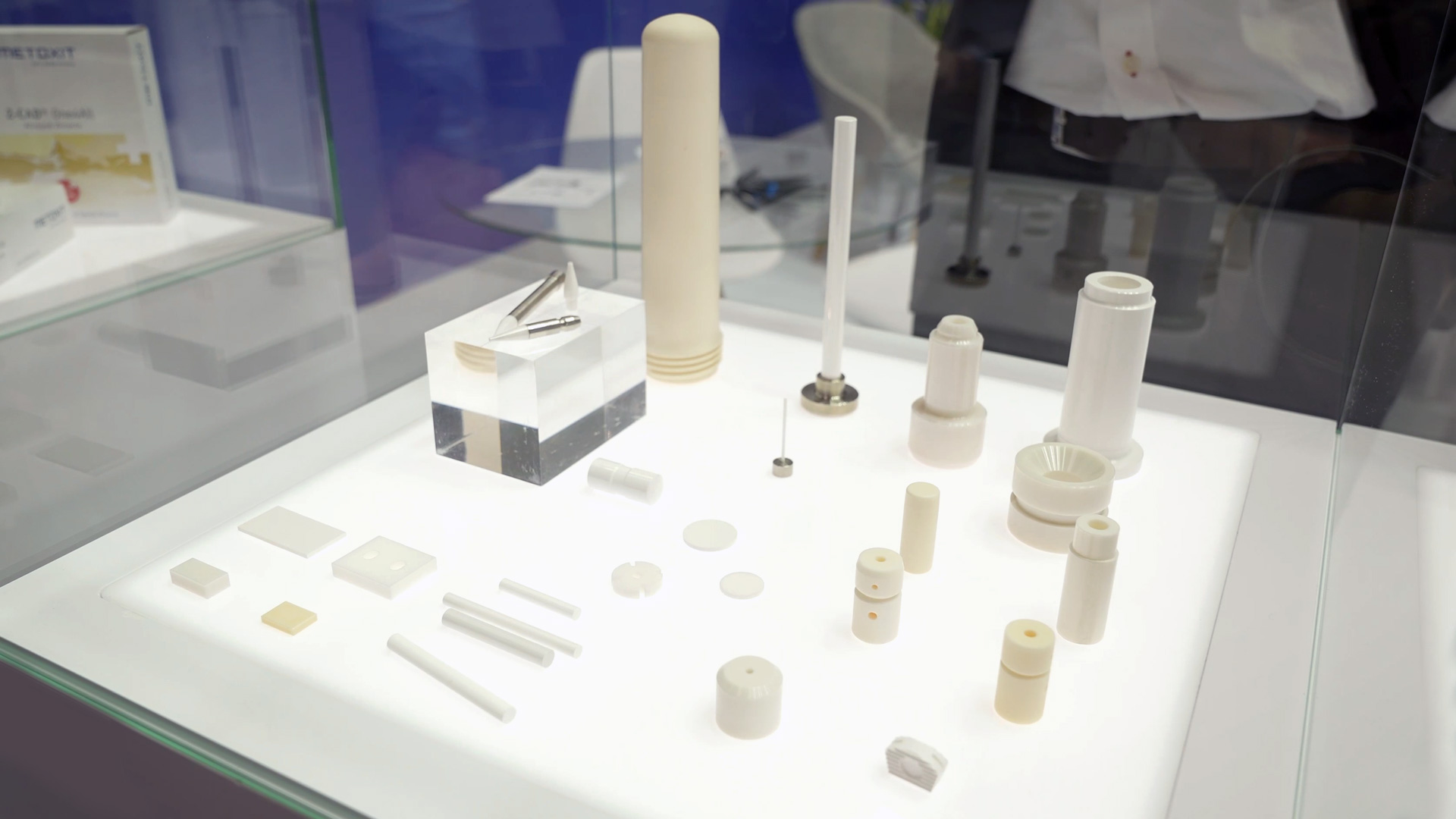
Pipetting robot relieves scientists in the laboratory
Automation in the laboratory is not a new topic, but in many facilities it falls short of the possibilities. While complex devices are available, basic work steps are still carried... Automation in the laboratory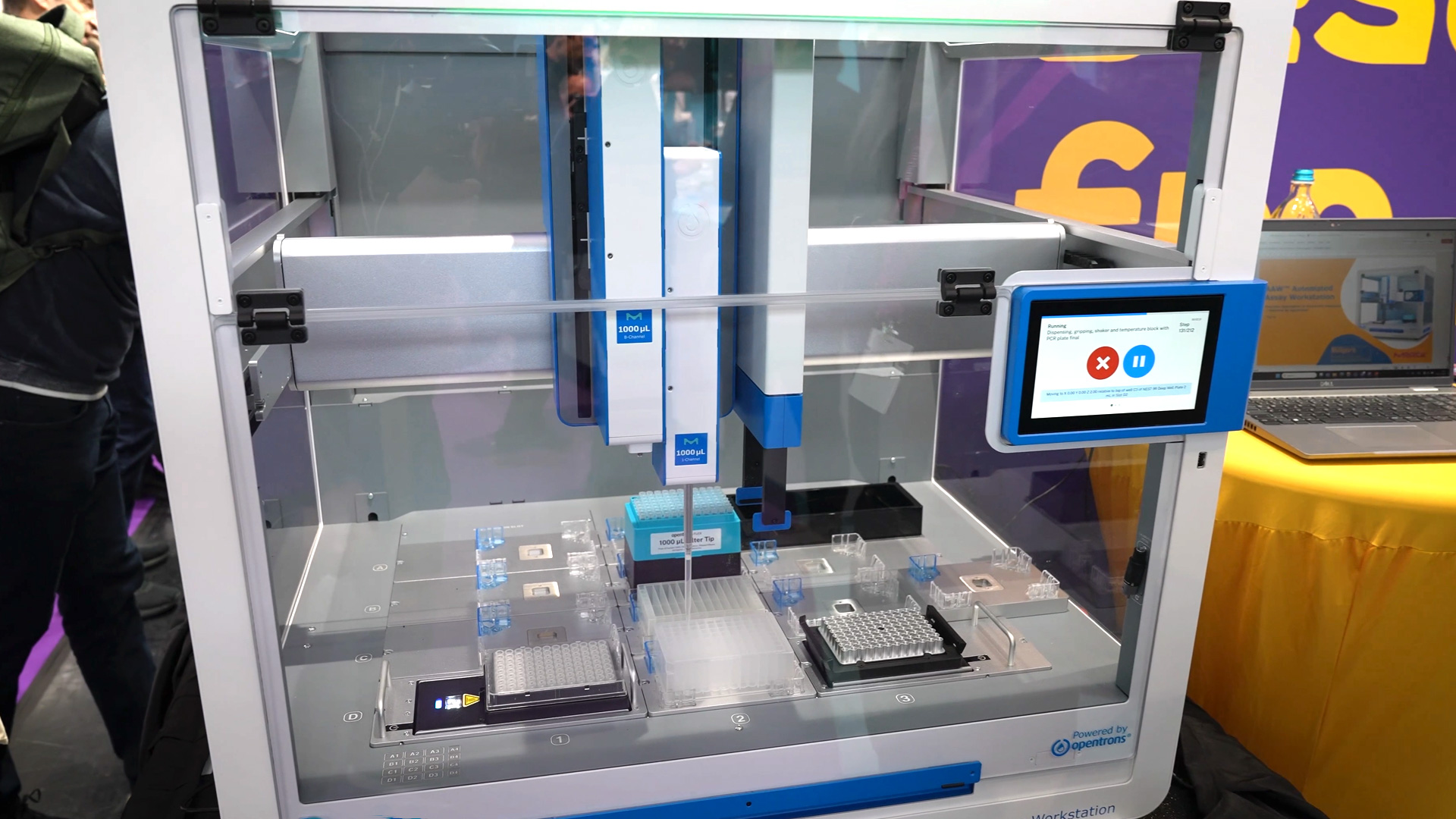
Westerwald clays shape ceramics and industrial production
Clay is one of those raw materials that is hardly noticeable in everyday life and yet is present almost everywhere. What at first glance sounds like a traditional material is now u... Raw materials that are barely noticeable in everyday life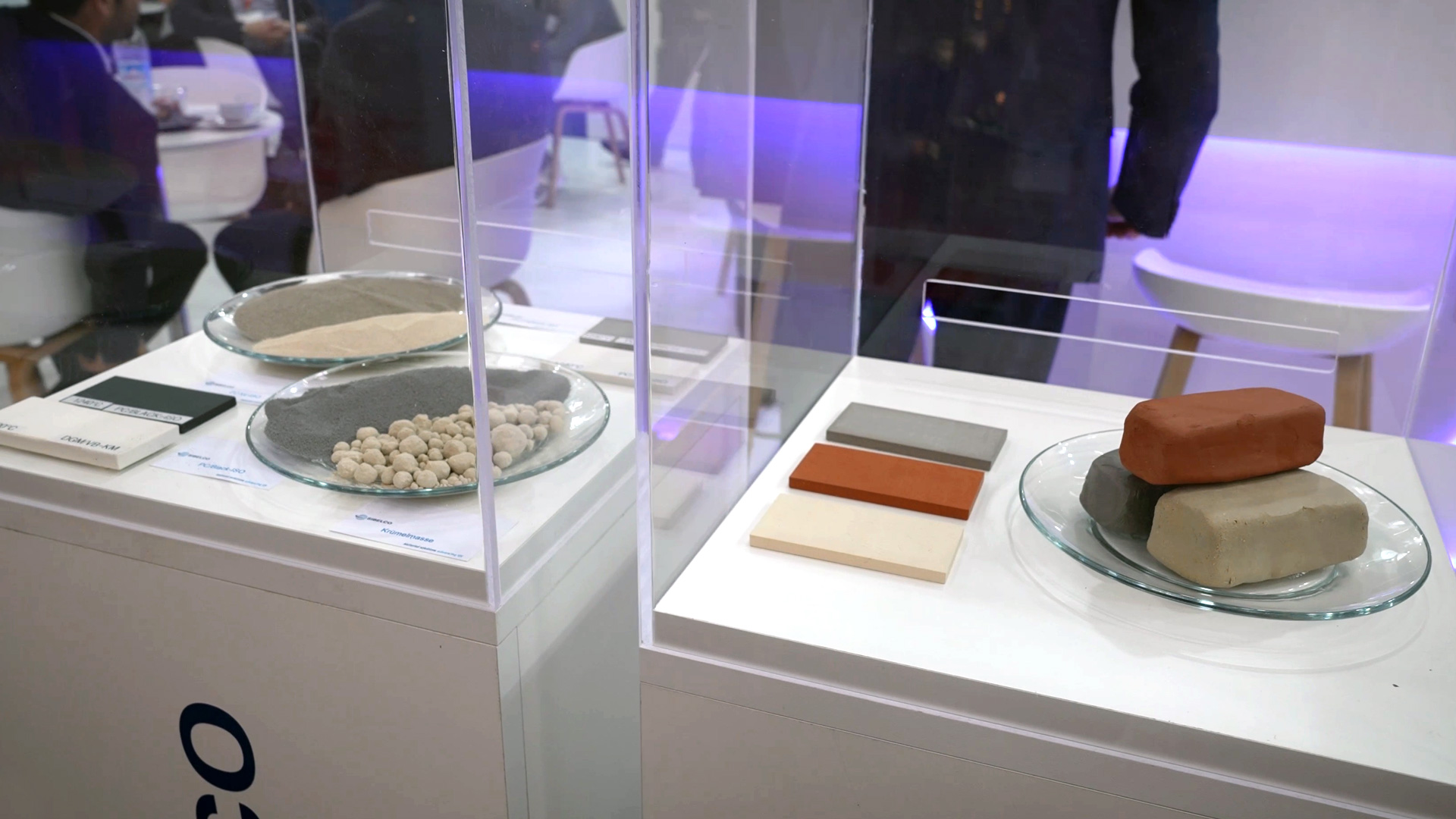
Avio 3000 from PerkinElmer improves ICP OES for elemental analysis
Elemental analysis has been under double pressure for years. On the one hand, the requirements for detection strength, stability and sample diversity are increasing. On the other h... New architecture for ICP OES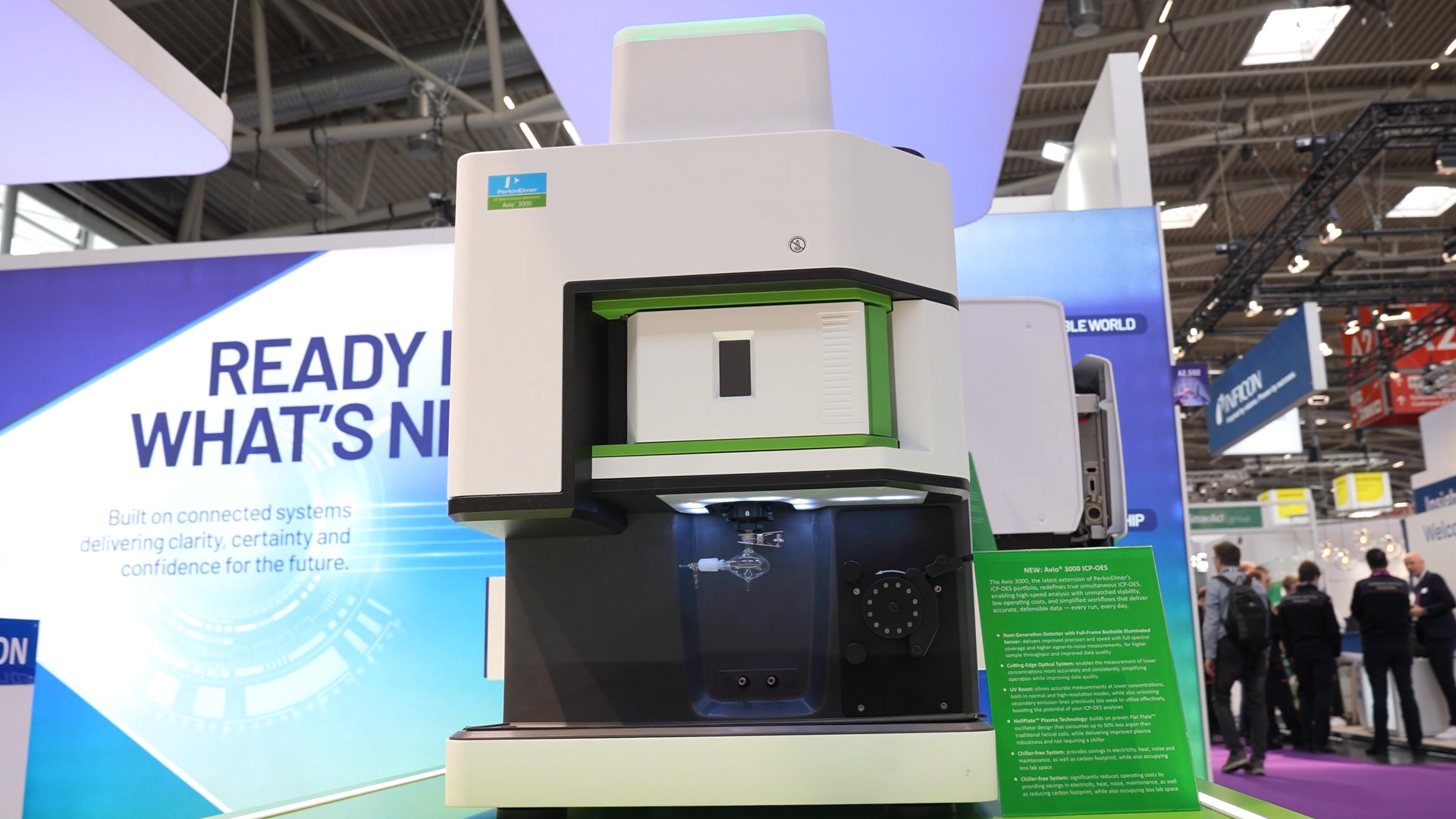
Kiln furniture plates made of SiC reduce energy in the kiln process
In industrial firing processes, it is not only the product that determines efficiency and quality, but also the environment in which it is manufactured. Kiln furniture - i.e. suppo... Energy optimisation for industrial firing processes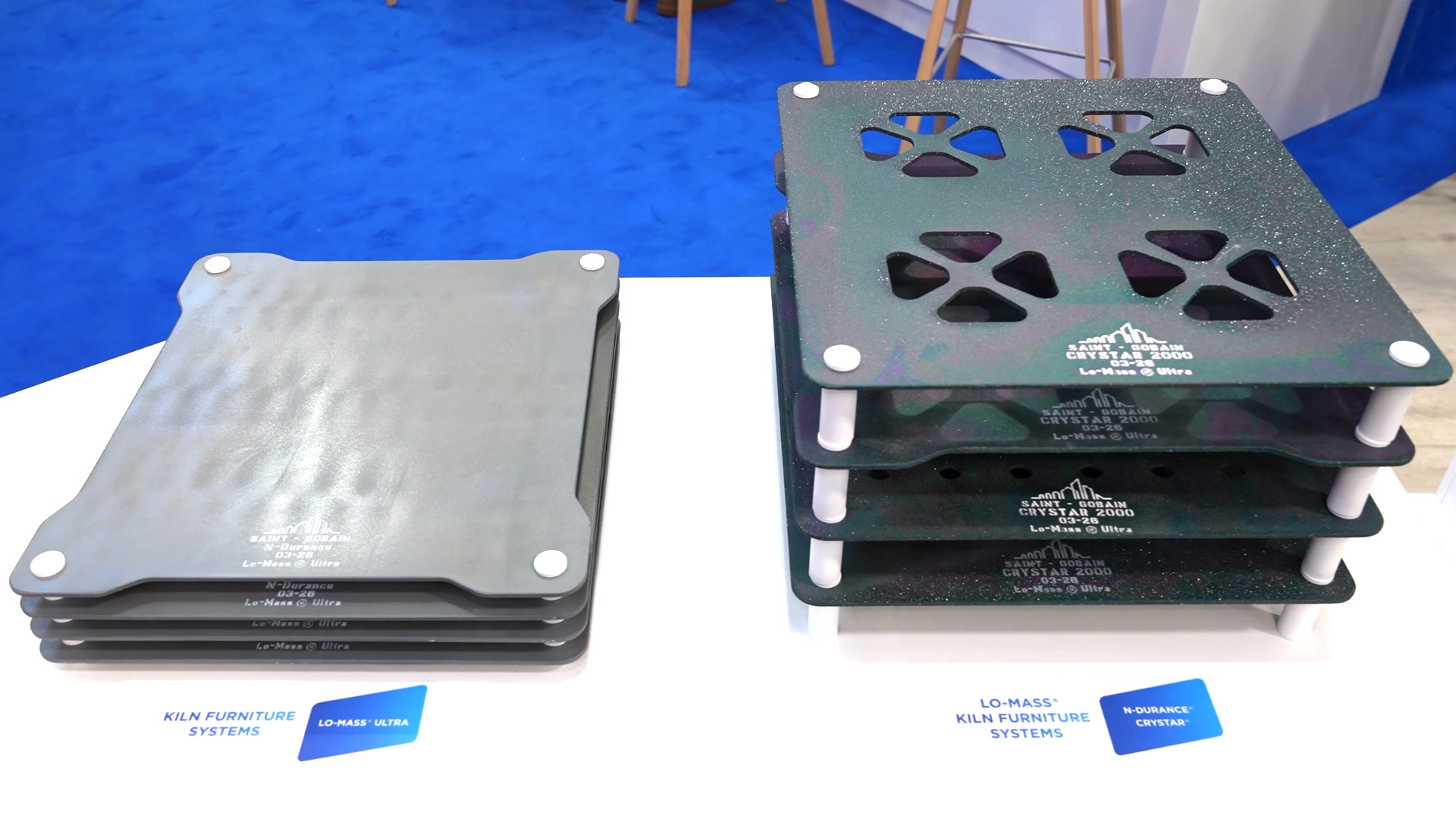
timsMetabo expands TIMS technology for new applications
With timsMetabo, Bruker is presenting a system that significantly expands the existing use of TIMS technology. While the focus to date has clearly been on proteomics, the process i... Additional separation stage Mass spectrometry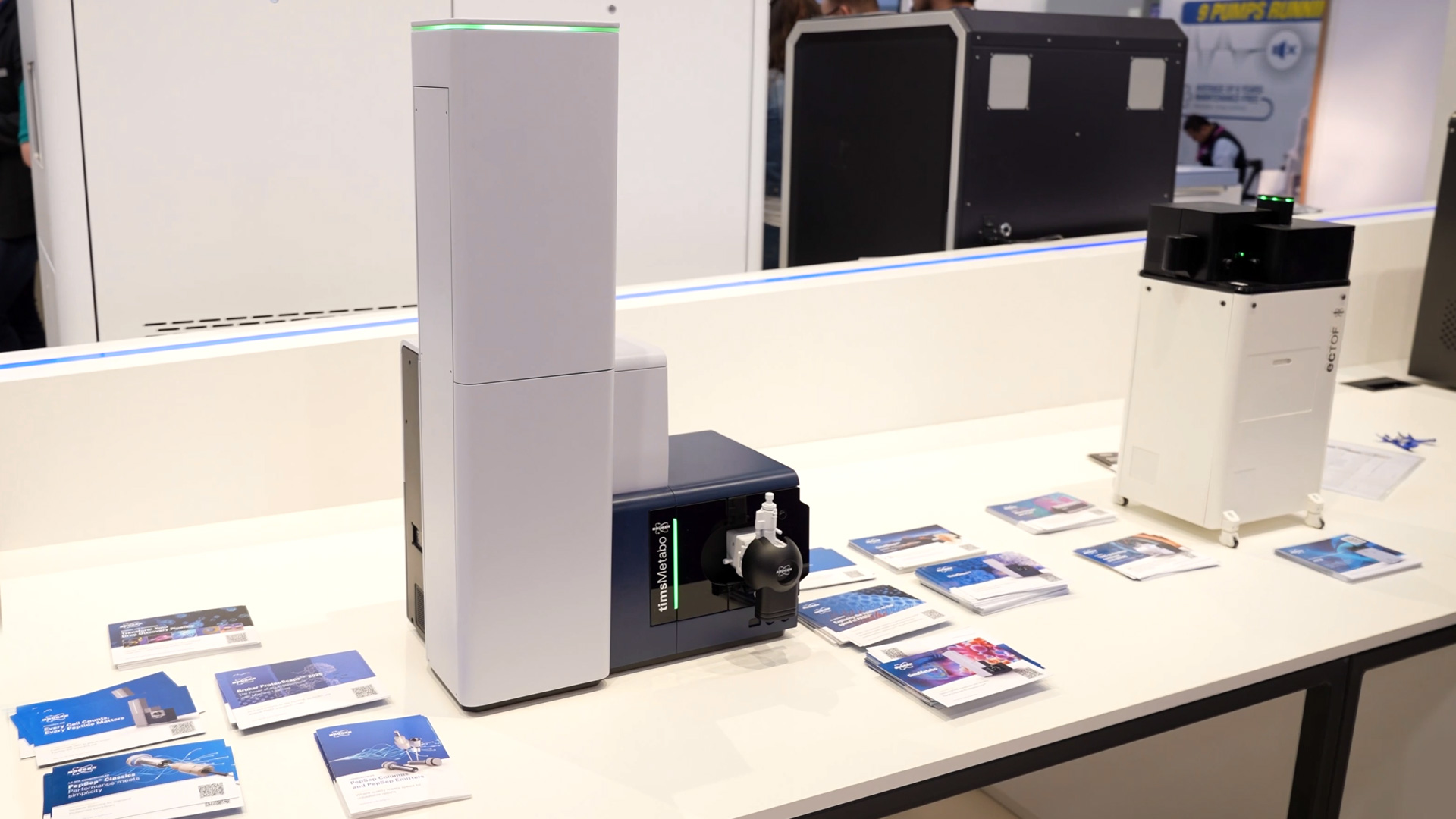
Automation solutions for industrial processes
Industrial companies are increasingly turning to automation to increase efficiency, safety, and precision in production. At trade fairs, companies showcase solutions for process control, machine networking, and quality assurance. Modular systems, integrated robot solutions, and smart sensor technology for industrial use are presented.
- Robotics for material handling and assembly
- Sensor-based systems for process monitoring
- Automated testing and inspection systems
- Software solutions for production planning and control
- Edge computing and IoT platforms for real-time analysis
Materials and manufacturing technologies in industrial change
Whether lightweight construction, 3D printing, or special materials – industry is investing in new materials and innovative processes to make products more sustainable, lighter, or more durable. Messe.TV features articles on developments in additive manufacturing as well as materials with functional properties.
- Metal and plastics processing with new processes
- Additive manufacturing for prototyping and series production
- Coating technologies for protection and durability
- High-performance materials with temperature- or pressure-resistant properties
Energy efficiency and resource-saving industrial plants
Industrial companies are faced with the challenge of making production processes not only economical but also sustainable. Energy management, heat recovery, and intelligent control technology play a central role in this.
- Industrial heat pump systems
- Recovery systems for process waste heat
- Real-time energy consumption monitoring
- Technologies for reducing CO₂ emissions
Safety technology and industrial protection systems
Industrial environments have high requirements for protection and safety. Whether for machine operation, building infrastructure, or IT, the solutions presented show how modern technology minimizes risks and secures work processes.
- Safety fences and access controls
- Personnel recognition and emergency stop systems
- Protective enclosures for hazardous work areas
- IT security in networked production environments
Maintenance, retrofitting, and industrial service concepts
Maintenance and repair are among the central tasks in industry—not only to prevent breakdowns, but also to extend the service life of systems. Numerous suppliers present modular concepts, sensor solutions, and digital tools for predictive maintenance.
- Sensors for condition monitoring
- Cloud-based maintenance systems
- Retrofit solutions for older machines
- Remote maintenance via secure remote access
Trade fair reporting Germany - Trade fair knowledge, dates & events


