Cell culture automation and costs in biotechnology
by A. Bergmeier - 2026-04-21The production of cells for medical applications is considered one of the most promising approaches in modern medicine. At the same time, it is one of the most cost-intensive processes.
There is a gap between scientific progress and practical application that has less to do with biological knowledge than with the reality of production. This is precisely where a new system comes in, which aims to automate cell culture processes, condense them spatially and make them more economically accessible. At the centre of the project is the question of how cells can be produced in large quantities, reproducibly and under controlled conditions without exponentially increasing costs. The classic laboratory environment quickly reaches its limits, especially when processes need to be scaled up.
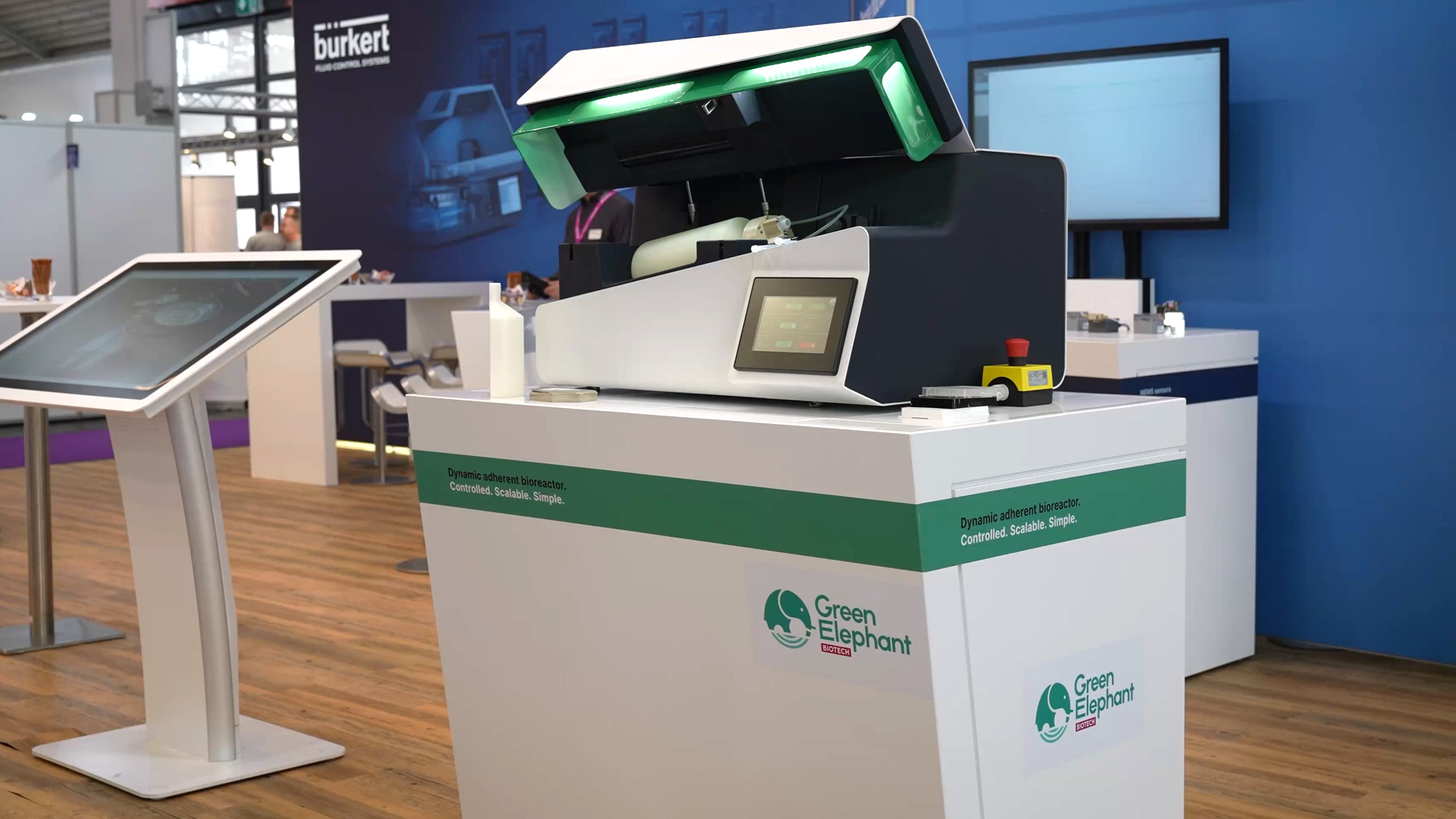

Green Elephant Biotech and the Archimedes One System
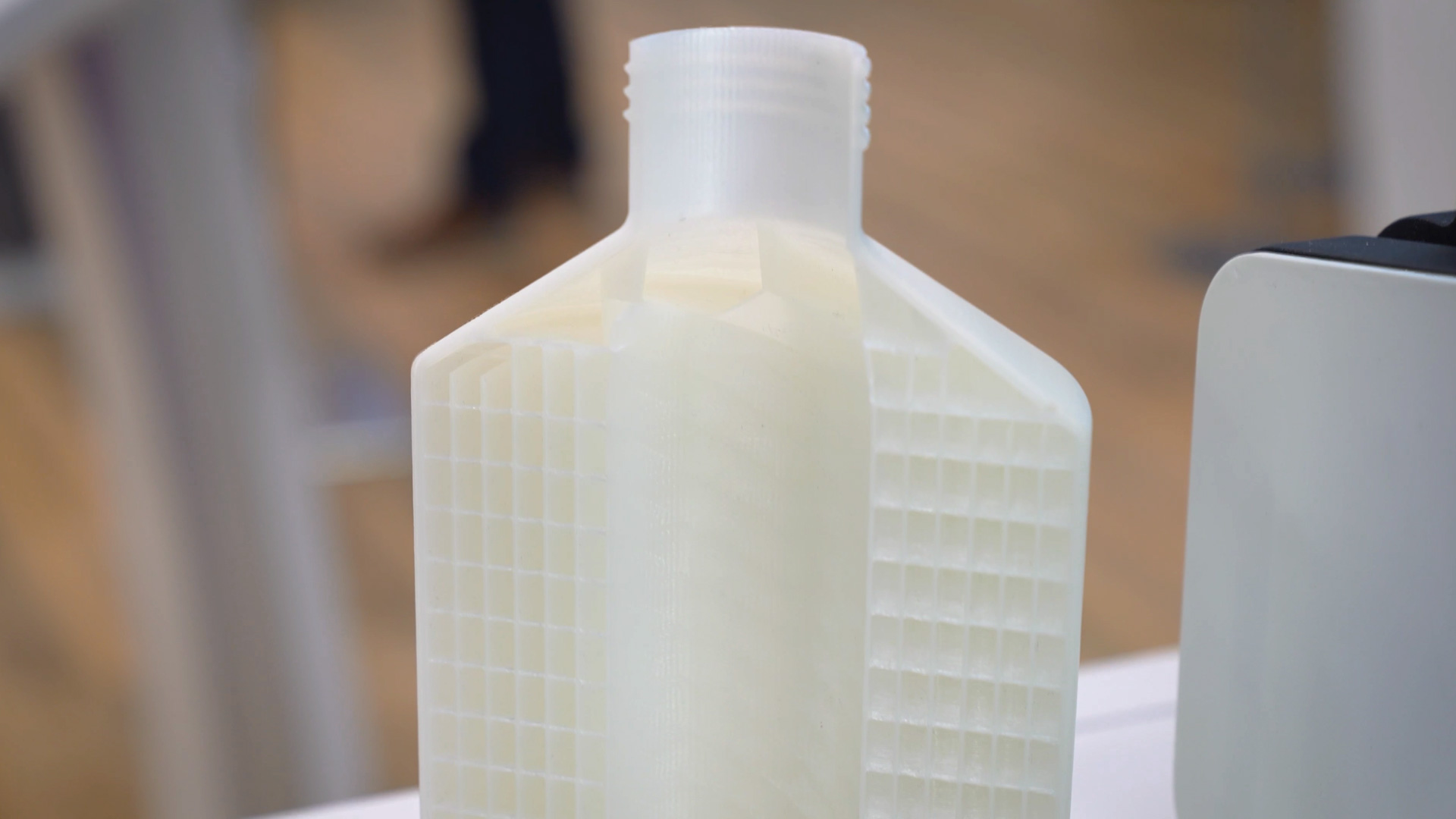
With the Archimedes One, Green Elephant Biotech is developing an instrument that transfers cell culture processes into a closed and largely automated system. The aim is to cultivate adherent cells - i.e. cells that grow on surfaces - more efficiently and at the same time drastically reduce the space required. The basic idea is comparatively simple: instead of operating many individual culture vessels in parallel, large quantities of cells are produced in a small area. A single system can therefore perform functions that would otherwise require numerous flasks. The effect is immediately measurable: less space required, less material used and better scalability. This compression is not just a question of laboratory efficiency. In drug research and development, considerable costs are incurred for infrastructure and operation. If these are reduced, this also has a long-term effect on the cost-effectiveness of therapies.
Closed cell culture processes and sterile media management
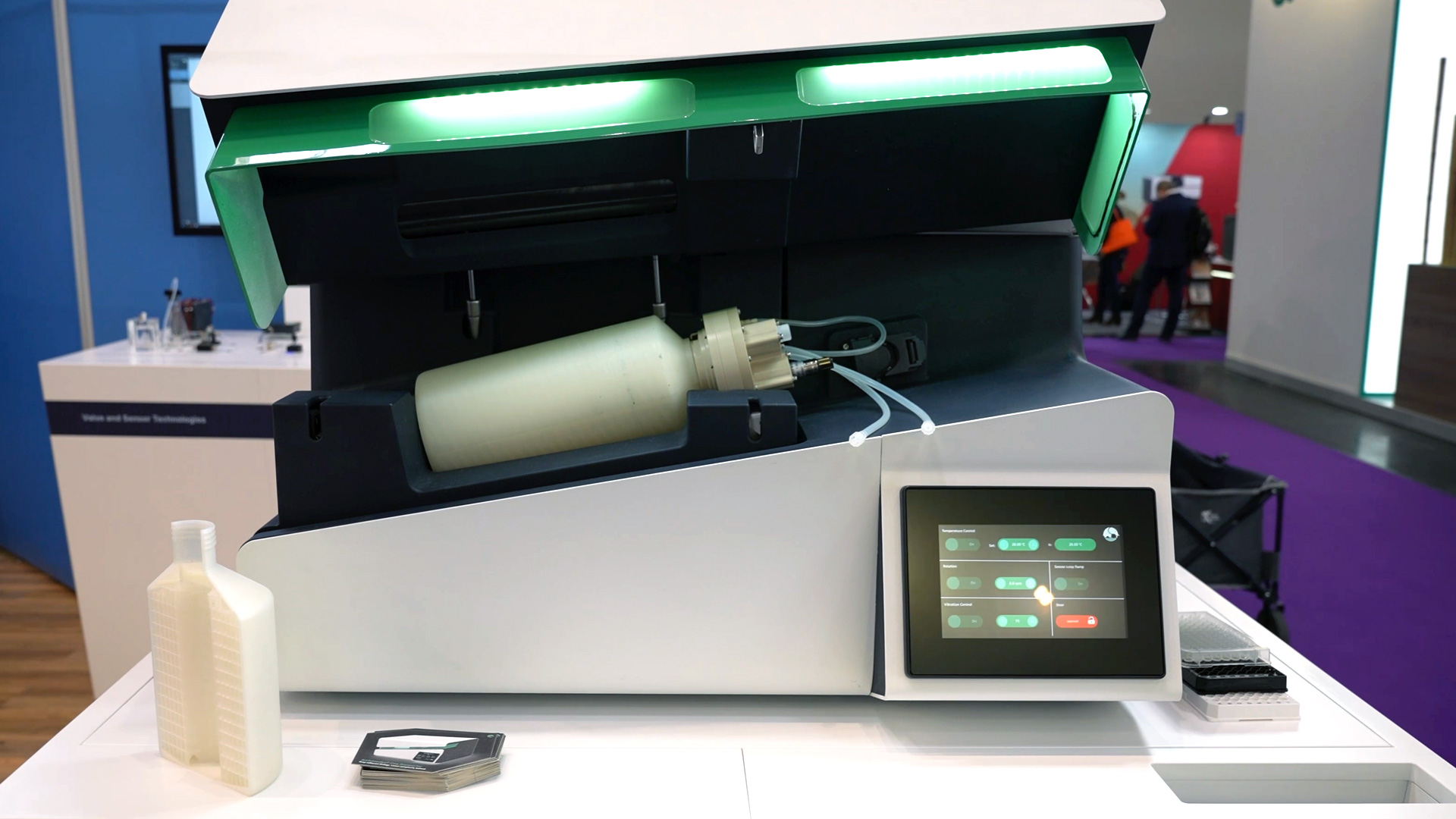
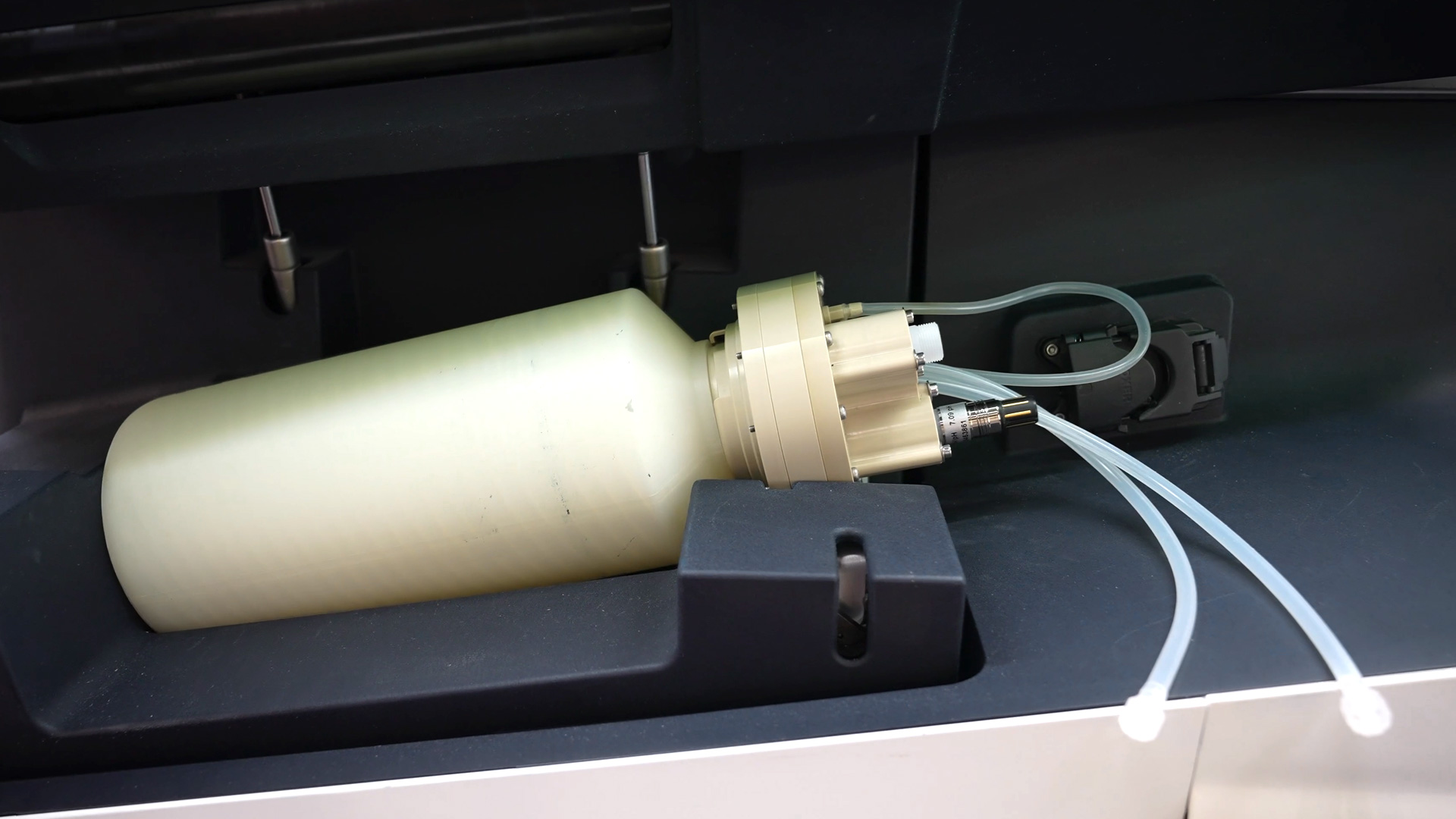
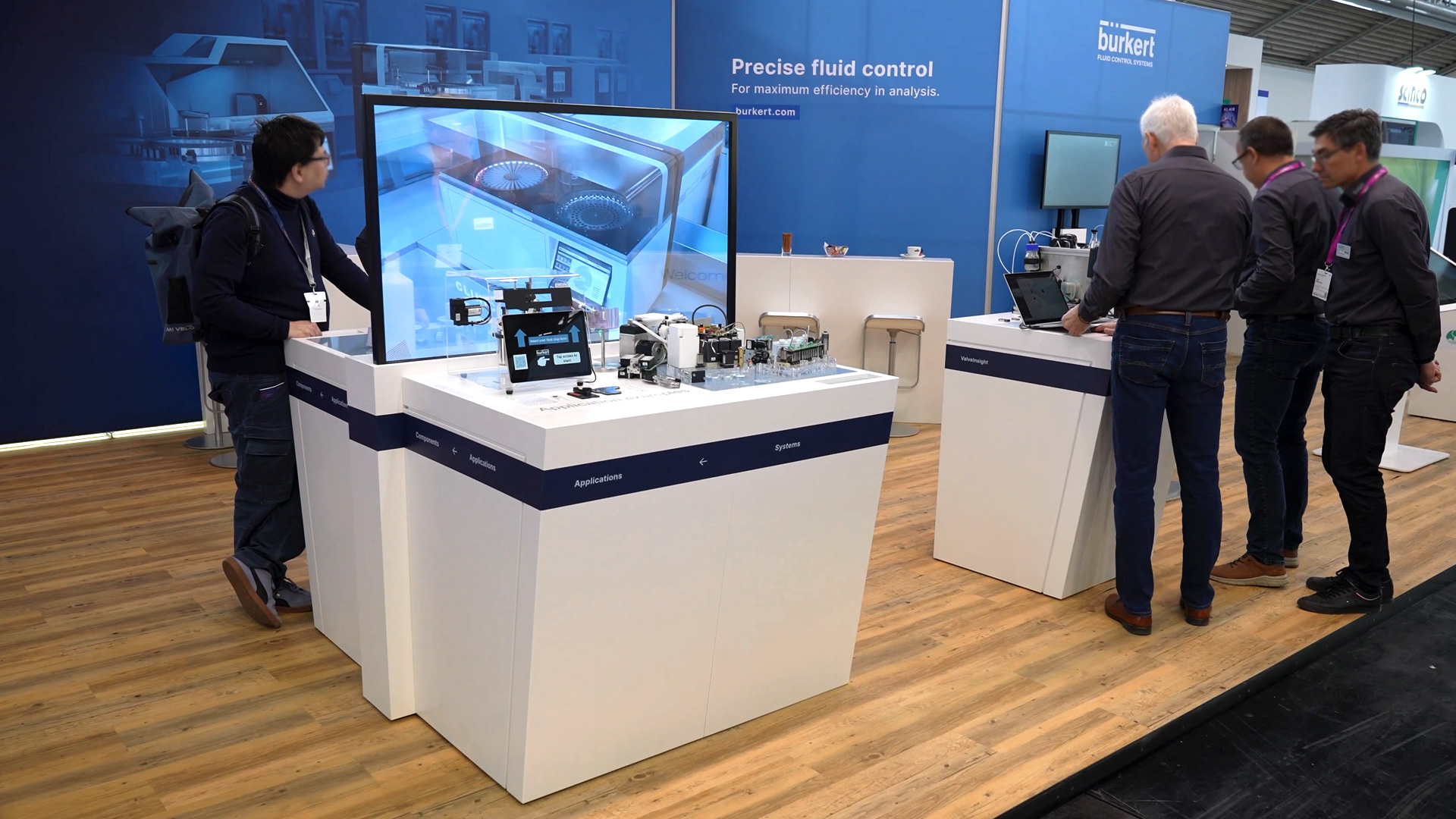
A significant advance lies in the closed design of the system. In collaboration with partner Bürkert, the technology has been further developed so that media and gases can be introduced directly into the culture vessel via sterile interfaces and discharged again. The system thus creates controlled conditions that are crucial for cell growth. Temperature, gas supply and culture media can be precisely controlled. At the same time, the closed environment minimises the risk of contamination, which is always a key challenge in open or semi-open processes. The technical equipment includes several core functions:
- sterile supply and discharge of media
- controlled gas supply for cell growth
- integrated sensors for process monitoring
- rotation of the vessel for uniform cultivation
- automated cell harvesting through vibration elements

Adherent cells and new therapeutic approaches
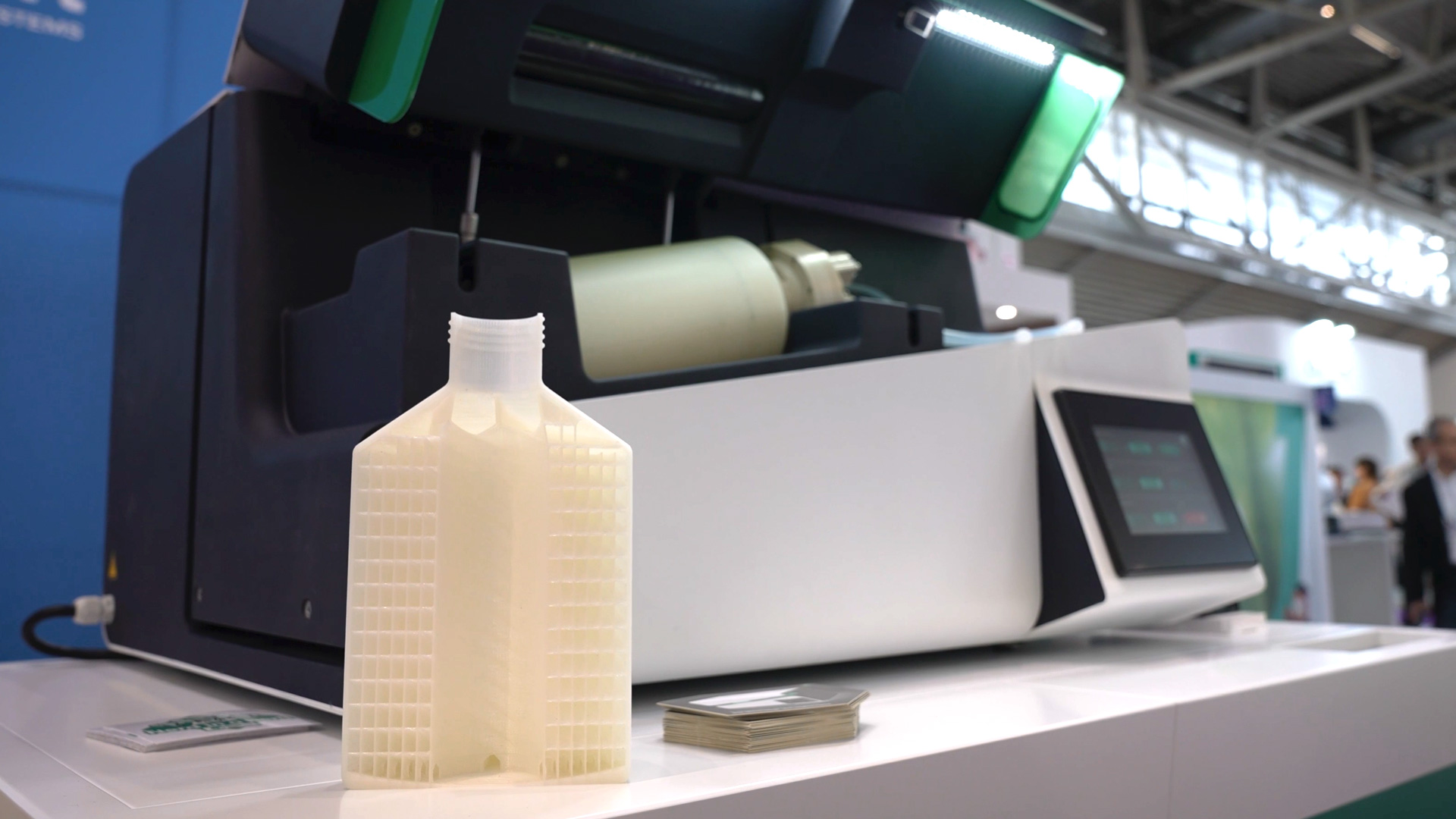
The importance of such systems becomes particularly clear in the context of new therapies. While traditional drugs are often based on small molecules, cell-based approaches have been gaining ground for years. It is no longer just active substances that are administered, but cells themselves. One example is the production of neurones from stem cells. In future, these could be used to treat or influence neurological diseases. Diseases such as Parkinson's or Alzheimer's are examples of this approach. They are increasing with the ageing population and pose growing challenges for healthcare systems. The technical feasibility of such therapies exists in many areas today. The hurdle lies less in scientific understanding than in production. Cell-based procedures are complex, expensive and difficult to standardise. Systems such as Archimedes One aim to lower this hurdle.
Cost structure and scalability as key factors
A key argument in favour of the further development of such technologies is the cost issue. Therapies can only be widely used if they are affordable. Currently, this is not the case in many cases. Manufacturing costs and infrastructure account for a significant proportion of the total costs. These costs can potentially be reduced by consolidating the cell culture and automating processes. Less space required means less investment in laboratories. Automated processes reduce labour costs and increase reproducibility. The goal is clearly formulated: Cell-based therapies should not only be technically possible, but also economically viable. Only then can they play a relevant role in healthcare.
Sensors, control and future development
The current version of the system works with integrated sensors that provide insights into cell growth. Processes can be monitored and adjusted if necessary. This capability is crucial, as cell cultures react sensitively to changes. Further development is aimed at a more comprehensive system. In future, additional sensors could be integrated to record even more parameters. Greater automation is also conceivable, for example through integrated pumps or adaptive controls that take into account the behaviour of the cells in real time. Such an approach would further simplify the control of cell cultures and at the same time make it more precise. Deviations in the process could be recognised and corrected more quickly before they affect the end product.
Biotechnology between research and application
The development of such systems shows how biotechnology is changing. The focus is shifting from pure research to industrial implementation. Processes must not only function, but also be scalable and economical. Green Elephant Biotech is positioning itself in this area of tension between innovation and application. The Archimedes One is less an isolated product than a building block in a larger development. It represents an attempt to bring complex biological processes into a form that can be technically controlled and economically utilised. Ultimately, it is not just the scientific idea that determines the success of a therapy, but its feasibility in everyday life. This is precisely where the real challenge lies - and at the same time the potential of this technology.
Trade fair reporting Germany - Trade fair knowledge, dates & events


