GC-2060 gas chromatograph for laboratory use with water
by B. Velonavy - 2026-04-13The development of modern analytical devices has long since ceased to focus solely on the goal of greater measurement accuracy. Rather, the focus is on ease of use, maintenance and operating costs.
The GC-2060 gas chromatograph shows how classic laboratory technology is evolving in this direction. The basic principle remains unchanged - the separation and analysis of gaseous substances - but the technical design has changed significantly. Over the years, gas chromatographs have grown from compact solutions to voluminous standard devices. At the same time, the trend has reversed again: devices are becoming smaller, more flexible and easier to integrate. This is precisely where the current generation comes in.
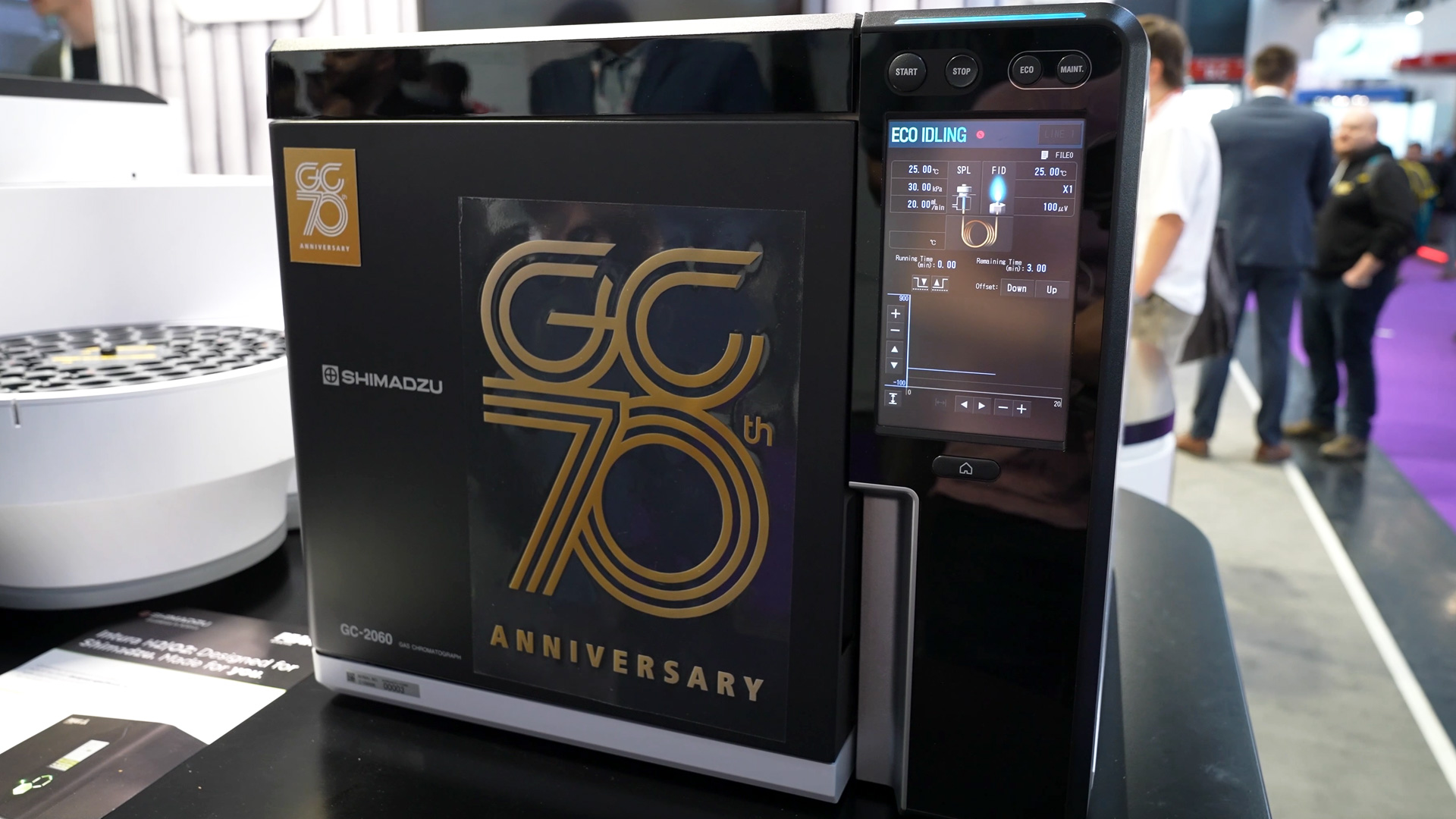

Shimadzu GC-2060 gas chromatograph with new features
With the GC-2060 model, Shimadzu is presenting a device that is clearly geared towards the requirements of modern laboratories. It is still a classic gas chromatograph, but with a number of technical enhancements that are primarily intended to simplify operation. A central element is the reduction of maintenance costs. A so-called Eco Link mode - which can be controlled directly on the device or via the software - allows gas flows and temperatures to be adjusted automatically. The aim is to permanently reduce running costs and at the same time reduce the load on the components. These adjustments may seem unspectacular, but they have a direct impact on everyday life. Especially in laboratories with a high sample throughput, every simplification that makes routine processes more stable and predictable counts.
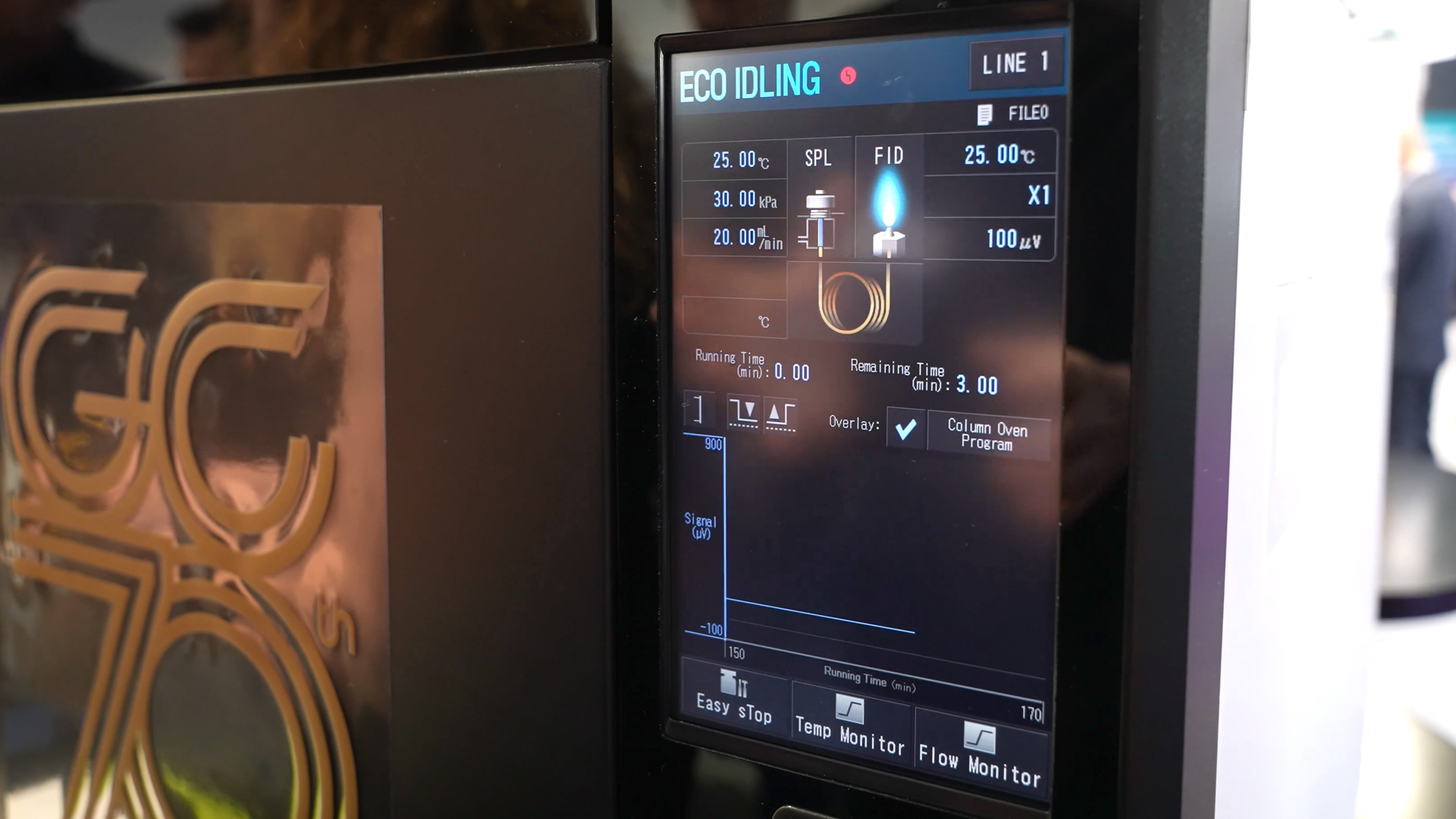
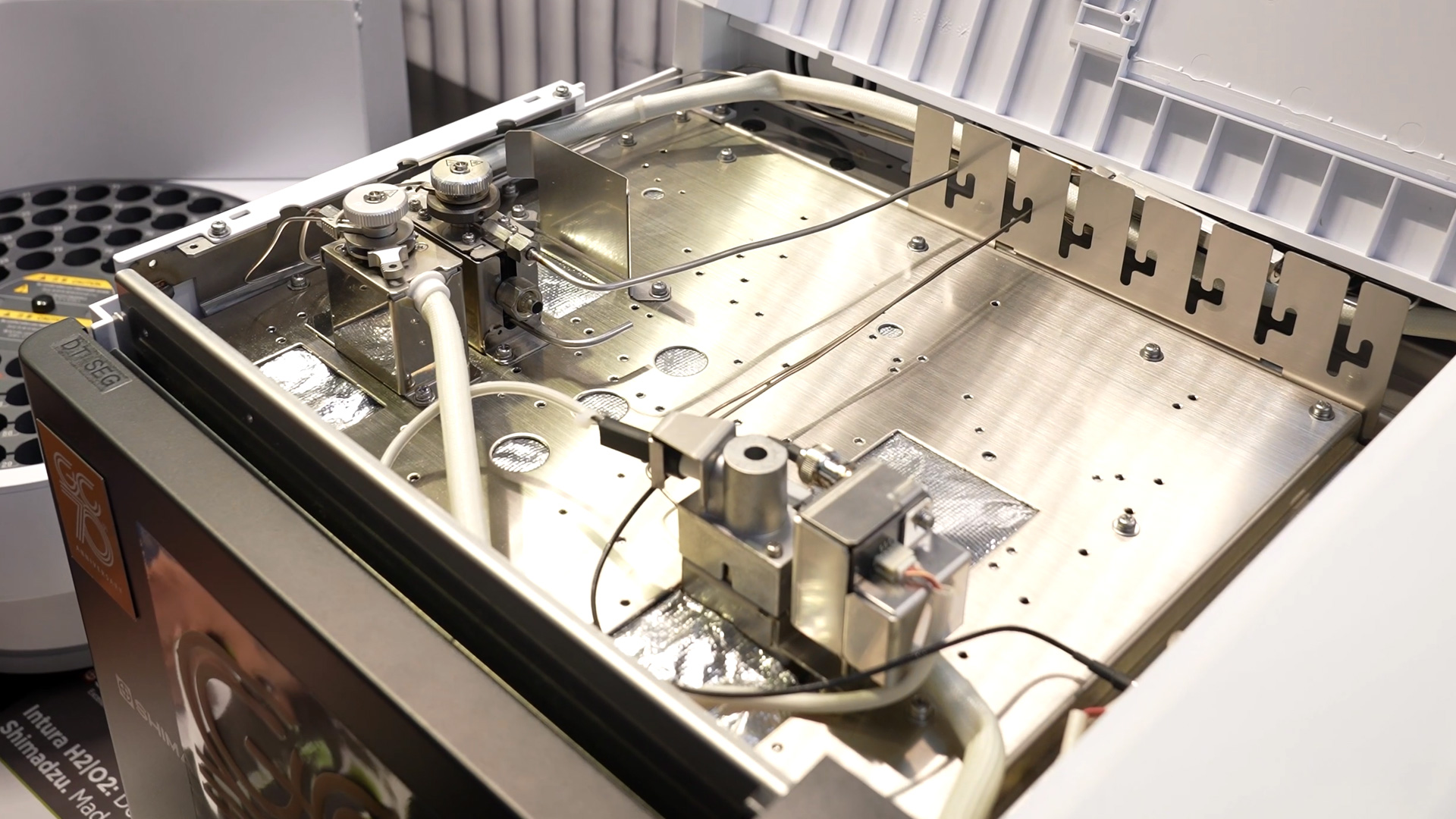
FID detector as a robust workhorse in laboratory operation
The FID detector, which is considered to be particularly robust and reliable, remains an essential component. In many applications, it is still the first choice when it comes to standard analyses. In the GC-2060, this detector has been further developed and adapted to current requirements. The changes mainly concern the specifications and integration into the overall system. The aim is to maintain the proven stability while increasing performance. The detector thus remains a central element without having to change fundamental working methods in the laboratory.

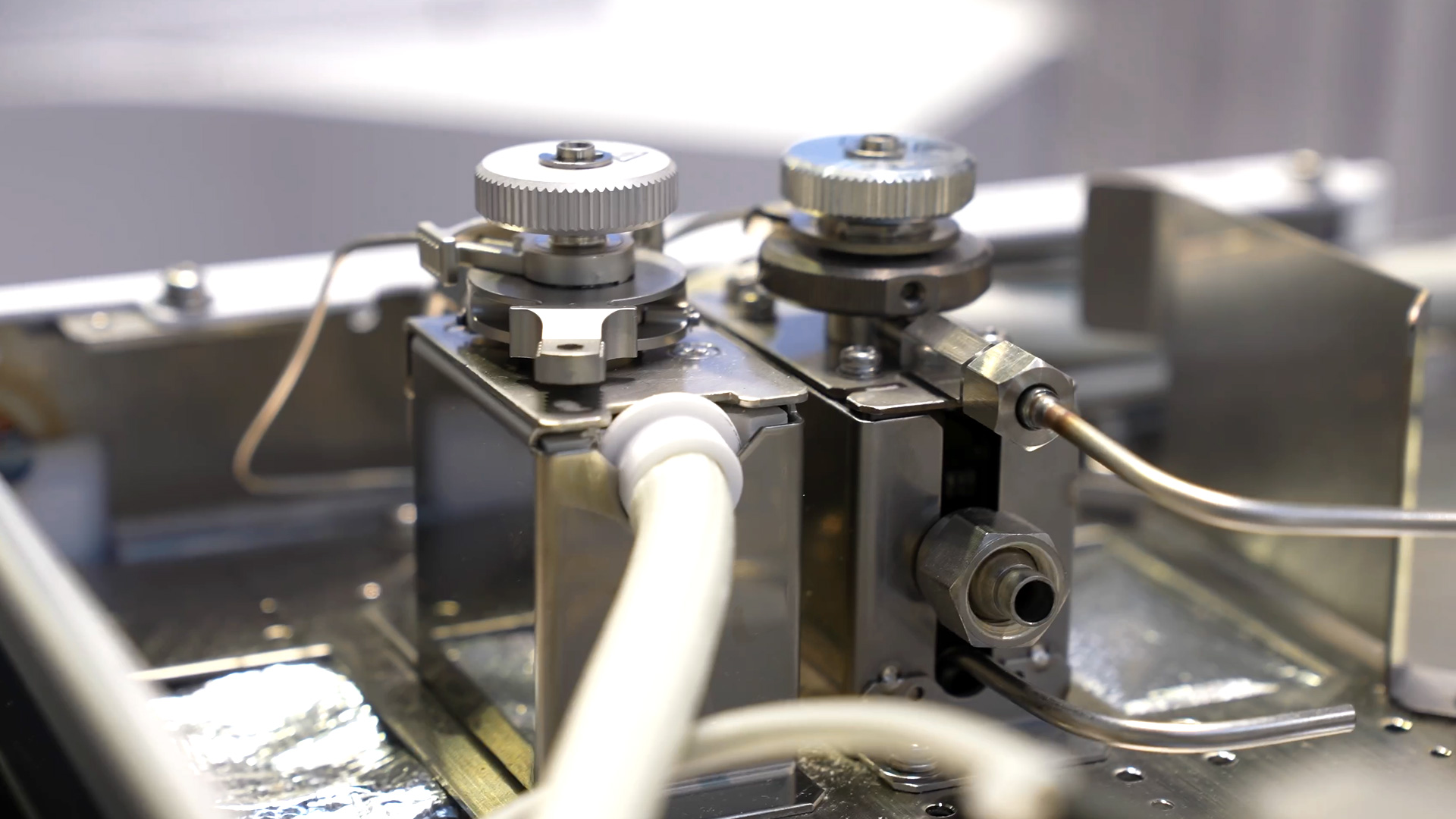
Multifunctional injector expands areas of application
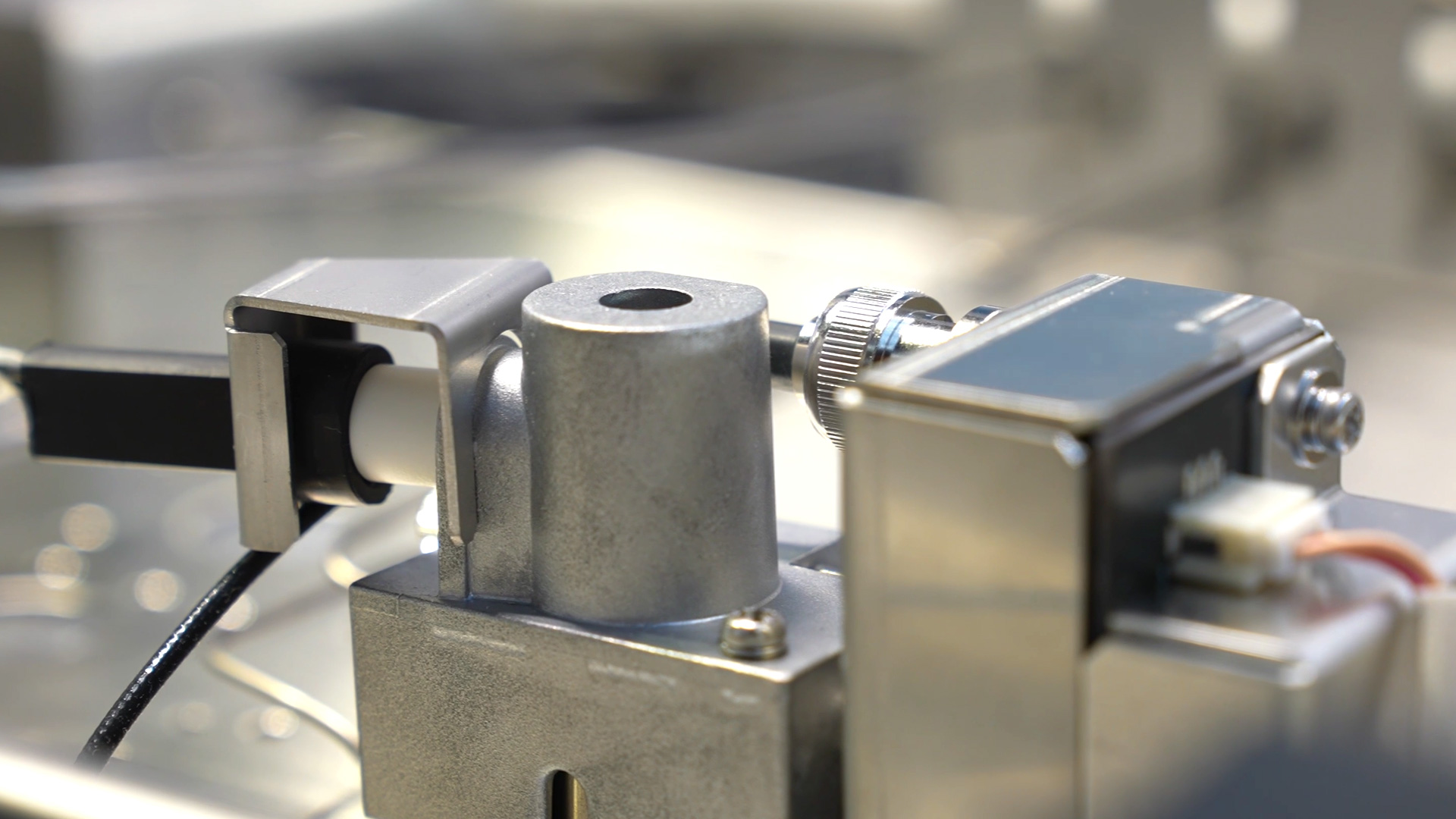
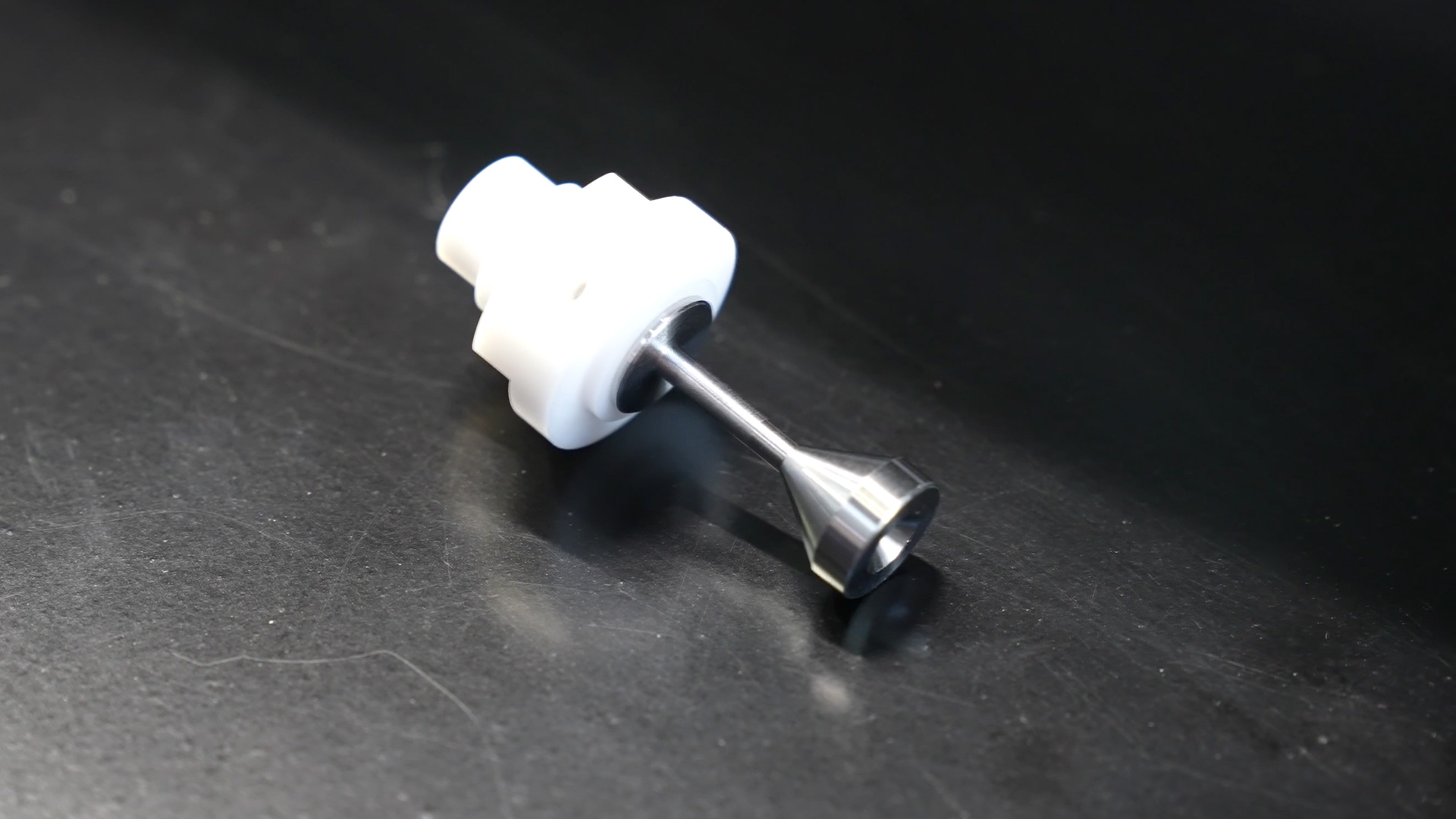
One of the most striking innovations is the injector system. While conventional devices require several specialized injectors, the GC-2060 combines several functions in one unit. Depending on the configuration, four to five different applications can be covered. This not only reduces complexity, but also the need for additional hardware. Laboratories that carry out different analyses can work more flexibly with one device. Of particular interest is the ability to test different methods without having to invest immediately in separate systems. An additional adapter further extends the functionality. This allows the injector to be used for thermodesorption - a process in which substances are released from carrier materials and then analyzed. This solution makes it possible to initially test applications on a small scale.
Thermal desorption in the GC-2060 as an entry point without a large investment
Thermal desorption is a specialized method that normally requires dedicated equipment. The GC-2060 offers an alternative approach here. With an integrable adapter, the method can be implemented directly in the existing system. This opens up new possibilities, especially for smaller laboratories. Instead of immediately investing in extensive equipment, the method can be tested first. Only when it becomes clear that the analysis is required on a regular basis does a larger purchase make sense. This strategy reduces economic risks. At the same time, flexibility is maintained as the device can still be used for conventional applications.
Gas operation with hydrogen generator and safety benefits
A further development step concerns the gas supply. Many laboratories still use gas cylinders, especially for hydrogen. However, these are not only complicated to handle, but also involve safety risks. Instead, the GC-2060 relies on a combination with a hydrogen generator. Water is used as the starting material from which the required hydrogen is produced. A by-product of this process is oxygen, which in turn can be used in the system. A specially developed adapter makes it possible to operate the FID detector directly with this oxygen. This creates a closed system that does not require external gas cylinders. The practical effect is considerable:
- Reduced effort for storage and transportation of gas cylinders
- Improved safety in laboratory operation
- Simplified infrastructure for the gas supply
- Continuous availability of the required gases
Simplified maintenance thanks to screwless systems
In addition to the major technical innovations, there are also numerous improvements to details. These include the switch to screwless connections on central components. Elements can be changed or cleaned more quickly without the need for tools. These changes affect both injectors and detectors. They are aimed at speeding up typical maintenance work and reducing sources of error. Especially with regular operation, such optimizations add up to a noticeable advantage.
Development of modern gas chromatographs in everyday laboratory use
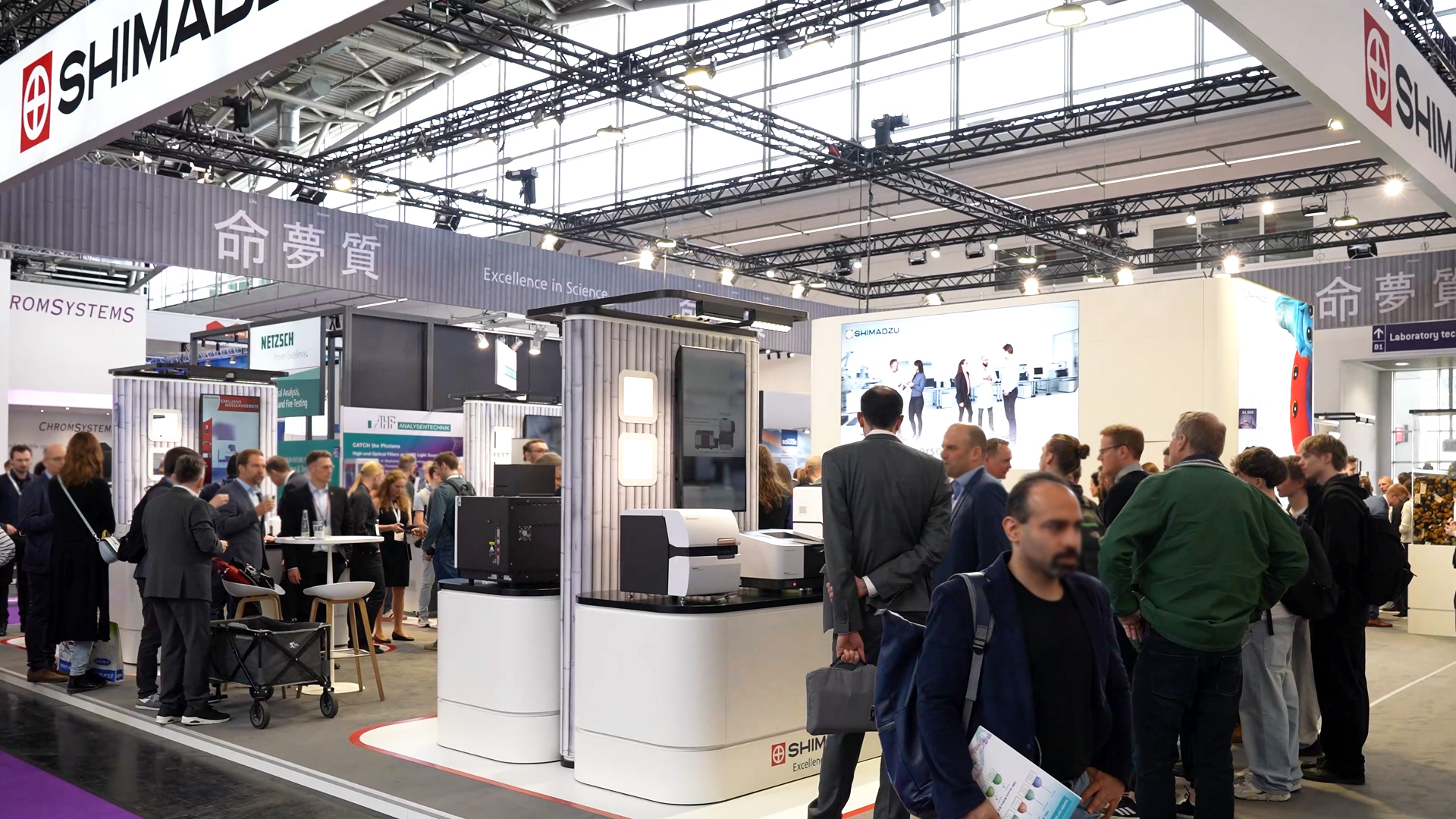
The GC-2060 is an example of a development that can be observed in many areas of analysis. Devices are not only becoming more powerful, but above all more user-friendly. Functions that were previously reserved for specialized systems are being integrated and made accessible. At the same time, requirements are shifting. Flexibility, safety and cost-effectiveness are becoming increasingly important. The classic gas chromatograph remains the same, but is being expanded to include functions that significantly change its practical use. This shows a clear trend: the future of laboratory technology lies less in radically new principles and more in the intelligent combination of existing technologies. The GC-2060 is an example of how this approach can be implemented in practice.
Trade fair reporting Germany - Trade fair knowledge, dates & events


