Pipetting robot automates laboratory work and relieves scientists
by A. Bergmeier - 2026-03-31Automation in the laboratory is not a new topic, but in many facilities it falls short of the possibilities. While complex devices are available, basic work steps are still carried out manually.
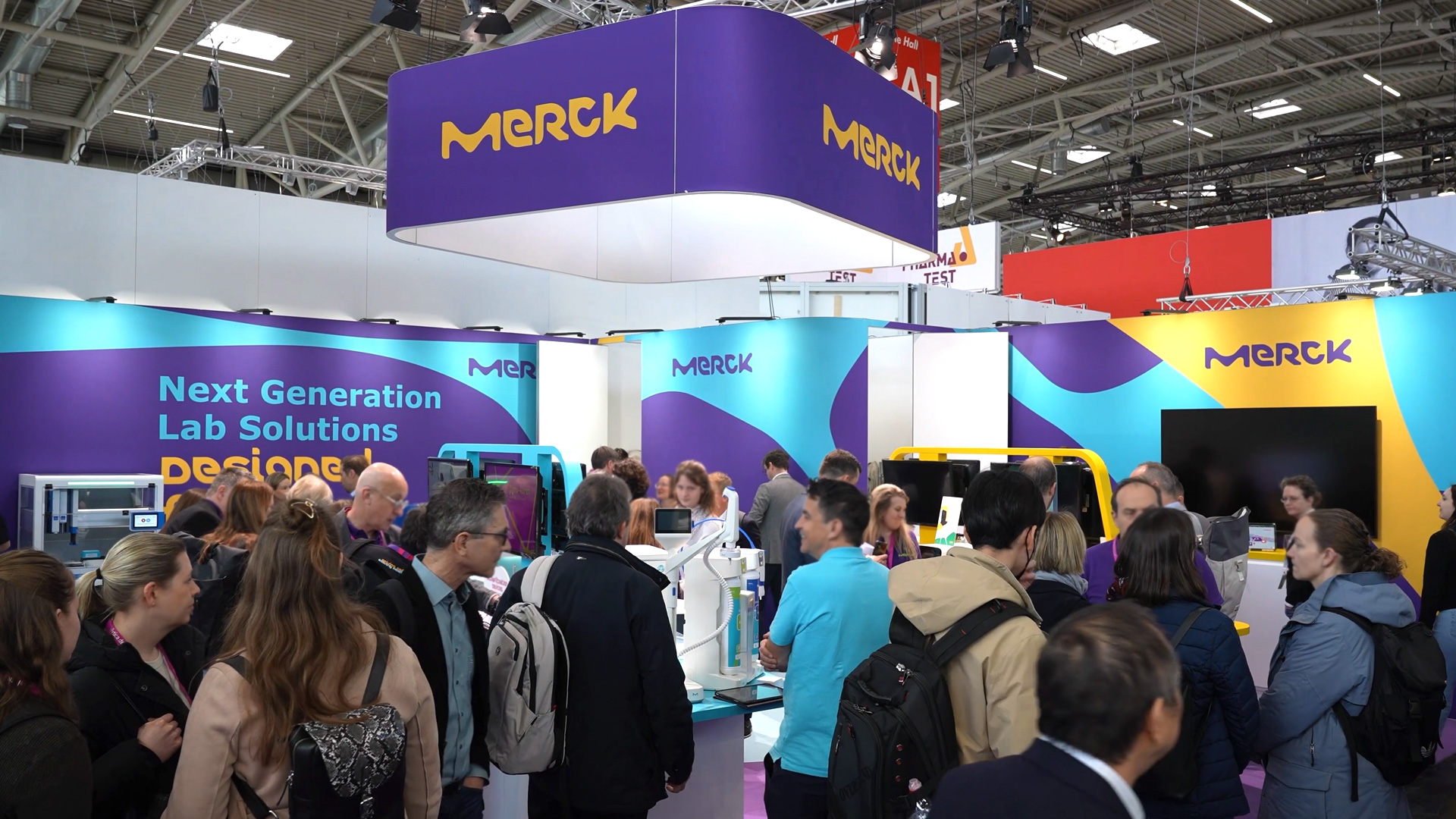
This is where Merck's innovative pipetting robot, which was presented at Analytica, comes in. The aim is to automate recurring processes and give researchers more time to evaluate and interpret results. The focus here is not just on technical performance, but on how easily a system can actually be integrated into everyday laboratory work. This is often the problem with existing solutions: They are powerful, but too complex to operate.
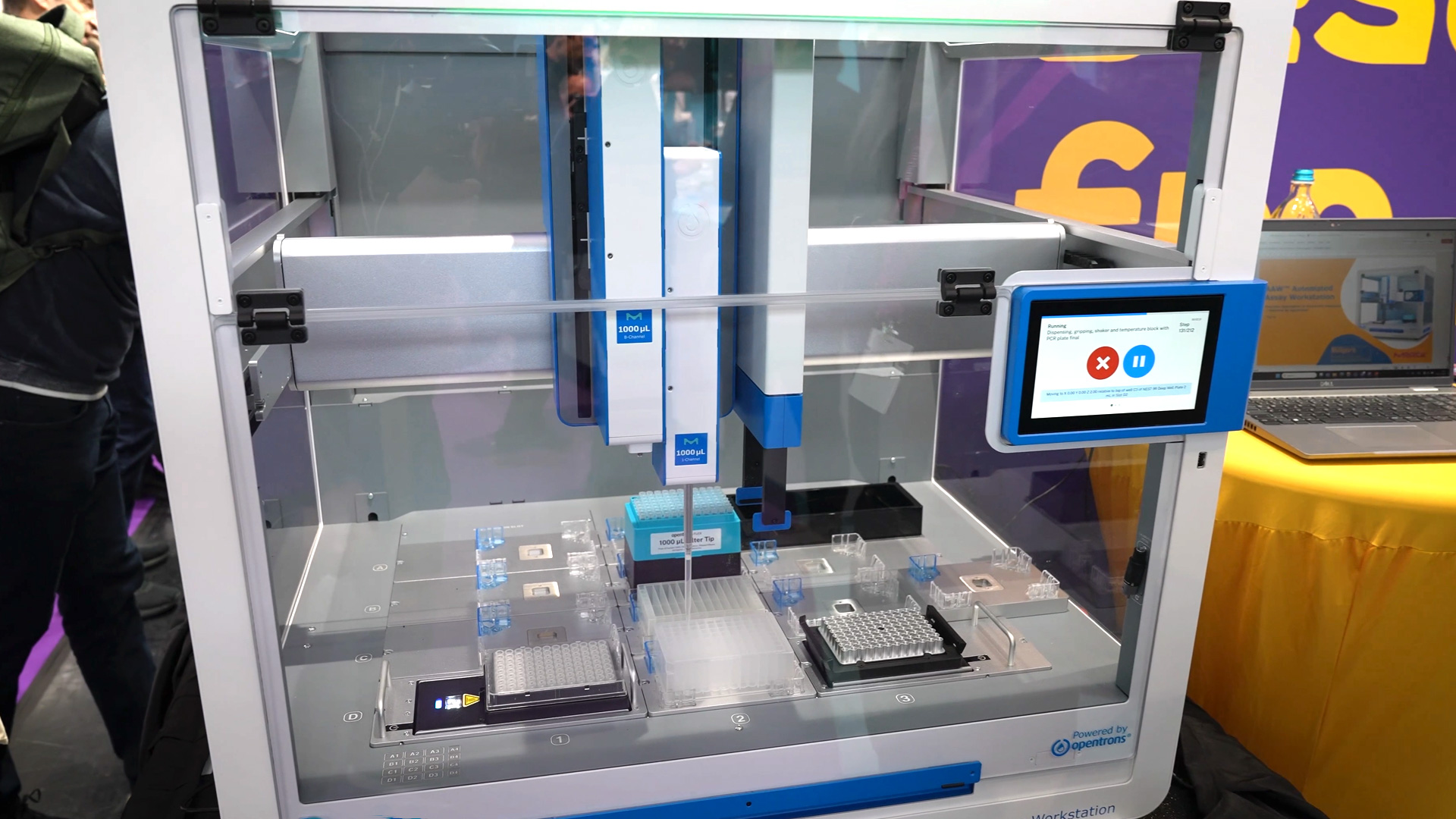

Merck integrates pipetting robots for flexible laboratory processes
Such a system is being presented for the first time in a collaboration between Merck and Opentrons. The combination of established assays and an open platform is intended to build a bridge between standardized applications and individual adaptation. The pipetting robot is designed to automate common laboratory processes. These include genomics applications in particular, such as NGS library prep, as well as classic DNA and RNA analyses. The system can also be used in the field of proteomics or sample preparation for LC-MS. The openness of the approach is remarkable. Instead of being limited to predefined processes, the robot can be used wherever liquids are moved. This extends the field of application well beyond biology to general analytics and chemistry.
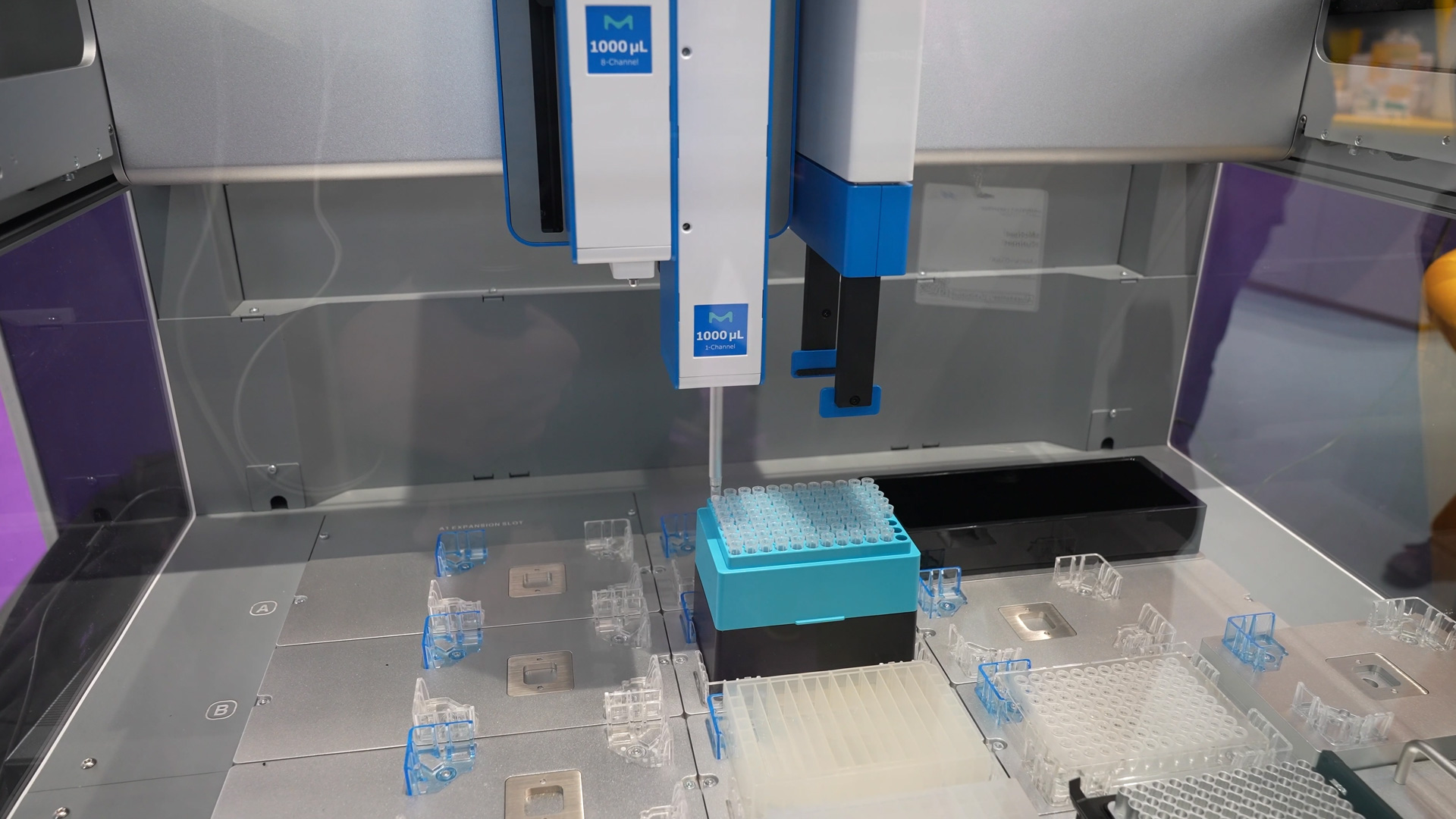
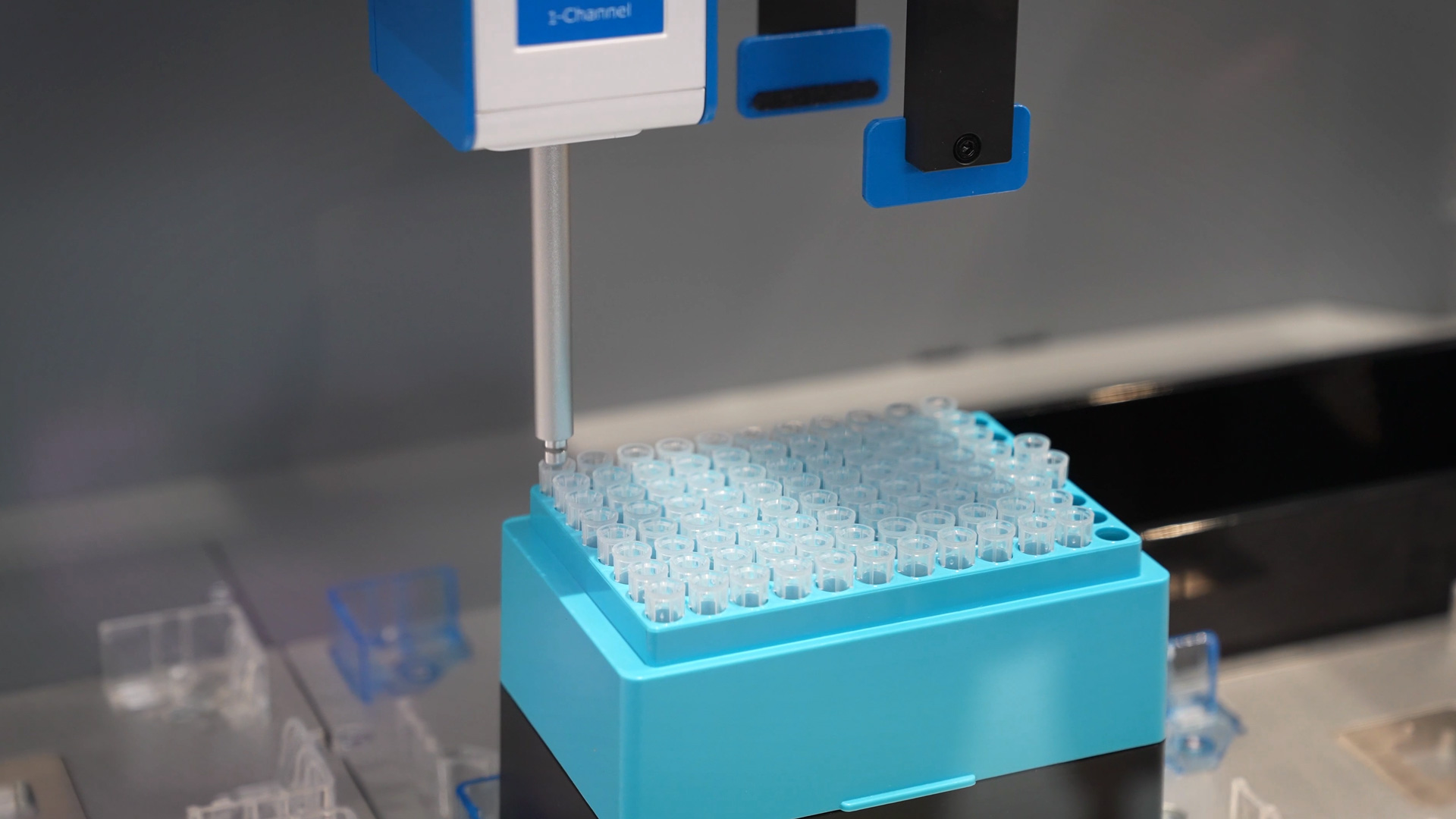
Automated pipetting replaces manual routine work
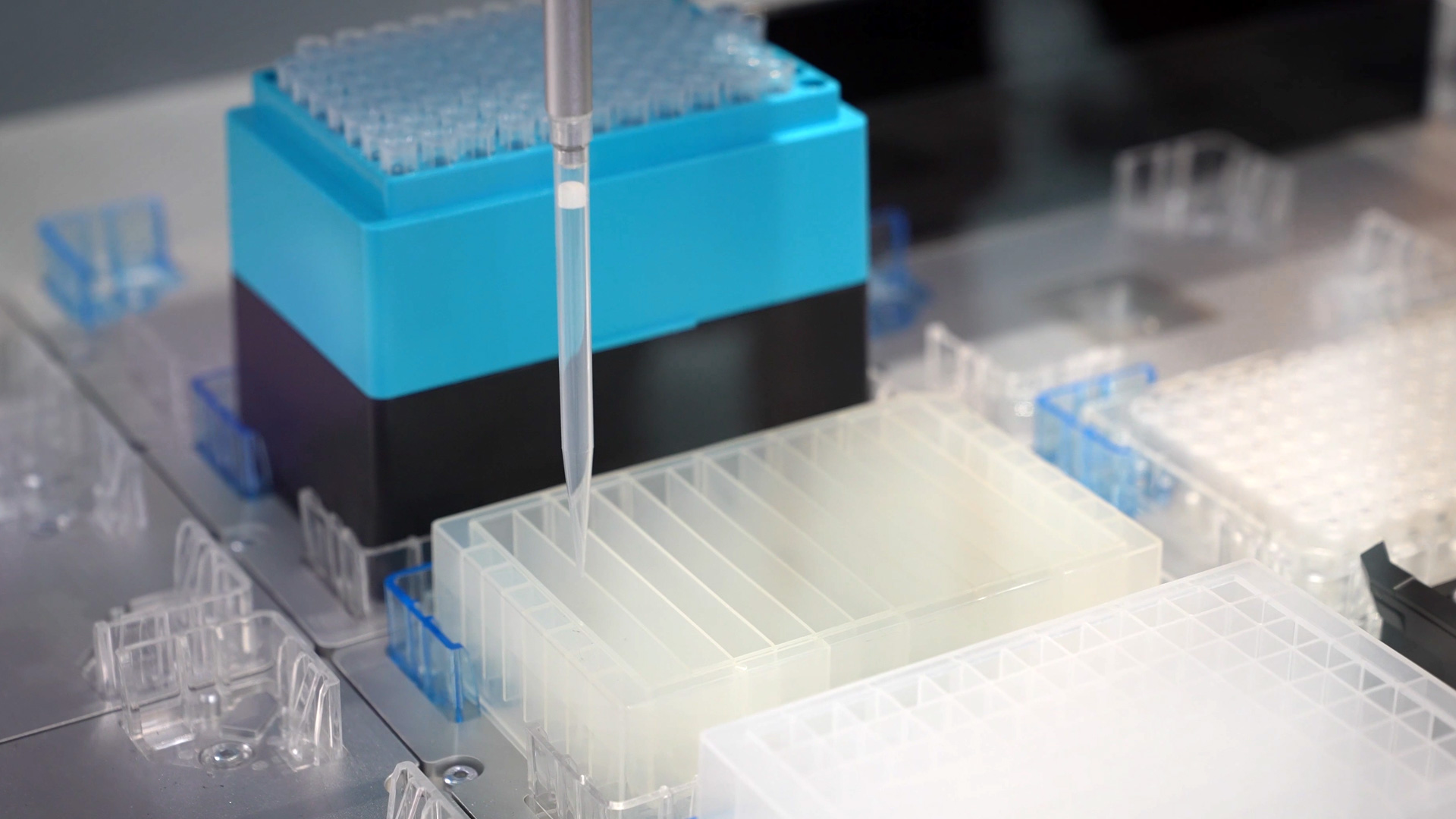
In practice, the pipetting robot takes over typical tasks that were previously carried out by hand. It works with disposable pipette tips to avoid contamination and can transfer liquids precisely between different vessels. An exemplary process comprises several steps:
- Picking up a pipette tip to avoid contamination
- Aspiration of liquid from a reservoir
- Transfer to target vessels or microtiter plates
- Mixing the sample directly in the target vessel
- Disposal of the tip before the next work step

Opentrons software enables open and flexible control
A key difference to conventional systems lies in the software architecture. Opentrons relies on an open source approach that offers users extensive customization options. The software is freely accessible and can be individually extended. In practice, this means that users can develop their own protocols or adapt existing processes. At the same time, applications are created that go beyond the originally intended areas of use. The manufacturer reports usage scenarios that were first developed by the users themselves. AI-supported tools are also being integrated. Users can describe desired processes and are guided step by step to a functioning protocol. The system asks questions about the configuration and helps to avoid errors. A method can be created in a short space of time, which can then be saved and reused.
Simple configuration reduces entry barriers in the laboratory
A key problem with many automation solutions is the barrier to entry. Many laboratories have equipment that can only be operated by specially trained personnel. As a result, work is still carried out manually despite the availability of technology. The approach presented here deliberately takes a different direction. The configuration should be so simple that even users without extensive training can set up basic processes within a few minutes. A typical example is pipetting from one plate to another - a process that can be quickly defined and automated. This simplification changes everyday use. Instead of involving individual specialists, the system can be used more widely. This increases capacity utilization and improves efficiency.
Pipetting robot expands applications in analytics and research
The possible applications go beyond classic standard protocols. In addition to biological applications such as DNA or RNA analysis, the pipetting robot can also be used in chemical analysis. The system can be integrated wherever liquids need to be precisely moved, mixed or distributed. The solution therefore addresses a broad user group:
- Laboratories in genomics and molecular biology
- Applications in proteomics and sample preparation
- Analytical laboratories in chemistry and materials research
- Routine processes with high sample throughput
Automation shifts focus to scientific work
The actual significance of such systems lies less in individual functions than in the shifting of tasks. When routine work is automated, the role of scientists changes. Instead of spending time on repetitive tasks, they can concentrate more on analysis, interpretation and development. This idea is at the heart of the development. Automation is not seen as a replacement for human work, but rather as a relief from activities that do not provide any direct gain in knowledge. The combination of open software, simple operation and a wide range of applications indicates that this approach will become more widespread. Systems like this show that automation in the laboratory does not necessarily have to be complex to be effective.
Trade fair reporting Germany - Trade fair knowledge, dates & events


