Avio 3000 ICP OES for elemental analysis with fewer resources
by A. Bergmeier - 2026-03-26Elemental analysis has been under double pressure for years. On the one hand, the requirements for detection strength, stability and sample diversity are increasing. On the other hand, there is a growing desire for systems that use fewer resources and work more economically in everyday laboratory work.
It is precisely at this interface that PerkinElmer is positioning the new Avio 3000, a newly developed system for ICP OES that is designed to be not only more powerful but also more efficient than the previous generation. This is not a small-scale model update. According to the manufacturer, only a few components have been taken over from the previous system. Consumables remain compatible, but central components such as the generator and detector have been newly developed. In addition, there is a revised thermal management system, which enables a step that is of considerable importance in laboratory operation: the device does not require an external cooler.
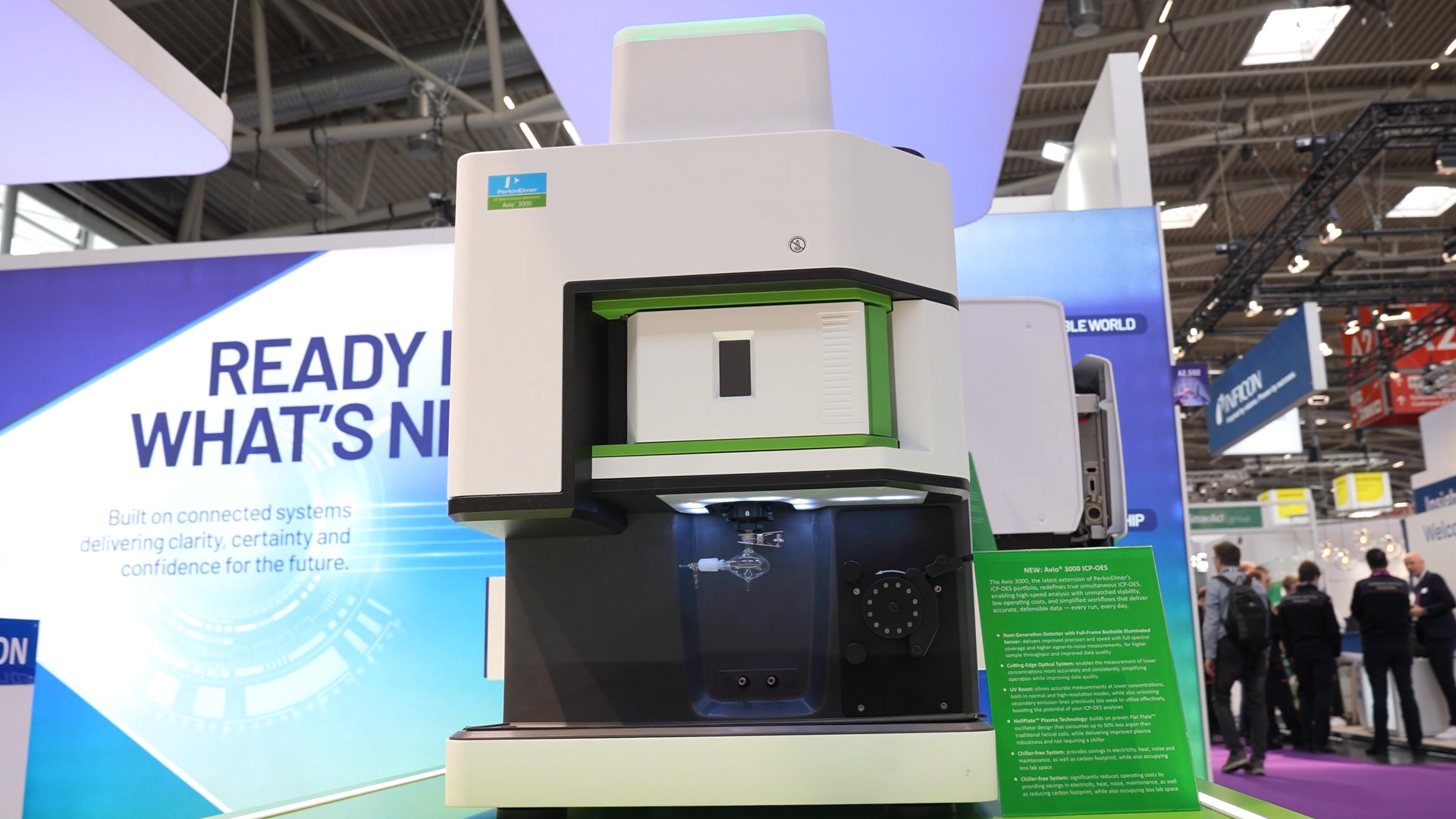

PerkinElmer develops new architecture for ICP OES
The Avio 3000 is a system for ICP OES, i.e. optical emission spectrometry with inductively coupled plasma. The aim of this technique is not to analyse molecular structures, but to determine elements. This is precisely its classic field of application: where absolute concentrations of individual elements are required, ICP OES is one of the established methods. PerkinElmer has fundamentally redesigned the device for this purpose. A new plasma generator and a new detector form the technical basis. At the same time, the inner workings have been redesigned so that less heat is generated and the system can be operated more stably overall. The fact that an external cooler is no longer required is more than just a detail. It saves space, reduces the installation effort and lowers the ongoing operating costs. This reduction in the cost of ownership is one of the most important arguments in favour of the system. The device should work more efficiently but require fewer resources. It is precisely this combination that PerkinElmer is using to set a new benchmark on the global market.
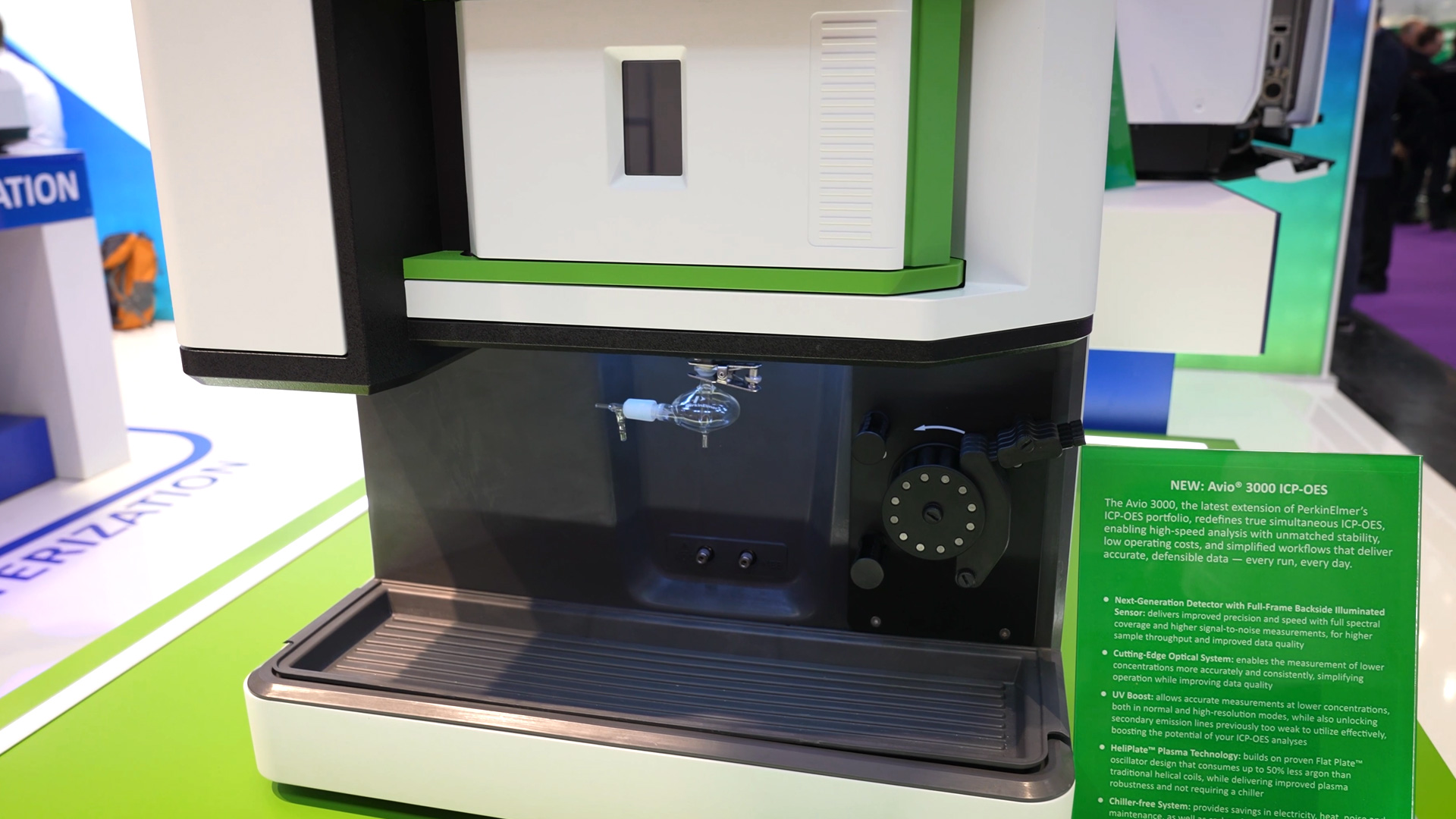
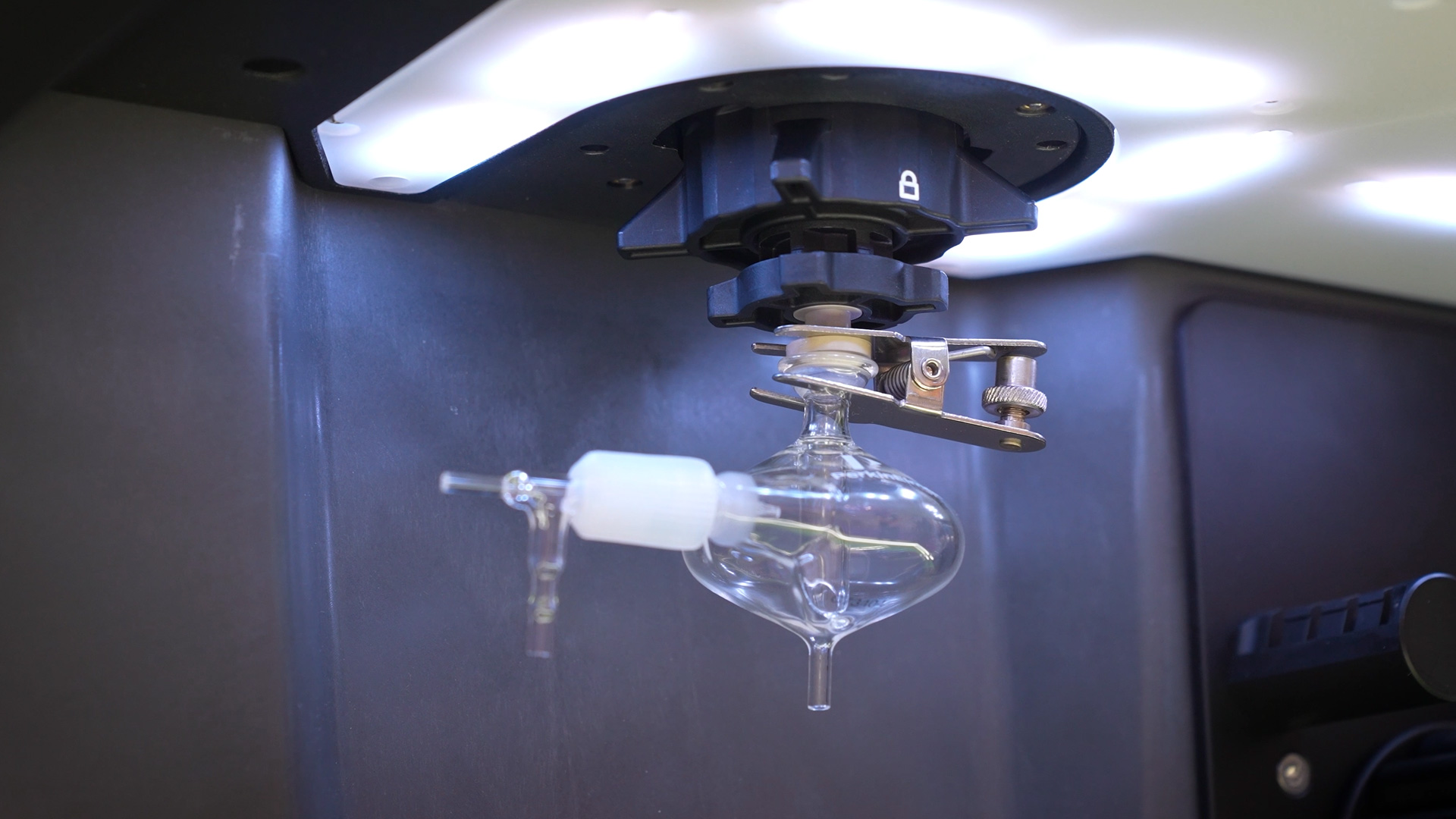
ICP OES analyses elements via optical emission
The functional principle of the ICP OES remains unchanged, even though the hardware has been newly developed. It works with liquid samples that are first atomised in a spray chamber. An aerosol is formed from the sample, which then enters an argon plasma. This plasma reaches temperatures that can be compared with conditions on the surface of the sun. In this extremely hot environment, the components of the sample are atomised and excited. The atoms then emit light. This light is detected by the system, compared with standards and finally analysed quantitatively. The analytical process can be summarised in four steps:
- atomisation of a liquid sample in the spray chamber
- Transfer of the aerosol into an argon plasma
- Excitation of the atoms and emission of light
- Detection and quantitative evaluation against standards

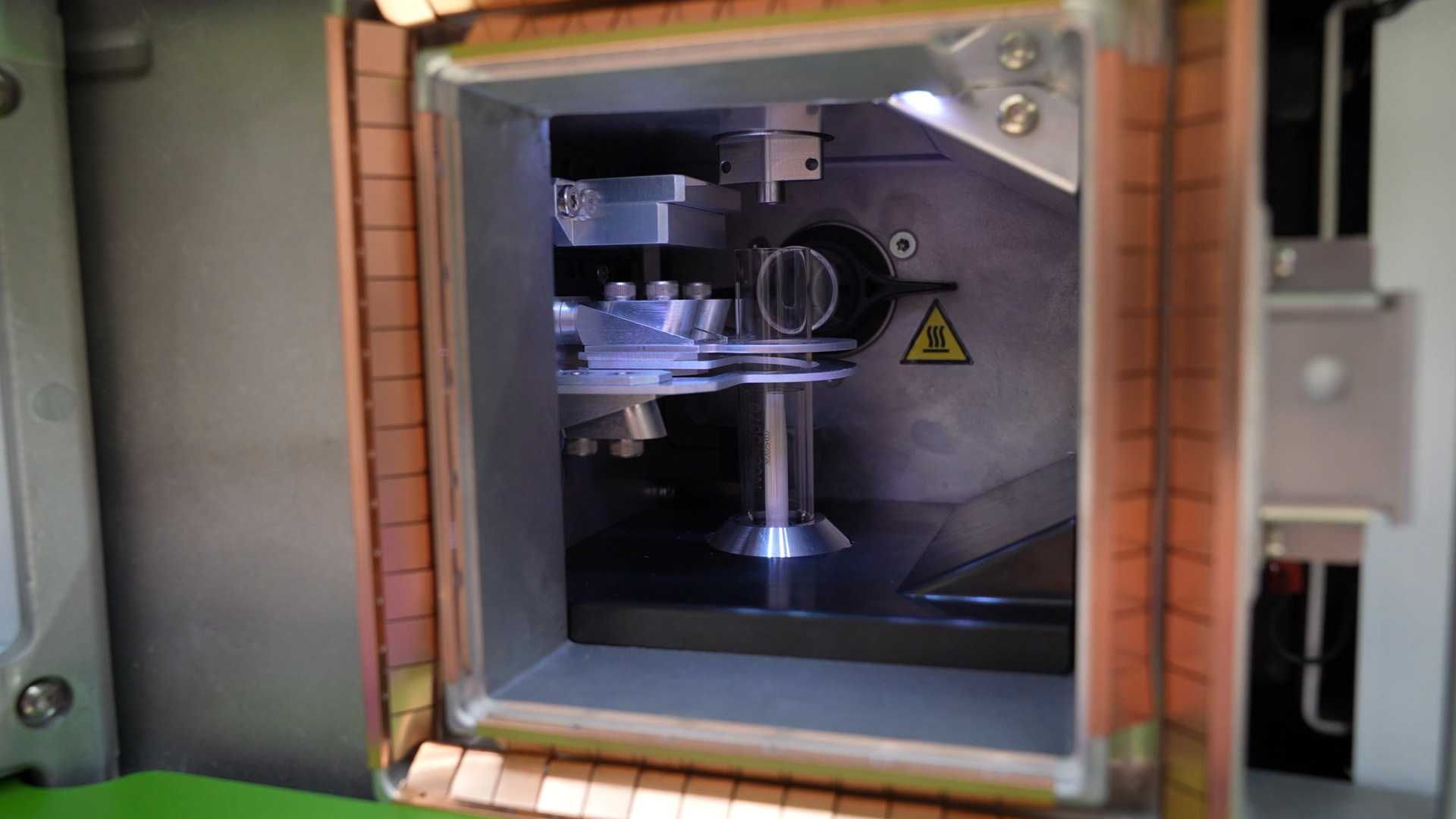
Avio 3000 extends applications to organic samples
An important advance of the new system is the expansion of the sample spectrum. Traditionally, ICP OES is strongly associated with aqueous samples. These include water analysis, metal digestions or mineral samples from mining. The Avio 3000 continues to cover precisely this field. What is new, however, is that the revised generator also focusses more on applications with organic samples. This opens up the device to customers who not only want to process traditional aqueous samples, but also want to determine trace levels in organic solvents. This noticeably shifts the target group. Relevant fields of application now include
- Mining samples and metallic outcrops
- Water analysis, such as drinking water or bottled water
- Element determination in organic solvents
- broader laboratory applications with different matrices
Thermal management reduces resources in laboratory operation
A laboratory device is not only defined by detection limits. In everyday use, stability, operating costs and infrastructure costs are just as important. This is precisely why thermal management is so important. PerkinElmer emphasises that internal heat generation has been significantly reduced. This makes the previously used external cooler superfluous. The advantage lies on several levels. Fewer additional devices mean lower energy requirements, less complexity in the design and less space required in the laboratory. In addition, the stability of the system is maintained despite this simplification. This is the crucial point: resource efficiency must not come at the expense of performance. The system should achieve precisely this balancing act. It is less resource-intensive without becoming analytically weaker. On the contrary: according to the manufacturer, the detection strength has even been further improved. It is this combination of lower load and higher performance that positions the system as the next stage in the development of ICP OES.
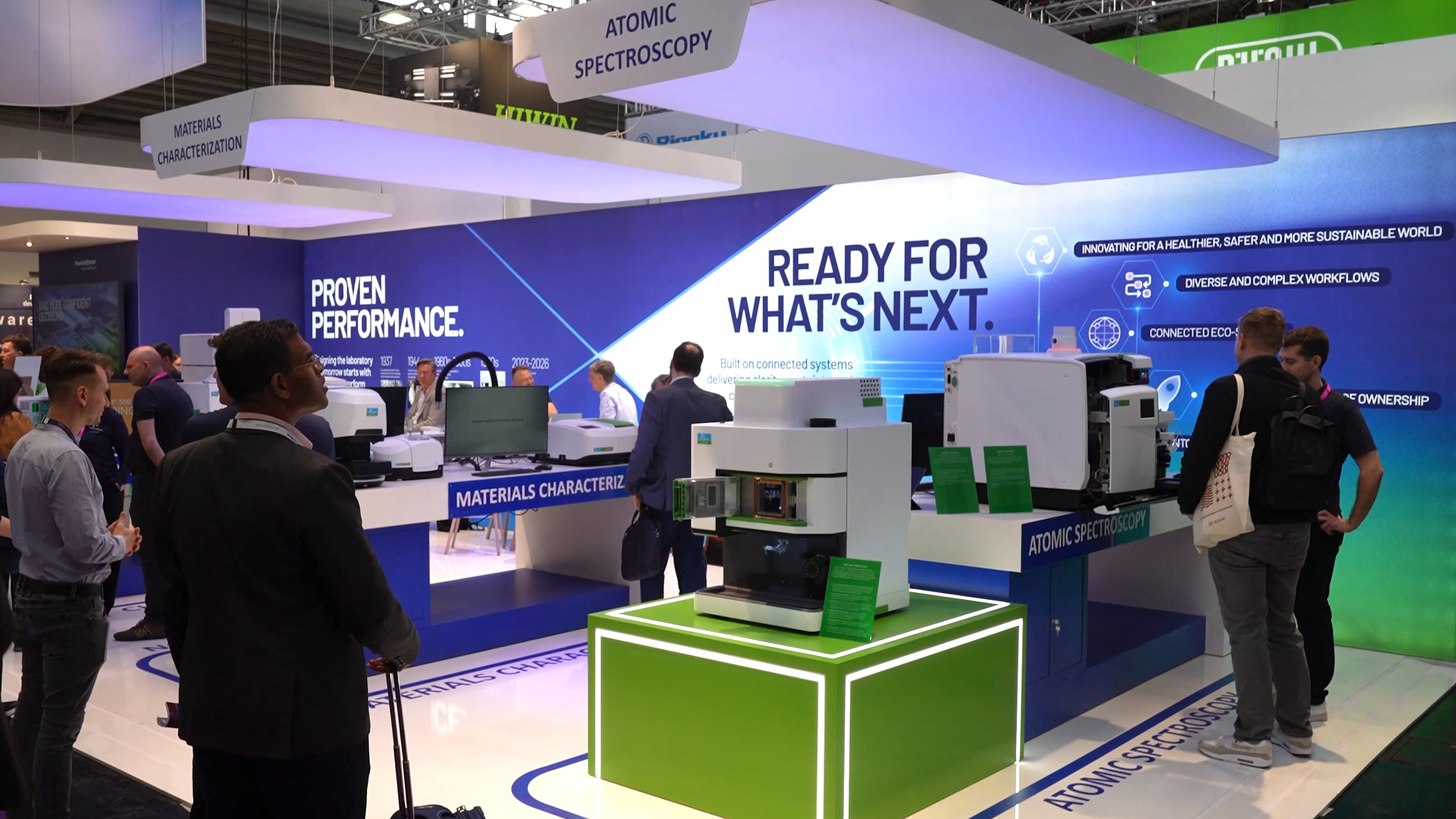
Wide range of applications for modern elemental analysis
The target group for the device is deliberately broad. This includes research laboratories as well as routine users who regularly need to quantify elements. The extension to organic matrices further increases the addressable spectrum. PerkinElmer is thus making it clear that the system is not intended to be a niche device for a single application. It is intended as a platform for many analytical questions. This is precisely where the strategic importance of the system comes from. The further development shows that there is still considerable potential in ICP OES, both technically and economically. The direction is clear: the elemental analysis of the future is to become more detectable, more efficient and less resource-intensive. The Avio 3000 is exemplary in this respect. It combines classic ICP OES with a modernised device architecture, which should not only provide laboratories with analytical performance, but also more flexibility in operation.
Trade fair reporting Germany - Trade fair knowledge, dates & events


