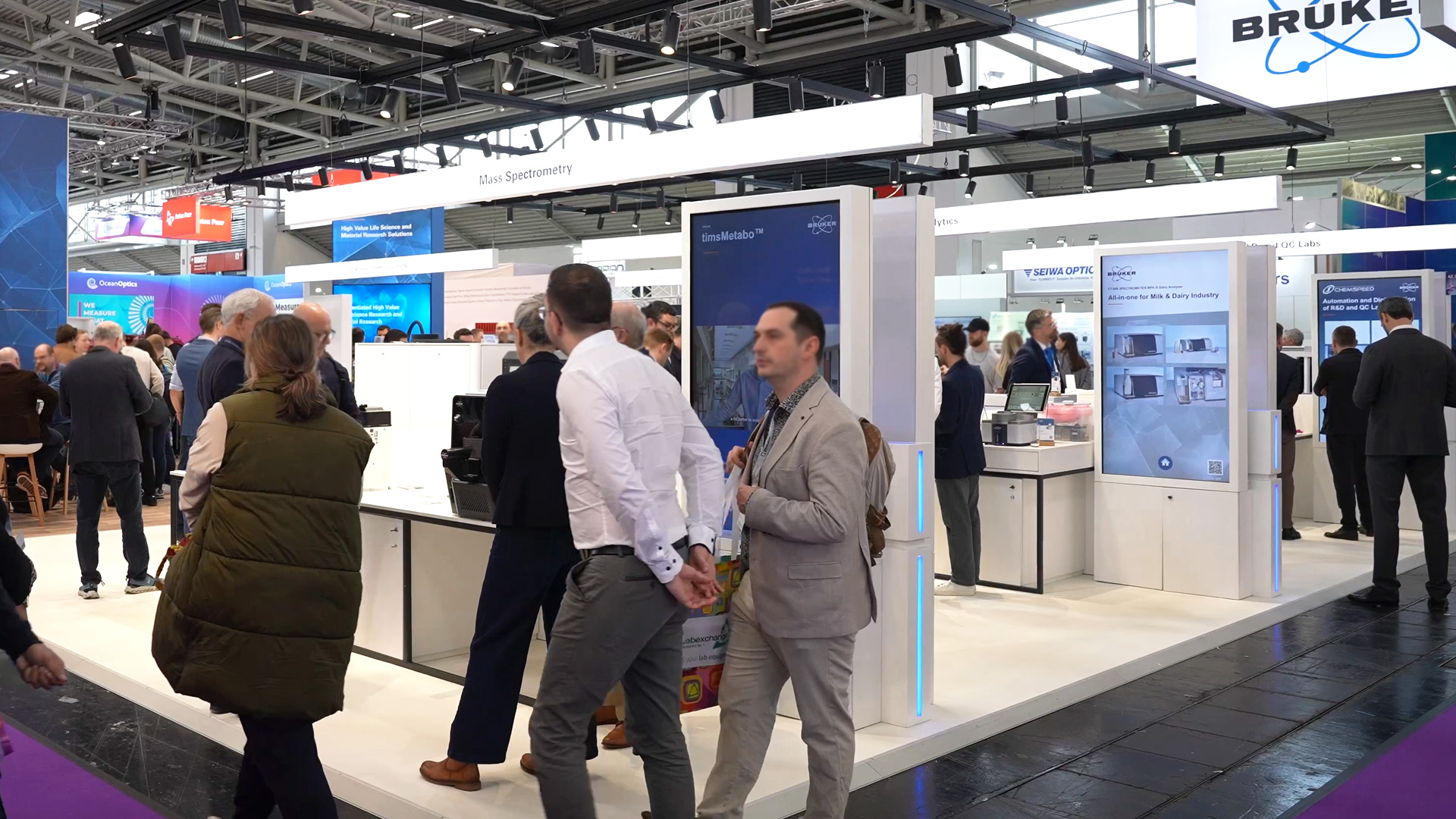
timsMetabo expands TIMS technology for metabolomics
by A. Bergmeier - 2026-03-25With timsMetabo, Bruker is presenting a system that significantly expands the existing use of TIMS technology. While the focus to date has clearly been on proteomics, the process is now opening up to smaller molecules and new fields of application. This is precisely where the device comes in - both technically and methodologically.
The expansion primarily concerns the accessible mass range. Measurements below a mass-to-charge ratio of 300 can be systematically utilised for the first time. This shifts the focus away from exclusively large biomolecules towards more complex chemical relationships, such as those that occur in metabolomics and lipidomics.
timsMetabo from Bruker opens up new mass ranges
The central feature of the system is the expansion of the analysis window. TIMS technology - short for Trapped Ion Mobility - enables an additional separation stage within mass spectrometry. This complements the classic chromatographic pre-separation and significantly increases the resolution of the analysis. The extension to smaller molecules makes the technology relevant for applications that were previously only accessible to a limited extent. These include, in particular, metabolic processes in which a large number of small compounds have to be analysed simultaneously. Bruker uses this approach specifically to extend the range of applications beyond classic protein analysis. The device thus becomes a tool for broader questions, for example in biochemical research or environmental analysis.
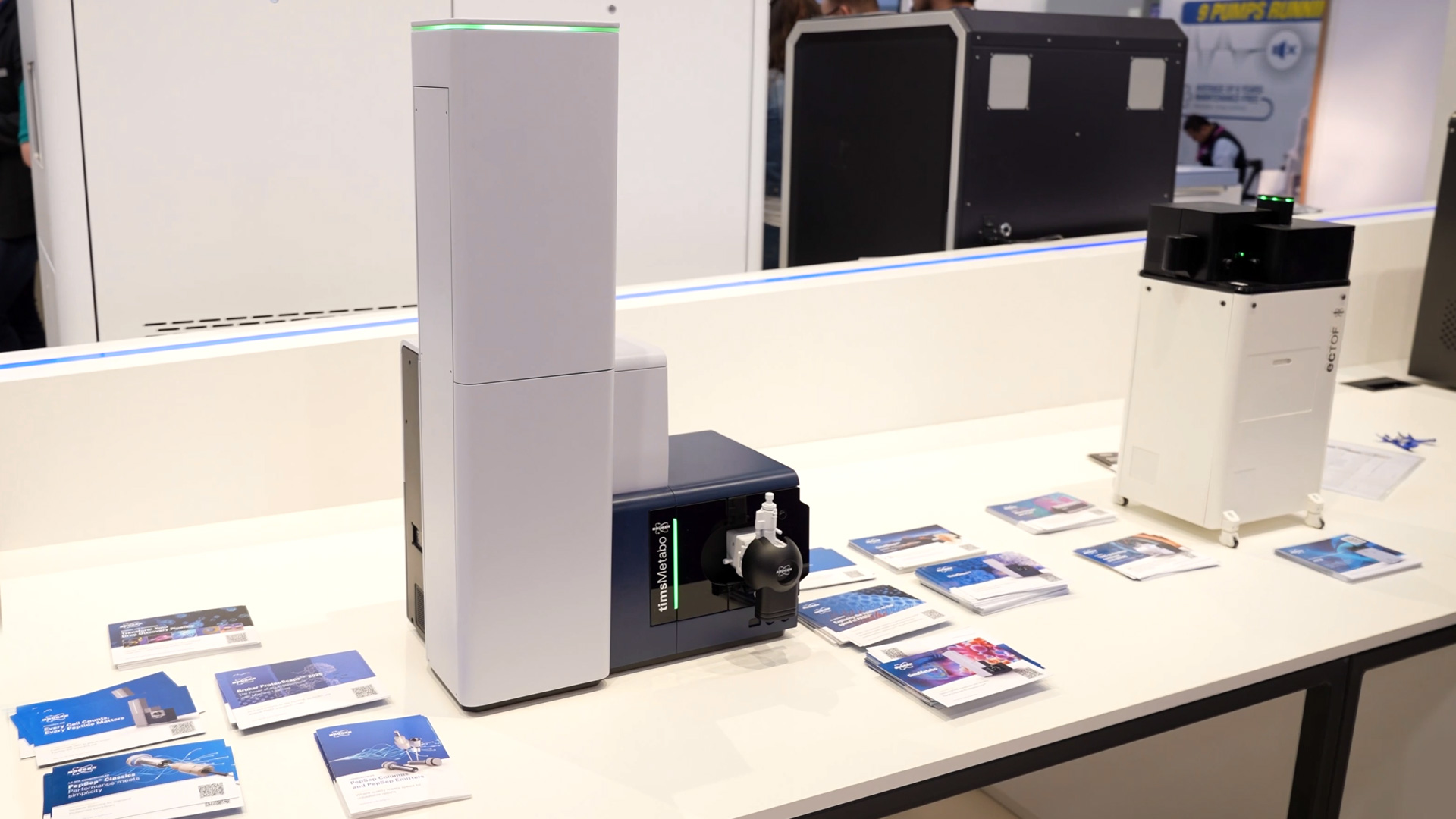

TIMS technology and CCS values as an analytical advantage
A decisive advantage of TIMS technology lies in the additional dimension of separation. In addition to mass and retention time, so-called CCS values - i.e. collision cross-sections - can be determined. These provide structural information about molecules and increase the reliability of identification. According to the manufacturer, the accuracy of these values is around one per cent and can be achieved reproducibly across different locations. This is particularly relevant for global research networks in which data must be comparable. The combination of chromatographic separation, ion mobility and high-resolution mass spectrometry results in a multi-dimensional data set. This allows a more differentiated analysis than conventional methods.
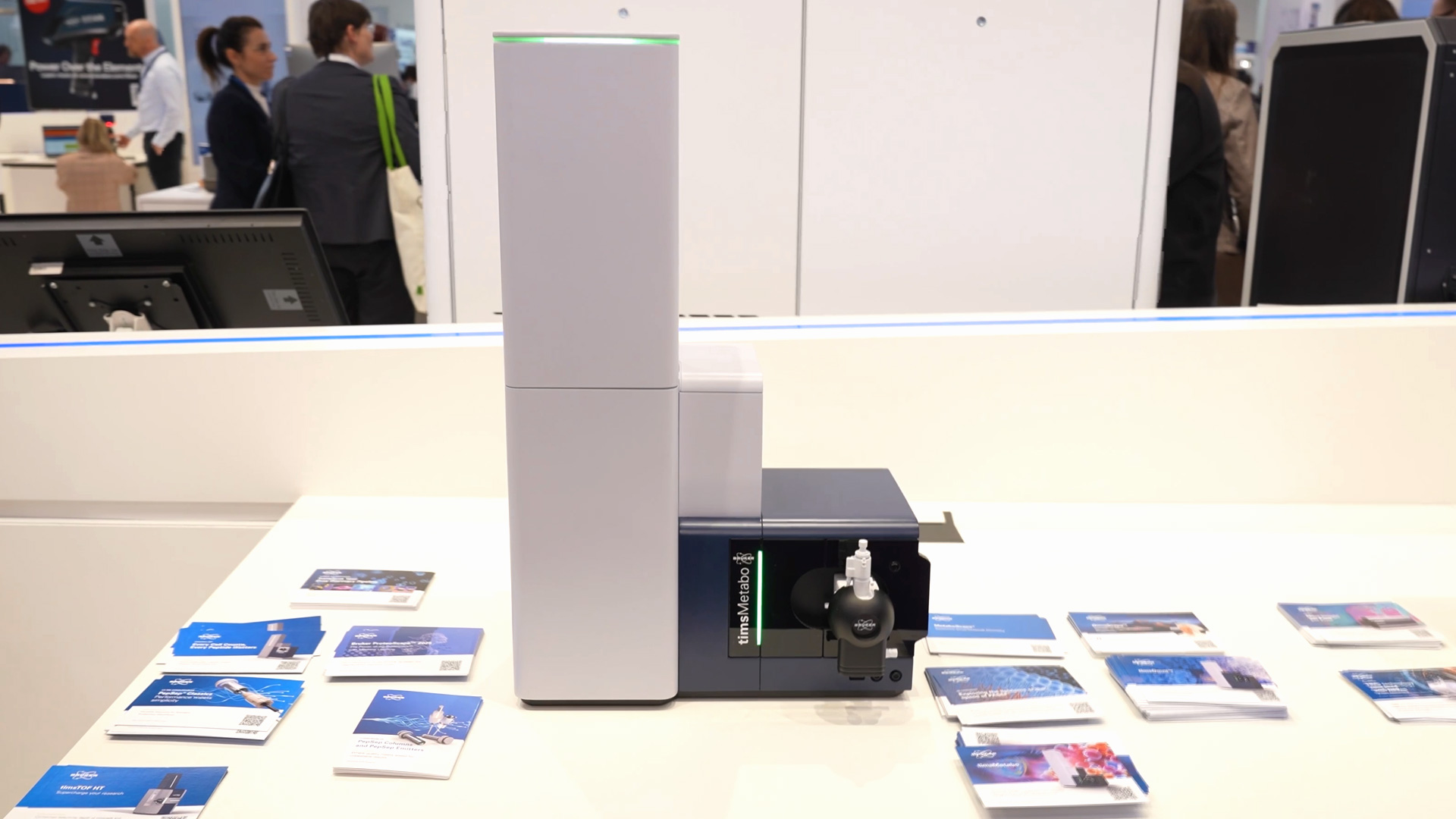
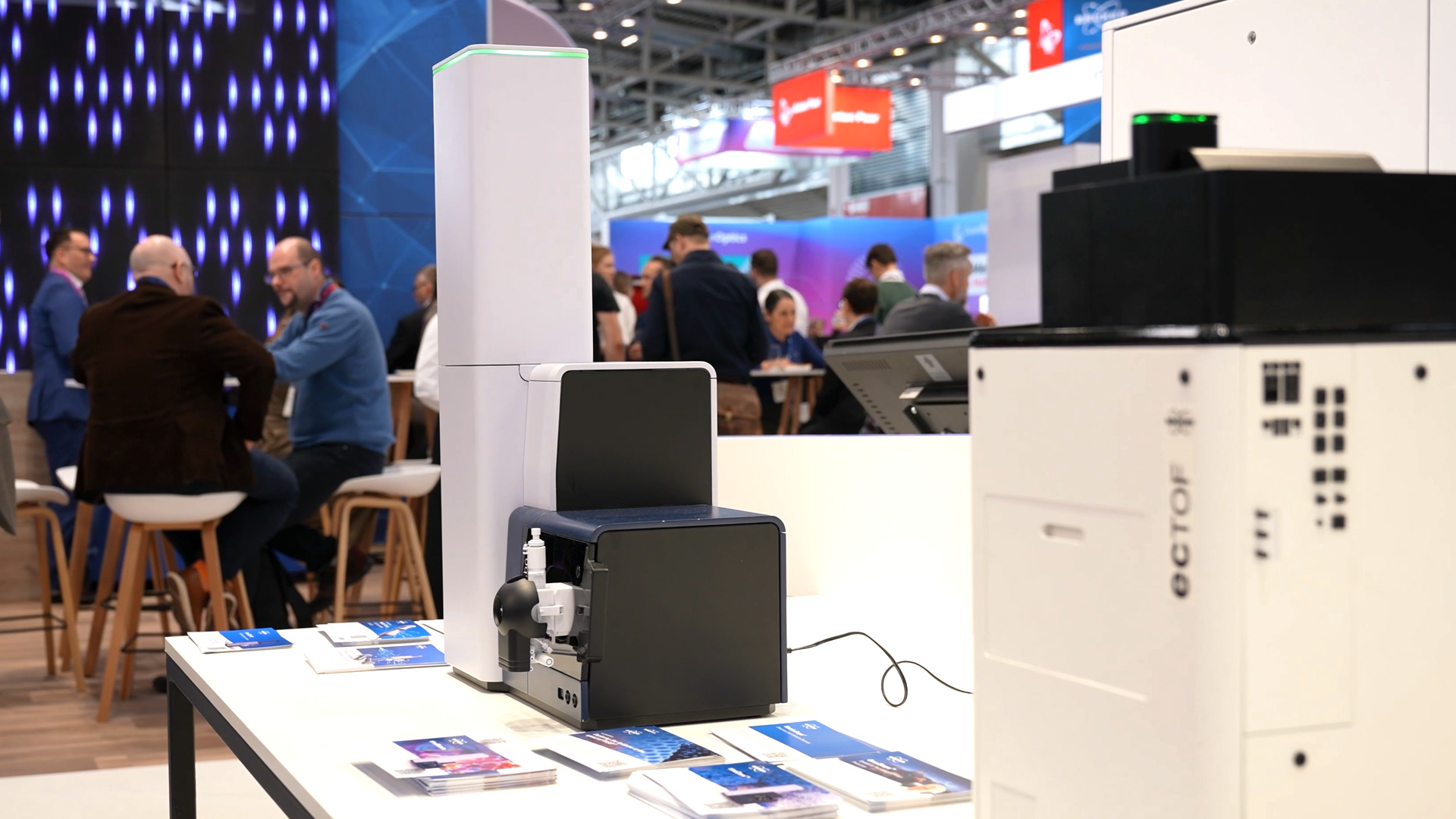
MetaboScape software and digital metabolome in use
Alongside the hardware, the software plays a central role. With MetaboScape, Bruker provides a platform that is specially designed for metabolic analyses. The aim is to create a so-called digital metabolome - a comprehensive collection of data that can be used in the long term. A new measurement mode makes it possible not only to analyse data once, but also to reinterpret it retrospectively. This means that measurements can be saved and re-analysed later with new hypotheses. This approach fundamentally changes the way data is handled:
- Measurement data remains permanently available and analysable
- new questions can be tested retrospectively Research and routine analyses access the same data pool
- Analysis processes become more flexible and less linear

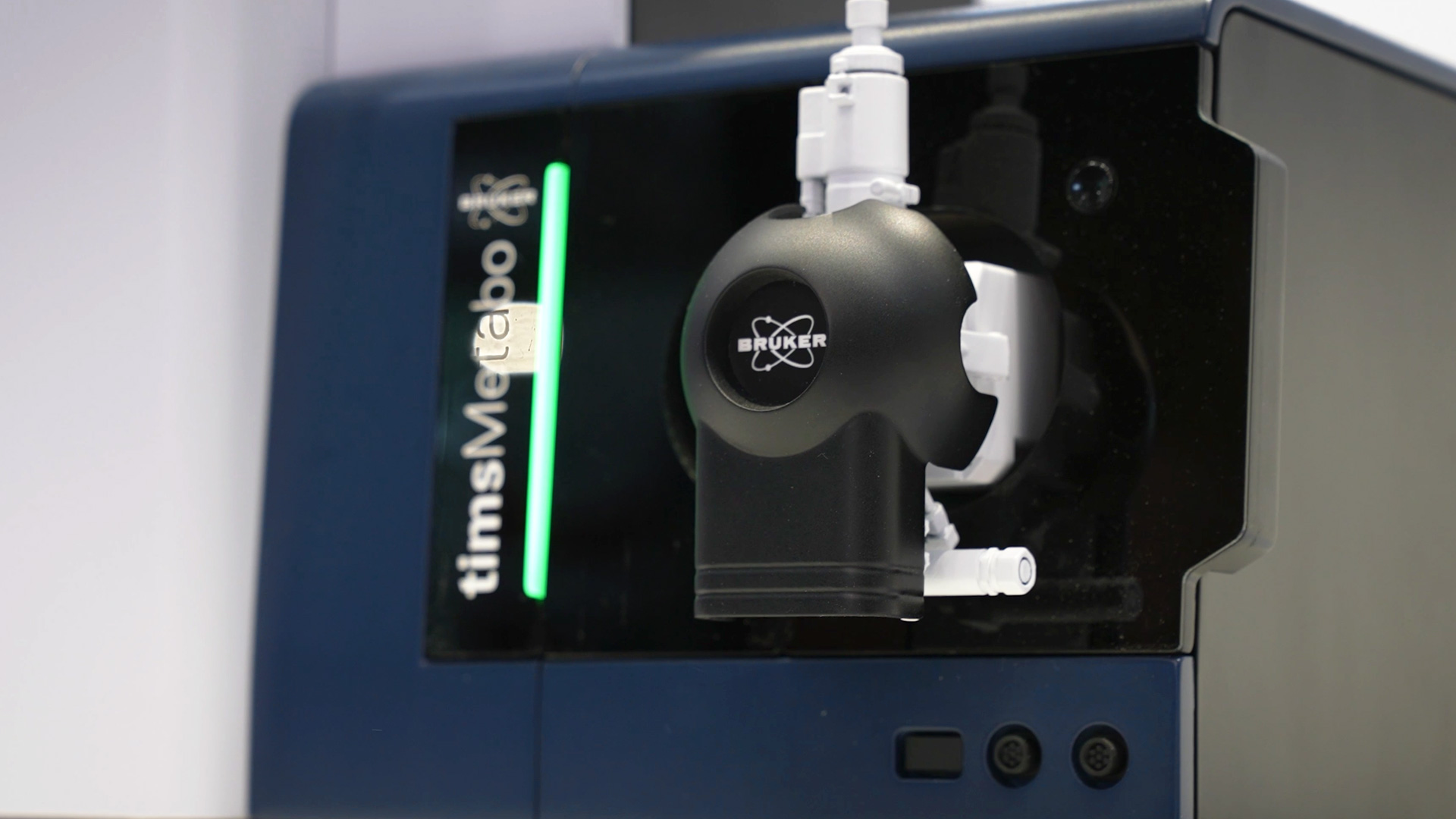
Applications from metabolomics to environmental analysis
The extended measurement capability opens up several fields of application. In addition to classic metabolomics, lipidomics and environmental analysis are also moving more into focus. One specific example is the investigation of contaminated sites in the environment. The improved analysis of small molecules makes it possible to identify substances that were previously difficult to detect. At the same time, the system opens up new possibilities in exposomics. This involves analysing all the influences to which a person is exposed in the course of their life - for example through food or environmental factors. These complex interrelationships require broad-based, untargeted measurement methods that can record large amounts of data. timsMetabo is designed precisely for such scenarios. It enables comprehensive data collection, which is then analysed and interpreted using software.
Target groups and prospects for TIMS technology
The main target groups for the system are research institutions and specialised users in routine analytical work. The device is particularly relevant for scientists working on metabolic processes or environmental factors. At the same time, TIMS technology is not yet in widespread routine use. This is precisely where Bruker's strategy comes in. The aim is to take the technology out of the specialised research environment and make it more widely available. This requires not only further technical development, but also simplification of the application. Systems such as timsMetabo should help to lower the barriers to use and establish the method in the long term. The development shows how analytical methods are continuing to shift: away from isolated measurements towards integrated systems that make data usable in the long term and allow new questions to be asked.
Trade fair reporting Germany - Trade fair knowledge, dates & events


