Viaduct brick kiln car for the heavy clay industry
by J. Groh - 2026-04-11The heavy clay industry is characterized by high thermal loads, long operating cycles and clearly defined requirements for material stability. Components used in tunnel kilns must function reliably for years.
The focus here is on special components such as the viaduct brick, which plays a central role in kiln car systems. Its geometry and material are directly adapted to the conditions in continuous operation. The structure of a tunnel kiln illustrates the complexity: large kiln cars transport the material to be fired through the kiln, while a suspended ceiling and stable wall areas control the thermal processes. Specialized components are used at these points in particular, including double-chamber hollow bricks or edge bricks, which have to absorb mechanical loads and temperature changes simultaneously.
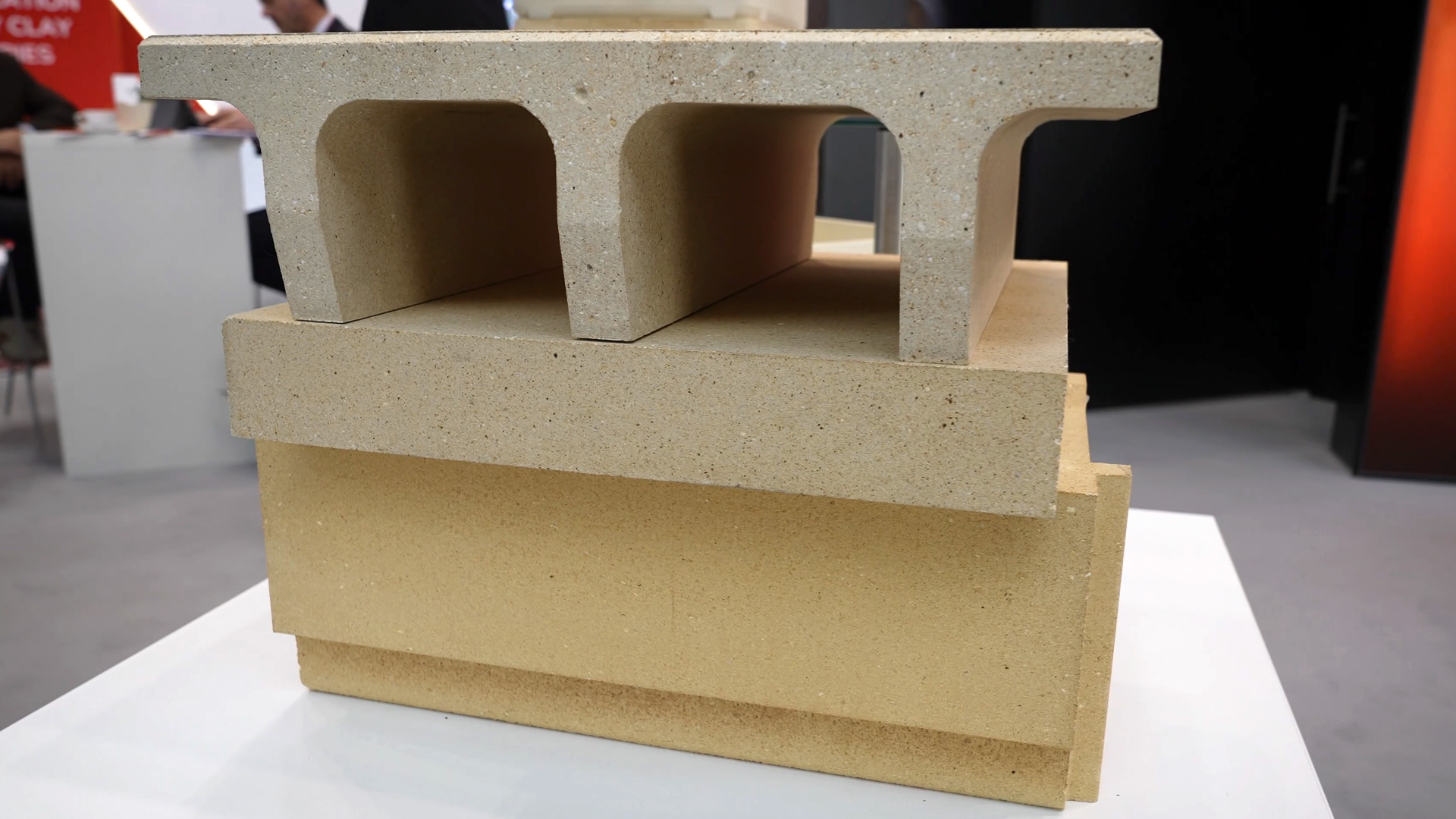

Refratechnik viaduct brick in use in the tunnel kiln
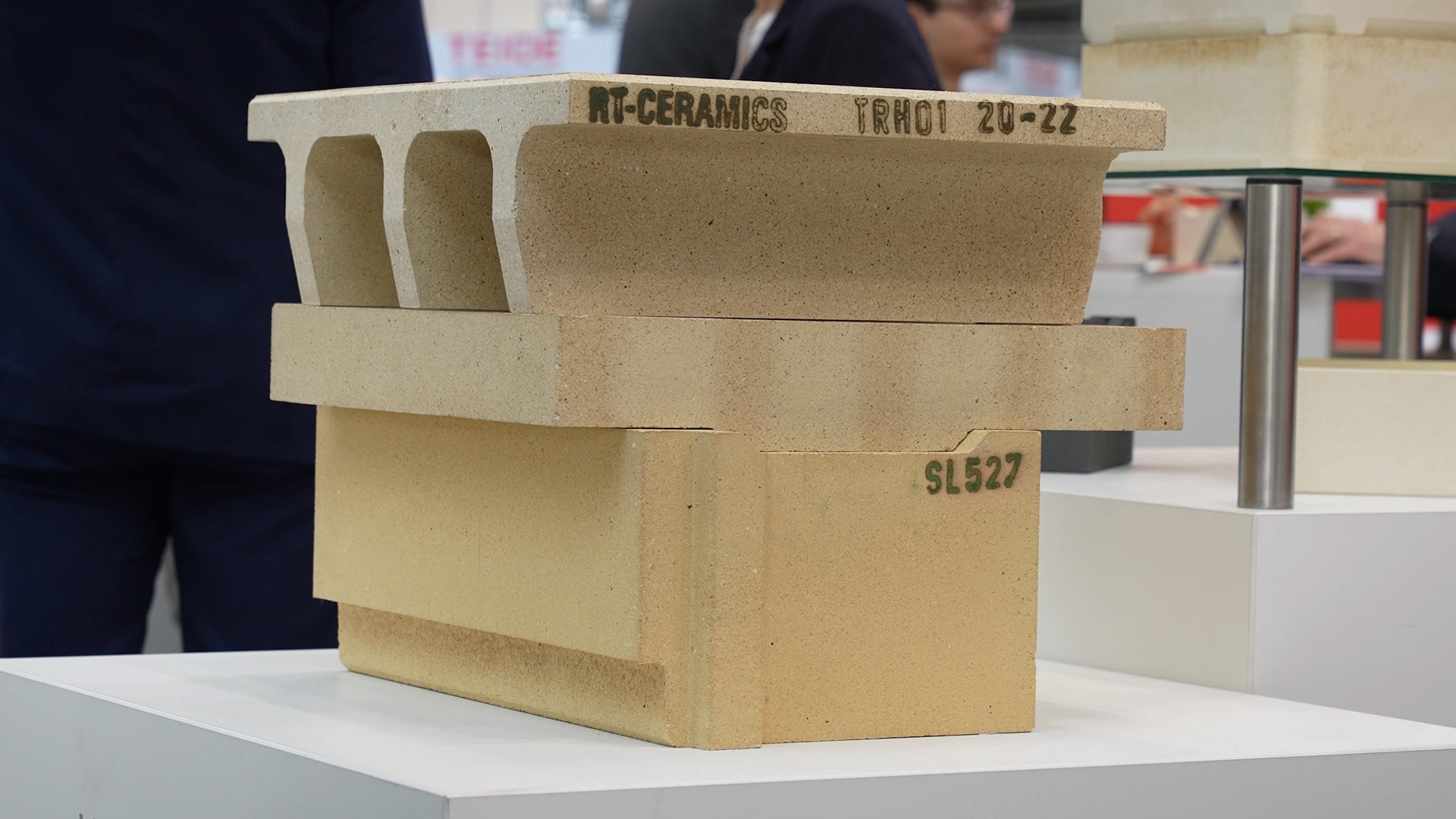
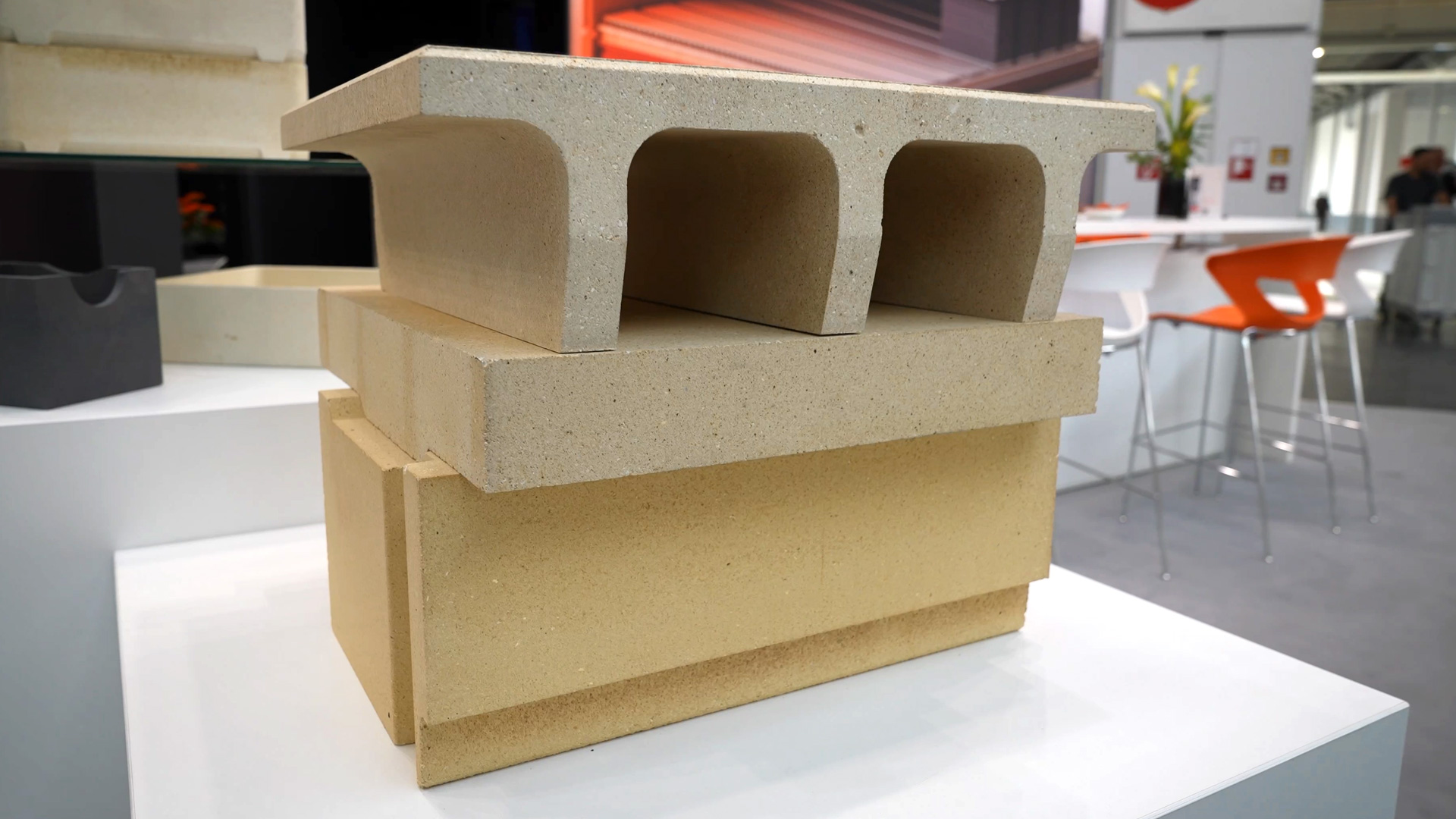
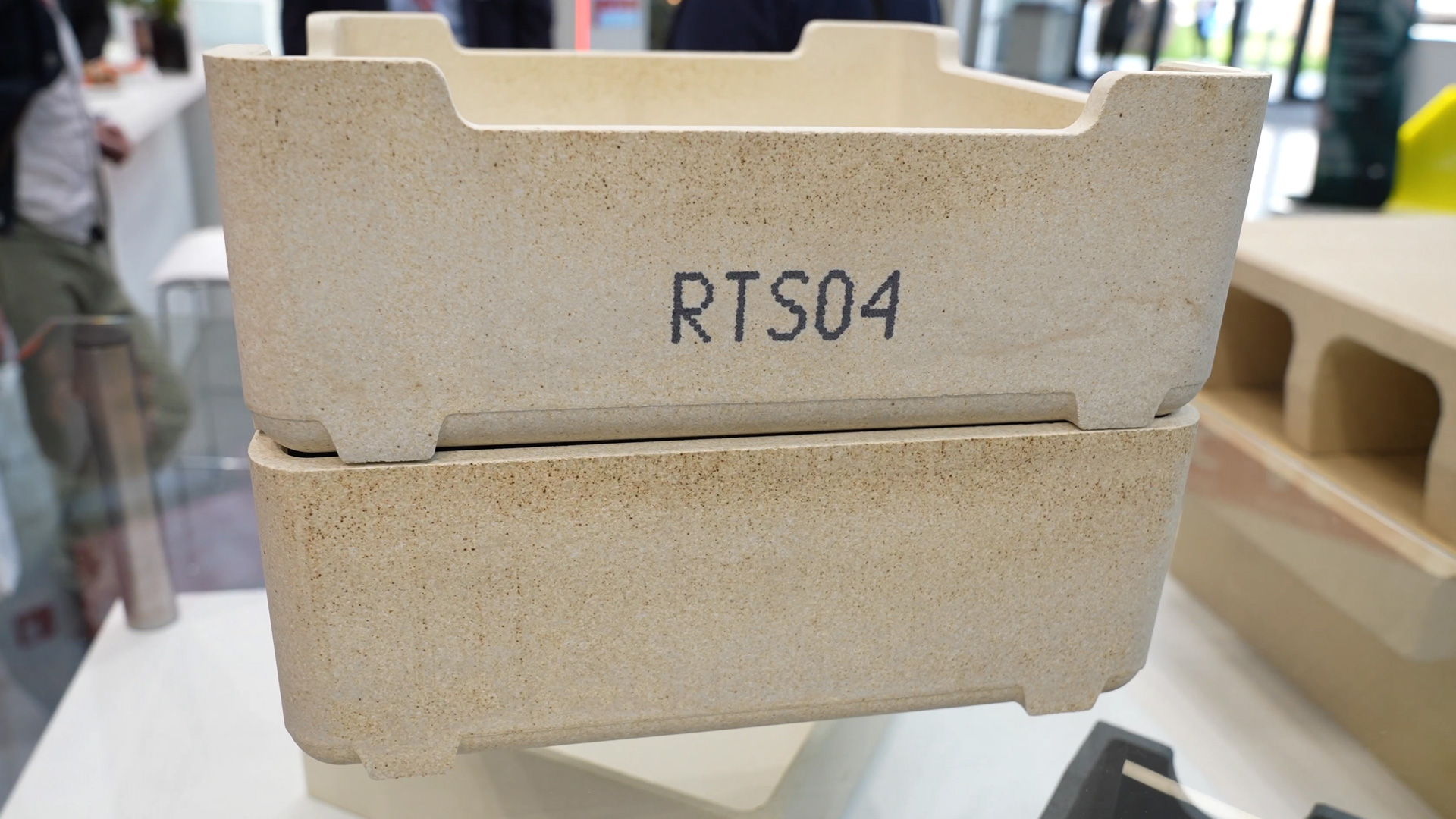
The so-called viaduct brick is designed for use in the kiln car plateau. Its shape is directly based on the typical structure of kiln car slabs. The system is supplemented by edge bricks and hollow bricks, which are used particularly in the lower area of the kiln. These components are not standard products, but have been specially developed for the requirements of the heavy clay industry. Refratechnik is positioning itself in this area as a supplier that delivers such components worldwide. The products are designed to be integrated into existing furnace systems while ensuring a long service life and dimensional accuracy. The combination of mechanical stability and reproducible properties is particularly important in international applications - for example in brickworks or ceramic production plants. A look at the kiln cross-section shows how closely the individual components are interlocked. The viaduct brick is not an isolated unit, but part of a system that requires coordinated components.
Dry-pressed material as the basis for dimensional accuracy
One decisive aspect is the manufacturing process. The components are dry-pressed and then fired under defined conditions. This process enables a high degree of dimensional accuracy that is difficult to achieve in this form with other methods, such as casting or stamping. Precision is not only a quality feature, but also a functional necessity. Even minor deviations can lead to problems in kiln operation, for example with load distribution or sealing between individual elements. Dry-pressed material ensures that the components fit together exactly and remain dimensionally stable over a long period of time. The specific composition of the materials deliberately remains in the background. Various offsets form the basis, the exact mixture and processing of which are treated as internal know-how. The decisive factor is less the individual recipe than the interplay of pressure, temperature and material selection during production.
Development of kiln car systems and suspended ceilings
The development of such systems is closely linked to the history of the industry. Refractory materials, kiln car systems and constructions such as suspended ceilings have evolved over the decades. This has not only involved individual products, but also complete system solutions. Refratechnik describes this development as a continuous process over several decades. Innovations were not developed in isolation, but in direct exchange with practical requirements. Many solutions in widespread use today can be traced back to early developments that were later taken up by other manufacturers. To this day, the focus is on the further development of existing systems. New requirements - such as changes in production processes or higher efficiency requirements - mean that materials and designs are regularly adapted.
Production in Germany and worldwide sales
One striking point is the clear separation between global sales and local production. While products are used worldwide, production remains centralized in Germany. This means that technical knowledge is closely linked to the production location. This strategy not only serves quality assurance, but also the long-term safeguarding of know-how. The processes - from material mixing to final production - are complex and require experience. By bundling this knowledge at the site, it remains controllable and reproducible. At the same time, the international focus is evident in sales. Markets such as Europe, the USA and Australia play an important role. The requirements differ depending on the region, for example due to different production conditions or economic framework conditions.
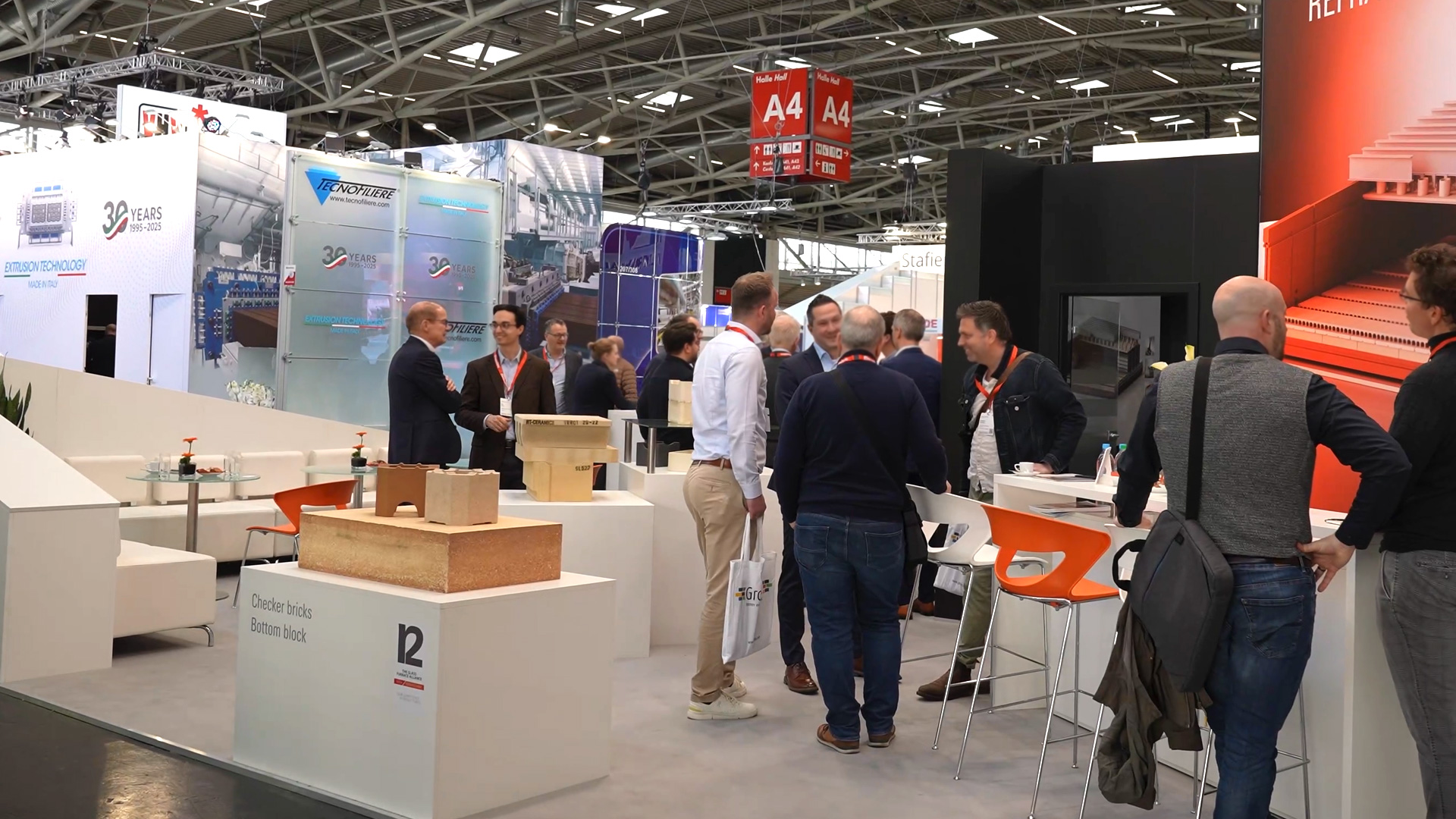
Applications and typical areas of use
The areas of application can be clearly structured. The focus is on industrial plants in which ceramic products are manufactured. These include brickworks in particular, but also other areas of heavy clay ceramics.
- Furnace car slabs in tunnel kilns for continuous production
- Edge bricks and hollow bricks for thermally stressed zones
- Support structures for suspended ceilings in kiln construction
- System components for precisely coordinated kiln architecture
Future topics between material development and digitalization
In addition to traditional material issues, new topics are increasingly coming into focus. These include the use of digital technologies within the company. Internal developments in the field of artificial intelligence are intended to optimize processes and enable new approaches in control and evaluation. At the same time, material development remains a key area. Improvements in durability, energy efficiency and production accuracy have a direct impact on the profitability of the systems. In an environment that is strongly characterized by global competition, such factors are crucial. The combination of established production techniques, systemic thinking in kiln construction and new digital approaches shows the direction in which the industry is developing. Products such as the Viadukt brick are representative of an industry in which precision and experience continue to form the basis.
Trade fair reporting Germany - Trade fair knowledge, dates & events


