Precision powder presses for ceramics and carbide
by A. Bergmeier - 2026-04-16Anyone who manufactures components from ceramics, carbide or other powdered materials is working at a delicate interface between material behaviour, tool technology and process reliability. Even minor deviations can become visible later in the sintering process or lead to rejects.
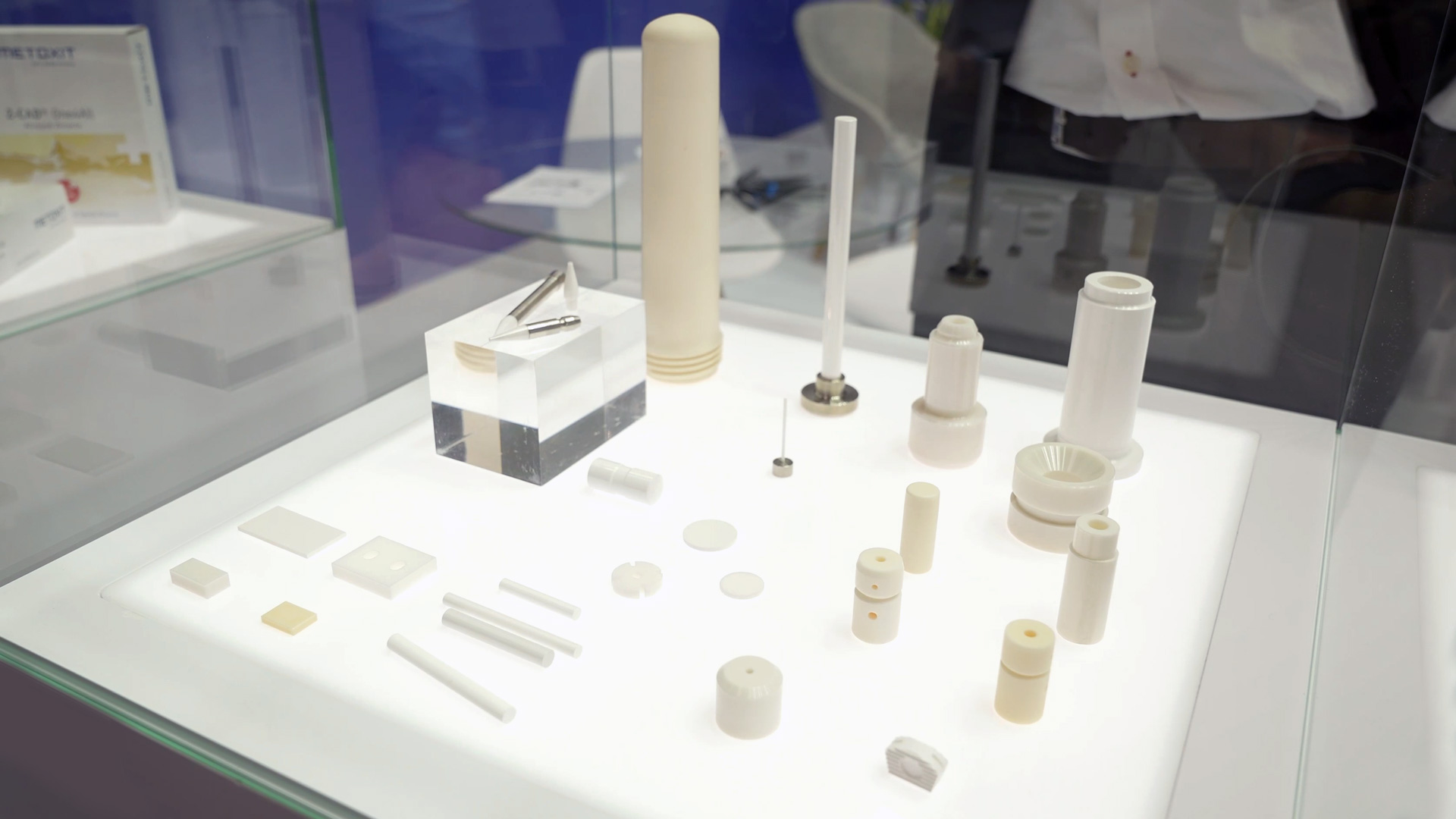
This is where the press technology presented here comes in: It moulds powder directly into a final shape before the next thermal step follows. This not only makes the manufacturing process more efficient, but also significantly increases reproducibility. The system shown is designed for an environment in which precision is not seen as an add-on, but as a basic requirement. Stable processes, clear operating logic and sufficient flexibility for different materials and geometries are required. This applies to large tool manufacturers as well as smaller specialists who produce technical parts in small or medium series.
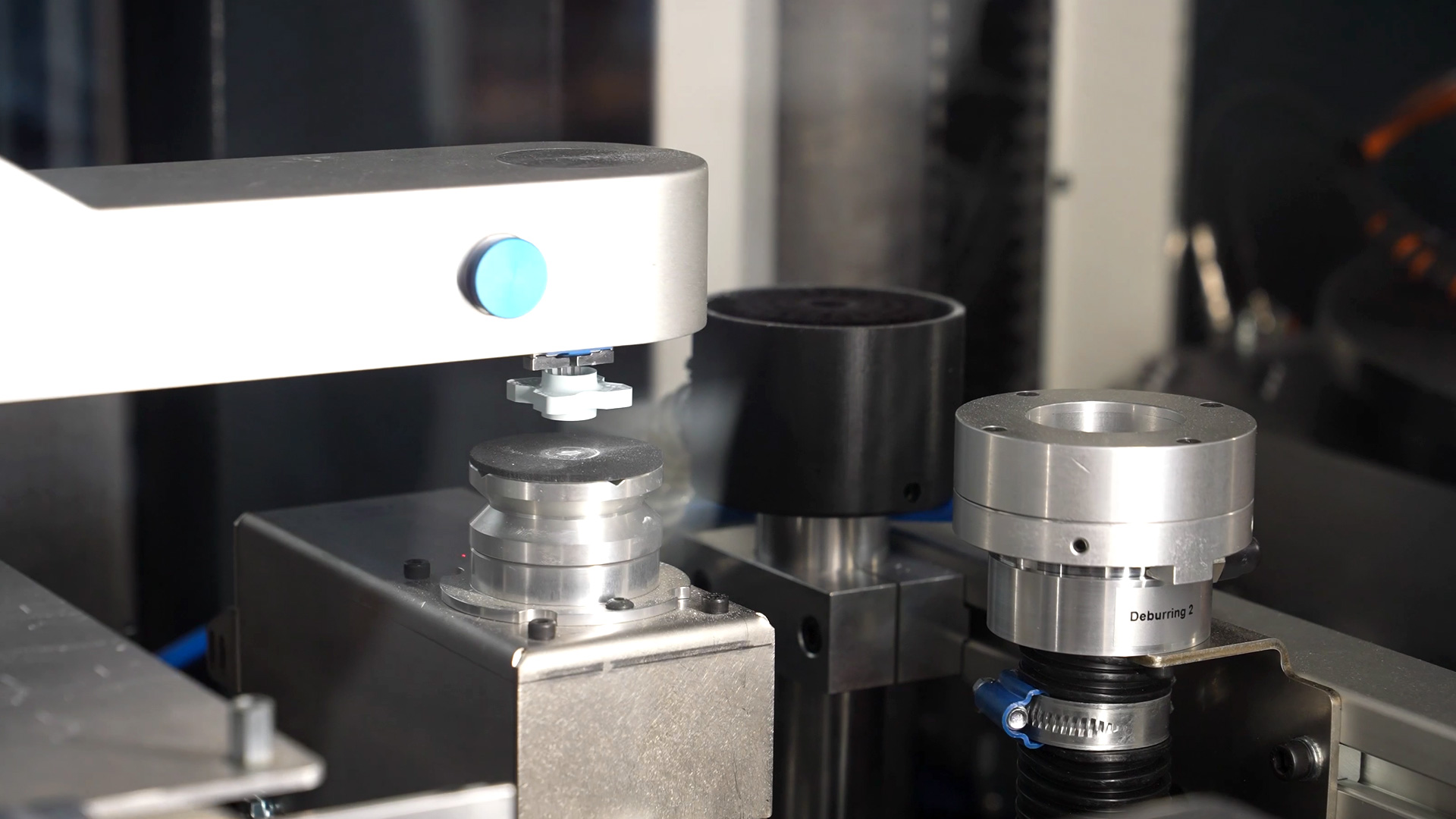

Osterwalder and the MP Neo as a modular powder press
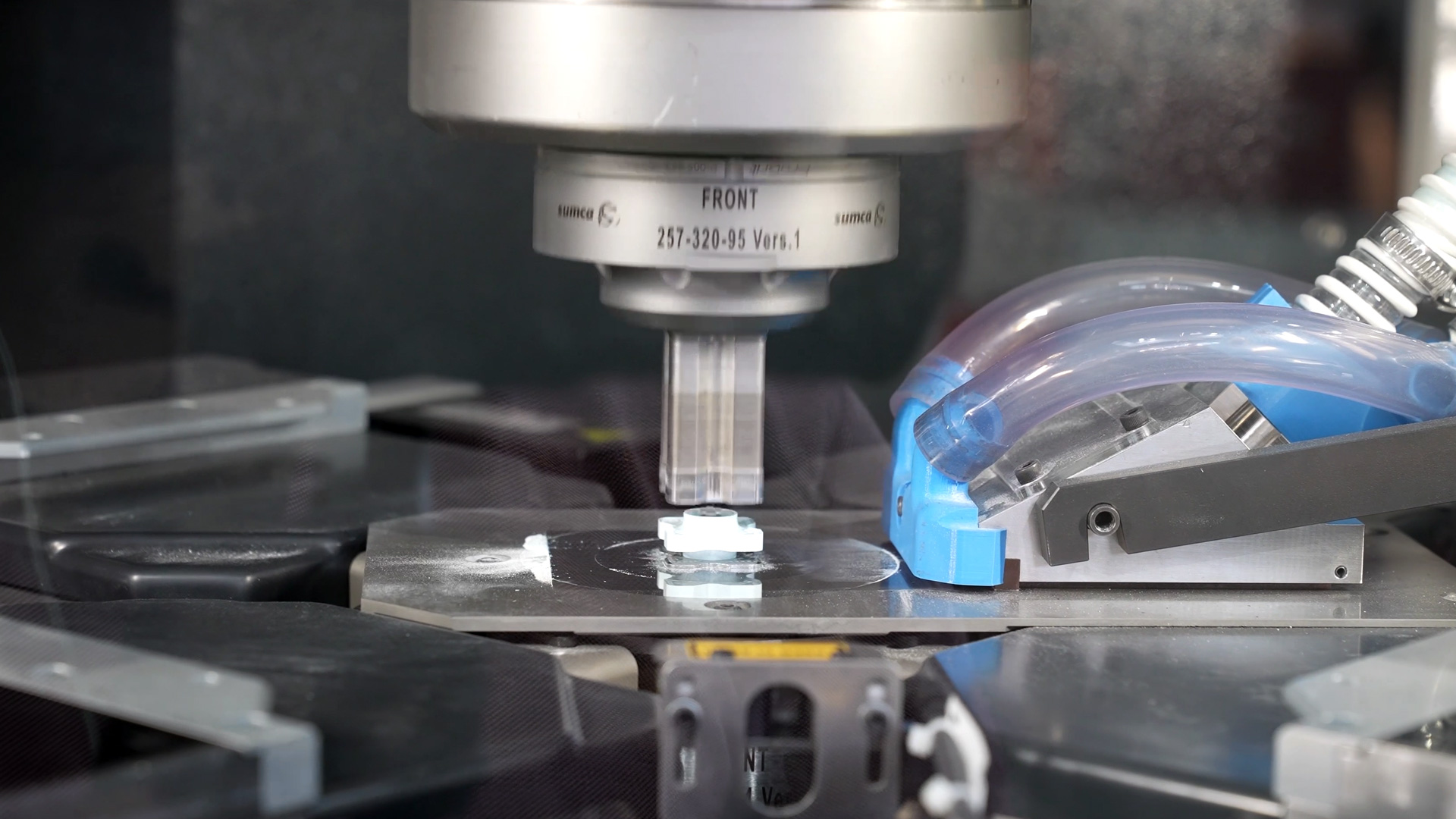
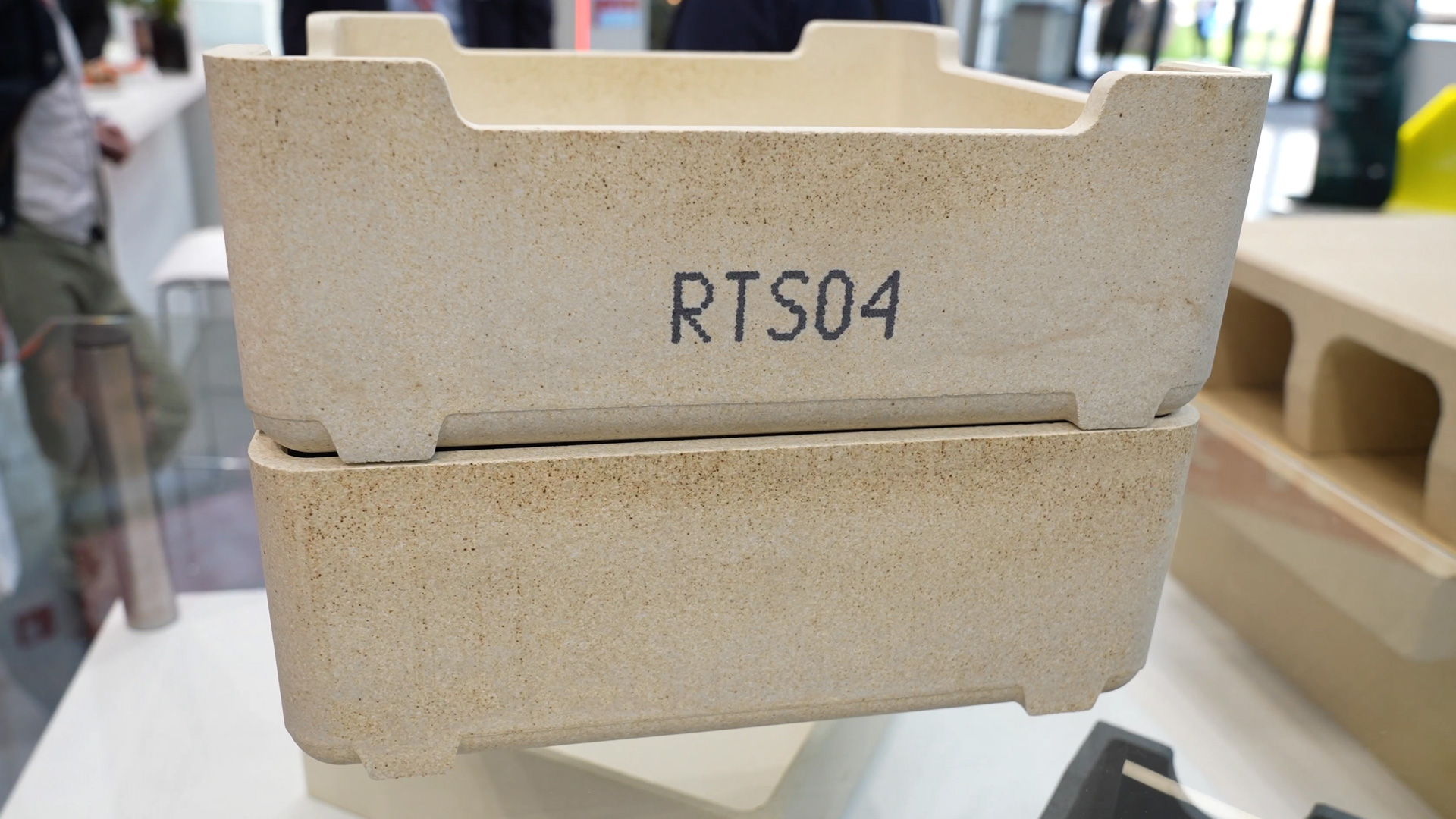
With the MP Neo, Osterwalder is presenting a press whose basic idea is already in the name: more plates, new generation. This refers to a structure with two upper and two lower moulds or plates. On this basis, ceramic powder is pressed directly into the final mould. After pressing, the part is removed, deposited and then sintered. This sintering is the thermal step in the oven in which the material solidifies at a high temperature. The design of the machine is striking. The installation space is large, the working environment is not cramped, and this is more than just a convenience feature in day-to-day production. Where tools are set up, changed or adjusted, space often plays a decisive role in accessibility, maintenance requirements and set-up times. The system also has a modular design. It can press from the side, as well as from above and below. This opens up different configurations for components that cannot be produced economically with a single standard process. This variability is particularly important in powder metallurgy and technical ceramics. This is because the requirements for moulding, density distribution and process stability vary considerably depending on the material and subsequent use. A press that is not restricted to a single process can therefore be integrated into very different production environments.
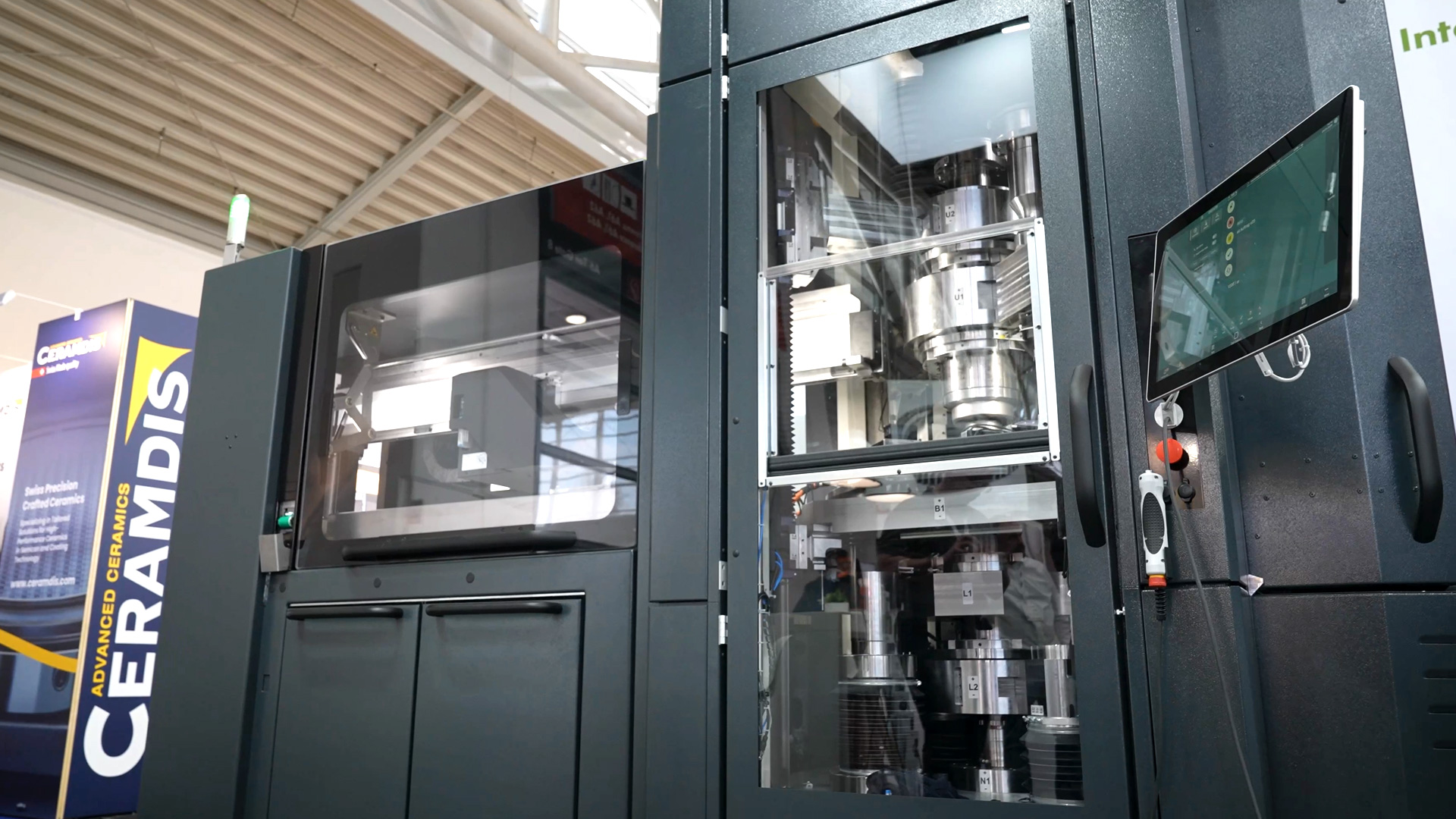
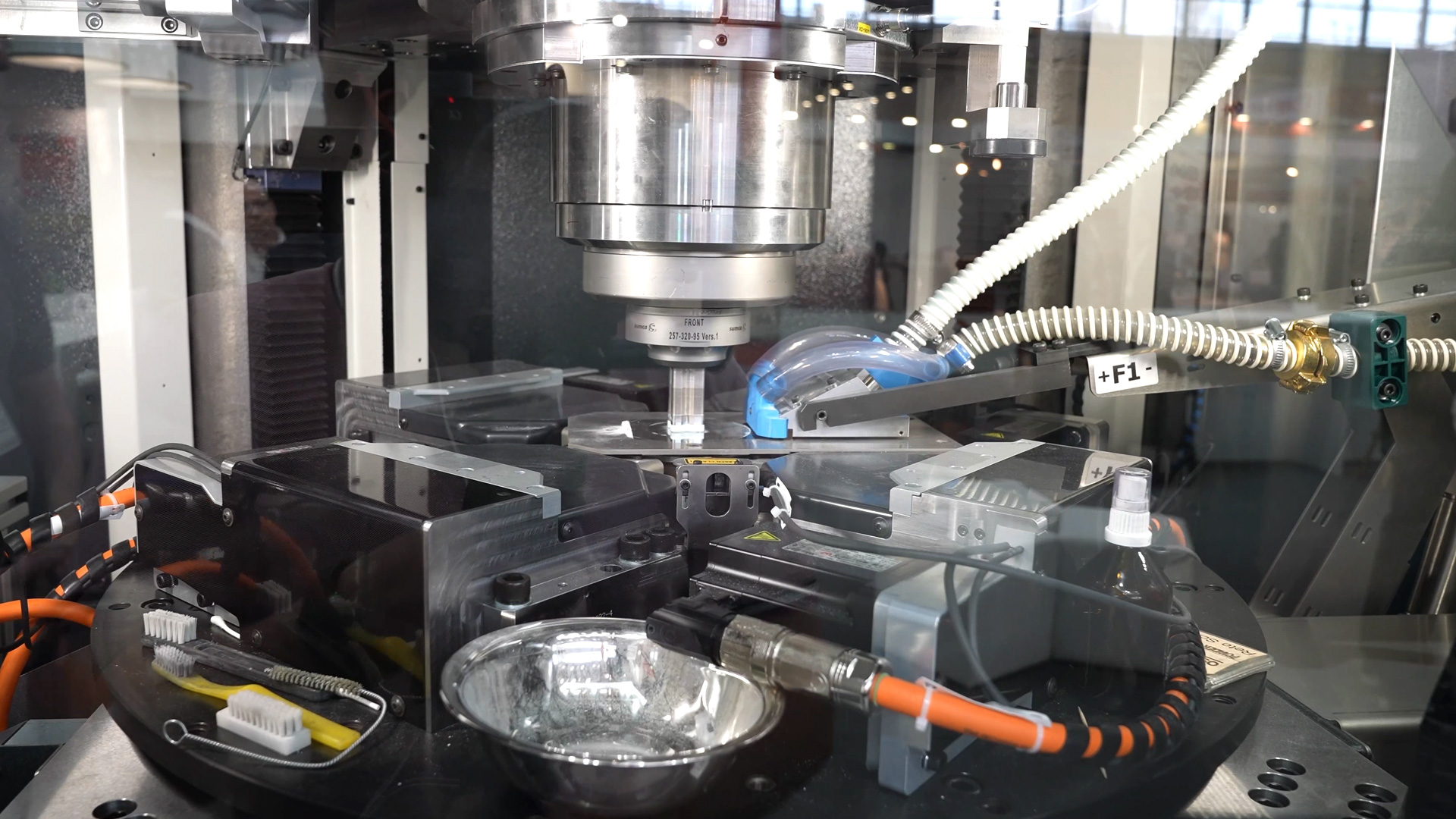
Typical applications from ceramics to iron powder
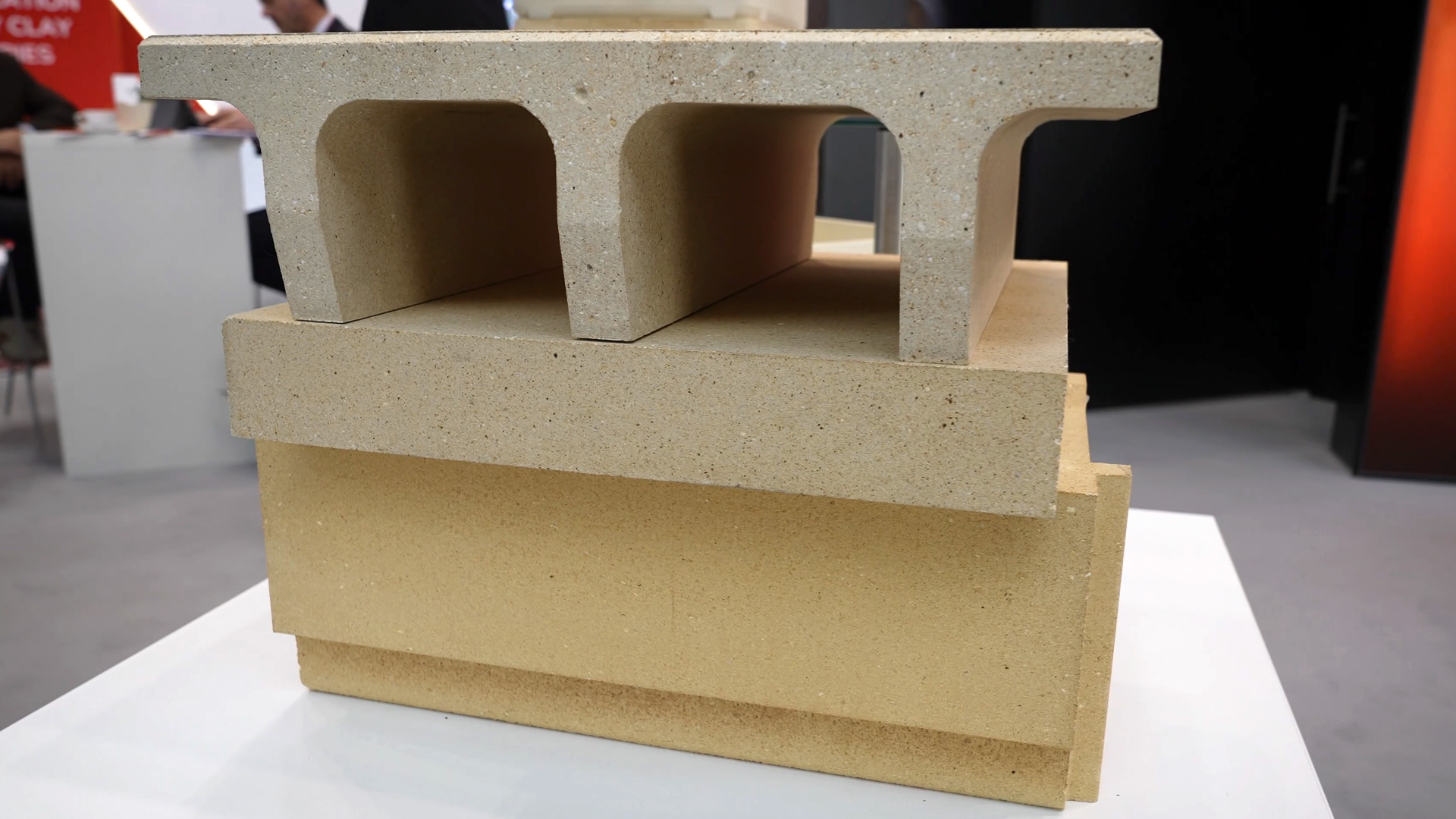
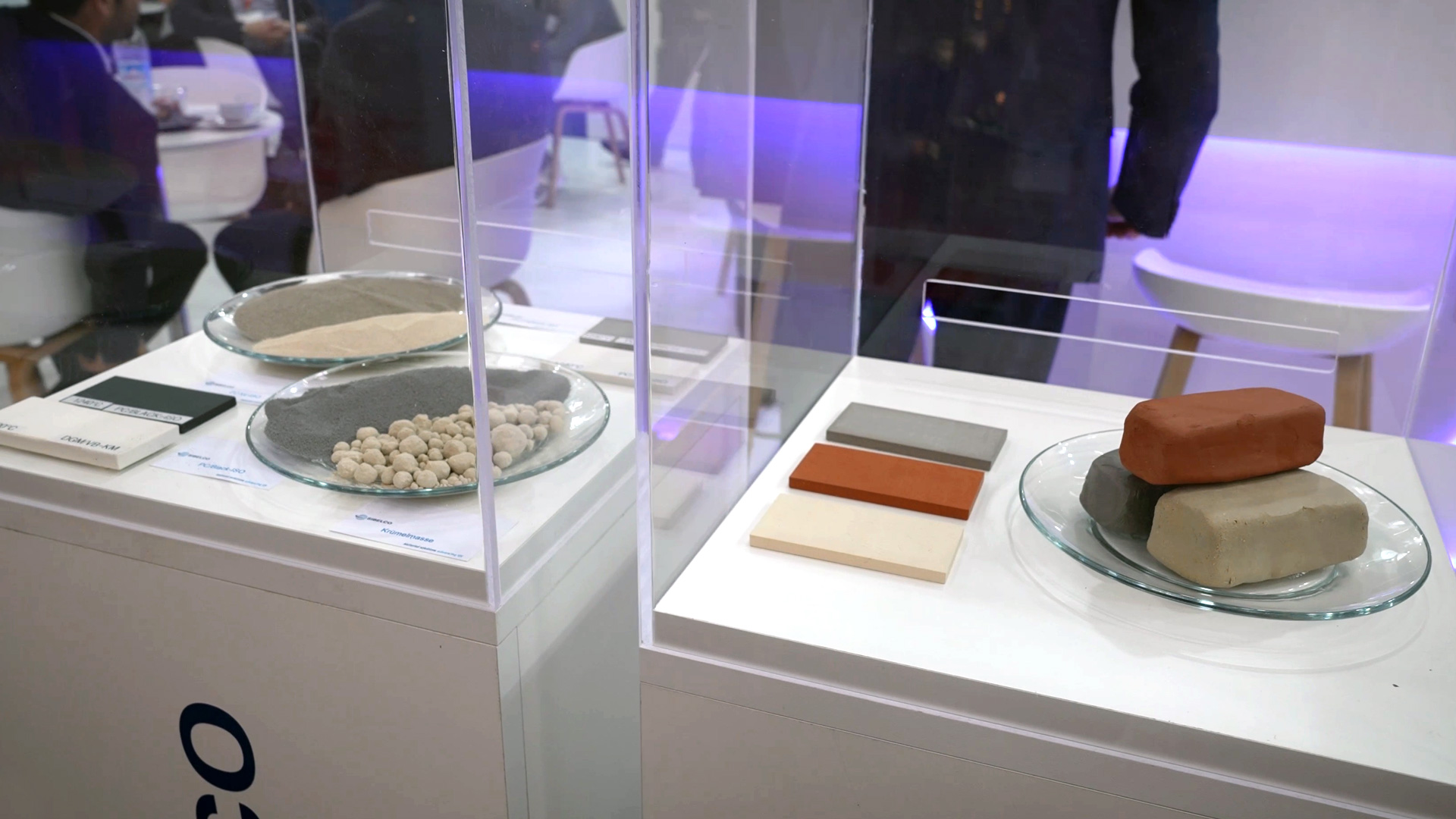
The customers mentioned show how broad the field of application is. They include tool manufacturers such as Sandweg, Seco, Kennametal and Ceratizit. In addition, there are smaller companies that manufacture special parts from ceramics, carbide or iron powder. Essentially, the system is aimed at all applications where the starting material is in powder form. This is technologically interesting because it does not result in a narrow niche profile, but rather an open range of applications. Powdered materials play a role in numerous industries - from cutting tools and wear-resistant components to technically sophisticated special parts. The decisive factor here is less the individual component and more the ability of the press to mould different materials in a controlled and repeatable manner. In addition, powder processing is increasingly associated with rising expectations of material diversity. The focus is not only on classic ceramics or familiar carbide mixtures. The perspective extends further: in the future, materials will also become relevant that are perhaps hardly considered in series production today. Openness to new powders is therefore not a secondary aspect, but part of the strategic orientation of such machines.
Operator guidance and dashboard against rejects
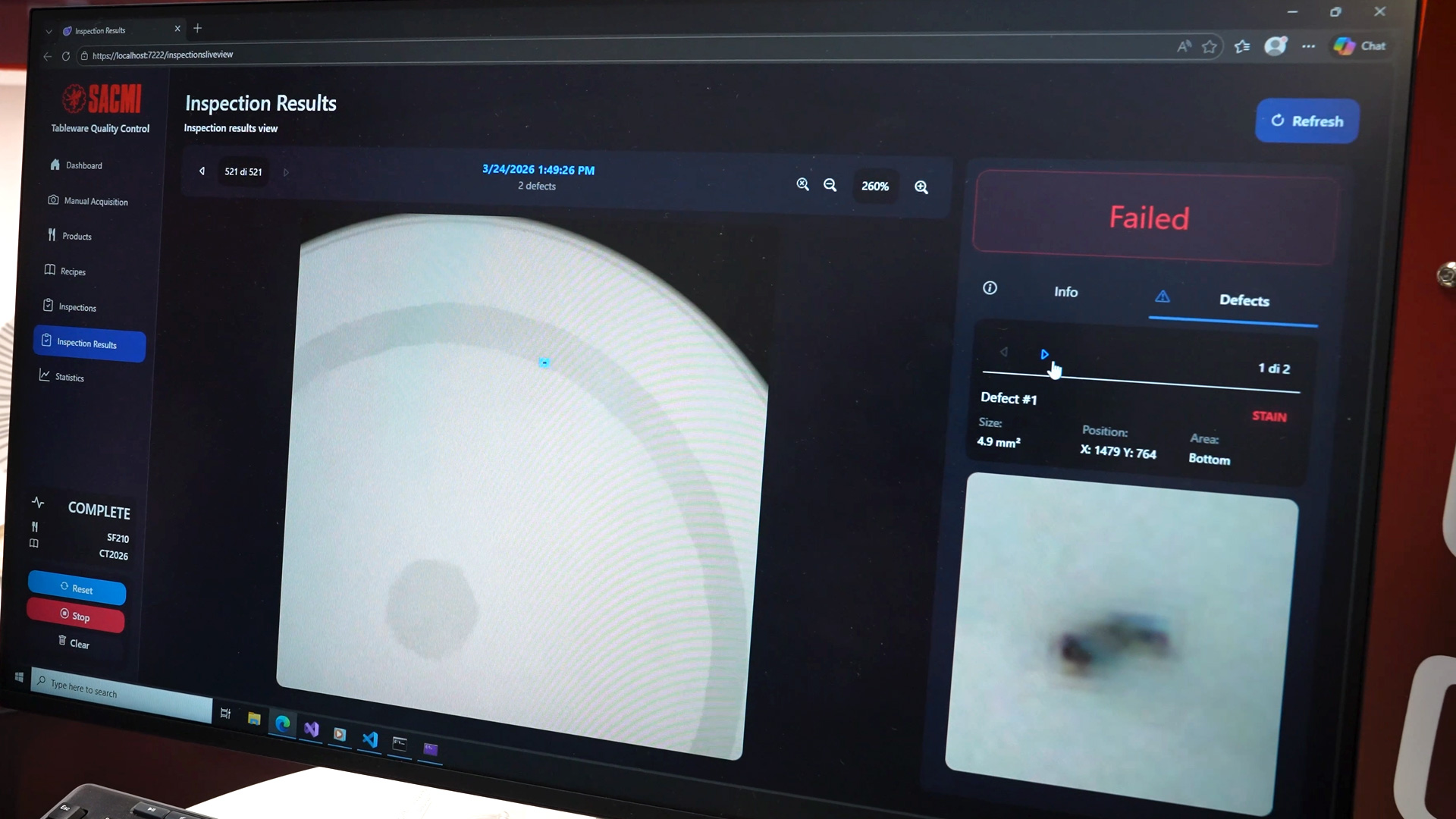
One remarkable aspect of the system is the operator support. The machine has an operator guidance system that guides the user step by step through the process. This may sound like an ergonomic improvement at first, but it has direct consequences for production. Where the machine clearly indicates which step is required next, the likelihood of operating errors is reduced. This applies not only to the press itself, but also to handling around the process. This is supplemented by a digital dashboard that visualises the status of the system. Such overviews are gaining in importance in industrial practice because they not only display data, but also speed up decision-making. If you can immediately recognise the status of the system, you can plan interventions better, assess downtimes more quickly and classify faults earlier. However, the actual benefit lies even deeper: better operability should simplify production and reduce rejects. This is precisely the development direction that is explicitly stated. In a production process in which tools, powder behaviour and positioning accuracy are closely linked, rejects are not just a quality problem. It costs material, time and capacity. A press that effectively supports the operator therefore not only improves handling, but also economic efficiency.
Increasing precision as the benchmark for the next generation
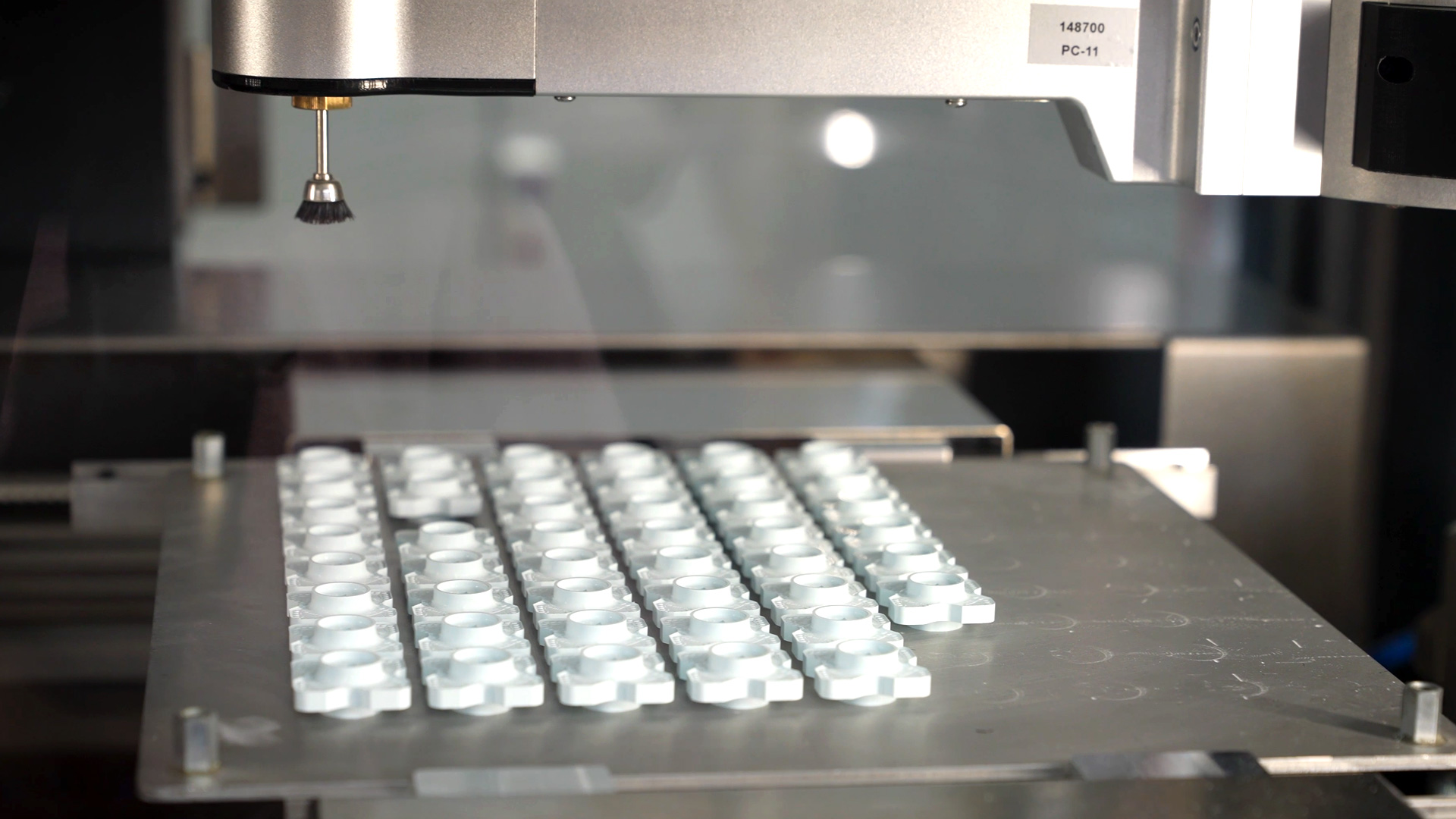
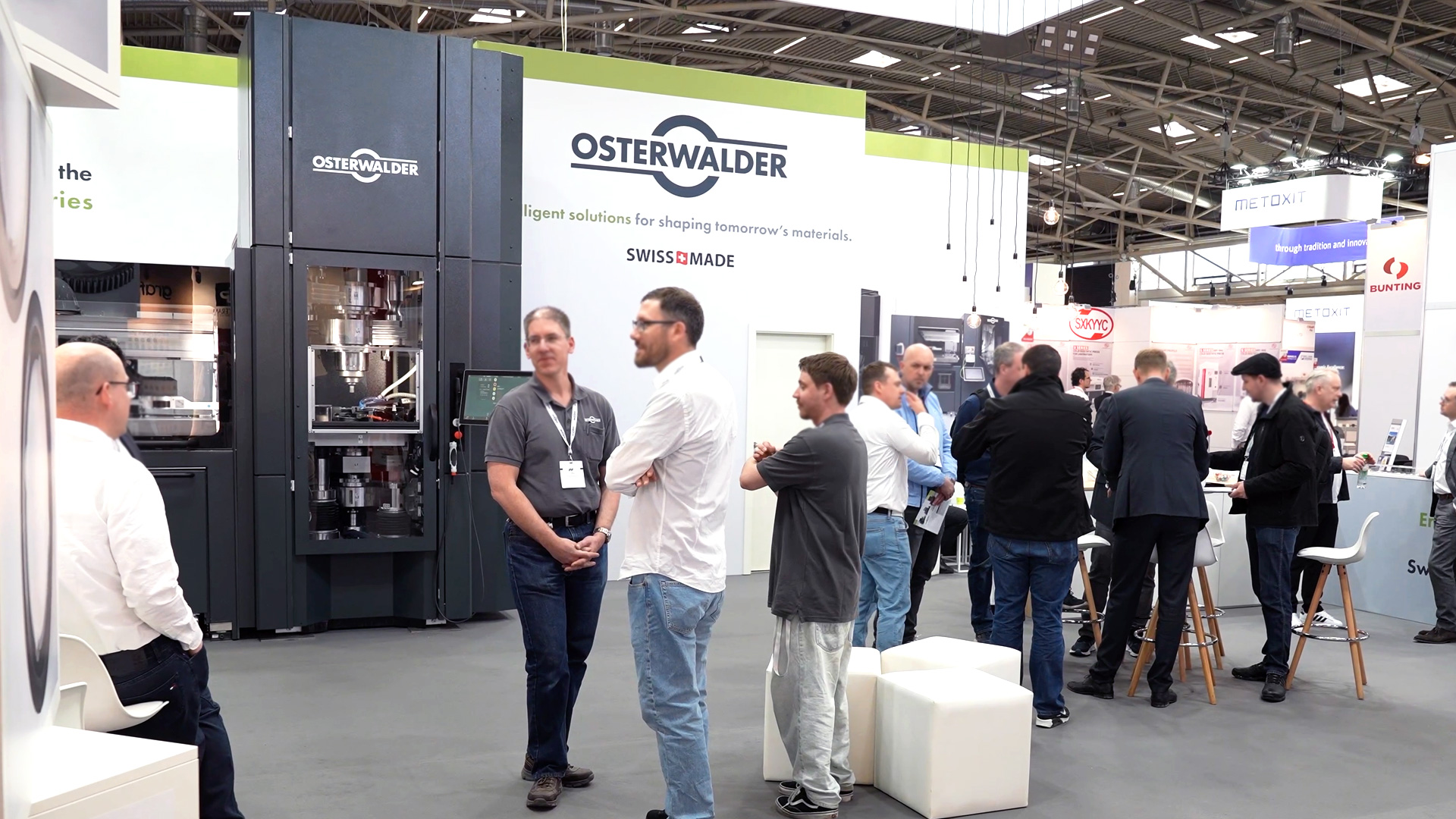
The technical requirements continue to increase. Today, machining is already in the micrometre range, i.e. thousandths of a millimetre. This shows how tight the tolerances have become. At the same time, the forces are increasing - depending on which parts are being produced and how precisely they need to be pressed into position. Precision is therefore not an isolated value here, but the result of mechanics, control, tool design and process control. This also determines the direction of further development. Future machines must be even easier to operate, but at the same time be able to process more materials. The industry therefore demands both: more openness in the use of materials and greater precision in the process. This combination is challenging because new powders often have new properties - in terms of flow behaviour, compaction or subsequent behaviour in the oven. Osterwalder is thus positioning its technology in a field that is not dependent on spectacular individual features, but on robust industrial arguments. Modularity, space in the installation area, support for the operator, digital overview and high precision all come together here. The MP Neo thus epitomises a development that can be observed in many areas of production: machines are not only becoming more powerful, but above all more adaptable and safer in daily use. This is precisely what will determine how well they can take the next step in powder processing.
Trade fair reporting Germany - Trade fair knowledge, dates & events


