Kiln furniture plates made of SiC reduce energy and emissions
by J. Groh - 2026-03-25In industrial firing processes, it is not only the product that determines efficiency and quality, but also the environment in which it is manufactured. Kiln furniture - i.e. support structures, plates and superstructures in the kiln - play a central role here.
This is precisely where Saint-Gobain comes in with new kiln furniture plates made of silicon carbide. The aim is to direct energy into the product in a more targeted manner and minimise losses in the process. At the centre of this is a simple but important consideration: Energy should not be lost in the auxiliary material, but should arrive as completely as possible in the actual workpiece. This results in new requirements for materials, construction and design.
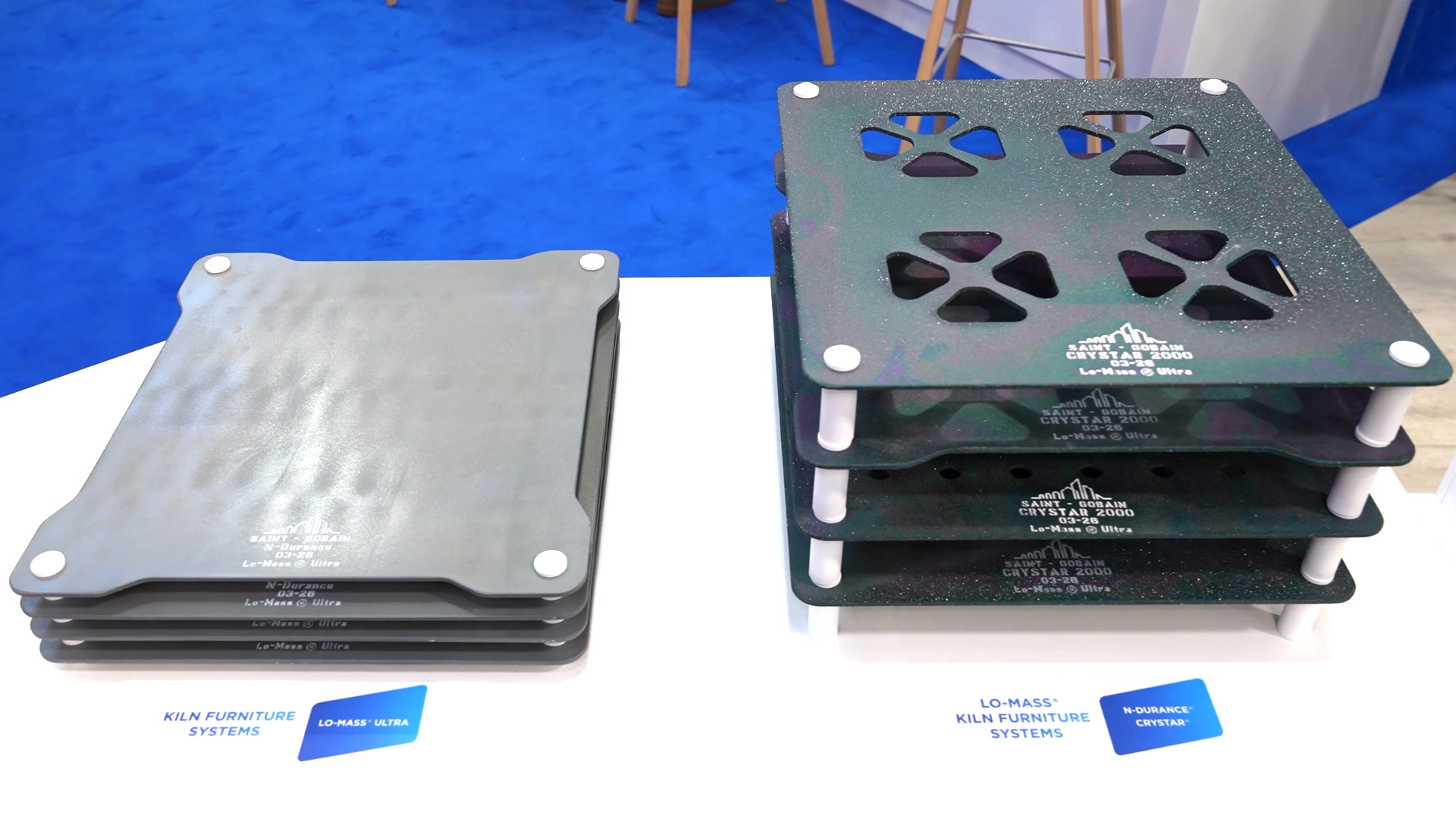

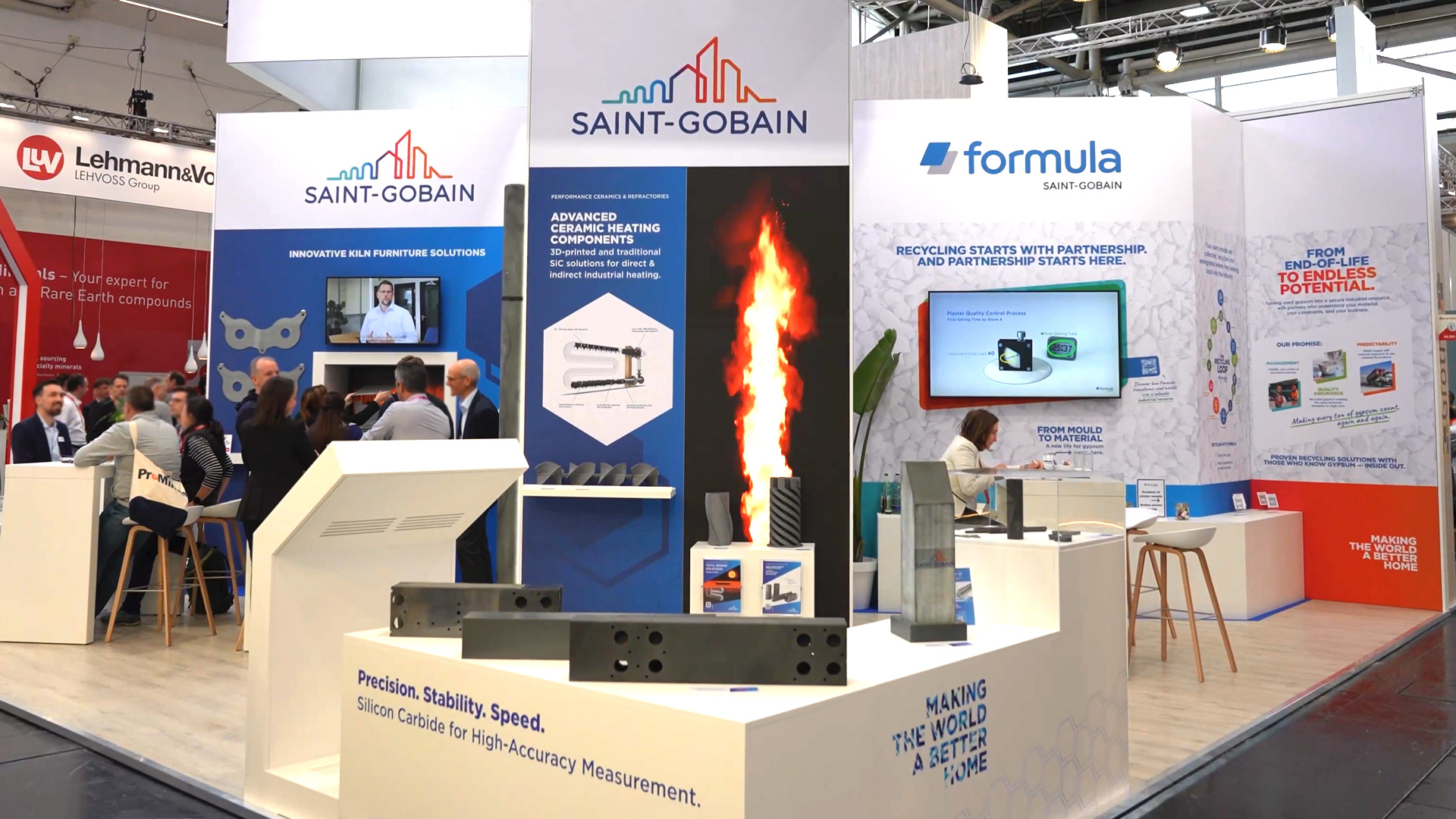
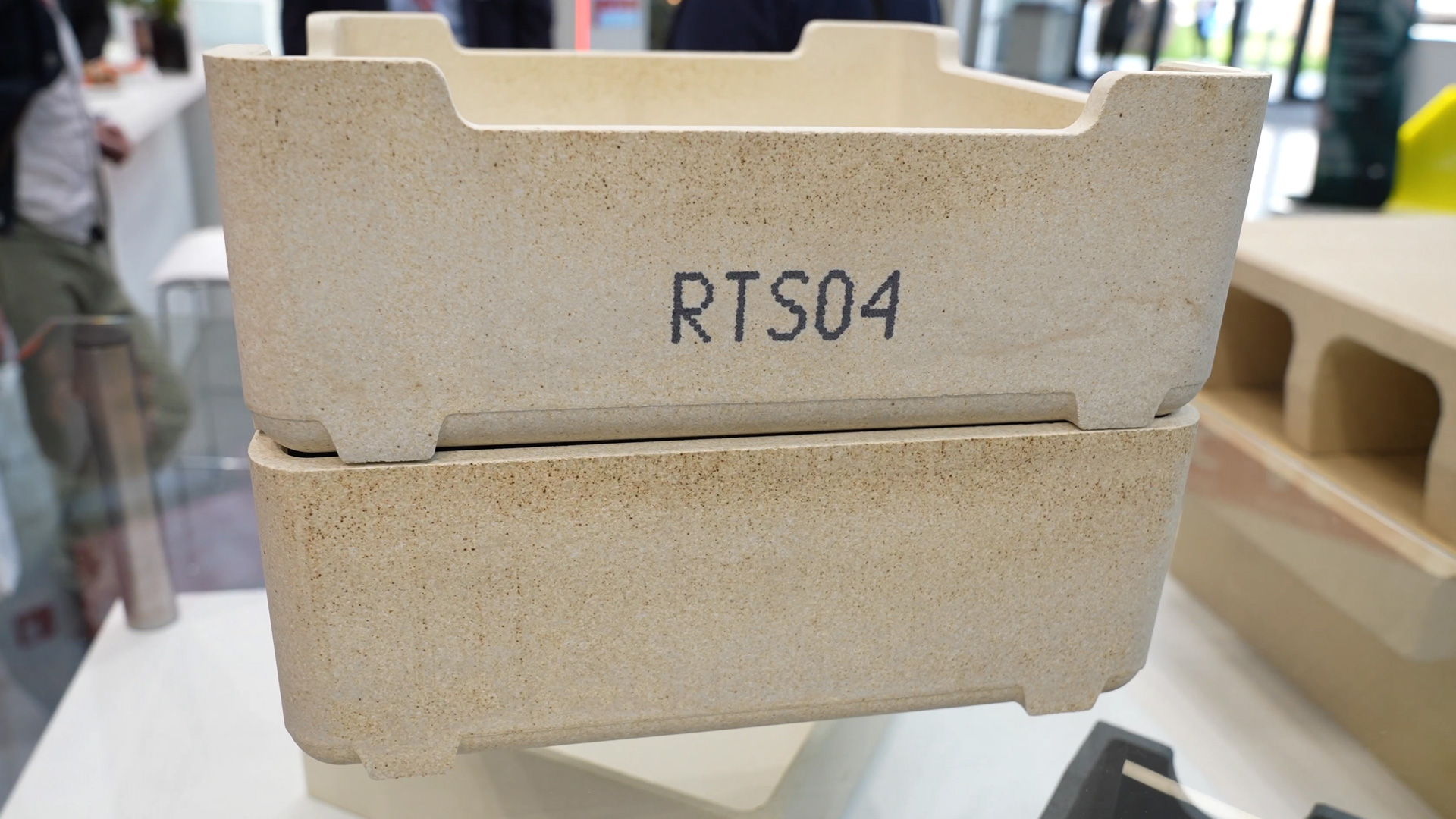
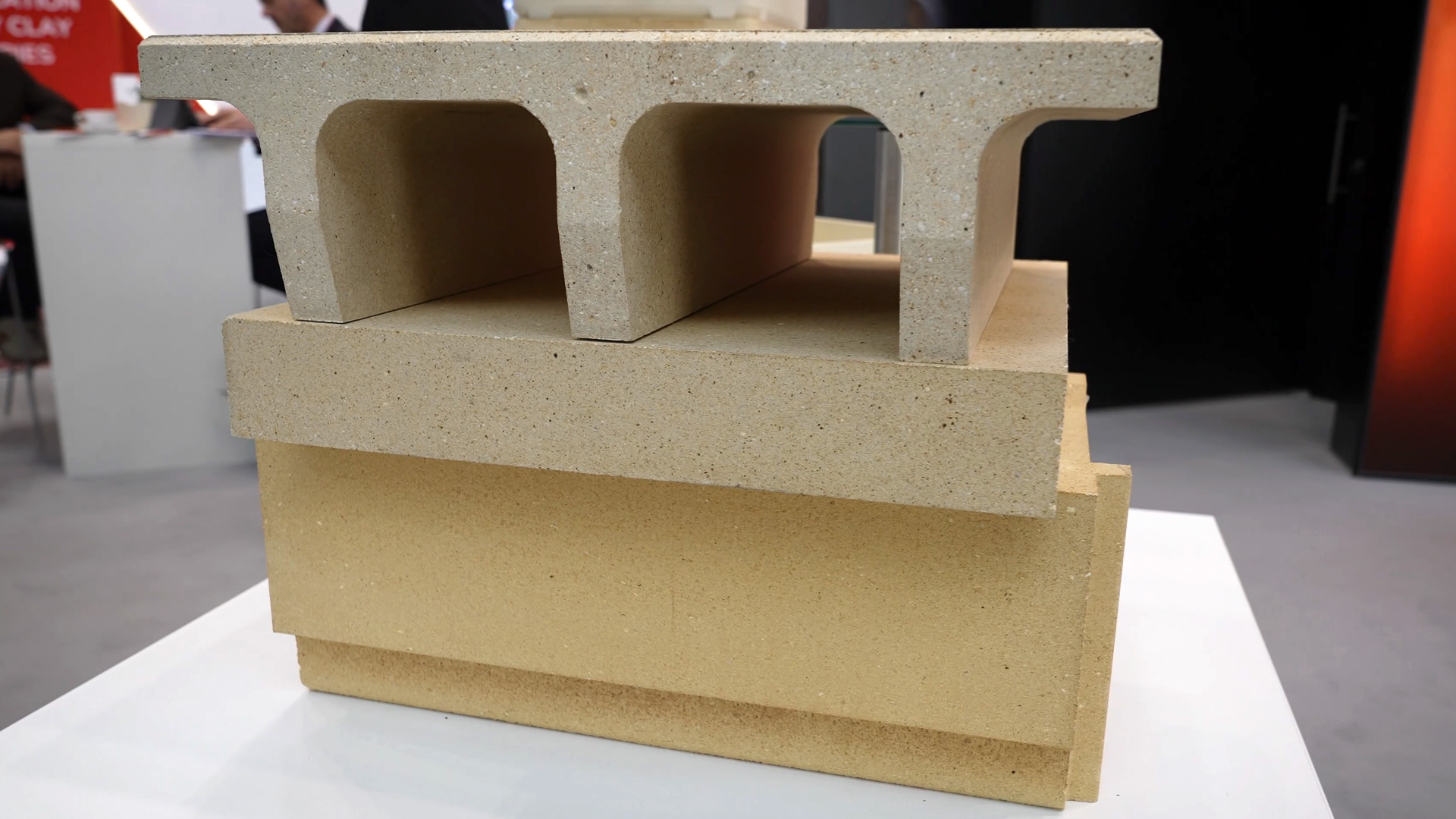
Saint-Gobain kiln furniture plates made of silicon carbide in use
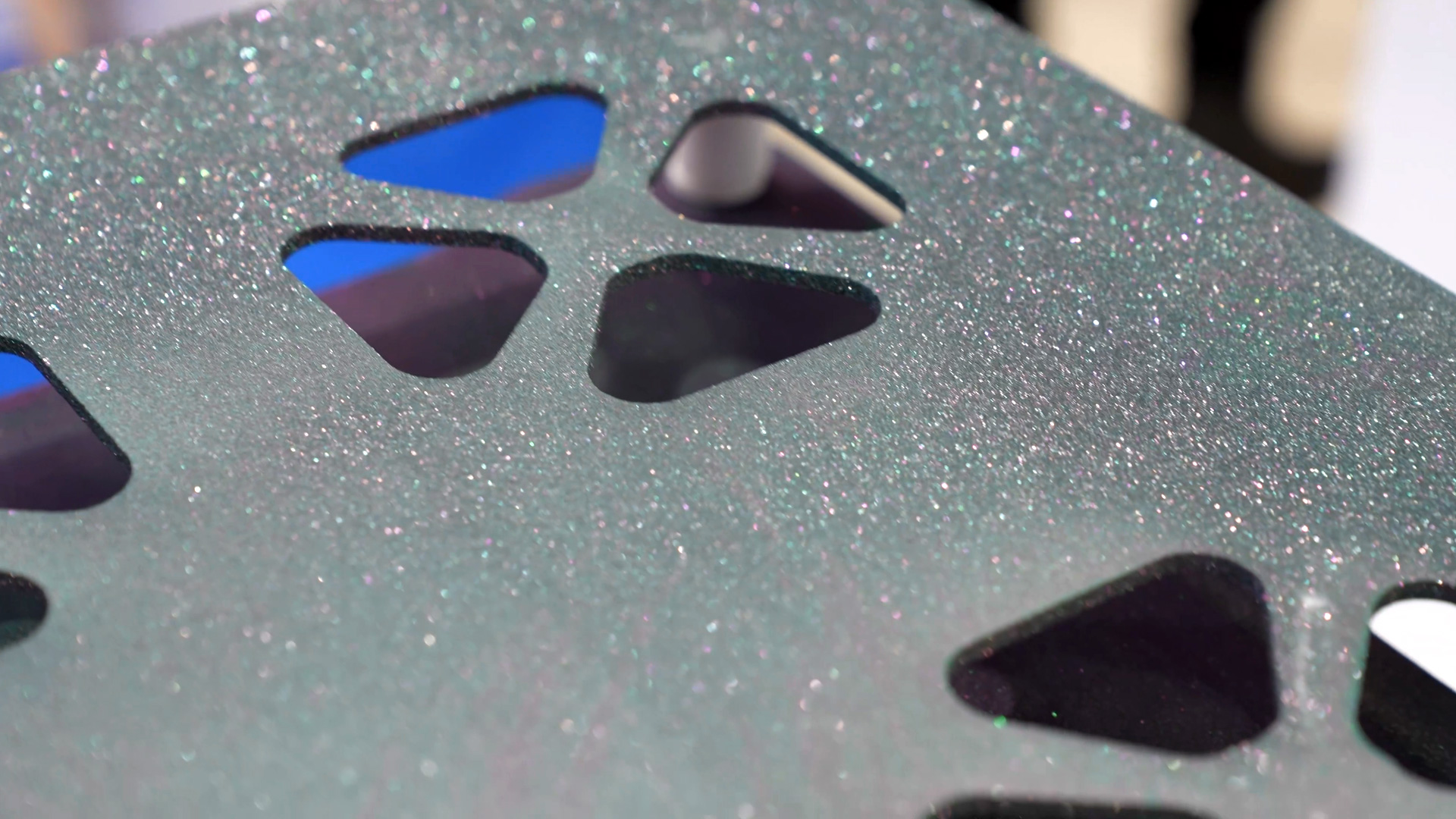
Saint-Gobain develops kiln furniture plates based on SiC - silicon carbide - a material known for its high temperature resistance and mechanical stability. These properties are crucial when components are exposed to extreme conditions in the kiln process. However, the approach goes beyond the material. The decisive factor is the combination of material properties and structural design. Instead of massive standard solutions, the company favours thinner structures that still retain the necessary strength. The idea behind this is clear: the less mass there is in the kiln furniture, the less energy is required to heat this material. At the same time, stability is maintained so that the actual products can be fired safely.
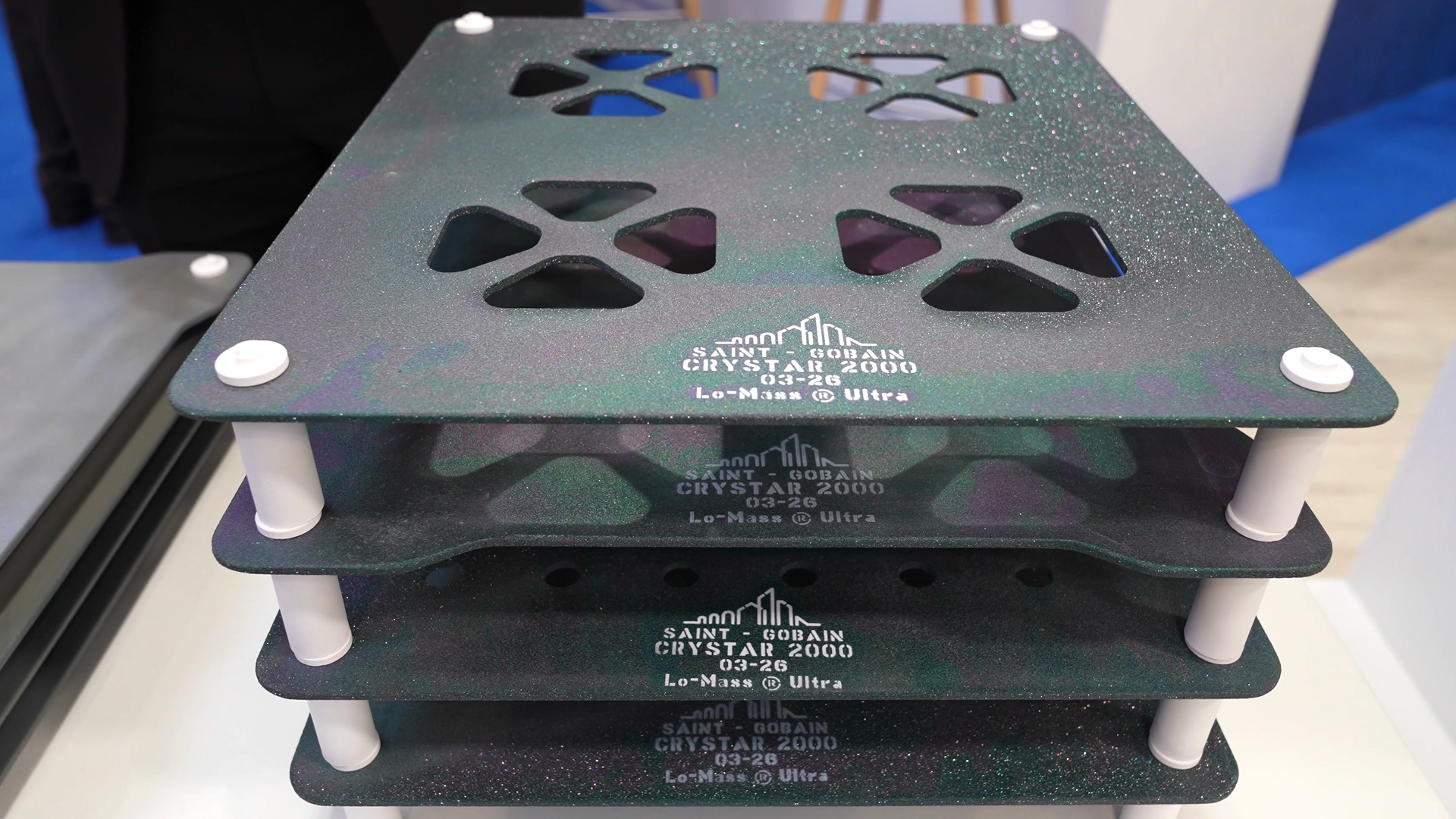
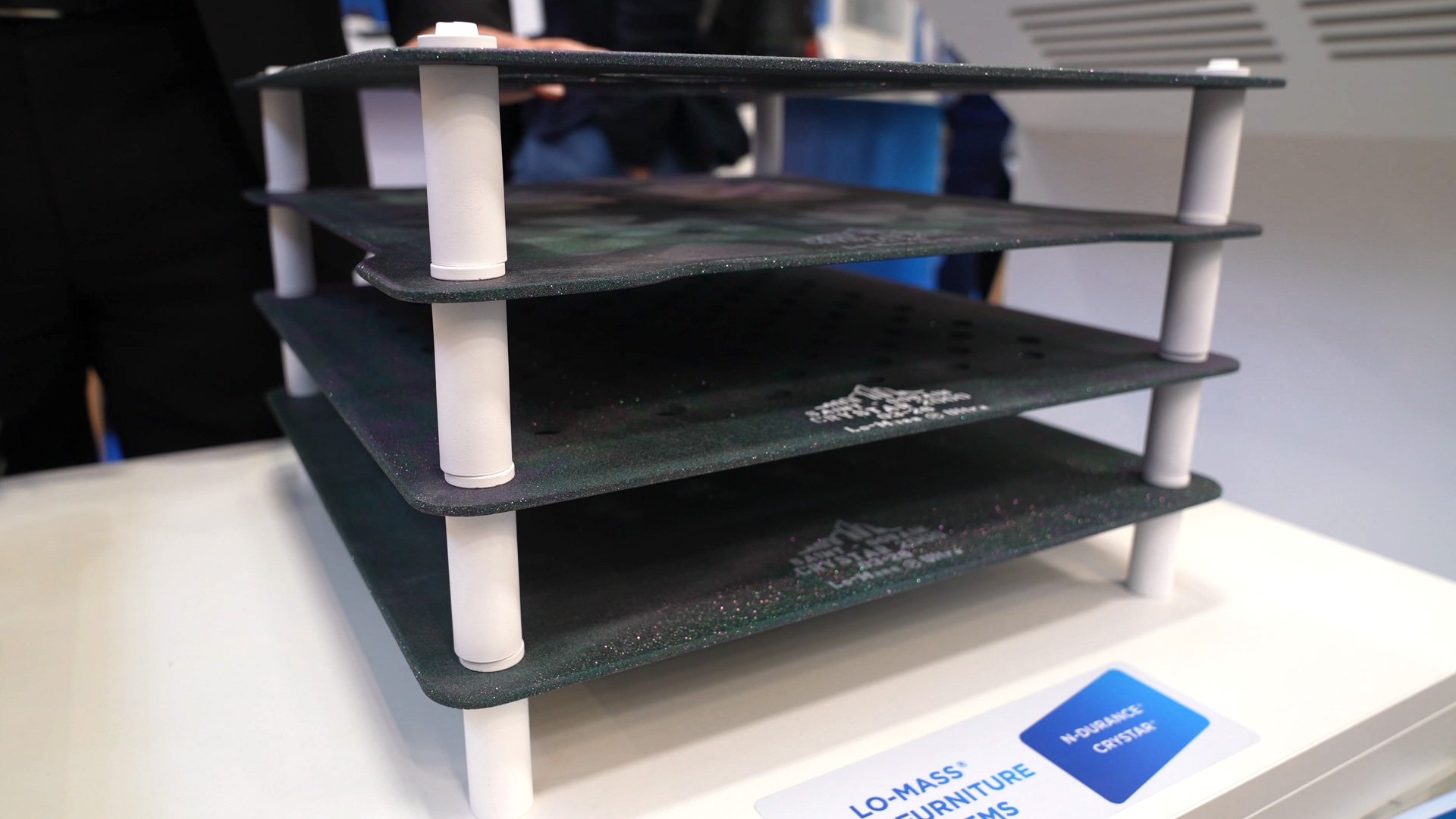
Thin kiln furniture improves energy distribution in the kiln
Reducing the material thickness is not a purely geometric step, but influences the entire process. Thinner kiln furniture plates mean that heat is introduced into the product faster and in a more targeted manner. This is not just a matter of reducing the thickness from eight to three millimetres, for example. Such changes also have an effect on the thermal behaviour, the mechanical load-bearing capacity and the manufacturing processes. The advantages are particularly evident during operation:
- lower energy requirement for heating up the aids
- better heat transfer to the product
- reduced thermal inertia in the oven process Higher efficiency with consistent stability
Fuel cell production requires precise kiln furniture
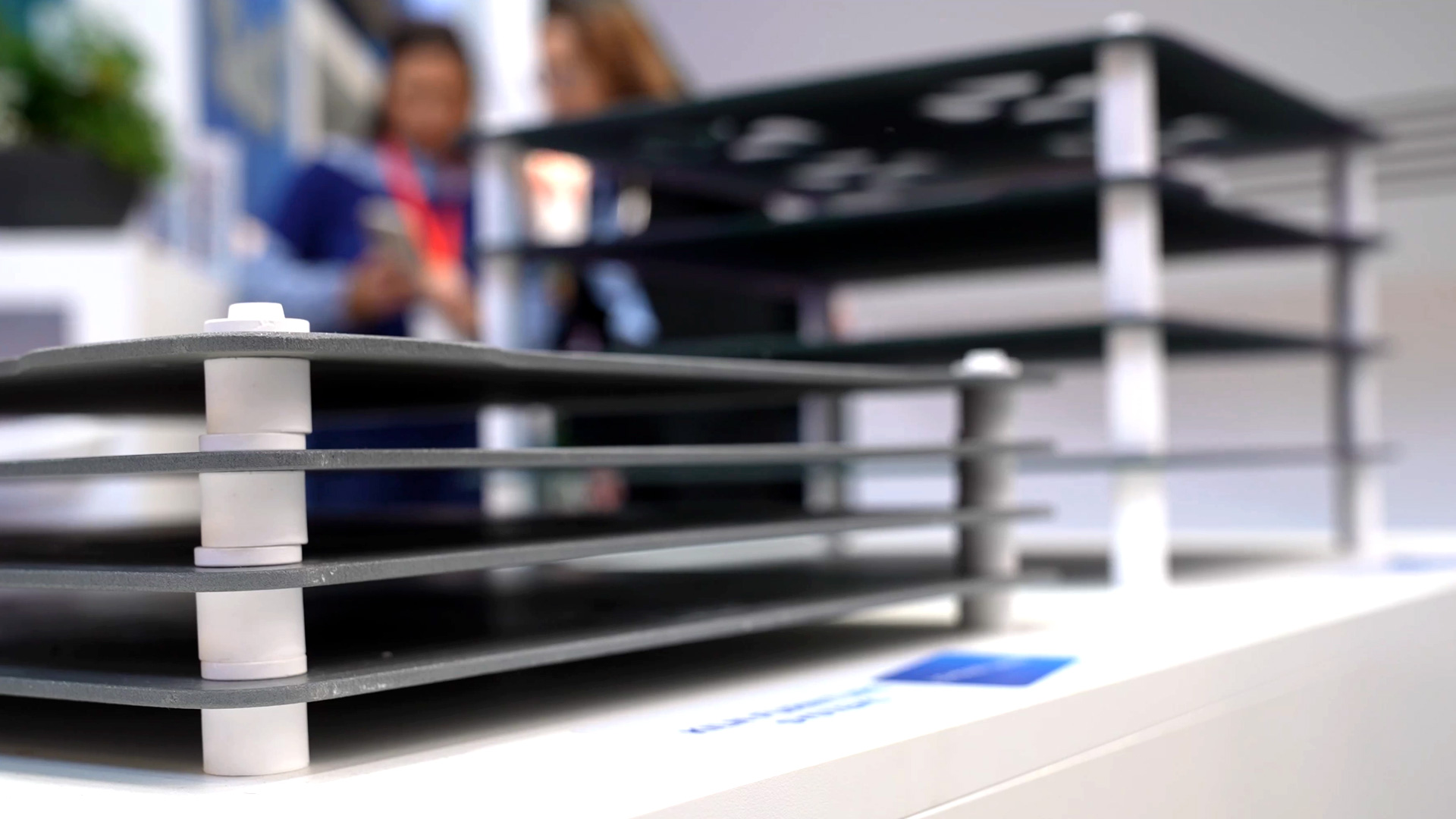
The production of fuel cells is a particularly demanding field of application. Very thin and flat components are fired here, which must be manufactured sensitively and precisely at the same time. Saint-Gobain has developed special superstructures for this, consisting of kiln furniture plates and suitable support structures. These make it possible to position components in the kiln in a space-saving and stable manner. A decisive advantage lies in the possibility of better utilisation of the kiln capacity. Optimised stacking structures allow more material to be processed in the same firing chamber without compromising quality. This leads to two key effects:
- higher productivity through better space utilisation
- more uniform process conditions for sensitive components
Customised kiln furniture instead of standard products
A key difference to conventional solutions lies in the development approach. Saint-Gobain does not pursue standardised products, but develops kiln furniture specifically for the respective application. This means that the material, geometry and manufacturing process are customised to the customer's requirements. Factors such as temperature profile, component geometry and production quantity are directly incorporated into the design. This approach leads to customised solutions that are not limited to a single area of application. The range of applications extends from high-tech sectors to traditional industries. Typical areas of application are
- Automotive industry
- Semiconductor technology
- Ceramic and porcelain production
- Petrochemicals
- Iron and steel industry
Energy consumption and emissions as key drivers
The development of new kiln furniture is closely linked to economic and regulatory requirements. Energy prices, CO2 costs and political framework conditions are increasing the pressure on industrial processes. Companies not only have to work more efficiently, but also reduce emissions. Kiln furniture is therefore becoming a lever for achieving these goals. Lower energy consumption leads directly to lower emissions. At the same time, optimised processes enable better utilisation of existing systems, which reduces additional investments. The electrification of processes also plays a role in this context. New furnace concepts that rely more heavily on electrical energy require customised materials and designs. Ceramics offer new possibilities here due to their properties.
Ceramics as a key technology for industrial processes
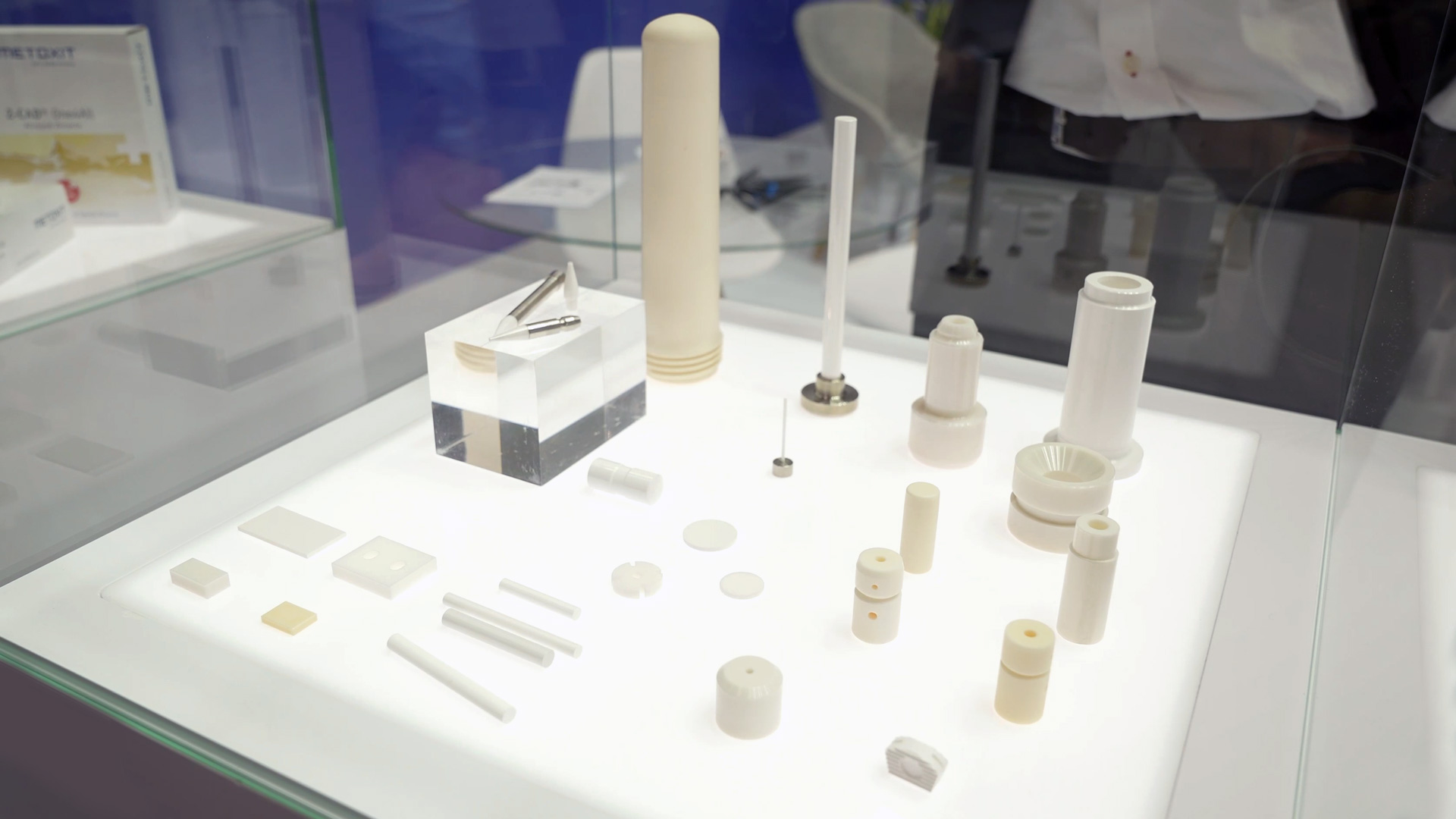
The importance of ceramic materials is growing in line with the requirements for efficiency and sustainability. Silicon carbide is just one example of materials that can cope with high temperatures, mechanical stress and chemical influences at the same time. Saint-Gobain is positioning itself in this environment as a development partner that combines material expertise with application-specific design. The focus is less on individual products and more on integration into the entire process. The further development of kiln furniture shows how supposedly inconspicuous components can become decisive factors. Reducing the amount of energy used in the kiln process not only improves economic efficiency, but also the ecological balance. As a result, kiln furniture is moving more into the focus of industrial innovation - not as a by-product, but as an integral part of modern production.
Trade fair reporting Germany - Trade fair knowledge, dates & events


