Clays from the Westerwald for ceramics and industry
by B. Velonavy - 2026-03-30Clay is one of those raw materials that is hardly noticeable in everyday life and yet is present almost everywhere. What at first glance sounds like a traditional material is now used in everything from pottery, tiles and porcelain to industrial high-temperature processes.
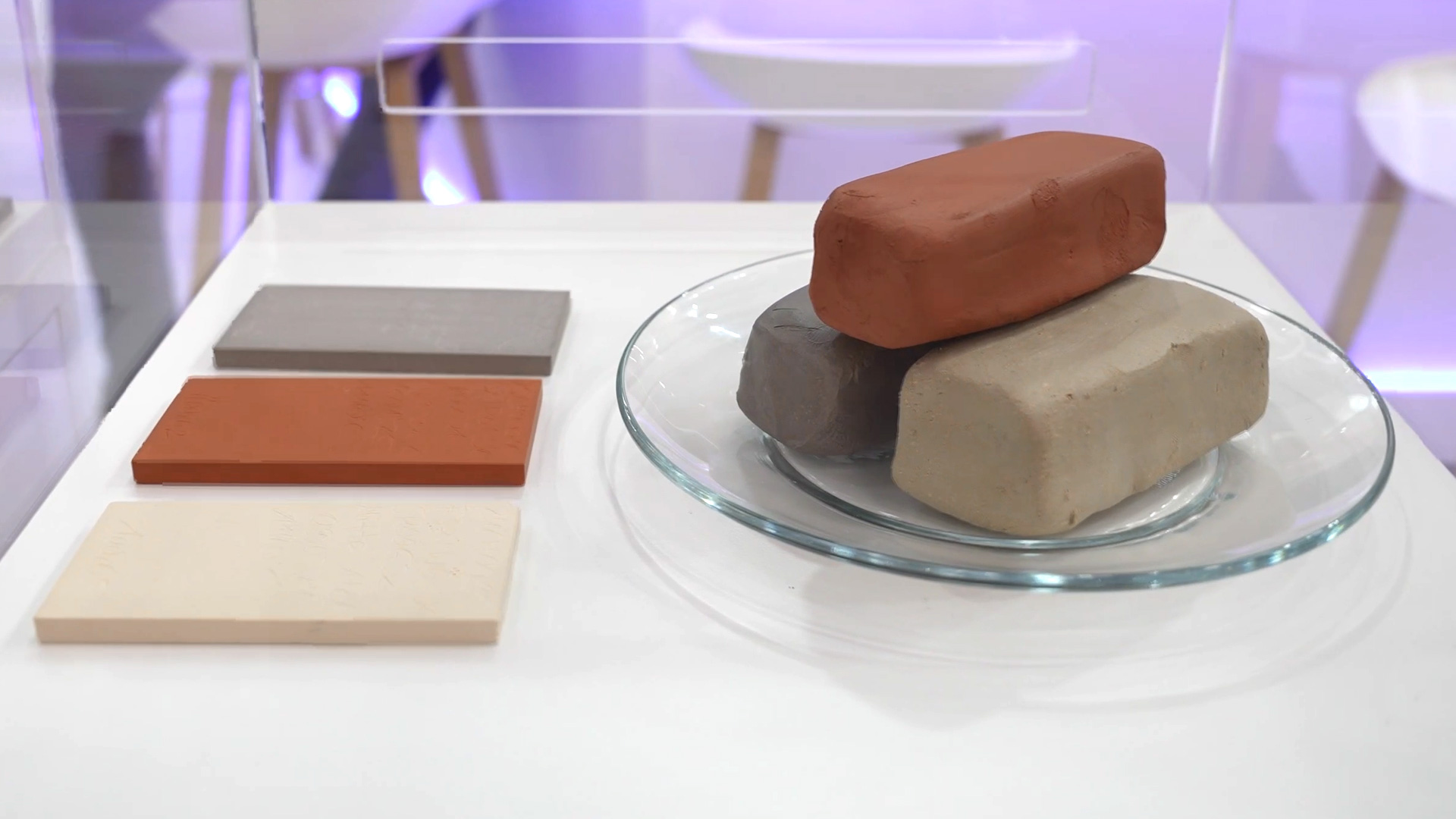
Sibelco demonstrates precisely this range with its raw materials from the Westerwald. Clays are mined in the company's own pits, processed and supplied in various forms to the ceramics industry and other sectors. The range is particularly striking. This is not just a basic material from the earth, but a raw material that is processed in completely different ways depending on the application. Sometimes we are talking about classic red clays, sometimes highly processed bodies, sometimes pressable spray granulates or plastic bodies that can be processed directly on the potter's wheel. Clay does not appear here as a nostalgic material, but as a precisely coordinated industrial material.
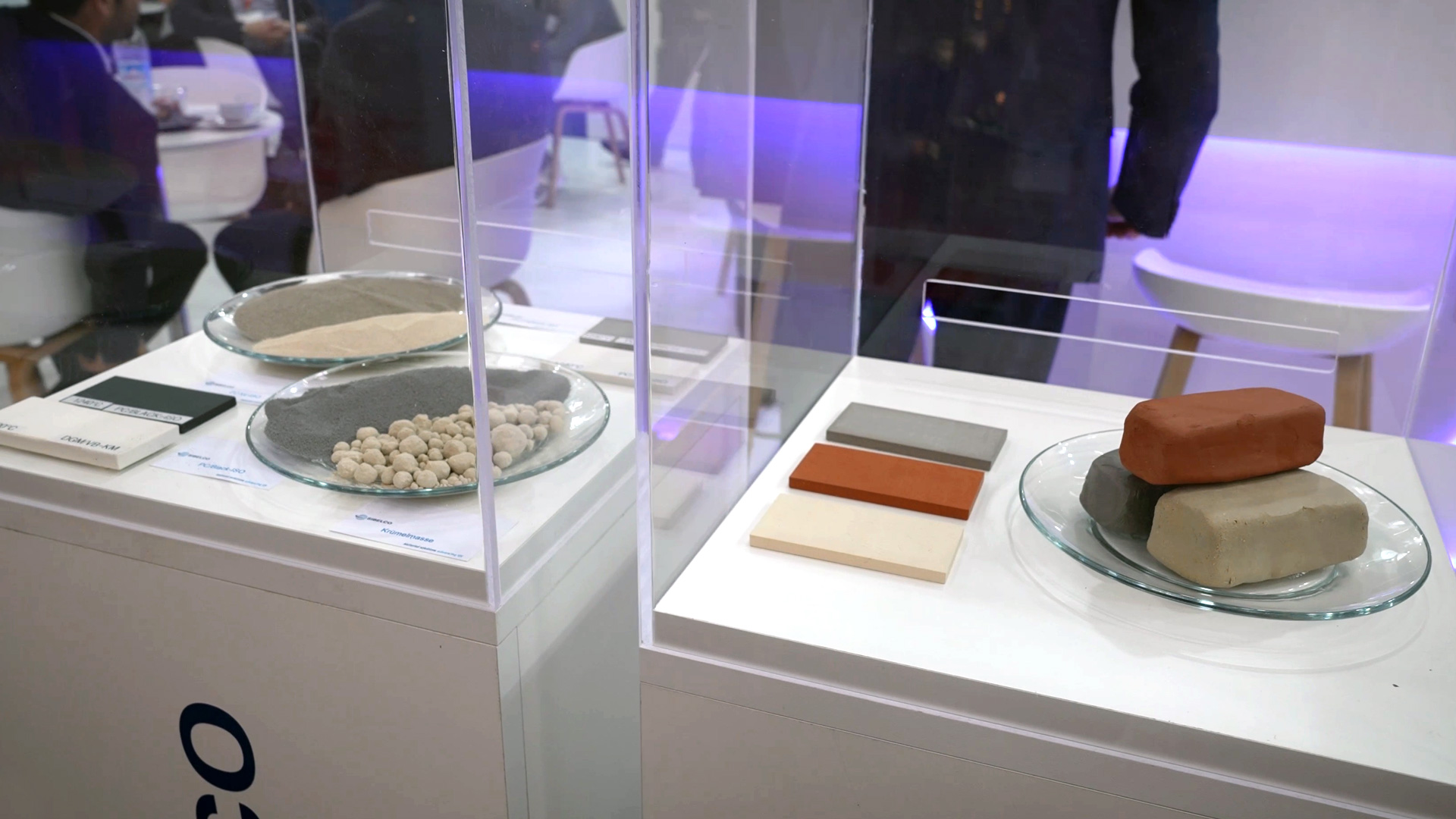

Sibelco prepares clays from the Westerwald for many applications
The Westerwald has long been regarded as one of the most important clay regions in Europe. Although Germany as a whole is not considered a country rich in raw materials, these deposits are an exception. This is precisely where their importance lies. The qualities that are available there are indispensable for numerous ceramic applications. Sibelco extracts the clays in its own pits and then processes them in several stages. The result is not only classic raw materials, but also application-related products in very different states. These include, among others:
- Rottone for classic ceramic processes
- highly processed and ground bodies with additives
- Crumb compounds for specific processing forms
- Spray granules for pressable applications
- plastic bodies for pottery and ceramic design
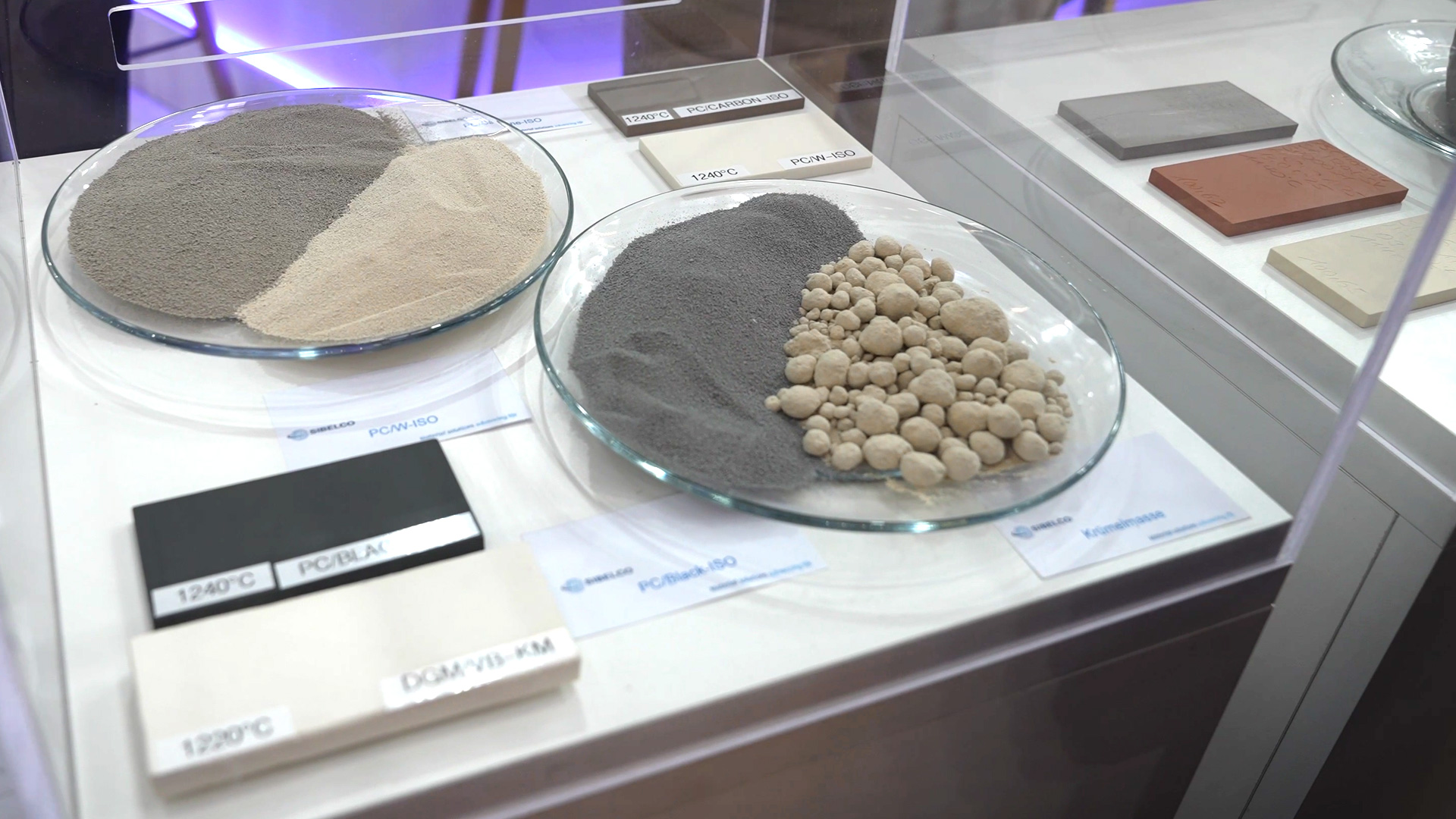
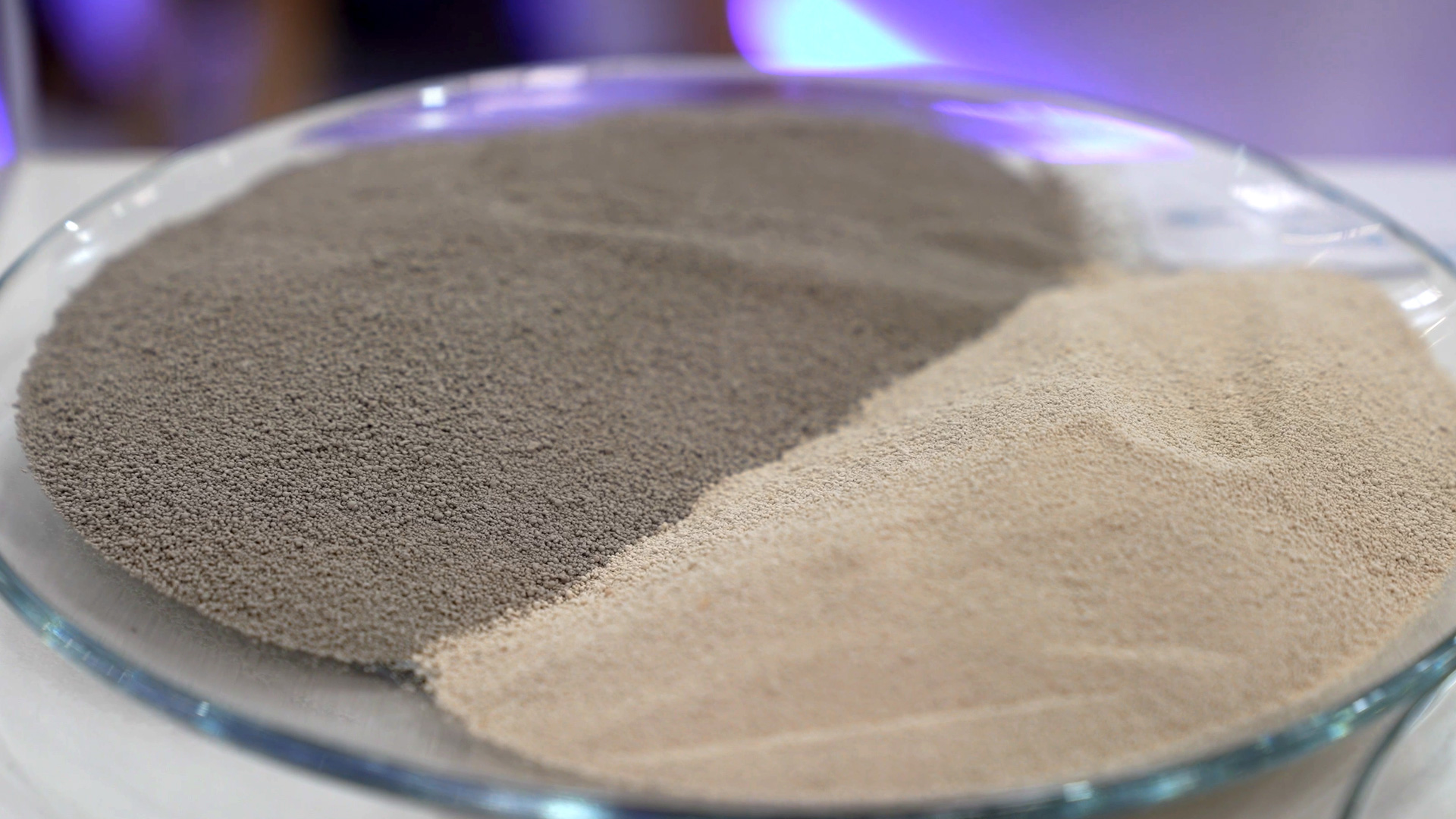
Spray granulates and plastic bodies for ceramic production
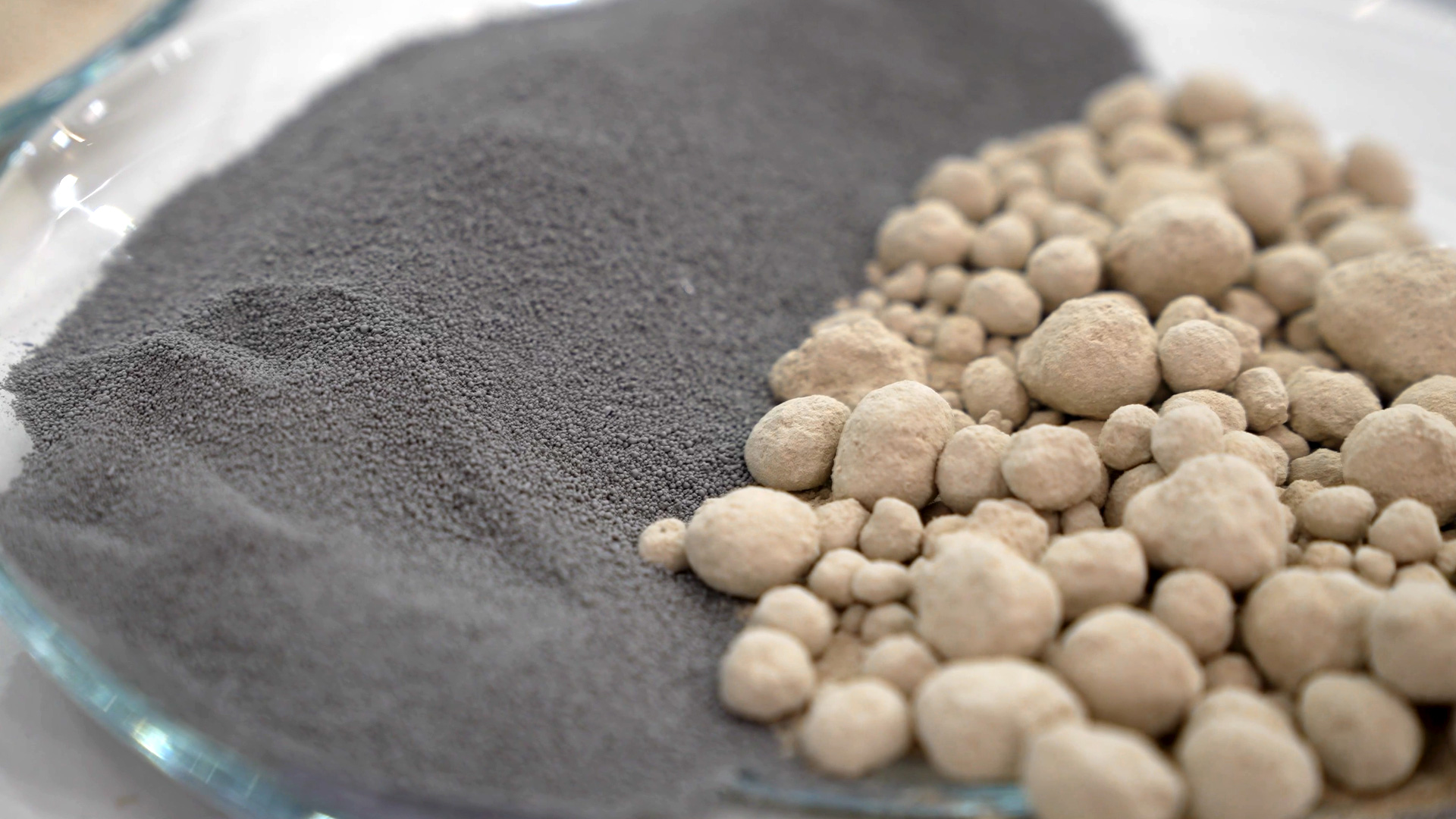
This becomes particularly clear with the example of spray granules. The starting point is a clay slip, which is blown into a tower via nozzles. Under the influence of temperature, a granulate is produced that can be pressed directly. Such products are used in the porcelain industry, for example, when plates, cups or other shapes are to be produced from ceramic bodies. Sibelco also produces plastic clays that can be used directly in potteries or workshops. These clays are available in various colors, enriched with additives and prepared in such a way that the user can work with them without further preparation. The material does not arrive as an untreated raw material, but as a finished mass that can be placed directly on the potter's wheel. It is precisely this step from basic material to ready-to-use product that is an essential part of the business model. It is no longer just about selling a natural raw material, but about customized mixtures that facilitate and accelerate production processes.
Westerwald clays shape ceramics far beyond Germany
The importance of these clays extends far beyond Germany. They are an integral part of many processes in the European ceramics industry. A pointed but apt example is: a tile in Italy can hardly be produced without German clay. This points to the special quality and the international integration of the market. Even iconic buildings are linked to these raw materials. Although the ceramic tiles for the Sydney Opera House were produced in Sweden, the clays used came from the Westerwald. The material's journey shows how closely raw material extraction, industrial processing and international production have been linked for decades. It is no coincidence that this region became known as the land of jugs. Long before glass bottles were commonplace, ceramic vessels for storage and transportation were produced here. The history of clay is therefore not only an industrial history, but also part of European cultural and economic history.
Clay as the oldest material with modern significance
Clay is one of the oldest raw materials processed by man. In a way, it can be seen as the first malleable material of mankind. Firing turned a soft mass into a permanently usable product. This ability to transform material into a new form with the help of temperature marks an early technological advance. Without clay, many stages of development would have been inconceivable. Water and food could be stored in vessels, oil and other goods could be transported in amphorae. Even in the ancient Mediterranean, pottery was therefore not just an everyday material, but the basis of trade, supply and infrastructure. The symbolic proximity to other early inventions is also interesting. Historically, it is still not entirely clear whether the wheel or the potter's wheel came into being first. Both are based on the same basic idea of a rotating wheel in bearings and appear in the same early cultural areas. This also shows how deeply clay reaches into the history of technology.
Sibelco combines securing raw materials, processing and recultivation
Sibelco is not limited to clay from Germany. The company also has other important minerals in its own possession, including high-quality sands in Belgium, olivine in Norway for the refractory industry and nepheline syenite for glass production. The approach is clear: to secure key raw materials ourselves wherever possible and process them so that customers can use them immediately. However, Germany remains a key location for clay in particular. According to the company's estimates, the deposit capacities in the Westerwald will last for several decades. This creates planning security for the ceramics industry and strengthens the prospect of continued local production. The overall picture also includes the recultivation of the pits. No open residual holes remain after extraction. The areas are backfilled with excavated earth, landscaped according to fixed regulations and replanted. The aim is to create a cultural area that can subsequently be used by people, animals and nature. The extraction of raw materials therefore does not end with the removal of the material, but explicitly includes the restoration of the landscape. Clay is therefore much more than a traditional material. It remains an industrially relevant raw material, a historical medium and a future material at the same time. Using the Westerwald as an example, Sibelco shows how closely origins, processing and application are linked - from the potter's wheel to high technology.
Trade fair reporting Germany - Trade fair knowledge, dates & events


