Technical ceramics for implants and precision parts
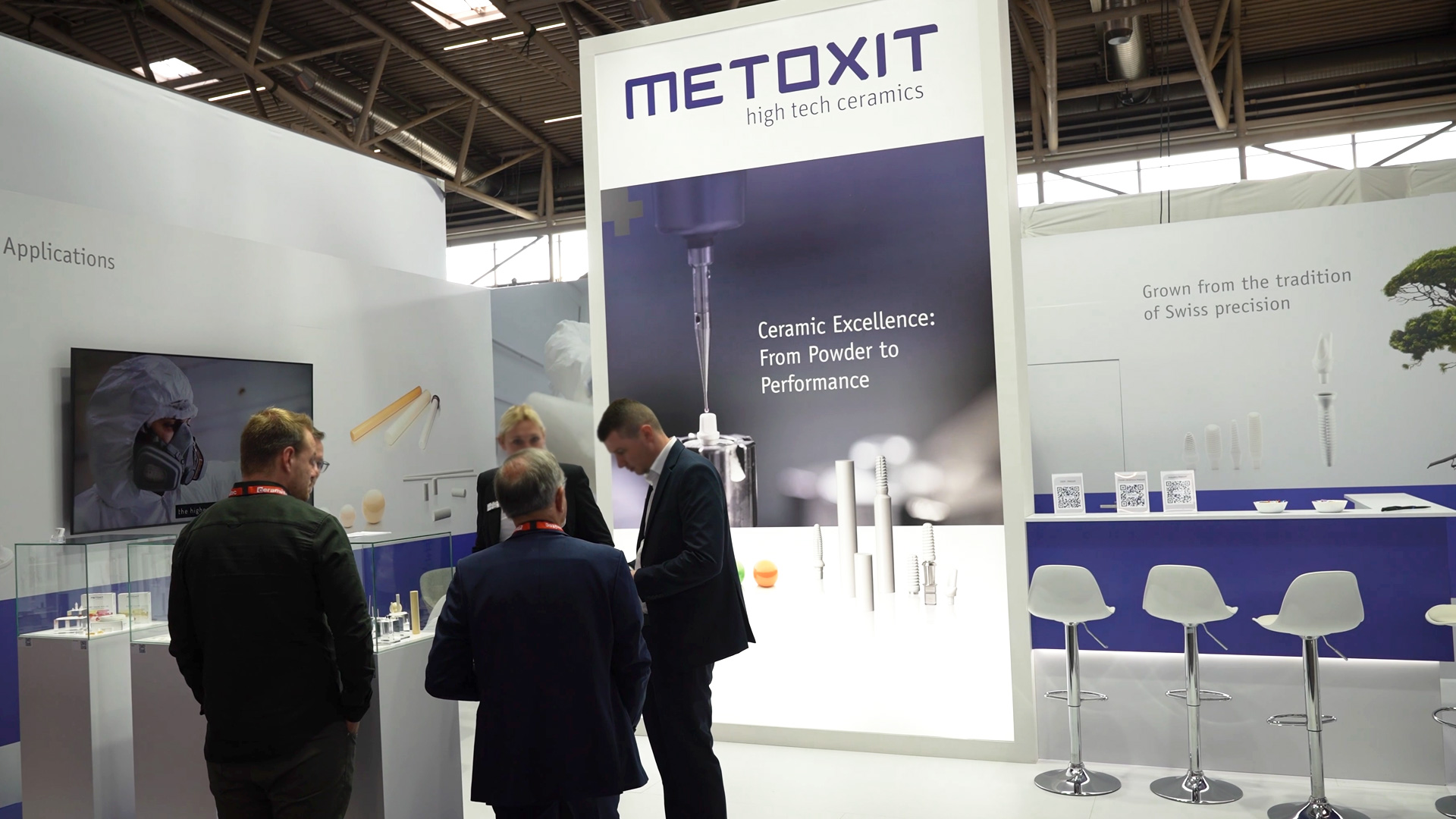
by A. Bergmeier - 2026-04-04Ceramics are a background material in many industries. It is rarely seen as a finished product, although it often plays a central role in key applications. This is precisely where a company like Metoxit comes in.
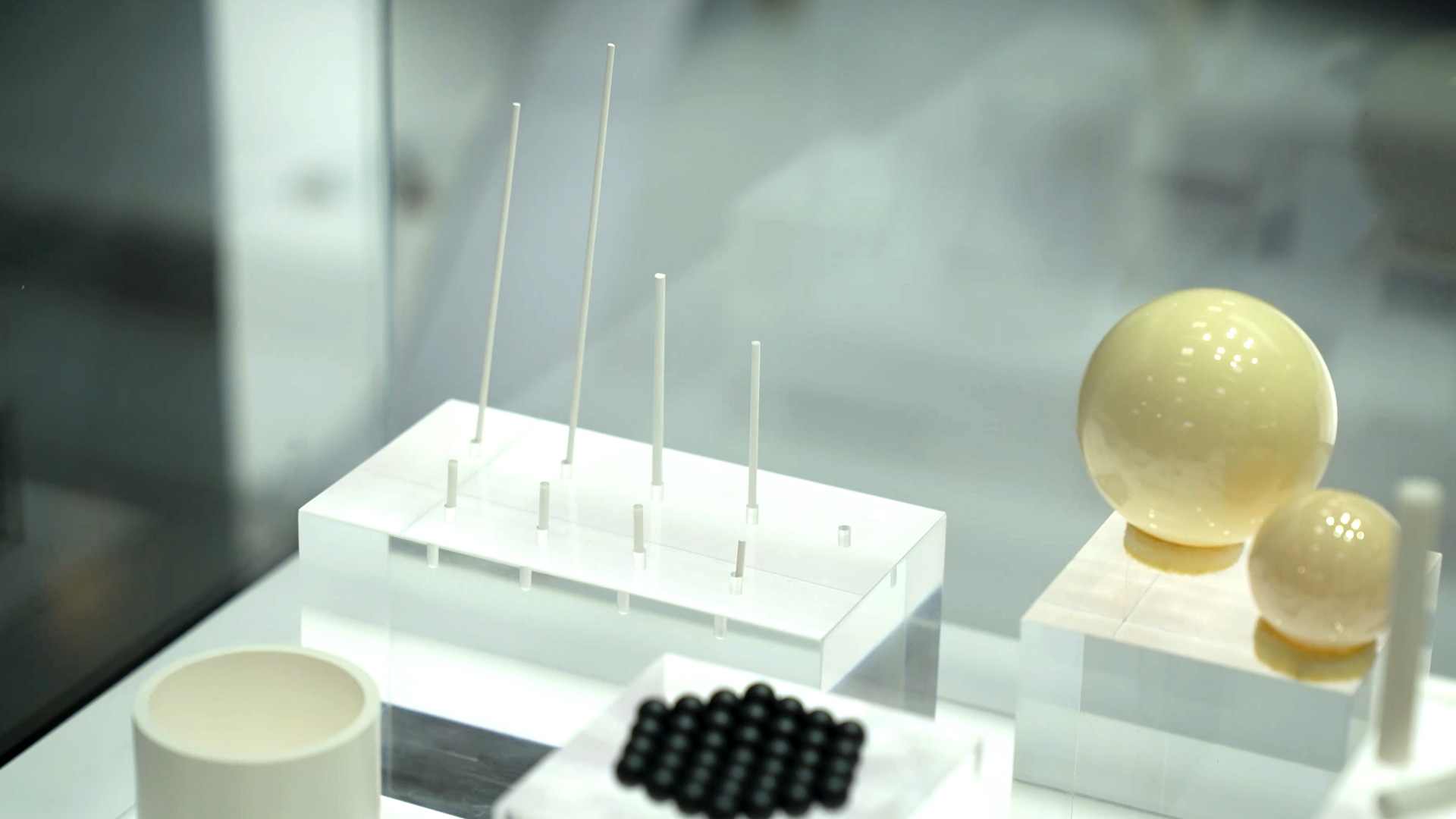
The manufacturer not only produces technical ceramics as semi-finished products, but, according to its own description, masters the entire value chain - from the powder mixture to the finished ground component. This is particularly relevant where the highest demands are placed on purity, strength and surface quality. This is particularly evident in medical technology. Implants, dental blanks or high-precision components must have properties that go far beyond those of conventional materials. It is about mechanical resilience, chemical stability and surfaces that function permanently in the body or in sensitive technical environments. In such cases, technical ceramics are not a niche material, but often the prerequisite for a product to be used at all.
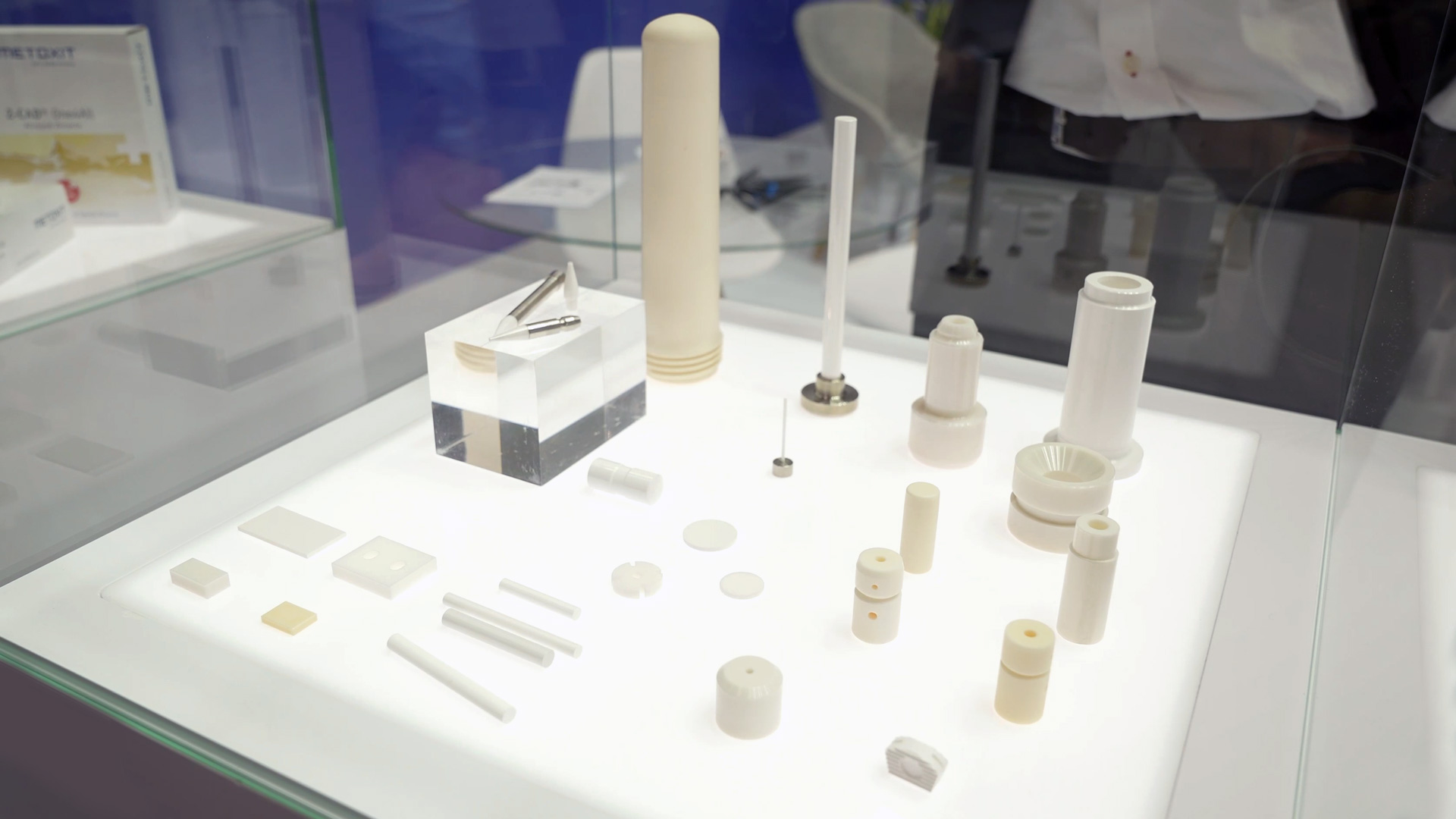

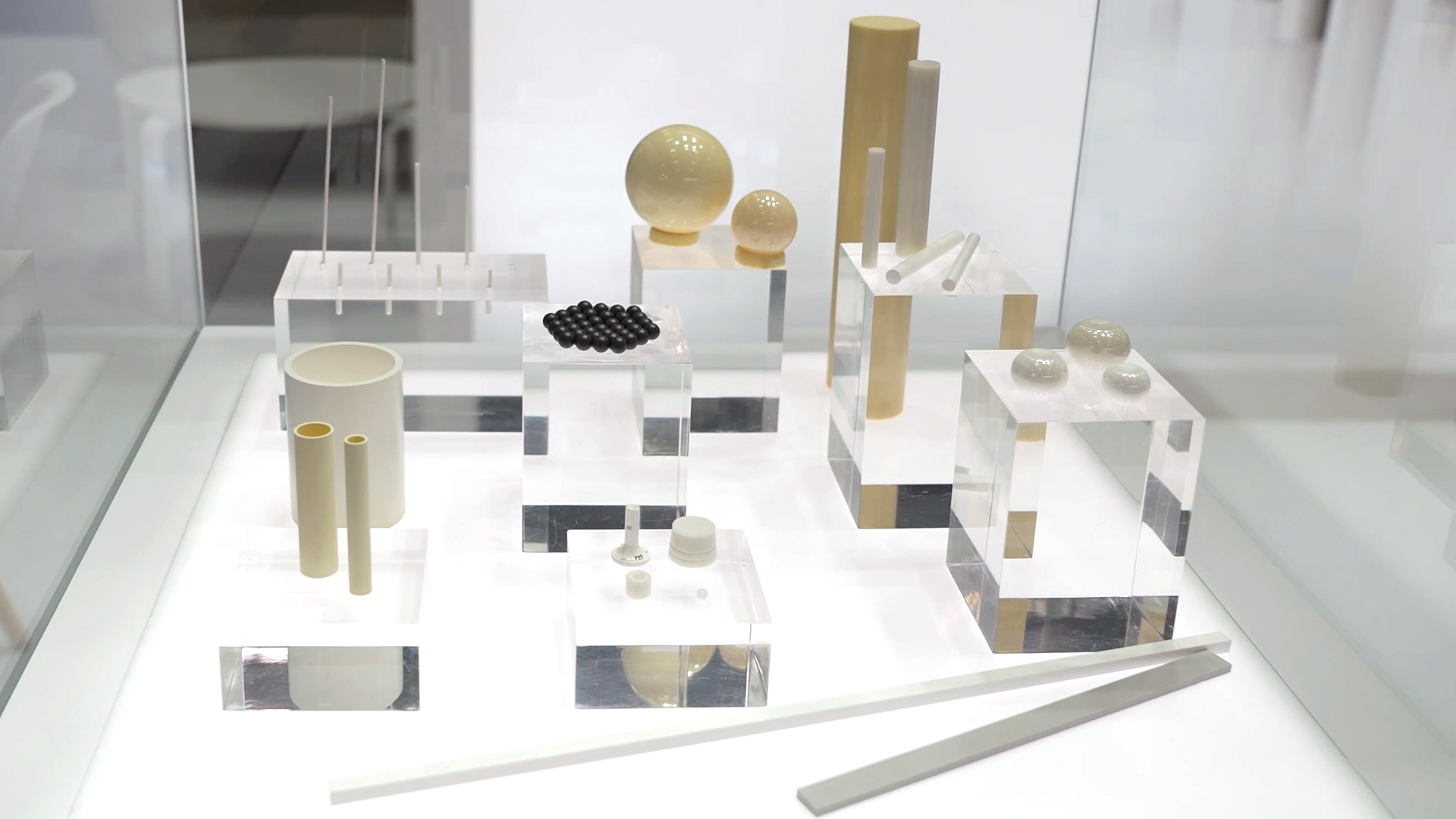
Metoxit manufactures implants and precision parts from ceramic
The special feature lies not only in the material, but also in the manufacturing process. Metoxit starts with a precisely defined powder, which is first selected and tested for its properties. Only when the composition and quality are right is the material shaped. Further production steps then follow until a high-strength ceramic starting part is produced, which can then be precisely machined and ground. This process chain is particularly crucial for implants. A component for medical use must meet several requirements at the same time. It needs high strength to withstand mechanical stress. It needs to be clean so that no undesirable influences enter the biological environment. And it needs a surface finish that supports healing and long-term stability. Production therefore does not end at the shaping stage, but only once the material properties and surface quality have been precisely controlled. There is also the regulatory side. The company has certifications for the manufacture of medical products. These processes and quality requirements not only shape the medical sector, but also have an impact on other product groups. Producing under such conditions creates a high level of process stability, which is also an advantage in industrial applications.
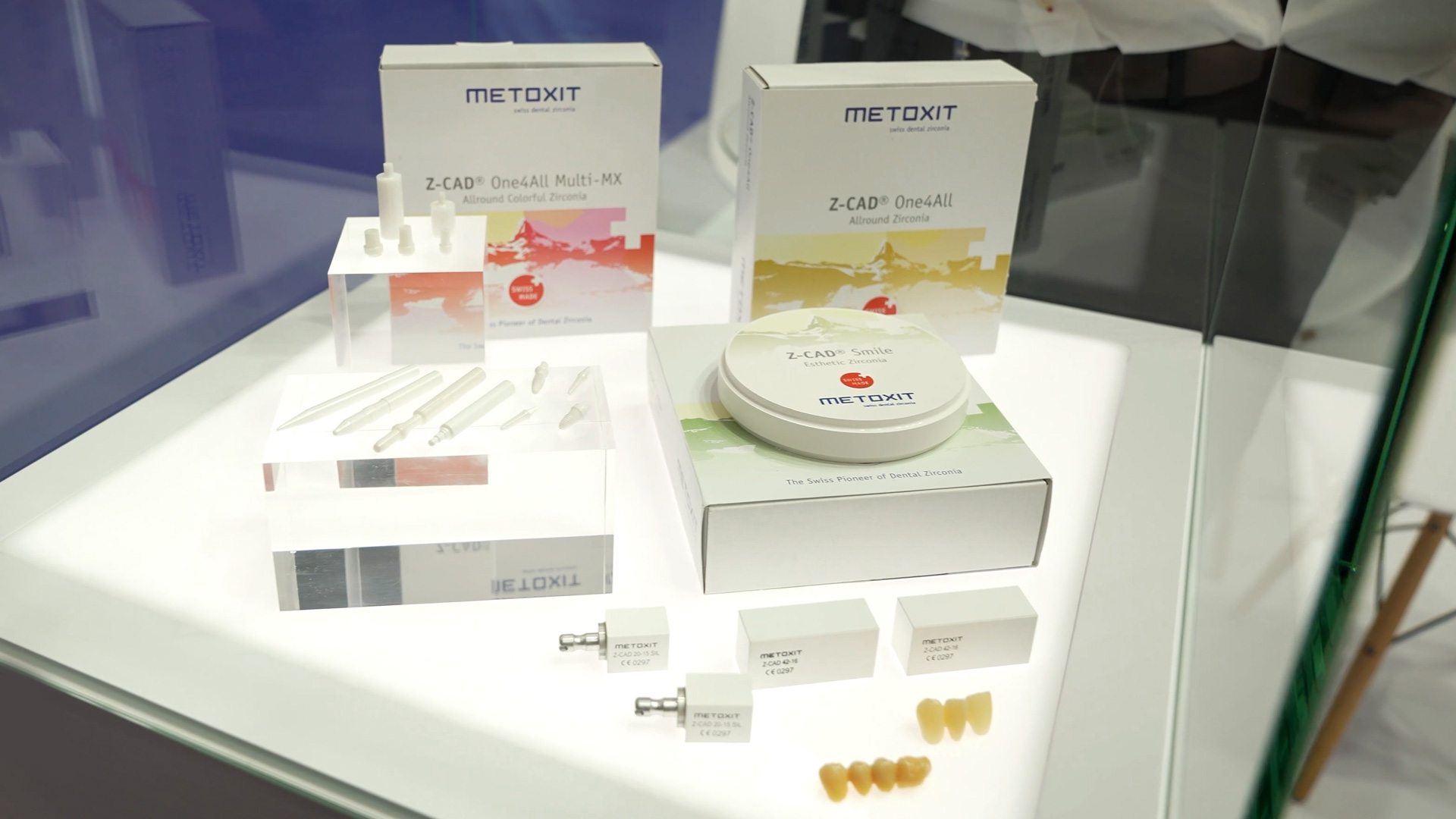
Dental implants and zirconium disks demonstrate the breadth of medical technology
The dental world is a particularly illustrative field. Here, the spectrum ranges from implants to CAD/CAM disks and blocks, which dental technicians or dentists later use to produce crowns and bridges. The finished products look small and inconspicuous, but their journey begins long before they are processed in the practice or laboratory. In the background is a production process that combines material precision with medical safety. Standardized discs and blocks are produced from ceramic blanks, which can then be further processed. One product is milled in the dental laboratory, the other directly in the dental practice. The purpose remains similar, but the processing chain differs significantly. The fact that zirconia discs have established themselves as the global standard shows the importance of ceramic materials in dentistry. They combine aesthetic possibilities with high resilience and biological compatibility, which is particularly important in this field. Here too, technical ceramics are not a substitute material, but a material with its own logic and clear advantages.

Hip joint balls and ceramic implants with many years of experience
The company's history is closely linked to medical ceramics. Metoxit became known for hip joint balls, among other things. Later, early ceramic implants were added, followed by zirconium disks and other components for the dental sector. This development is no coincidence, but the expression of a long specialization. The company has been active in the market for over five decades. This experience plays a major role in a field in which material knowledge cannot be viewed in isolation. Anyone who manufactures technical ceramics for medical use must not only be able to press, sinter and grind. It is also crucial to understand how small changes in the powder, processing or surface treatment affect the end product. This is particularly sensitive in medical applications. The body reacts differently to materials than a machine. Ceramics prove to be resistant, chemically stable and biologically well tolerated. Other materials can release substances or change over time. This risk is considered to be significantly lower with ceramic implants. This is precisely why the material is so durable in these applications.
CAD/CAM discs and blocks for dental technology and dental practices
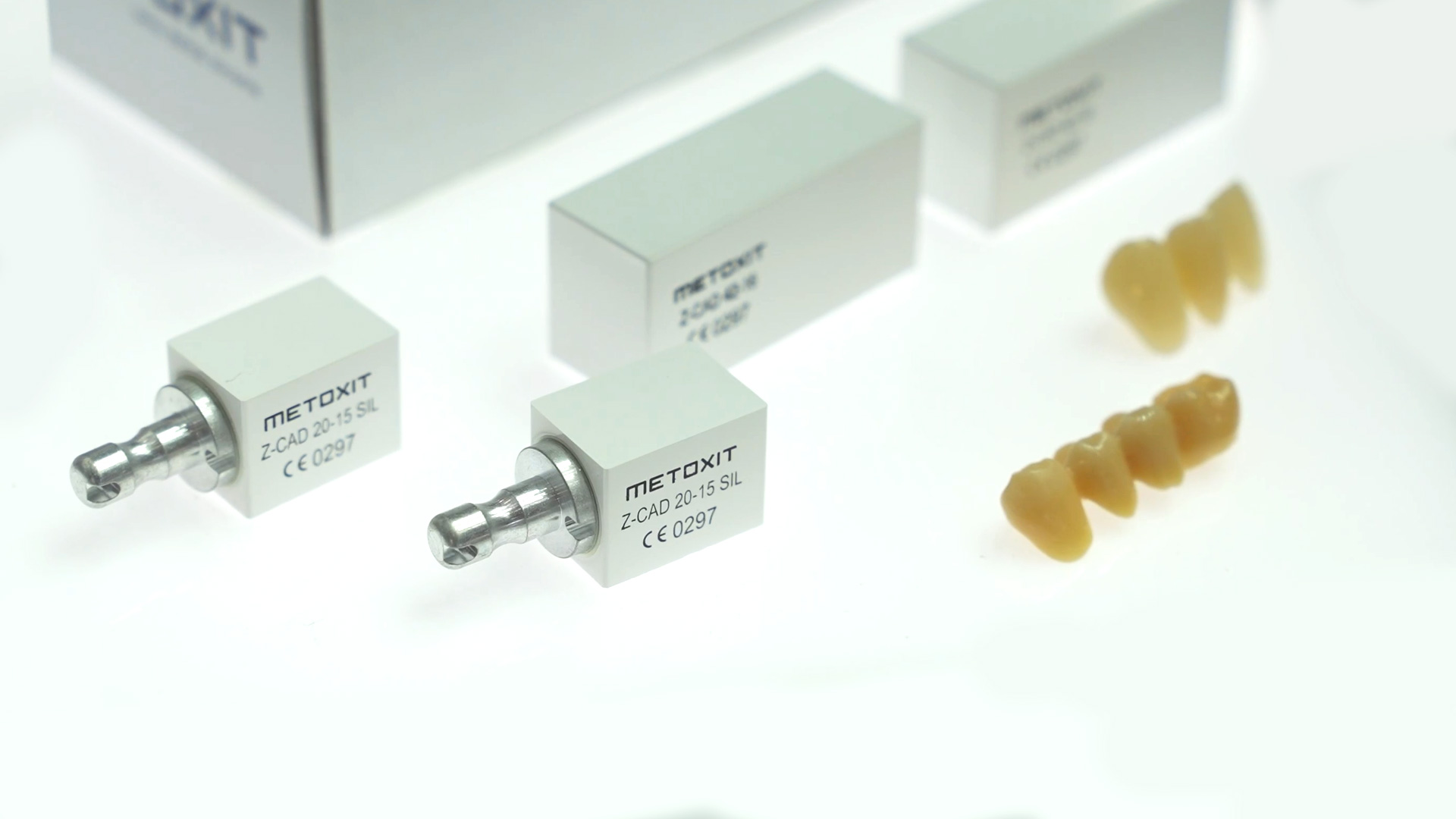
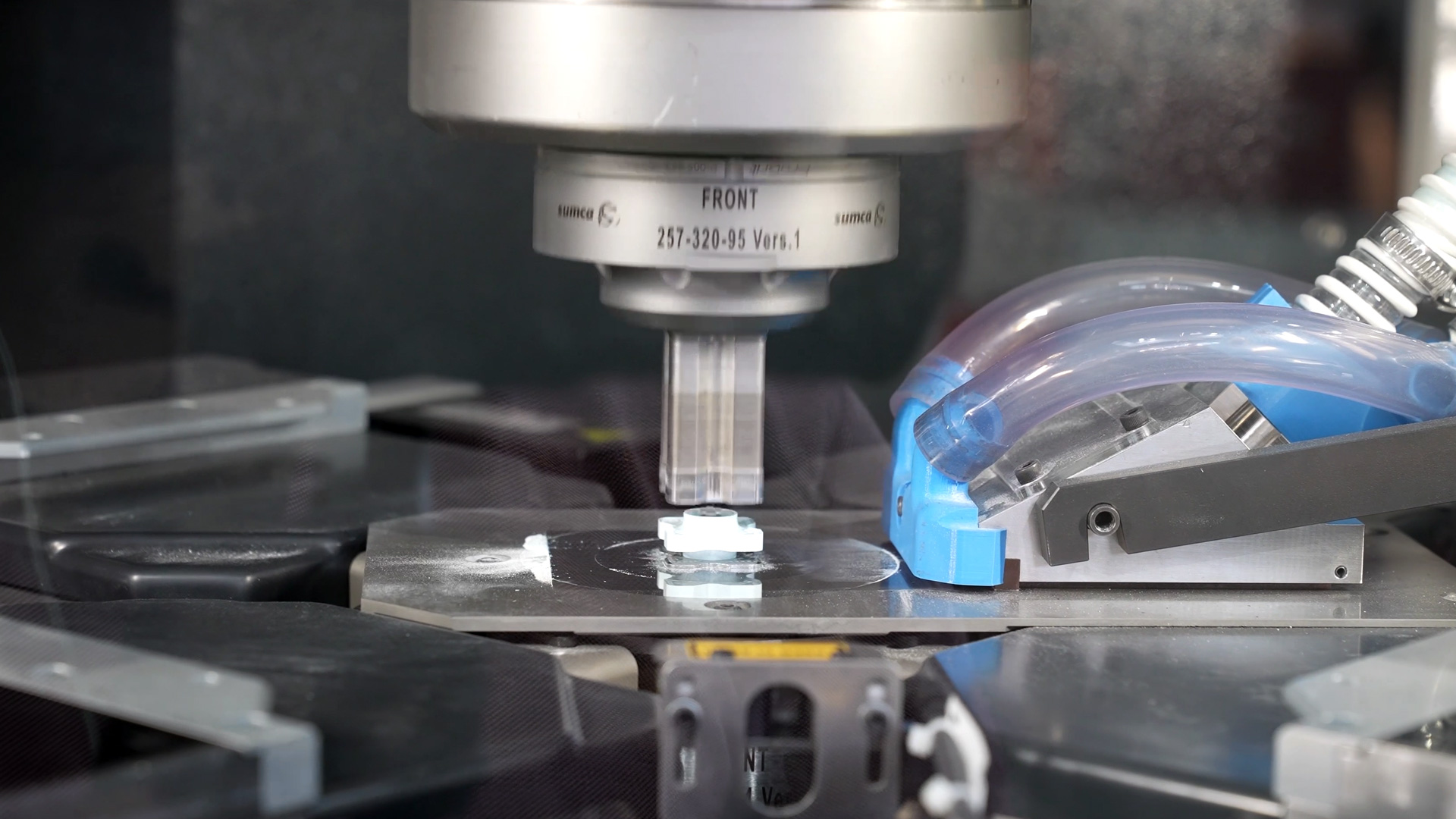
The dental sector is a particularly good example of how differently technical ceramics can be used. CAD/CAM disks are intended for processing in the dental laboratory. They are used to mill crowns, bridges or other restoration elements. The blocks have the same purpose, but are more geared towards direct processing in the dental practice. The advantage lies in the industrial preparation. The user does not start with a raw material, but with a workpiece whose properties have already been defined. Color, density, strength and machinability must be coordinated in such a way that subsequent processing functions reliably. This preliminary work is an essential part of the product. Technical ceramics are not just supplied here, but designed in such a way that downstream work processes can run reliably and reproducibly. This is precisely where an industrially manufactured ceramic blank differs from a general material.
Precision pumps and industrial components according to customer specifications
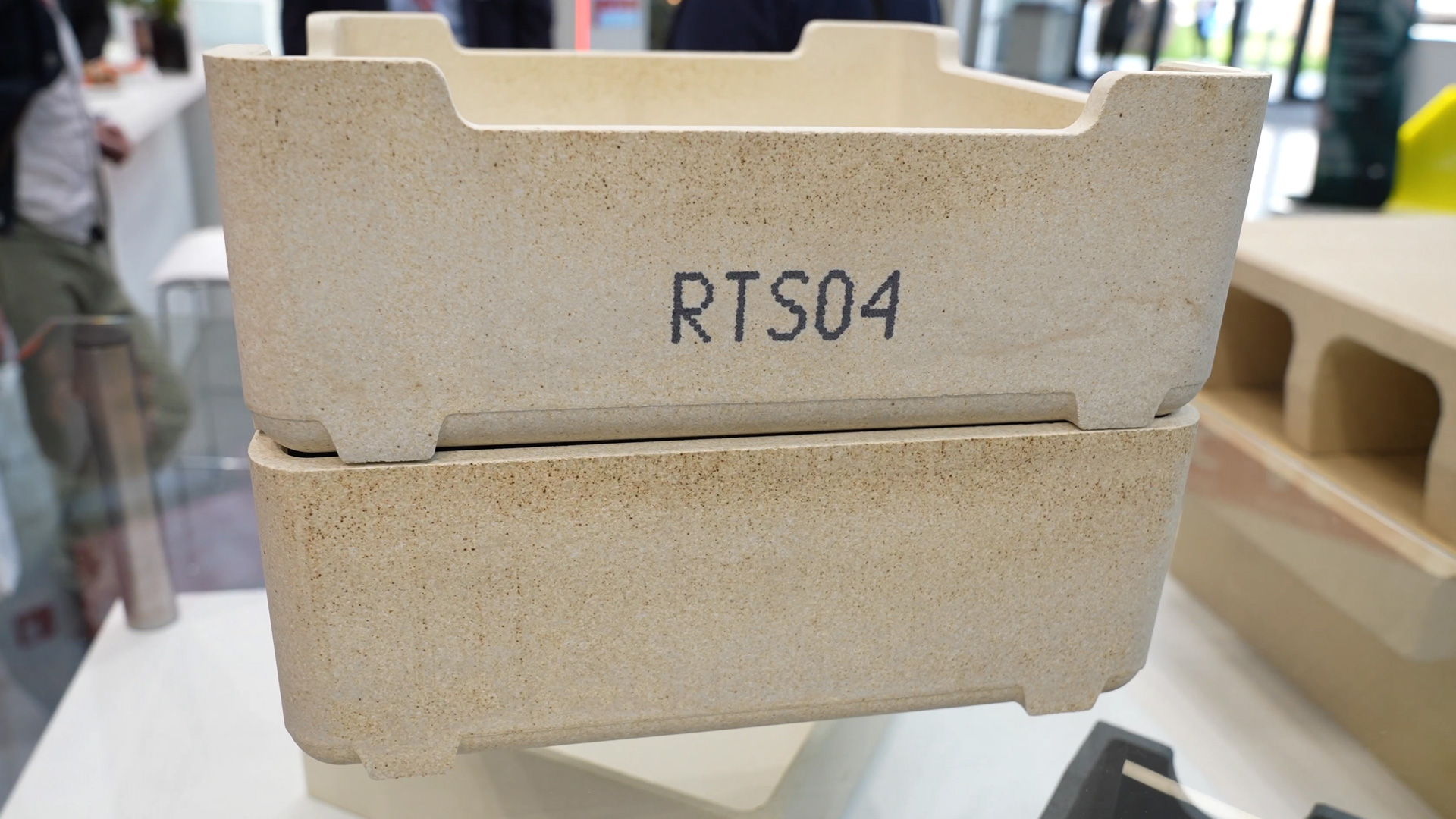
In addition to medical technology, the company also manufactures customer-specific parts for industry. These include high-precision pistons for precision pumps or other components that are manufactured according to the customer's drawings and specifications. This part of the business is less visible, but demonstrates the breadth of ceramic applications. The requirements in industry are often different from those in medical technology, but no less stringent. It is about dimensional accuracy, wear resistance, chemical resistance and consistently high quality across many components. The fact that the processes established for medical products also apply to other sectors is an important advantage. The fields of application are wide-ranging. Technical ceramics are of interest wherever materials have to function precisely and withstand extreme conditions. This applies not only to high-tech areas, but also to many industrial applications in which conventional materials reach their limits.
Technical ceramics remain a material with a future
Against this background, the expectation that ceramics will be replaced by other materials in the foreseeable future seems implausible. Its mechanical and chemical properties are too unique, it is too resilient in sensitive environments and its importance is too great where precision and stability must be combined. The importance of these material properties is particularly evident in a patient's body. But even outside of medical technology, technical ceramics remain a material with a future - not as a fashionable trend, but as a highly specialized solution for applications in which other materials do not provide the same combination of purity, durability and resilience.
Trade fair reporting Germany - Trade fair knowledge, dates & events


