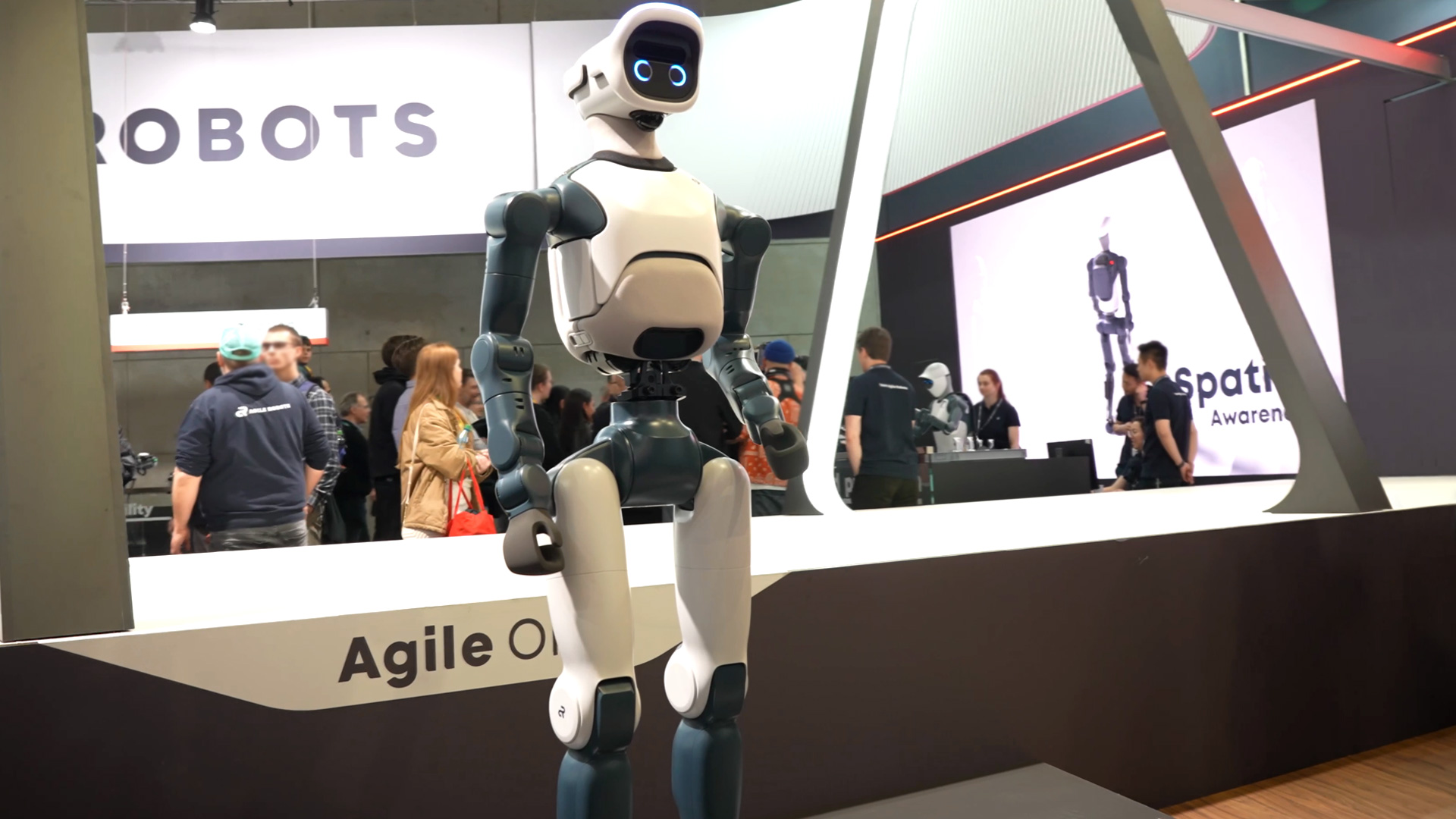
Agile ONE humanoid robot for industrial applications
by A. Bergmeier - 2026-04-23Industrial robotics is in a phase of fundamental expansion. While traditional industrial robots specialise in clearly defined, repetitive tasks, the focus is increasingly shifting to systems that can be used more flexibly.
This is where the Agile ONE humanoid robot comes in. It is not intended as a replacement for existing automation, but as a supplement for tasks that have been difficult to standardise to date. At the centre of this is an approach that does not view robotics in isolation, but as part of a comprehensive, AI-controlled production system. The machine is therefore not seen as an individual device, but as a building block within networked processes that can be adapted to specific requirements.
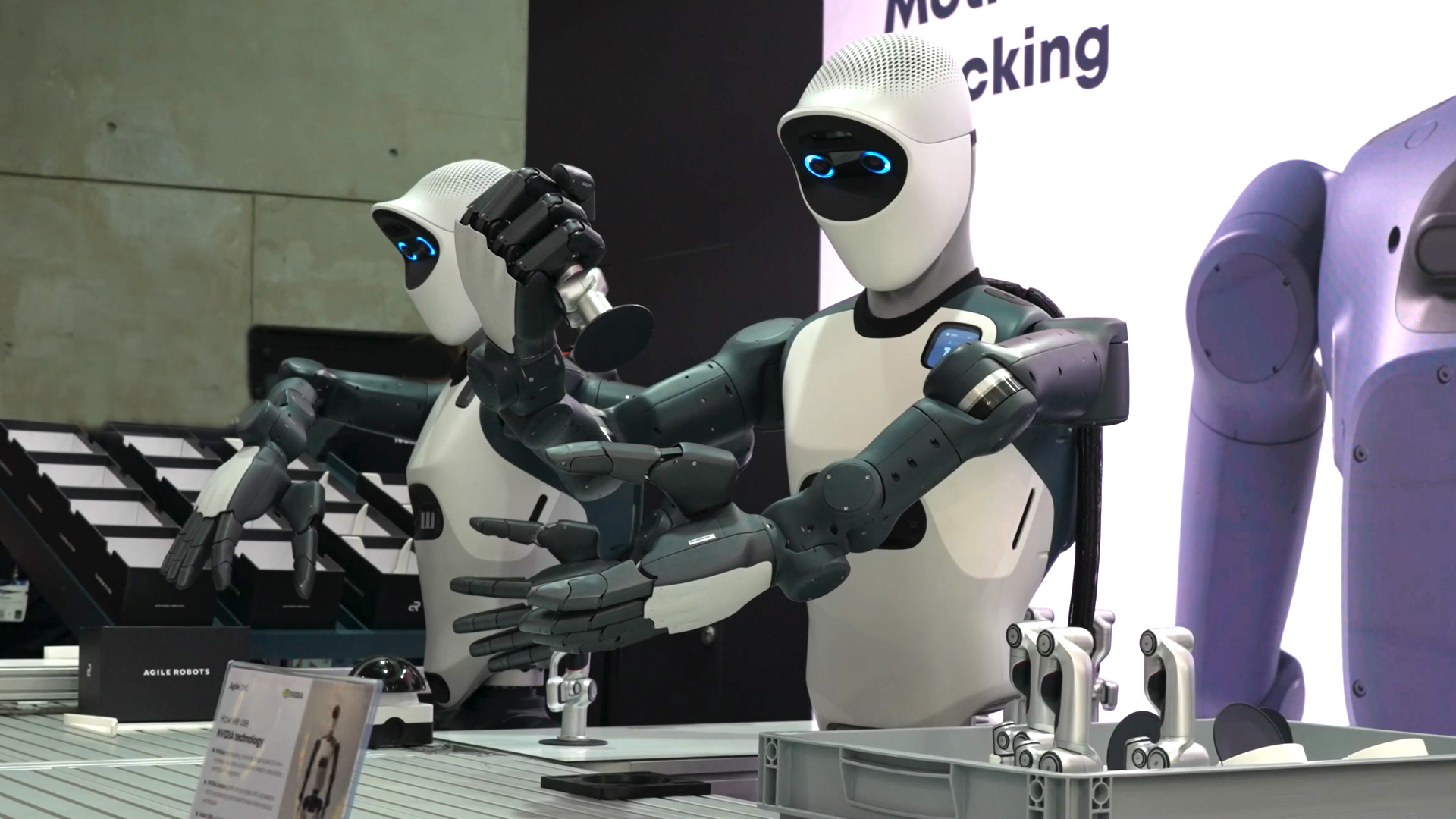

Agile Robots develops humanoid Agile ONE for flexible production
Agile Robots has been positioning itself in the field of intelligent, AI-based robotics solutions for years. The portfolio ranges from classic robotic arms for industry and research to mobile platforms. With the Agile ONE, the company is expanding this spectrum with a humanoid approach that is designed for versatile application scenarios. The robot was only recently presented and is manufactured in Germany. This decision was made deliberately, as the industrial environment here is considered particularly suitable for developing and testing complex automation systems. At the same time, local production signals a demand for quality and integration into existing industrial structures.
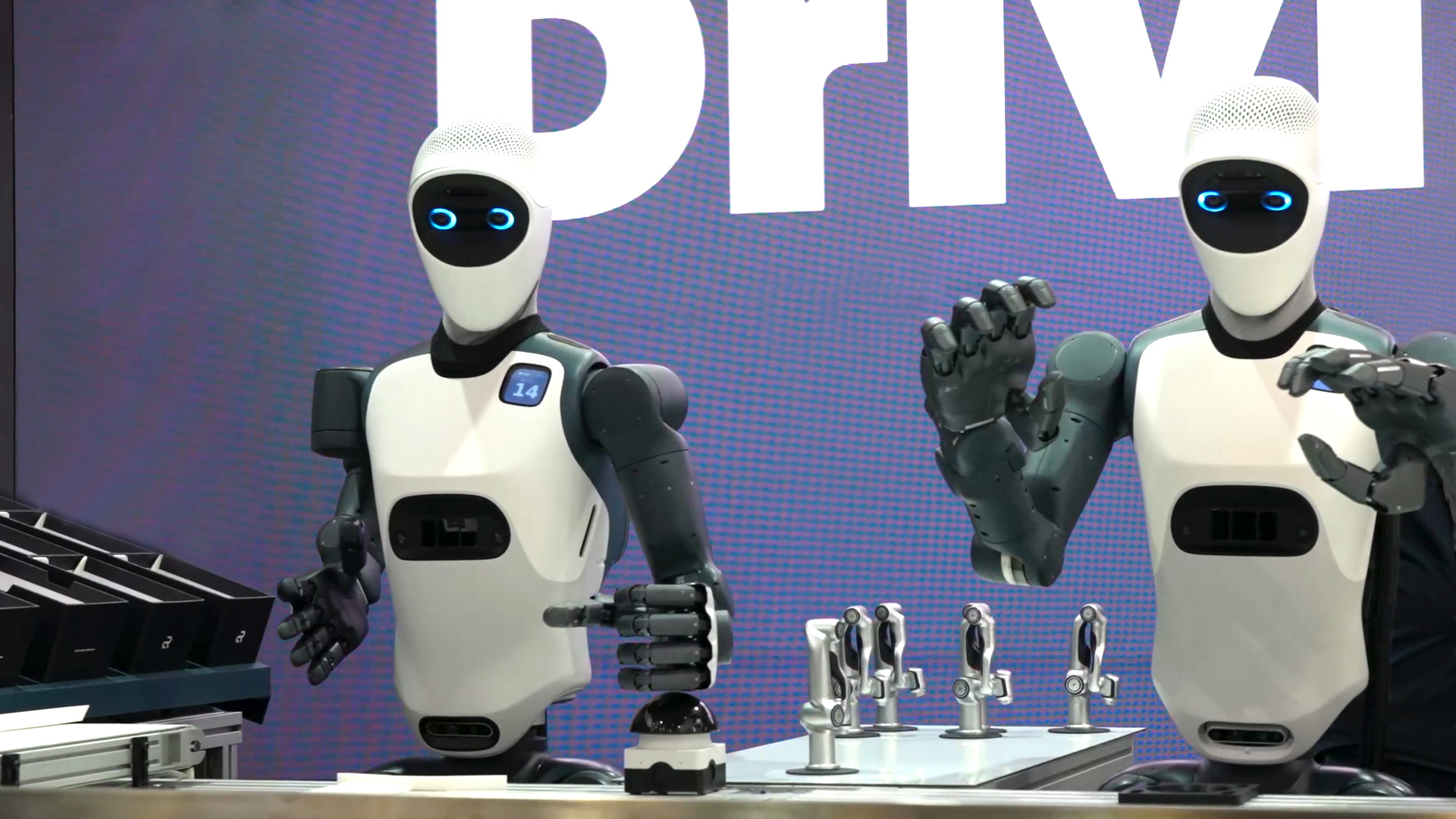
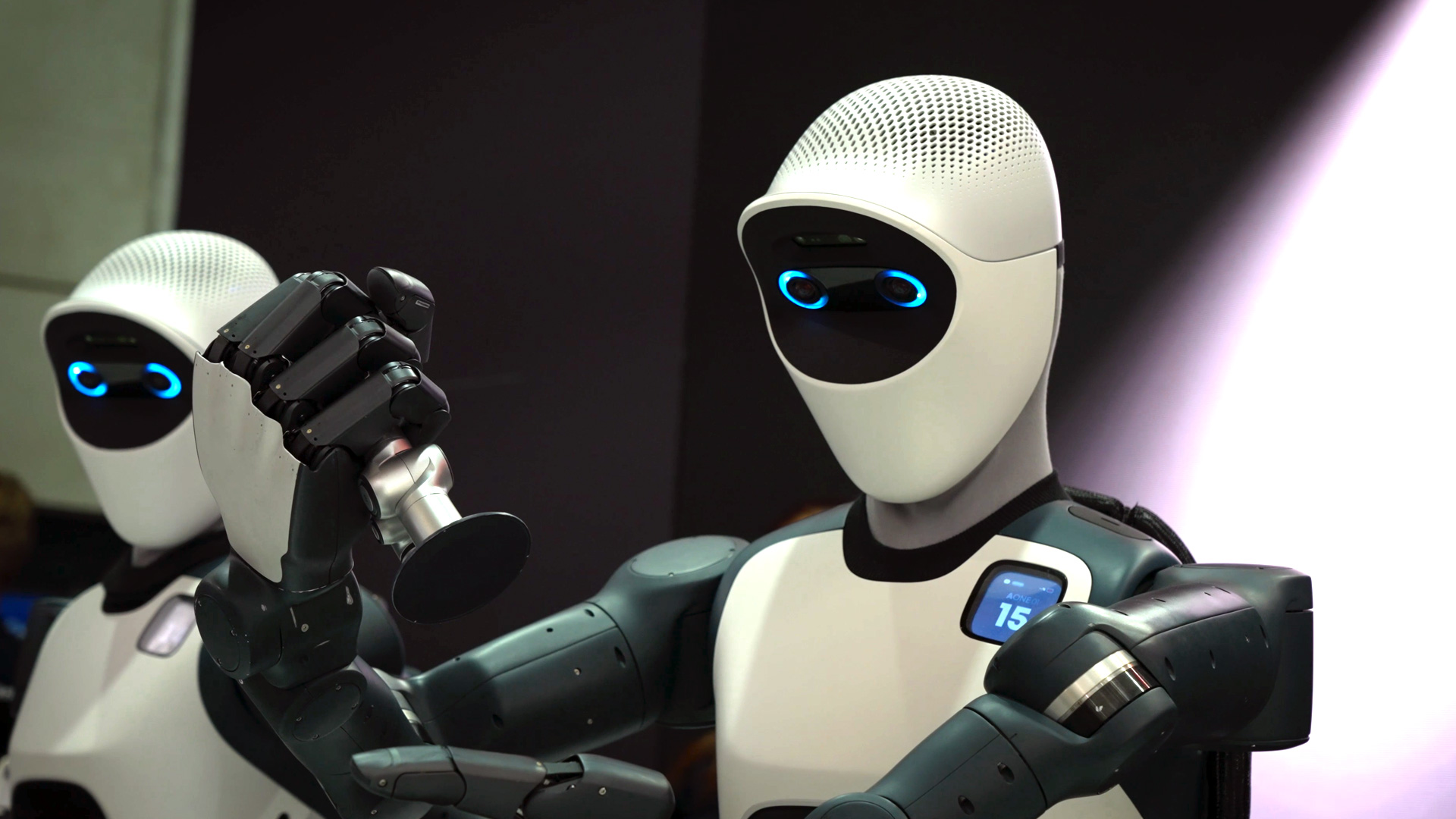
Hand with 21 joints and sensors for precise gripping
The hand is a central element of the system. It has five modular fingers with a total of 21 joints and is therefore directly modelled on the human anatomy. However, it is not only the mobility that is decisive, but also the combination with tactile sensors. This sensor technology enables the system not only to grip objects, but also to ‘feel’ them. Components can be recognised, picked up precisely and positioned correctly. This offers a clear advantage over conventional gripping systems, especially when it comes to varying shapes or sensitive components. The hand is complemented by further sensory capabilities. Cameras visually capture the surroundings, microphones enable acoustic signals to be processed and proximity sensors create spatial awareness. Taken together, the result is a system that not only executes movements, but also reacts to the situation.

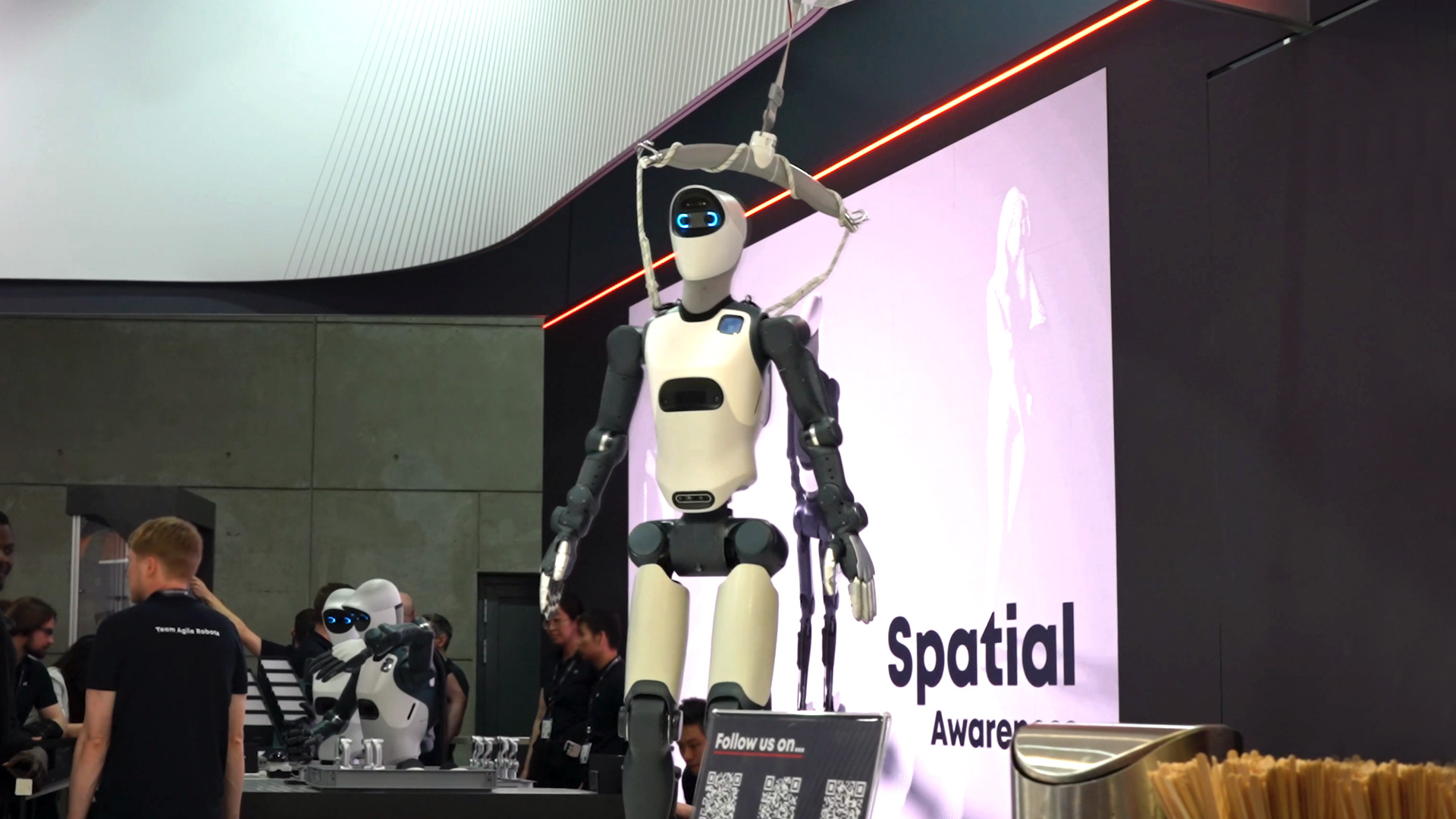
Use of the Agile ONE in logistics and material transport
The practical benefits are particularly evident in applications that are not completely standardised. While specialised machines remain more efficient when it comes to individual, clearly defined work steps, the strength of the humanoid system lies in its versatility. Typical fields of application are
- Material transport between work stations
- Feeding machines with different components
- Packing and sorting varying products
- Support in logistical processes
Humanoid robot as part of integrated AI systems
A crucial point is the categorisation of the system. The robot is not seen as a stand-alone solution, but as part of a larger, integrated system. AI plays a central role in this because it enables adaptation to different tasks. The term ‘general purpose robot’ describes this approach. Instead of being optimised for a single function, the system can take on various activities. However, this requires suitable integration into the overall production structure. This also reveals a pragmatic approach. Not every task justifies the use of a humanoid system. Specialised solutions remain more economical for simple, repetitive tasks. Added value is created where flexibility is crucial.
Mobile basis instead of classic bipeds in production
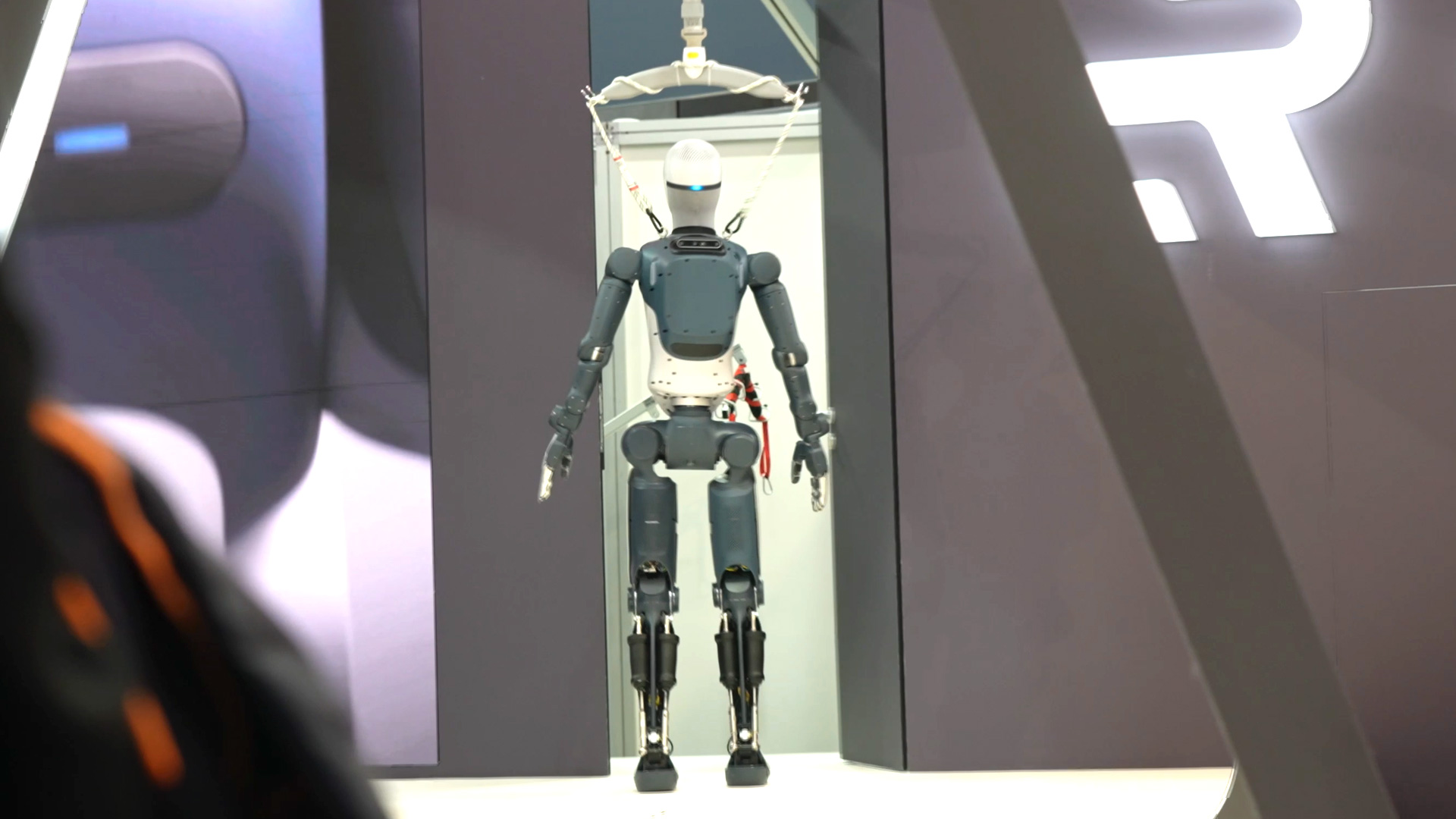
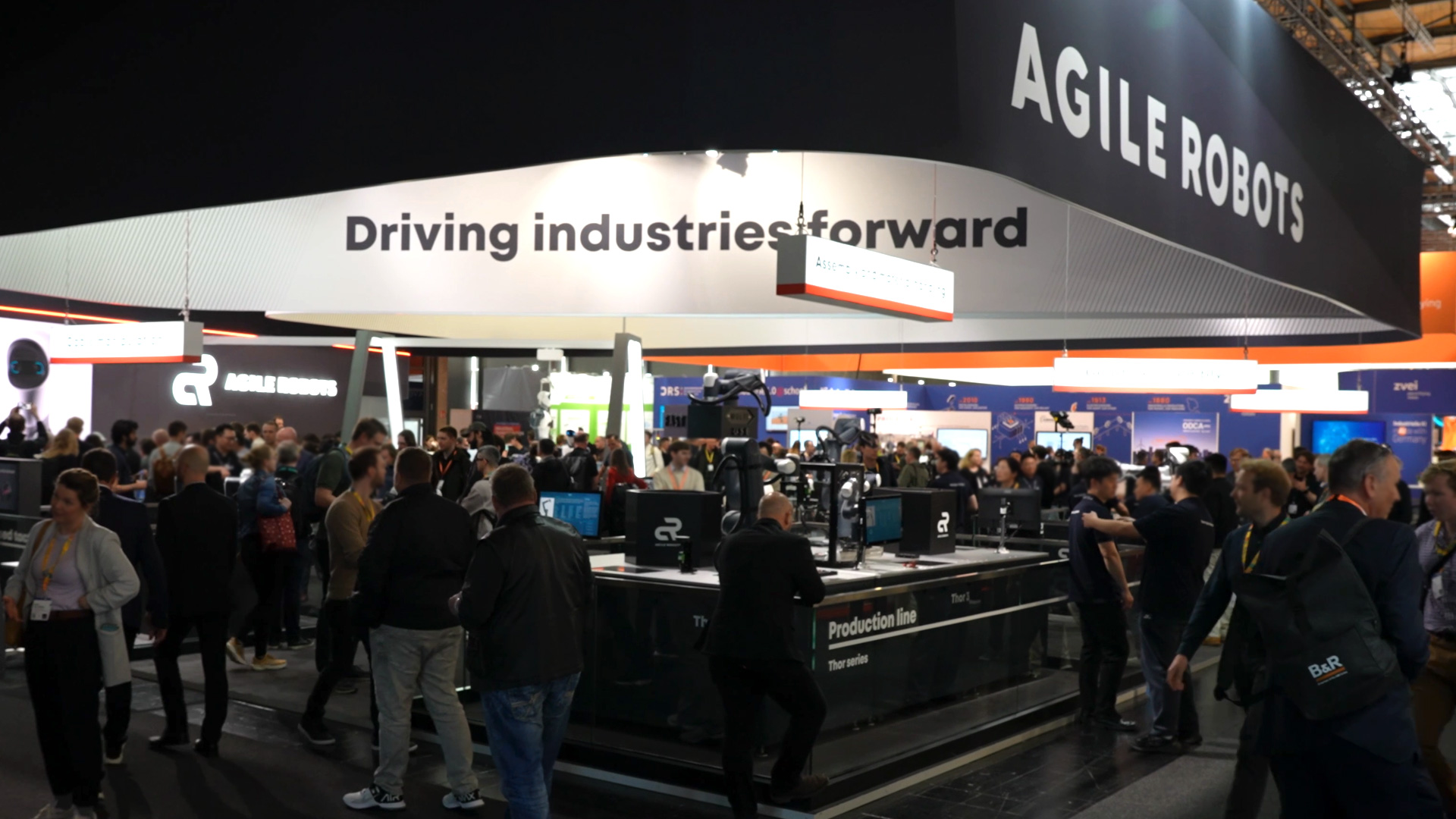
Another interesting aspect concerns the design. Although it is a humanoid robot, the classic two-legged structure is not absolutely necessary. In industrial environments with flat floors, a mobile platform can be more efficient. The concept of a humanoid torso with two gripper arms on a mobile base combines stability with manoeuvrability. It reduces the complexity of locomotion and increases operational safety at the same time. Especially in production environments where safety and reliability are key requirements, this approach offers advantages over classic humanoid walking robots. This development indicates that the term ‘humanoid’ in industry will be defined more in functional than visual terms. The decisive factor is not the external form, but the ability to technically reproduce human behaviour.
Prospects for humanoid robotics in industry
The demand for flexible automation solutions is increasing. At the same time, there is growing pressure to make production processes more efficient and adaptable. Systems such as the Agile ONE are responding to this development by dissolving the traditional boundaries between specialised machine and universal tool. The current order situation indicates that the market for such solutions is growing faster than expected just a few years ago. The first applications are already being realised in the short term, particularly in areas with high variability. In the long term, however, the question is not so much whether humanoid systems will be used, but where they can be usefully integrated. Their strength lies not in their universal applicability, but in the targeted supplementation of existing automation. A new field of application for this technology is emerging precisely where processes could previously only be automated to a limited extent.
Trade fair reporting Germany - Trade fair knowledge, dates & events


