Videos and articles on industry, production and technology
Technological developments are rapidly shaping industrial production. Contributions from the industrial sector show how machines, systems, and processes are being further developed – from manufacturing to automated control.
Developments in manufacturing, automation and industrial digitalization
Hydrogen for industry and the energy transition
Green hydrogen is regarded as a key component of the energy transition. Nevertheless, the technology still faces a key challenge: whilst its environmental significance is largely u... Siemens is developing hydrogen concepts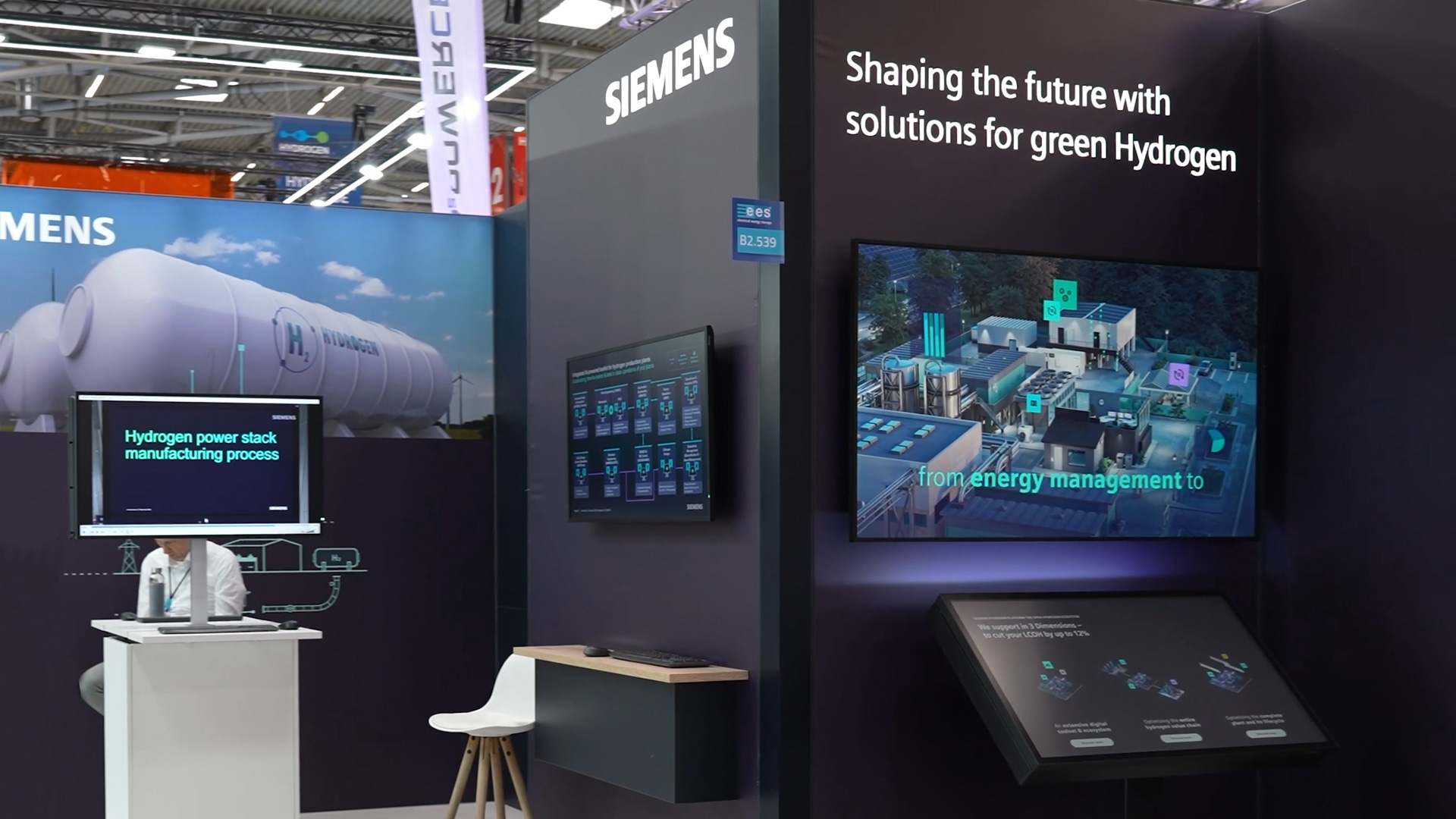
Electric mobile shredder for recycling and construction waste
The recycling industry is facing a fundamental transformation. Operators today expect machines that can process a wide variety of materials, are flexible in use and, at the same ti... Quick-change system for different materials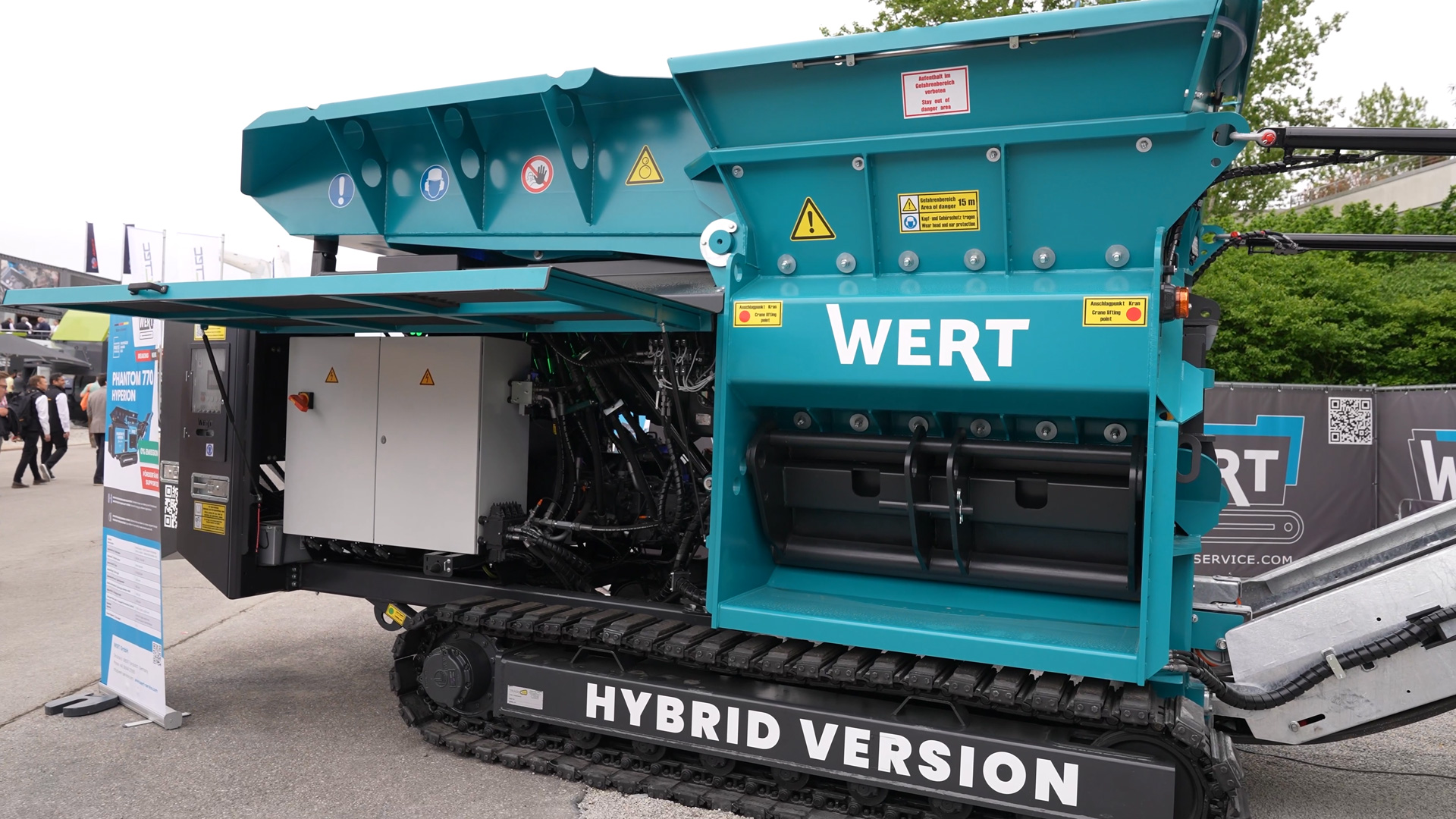
Simba twin-shaft shredder for recycling and construction waste
The demands placed on modern recycling plants are constantly increasing. Materials must be processed as efficiently as possible, recyclable materials recovered and transport distan... Magnetic separators separate steel and reinforcement bars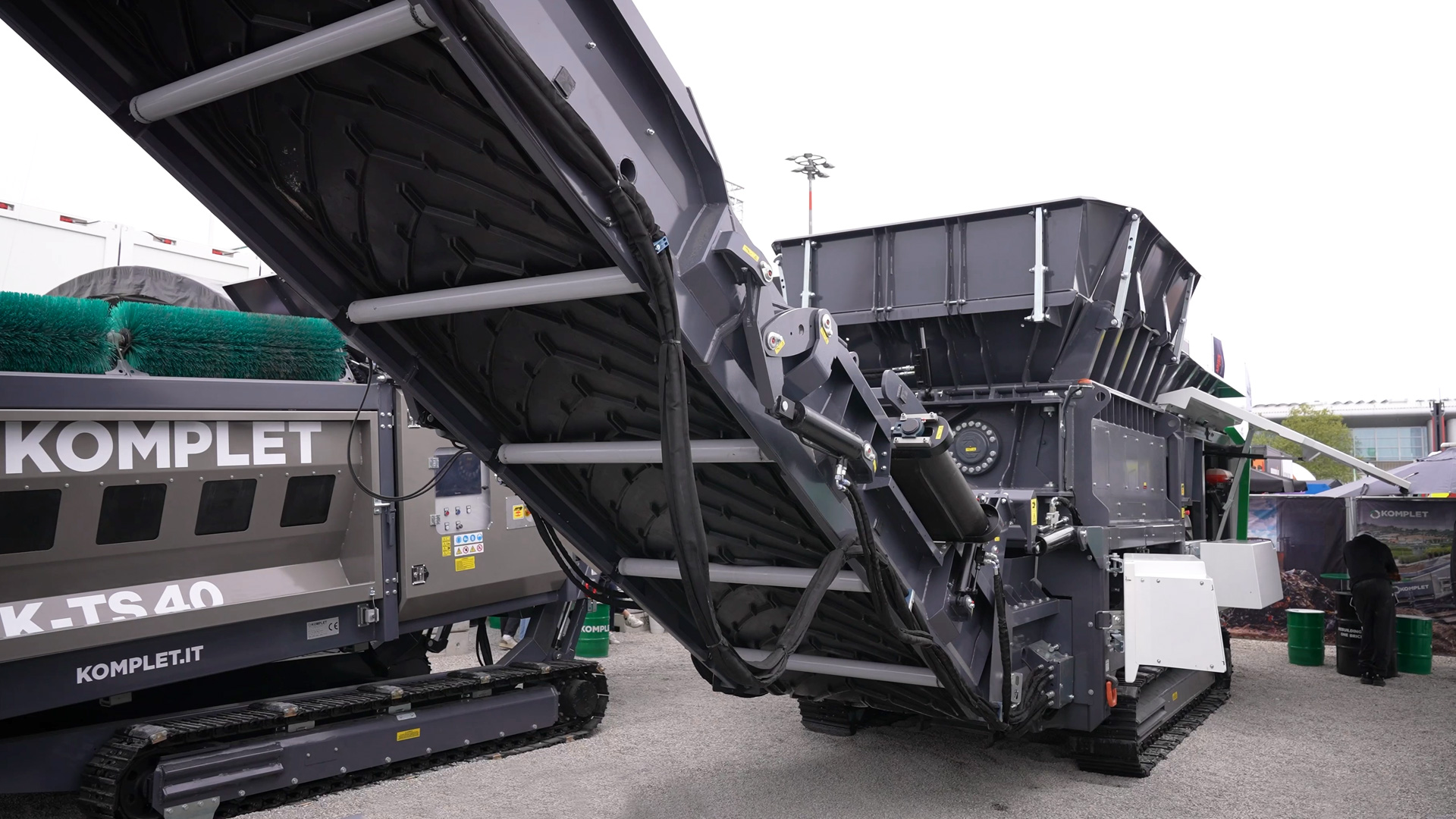
Higher output in the separation of non-ferrous metals from fine-grain material
The separation of non-ferrous metals is one of the key process steps in modern recycling plants. The finer the material fractions become, the more challenging the separation proces... Separation of non-ferrous metals during recycling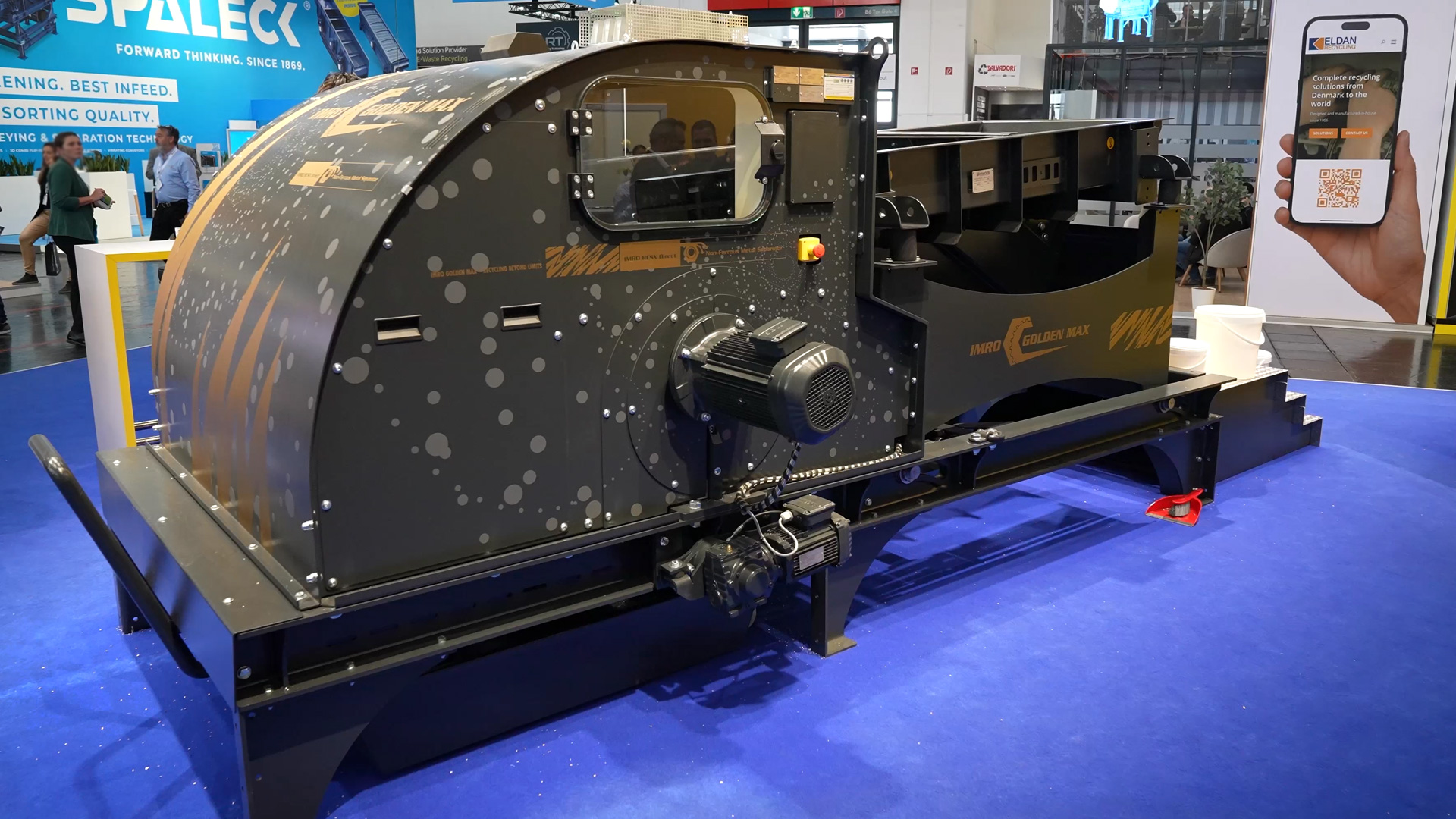
Equalizor for processing and recycling
The processing of waste and recyclable materials is increasingly becoming a highly specialised industrial sector. Not only are higher throughput rates required, but also precisely ... Equalizor for defined particle sizes in recycling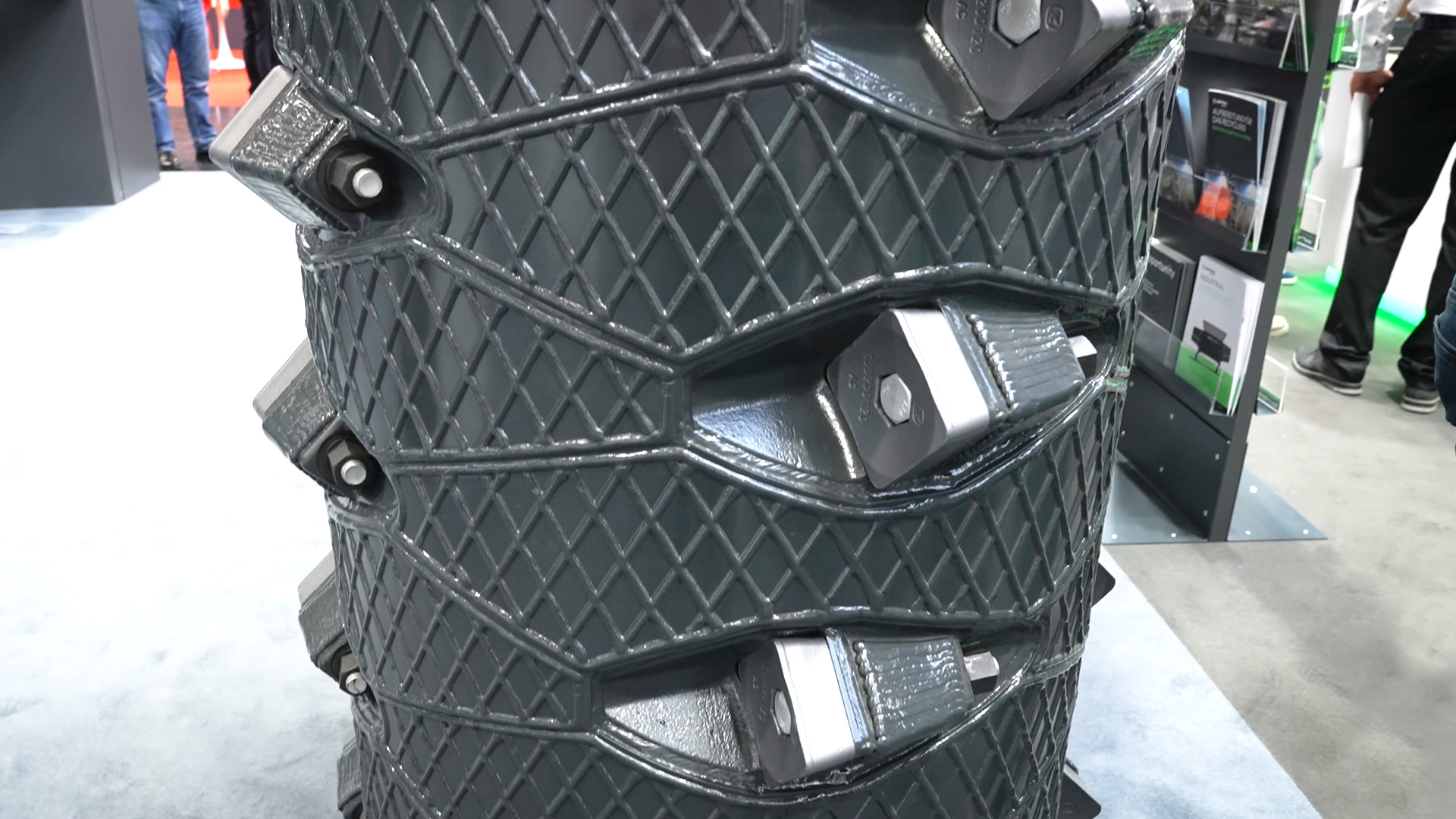
Doppstadt DG 4: modern shredding technology
Shredding technology in the recycling industry is undergoing a transformation. Increasing demands on throughput, energy efficiency, ease of maintenance and digital process control ... Modern shredding technology in the recycling industry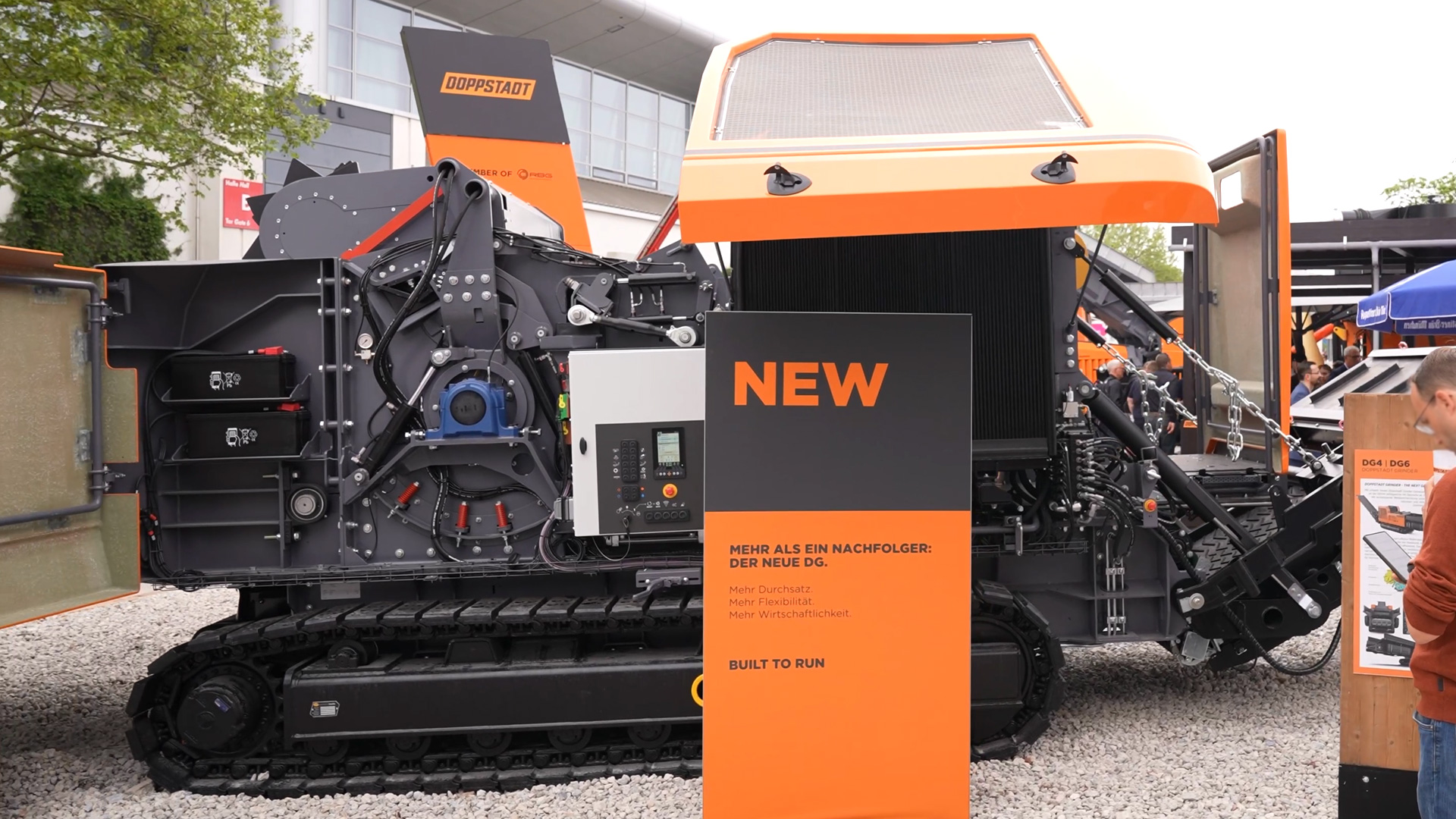

AI system for contaminants in yellow waste
The sorting of packaging waste is one of the greatest challenges facing modern recycling plants. With rising volumes of electrical appliances, lithium batteries and composite mater... Detecting hazards such as batteries and e-cigarettes during recycling
Eddy-current separator for fine metals in recycling
Metal recovery is one of the most technically demanding areas of modern recycling plants. Whilst coarse ferrous metals can be separated relatively easily, the effort involved incre... Metal recovery of even weakly magnetic particles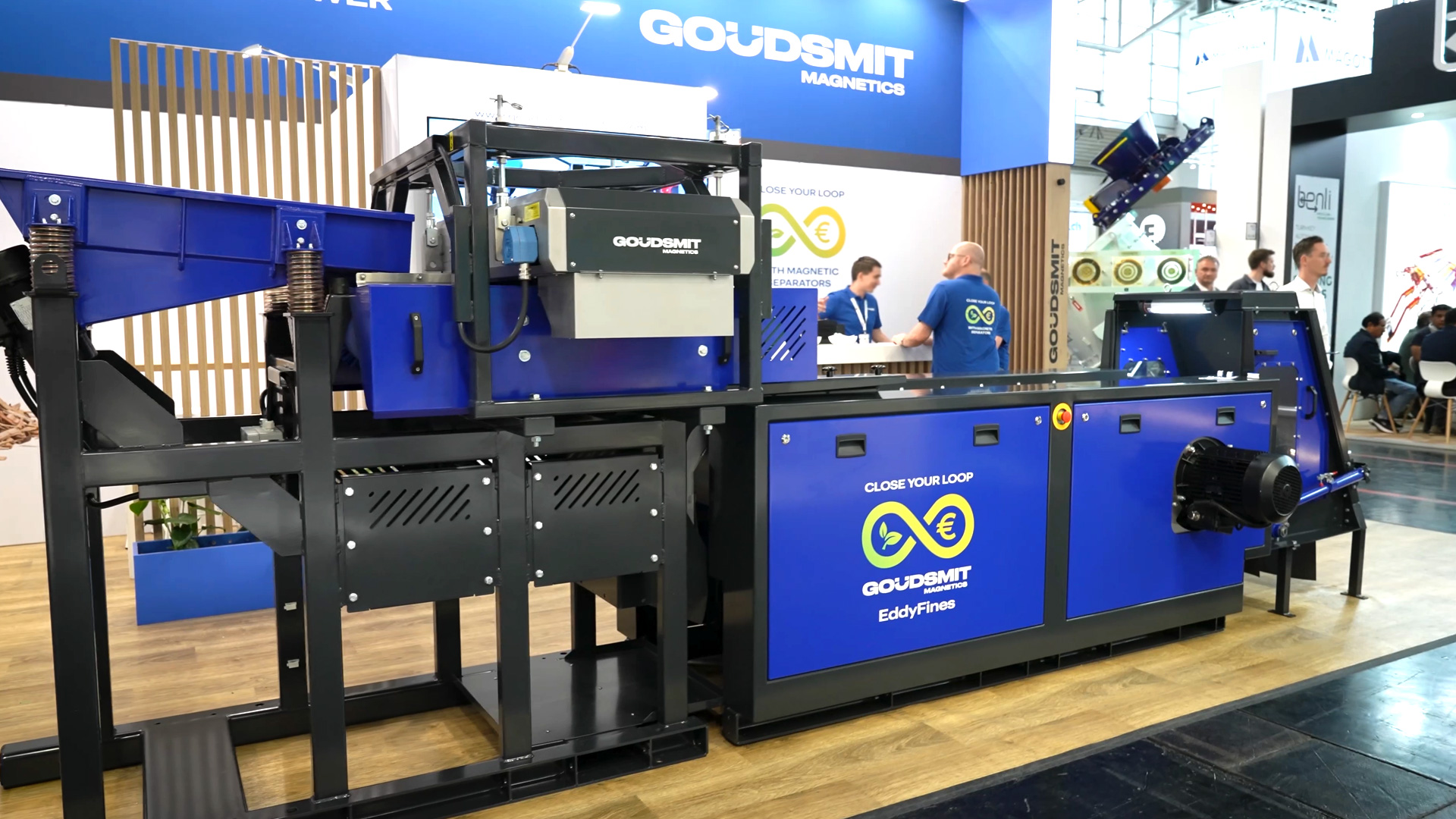
AI data analysis for sorting systems in the recycling process
Sorting systems are now among the most data-intensive areas of the recycling industry. Modern lines capture material flows, purity levels, contamination and throughput figures in e... AI data analysis in the recycling process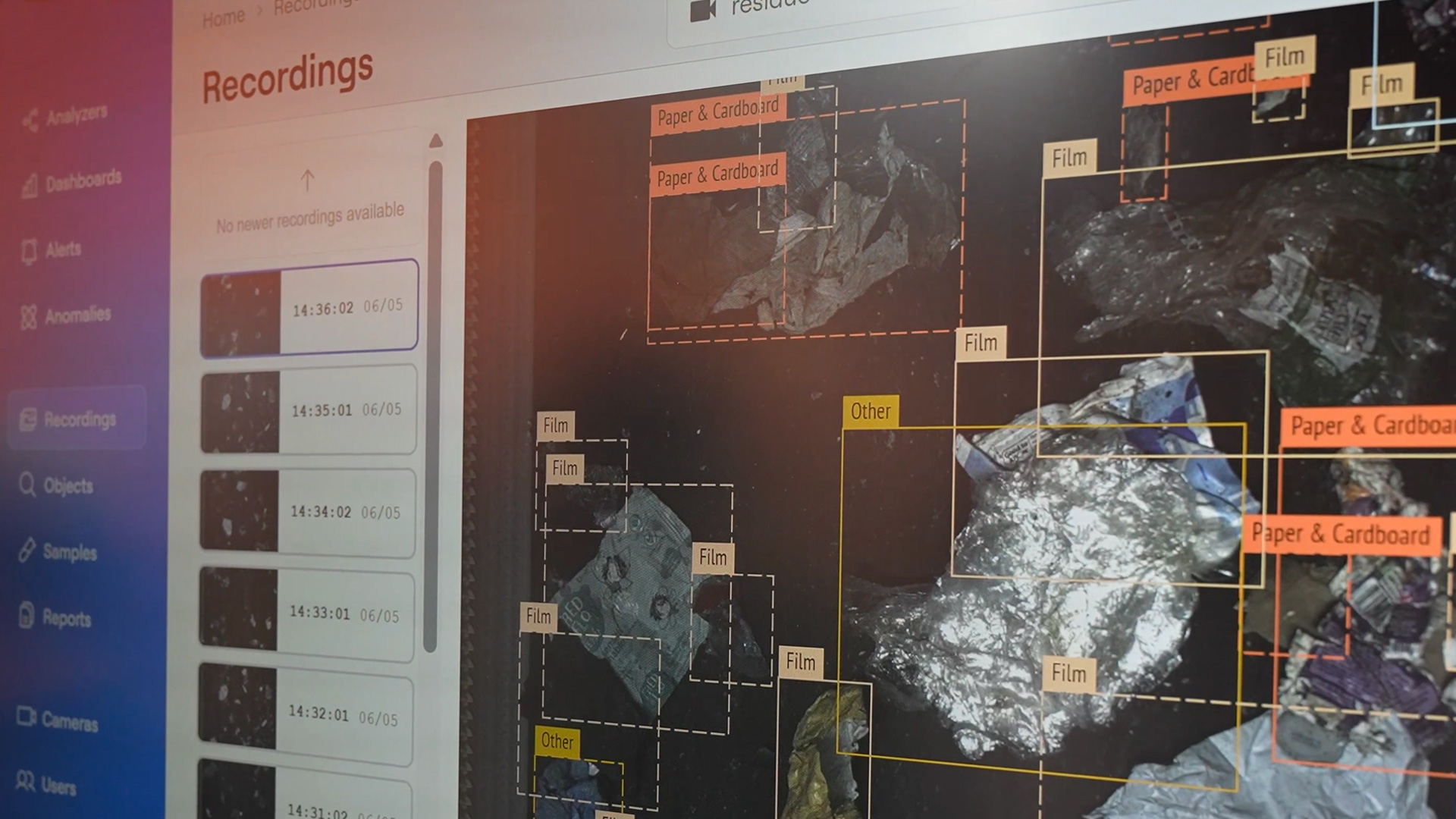
Urraco Evo for flexible material flows in recycling
Today’s recycling plants must handle a wide variety of material streams. Wood, end-of-life tyres, mixed scrap, aluminium, cables, plastic canisters and oil tanks each place their o... Quick-change system for tyres, scrap metal and other materials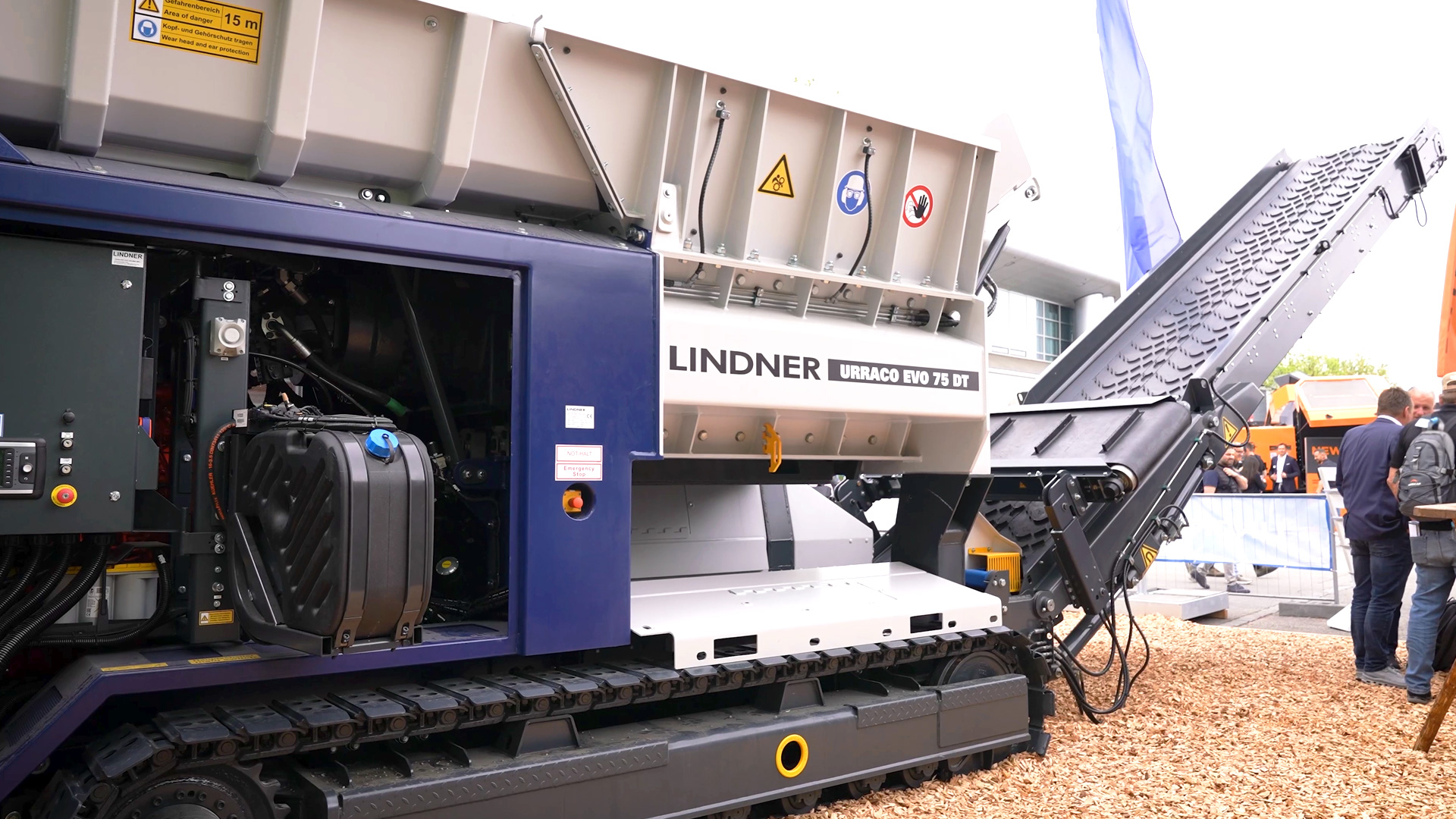

Autonomous robotics for industrial plants and outdoor areas
In industry, autonomous robotics is often still associated with clearly demarcated indoor environments. Many systems work reliably on marked indoor routes, but reach their limits a... Robots also for use in complex outdoor areas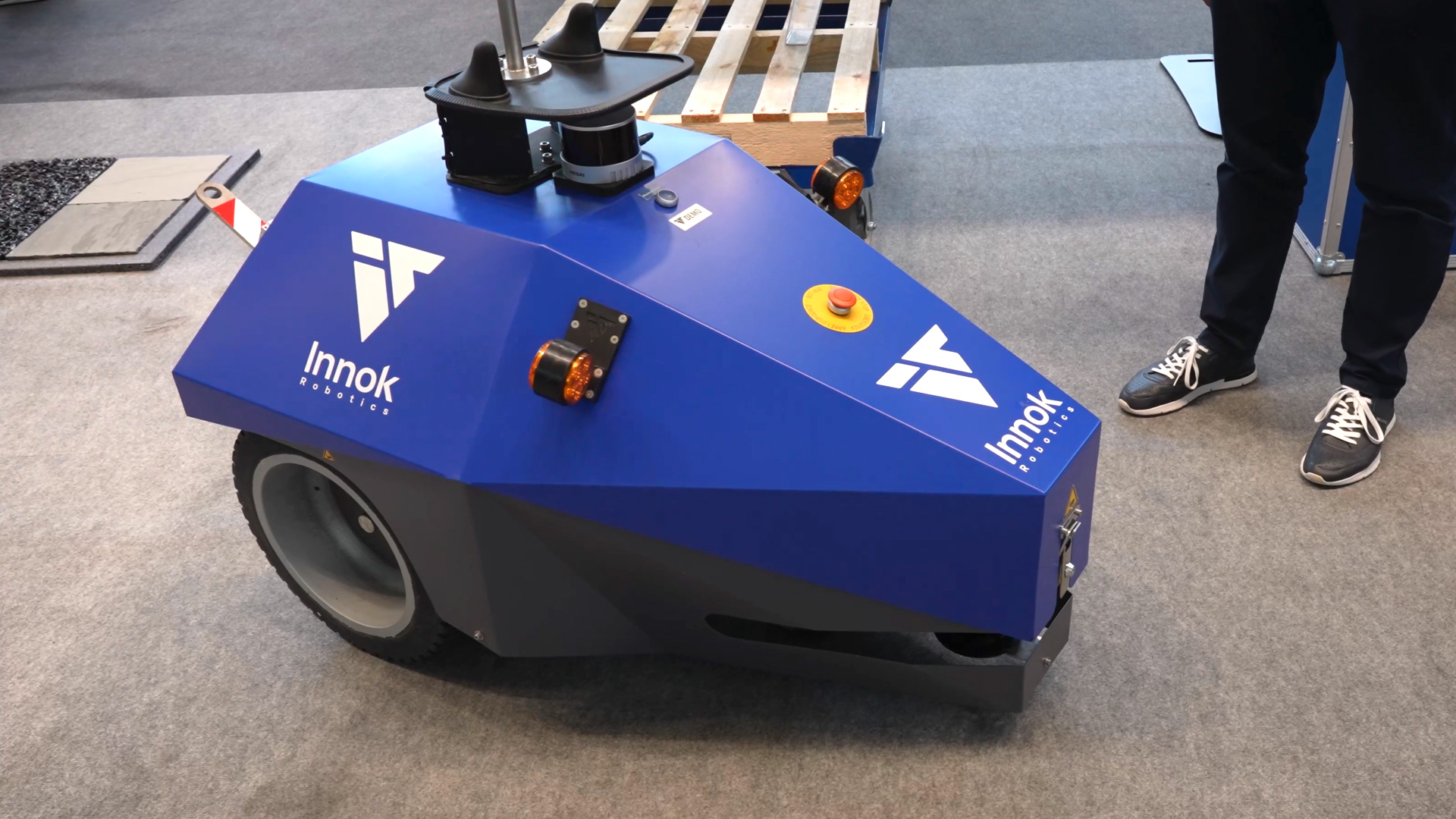
Wima improves classification of moist materials
At first glance, screening technology often seems unspectacular. In many systems, its task appears to be simply to separate material according to size. In practice, however, the qu... Separating moist or sticky material by size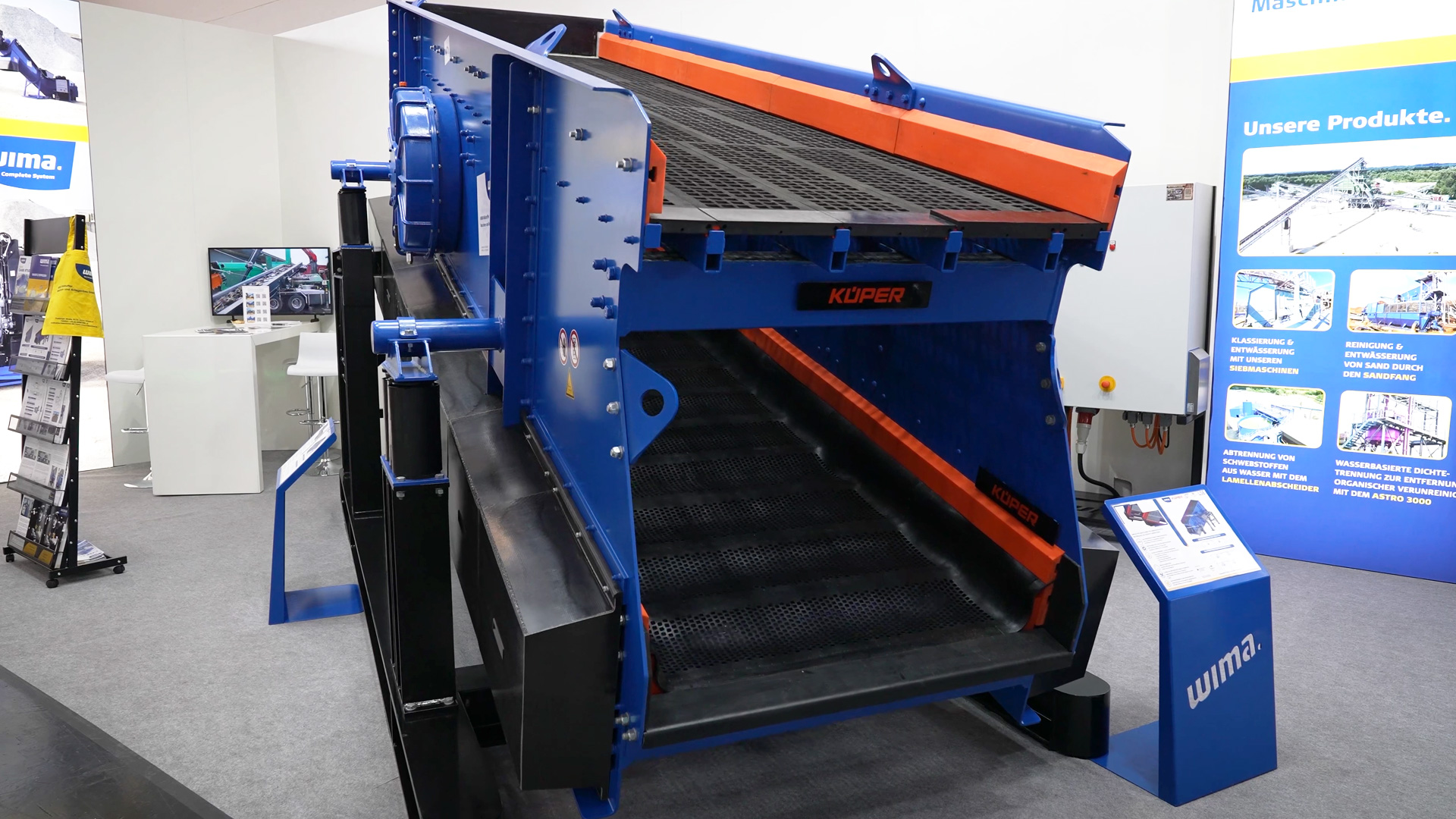
DiscSpreader automove improves sorting in recycling
In recycling plants, the quality of sorting is not only determined at the actual separator. Even before that, the material must be prepared in such a way that downstream systems ca... Increase sorting quality through preparatory process stage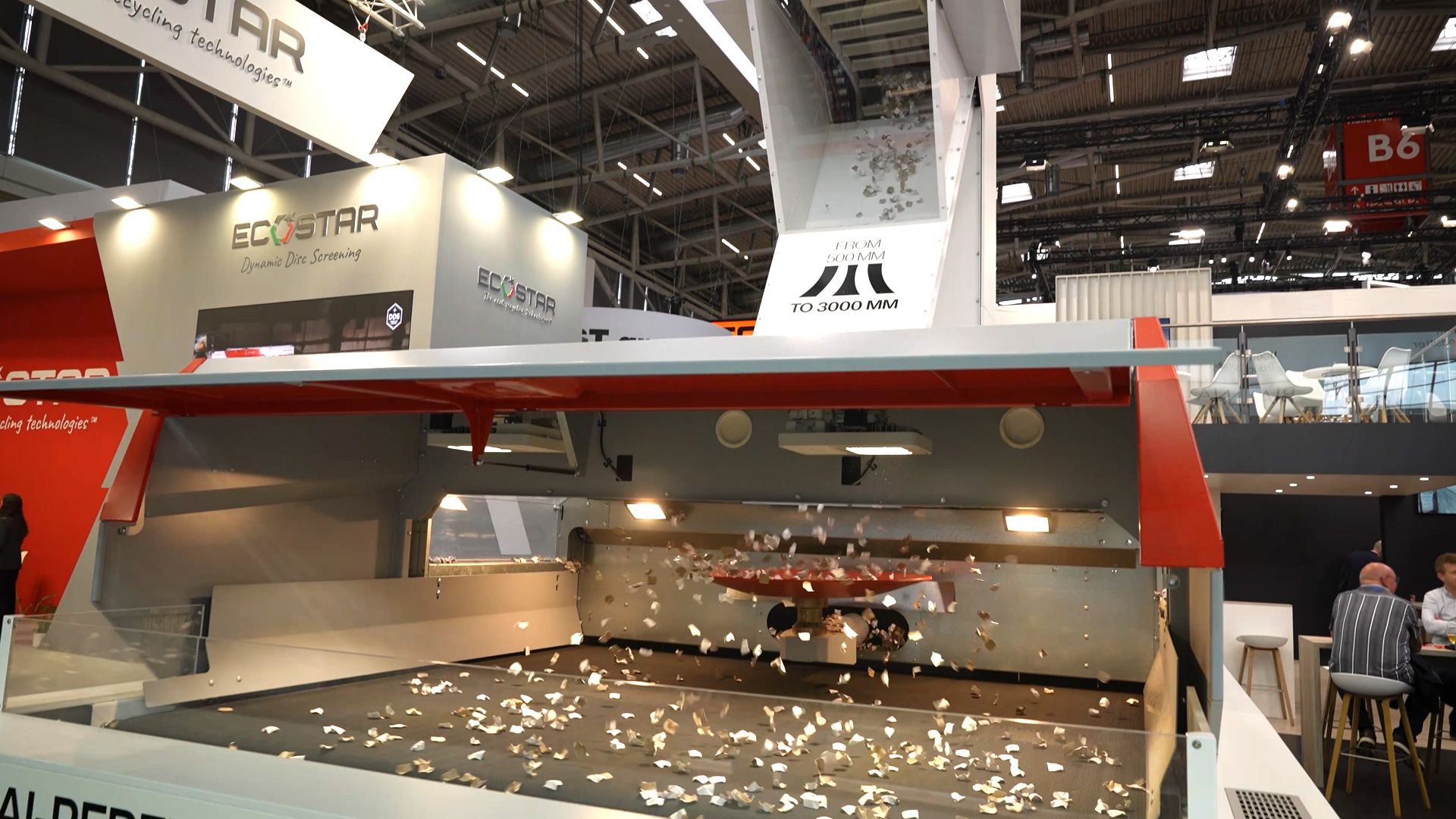
Shredding of end-of-life tyres using rotary shears in plants
The shredding of end-of-life tyres is one of the unassuming yet central processes of modern circular economy. Tyres are durable products, but at the same time difficult to dispose ... Processes in modern tyre recycling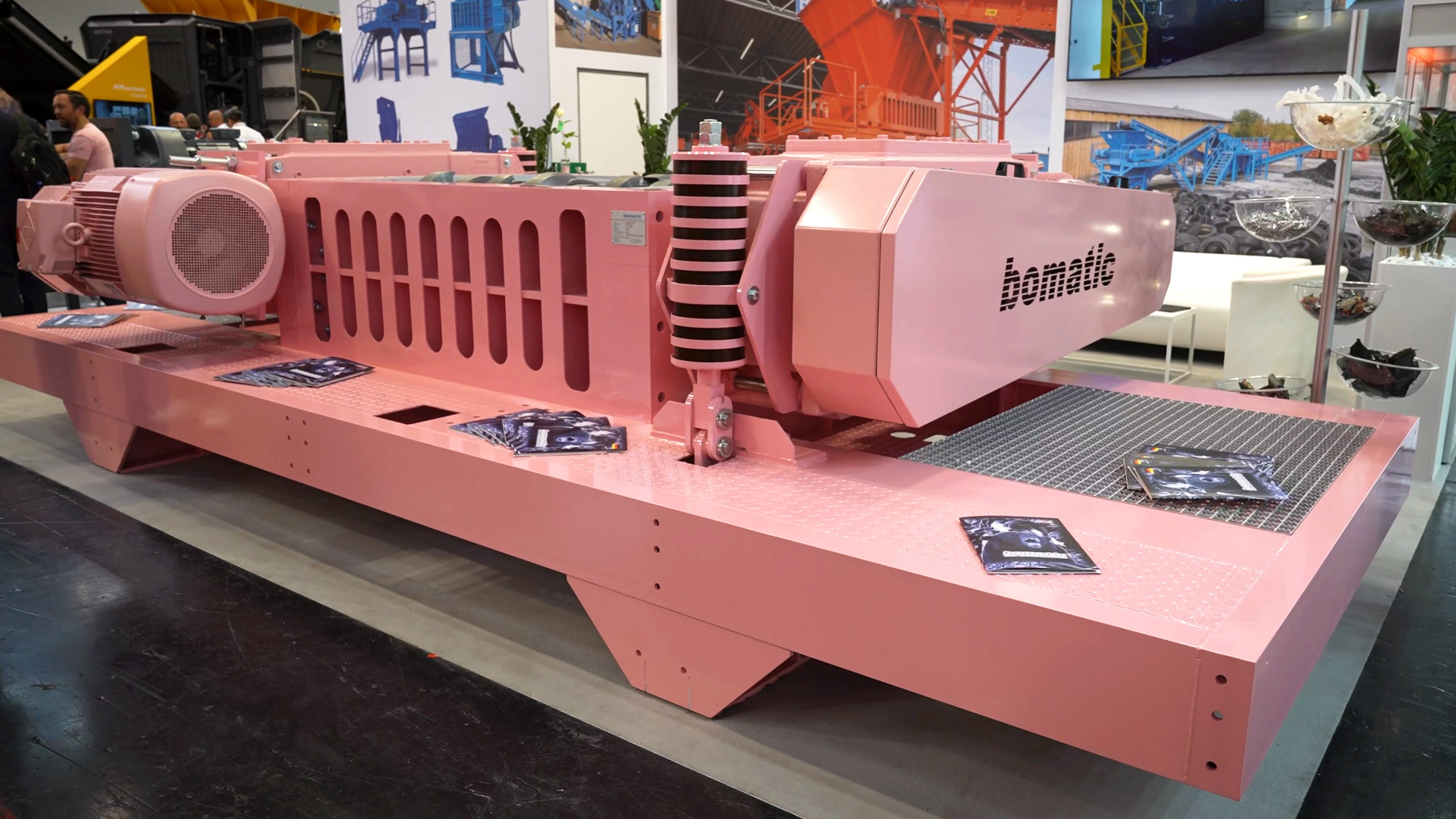
AI infrastructure in data centres: cooling and power supply
AI infrastructure is growing rapidly, yet it remains invisible to many users. Whilst applications are becoming increasingly prevalent in everyday life, the actual processing power ... Rittal: Understanding infrastructure as an integrated system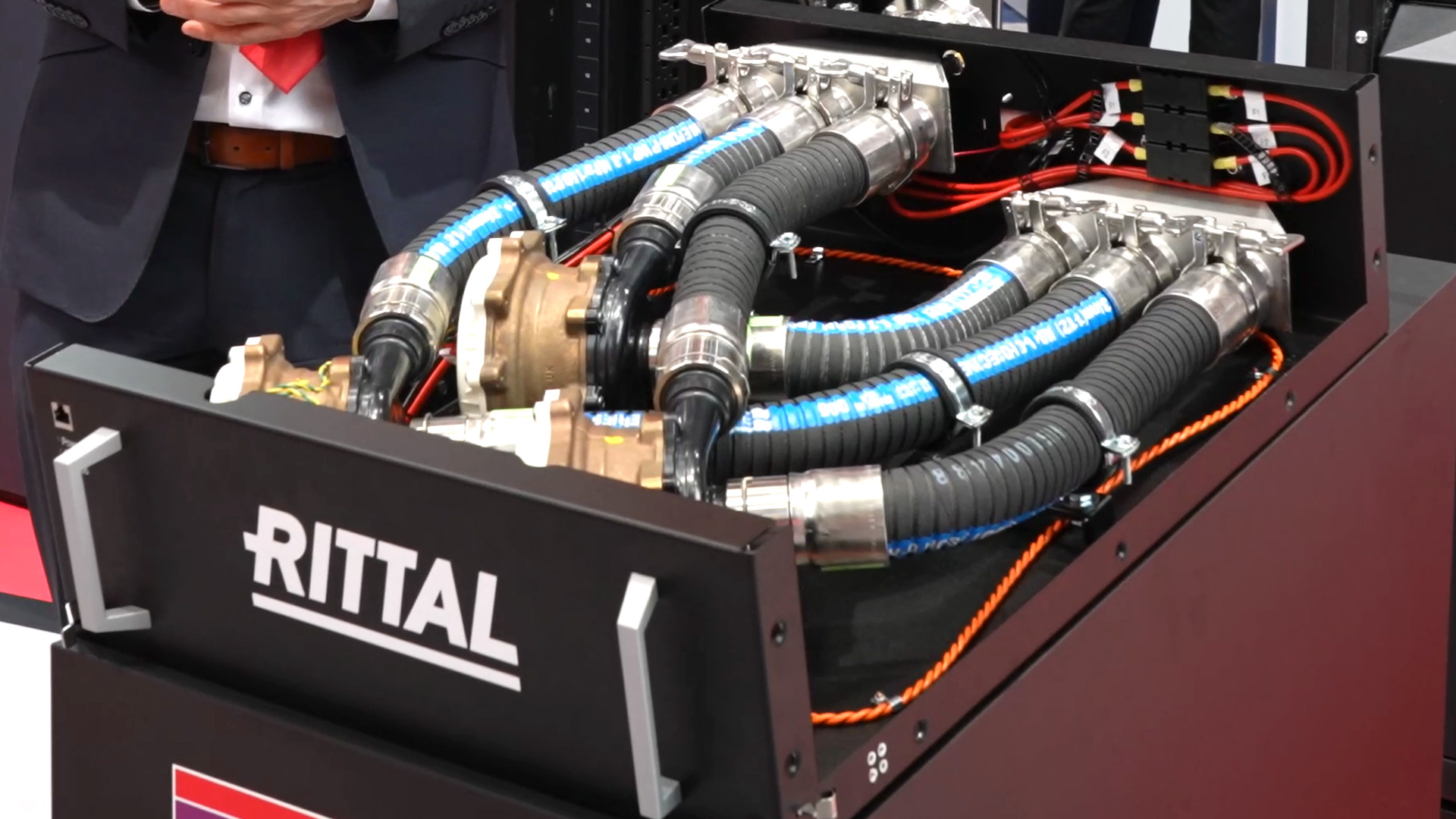
Configurable cantilever handling as a system for applications
In industrial automation, the focus is increasingly shifting from rigid individual components to flexibly configurable system solutions. Configurable cantilever handling is an exam... Flexible system solutions in industrial automation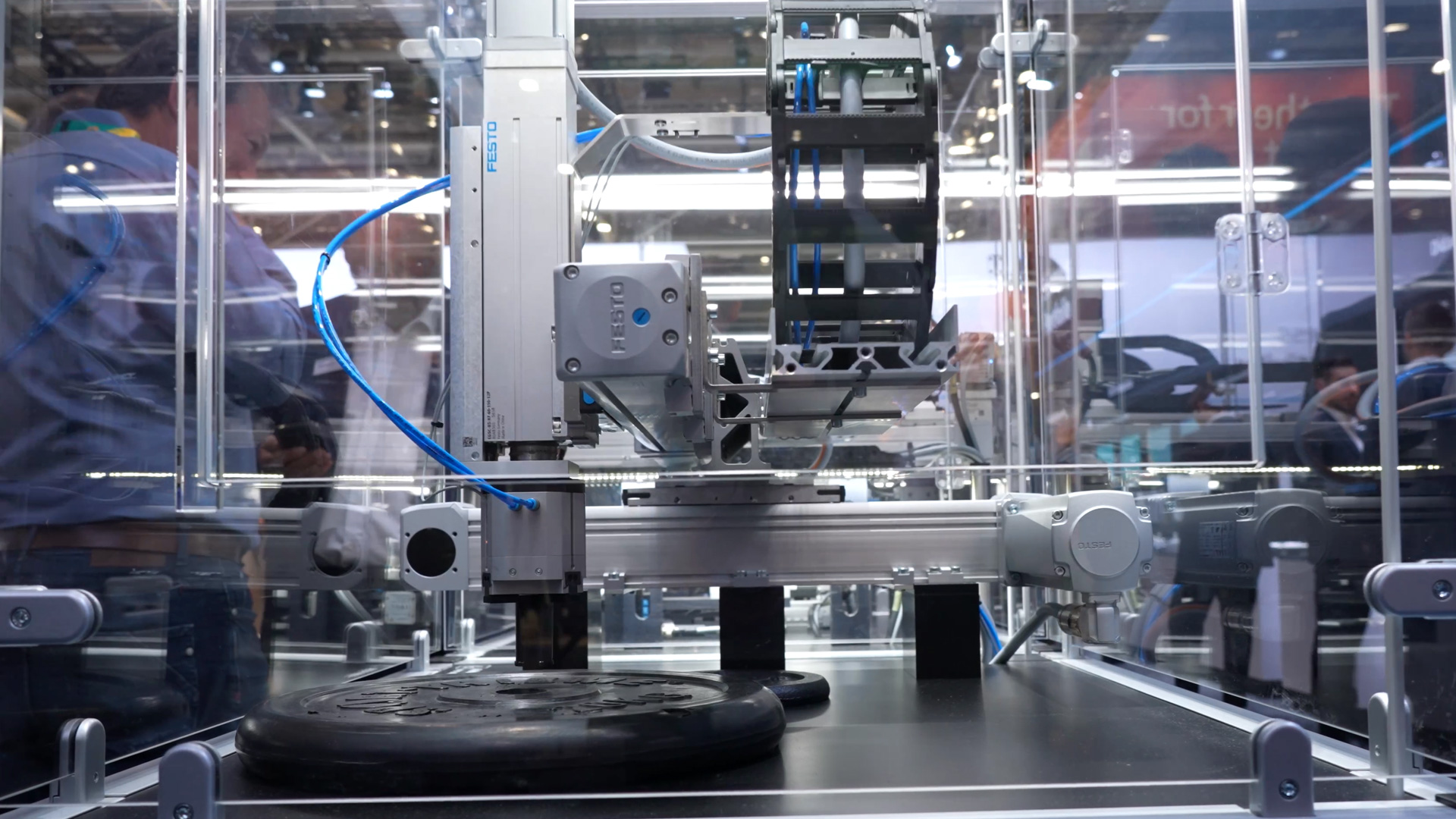
Automation solutions for industrial processes
Industrial companies are increasingly turning to automation to increase efficiency, safety, and precision in production. At trade fairs, companies showcase solutions for process control, machine networking, and quality assurance. Modular systems, integrated robot solutions, and smart sensor technology for industrial use are presented.
- Robotics for material handling and assembly
- Sensor-based systems for process monitoring
- Automated testing and inspection systems
- Software solutions for production planning and control
- Edge computing and IoT platforms for real-time analysis
Materials and manufacturing technologies in industrial change
Whether lightweight construction, 3D printing, or special materials – industry is investing in new materials and innovative processes to make products more sustainable, lighter, or more durable. Messe.TV features articles on developments in additive manufacturing as well as materials with functional properties.
- Metal and plastics processing with new processes
- Additive manufacturing for prototyping and series production
- Coating technologies for protection and durability
- High-performance materials with temperature- or pressure-resistant properties
Energy efficiency and resource-saving industrial plants
Industrial companies are faced with the challenge of making production processes not only economical but also sustainable. Energy management, heat recovery, and intelligent control technology play a central role in this.
- Industrial heat pump systems
- Recovery systems for process waste heat
- Real-time energy consumption monitoring
- Technologies for reducing CO₂ emissions
Safety technology and industrial protection systems
Industrial environments have high requirements for protection and safety. Whether for machine operation, building infrastructure, or IT, the solutions presented show how modern technology minimizes risks and secures work processes.
- Safety fences and access controls
- Personnel recognition and emergency stop systems
- Protective enclosures for hazardous work areas
- IT security in networked production environments
Maintenance, retrofitting, and industrial service concepts
Maintenance and repair are among the central tasks in industry—not only to prevent breakdowns, but also to extend the service life of systems. Numerous suppliers present modular concepts, sensor solutions, and digital tools for predictive maintenance.
- Sensors for condition monitoring
- Cloud-based maintenance systems
- Retrofit solutions for older machines
- Remote maintenance via secure remote access
Trade fair reporting Germany - Trade fair knowledge, dates & events


