Autonomous outdoor robotics with AI for industrial plants
by A. Bergmeier - 2026-05-11In industry, autonomous robotics is often still associated with clearly demarcated indoor environments. Many systems work reliably on marked indoor routes, but reach their limits as soon as changing weather conditions, uneven surfaces or complex outdoor areas are added.
However, large industrial plants in particular rarely consist of just a single production hall. Material flows run between buildings, storage areas and outdoor areas - often over routes that still have to be operated manually. This transition between indoor and outdoor areas is precisely where Innok Robotics' development comes in. The company has been focussing on autonomous transport robots for outdoor industrial applications for years and is now increasingly adding AI-based software functions to its systems.
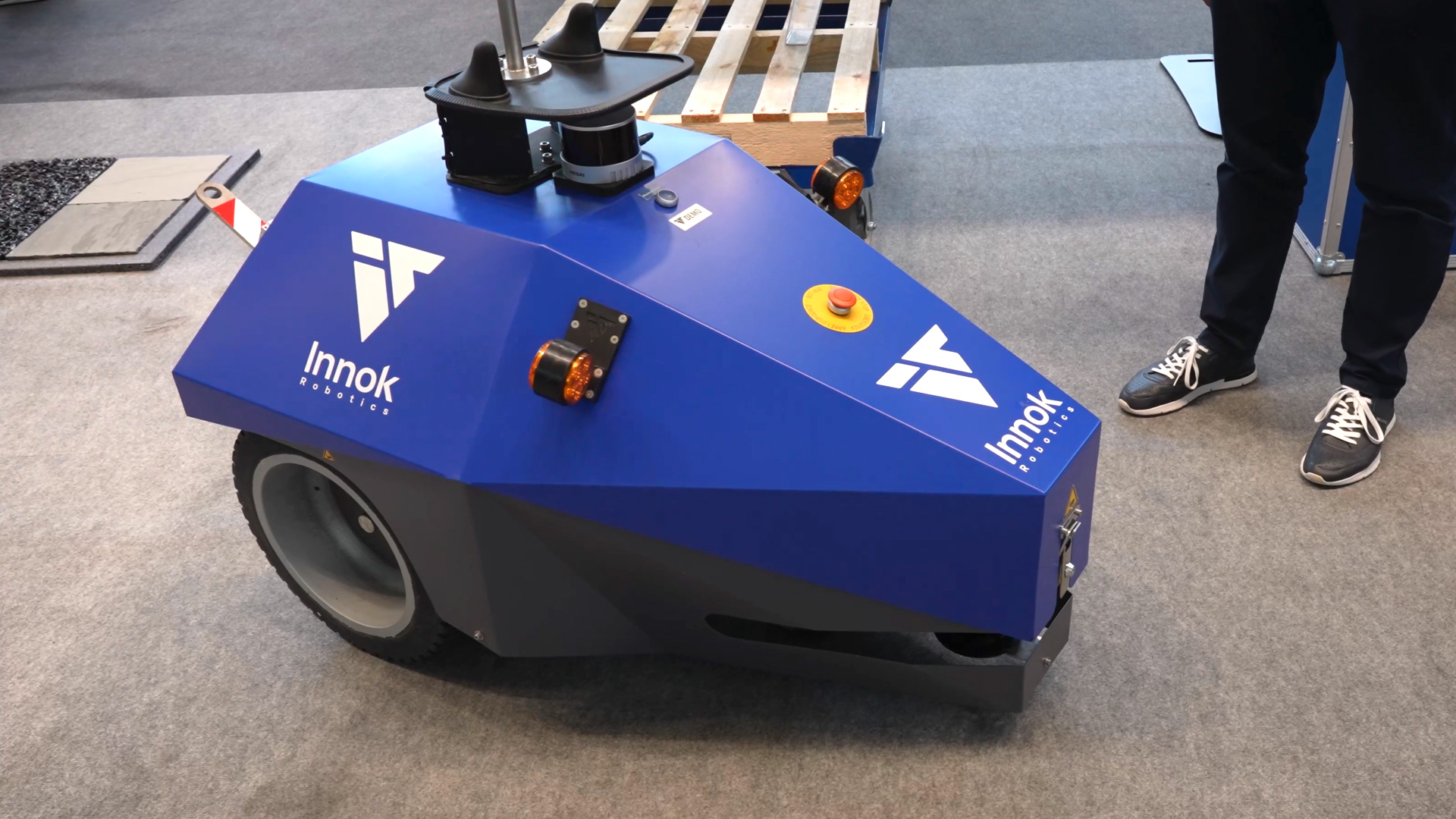

Innok Robotics expands operation with AI chatbot
A central new element is an AI chatbot, which is designed to simplify robot control. Instead of setting up vehicles via complex programming steps, users can formulate tasks directly by voice or text input. The user simply describes the desired process, such as transporting a trailer between different stations in a plant. The automation then takes over the realisation of the task. The operator simply checks the process and confirms that it has been carried out. This significantly shifts the role of humans in operation. The focus is no longer on the technical configuration, but on the simple transfer of logistical tasks. This can be a decisive advantage, especially in industrial environments with changing processes. Innok Robotics is clearly pursuing the goal of making autonomous robotics usable even without in-depth specialised knowledge.
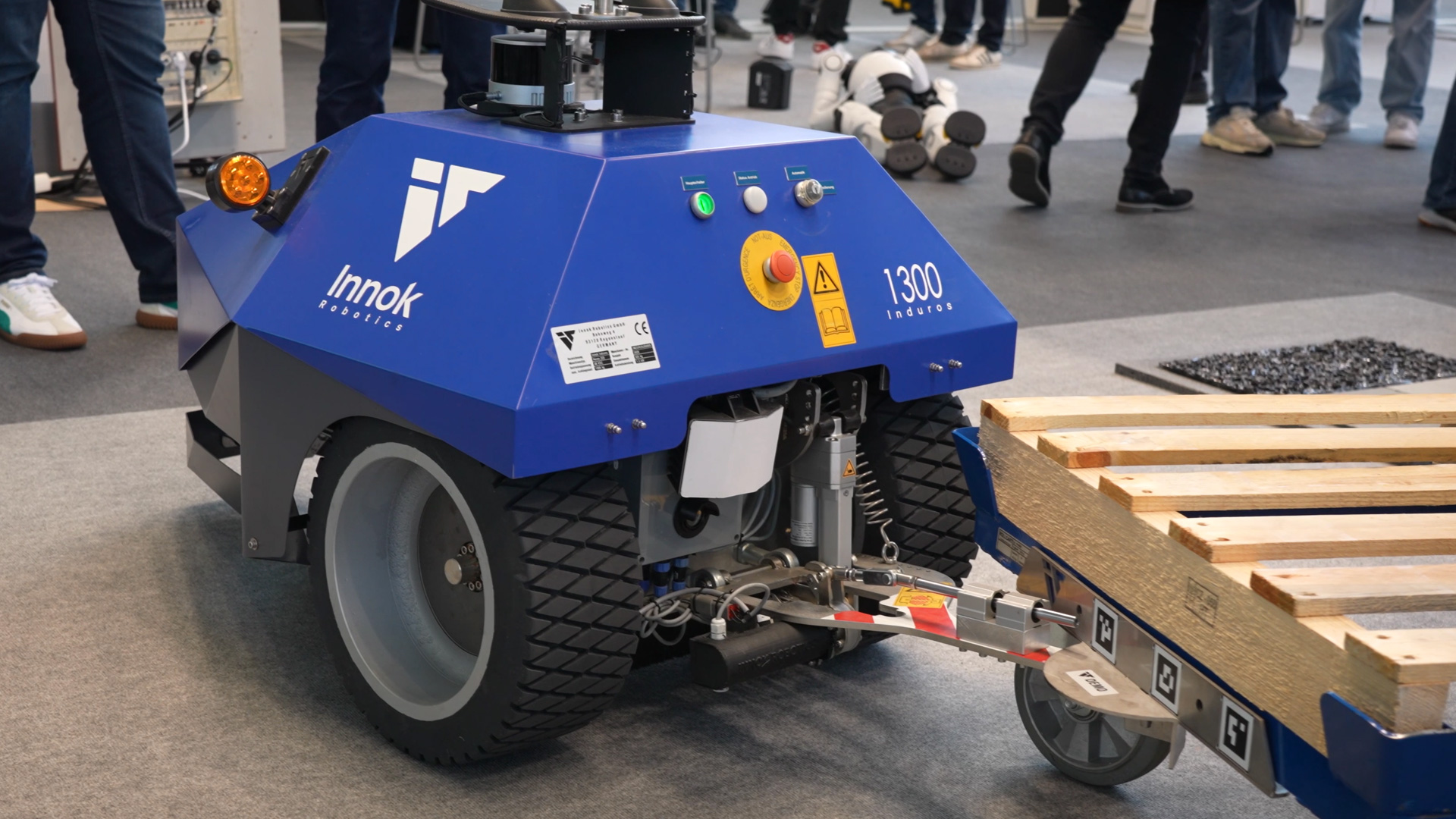
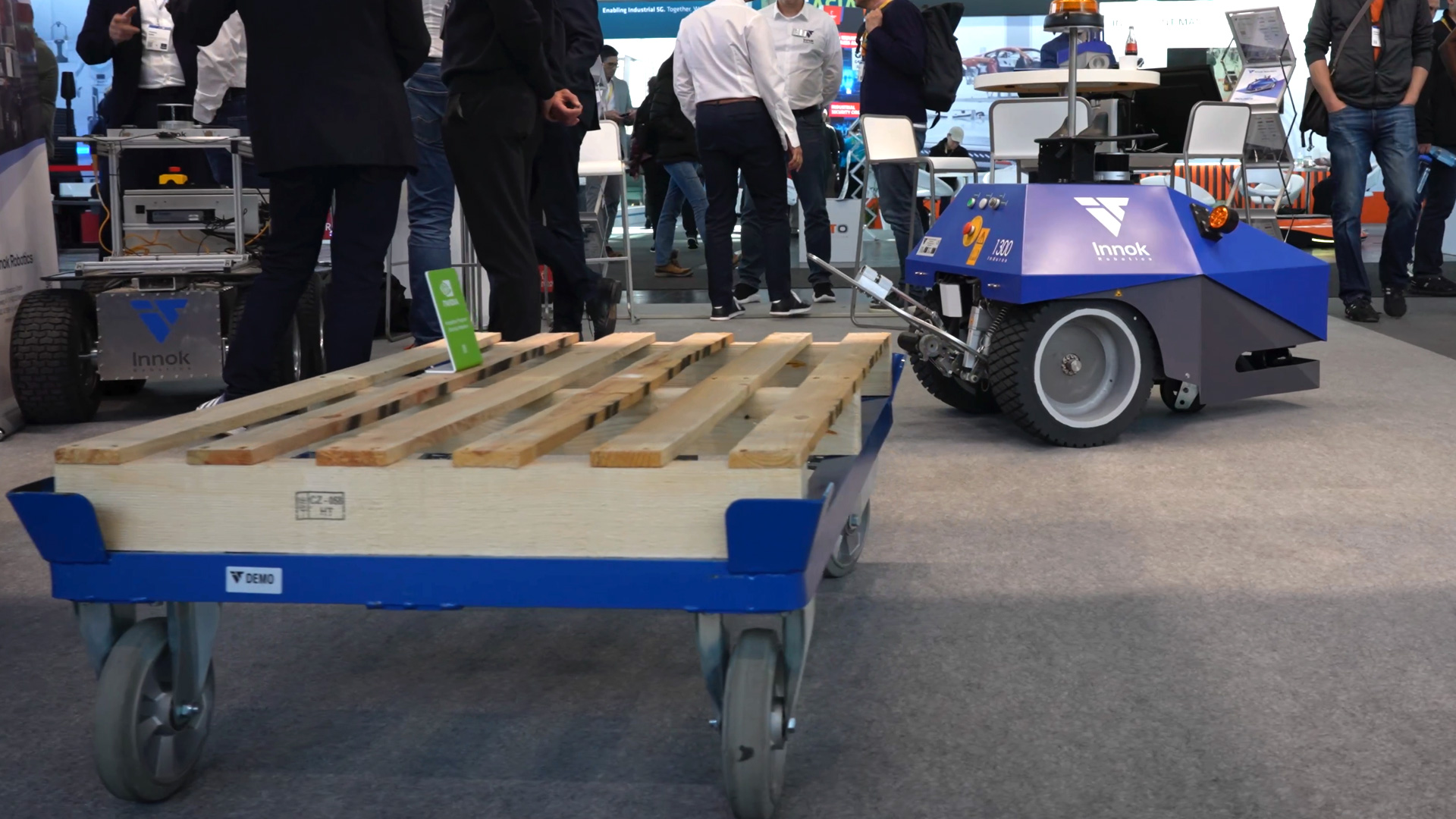
Outdoor robotics connects indoor and outdoor areas
However, the real unique selling point is still the outdoor area. While many autonomous systems stop at hall doors, the vehicles from Innok Robotics move between indoor and outdoor areas. The robots open hall doors autonomously, drive across factory premises and also work in rain, fog or snow. It is precisely this capability that is relevant for large industrial plants. Production sites often grow over decades and consist of several buildings with complex material routes. This results in numerous transport processes outside of classic indoor environments. Companies such as ABB, Bosch, Siemens and ZF are already using such applications in everyday industrial operations. The systems not only take on individual transport tasks, but also close gaps between different production areas. This is what makes end-to-end automation possible.

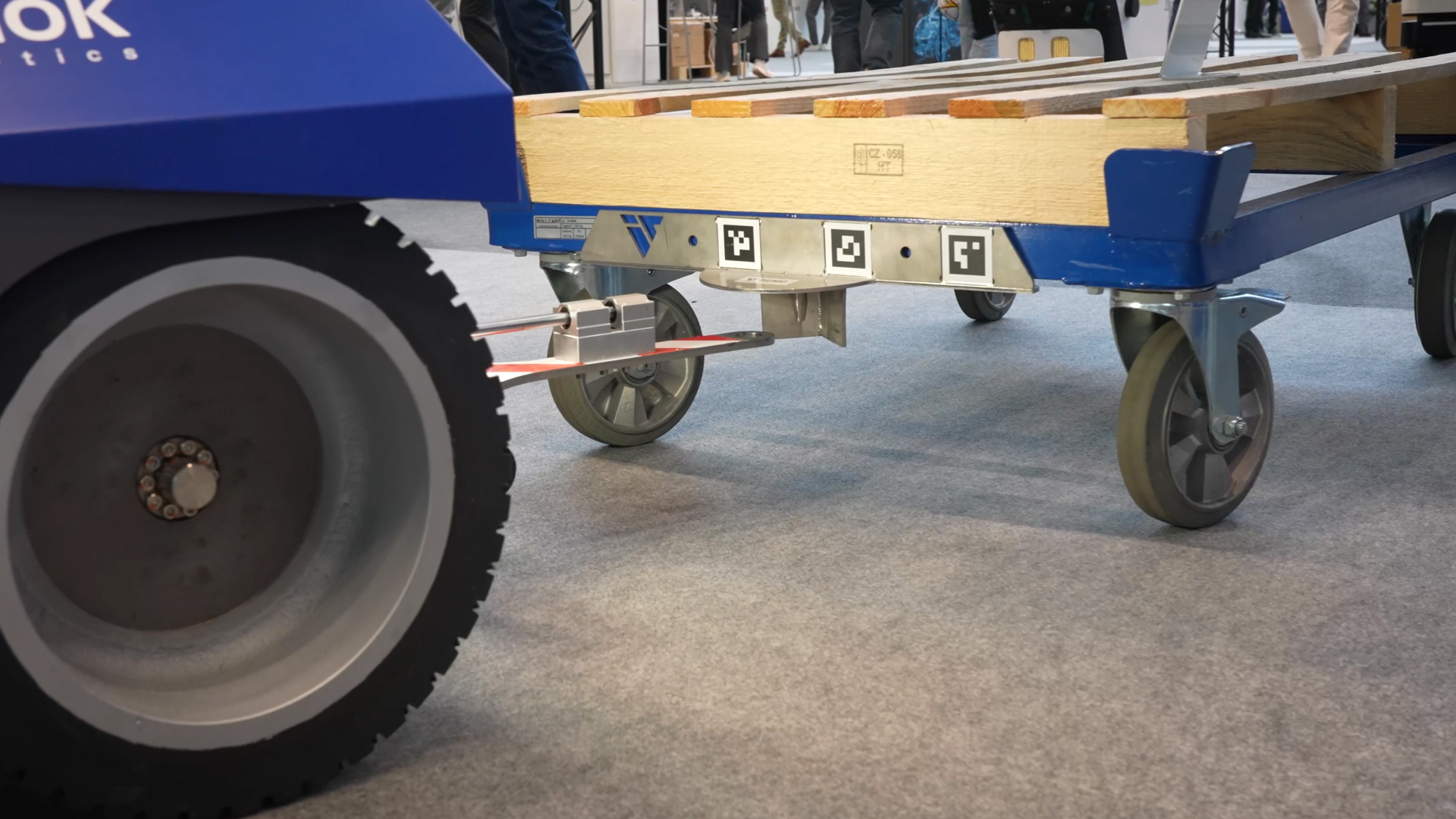
New robot family with greater traction in development
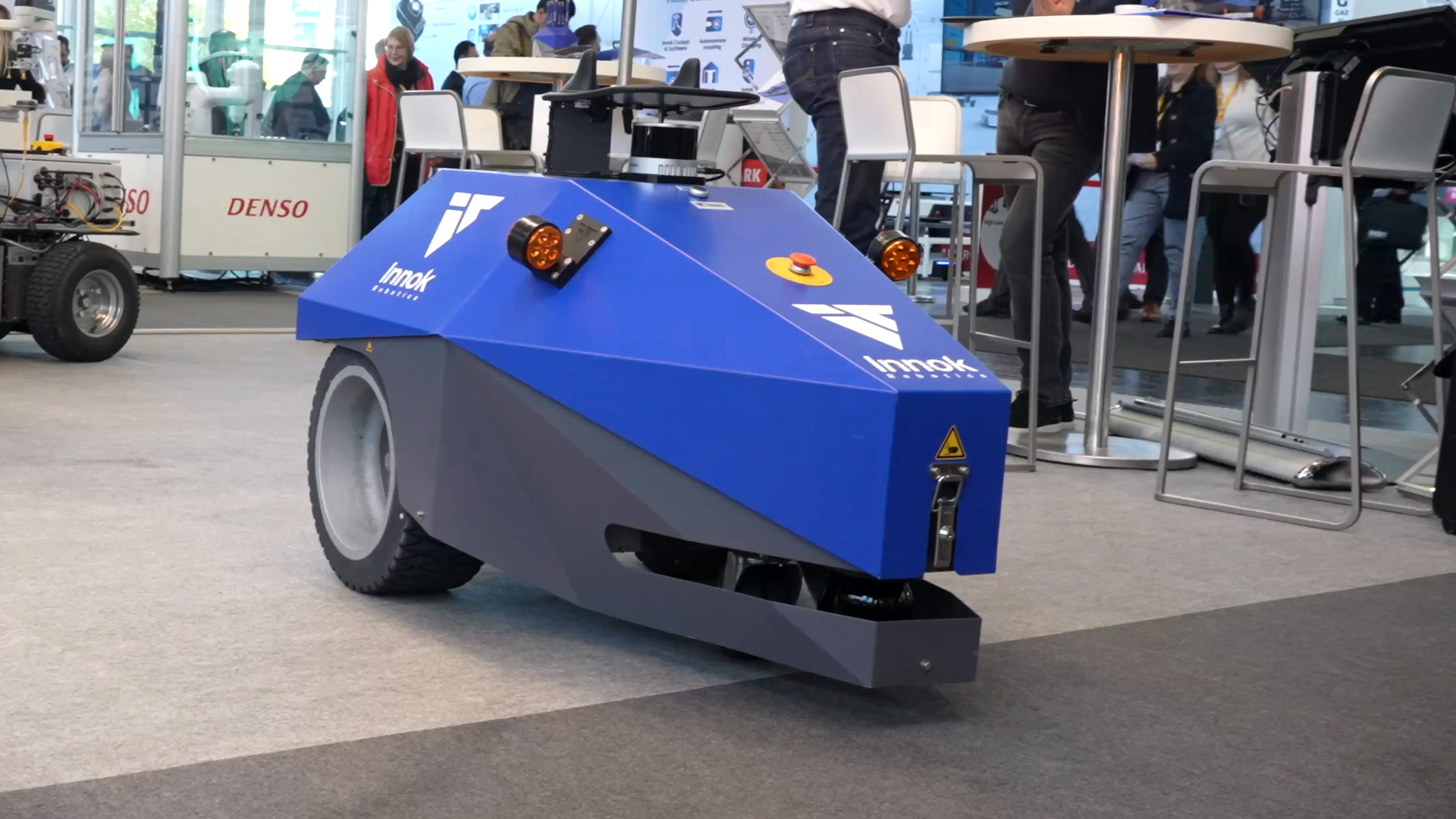
In parallel to the software, Innok Robotics is also expanding its hardware platforms. The current product family currently covers transport loads of around 1.3 tonnes. At the same time, the company is already working on significantly larger systems. According to the roadmap, a robot with a tractive force of eight tonnes is one of the next development steps. This would significantly expand the range of applications - especially for heavy industrial transport processes on factory premises or in intralogistics. It is striking that mechanical development remains closely linked to software functions. Autonomous robotics is no longer defined solely by the chassis or drive, but increasingly by the software stack and the ability to handle complex situations independently. This is precisely why Innok Robotics invests heavily in its own software development and employs its own software engineers within the company.
Reverse AI Pro extends autonomous driving functions
This focus is particularly evident in functions such as Reverse AI Pro. This involves AI-supported autonomous reversing with a trailer - a task that can be challenging even for human drivers. The system uses machine learning to carry out manoeuvring processes autonomously. This opens up new possibilities for automated material logistics on company premises. The most important areas of development can currently be summarised:
- AI chatbot for simplified operation of autonomous robots
- Outdoor navigation in rain, snow and fog
- autonomous reversing with trailers
- Extension of the robot platforms to higher tractive forces
Physical AI becomes concrete in industrial applications
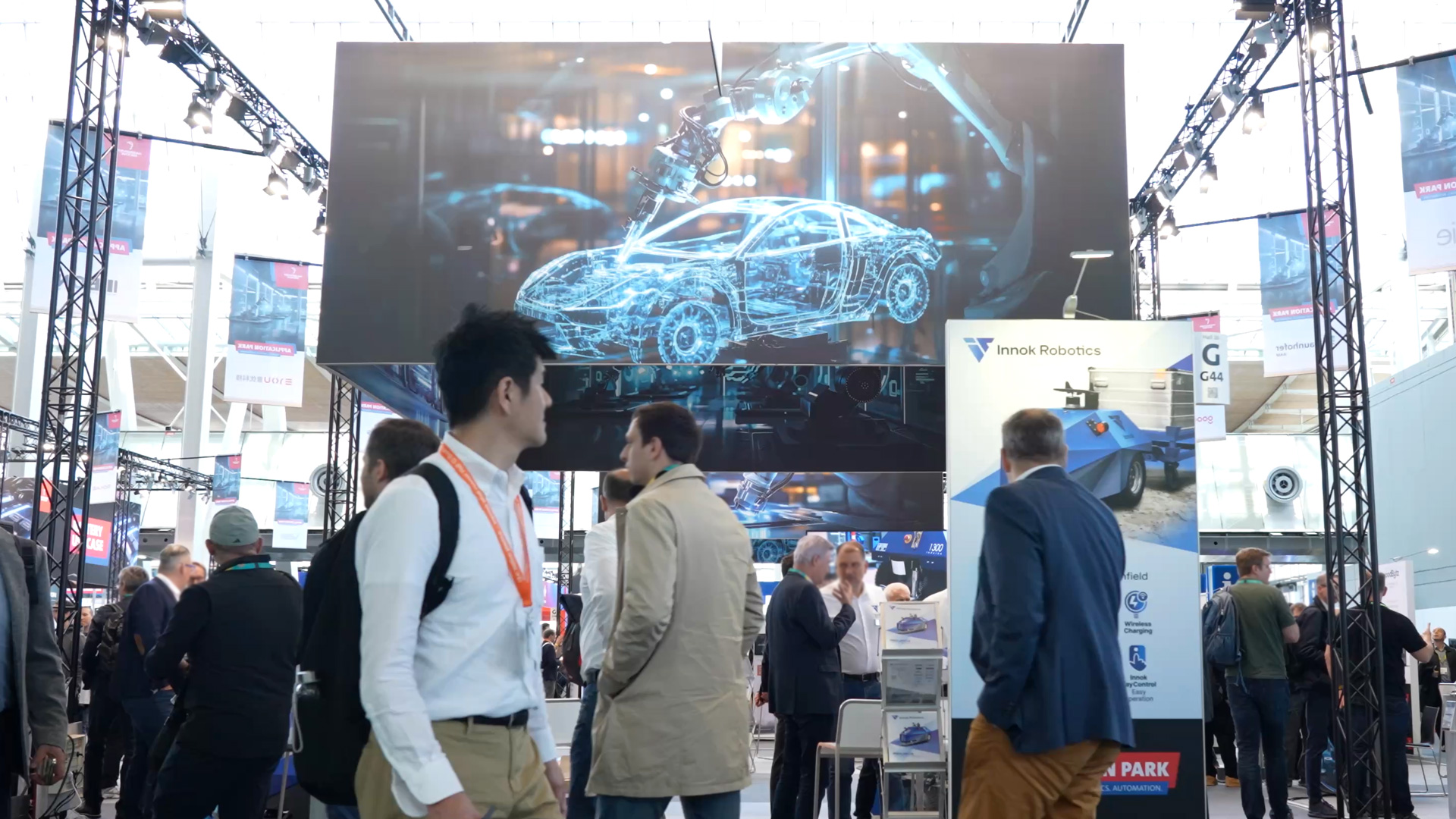
The term ‘physical AI’ is currently appearing in many technology debates. It refers to the combination of artificial intelligence with real physical machines. While many applications have so far primarily concerned digital processes, this is about concrete movements in real environments. Innok Robotics uses precisely this approach for industrial transport tasks. Software updates continuously add new functions to existing robots. This means that the performance of the systems continues to change even after delivery. This creates an important advantage for existing customers: new software functions can be transferred to existing fleets without having to replace the entire hardware. The development thus demonstrates a fundamental change in industrial automation. Autonomous robotics is no longer created by mechanical systems alone, but increasingly by adaptive software that flexibly controls and expands real processes.
Trade fair reporting Germany - Trade fair knowledge, dates & events


