Hossidesign: Innovating Board Games for the Next Generation
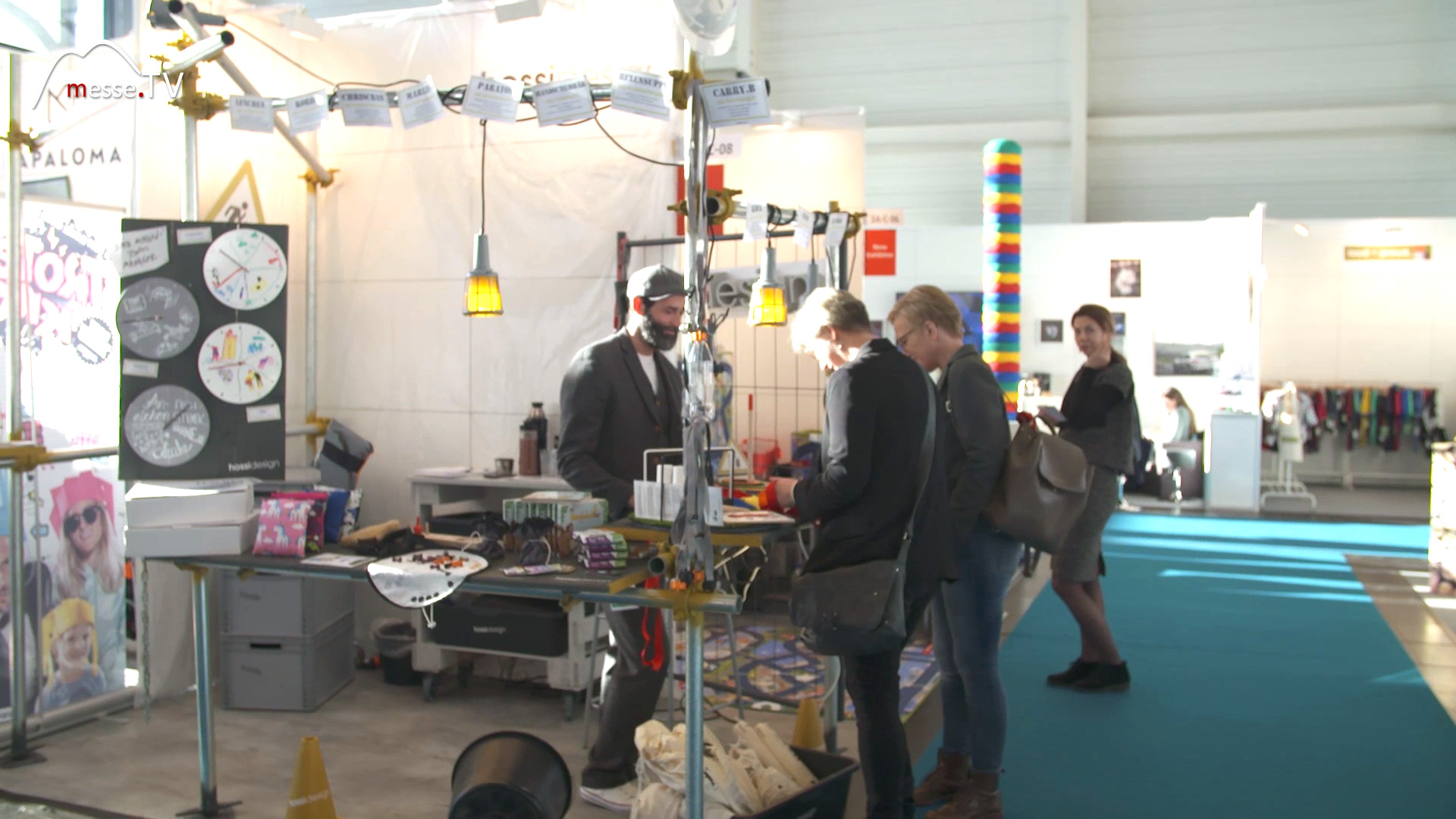
Hossidesign stands for play ideas that arise from personal experiences, family observations, and everyday life with children. Behind the label is not an anonymous development process, but a very concrete motivation: to design things that work in real everyday life. Emotional origins, practical use, and a keen sense of children's needs all come together here.
Originating from memory and responsibility
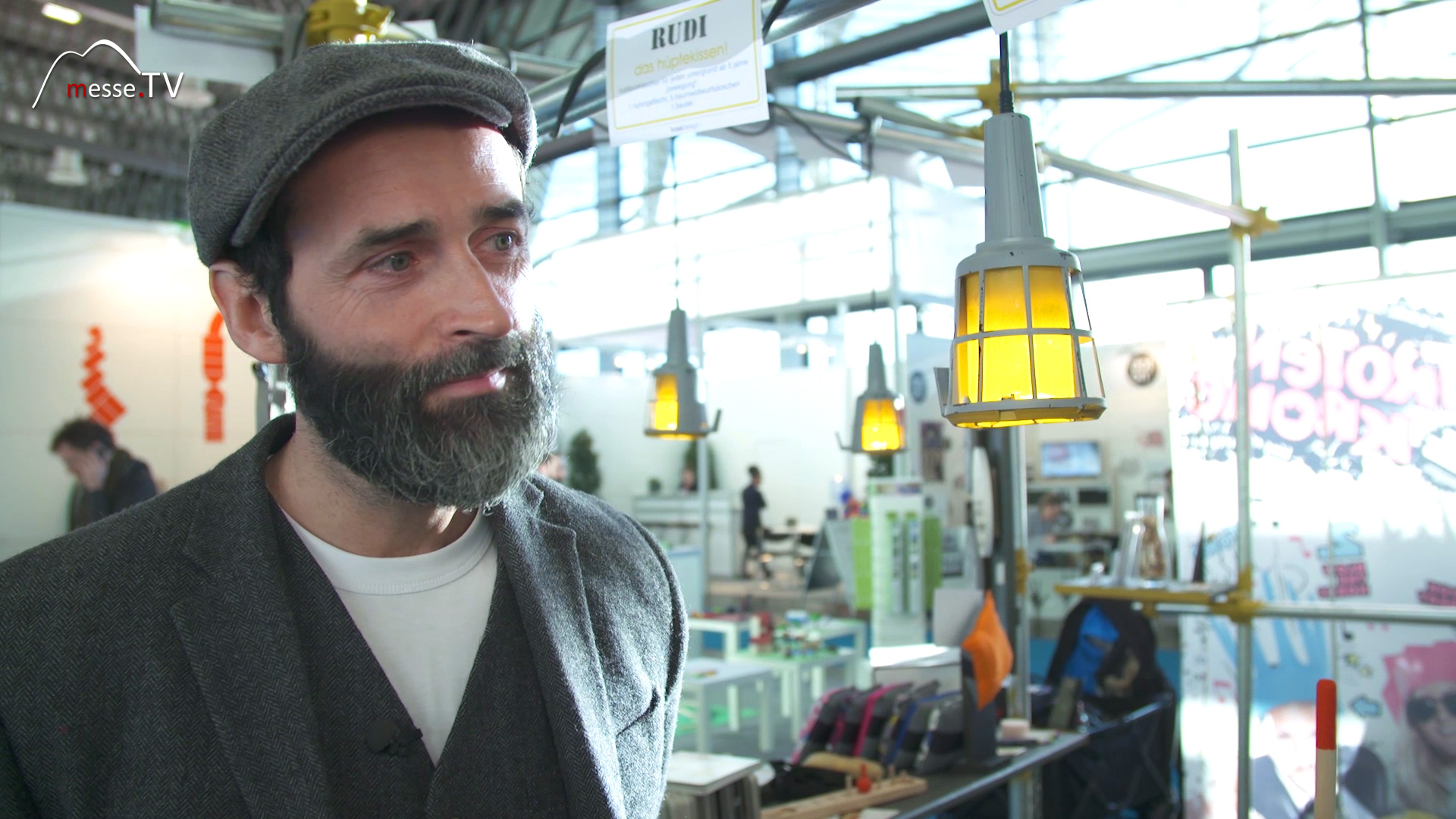
The roots of Hossidesign lie in a personal story. The brand name goes back to the founder's father, who was called “Hossi” in the family. This closeness not only shapes the name, but also many product names. They come from loving words and expressions from the founder's own childhood and consciously carry memories and personality. At the same time, every new idea arises from the here and now. His own daughter plays a central role in this. She is a source of ideas, a tester, and a critical benchmark all at once. New products are not developed theoretically, but are tried out directly in everyday life—in the children's room, in the living room, or outside. Only when a game works naturally there is it pursued further.
Free play as the basis for design
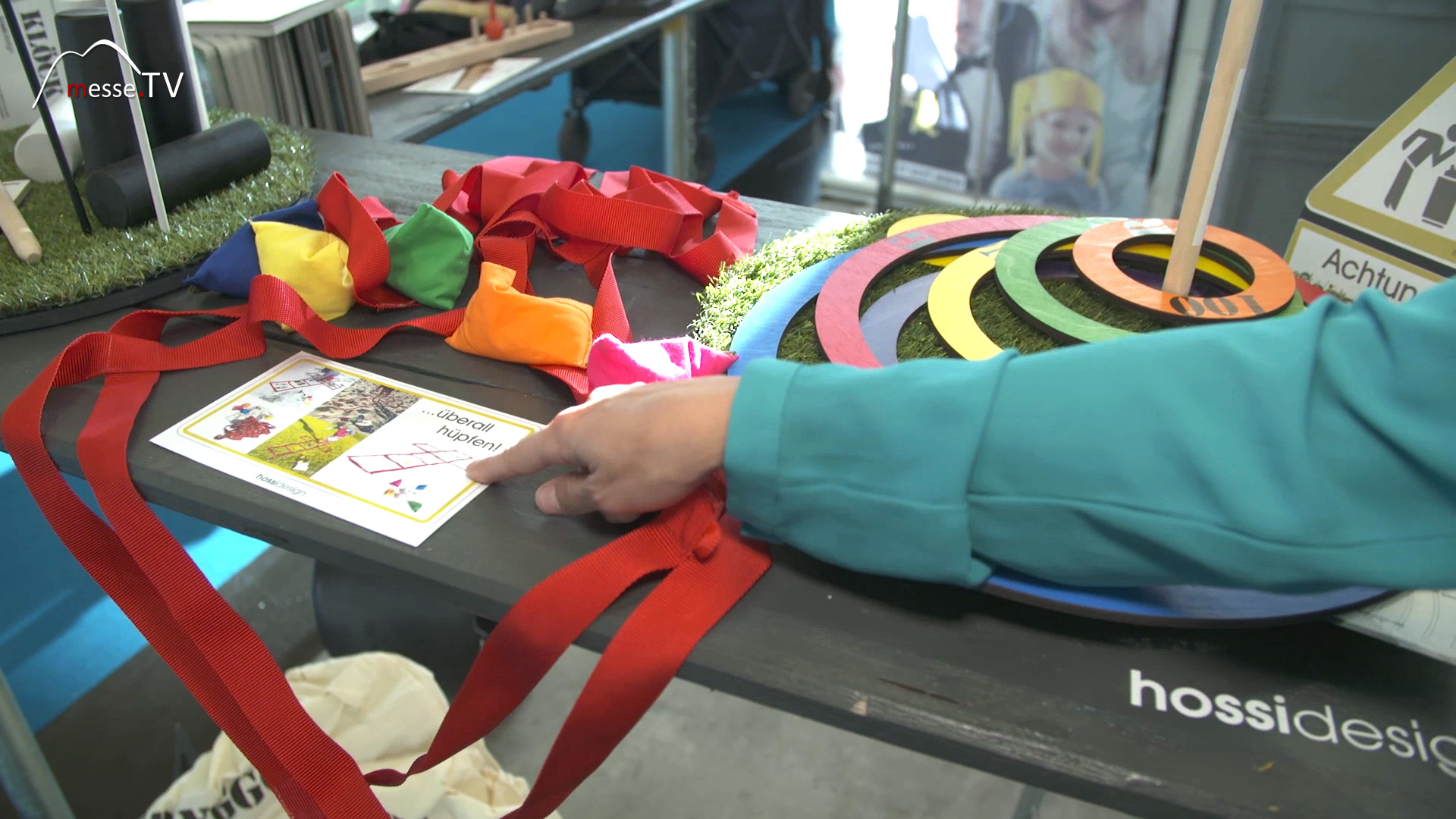
The focus is on free play. It is not the product that dictates the rules, but the child's actions that shape its use. A striking example of this is hopscotch. The starting point was not a market trend, but a simple everyday situation: a child's desire to play hopscotch – regardless of location, surface, or chalk. This resulted in a roll-out, flexible playing field that can be used on almost any surface. A well-known movement game is thus reinterpreted without losing its character. Children immediately recognize what it is about, adults understand its usefulness without explanation.
Movement, motor skills, and open use
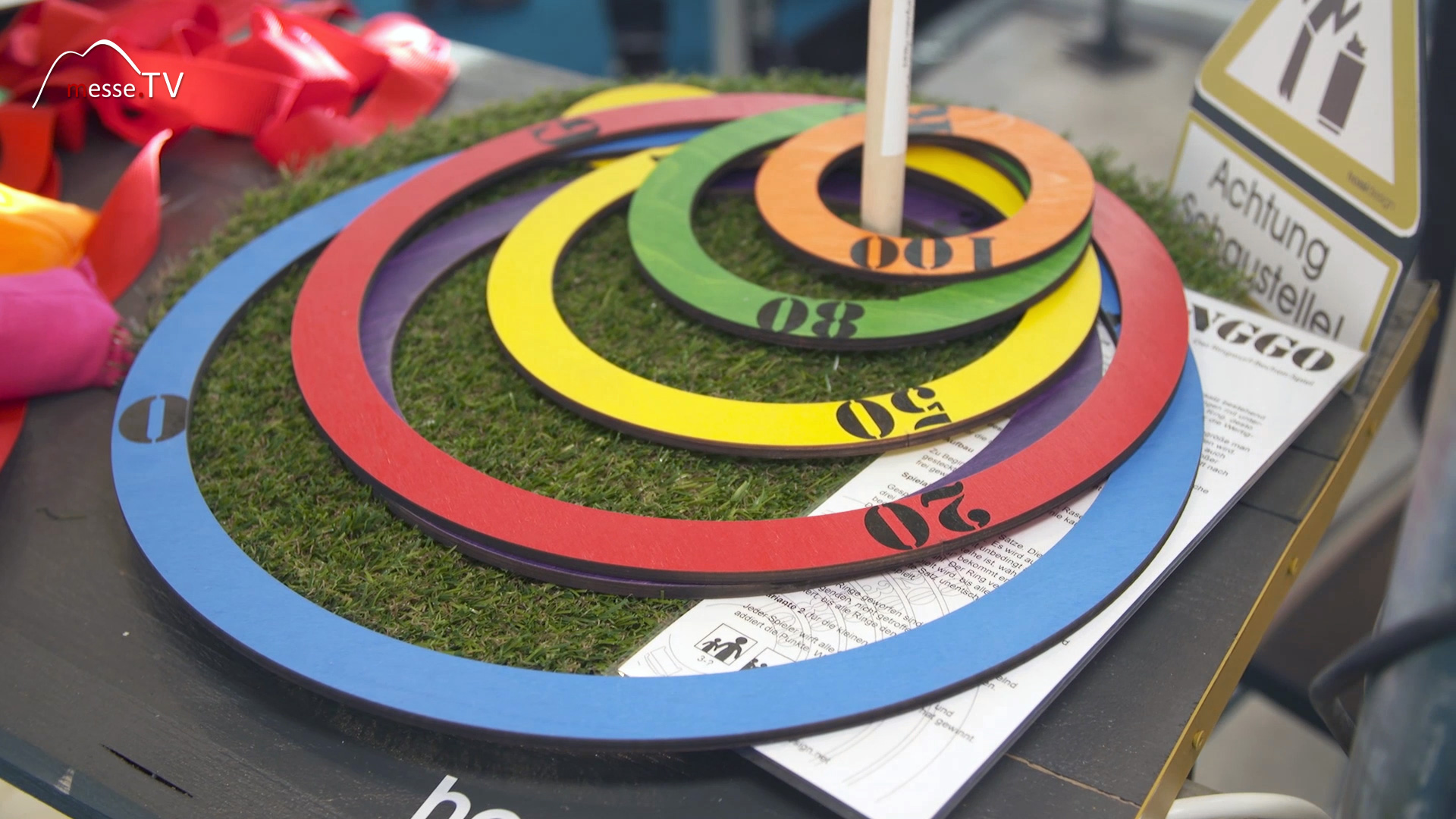
Many of Hossidesign's game ideas deliberately focus on movement. They promote balance, coordination, and body awareness without being didactic. The game arises from the activity itself, not from predetermined sequences or instructions. Typical features of these products are:
- Open use without fixed rules
- Promotion of movement and motor skills
- low barriers to entry for children
- can be used in different rooms

Understated design with everyday relevance
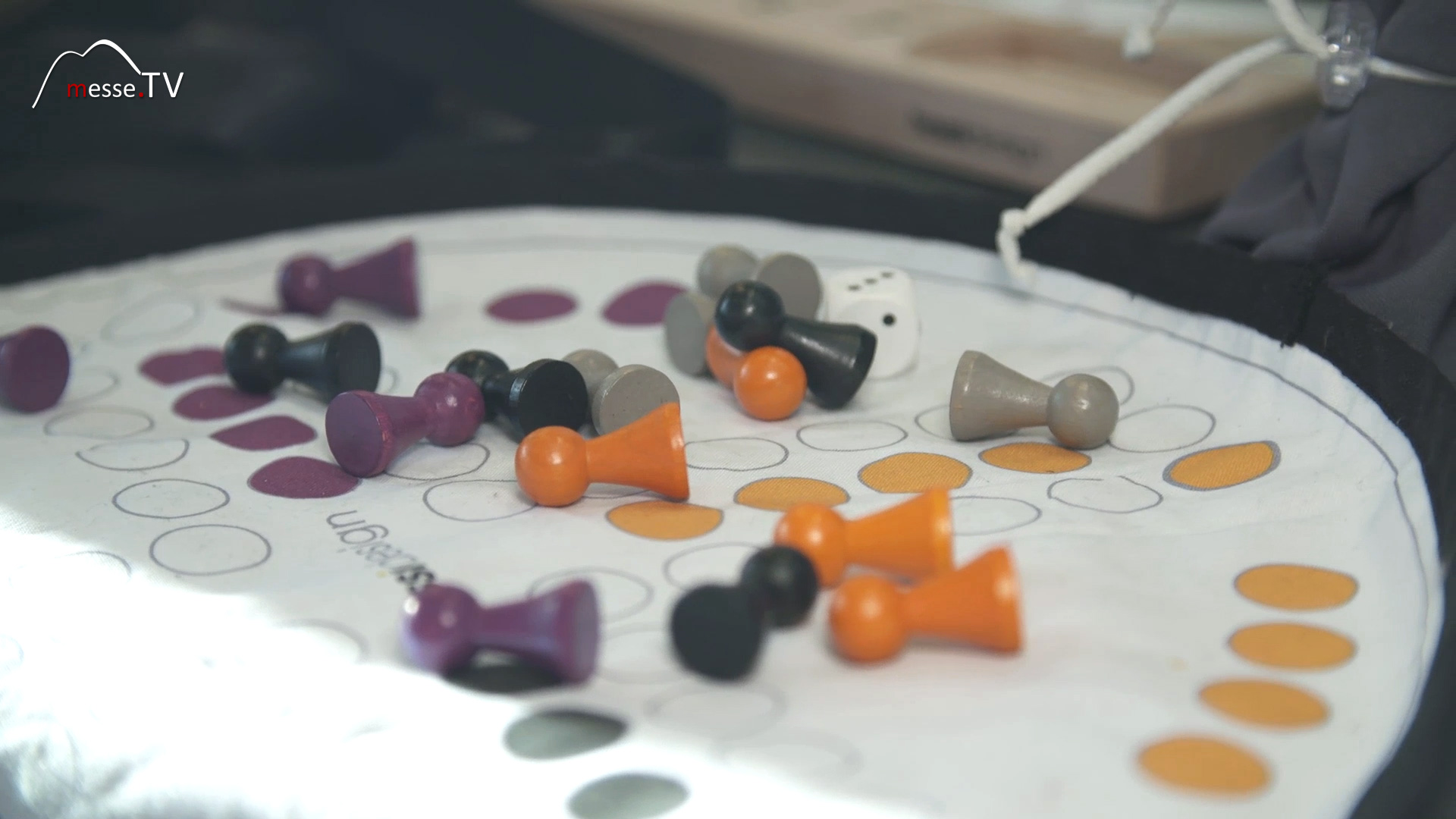
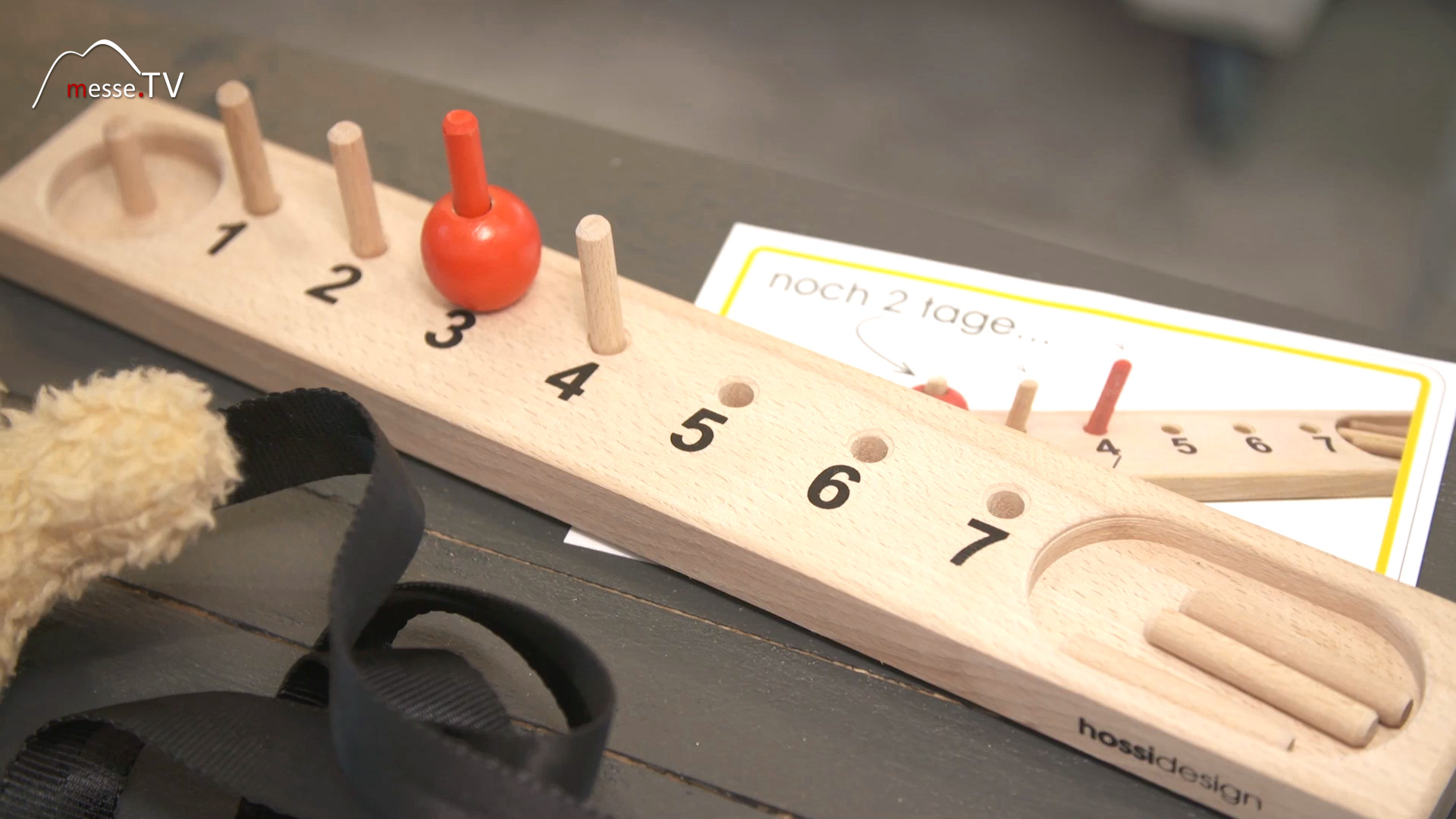
In terms of design, Hossidesign pursues a conscious minimalism. Colors, shapes, and materials should support the game, not dominate it. The products blend into living spaces and do not look like classic, loud toys. This is particularly relevant for families who do not want to or cannot constantly put away play objects. Everyday usability is also a priority when it comes to the choice of materials. The products must be able to withstand what children bring to play: jumping, pulling, slipping, repeating. At the same time, the design remains clear and understandable. Children don't need anything explained to them – they try it out for themselves.
Development in dialogue with children
A central element is the development process itself. New ideas do not arise in isolation, but in the exchange between adults and children. The founder's daughter tests, rejects, and requests adjustments – often more directly and honestly than any theoretical analysis. This approach ensures that the products remain practical. They solve real situations rather than abstract problems. The hopscotch box is a prime example of this: it was created from a specific request, not from a concept paper.
Toys with attitude and origin
Hossidesign shows that toys can be more than just a product. They can convey memories, promote movement, and create creative freedom. The combination of personal origin, functional design, and real everyday experience lends credibility to the play ideas. The creative play ideas from everyday family life at Hossidesign represent a quiet but consistent form of toy development. Observation, closeness, and a willingness to take simple ideas seriously form the basis for this—and that is precisely where their particular strength lies.
Trade fair reporting Germany - Trade fair knowledge, dates & events


