Struktur für den Familienalltag mit dem Morgen Management von Hossidesign
Hossidesign hat mit dem Morgen Management ein Produkt entwickelt, das aus einer sehr alltäglichen Situation entstanden ist. Der Start in den Tag ist in vielen Familien von Zeitdruck, Wiederholungen und Diskussionen geprägt. Wann werden die Zähne geputzt, wann wird sich angezogen, wann geht es aus dem Haus? Statt auf digitale Lösungen oder pädagogische Ratgeber zu setzen, ist ein analoges System entstanden, das Abläufe sichtbar macht, Kindern Orientierung gibt und Eltern entlastet.
Ursprung im echten Familienalltag
Wie bei vielen Produkten von Hossidesign liegt auch hier der Ausgangspunkt im eigenen Erleben. Das ständige Erinnern, Antreiben und Korrigieren am Morgen wurde als Belastung empfunden – für Eltern ebenso wie für Kinder. Das Morgen Management setzt genau an diesem Punkt an und verändert die Rollenverteilung. Nicht mehr Erwachsene strukturieren den Ablauf permanent, sondern ein klar gestaltetes System übernimmt diese Aufgabe. Der Morgen wird dadurch nachvollziehbar, wiederholbar und ruhiger. Kinder erkennen selbst, was ansteht und in welcher Reihenfolge die Aufgaben erledigt werden.
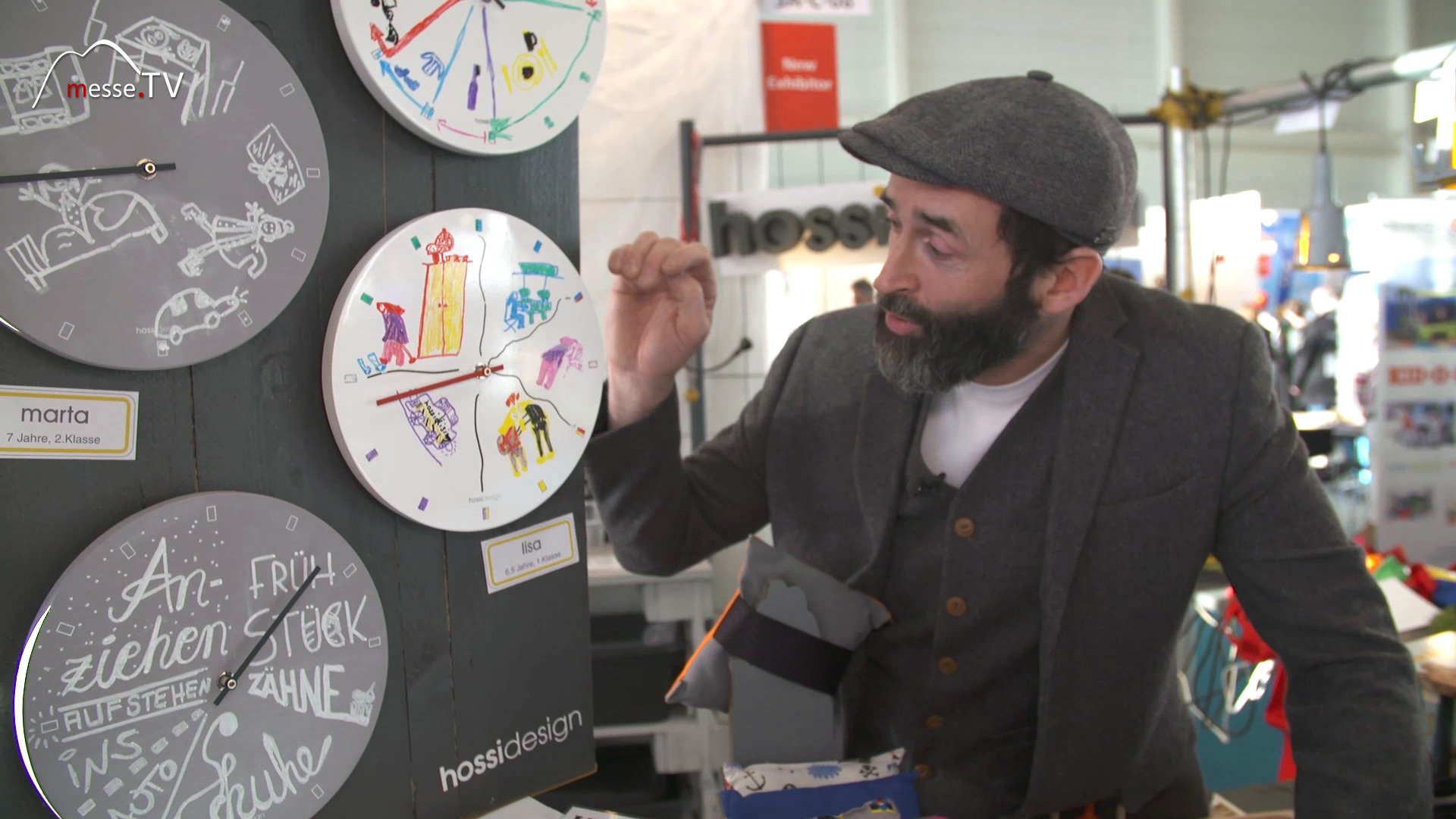
Lenchen als zentrales Element
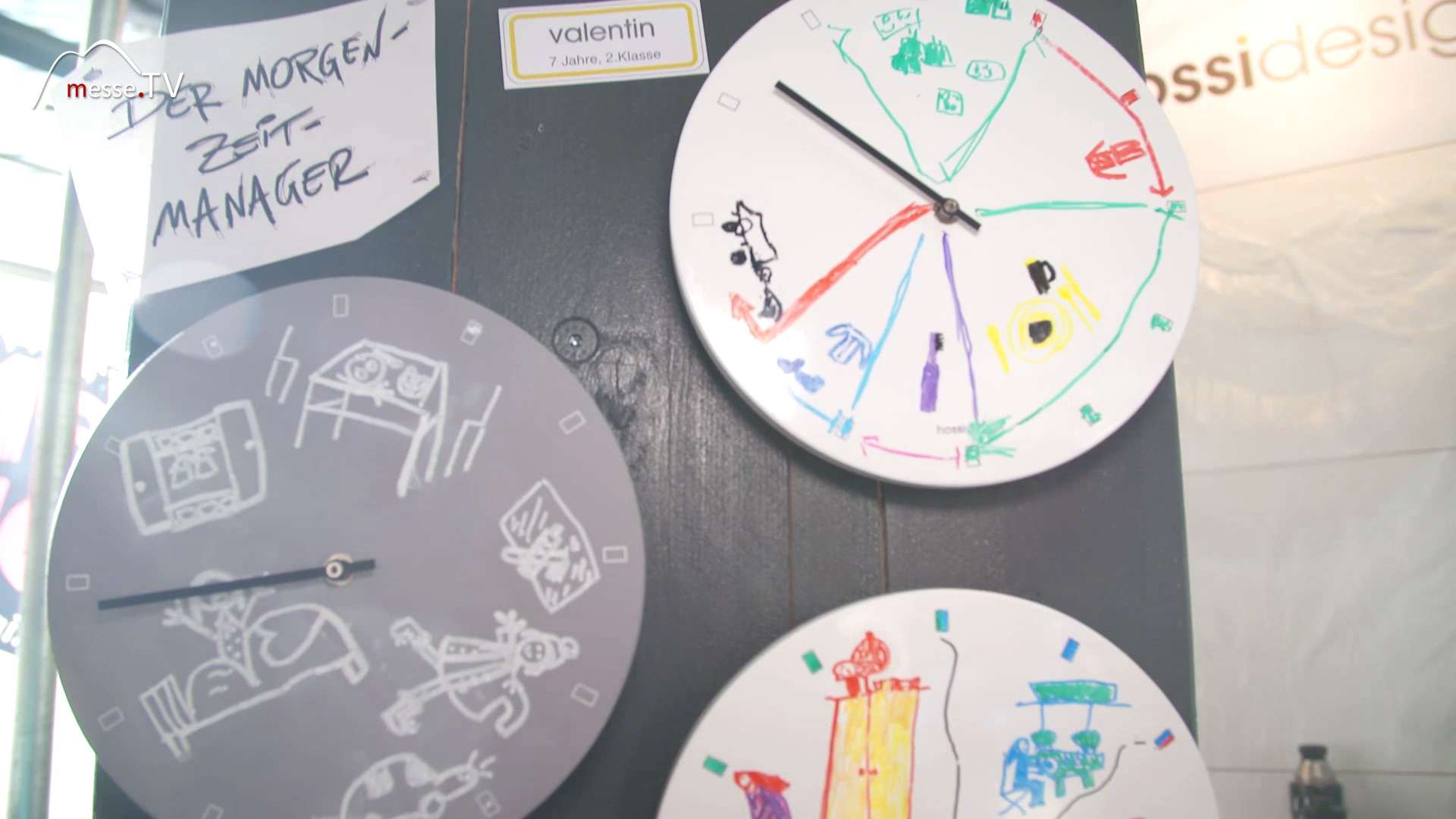
Das Herzstück des Systems trägt den Namen „Lenchen“. Dabei handelt es sich bewusst nicht um eine App oder digitale Uhr, sondern um ein analoges Hilfsmittel. Gemeinsam mit den Eltern legen Kinder fest, welche Schritte morgens notwendig sind und wie viel Zeit dafür vorgesehen ist. Diese Aufgaben werden in einzelne Zeitabschnitte unterteilt und visuell dargestellt. Ein entscheidender Unterschied zu klassischen Uhren liegt darin, dass Lenchen ausschließlich mit Minuten arbeitet. Es geht nicht um konkrete Uhrzeiten, sondern um Zeitspannen. Kinder müssen nicht wissen, wie spät es ist, sondern erkennen, wie viel Zeit für eine Aufgabe vorgesehen ist und was danach folgt.
Zeit begreifbar machen statt Druck erzeugen
Zeit ist für Kinder ein abstraktes Konzept. Begriffe wie „gleich“, „beeil dich“ oder „wir müssen los“ lassen sich schwer einordnen. Das Morgen Management übersetzt Zeit in Handlung. Jede Aufgabe erhält ihren eigenen Abschnitt, jede Phase ist klar begrenzt. Dadurch verändert sich auch die Kommunikation. Statt ständiger Ermahnungen reicht ein Hinweis auf das System. Die Verantwortung wird schrittweise an das Kind übergeben, ohne zusätzlichen Druck oder Strafen. Typische Abläufe, die im System abgebildet werden können, sind:
- Zähne putzen
- Anziehen
- Frühstücken
- Schuhe anziehen
- Rucksack kontrollieren
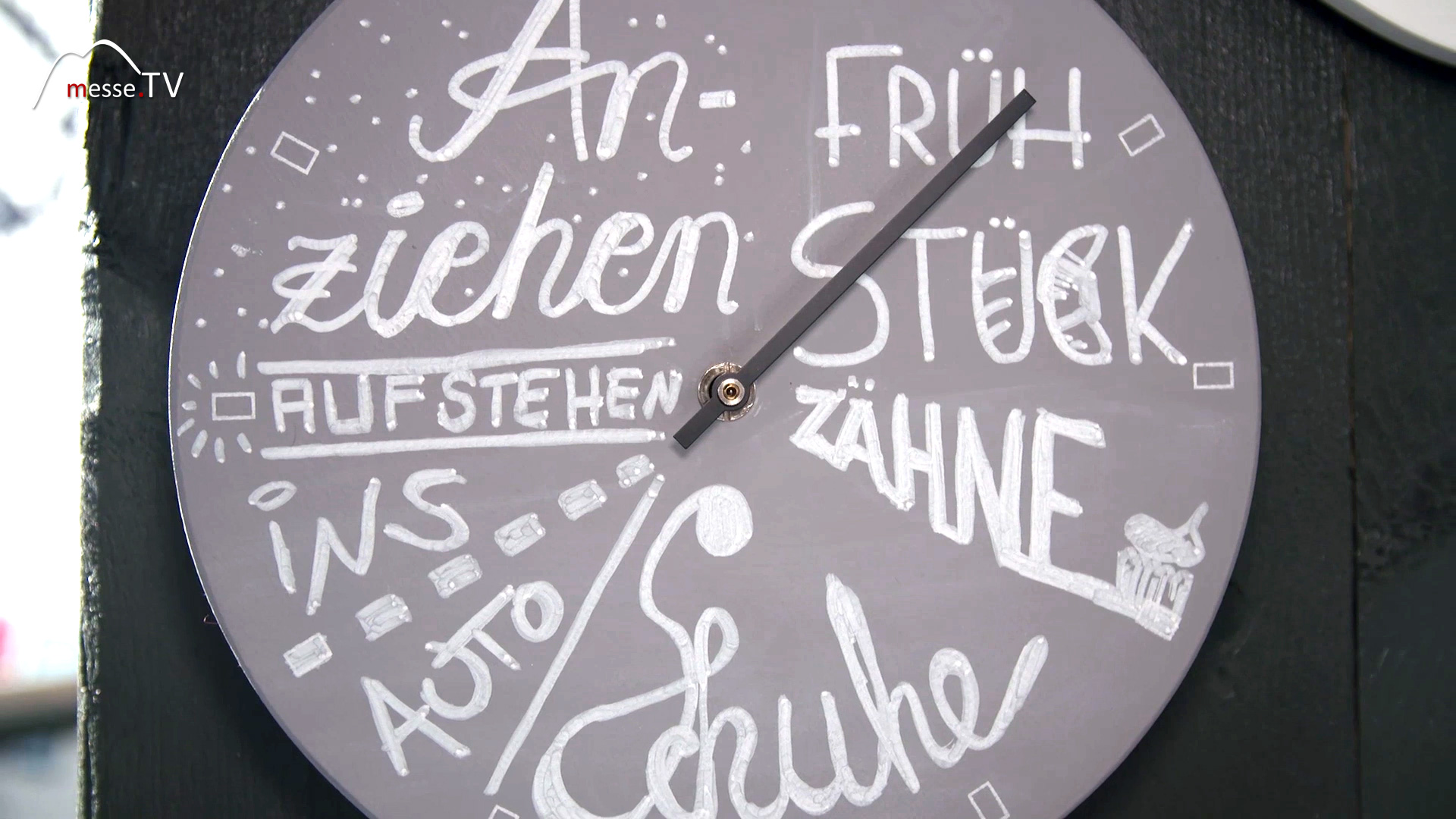
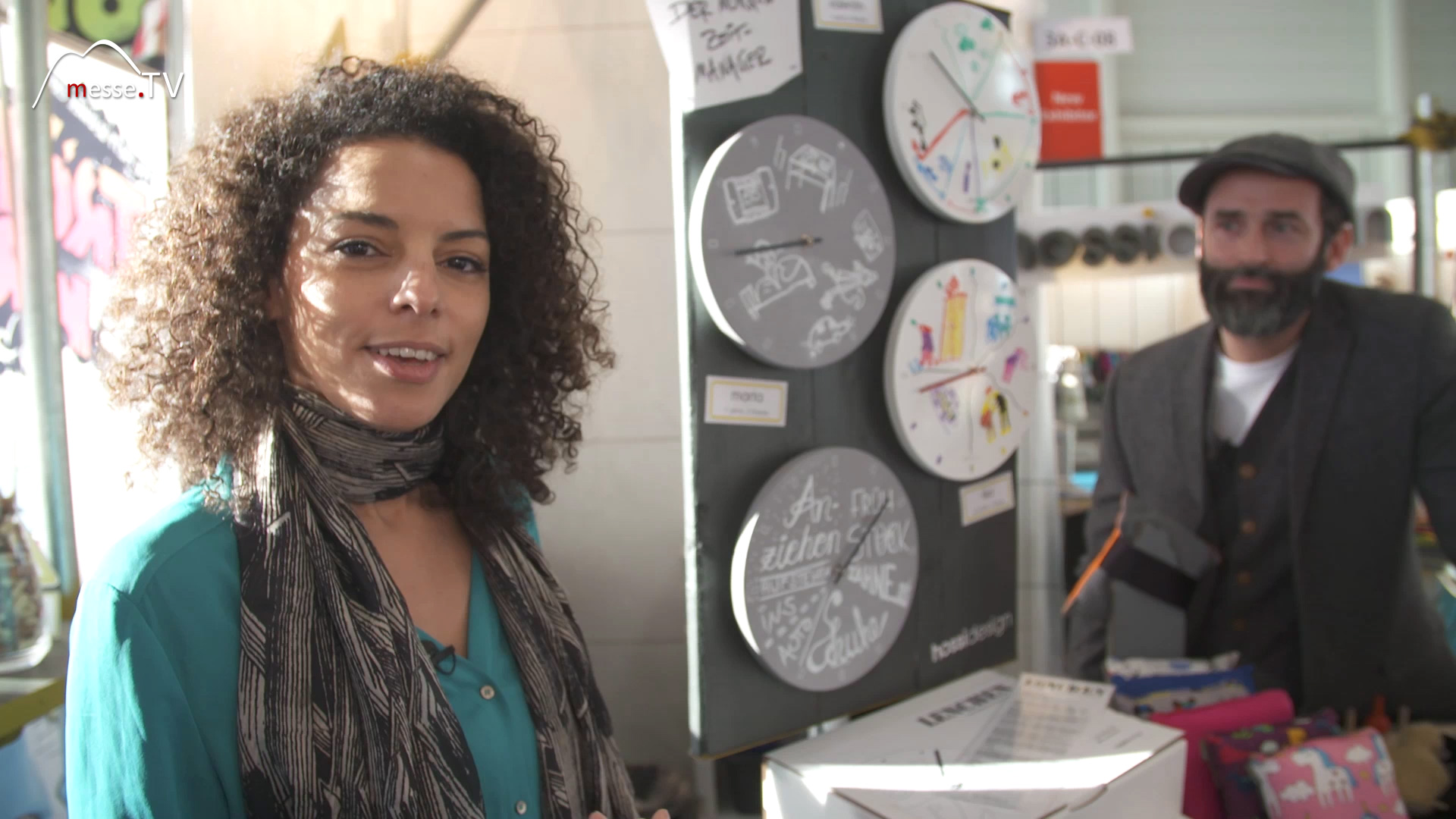
Selbstständigkeit durch Mitgestaltung
Ein zentraler Gedanke des Morgen Managements ist die aktive Beteiligung der Kinder. Sie entscheiden mit, wie viel Zeit sie für einzelne Aufgaben benötigen, und lernen dabei, ihren eigenen Tagesstart realistisch einzuschätzen. Dieser Prozess fördert nicht nur das Zeitgefühl, sondern auch Verantwortungsbewusstsein und Selbstorganisation. Wichtige Effekte dieser Herangehensweise sind:
- mehr Eigenverantwortung
- besseres Verständnis für Zeitabläufe
- höhere Akzeptanz von Routinen
- weniger Konflikte am Morgen
Bewusst analog statt digital
In einer zunehmend digitalisierten Alltagswelt setzt Hossidesign gezielt auf ein analoges Produkt. Kein Bildschirm, keine Signaltöne, keine Ablenkung. Das Morgen Management ist sichtbar, greifbar und jederzeit einsatzbereit. Es funktioniert ohne Strom, ohne Updates und ohne technische Einstiegshürden. Gerade am Morgen, wenn ohnehin viele Reize auf Kinder einwirken, erweist sich diese Reduktion als Vorteil. Das System strukturiert, ohne zusätzliche Aufmerksamkeit zu verlangen.
Langfristig erprobt statt theoretisch geplant
Das Morgen Management wurde über einen längeren Zeitraum im eigenen Familienalltag genutzt, bevor es vorgestellt wurde. Der Prototyp war mehr als ein Jahr im Einsatz. Diese Praxisnähe zeigt sich in der klaren Logik, der einfachen Handhabung und der Alltagstauglichkeit. Dabei wird schnell deutlich, dass nicht nur Kinder profitieren. Auch Erwachsene erleben den Morgen strukturierter und ruhiger. Das Produkt ist damit weniger Spielzeug als ein funktionaler Alltagshelfer für Familien.
Orientierung statt Stress
Das Morgen Management von Hossidesign zeigt, wie aus einem alltäglichen Problem eine durchdachte Lösung entstehen kann. Es ersetzt Ermahnungen durch Orientierung, Diskussionen durch Klarheit und Zeitdruck durch nachvollziehbare Abläufe. Kinder übernehmen Verantwortung für ihren Morgen, Eltern gewinnen Ruhe und Übersicht. Damit bleibt Hossidesign seiner Linie treu: Produkte zu entwickeln, die aus echten Situationen entstehen, im Alltag bestehen und Familien konkret entlasten.
- Anti-Agression Kinder
- Baby Spielzeug - Fehn
- Camcar VR-Brille - Carrera
- Dragons Kostüme - Rubie's
- Einstein Bär - Steiff
- Fortnite Kostüme - Rubie's
- Gips Bausteine - Ankenstein
- Tierfiguren und Handpuppen
- HoRutsch Holzrutsche - Höllinger
- Spiele entwickeln
- Hubschrauber Red Bull - Carrera RC
- Kids Mode - Rubie's
- Kinderwagenkette - Fehn
- Marvel Kostüme - Rubie's
- Morgen-Management mit Kindern
- Porsche RSR - Carrera
- Power Snake - Carrera RC
- Bubblegator - Pustefix Seifenblasen
- Rubies Kostüm Modenschau
- Fluffy und Hybrid - Slimy
- Knete Genius - Slimy
- National Geographic Stofftiere - Steiff
- Zotty Bär - Steiff
- Strategiespiel Penta Ludea
- Super Mario Scooter - Carrera RC
Messe-Berichterstattung bundesweit - Messewissen, Termine & Veranstaltungen


