Carrera VR Brille und Cam Car für virtuelle Rennerlebnisse
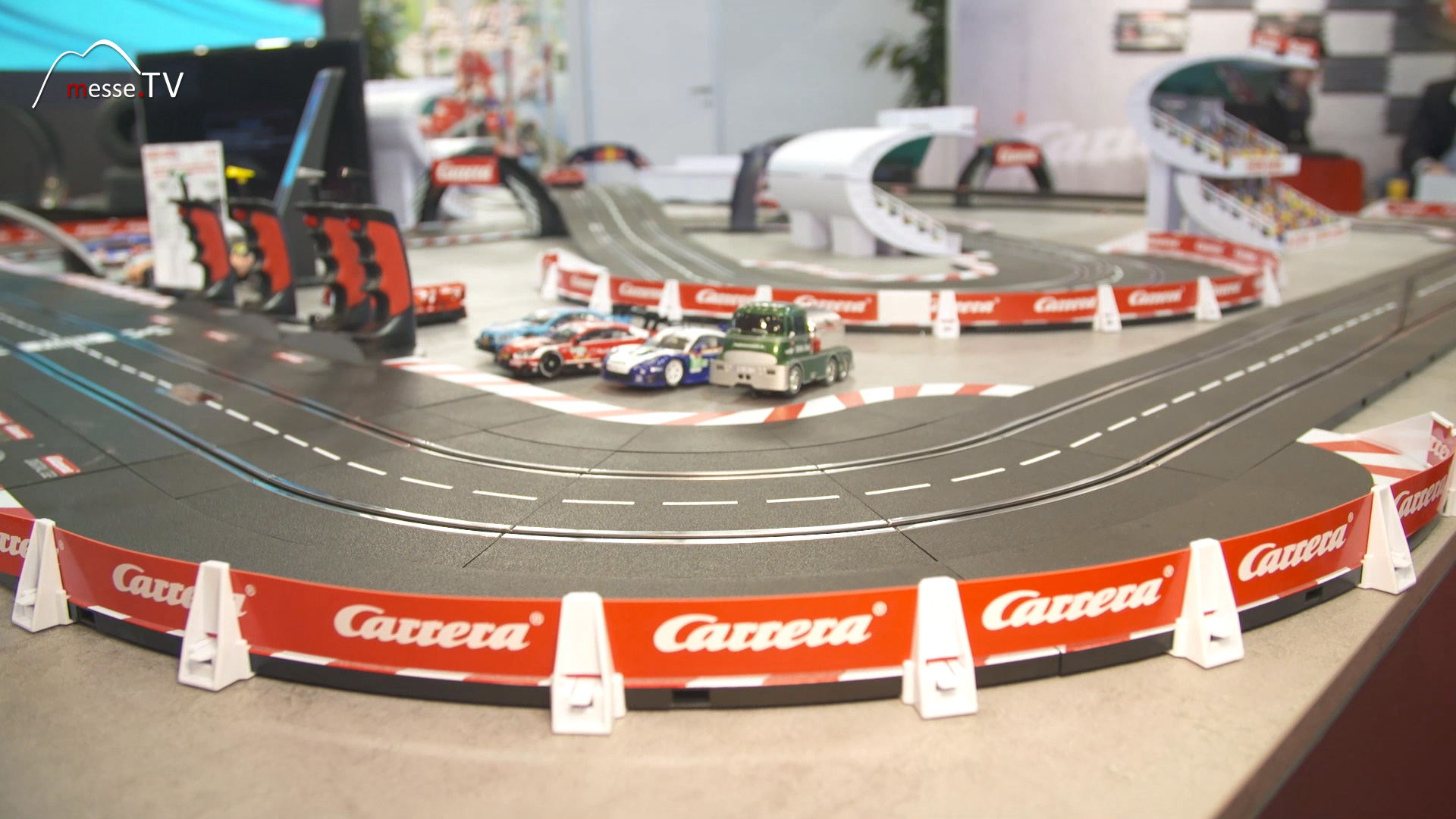
Virtuelle Perspektiven halten zunehmend Einzug in klassische Spielsysteme. Mit VR-Brille und Cam Car wird die bekannte Rennbahn um eine digitale Ebene ergänzt, bei der nicht mehr die Draufsicht dominiert, sondern das Geschehen aus der Fahrerposition erlebt wird. Geschwindigkeit, Streckenführung und Überholmanöver wirken dadurch unmittelbarer und verändern den Blick auf das bekannte System grundlegend.
Vom Slotcar zur Fahrerperspektive
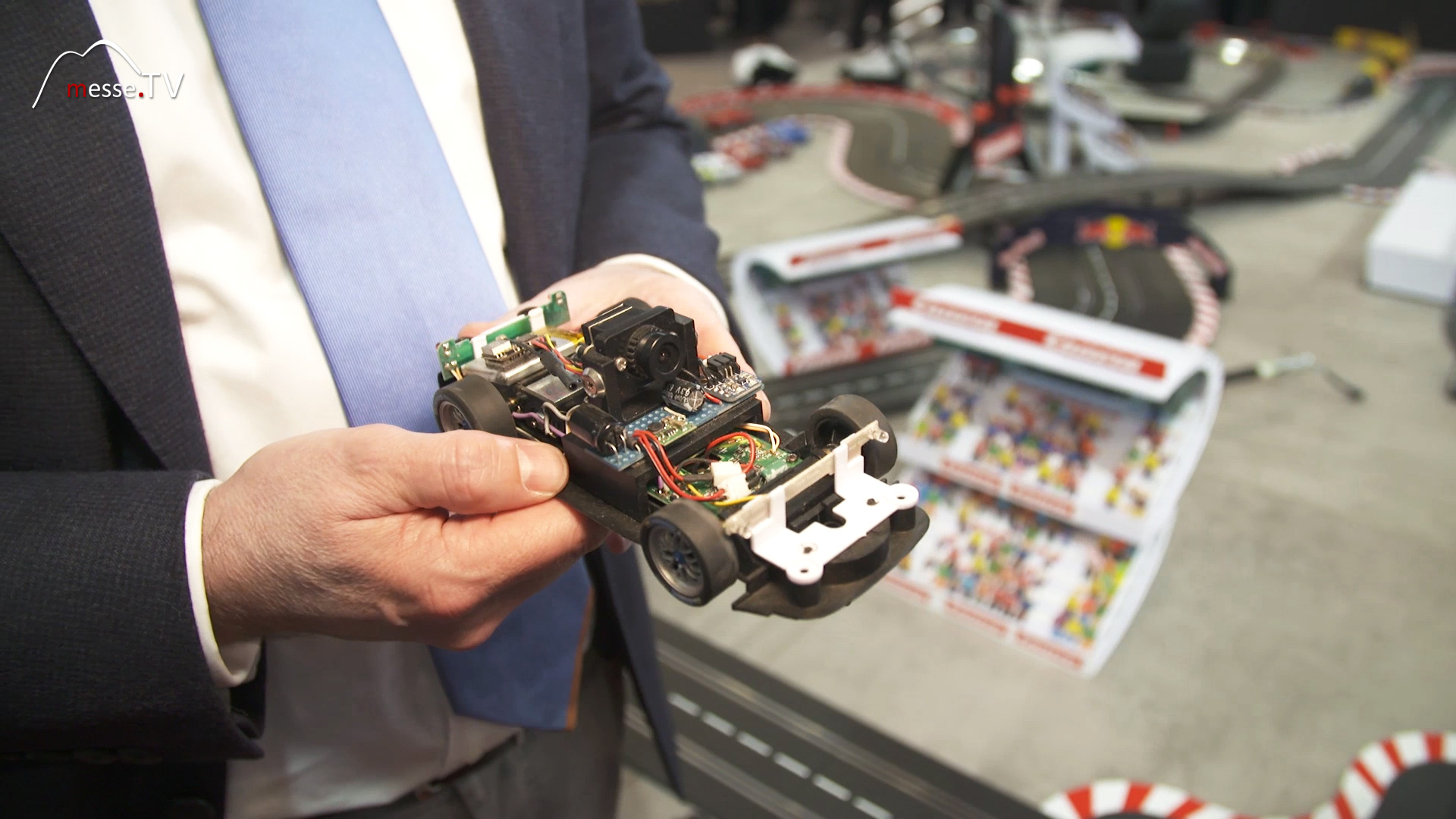
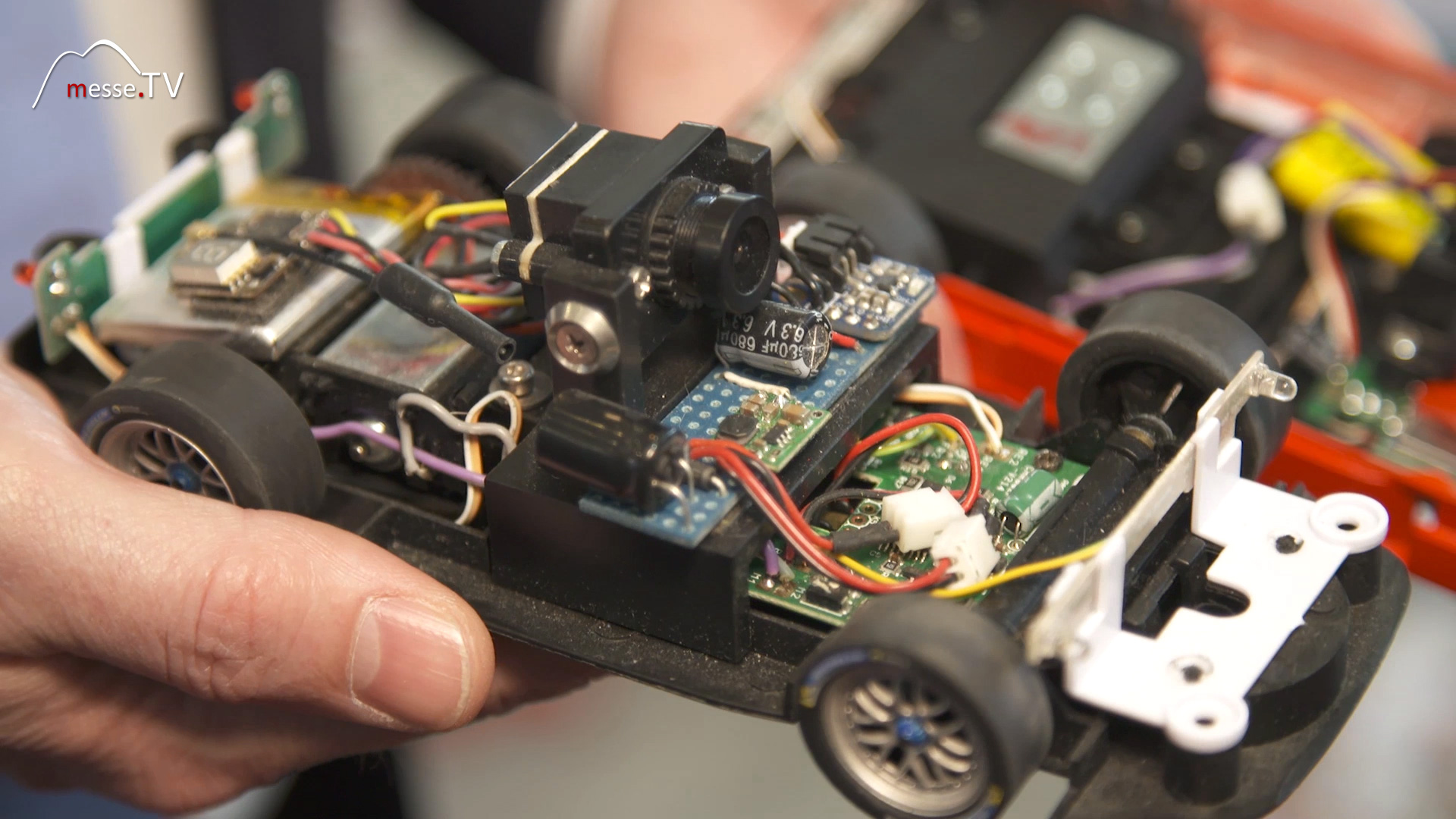
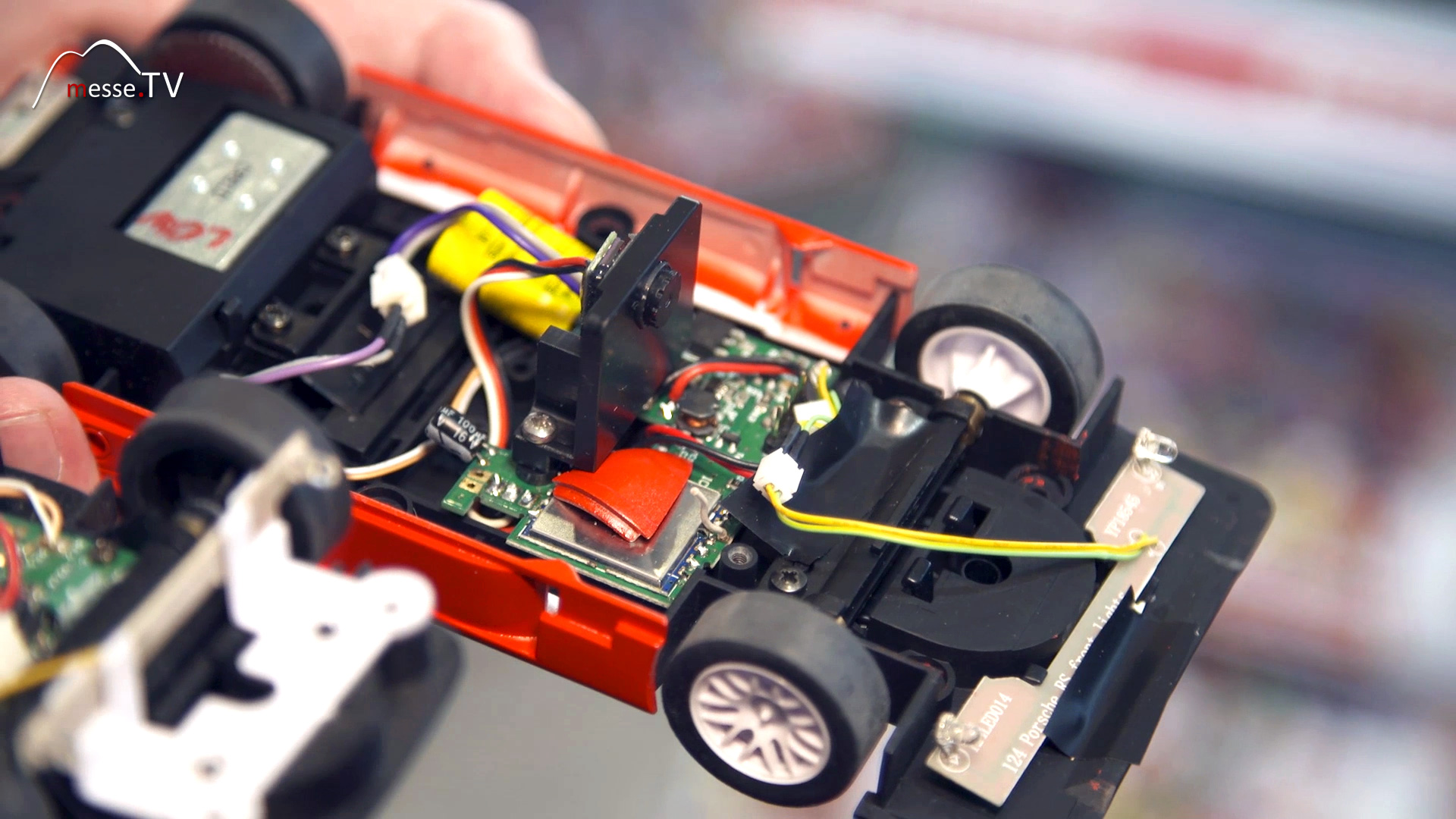
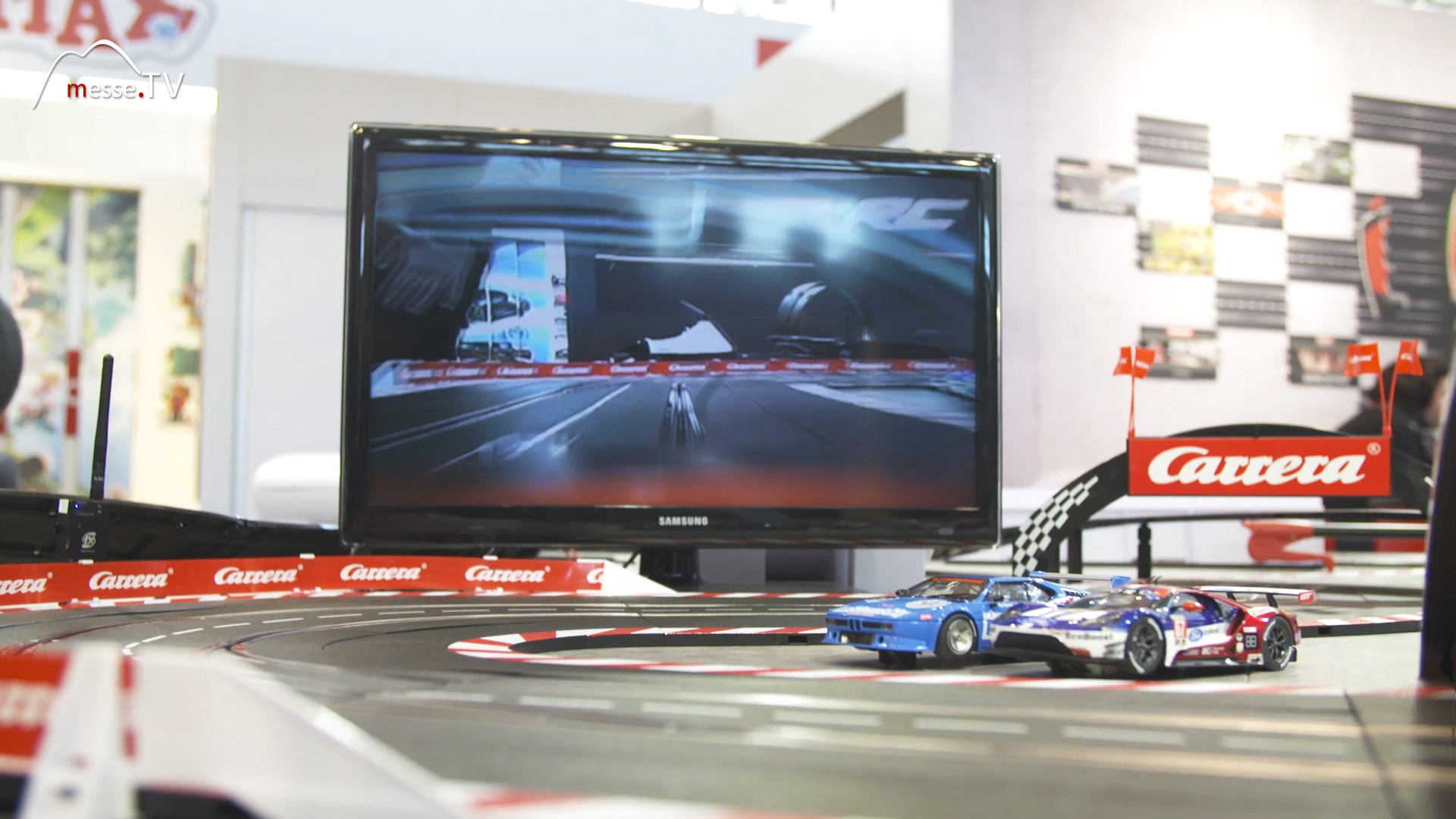
Über Jahrzehnte stand bei der Carrera Rennbahn der Blick von außen im Mittelpunkt. Fahrzeuge wurden beobachtet, Kurven eingeschätzt, Manöver geplant. Das Cam Car setzt hier an und verlagert den Fokus nach innen. Eine integrierte Kamera überträgt das Rennen direkt aus Sicht des Fahrzeugs. Kurven wirken enger, Geraden länger, Beschleunigungen intensiver – allein durch den Perspektivwechsel. Dieser Ansatz greift ein Verhalten auf, das sich längst etabliert hat. Viele Nutzer filmen ihre Rennen, dokumentieren aufwändige Strecken oder teilen Clips online. Die Kamera ist hier kein Zubehör mehr, sondern fest im Fahrzeug integriert und exakt auf den Maßstab der Bahn abgestimmt.
Cam Car in überarbeiteter Generation
Die aktuelle Version des Cam Cars ist das Ergebnis einer bewussten Weiterentwicklung. Regulatorische Vorgaben und technische Erfahrungen aus früheren Varianten wurden genutzt, um das System kompakter und klarer zu gestalten. Die Technik tritt nicht mehr in den Vordergrund, sondern unterstützt unauffällig das Fahrerlebnis. Die Bildübertragung erfolgt in Echtzeit auf Smartphone oder Tablet. Zusätzliche Spezialhardware ist nicht notwendig, was den Einstieg erleichtert. Gleichzeitig schafft diese Offenheit die Grundlage für den Einsatz einer VR-Brille, mit der sich das Fahrerlebnis noch weiter intensivieren lässt.
VR-Brille und Maßstabsgeschwindigkeit
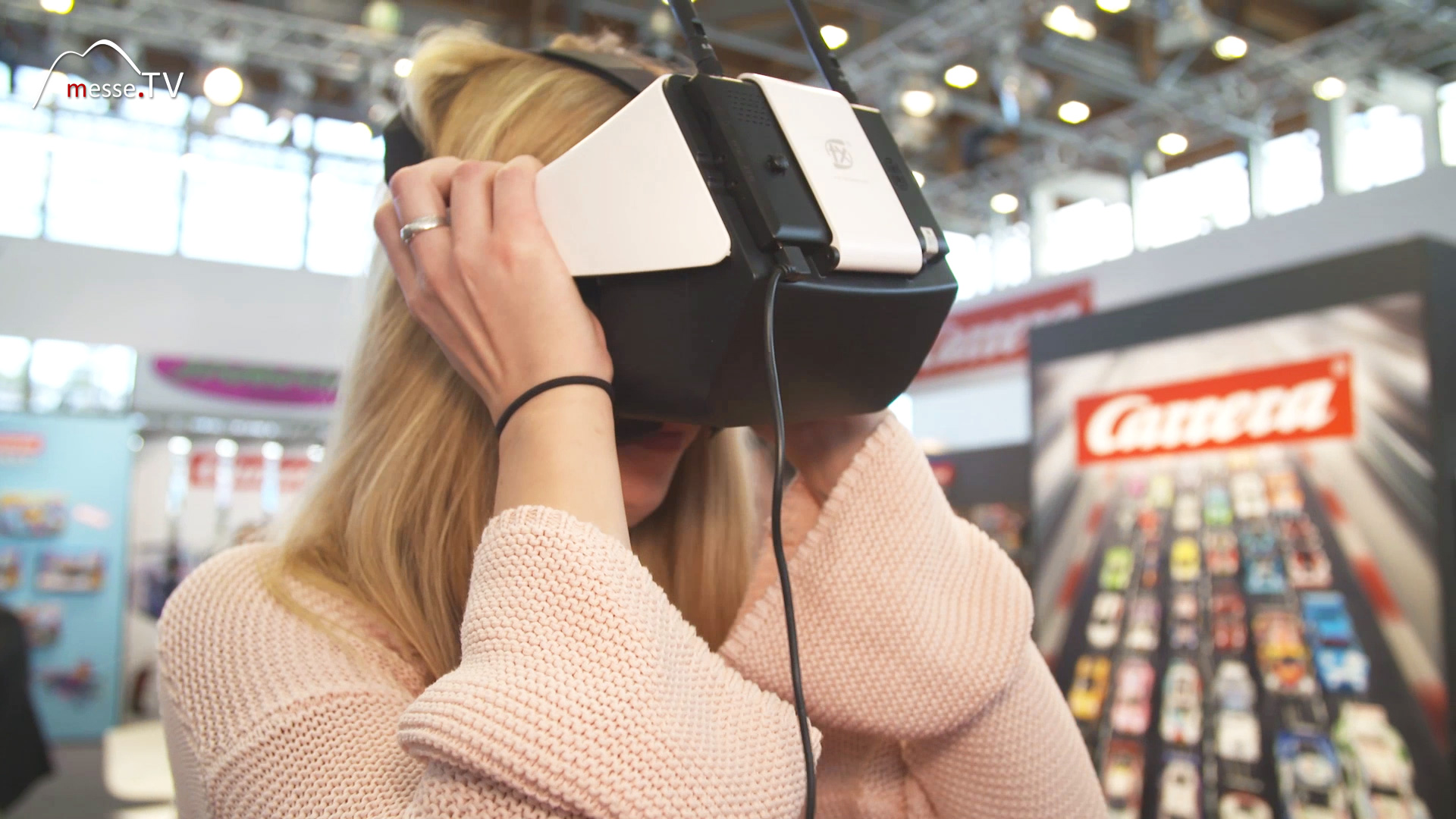
In Kombination mit einer VR-Brille entsteht ein immersives Rennerlebnis im Miniaturformat. Die Kamera liefert das Bild, die Brille versetzt den Nutzer direkt ins Cockpit. Besonders eindrucksvoll ist dabei der Effekt der sogenannten Maßstabsgeschwindigkeit: Ein kleines Slotcar vermittelt plötzlich das Gefühl von Tempo, das im Verhältnis mehreren hundert Kilometern pro Stunde entspricht. Die Wahrnehmung der Strecke verändert sich spürbar. Kurven verlangen mehr Aufmerksamkeit, Beschleunigungen fühlen sich dynamischer an. Damit nähert sich das Erlebnis einem Rennsimulator an, bleibt aber fest im physischen Aufbau der Bahn verankert.
Video, Social Media und neue Nutzungsmuster
Ein zentraler Gedanke hinter Cam Car und VR-Nutzung ist die Erweiterung des Spiels über den Moment des Fahrens hinaus. Rennen enden nicht mehr an der Ziellinie, sondern setzen sich in Videos, Clips und geteilten Inhalten fort. Die Bahn wird damit zum Ausgangspunkt für weitere Aktivitäten. Typische Nutzungsszenarien sind:
- Onboard-Aufnahmen aus der Sicht des Fahrzeugs
- Clips für soziale Netzwerke und Video-Plattformen
- Dokumentation komplexer Streckenlayouts
- gemeinsames Erleben von Rennen über VR-Brillen
Analoge Basis, digitale Erweiterung
Entscheidend ist der hybride Ansatz. Die physische Rennbahn bleibt Zentrum des Spiels: Strecken werden gebaut, Fahrzeuge eingesetzt, Regler bedient. Die digitale Technik ergänzt dieses Erlebnis, ersetzt es aber nicht. VR-Brille und Kamera kommen als zusätzliche Ebene hinzu, die neue Perspektiven eröffnet, ohne den Kern des Systems zu verändern. Gerade diese Verbindung aus haptischem Aufbau und digitaler Erweiterung unterscheidet das Konzept von reinen Virtual-Reality-Spielen. Das Erlebnis entsteht aus dem Zusammenspiel beider Welten.
Einordnung im Portfolio von Carrera
Innerhalb des Sortiments markieren VR-Brille und Cam Car einen Schritt in Richtung vernetztes Spielerlebnis. Neben klassischem Wettbewerb und Streckenbau treten Themen wie Immersion, Mediennutzung und Perspektivwechsel. Damit richtet sich das System nicht nur an Kinder, sondern auch an Jugendliche und Erwachsene, die ihre Rennbahn neu erleben möchten.
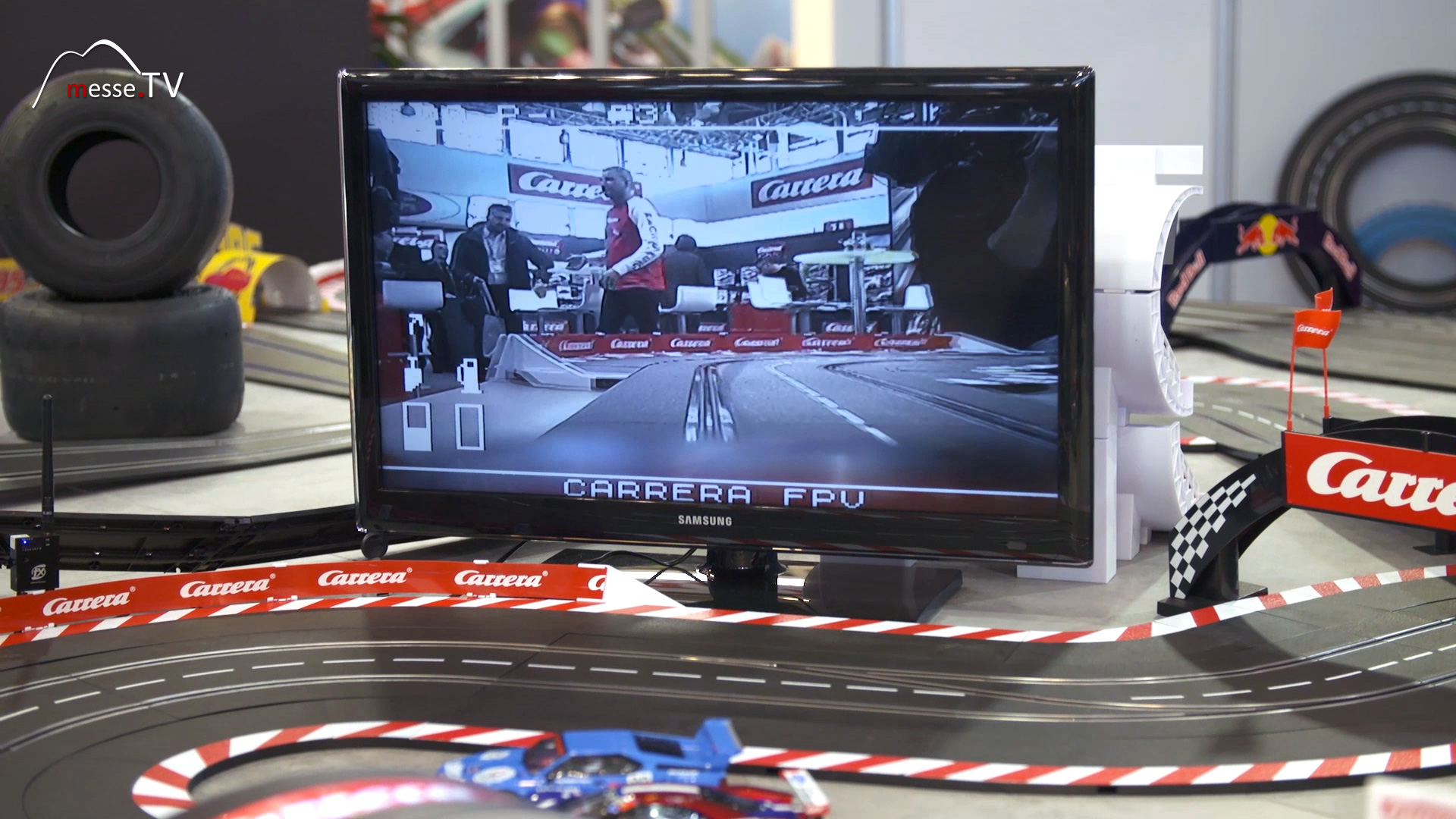
Carrera VR Brille und Cam Car für virtuelle Rennerlebnisse stehen damit für eine Weiterentwicklung des Rennbahnprinzips: Der bekannte Maßstab bleibt erhalten, wird aber um eine Sicht ergänzt, die das Rennen näher, intensiver und persönlicher macht.
- Anti-Agression Kinder
- Baby Spielzeug - Fehn
- Camcar VR-Brille - Carrera
- Dragons Kostüme - Rubie's
- Einstein Bär - Steiff
- Fortnite Kostüme - Rubie's
- Gips Bausteine - Ankenstein
- Tierfiguren und Handpuppen
- HoRutsch Holzrutsche - Höllinger
- Spiele entwickeln
- Hubschrauber Red Bull - Carrera RC
- Kids Mode - Rubie's
- Kinderwagenkette - Fehn
- Marvel Kostüme - Rubie's
- Morgen-Management mit Kindern
- Porsche RSR - Carrera
- Power Snake - Carrera RC
- Bubblegator - Pustefix Seifenblasen
- Rubies Kostüm Modenschau
- Fluffy und Hybrid - Slimy
- Knete Genius - Slimy
- National Geographic Stofftiere - Steiff
- Zotty Bär - Steiff
- Strategiespiel Penta Ludea
- Super Mario Scooter - Carrera RC
Messe-Berichterstattung bundesweit - Messewissen, Termine & Veranstaltungen


