Penta Ludea – ein Strategiespiel aus persönlicher Erfahrung
Penta Ludea ist kein klassisches Gesellschaftsspiel mit austauschbarem Ursprung. Hinter dem Spiel steht eine sehr persönliche Geschichte, verbunden mit einem langen Weg zurück ins Leben. Entwickelt wurde es von Ludwig Köppen, dessen Lebensweg die Idee, die Struktur und die strategische Tiefe des Spiels maßgeblich geprägt hat. Das Ergebnis verbindet logisches Denken mit einer Entstehungsgeschichte, die weit über reine Unterhaltung hinausgeht.
Die Entstehung von Penta Ludea nach einem schweren Unfall
Der Ursprung des Spiels liegt in einer extremen Ausnahmesituation. Nach einem schweren Unfall lag Ludwig Köppen mehrere Monate im Koma. In dieser Phase versuchten Angehörige und Umfeld, ihn durch Reize zu erreichen – unter anderem auch über Spiele. Was äußerlich kaum wahrnehmbar war, hatte offenbar dennoch Wirkung. Rückblickend zeigte sich, dass mehr aufgenommen wurde, als medizinisch zunächst erkennbar schien. Nach dem langen Krankenhausaufenthalt folgten Jahre der Rehabilitation. In dieser Zeit begann sich allmählich eine eigene Spielidee zu formen. Rund sechs Jahre später lag mit Penta Ludea ein ausgearbeitetes Ergebnis vor. Das Spiel ist damit nicht nur Produkt kreativer Entwicklung, sondern auch Ausdruck von Verarbeitung, Konzentration und geistiger Neuorientierung.
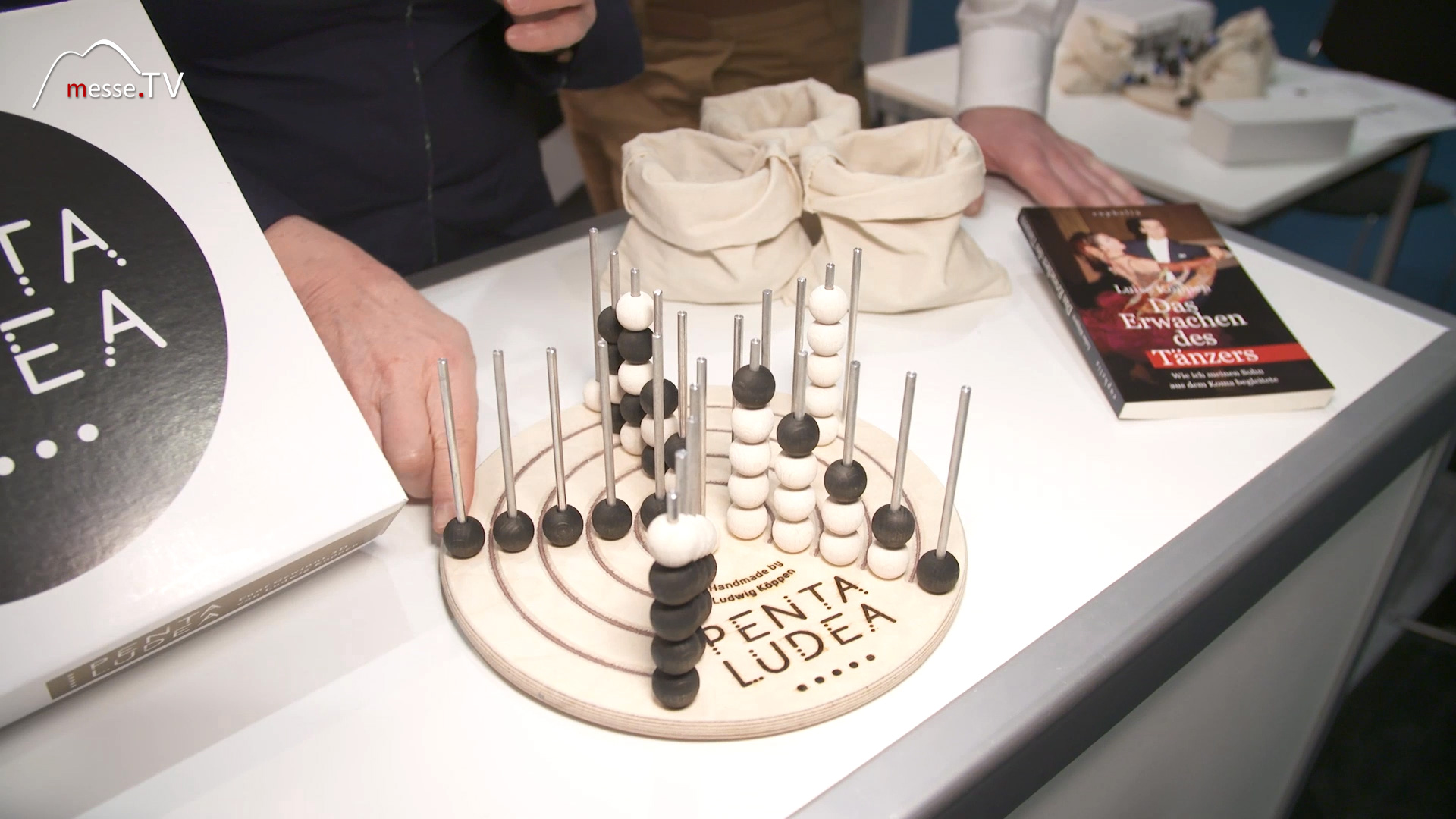
Spielidee: Weiterentwicklung eines bekannten Prinzips
In seiner Grundidee knüpft Penta Ludea an ein vertrautes Spielprinzip an, führt dieses jedoch konsequent weiter. Statt vier gleiche Spielsteine in eine Reihe zu bringen, besteht das Ziel darin, fünf eigene Steine korrekt zu platzieren. Diese Formation kann horizontal, vertikal oder diagonal entstehen. Allein diese Erweiterung verändert das strategische Niveau deutlich. Spielzüge müssen vorausschauender geplant werden, Blockaden gewinnen an Bedeutung und das Mitdenken gegnerischer Strategien wird komplexer. Das Spiel bleibt dabei klar verständlich, ohne an Tiefe zu verlieren.
Mehrdimensionale Spielfläche und zusätzliche Ebenen
Ein zentrales Merkmal von Penta Ludea ist die besondere Gestaltung des Spielbretts. Neben der klassischen Spielfläche kommen konzentrische Kreise hinzu, die zusätzliche Ebenen eröffnen. Gewinnkombinationen entstehen nicht nur in geraden Linien, sondern auch innerhalb dieser Kreisstrukturen. Dadurch ergeben sich neue strategische Möglichkeiten. Neben klassischen Reihen können auch spiral- oder schneckenförmige Muster eine Rolle spielen. Diese Varianten richten sich vor allem an Spieler, die strategische Tiefe schätzen und bereit sind, sich intensiver mit dem Spiel auseinanderzusetzen.


Klare Regeln mit hohem Anspruch
Trotz der komplexen Möglichkeiten sind die Grundregeln klar und eindeutig definiert:
- Ziel ist es, fünf eigene Spielsteine in einer gültigen Formation zu platzieren
- Gespielt wird mit zwei oder drei Teilnehmern
- Unterschiedliche Farben kennzeichnen die Spieler eindeutig
- Die Züge erfolgen im Uhrzeigersinn
- Ein gesetzter Spielstein bleibt unverändert auf seinem Platz
Dynamik bei zwei oder drei Spielern
Penta Ludea ist sowohl für zwei als auch für drei Spieler ausgelegt. Während das Duell zu zweit von klaren Gegenstrategien geprägt ist, verändert sich die Situation im Spiel zu dritt deutlich. Temporäre Allianzen, gegenseitige Blockaden und das gleichzeitige Beobachten mehrerer Gegner erhöhen die taktische Komplexität spürbar. Diese Flexibilität macht das Spiel für unterschiedliche Spielsituationen interessant – vom konzentrierten Zweikampf bis zur anspruchsvollen Dreierkonstellation.
Das begleitende Buch als Teil des Konzepts
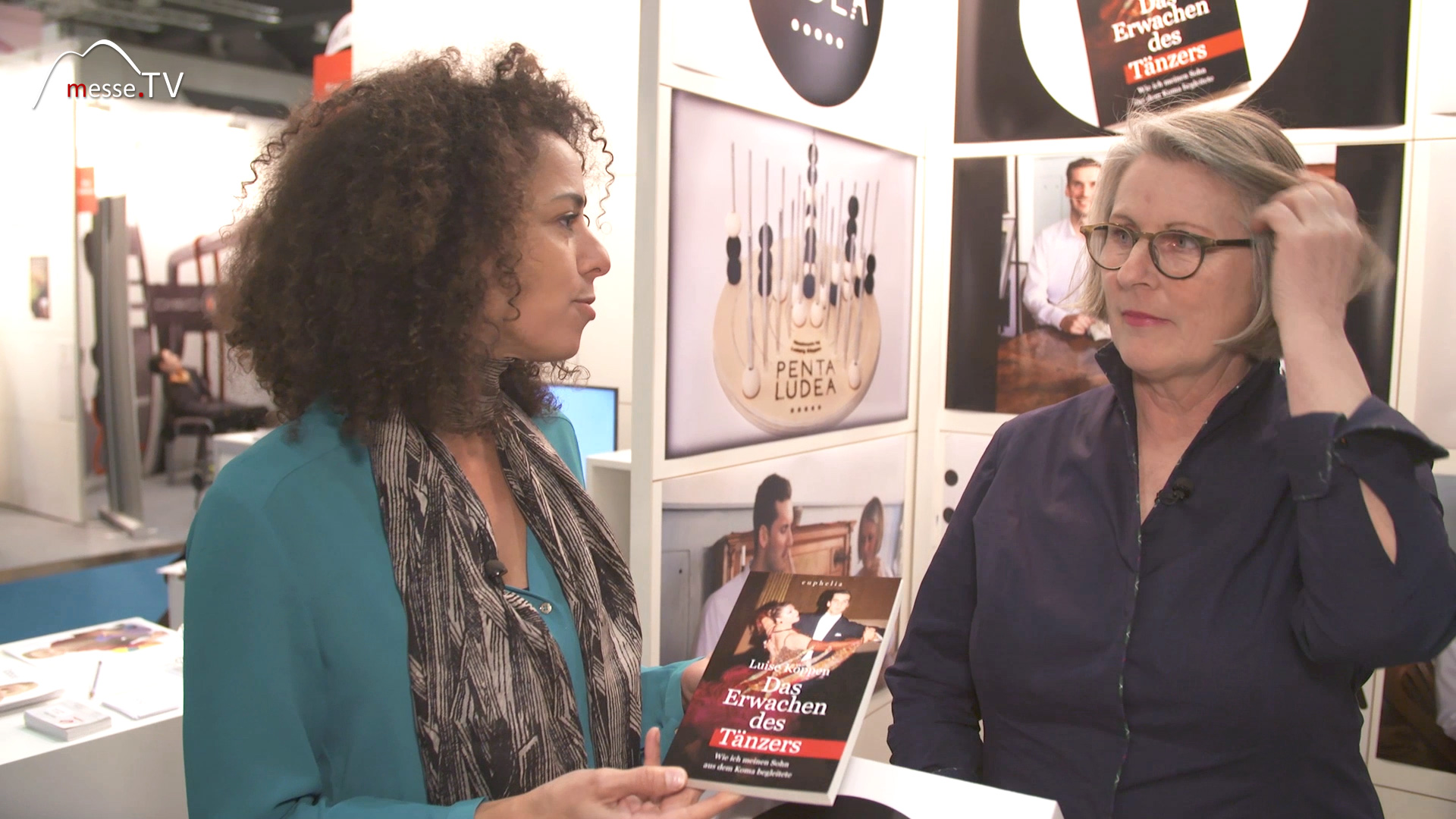
Parallel zur Entwicklung des Spiels entstand ein Buch, das die persönliche Geschichte hinter Penta Ludea dokumentiert. Es richtet sich an Menschen, die selbst schwere Einschnitte erlebt haben – ebenso an Angehörige. Im Mittelpunkt steht nicht das Spiel, sondern der Weg zurück, geprägt von Ausdauer, Hoffnung und dem Vertrauen in Entwicklung. Das Buch versteht sich als Ermutigung, auch in scheinbar aussichtslosen Situationen nicht aufzugeben. Das Spiel wird dabei als Werkzeug gesehen, um geistige Aktivierung zu fördern, Konzentration zu trainieren und Kommunikation zu ermöglichen.
Ein Strategiespiel mit Bedeutung
Penta Ludea ist mehr als ein weiteres Denkspiel. Es verbindet klare Regeln mit hoher strategischer Tiefe und einer außergewöhnlichen Entstehungsgeschichte. Die Kombination aus geistiger Herausforderung, persönlichem Hintergrund und bewusst reduzierter, aber durchdachter Spielmechanik sorgt dafür, dass es langfristig beschäftigt. Für Spieler, die klassische Reihen- und Strategiespiele schätzen, aber nach mehr Komplexität suchen, bietet Penta Ludea eine konsequente Weiterentwicklung. Gleichzeitig steht das Spiel sinnbildlich für Ausdauer, Konzentration und die Fähigkeit, aus schwierigen Lebenssituationen etwas Eigenständiges entstehen zu lassen.
- Anti-Agression Kinder
- Baby Spielzeug - Fehn
- Camcar VR-Brille - Carrera
- Dragons Kostüme - Rubie's
- Einstein Bär - Steiff
- Fortnite Kostüme - Rubie's
- Gips Bausteine - Ankenstein
- Tierfiguren und Handpuppen
- HoRutsch Holzrutsche - Höllinger
- Spiele entwickeln
- Hubschrauber Red Bull - Carrera RC
- Kids Mode - Rubie's
- Kinderwagenkette - Fehn
- Marvel Kostüme - Rubie's
- Morgen-Management mit Kindern
- Porsche RSR - Carrera
- Power Snake - Carrera RC
- Bubblegator - Pustefix Seifenblasen
- Rubies Kostüm Modenschau
- Fluffy und Hybrid - Slimy
- Knete Genius - Slimy
- National Geographic Stofftiere - Steiff
- Zotty Bär - Steiff
- Strategiespiel Penta Ludea
- Super Mario Scooter - Carrera RC
Messe-Berichterstattung bundesweit - Messewissen, Termine & Veranstaltungen


