Self-balancing Scooter eball 360: Leichter, kompakter und bereit für den urbanen Alltag
Der Self-balancing Scooter eball 360 steht für einen Entwicklungsprozess, der weit über kosmetische Anpassungen hinausgeht. Seit den ersten Prototypen hat sich das Konzept technisch, gestalterisch und funktional deutlich weiterentwickelt. Im Mittelpunkt steht ein selbstbalancierendes Fahrzeug, das gezielt für kurze Strecken im urbanen Umfeld gedacht ist und dabei Mobilität, Kontrolle und Design miteinander verbindet. Der eball 360 positioniert sich als persönliches Fortbewegungsmittel für die sogenannte letzte Meile und richtet sich an Nutzer, die neue Mobilitätsformen aktiv ausprobieren wollen.
Deutlich reduzierte Bauweise und neues Design
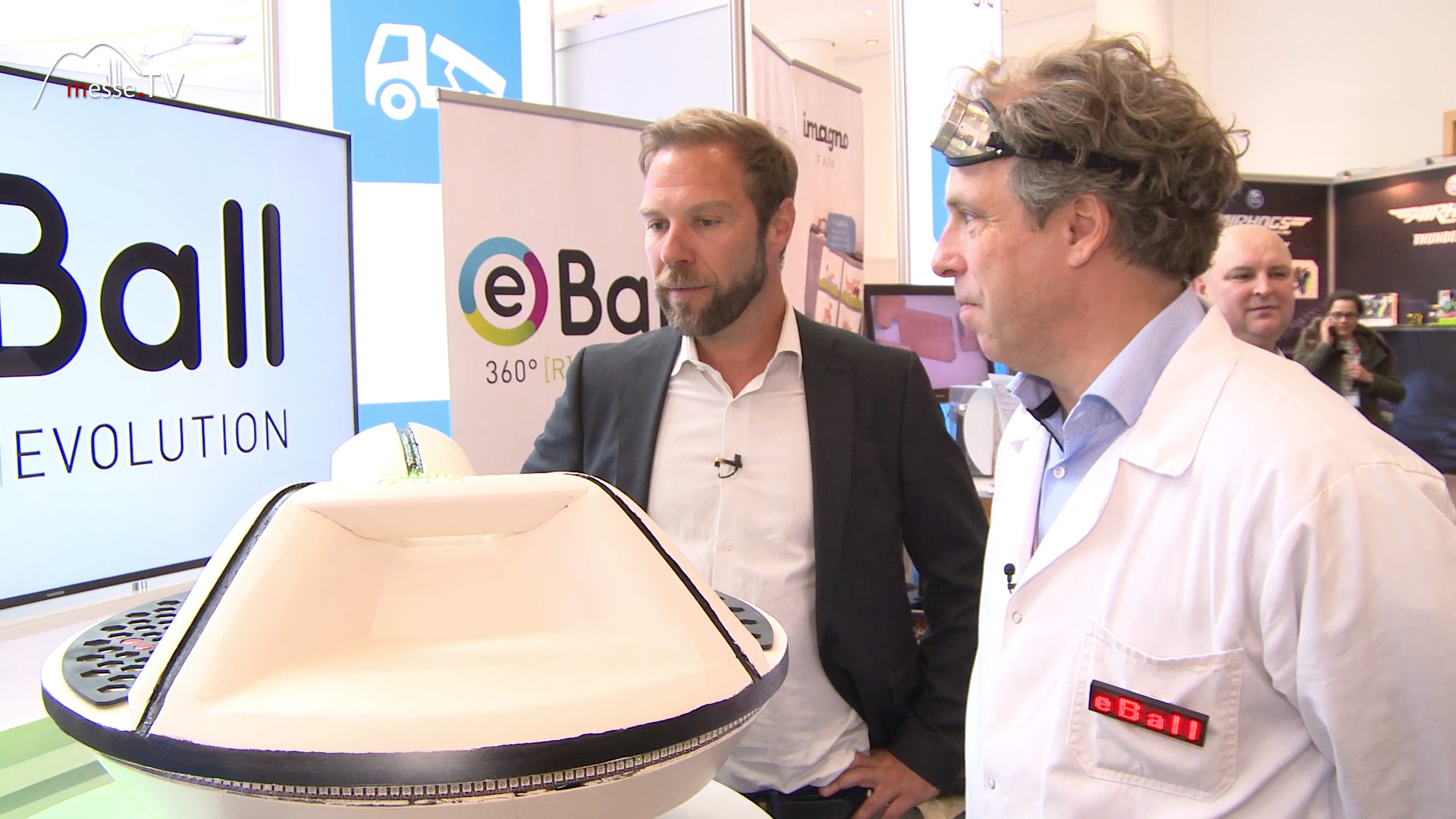
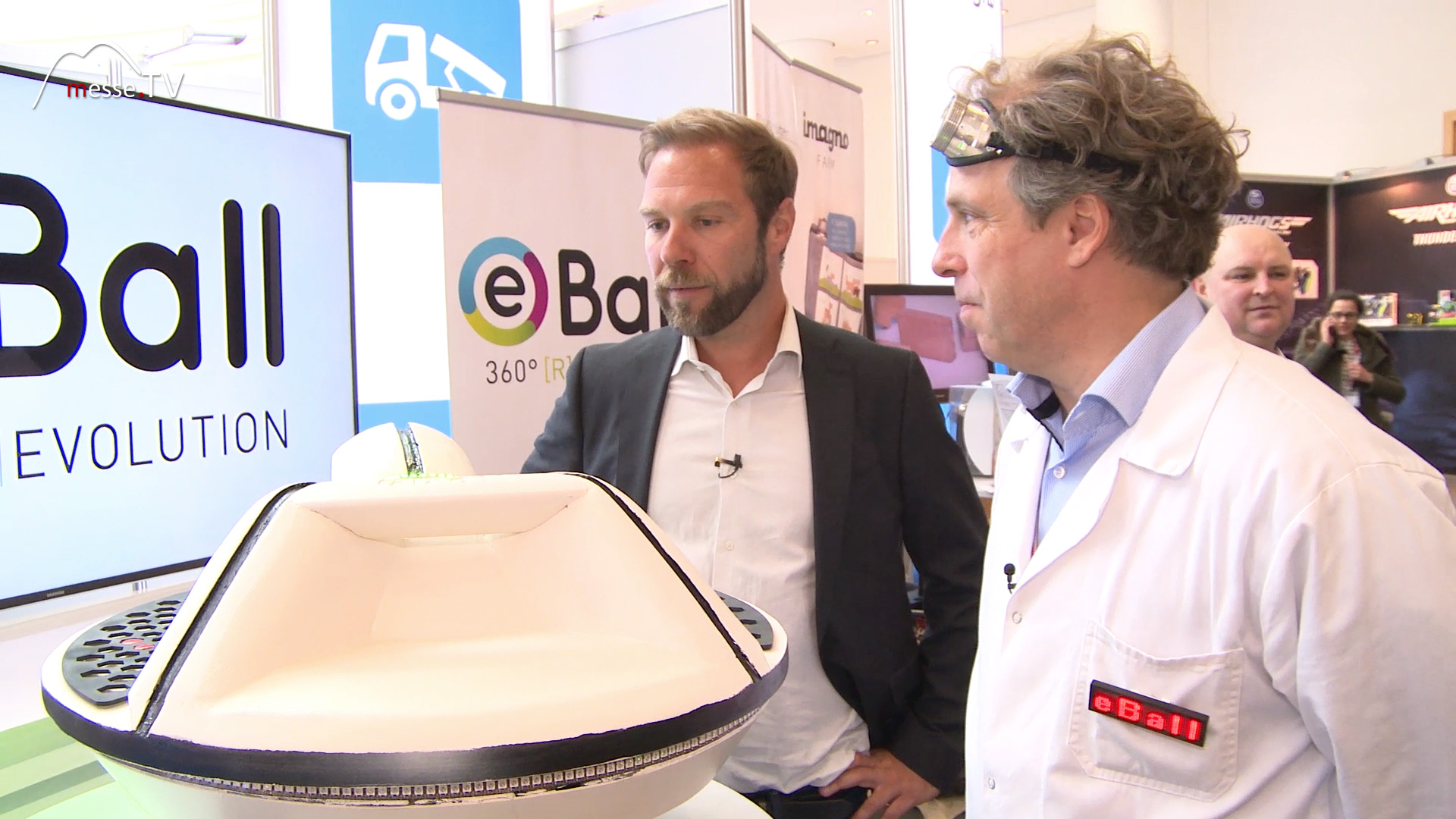
Eine der auffälligsten Veränderungen beim Self-balancing Scooter eball 360 ist die massive Gewichtsreduktion. Das Gesamtgewicht konnte im Entwicklungsprozess halbiert werden. Dadurch wird der Scooter nicht nur handlicher, sondern auch deutlich alltagstauglicher. Das reduzierte Gewicht erleichtert das Tragen, den Transport und den Wechsel zwischen Fahren und Gehen – ein entscheidender Punkt für den Einsatz in Innenstädten, Einkaufszentren oder auf kurzen Wegen zwischen Verkehrsmitteln. Parallel dazu wurde das Design grundlegend überarbeitet. Die Linienführung wirkt aufgeräumter, kompakter und technischer. Der finale Entwurf, der im Mock-up bereits sichtbar ist, verfolgt ein klares Ziel: Der eball 360 soll nicht wie ein experimenteller Prototyp wirken, sondern wie ein serienreifes Produkt für den Massenmarkt. Ein integrierter Tragegriff unterstreicht diesen Anspruch und macht deutlich, dass Mobilität hier nicht nur auf der Fahrfläche gedacht wird.
Zielgruppe und Positionierung des eball 360
Der Self-balancing Scooter eball 360 richtet sich nicht primär an Kinder, sondern an Jugendliche und Erwachsene. Die avisierte Zielgruppe liegt im Bereich ab dem Teenageralter bis in den jungen Erwachsenenbereich, wobei der typische Nutzer eher im Erwachsenenalter gesehen wird. Entscheidend ist weniger das Alter als vielmehr die Bereitschaft, sich aktiv mit einem neuen Fortbewegungskonzept auseinanderzusetzen. Der eball 360 ist kein Spielgerät, sondern ein persönliches Mobilitätsprodukt. Er spricht Menschen an, die kurze Strecken bewusst anders zurücklegen möchten und dabei Wert auf Technik, Design und ein aktives Fahrerlebnis legen. Die angestrebte Marktausrichtung geht klar über nationale Grenzen hinaus und zielt langfristig auf den internationalen Markt.
Fahrpraxis, Balance und Steuerung
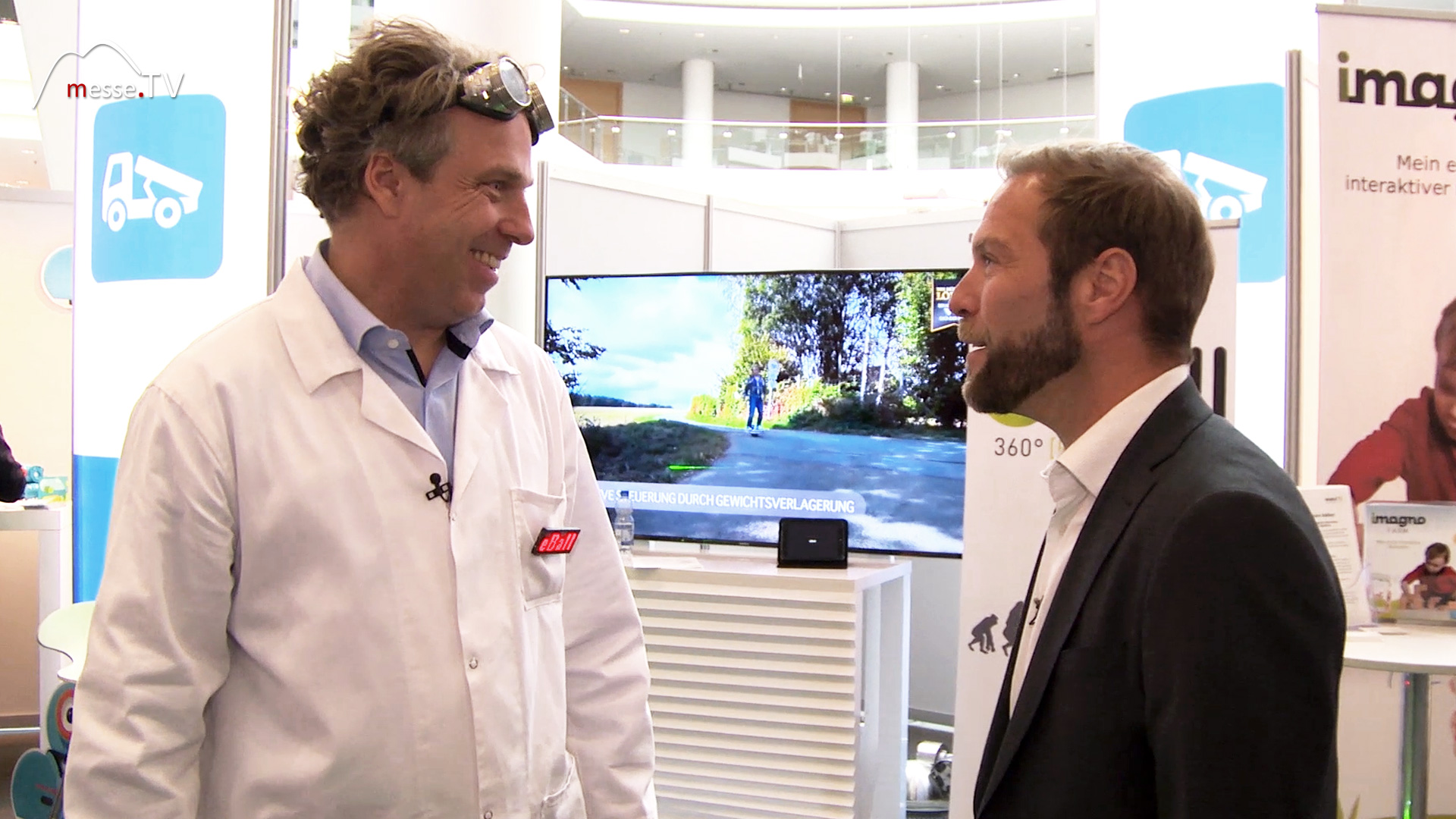
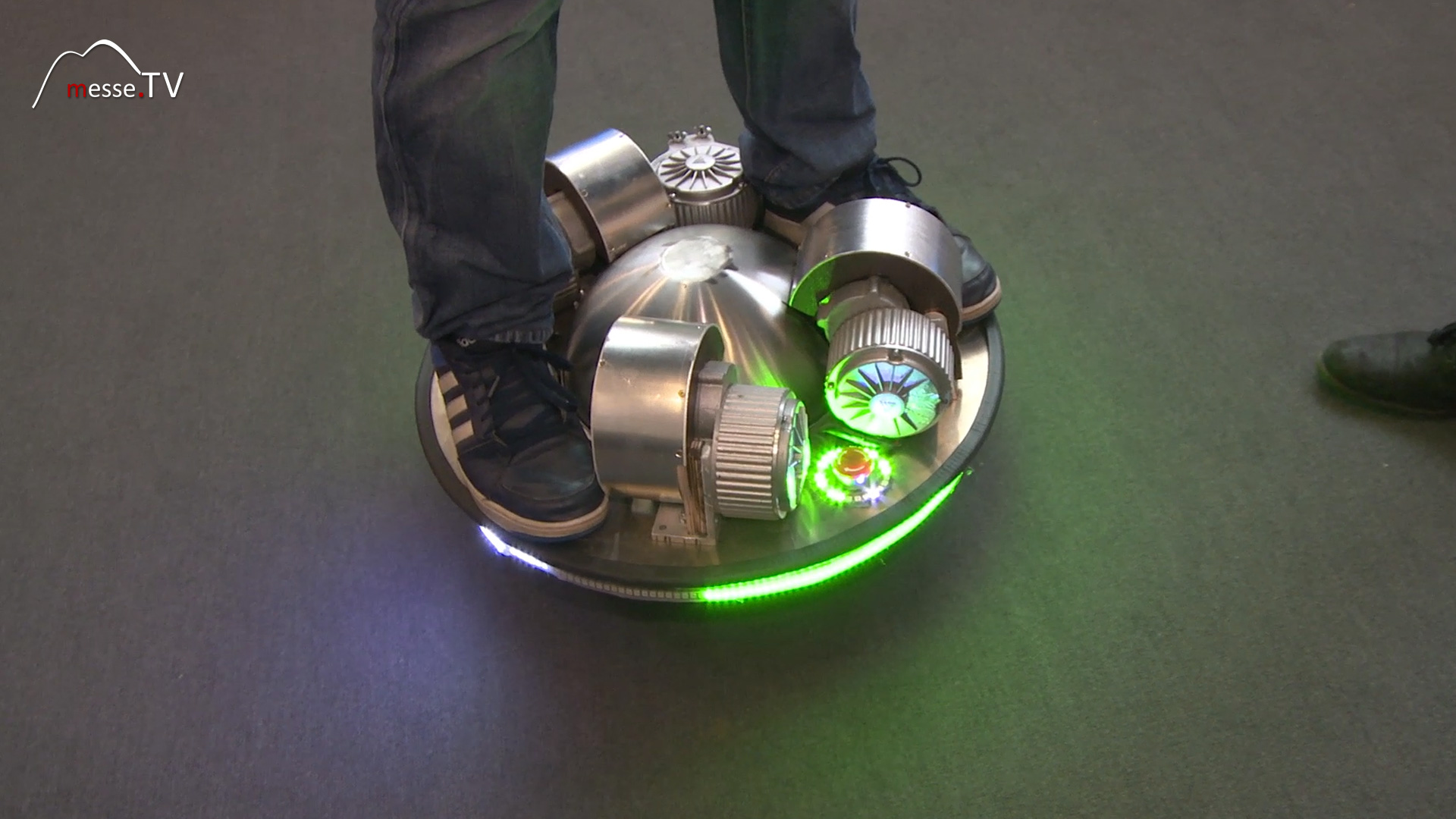
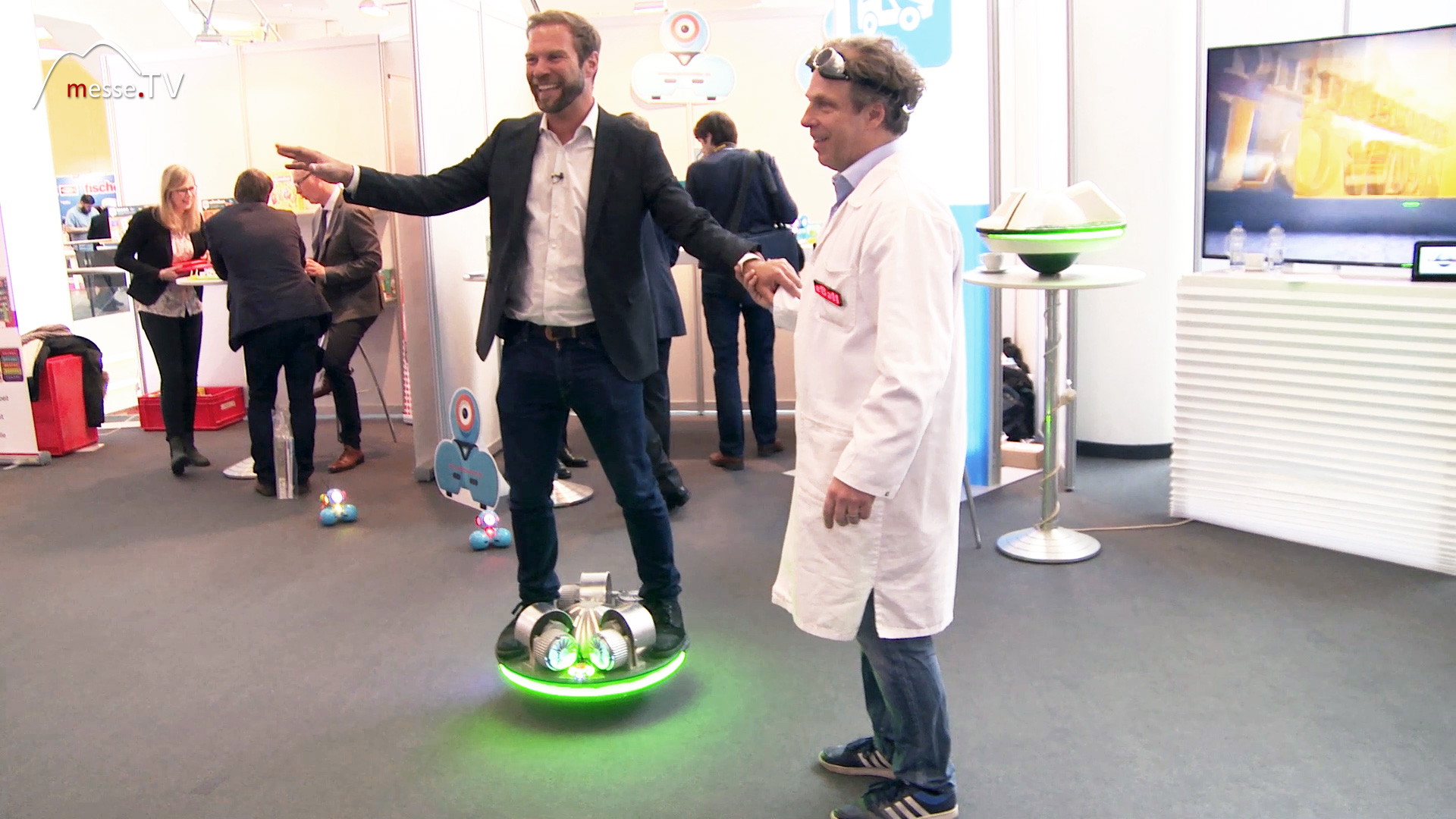
Das zentrale Element des Self-balancing Scooter eball 360 ist die aktive Balance des Fahrers. Anders als bei klassischen Scootern oder E-Rollern wird die Bewegung hier vollständig über Gewichtsverlagerung gesteuert. Vorwärtsfahren erfolgt durch leichtes Verlagern des Körpers nach vorne, Rückwärtsbewegungen durch eine entsprechende Gewichtsverlagerung nach hinten. Bereits das reine Stehen auf dem eball 360 erfordert Körperspannung und Konzentration. Koordination und Gleichgewicht spielen eine zentrale Rolle. Kurvenfahrten werden durch gezielte Belastung der Fußsohlen gesteuert, Drehungen auf der Stelle durch das bewusste Anheben von Ferse oder Ballen. Diese Steuerlogik macht das Fahren anspruchsvoll, aber zugleich sehr direkt und kontrolliert.
Geschwindigkeit und kontrolliertes Fahren
Die maximale Geschwindigkeit des eball 360 ist bewusst begrenzt. Damit bleibt das Fahrzeug kontrollierbar und sicher, insbesondere im urbanen Umfeld. Ziel ist nicht hohe Endgeschwindigkeit, sondern ein flüssiges, kontrolliertes Fortbewegen auf kurzen Distanzen. Der Fokus liegt klar auf Balance, Präzision und Fahrgefühl. Diese Auslegung unterstützt auch den Trainingsaspekt des Fahrens. Nutzer entwickeln mit der Zeit ein besseres Körpergefühl, eine stabilere Haltung und mehr Sicherheit im Umgang mit dem Fahrzeug. Der eball 360 fordert den Fahrer, ohne ihn zu überfordern.
Auf- und Absteigen als Teil des Konzepts
Ein oft unterschätzter Aspekt bei selbstbalancierenden Fahrzeugen ist das sichere Auf- und Absteigen. Beim eball 360 ist dieser Prozess klar definiert. Das Aufsteigen erfolgt schrittweise, idealerweise mit Unterstützung, bis das System den Fahrer stabil erkannt hat. Beim Absteigen wird das Fahrzeug gezielt zur Seite geneigt, wodurch es sich automatisch deaktiviert. Diese Mechanik ist integraler Bestandteil des Sicherheitskonzepts. Sie sorgt dafür, dass der eball 360 nicht unkontrolliert weiterfährt und der Nutzer jederzeit die Kontrolle behält.
Einsatzbereich und rechtlicher Rahmen
Der Self-balancing Scooter eball 360 ist für den Einsatz in normalen Umgebungen wie Innenstädten, Fußgängerzonen oder Einkaufszentren gedacht. Er adressiert bewusst die letzte Meile – also kurze Strecken zwischen Parkplatz, Haltestelle und Zielort. Eine Nutzung im öffentlichen Straßenverkehr ist zum aktuellen Zeitpunkt jedoch noch nicht vorgesehen. Der Grund dafür liegt im fehlenden rechtlichen Rahmen. Es existiert bislang keine eigene Fahrzeugklasse, in der ein selbstbalancierender Scooter wie der eball 360 zugelassen werden könnte. Eine Straßenzulassung ist daher noch nicht gegeben. Langfristig wird jedoch darauf gehofft, dass entsprechende Regelungen geschaffen werden.
Markteintritt, Preis und Ausblick
Der geplante Marktstart des eball 360 ist für die wärmere Jahreszeit vorgesehen. Mit dem finalen Design soll ein Produkt eingeführt werden, das technisch ausgereift ist und zugleich eine klare gestalterische Handschrift trägt. Preislich bewegt sich der Self-balancing Scooter eball 360 im gehobenen Segment und richtet sich an Käufer, die bewusst in neue Mobilitätslösungen investieren. Der Erfolg des Produkts wird letztlich davon abhängen, ob der Markt diese Form der Fortbewegung annimmt und ob Nutzer bereit sind, für das Konzept, die Technik und das Design einen entsprechenden Preis zu zahlen. Zusammengefasst lassen sich die Kerneigenschaften des Self-balancing Scooter eball 360 so einordnen:
- Deutlich reduziertes Gewicht für bessere Alltagstauglichkeit
- Selbstbalancierendes Fahrkonzept mit aktiver Körpersteuerung
- Kompaktes, seriennahes Design mit Tragegriff
- Fokus auf kurze Strecken und urbane Nutzung
- Noch keine Straßenzulassung, aber klare Zielrichtung



Messe-Berichterstattung bundesweit - Messewissen, Termine & Veranstaltungen


