Articles and videos on real estate, architecture and building technology
Real estate is more than just buildings – it combines function, technology, and design. The articles highlight developments in the planning, use, and technical equipment of buildings in the private, commercial, and public sectors.
Current developments and projects in construction, planning and energy efficiency
Motion sensors in lift construction and various industries
In lift construction, motion is not an abstract process, but a safety-critical condition. Position, speed and deceleration must be precisely recorded at all times in order to minim... Motion sensors in lift construction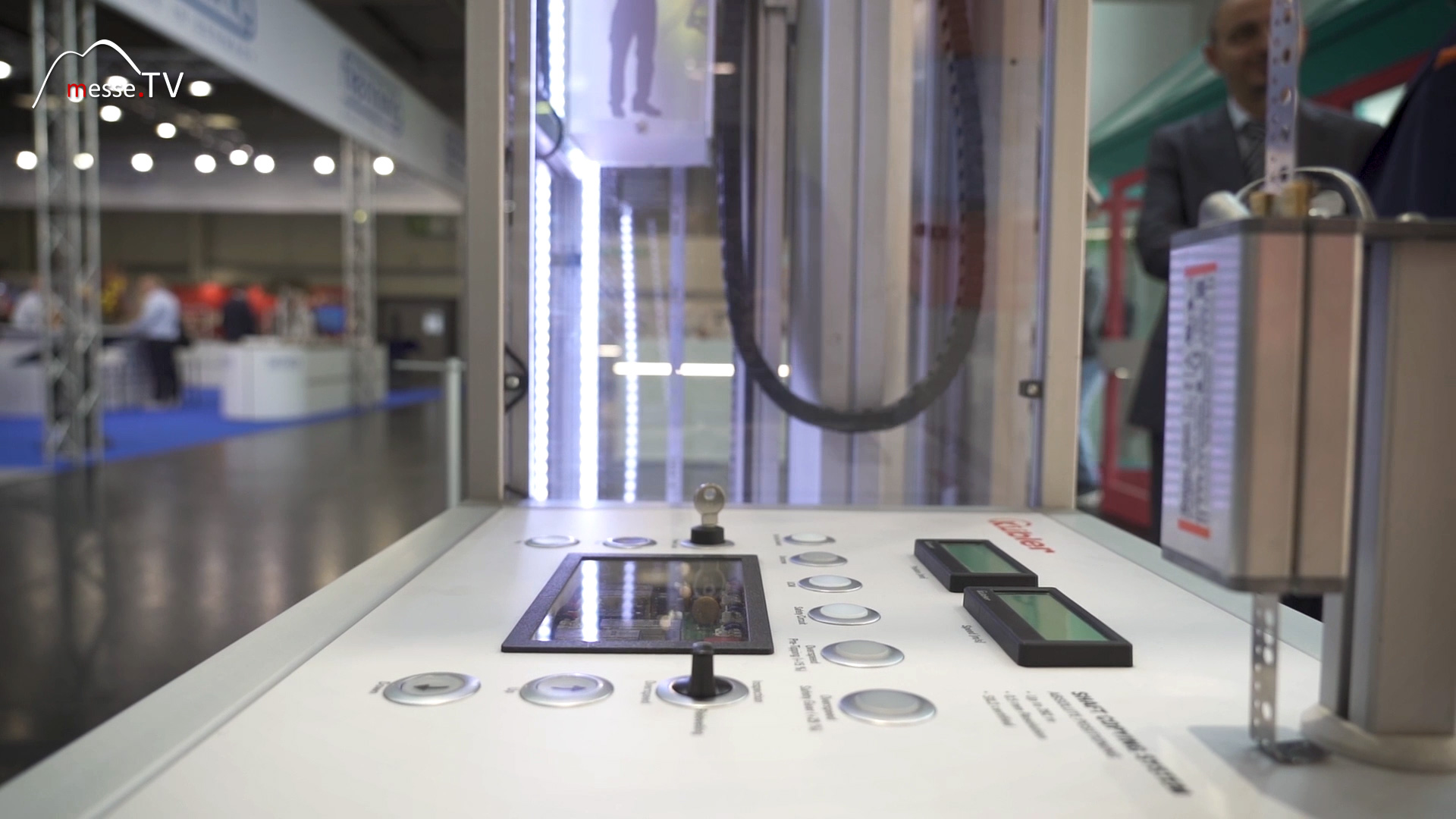
Modernising lifts: lifts with energy recovery
Hydraulic lifts still dominate the building stock of many cities today. They are considered durable, maintenance-friendly and robust, but are coming under increasing pressure as en... Energy-efficient lifts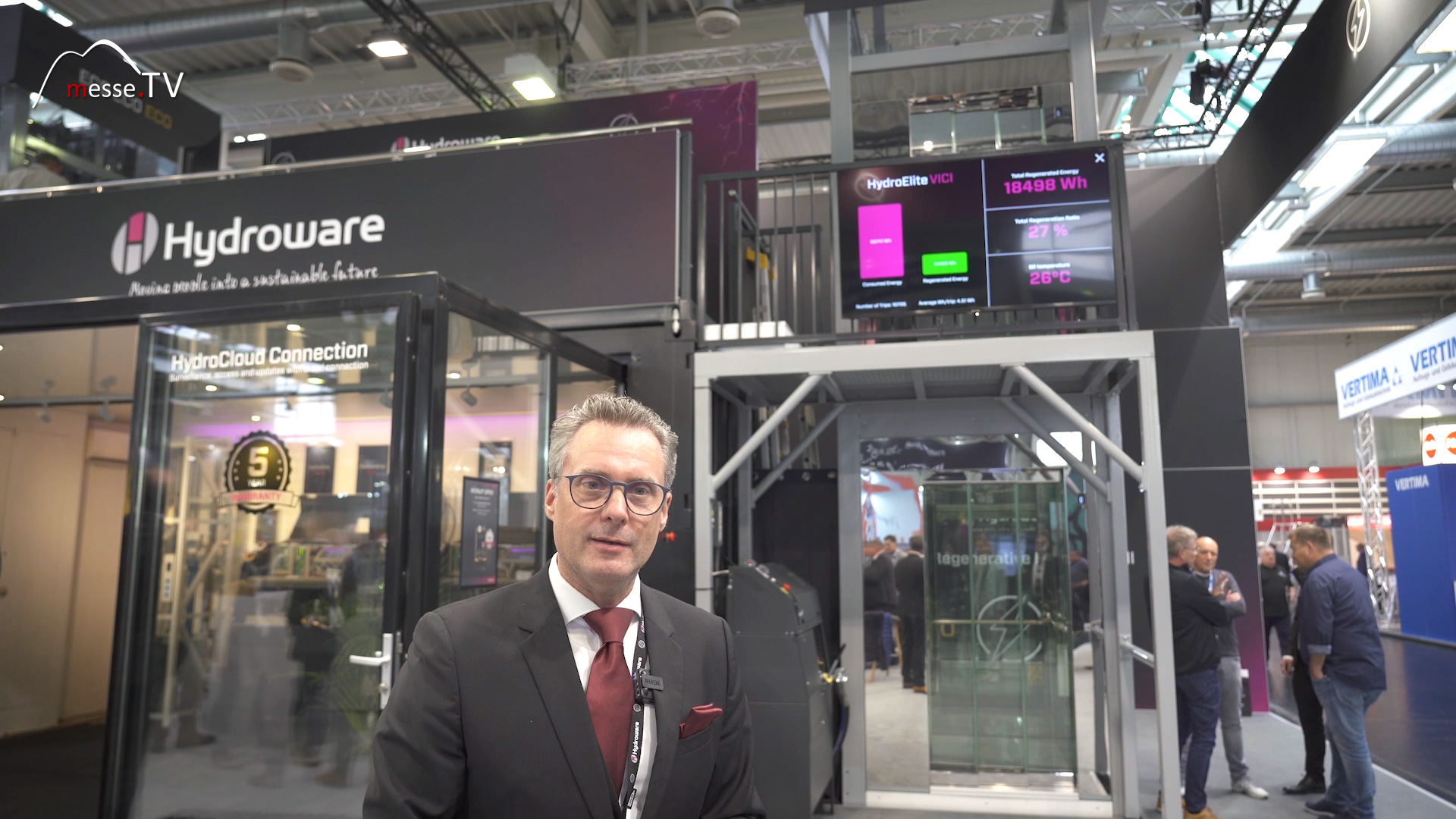
Platform lift – accessibility for independent living
Accessibility is no longer a niche issue, but a key criterion in modern building design. In private homes in particular, there is a growing need for solutions that enable people wi... Platform lift for accessibility at home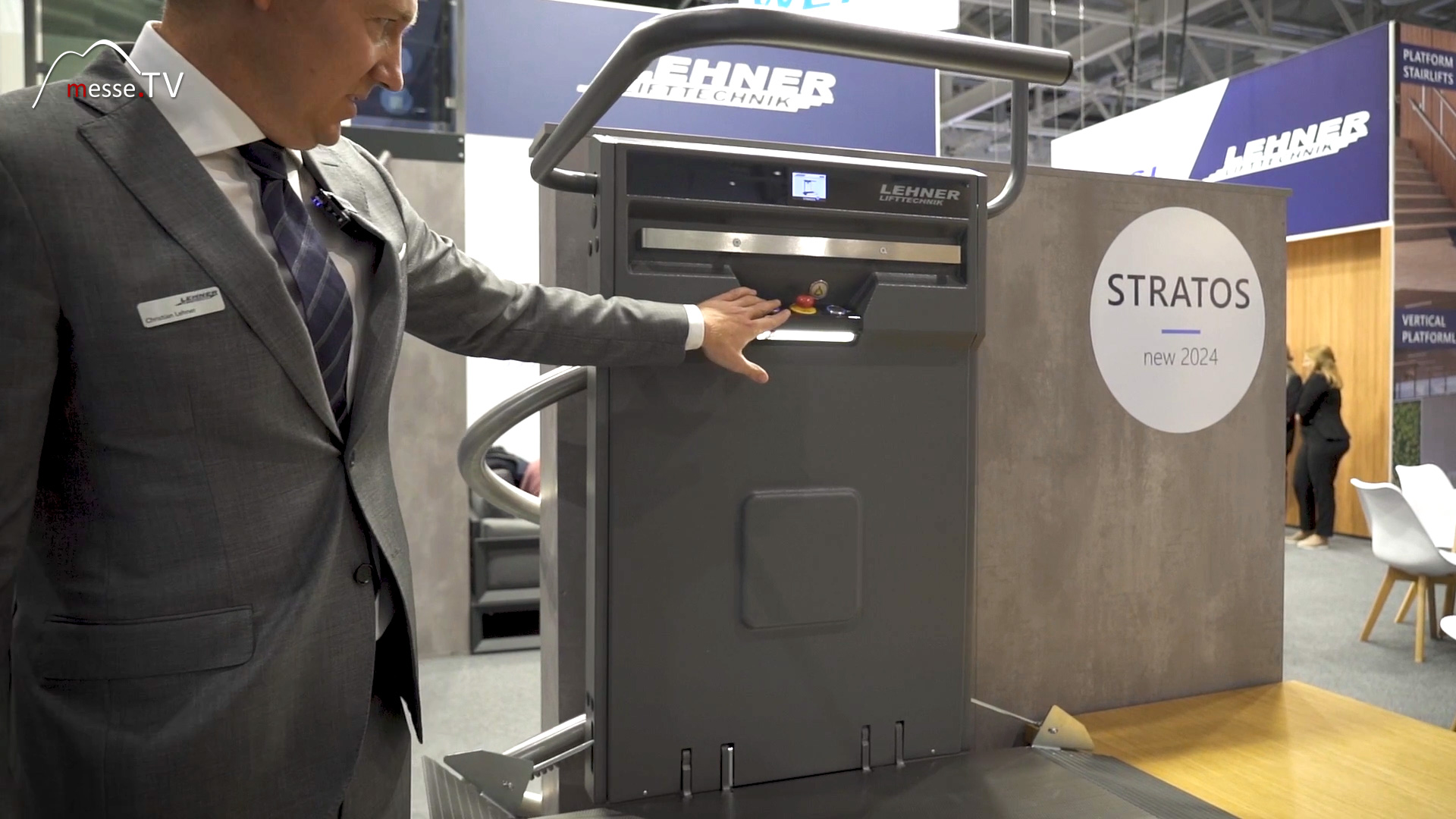
Software for the lift industry – with real-time data from the systems
The lift industry has been under increasing organisational pressure for years. Rising demands on documentation, maintenance, transparency and response times are coming up against a... Software for the lift industry
Safety components for lift construction from Hans Jungblut
Safety components are among the invisible but key components in lift construction. They work in the background, are barely noticeable during normal operation and only become releva... Safety in lift construction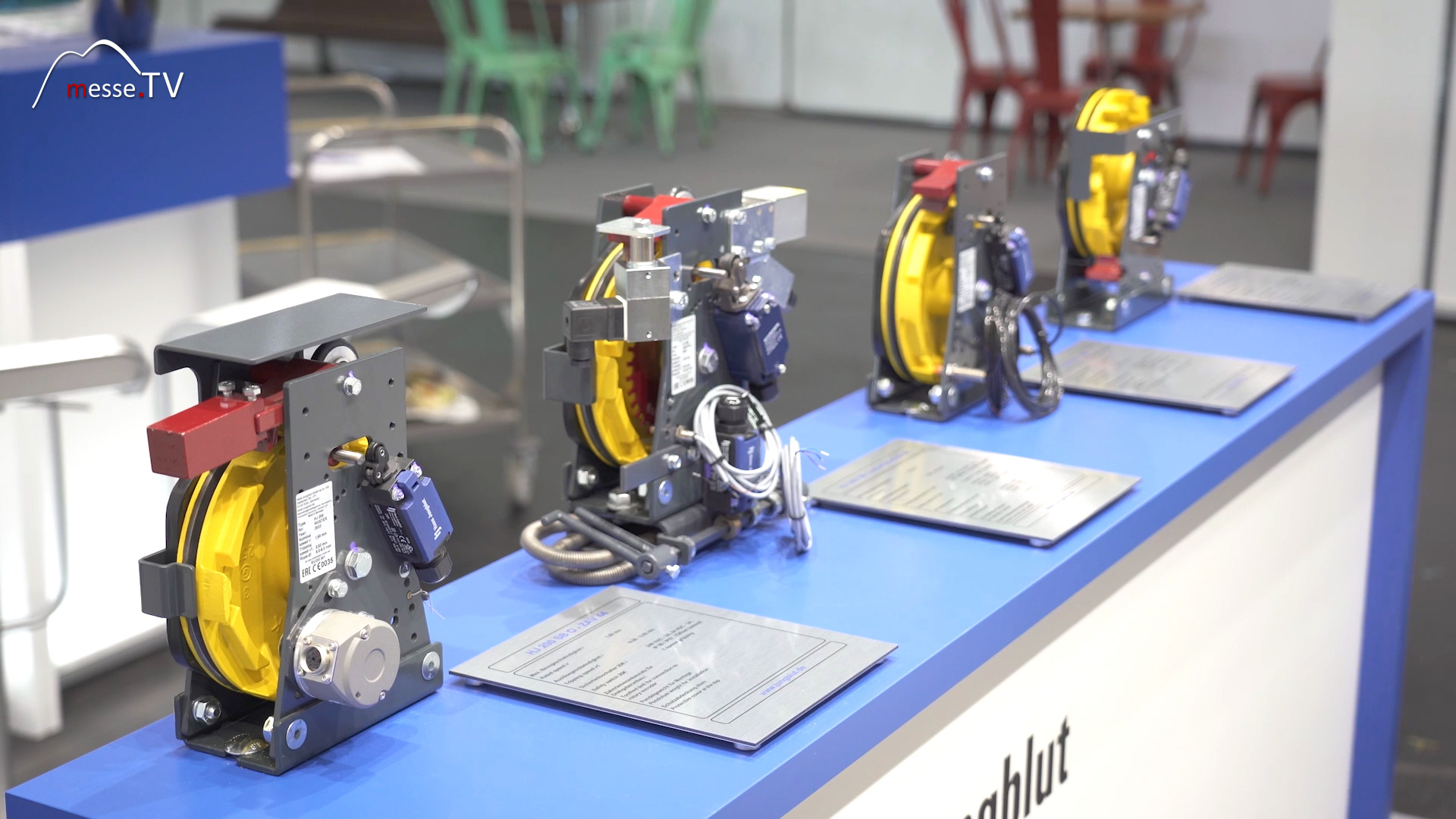
Lift control with IoT and mobile phone from Hydroware
Hydraulic lift systems are considered robust and durable, but are increasingly reaching their organisational limits in everyday use. Maintenance, commissioning and servicing often ... App-controlled lifts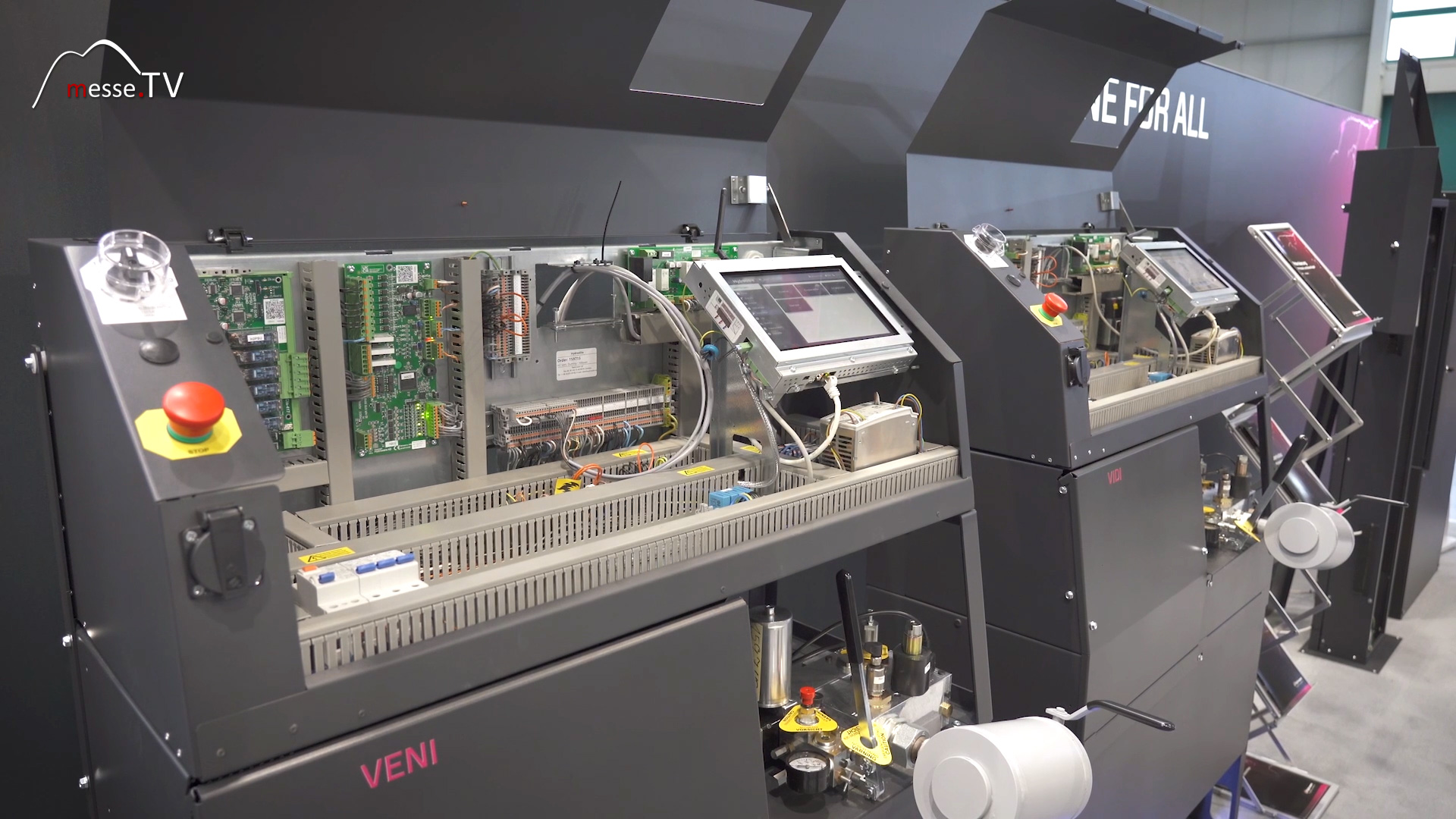
Platform lifts and vertical lifts for accessibility in buildings
Lifts are still considered a planning challenge in many buildings, especially when space is limited or the existing structure allows for little intervention. It is precisely in suc... Customised lift systems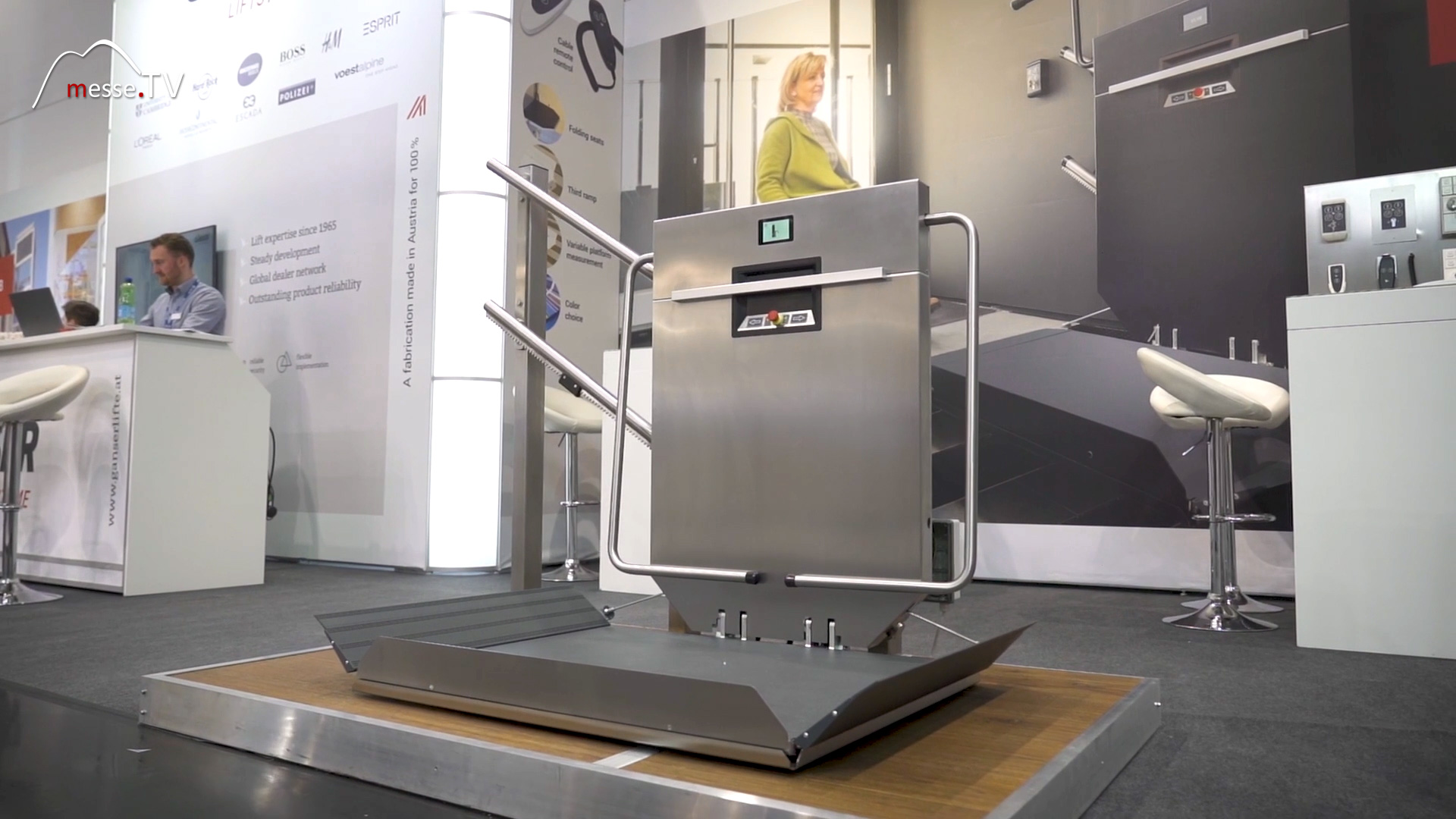
Mini lifts for private residences
The desire for comfortable mobility in one's own home is growing, especially in buildings with multiple levels. Stairs quickly become a burden in everyday life, whether due to age,... Exclusive mini lift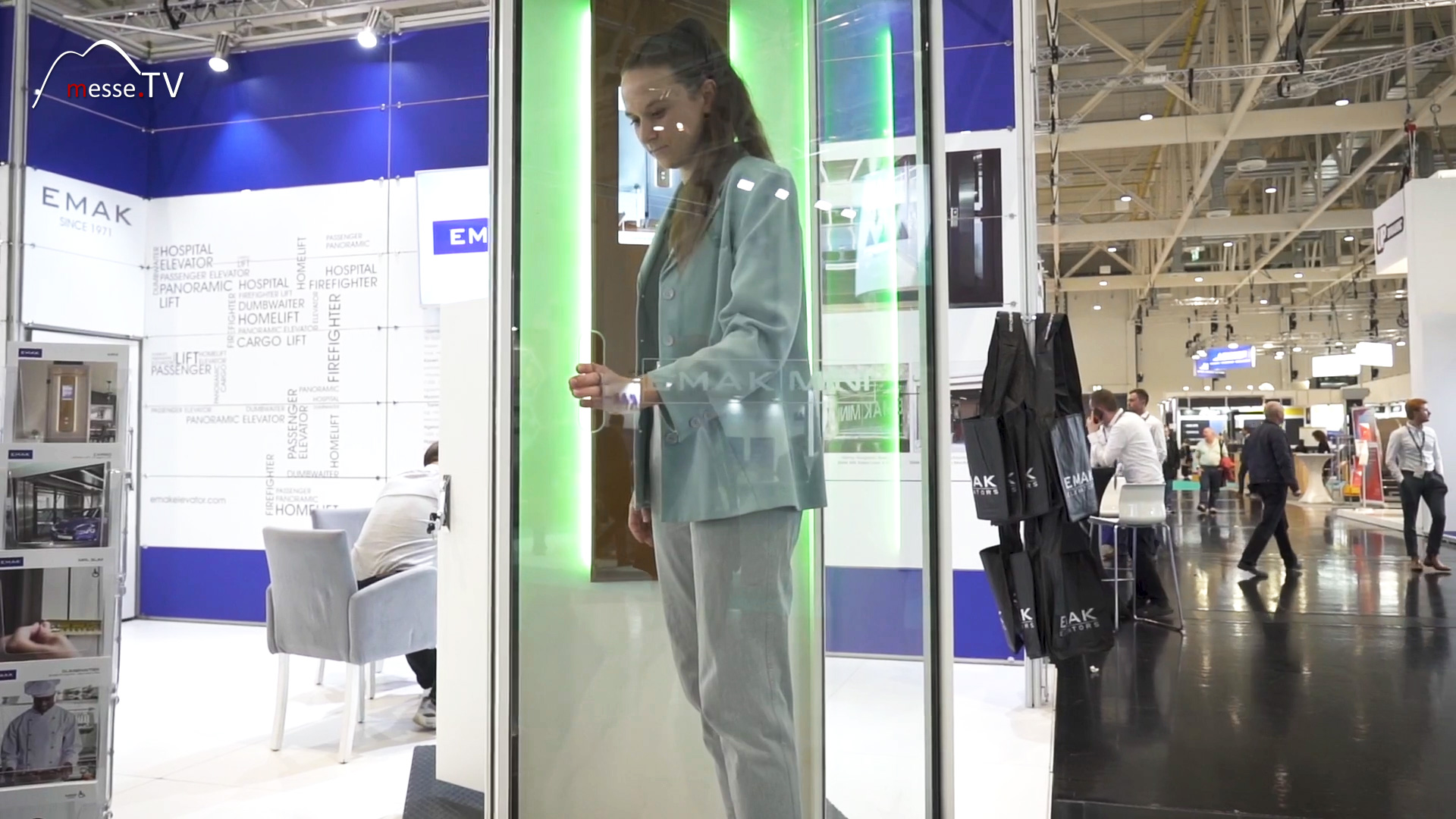
Retrofittable lifts – integrating lifts into existing buildings
For many years, there has been a growing demand for lift solutions that can be integrated into existing buildings. In private residential construction in particular, but also in pu... Retrofittable lifts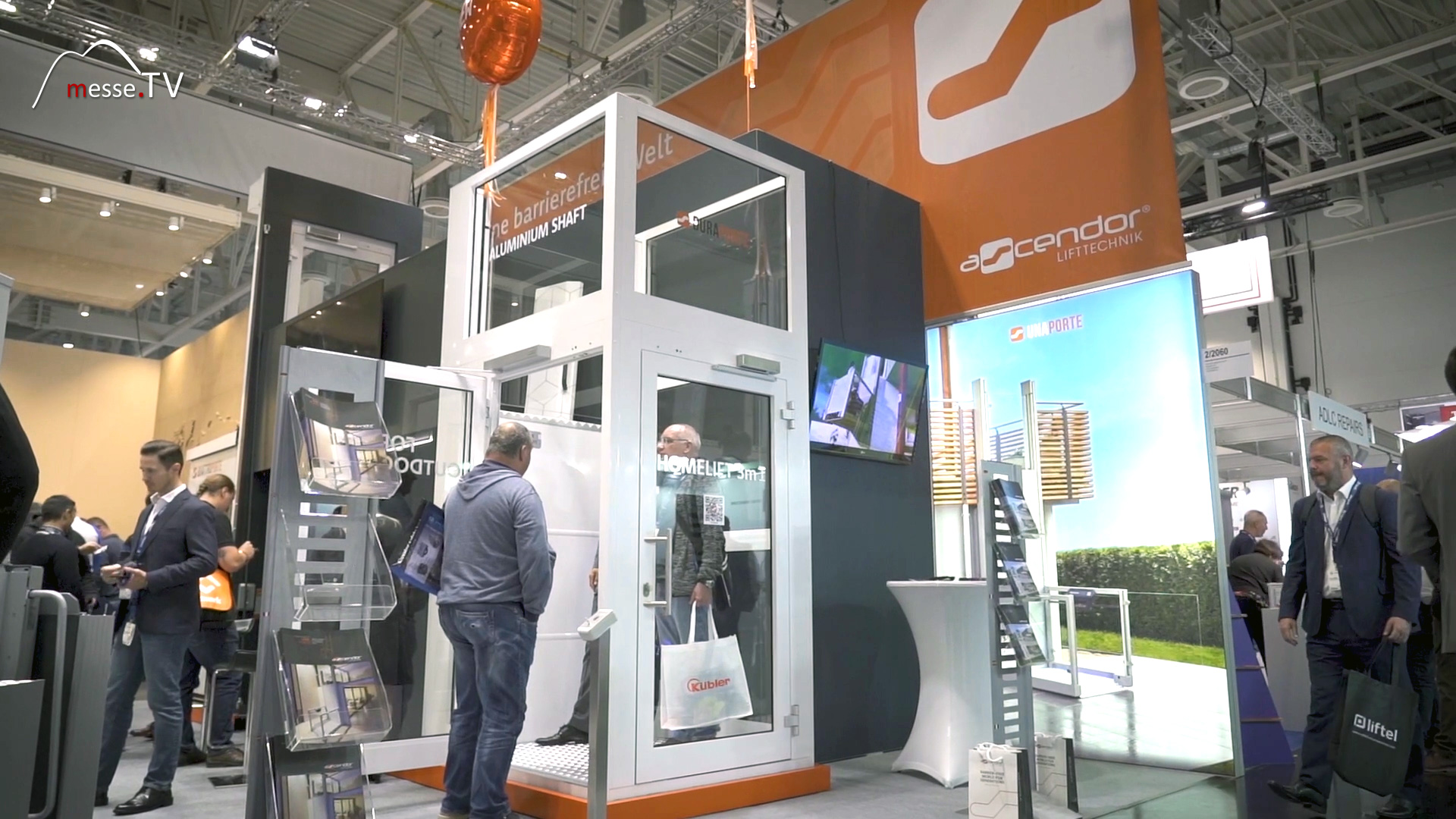
Belt for lifts made of plastic fibre without metal reinforcement
In lift technology, the focus is often on controls, energy consumption and maintenance intervals. However, components that are rarely in the spotlight are just as important: belts,... Innovative lift belt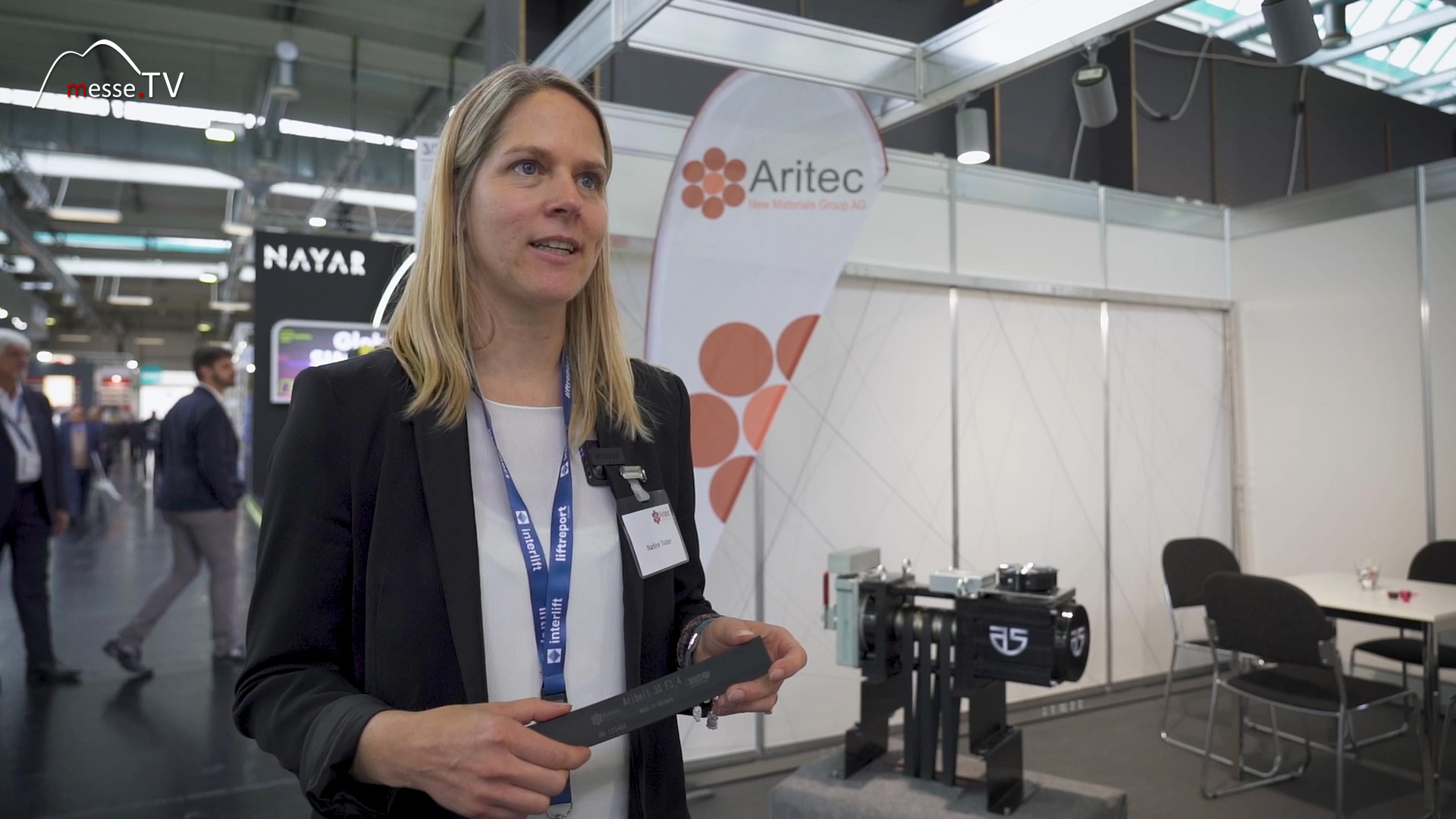
Emergency call systems: Lift emergency call solutions for buildings
Emergency call systems are among the invisible but indispensable components of modern buildings. They come into play whenever regular processes are interrupted and fast, reliable c... Emergency call systems for lifts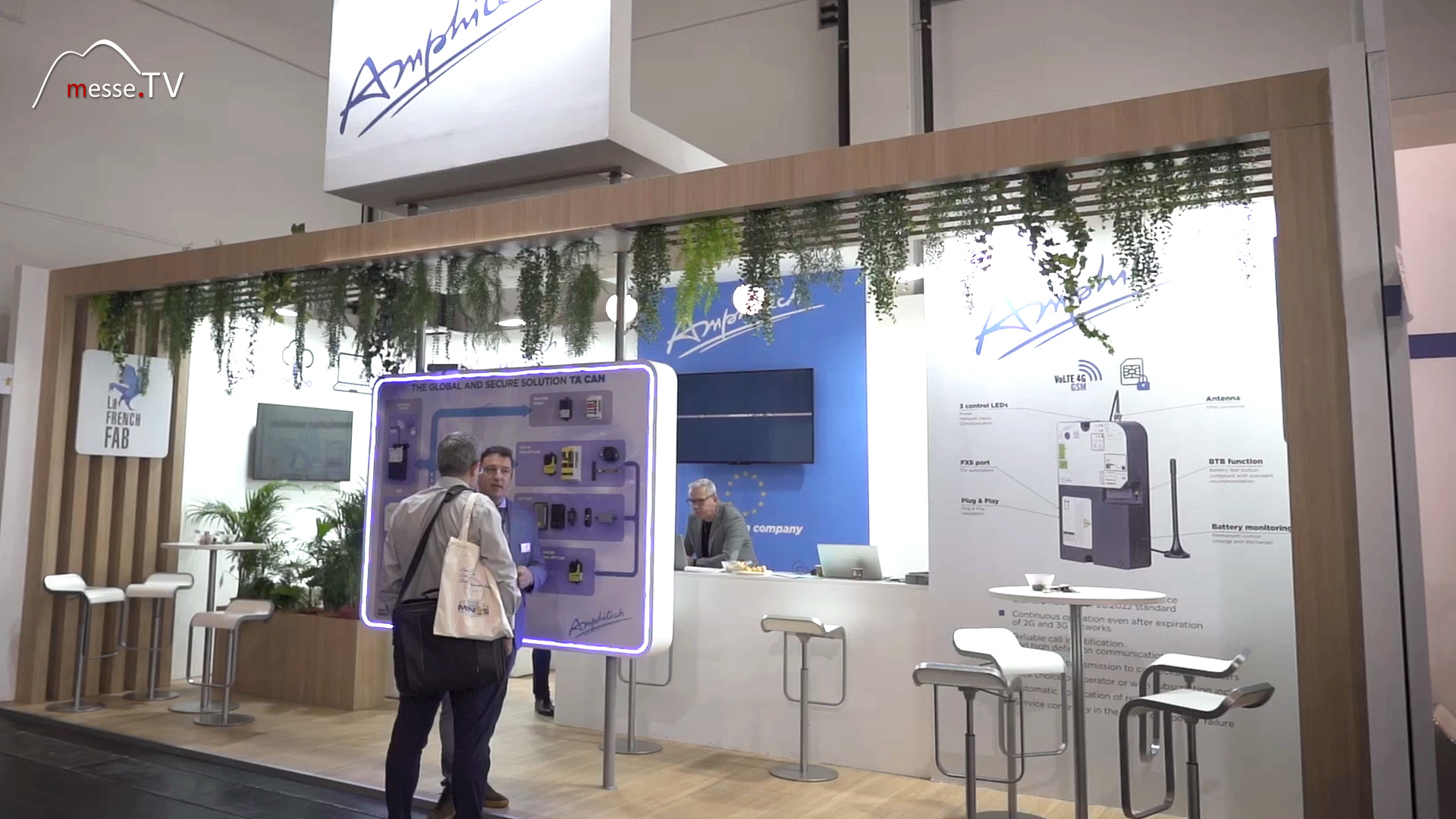
Lift construction: Electric safety catches for hydraulic lifts
Hydraulic lifts play a central role wherever heavy loads need to be moved safely, in a controlled and reliable manner. In industrial plants, workshops or logistics buildings, stabi... Lift components: Electric safety catches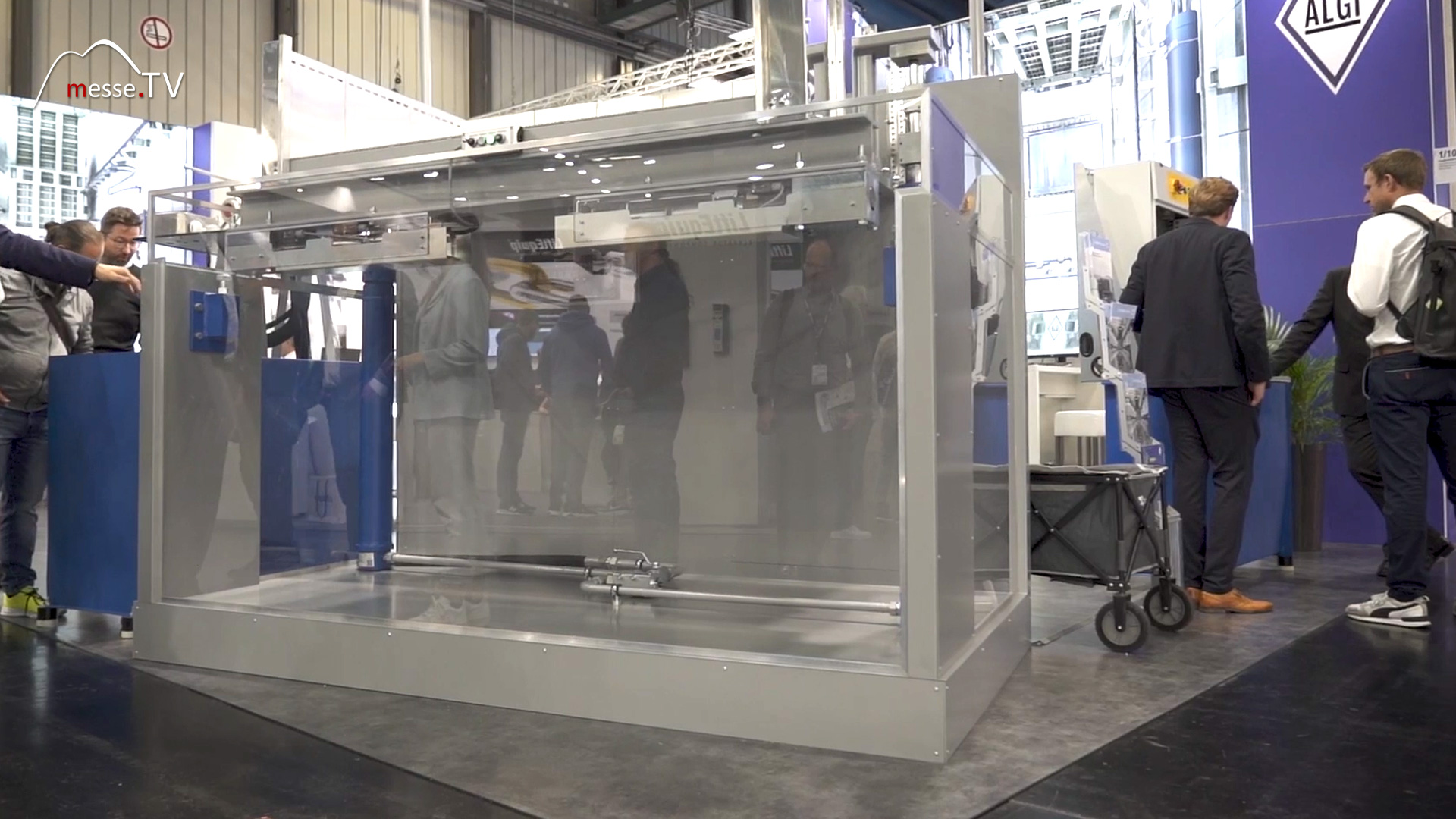
Lift modernisation: ride comfort, energy consumption, maintenance
In many buildings, lifts have been operating reliably for decades, but at the same time they are becoming outdated in terms of technology and energy efficiency. Hydraulic systems i... Lift modernisation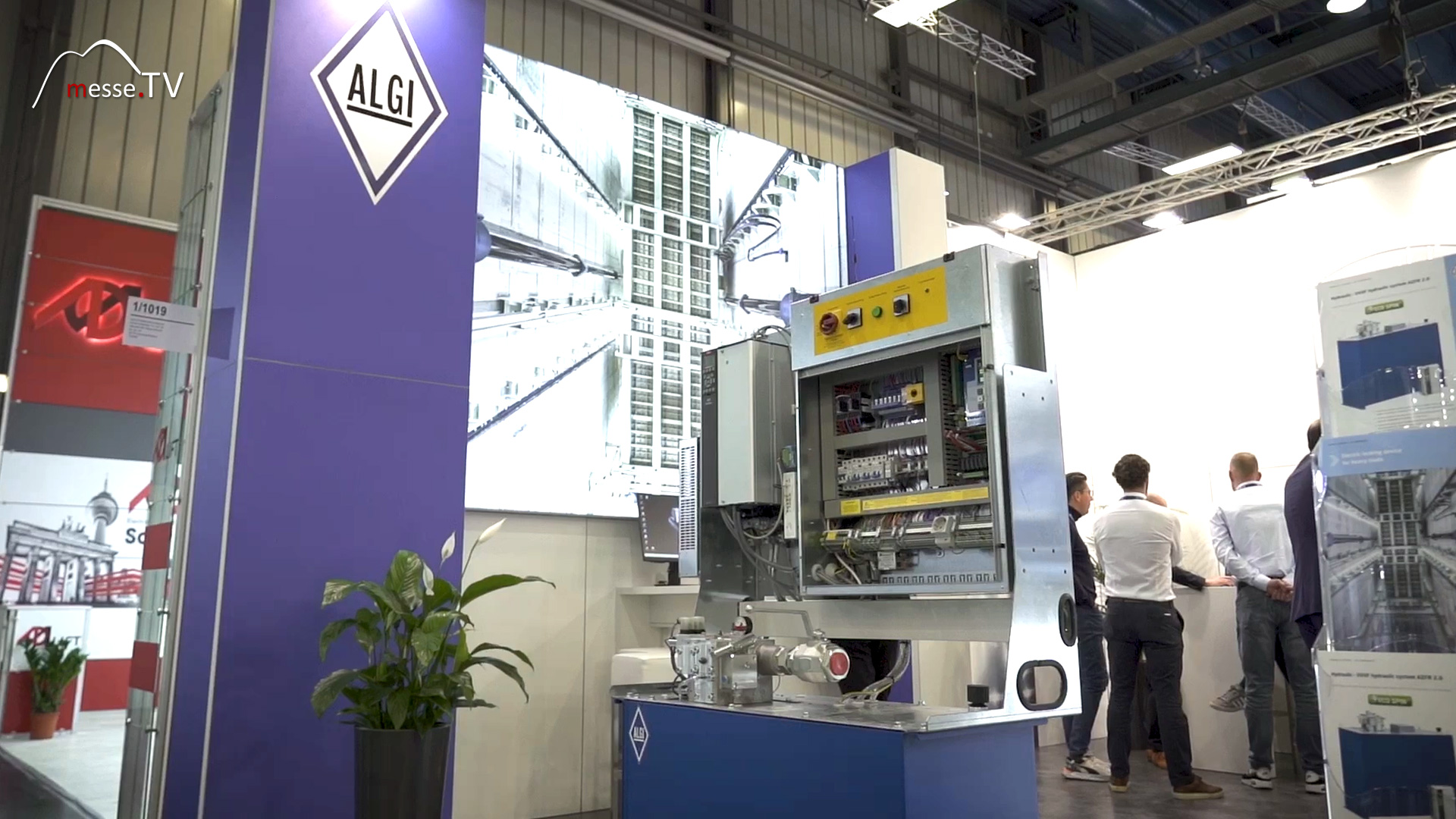
Equipment and technical systems in modern buildings
Real estate is no longer just about buildings—it's about technical systems that intelligently combine energy, comfort, and security. In the articles presented here, companies show how sensor technology, building technology, modular systems, and smart controls can be integrated into new and existing buildings. It is becoming increasingly clear that building operations are becoming more efficient thanks to digital analysis of consumption data, networked building services, and automated control strategies.
- Building technology: heating, ventilation, cooling, sanitation
- Digital control systems and energy optimization
Efficient planning, digital processes, and sustainable building concepts
The planning and development of real estate is changing rapidly. Digital tools facilitate new construction, management, and modernization—from AI-supported platforms in project development to solutions for energy-efficient renovations in existing buildings. Providers such as Viadukt and Predium show how data-based models make renovation costs calculable, while Immowelt, Kleinanzeigen, and ImmoScout24 provide transparent information on market developments.
- Digital tools for project development and management
- Concepts for energy-efficient renovation and ESG strategies
Real estate markets, urban development, and economic conditions
The real estate market is shaped by economic trends, regulatory requirements, and regional location strategies. Many articles address this context and show how cities, companies, and institutions are responding to the pressure for change. Whether commercial real estate such as DM, regional developments such as in the northern Black Forest, international markets such as Mauritius, or local examples such as Stuttgart and Düsseldorf – everywhere it becomes clear how closely the real estate industry, location policy, and user needs are linked.
- Regional and international market developments
- Urban development, economic development, and political conditions
Renting or buying real estate in Germany – market, valuation, and decision
Anyone dealing with the topic of real estate in Germany is faced with similar fundamental questions: Should you rent real estate or buy it for the long term? This decision is increasingly influenced by regionally varying real estate prices, financing costs, and individual lifestyle and usage concepts. While high purchase prices and limited supply characterize the market in metropolitan areas, many medium-sized cities and rural regions are experiencing more stable developments with greater choice. At the same time, the rental market remains tight, as new construction often fails to fully meet demand. A key factor in any decision is the ability to evaluate a property – regardless of whether it is intended for owner-occupancy, as a capital investment, or for long-term rental. In addition to location, construction quality, and energy efficiency, aspects such as renovation requirements, digital building technology, and future flexibility of use also play an important role today. Against the backdrop of increasing demands for sustainability and operating costs, a sound valuation is becoming increasingly important, as it helps to assess risks realistically and plan investments in a transparent manner. An overview of the market shows that neither buying outright nor renting long-term is the right solution. Rather, the decision depends on regional conditions, personal goals, and economic prospects. Whether renting real estate as a flexible solution or buying real estate as a long-term security makes more sense can only be answered by combining market knowledge, realistic price assumptions, and an objective assessment. This is precisely where the articles presented here come in, by transparently classifying and comparing developments, technologies, and strategies relating to real estate.
Trade fair reporting Germany - Trade fair knowledge, dates & events


