Commercial vehicles between lorries, construction machinery and the pressures of everyday life
Commercial vehicles are the backbone of a division of labour economy. They deliver goods, move materials, ensure construction site operations and keep municipal services running. This category includes lorries, vans, special-purpose vehicles and construction machinery – all linked by a common logic: they are work tools whose value is measured by their reliability and operational capability. The changes in this area are less visible than in private transport, but they have a profound impact on infrastructure, supply chains and working conditions. When talking about commercial vehicles, it is therefore important to consider both the lorries on the motorway and the machinery on the construction site.
Contributions on the topic of commercial vehicles on Messe.TV
Compact wheel loader combines power and comfort
In many industrial and recycling applications, operators face a conflict of objectives: on the one hand, compact machines are required that can manoeuvre safely in confined worksit... Powerful wheel loader for industry, the recycling sector and materials handling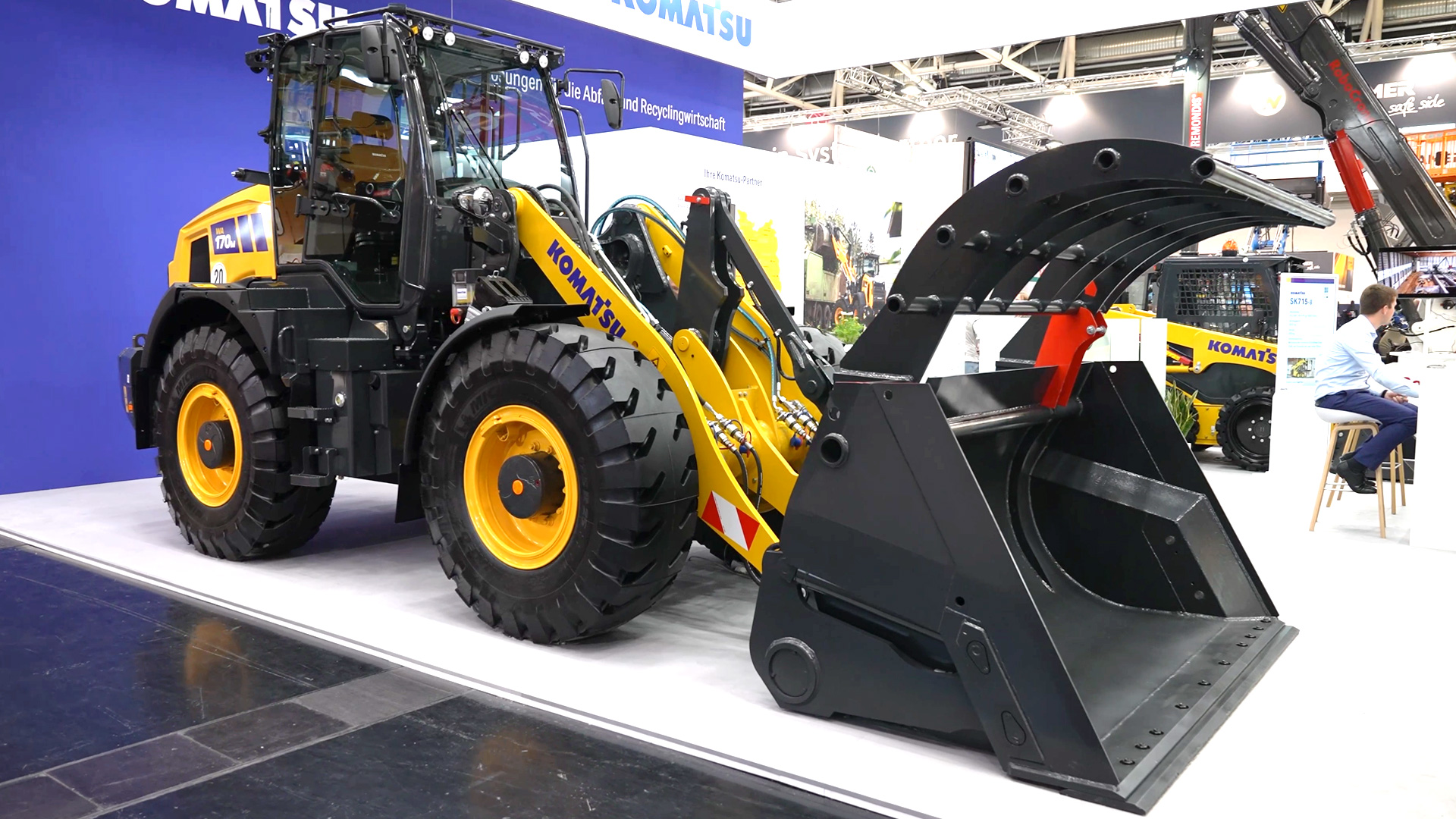
AI optimises electric mobility in the waste management sector
The waste management sector is facing increasing pressure to change. Rising energy prices, a shortage of skilled workers and stricter environmental requirements are forcing waste m... Electric mobility put to the test in everyday waste management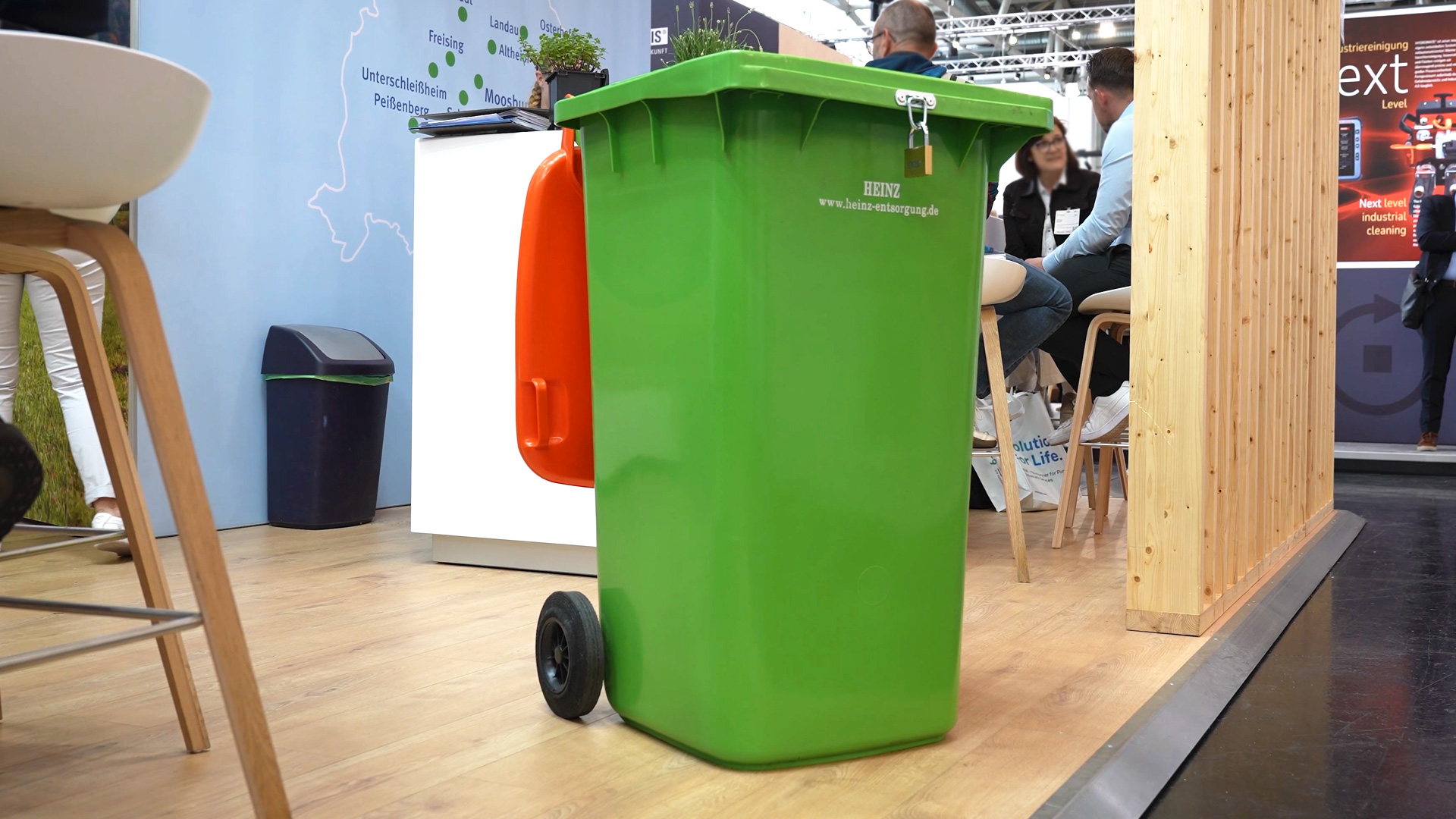

Volvo electric truck with new charging capacity
The electrification of heavy commercial vehicles is reaching a new stage of development. Whilst battery-electric trucks were still primarily intended for short inner-city journeys ... Developments in the electrification of heavy commercial vehicles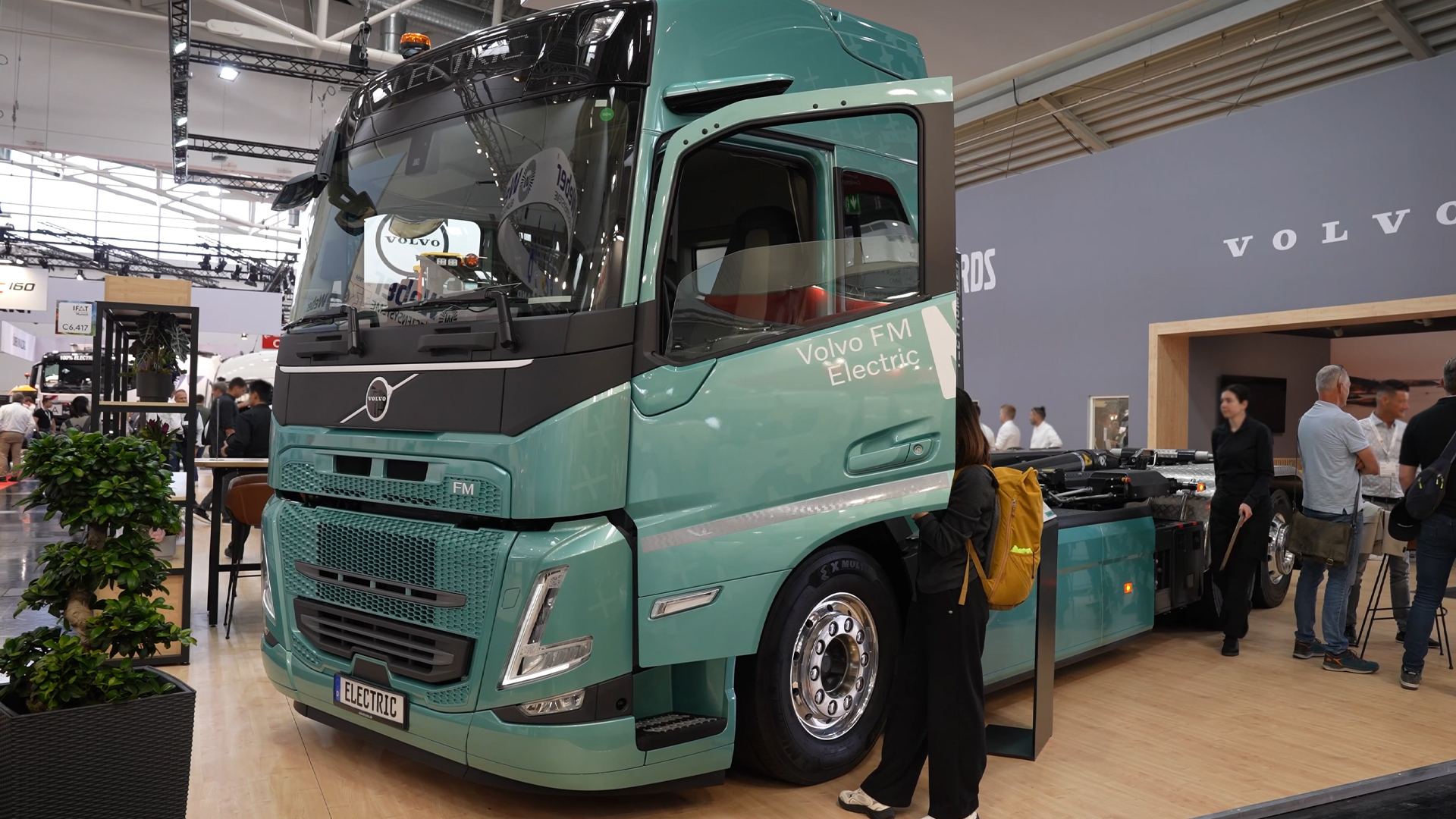
Electric-powered digital material handlers
The demands placed on modern material handlers are changing significantly. In recycling plants, scrap yards or port applications, it is no longer just about pure hydraulic power. Liebherr showcases a new cab and enhanced operating concept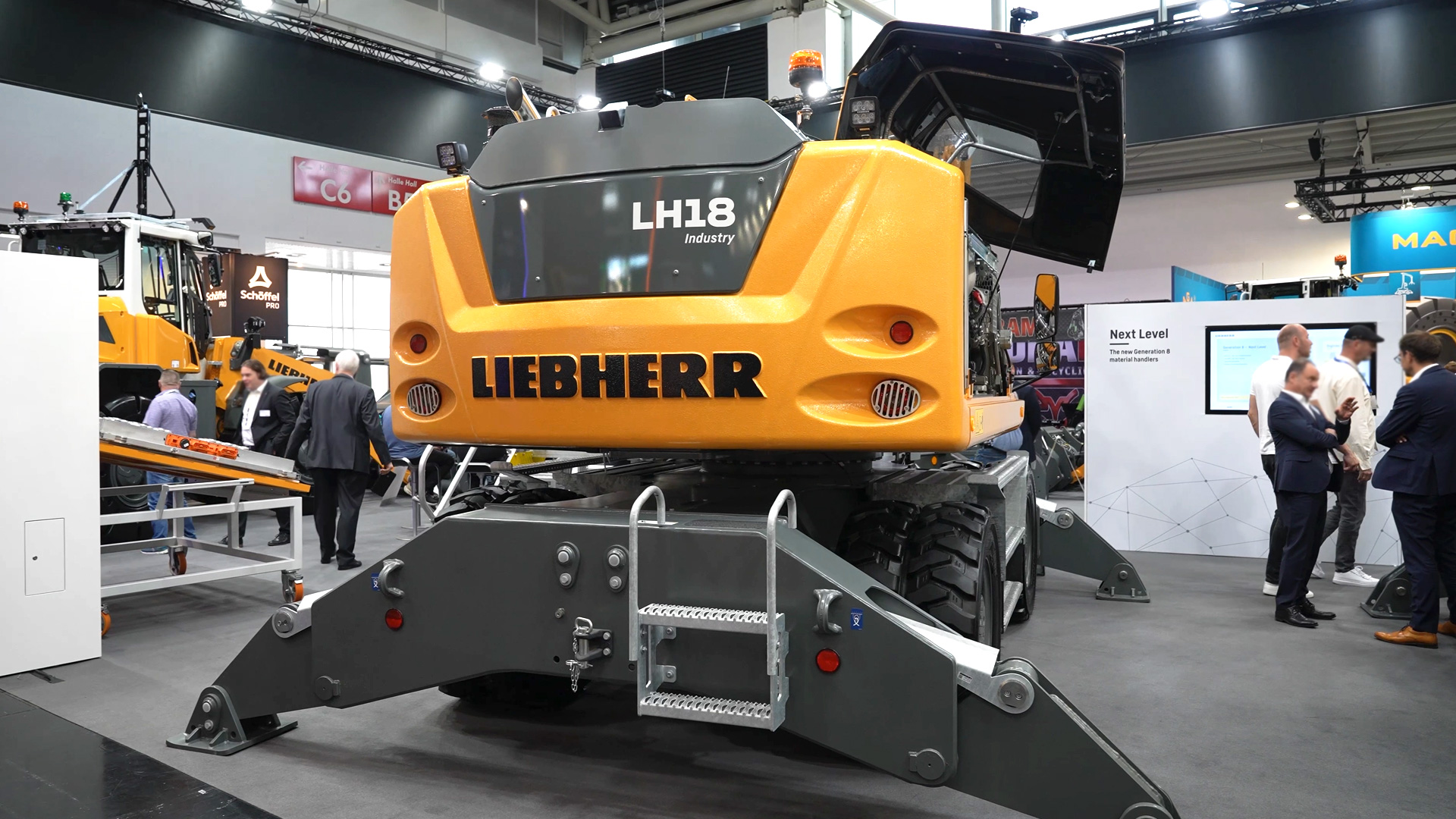
Flexible handling technology for scrap and recycling
The requirements in the scrap and recycling industry have changed significantly in recent years. Today, operators must not only work economically but also comply with stricter envi... Changing requirements in the scrap and recycling industry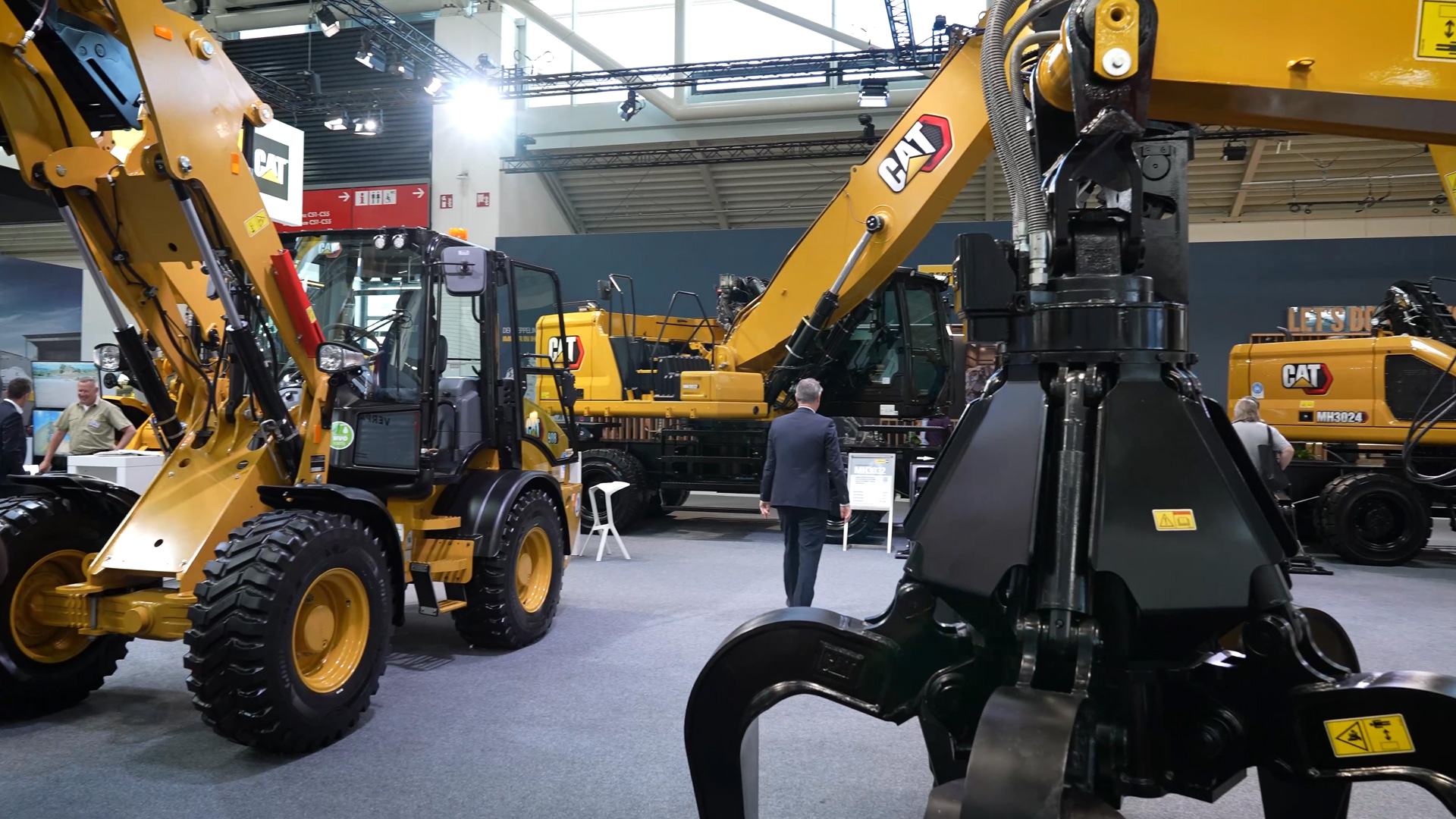
Autonomous sweeper for recycling centres and industrial sites
Autonomous vehicles have been regarded for years as one of the major future trends in mechanical engineering. Whilst much of the discussion focuses on passenger cars, robotaxis or ... Use in industrial facilities, recycling centres or port areas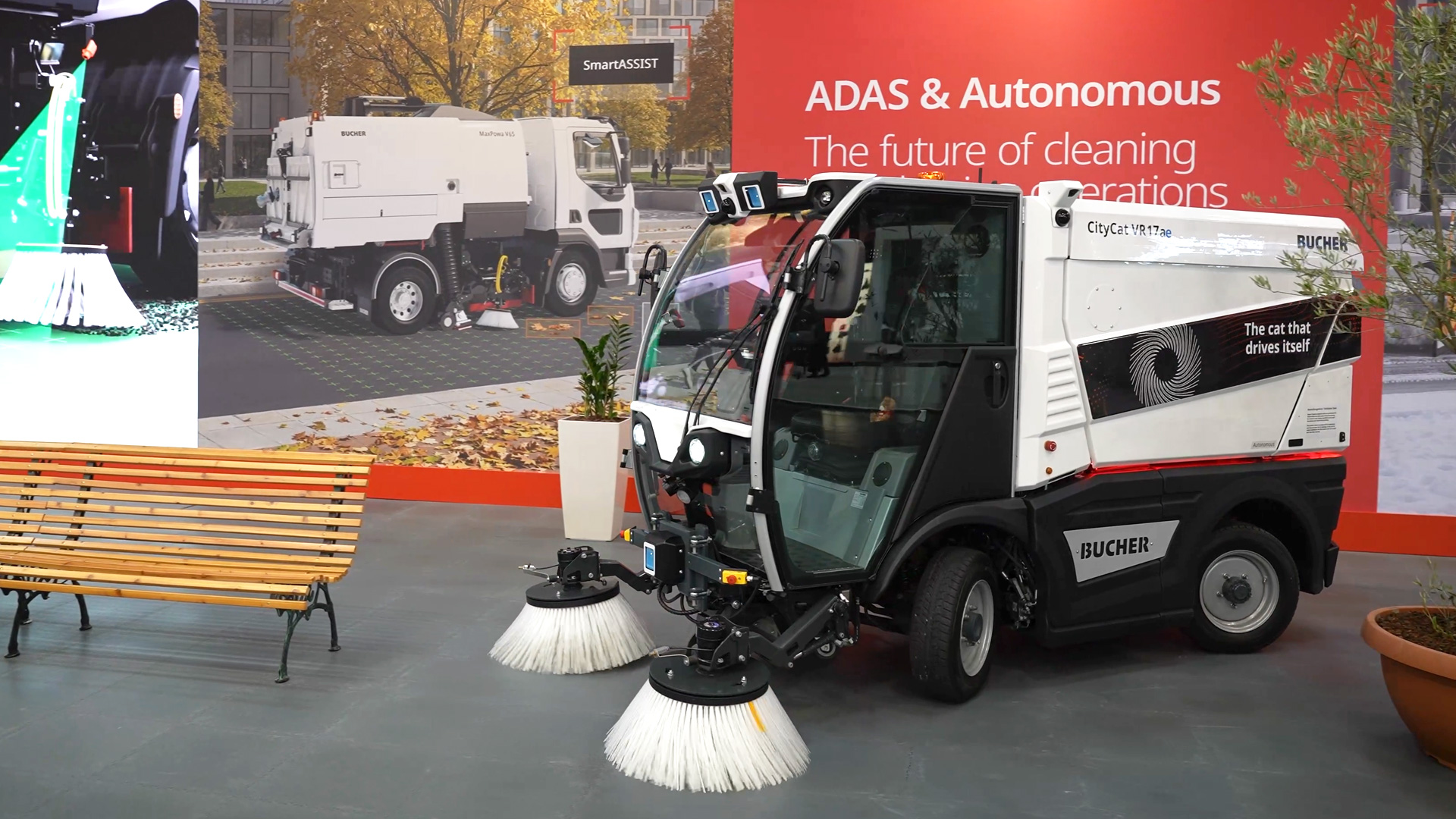
The Mercedes-Benz eActros 400: a versatile municipal vehicle
Municipal vehicles face particularly high expectations. They must be operational all year round, cover a range of tasks and, at the same time, operate economically and reliably. MirrorCam and driver assistance systems for greater safety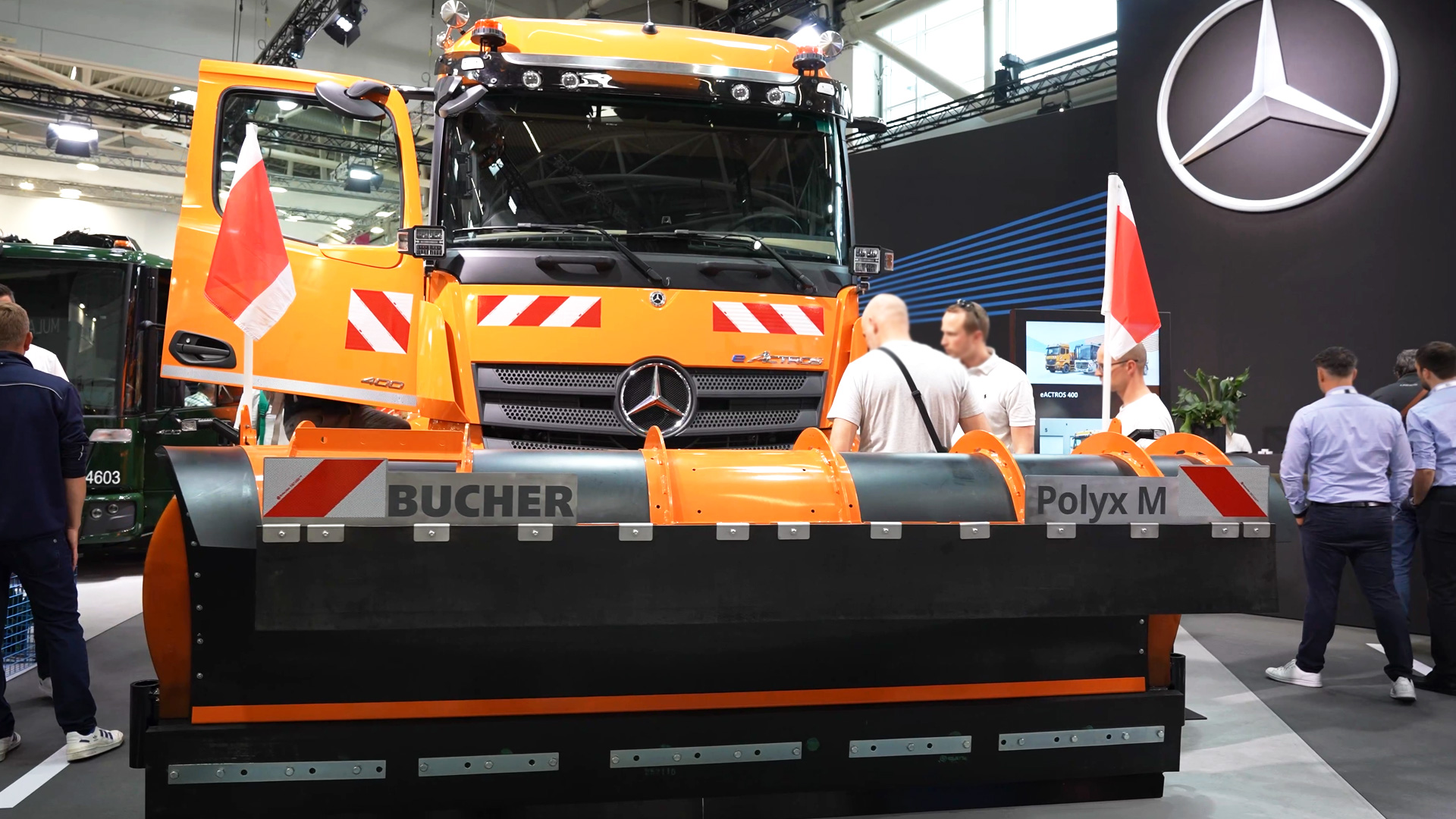
Cellcentric: Fuel cells for commercial vehicles and energy
Cellcentric is at the center of a technological turning point: The company develops and produces fuel cell systems that are designed to make heavy-duty transport climate-neutral. A... Cellcentric Fuel cells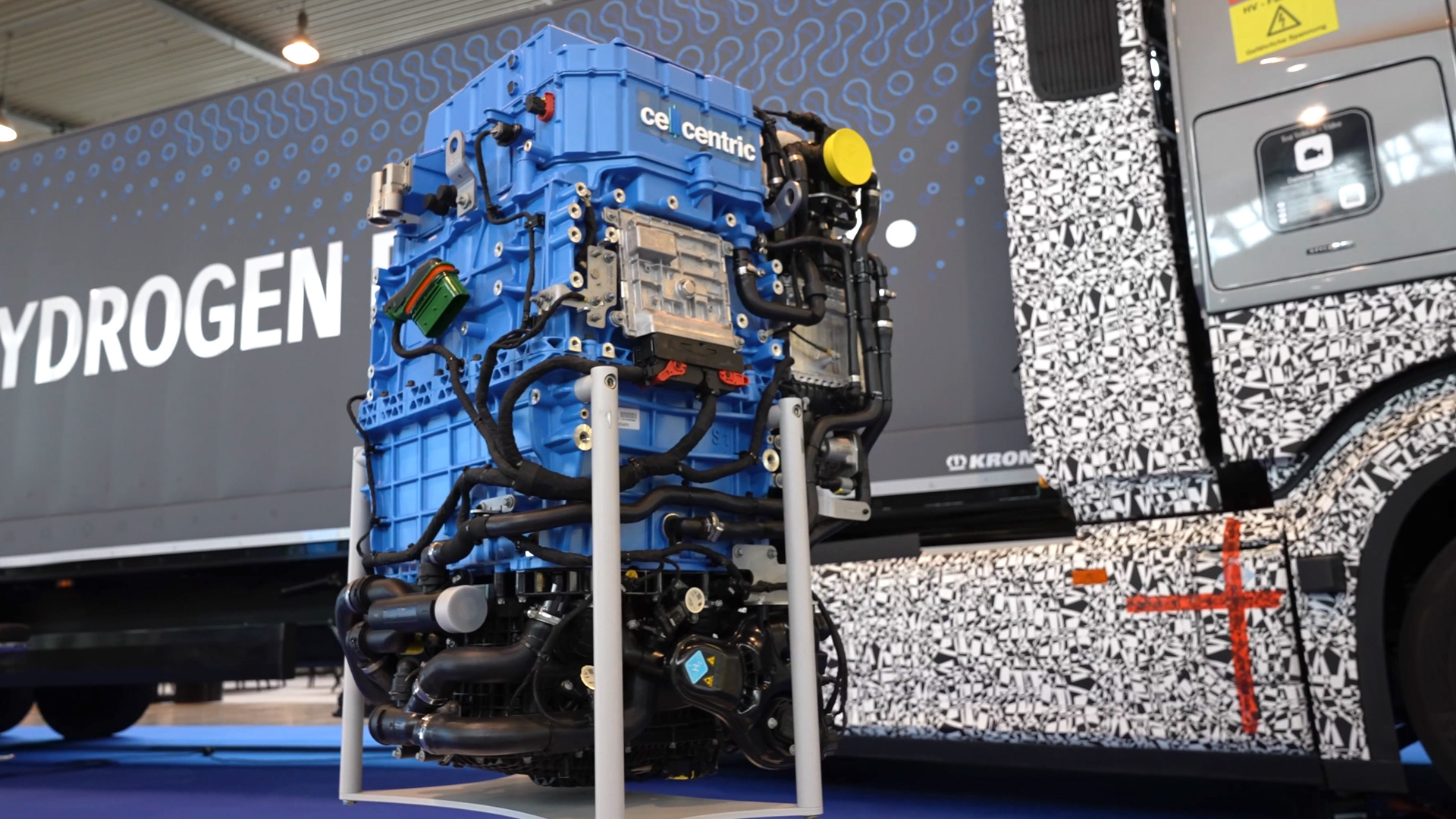
Zugvogel Logistics: Circular system and renewable logistics
Ten years after its foundation, a small logistics company has become a Europe-wide enterprise with strategic vision. Zugvogel combines a partnership-based fleet with high operation... Zugvogel Logistics: Circular system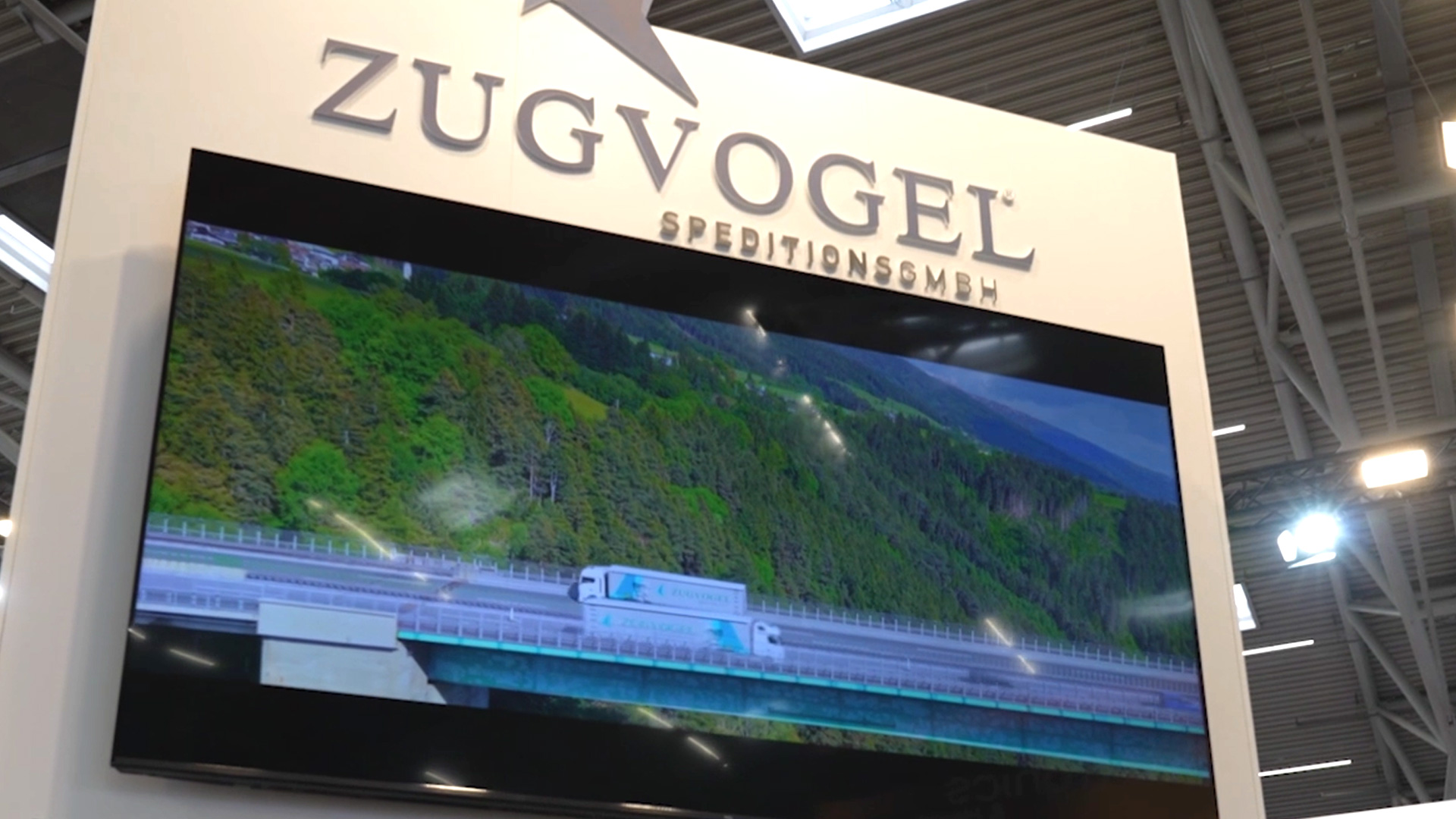
Volvo A30 Electric: All-electric dumper with new cab
Volvo A30 Electric: Fully electric dump truck with new cab – Volvo A30 Electric: The first fully electric version of the articulated dump truck represents Volvo's consistent move t... Volvo A30 Electric: All-electric dumper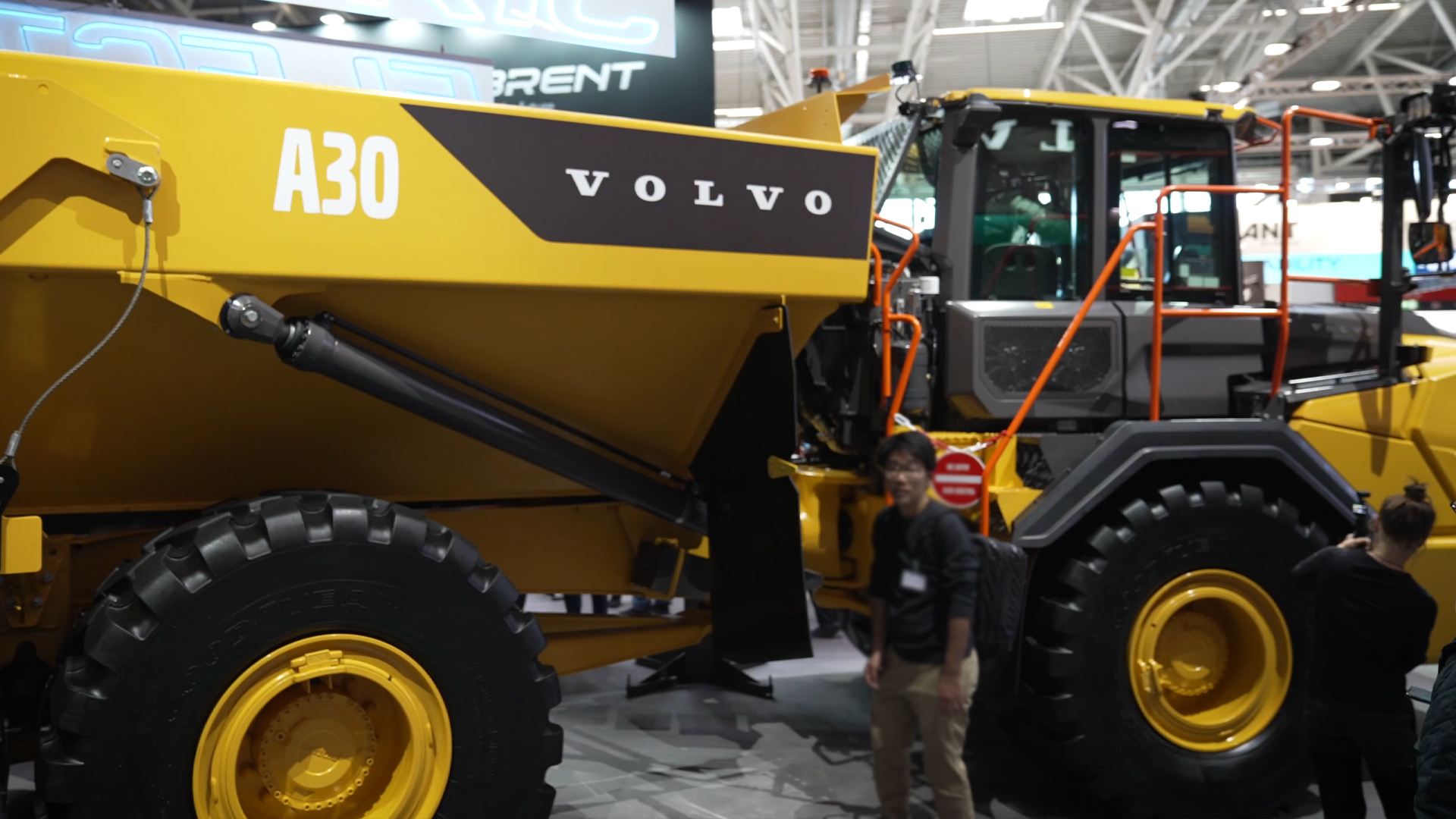
Liebherr LTM 1150-5.4E: Hybrid mobile crane with electric drive
Liebherr presents the Liebherr LTM 1150-5.4E, a hybrid mobile construction crane with electric drive that enables flexible construction site operations in diesel and electric modes... Liebherr LTM 1150-5.4E: Hybrid mobile construction crane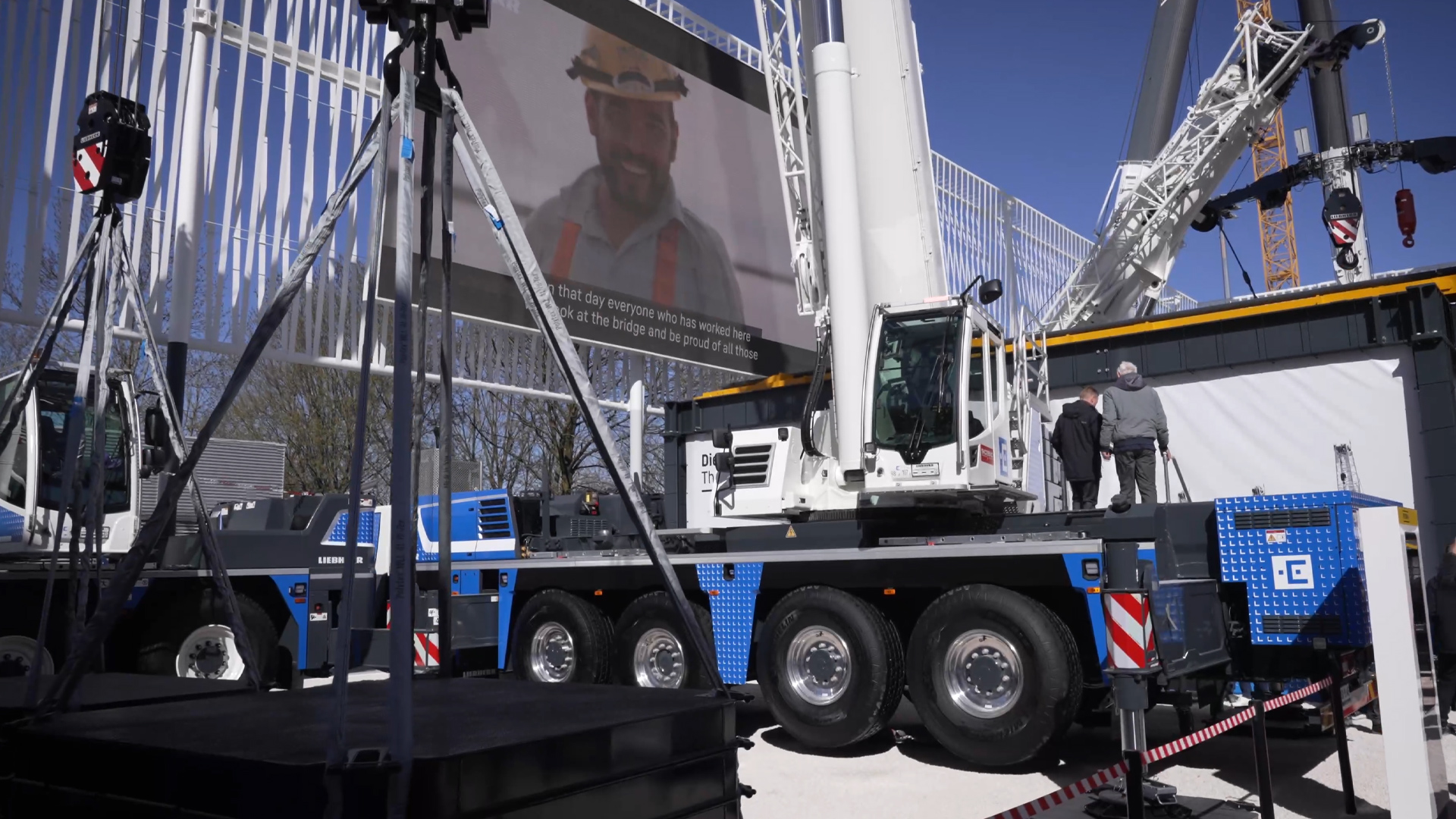
Volvo EWR150E battery-powered wheeled excavator
Volvo Construction Equipment presents the new EWR150E, the world's first battery-powered wheeled excavator from an OEM manufacturer. The machine combines a compact design with high... Volvo battery-powered wheeled excavator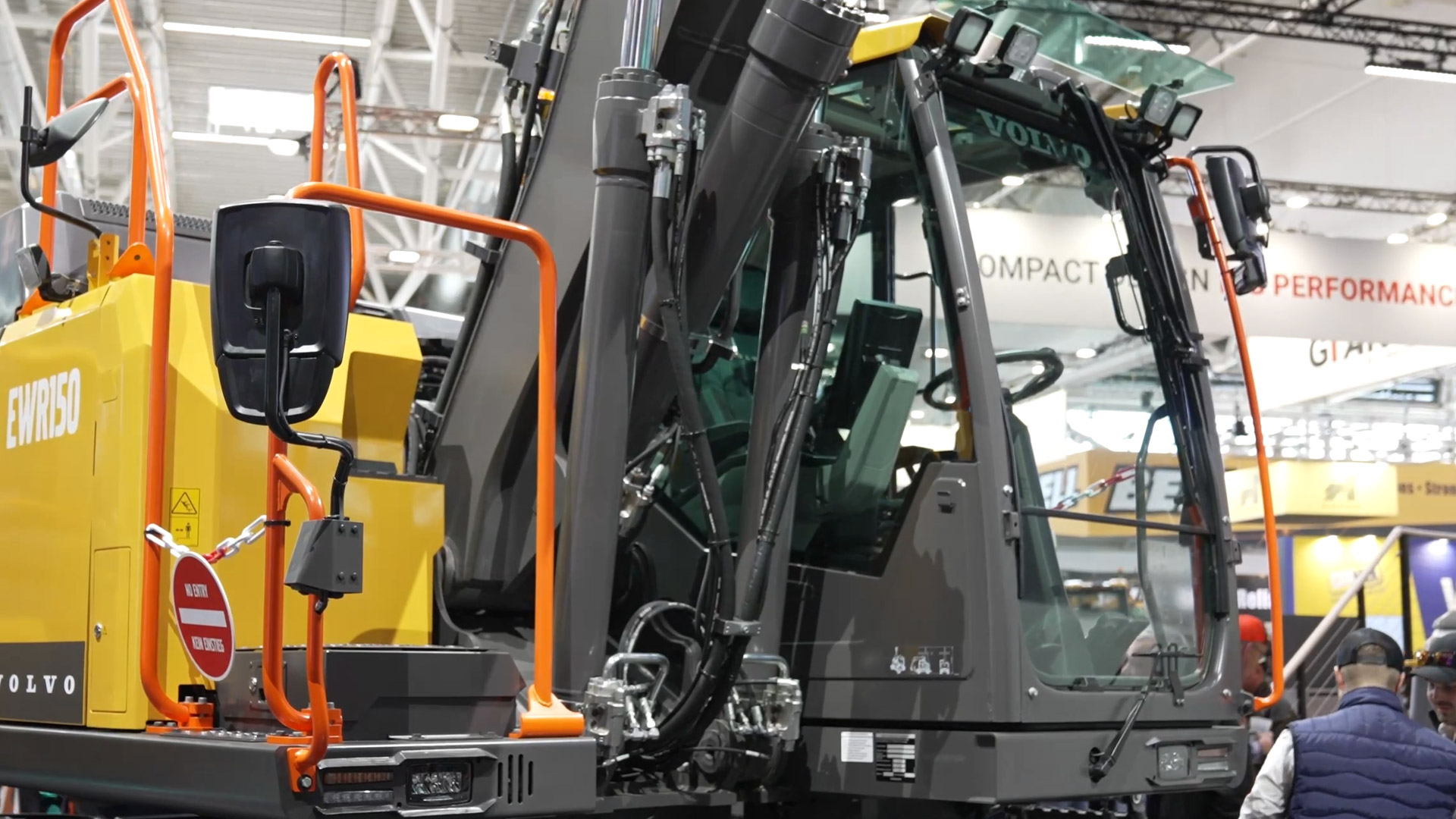
Liebherr Autonomous Operations - Innovation Award bauma
Liebherr's autonomous machine control system opens a new chapter in the field of construction technology. The system is designed to work completely independently over long periods ... Liebherr Autonomous Operations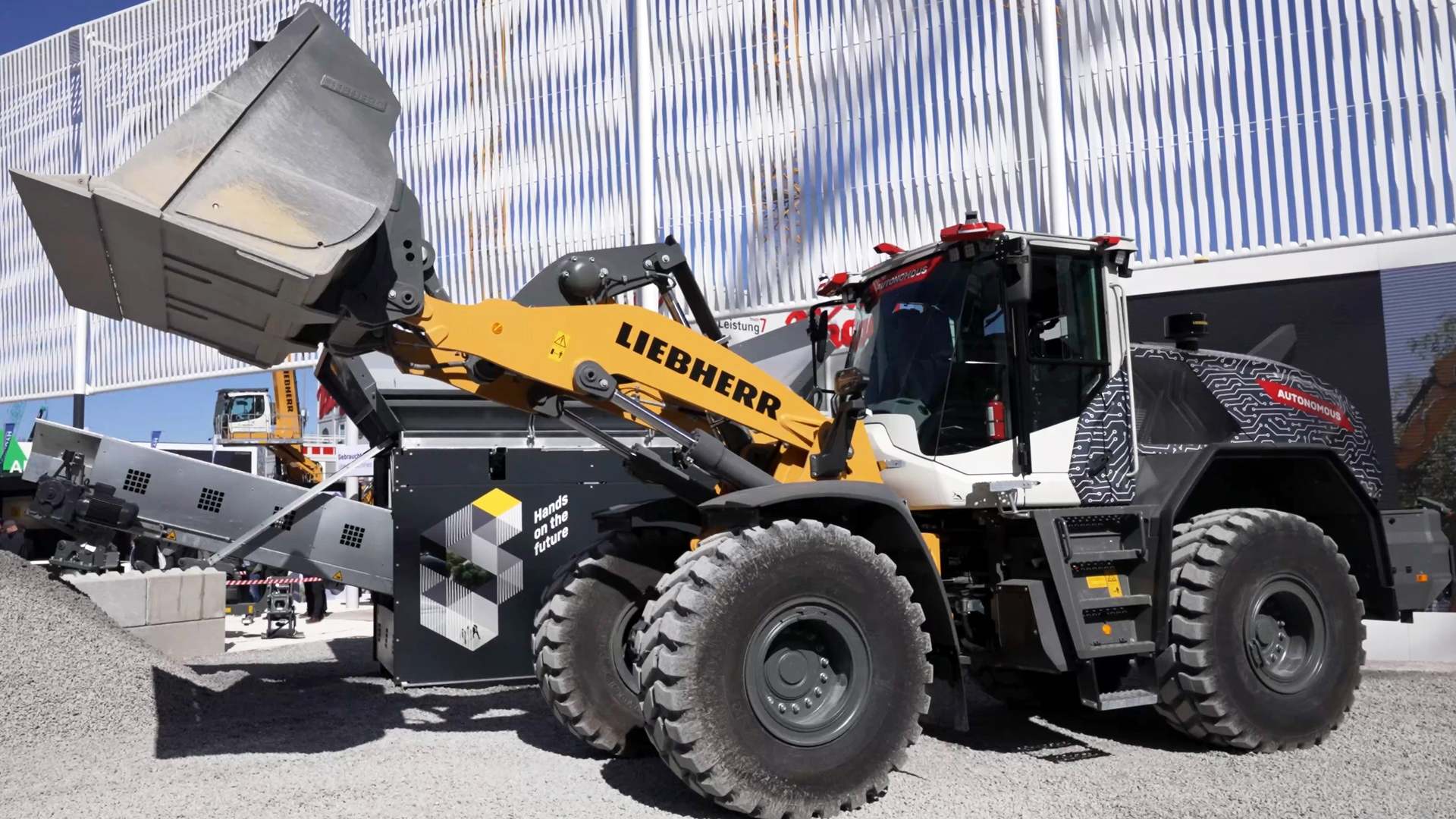
Construction machinery: Excavator, crane, dozer, wheel loader
The efficient, fast and safe execution of construction projects stands and falls with the use of the right construction machinery. Construction site vehicles form the backbone of e... Construction machines that move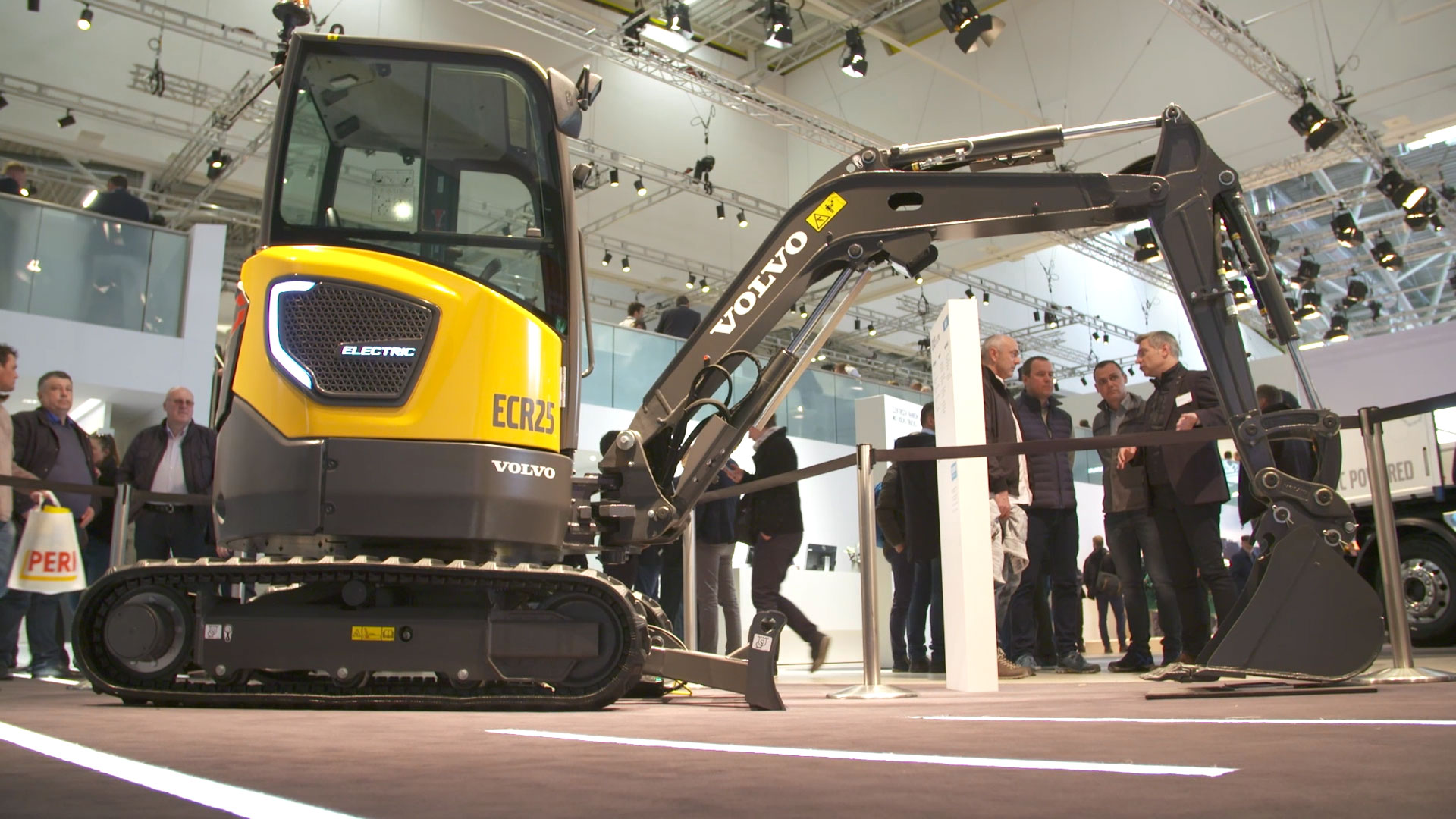
Caterpillar D6 Dozer with diesel-electric drive
At bauma, Caterpillar is showcasing a dozer that looks familiar on the outside but makes a clear technical difference. The D6 belongs to the over-25-tonne weight class – a segment ... Dozer in the over-25-tonne weight class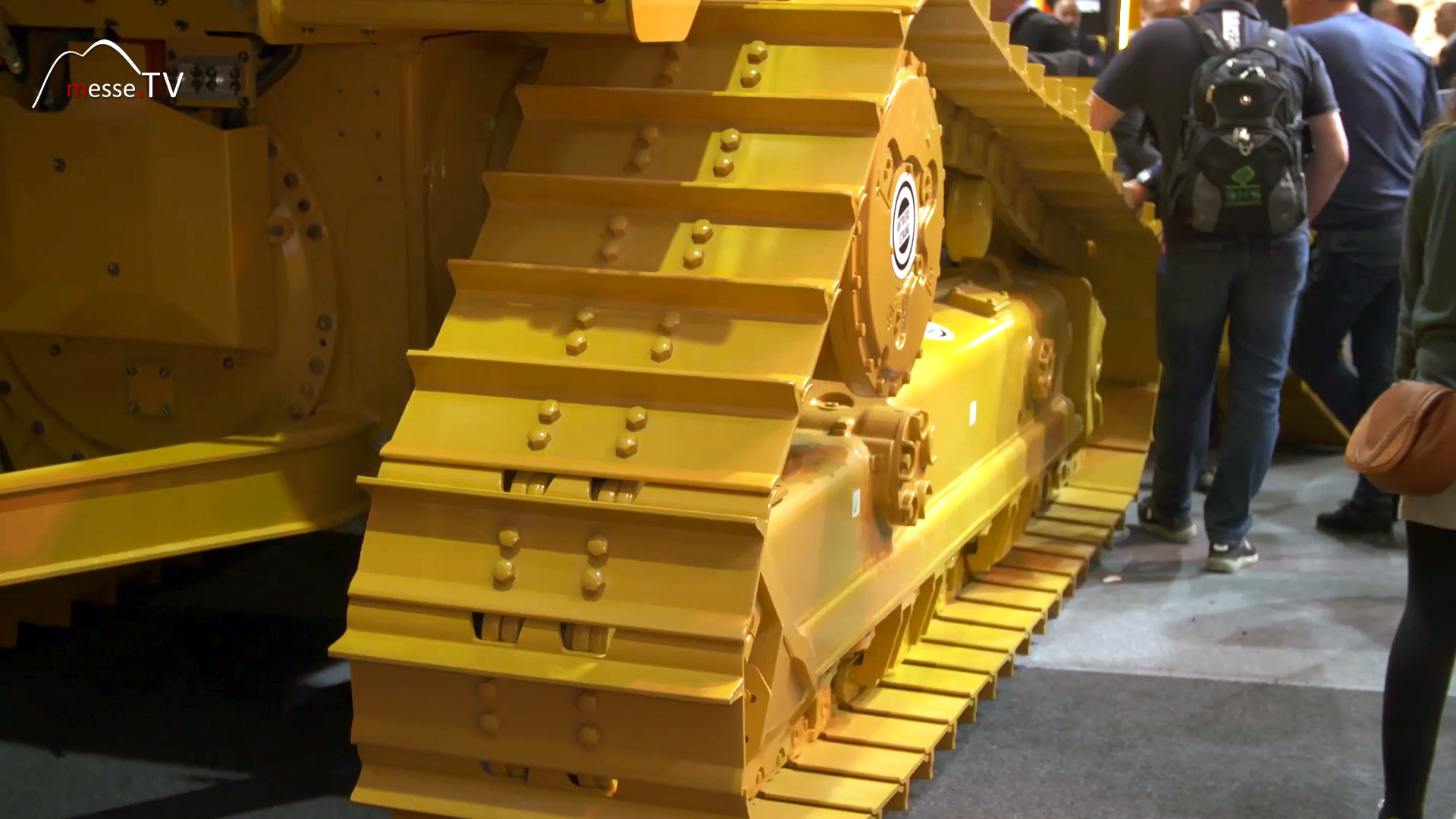
Intelligent machine control makes crawler tractors more efficient
Dozers are among the central machines in earthmoving. Their task is clearly defined: Moving material, profiling surfaces and preparing terrain. At the same time, they are heavily d... Bulldozers - central machines in earthmoving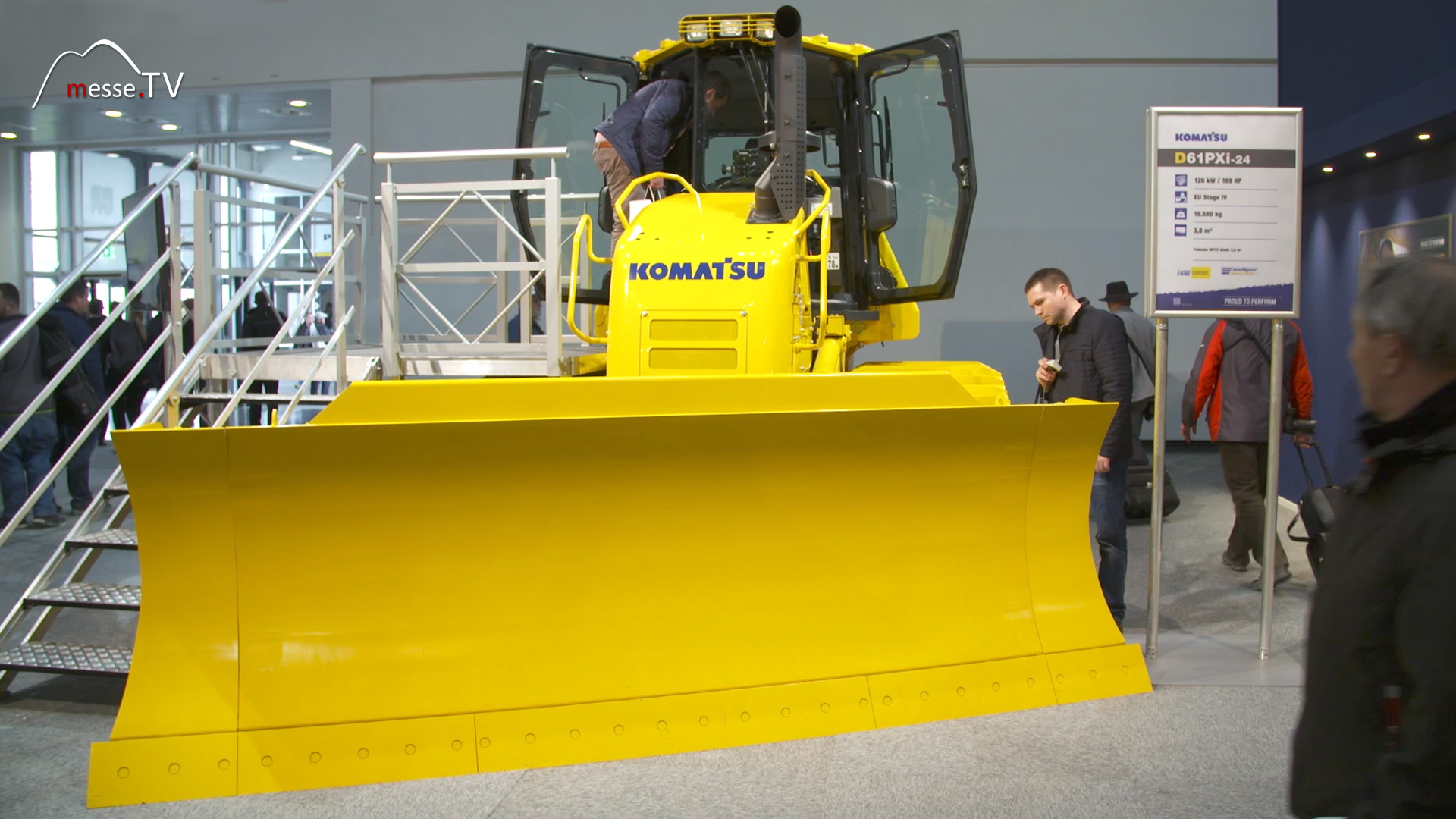
Work vehicles as the silent foundation of the economy
In everyday life, commercial vehicles often only attract attention when something is not working: when shelves remain empty, when construction sites come to a standstill or when delivery windows are missed. Yet their contribution is constant. Logistics is based on plannable transport, craft businesses on available transport capacity, and local authorities on vehicles that dispose of waste, clear rubbish or clean. These vehicles are not evaluated according to emotional criteria, but according to utilisation, maintenance costs and total costs. Downtime is expensive, and unreliability has a direct impact on orders and schedules. Trucks in particular are indispensable in this system. Trucks cover long distances, connecting warehouses, ports, production sites and distribution centres. At the same time, the role of lighter commercial vehicles has changed. Vans and box trucks have become the visible front line of supply in urban areas because the last mile has become a crucial challenge in many industries.
Trucks and lorries caught between performance and regulation
Trucks are powerful because they can flexibly move high payloads. It is precisely this strength that is fuelling a social debate that increasingly focuses on space, emissions and road safety. Trucks place demands on infrastructure, cause noise and contribute to emissions – yet they cannot simply be replaced because alternatives often fall short in terms of capacity, network structure or time windows. Regulation therefore intervenes in several areas: via toll systems, emission standards, municipal access rules or regulations on driving and rest times. These measures are noticeably changing operations. Companies have to adapt their fleets, replan routes and align their investments more closely with political framework conditions. In practice, this means that efficiency is not just a technical issue, but also one of planning, data quality and organisational discipline.
Construction machinery as mobility in construction practice
Construction machinery is not a marginal topic within the commercial vehicle category, but a core area in its own right. Without excavators, wheel loaders, cranes or dumpers, there would be no construction site logistics, no infrastructure projects and no urban redevelopment. Although these machines usually operate in limited areas, they are mobile in a functional sense: they move materials, create space, install components and determine the pace of entire projects. The difference between them and lorries lies less in their significance than in their application profile. Construction machinery is designed for extreme loads, precision and robustness. Their working environment is changeable, often confined, frequently noise-sensitive and safety-critical. This is precisely why assistance systems, sensor technology and digital controls are playing an increasingly important role. The more precisely a machine works, the less rework is required – and the more predictable a project becomes, which would otherwise quickly slip out of schedule. In many cases, this is an investment that is also worthwhile in terms of financing.
Technology and digitalisation as levers in the vehicle fleet
In almost all segments today, technology is closely linked to economic efficiency. Telematics systems provide data on location, driving profile, consumption and maintenance status. This is not an end in itself, but rather the basis for scheduling, maintenance and cost control. The fleet is increasingly understood as a data-driven system. Those who operate commercial vehicles optimise not only the engine, but also the processes surrounding it. Digitalisation also has a direct impact on trucks: routes are planned more dynamically, downtimes are analysed and breakdowns are predicted. In the construction site environment, digital chains are created from delivery, material handling and resource planning. This makes it clear that commercial vehicles do not function in isolation, but are part of value-added systems in which every delay has consequences.
Commercial vehicles in cities, construction sites and delivery zones – conflicts over scarce space
In cities in particular, it is clear how fiercely work vehicles compete for scarce space. Delivery zones are limited, construction sites take up space, residents expect peace and quiet, and traffic still needs to flow. This creates conflicts that cannot be solved by technology alone. A quieter vehicle helps, but it is no substitute for well-thought-out planning. A modern lorry can be efficient, but it remains large. A construction site can be better organised, but it still encroaches on public space. Typical requirements arising from this reality are:
- Plannable delivery and construction site logistics with reliable time windows
- Vehicle concepts that strike a sensible balance between payload and compact dimensions
- Reduced noise and emissions in sensitive areas
- Clear rules for stopping, loading and unloading, and construction site safety
The person behind the wheel and at the controls
Commercial vehicles are mobile workplaces. Drivers and machine operators bear responsibility, often work under time pressure and depend on reliable technology. Ergonomics, visibility and assistance systems are therefore not a minor issue. They influence safety, health and productivity. The shortage of skilled workers further exacerbates this issue: companies compete not only on wages, but also on working conditions. A well-equipped lorry and modern machinery can make everyday life noticeably easier because they reduce errors and stress.
Energy, efficiency and pragmatic conversion
Energy consumption is a significant cost factor in commercial transport. Here, efficiency is not about image, but about economic reality. At the same time, regulation is exerting additional pressure. The conversion is therefore usually pragmatic: technologies prevail where they function reliably, are available on a predictable basis and pay off in operation. This applies to long-distance transport as well as to inner-city fleets or construction machinery. The future of this category will not be determined by a single trend. It depends on whether infrastructure, technology and organisation keep pace with each other. Commercial vehicles remain indispensable because they enable supply, construction and logistics. Lorries and trucks remain the central carriers of large flows of goods, while construction machinery remains a key tool for infrastructure and urban development. Change is necessary, but it will be measured in practice: in terms of reliability, safety and whether the systems really work in everyday life.
Trade fair reporting Germany - Trade fair knowledge, dates & events


