News Navigation

News Navigation
Logistics processes are becoming increasingly important in almost all industries. Whether it's storage, transport, or digital control of supply chains, modern solutions ensure efficiency, availability, and smooth processes.
HEIDLER: Shipping software & logistics
HEIDLER will be showcasing logistics solutions at the transport logistic 2019 trade fair in Munich. These include shipping software, but also hardware that is required for shipping... HEIDLER: Shipping software & shipping logistics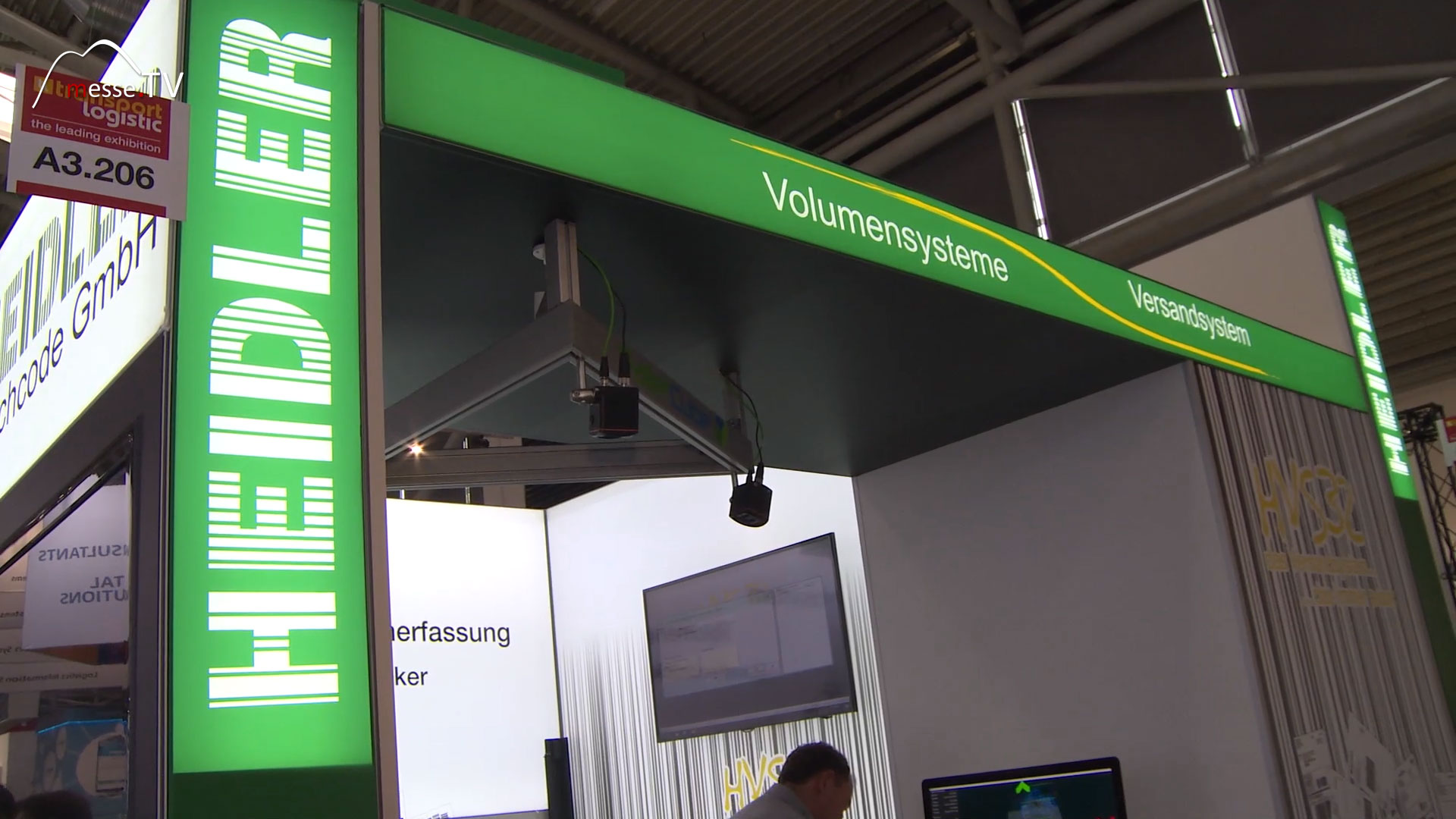
KÄRCHER: Tank interior cleaning
At the transport logistic 2019 trade fair in Munich, KÄRCHER will be showcasing systems for cleaning the interiors of tanks, containers and silo vehicles. The main focus at the tra... KÄRCHER: Tank interior cleaning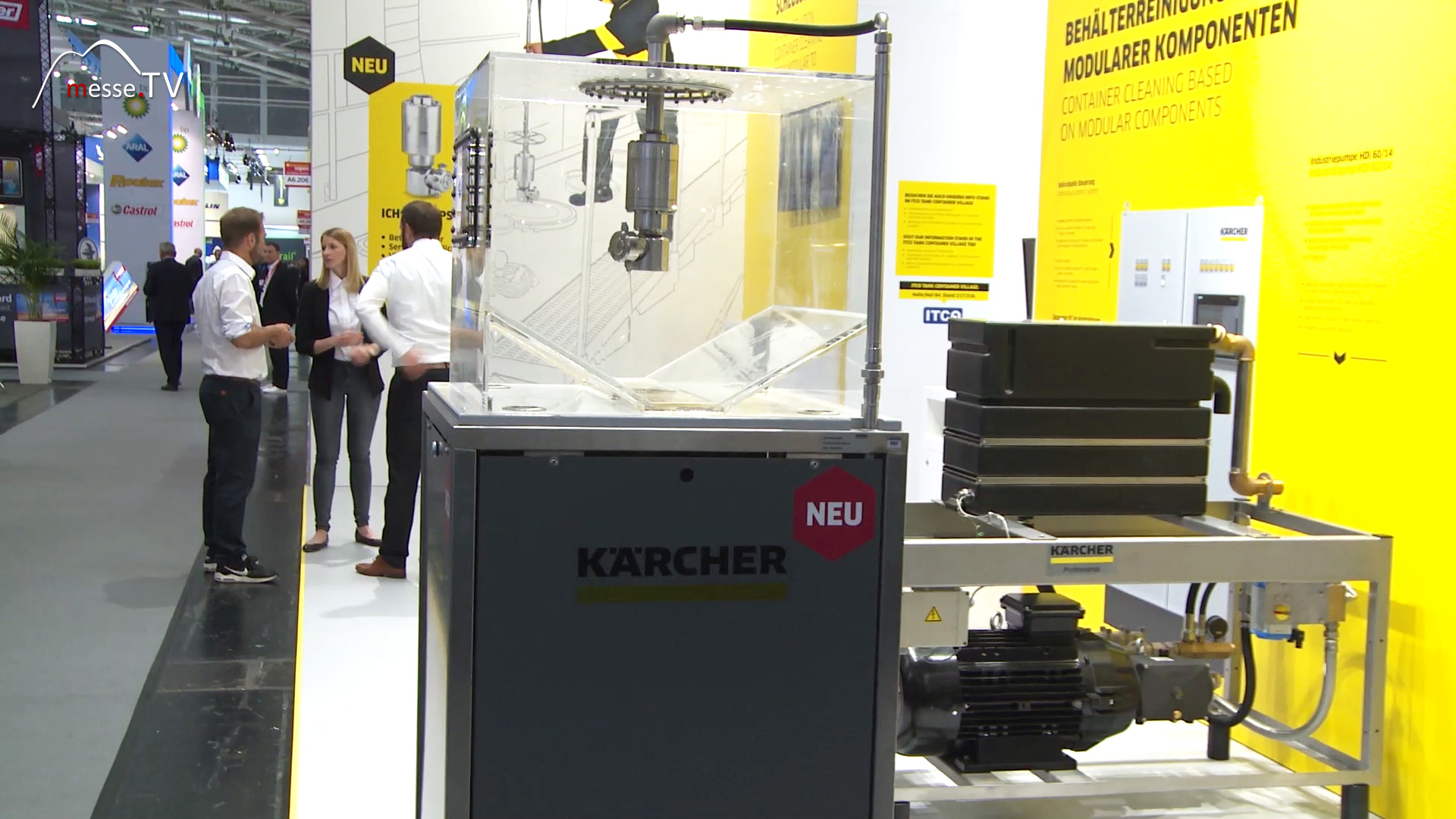
KAMAG: Heavy-duty vehicles
We are visiting KAMAG at transport logistic 2019 at the Munich trade fair. This year, the company has been active in the heavy-duty vehicle sector for 50 years and offers vehicles ... KAMAG: Heavy-duty vehicles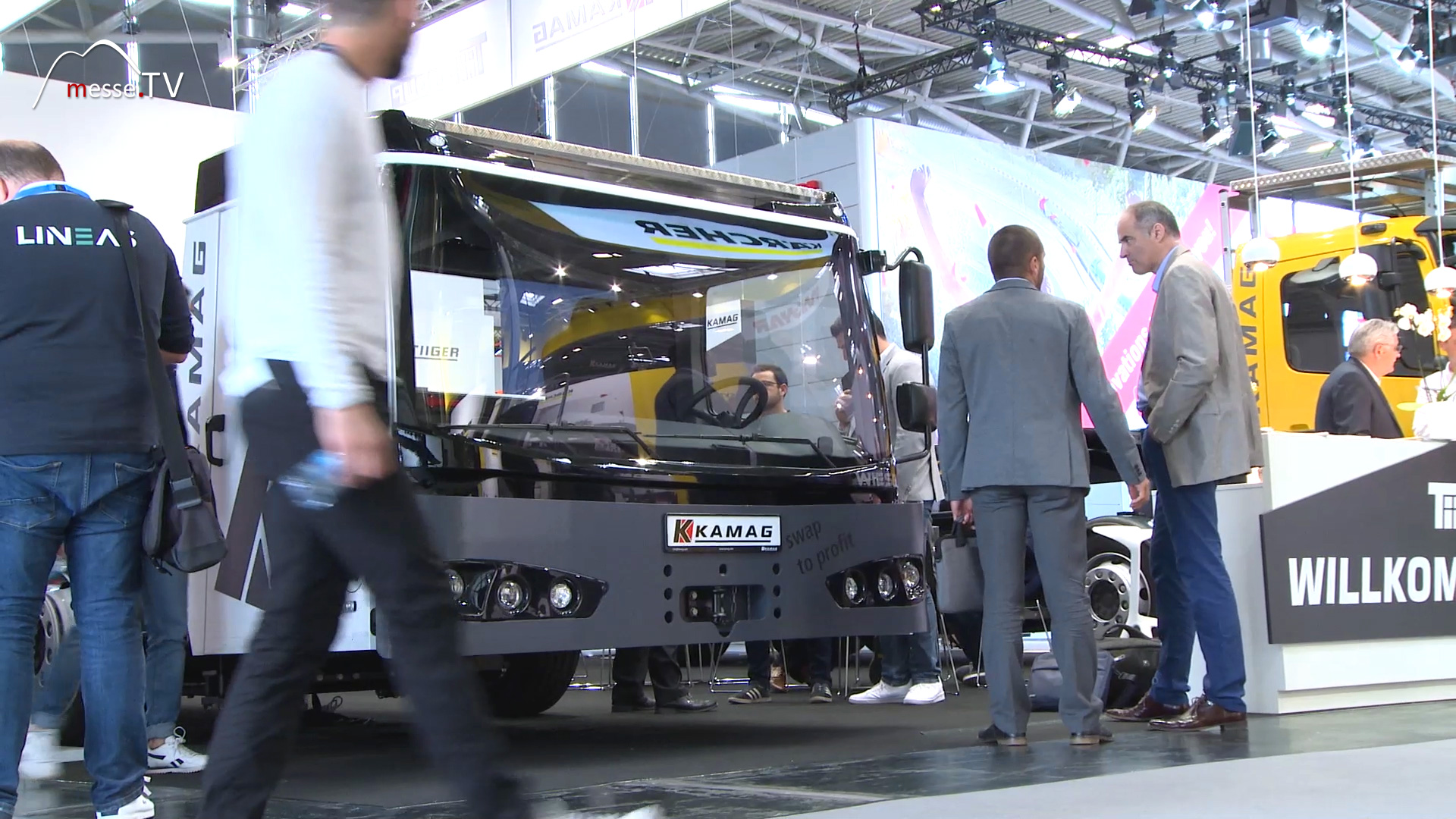
KAMAG: New driver's cab Wiesel swap body pallet truck
KAMAG is showing us a newly developed driver's cab for the Wiesel at the transport logistic 2019 trade fair in Munich. The swap body lift truck is designed to make the driver's dai... KAMAG: New driver's cab Wiesel swap body pallet truck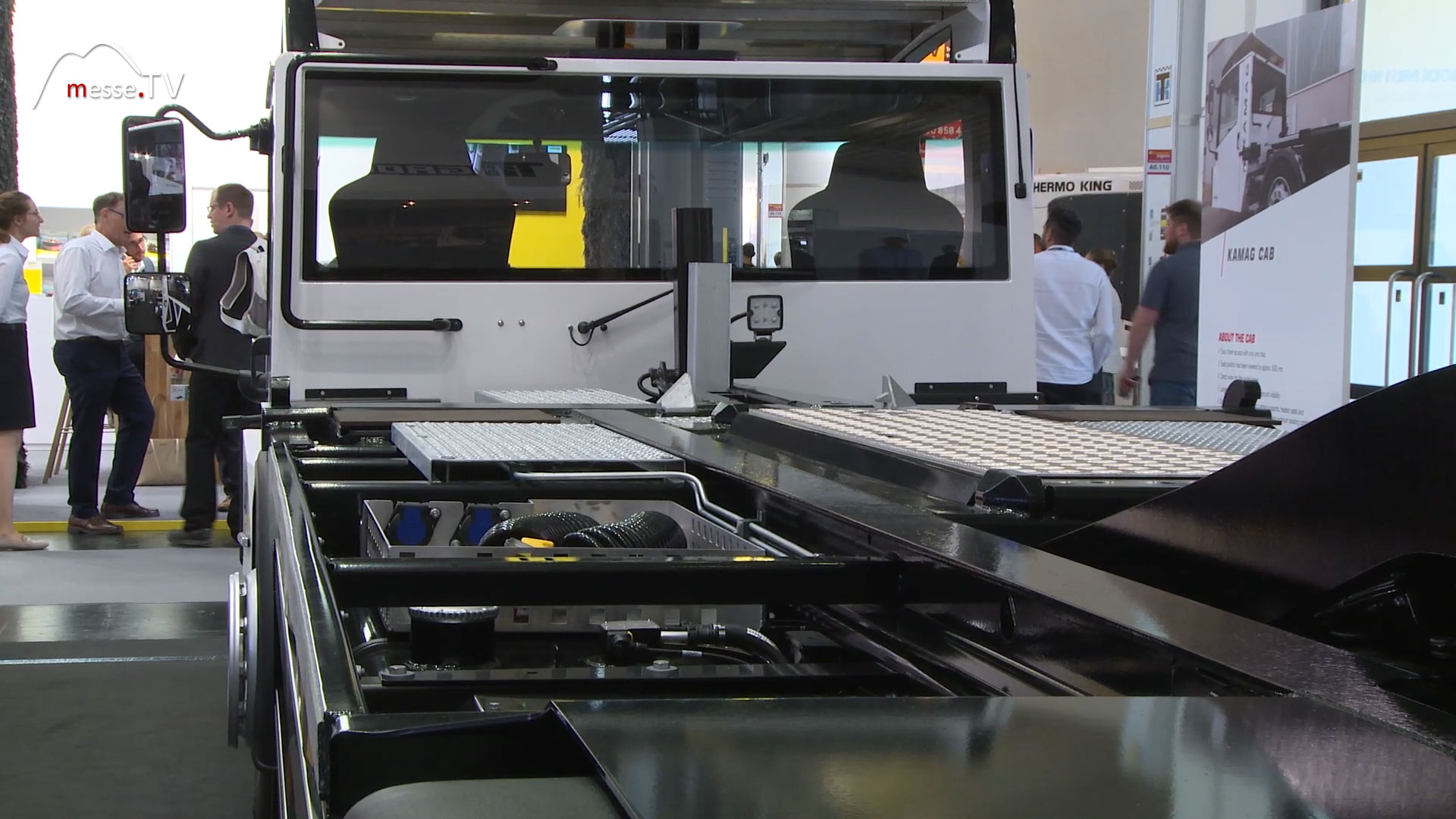
KÖGEL: Trailer/semi-trailer
KÖGEL wants to fulfill truck drivers' wishes at the transport logistic 2019 trade fair in Munich. As a manufacturer of trailers/semi-trailers, the company specifically implements t... KÖGEL: Trailer/semi-trailer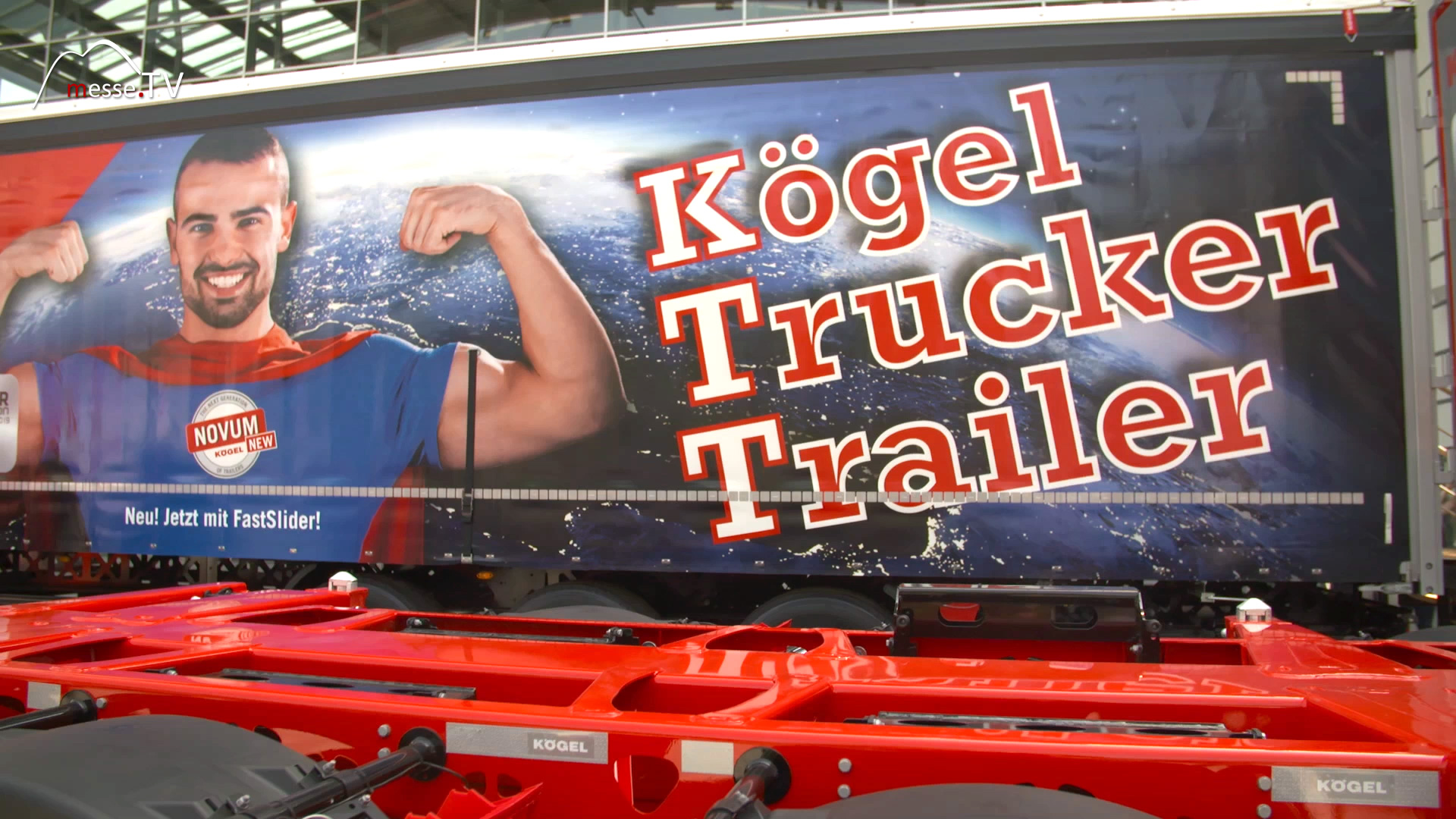
KRONE: Vehicle factory
We meet KRONE at the transport logistic 2019 trade fair in Munich. KRONE is known as a vehicle manufacturer for trailers, semi-trailers and swap bodies. But its services increasing... KRONE: Vehicle factory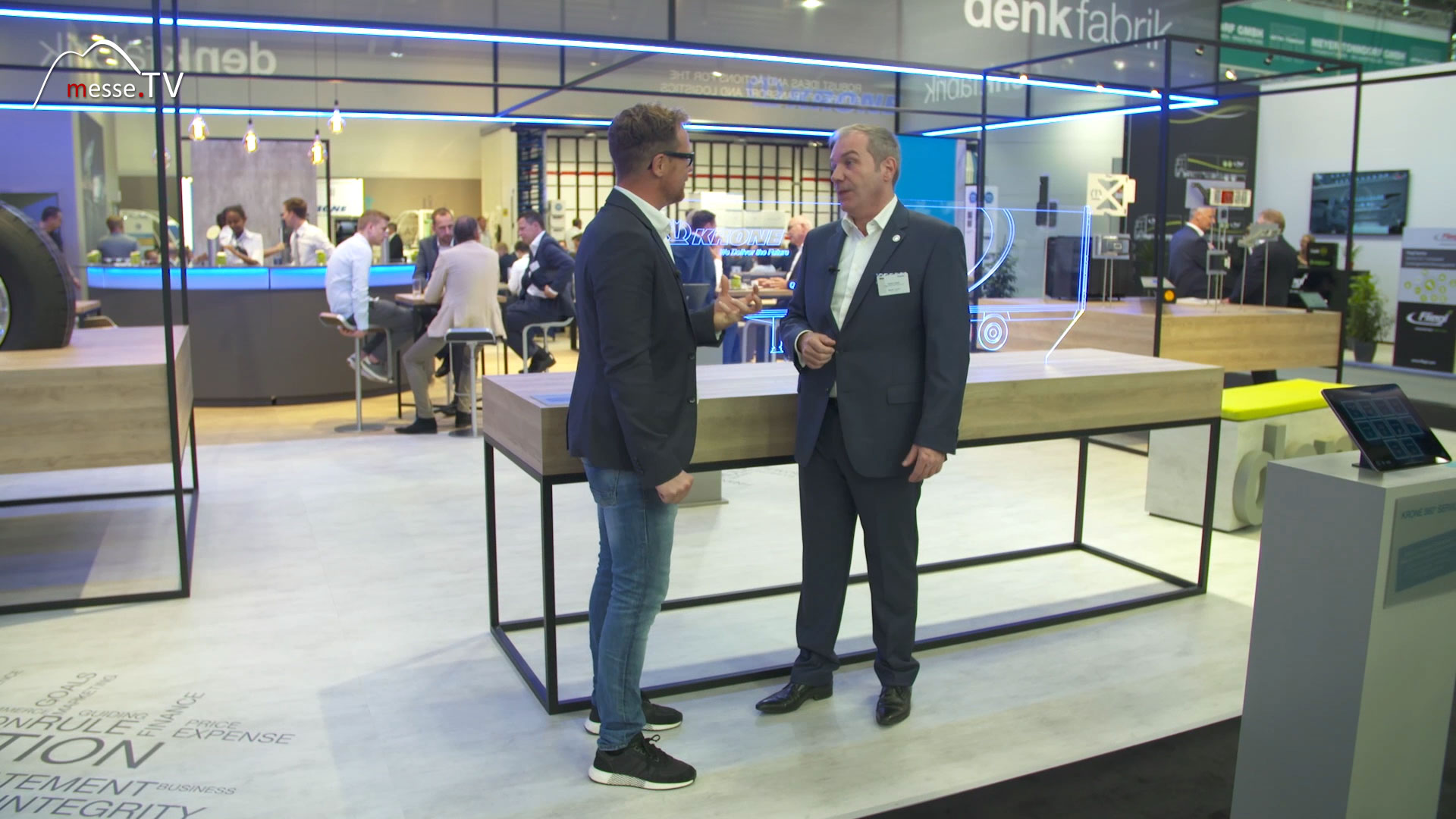
Krone Think Tank – Transport Logistic 2019
KRONE is presenting the KRONE "Think Tank" at the transport logistic 2019 trade fair in Munich. The think tank is to become an industry platform for future topics in the sector, wi... KRONE: think tank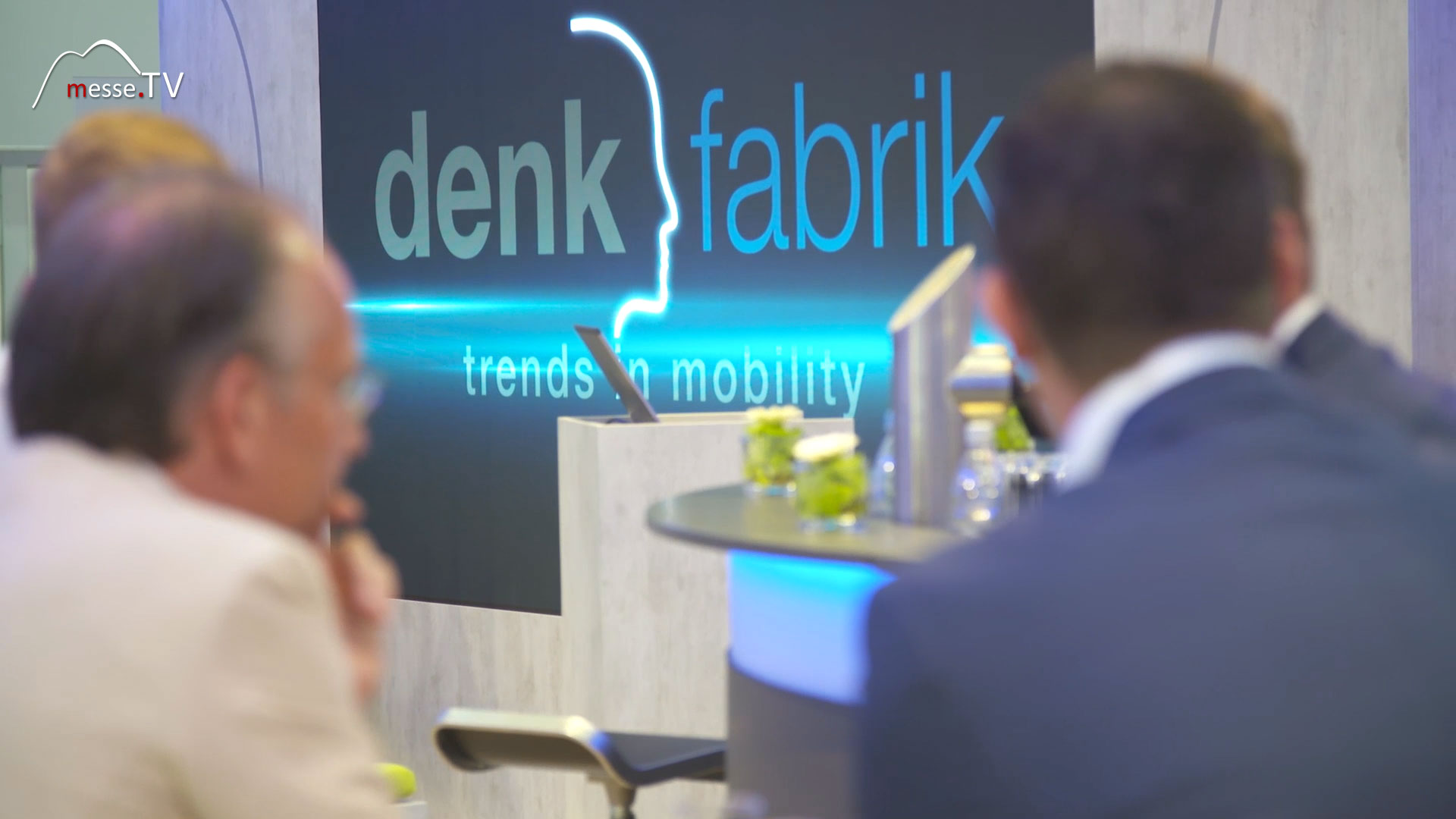
Look ahead transport logistic 2021
We talk to Stefan Rummel, Managing Director of Messe München, about the outlook for transport logistic 2021. Look ahead transport logistic 2021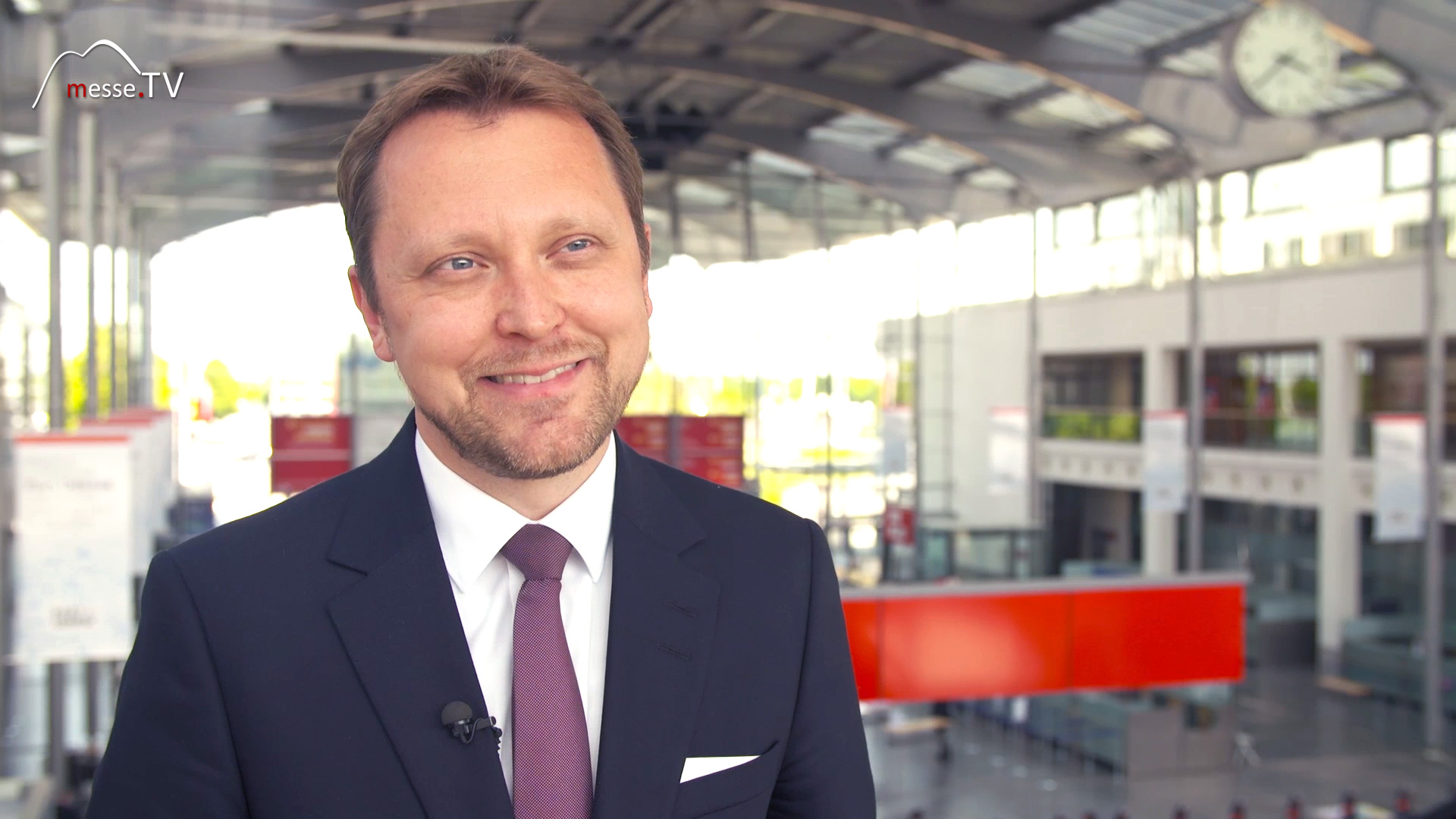
Mercedes-Benz: Truck App Portal
Mercedes-Benz is presenting the new Truck App Portal at the transport logistic 2019 trade fair in Munich. This gives customers the opportunity to install apps on the truck centrall... Mercedes-Benz: Truck App Portal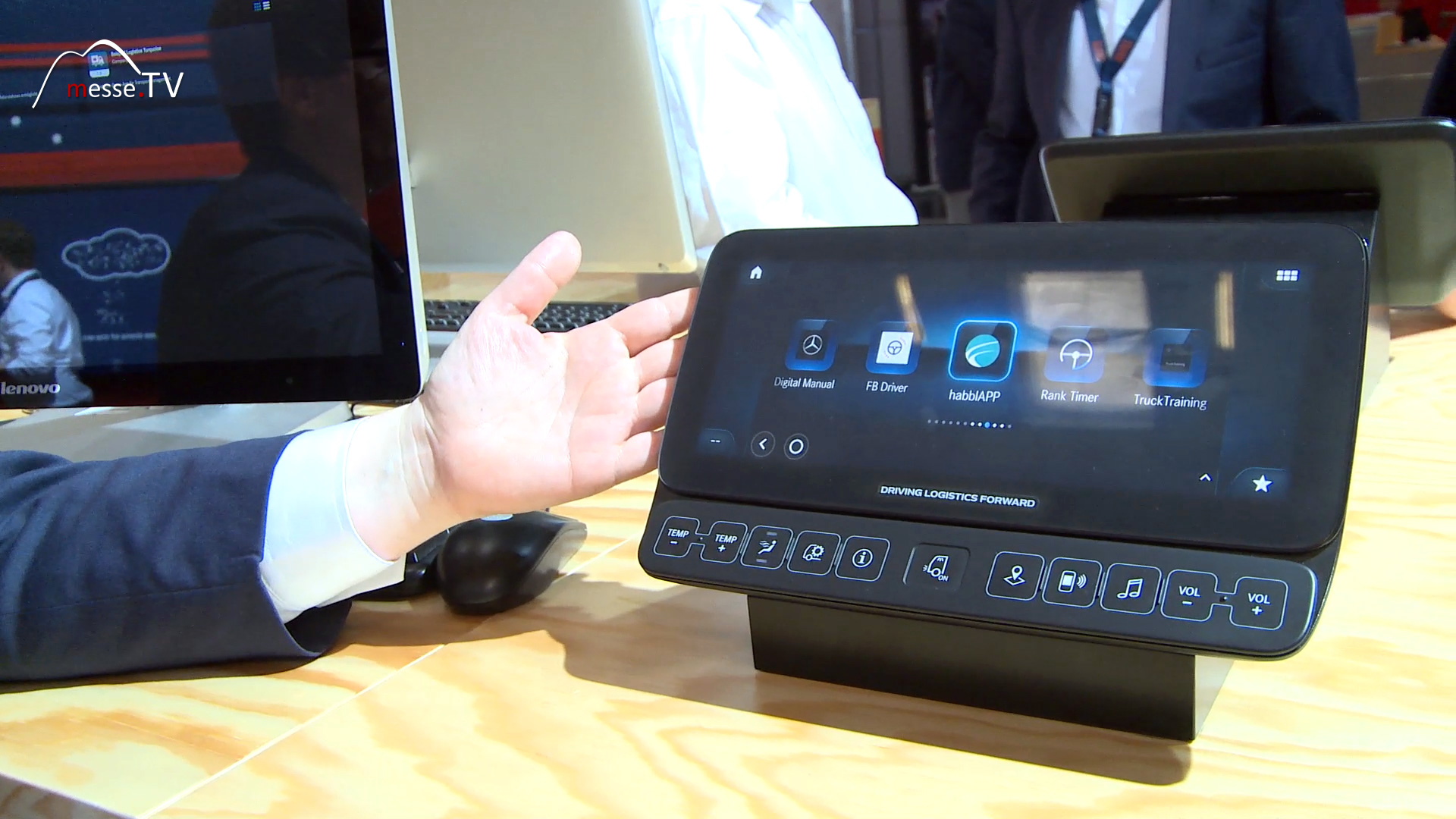
MICHELIN: Development into a mobility provider
MICHELIN is exhibiting at transport logistic 2019 at the Munich trade fair with several themes. Most people only associate MICHELIN with tires, but the company is increasingly evol... MICHELIN: Development into a mobility provider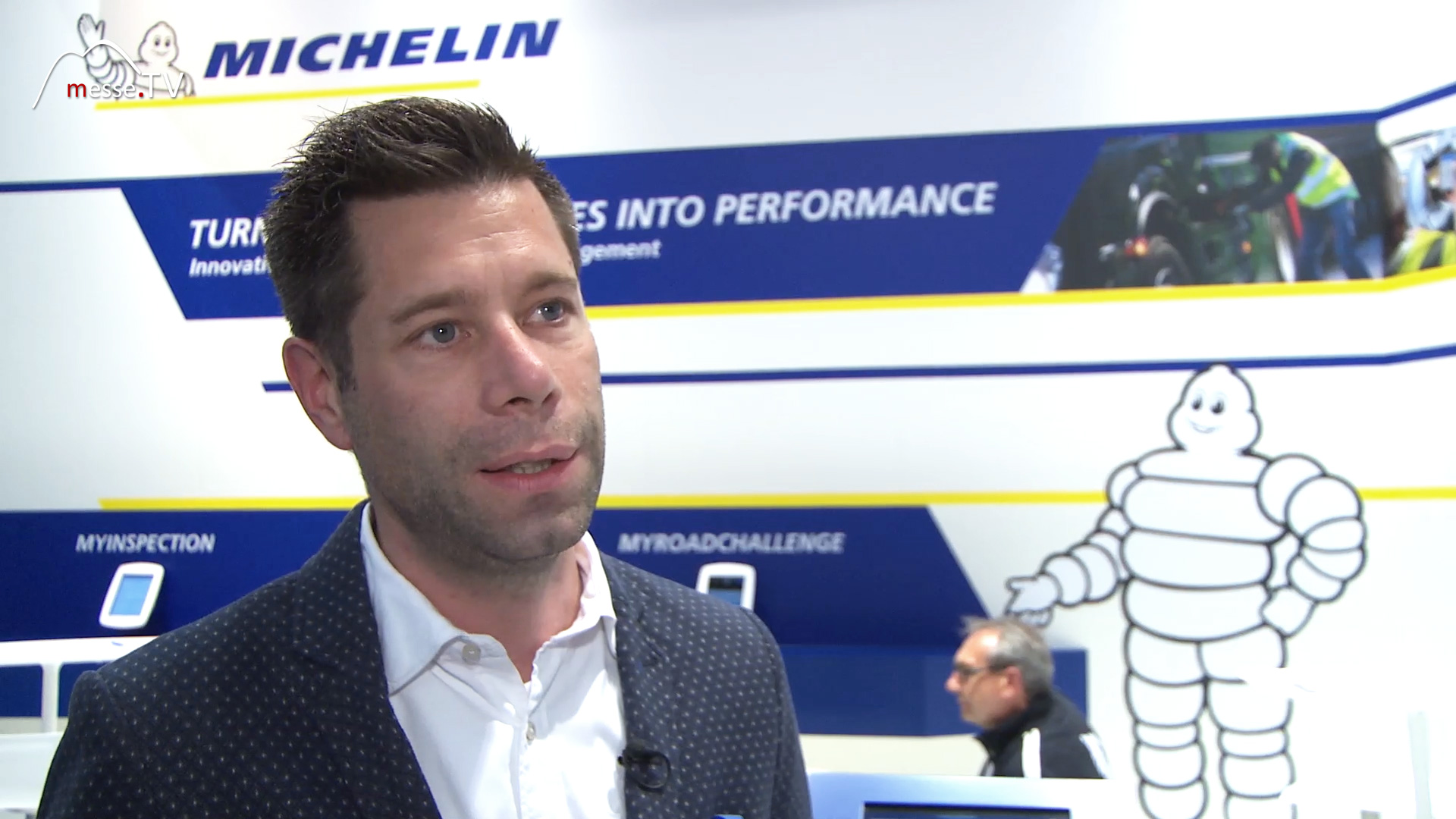
MICHELIN: MyBestRoute truck route planner
MICHELIN is showing us the MyBestRoute route planner at the transport logistic 2019 trade fair in Munich. The difference to Google Maps, for example? It is a specific truck route p... MICHELIN: MyBestRoute truck route planner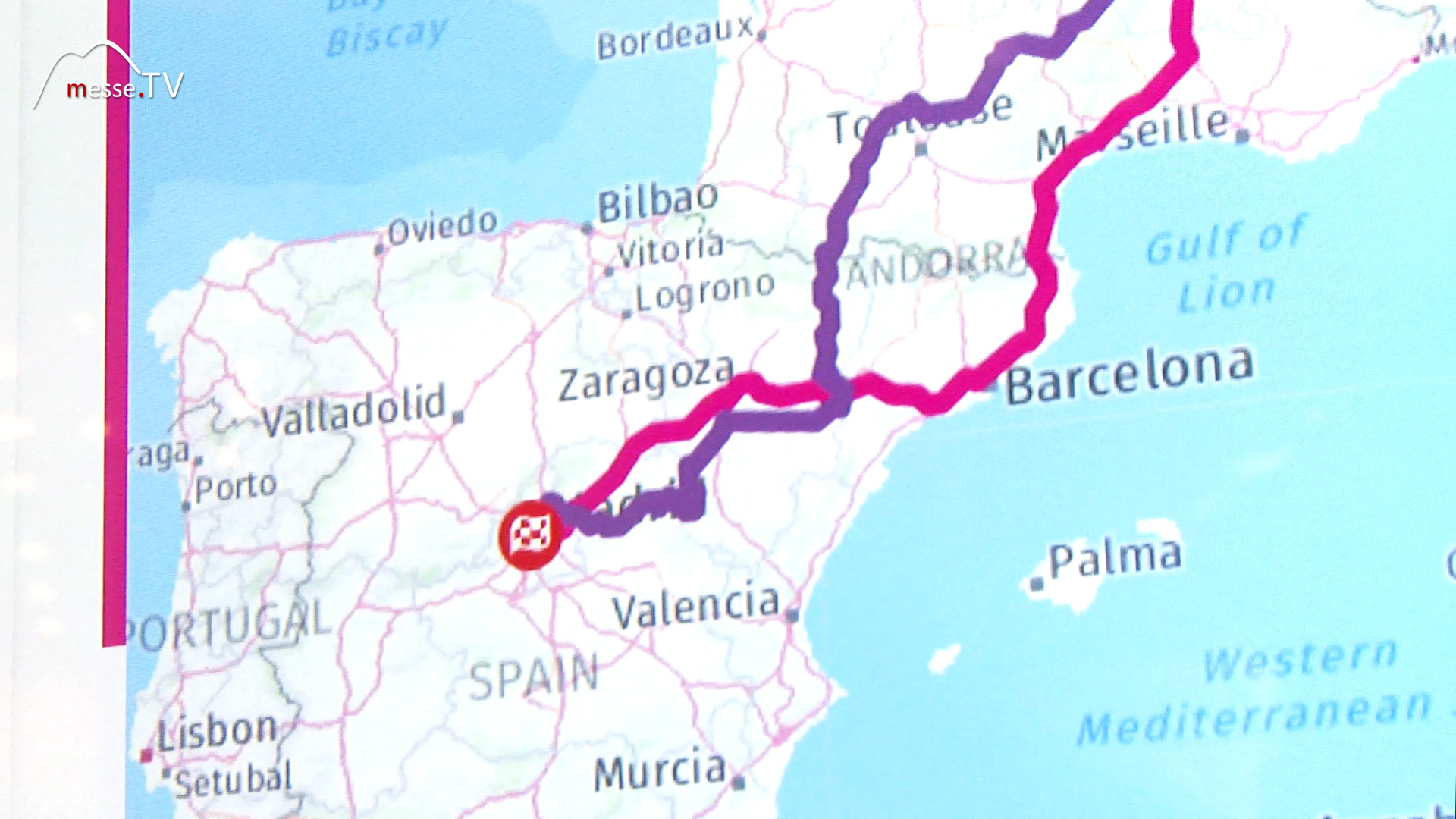
RYTLE: Networked last mile logistics concept
RYTLE is presenting a networked logistics concept for the "last mile" at the transport logistic 2019 trade fair in Munich. Deliveries are made locally emission-free with pedelecs d... RYTLE: Networked last mile logistics concept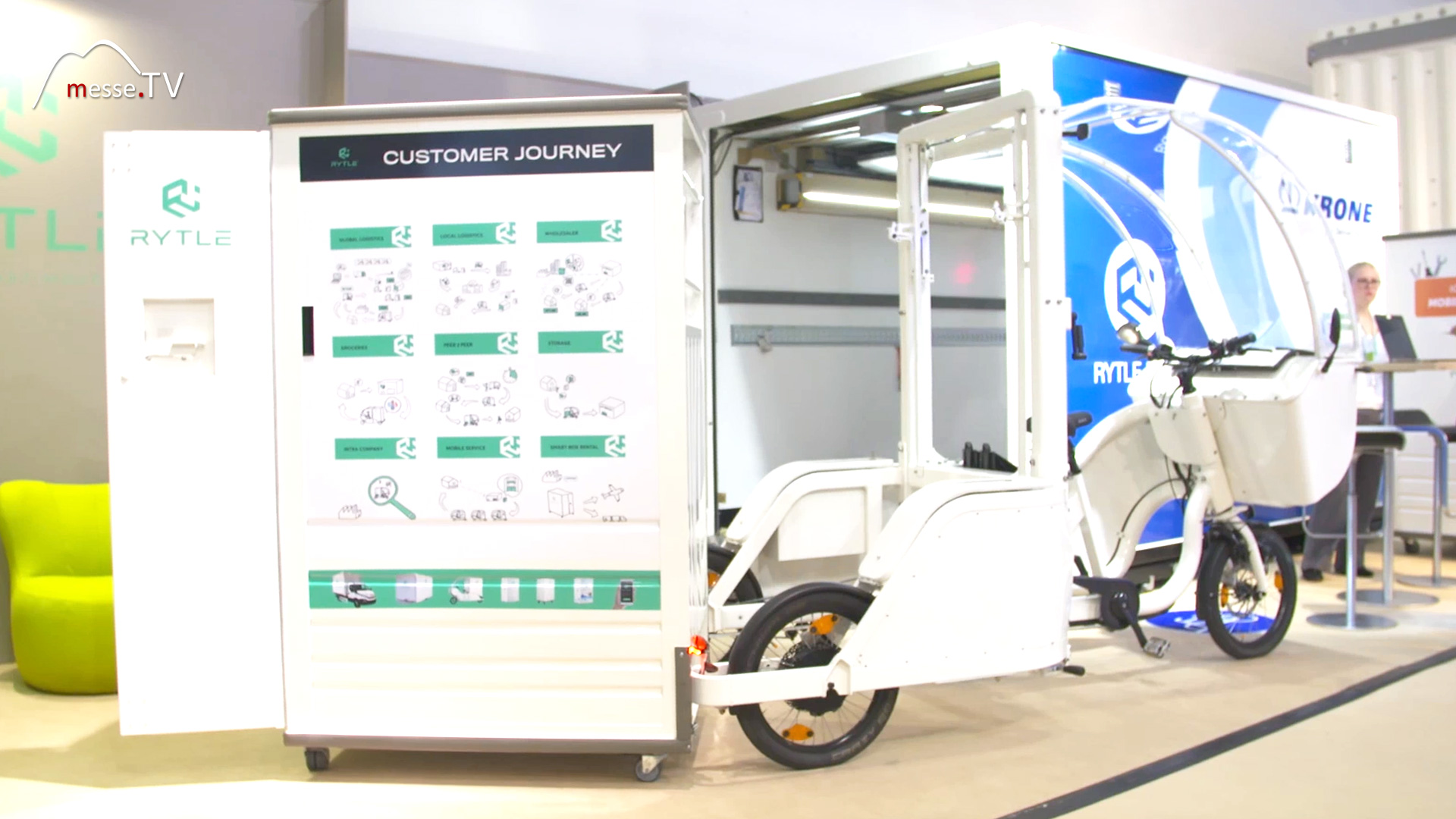
Siemens: Smartron locomotive
Siemens is presenting the Smartron locomotive at the transport logistic 2019 trade fair in Munich. With the Smartron locomotive, the customer gets a fully configured model for an u... Siemens: Smartron locomotive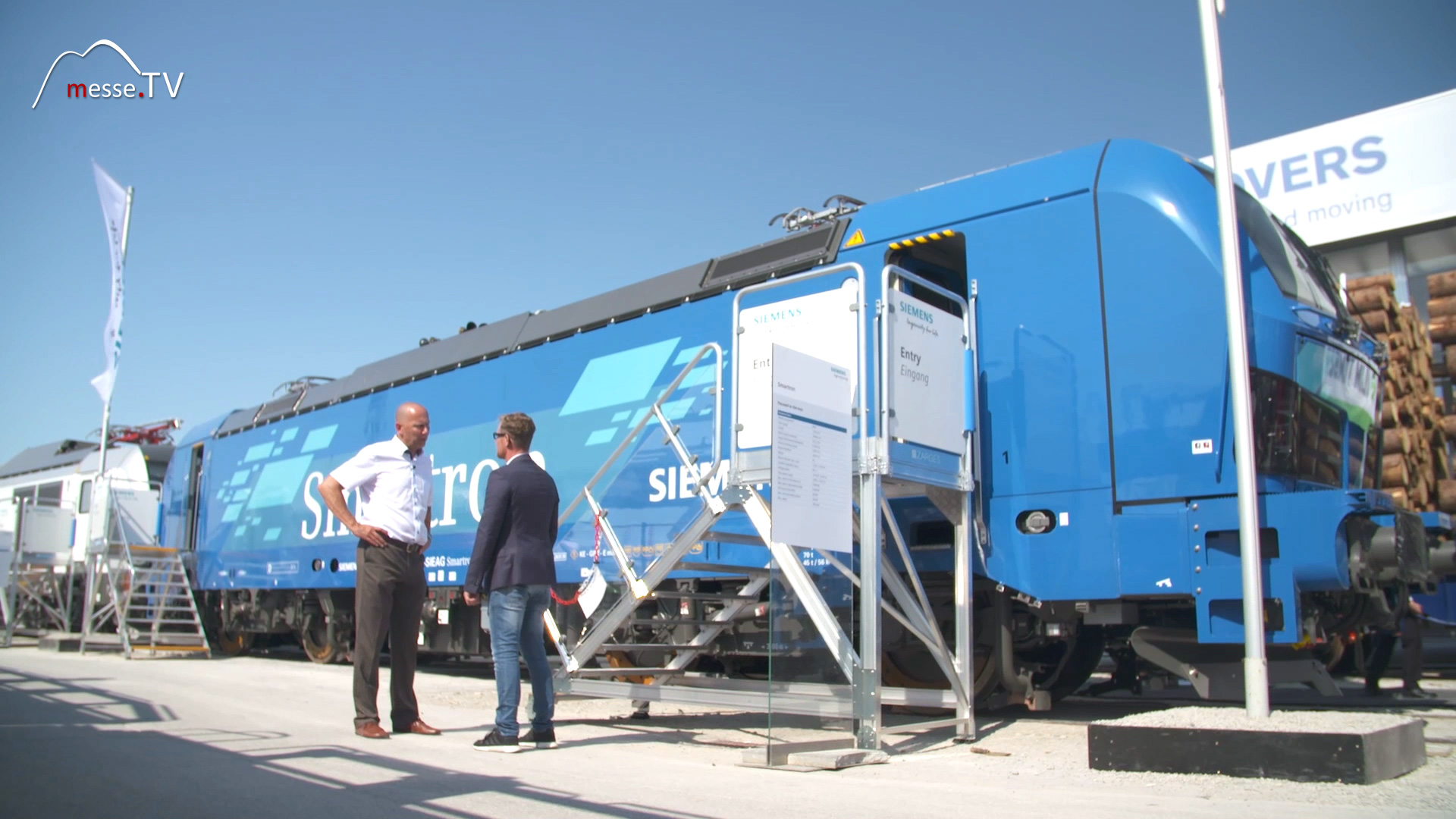
Siemens: Vectron Dual Mode locomotive
Siemens is showing us the Vectron Dual Mode locomotive at the transport logistic 2019 trade fair in Munich. What makes it special? The Vectron Log runs under overhead lines with el... Siemens: Vectron Dual Mode locomotive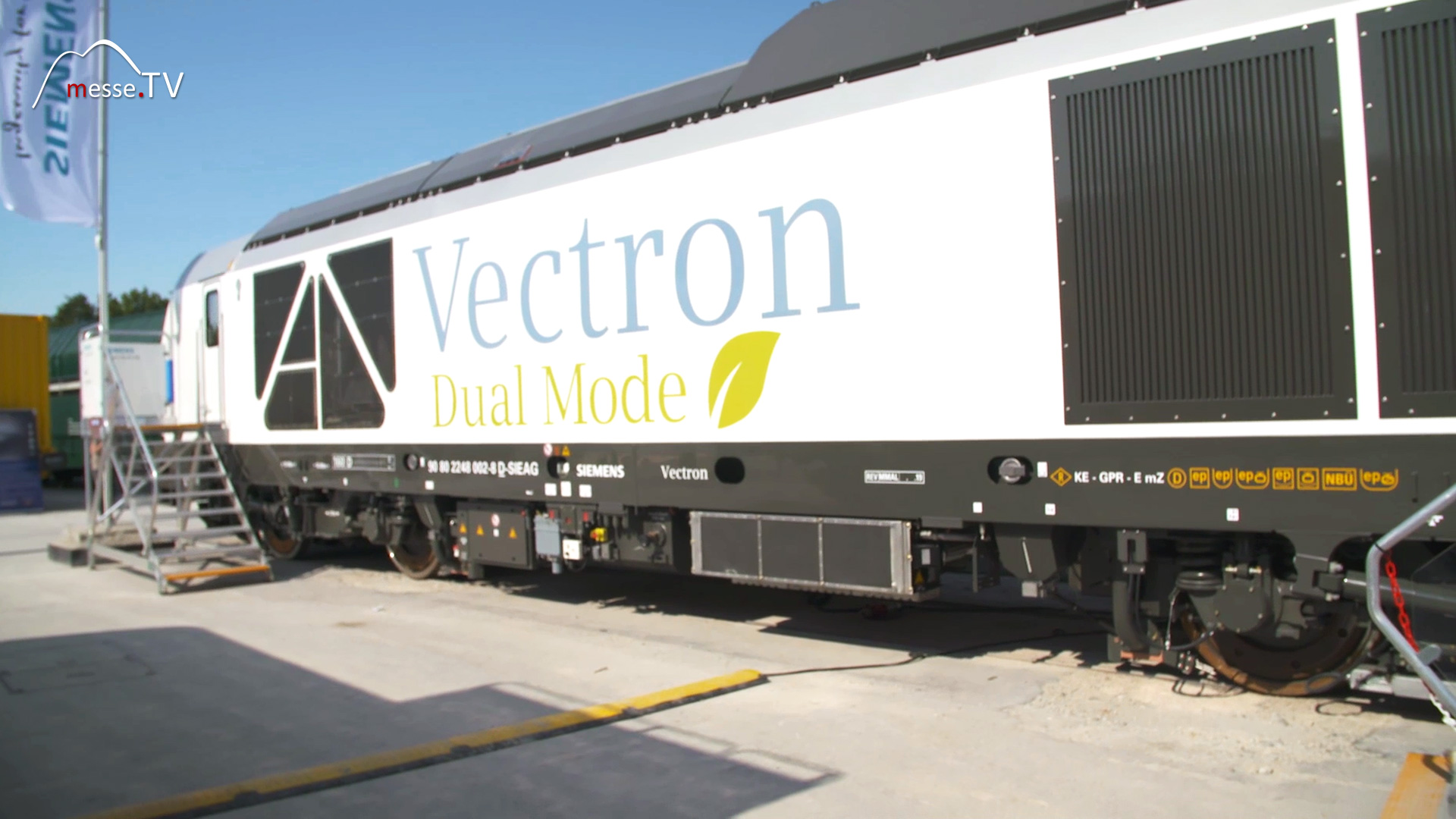
TOLL COLLECT: Customer Service
TOLL COLLECT will also be on site with Customer Service at the transport logistic 2019 trade fair in Munich. Here, interested parties and customers can find out how to register or ... TOLL COLLECT: Customer Service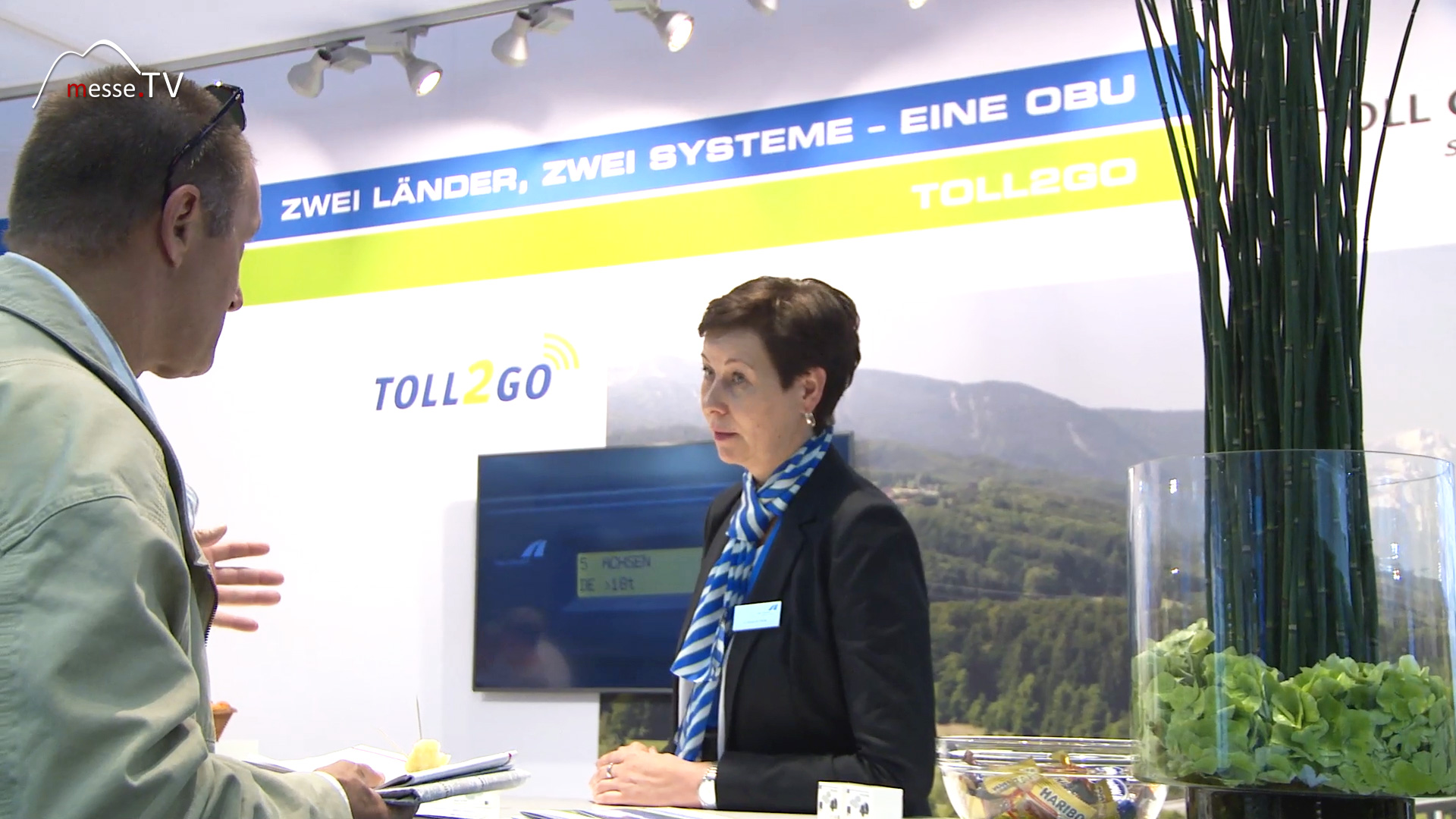
Digitalization is fundamentally changing the logistics industry – from planning and execution to analysis. New software solutions and platforms create real-time transparency and increase efficiency along the entire supply chain. Companies are increasingly relying on digital tools to optimize material flows, resources, and routes – whether in warehouse management, transport, or returns management.
With the increasing demand for speed and precision, the requirements for internal logistics processes are also rising. Autonomous mobile robots, flexible palletizing systems, and automated warehouse solutions are being used in more and more industries. The focus is on both safety and efficiency, for example, when navigating AMRs through warehouses or picking orders in high-bay warehouses.
The pressure to decarbonize does not stop at the logistics industry. Whether alternative drive systems, reusable packaging, or optimized route planning – many innovations today aim to achieve efficiency while reducing the ecological footprint. At the same time, the issue of resilience is becoming increasingly important: supply chains should not only be networked, but also resistant to disruptions.
The definition of logistics encompasses much more than the mere transport of goods. It describes the holistic planning, management, and control of material, information, and goods flows—from the point of origin to the end point at the customer. Key tasks include demand-driven supply, optimal use of resources, and coordination of all processes involved along the value chain. In practice, this ranges from procurement and warehousing to delivery and returns processing. Closely linked to this development is supply chain management, which adds a strategic perspective to logistics. The aim is to coordinate entire supply chains across companies and make them resilient. Distribution logistics in particular demonstrates how important transparent processes and reliable control are in order to meet delivery times, ensure service quality, and keep costs under control at the same time. Efficient warehouse structures, intelligent IT systems, and data-based forecasts play a central role in this. As complexity increases, so does the demand for qualified specialists. A degree in logistics or supply chain management not only teaches the fundamentals of business administration, but also provides a technical understanding of digital systems, automation, and process optimization. Graduates work at the interface between IT, production, and transport and play a key role in ensuring that logistics processes function reliably, economically, and in a customer-oriented manner. This makes it clear that logistics has long been a strategic success factor for companies in all industries.
Trade fair reporting Germany - Trade fair knowledge, dates & events


