Ventilation unit with a heat pump for heating and cooling
by A. Bergmeier - 2026-05-17Rising summer temperatures are noticeably changing the demands placed on modern building services. Whilst energy-efficient heating was the main focus for a long time, cooling residential buildings is now becoming significantly more important.
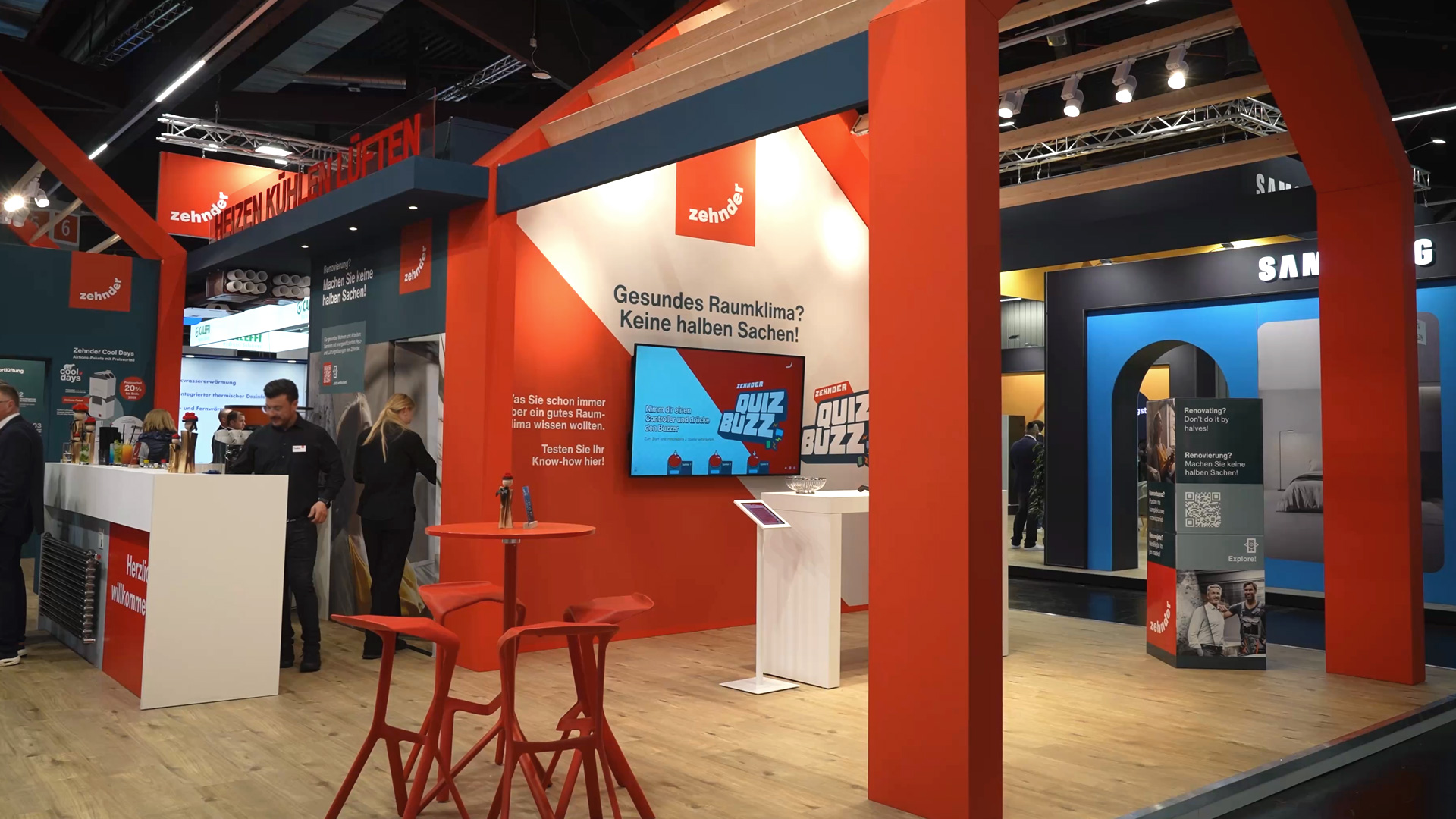
Particularly in modern new-builds with high levels of insulation and low heating energy requirements, the focus is increasingly shifting towards summer heat protection and controlled temperature regulation. At the IFH/Intherm, Zehnder is therefore showcasing a system that combines centralised domestic ventilation with heat recovery and integrated heat pump technology. The concept is based on the ComfoAir Q ventilation unit, which has been expanded to include a heat pump attachment. This enables the system not only to ventilate, but also to heat and actively cool.
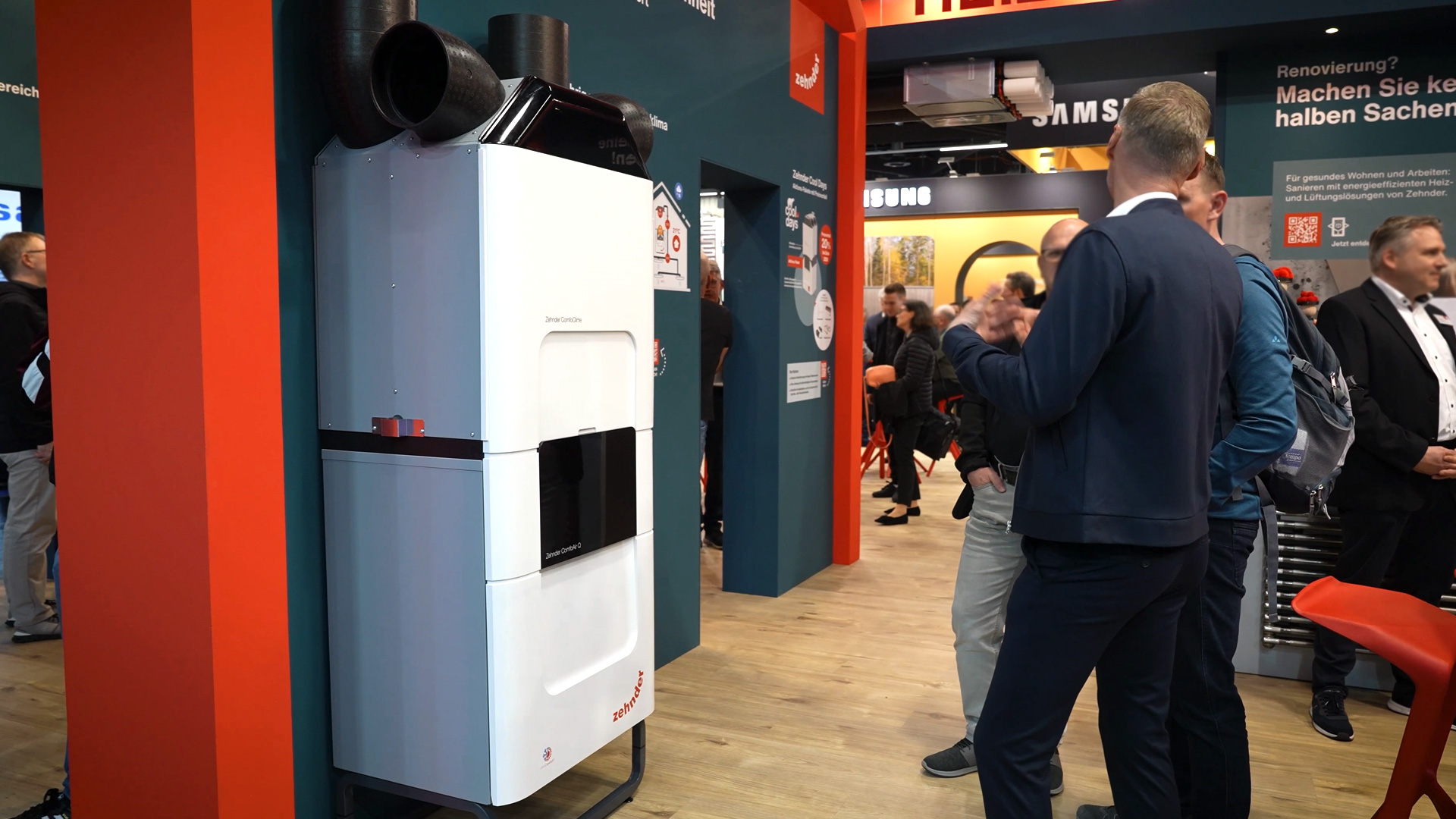

Zehnder combines domestic ventilation and a heat pump
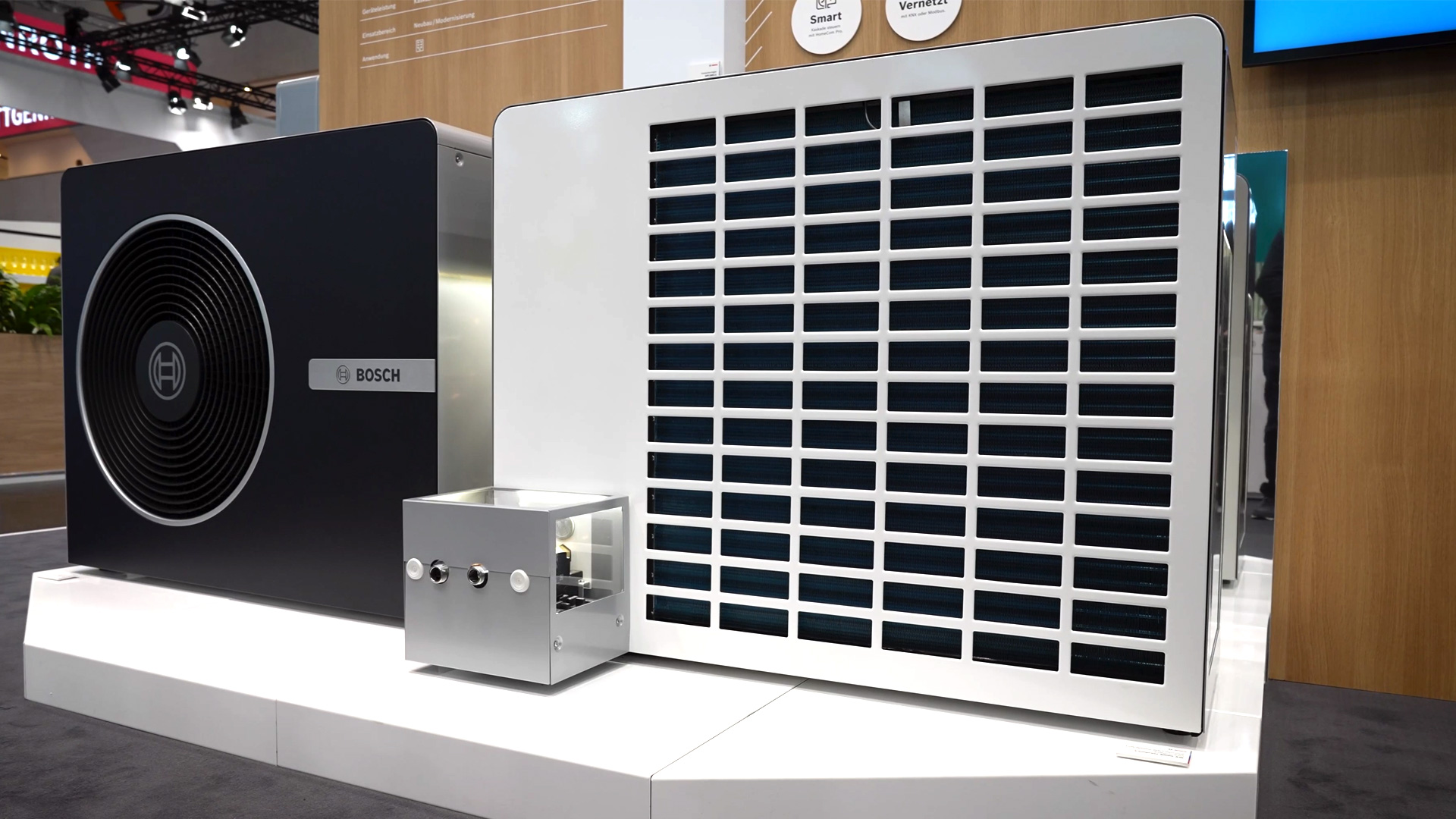
The unique feature of the system lies in the integration of several functions within a single central unit. The domestic ventilation system first handles the standard controlled supply and exhaust ventilation of the building. At the same time, the integrated heat recovery ensures that a large proportion of the energy from the exhaust air is retained. The system is supplemented by a heat pump attachment. This adds active heating and cooling functions to the unit. Technically, the heat pump is based on a reversible refrigeration cycle – comparable to the principle of a fridge. Depending on the operating mode, the system can extract heat from the air or supply it in a targeted manner. This combination is becoming increasingly attractive, particularly in new builds. Many modern homes require only minimal heating capacity, yet are sensitive to high outdoor temperatures in summer. The ability to combine ventilation and cooling within a single centralised system reduces the technical complexity within the building. Zehnder sees this as a key trend for the coming years – particularly in energy-efficient new builds with very low heating requirements.
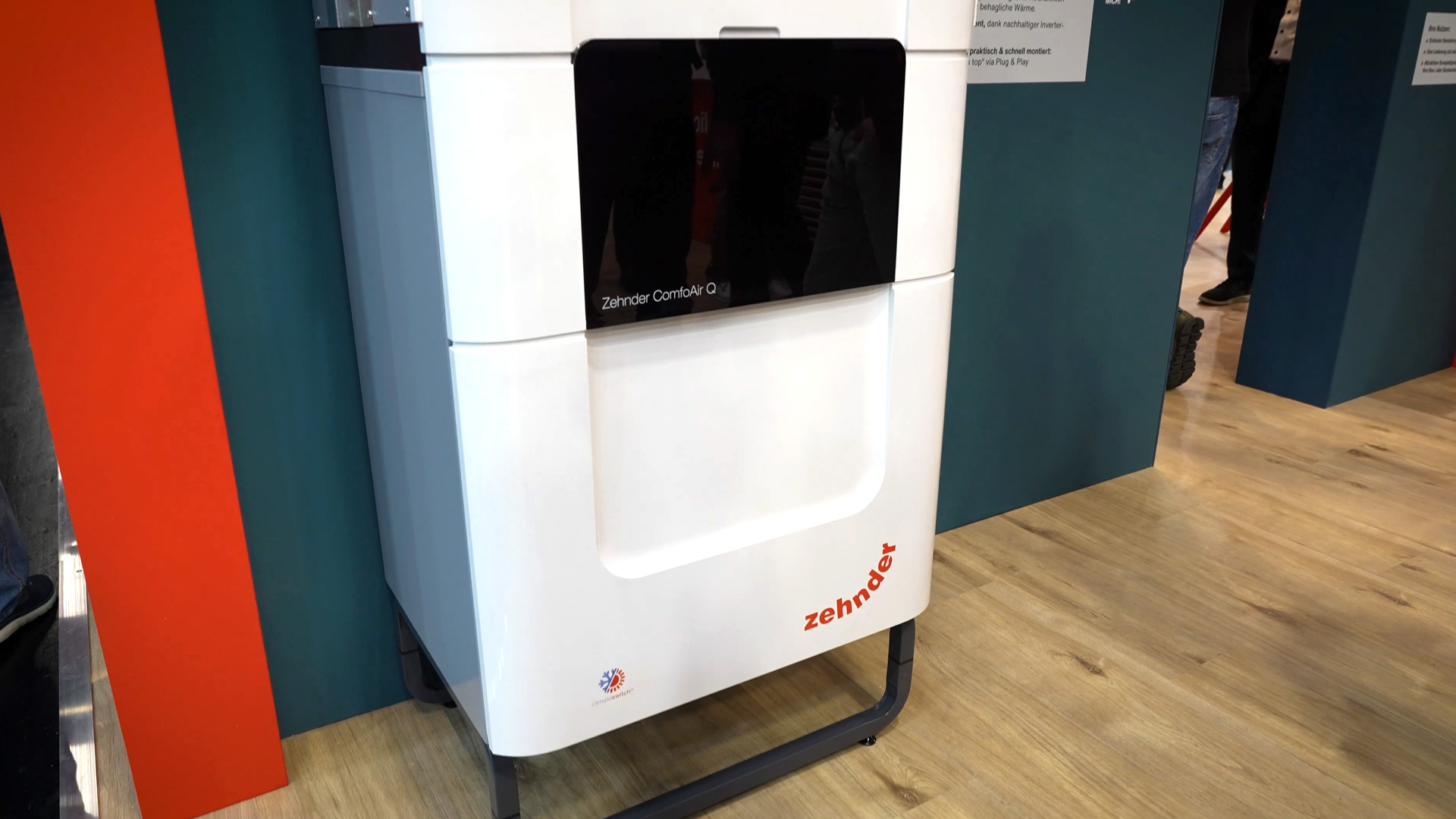
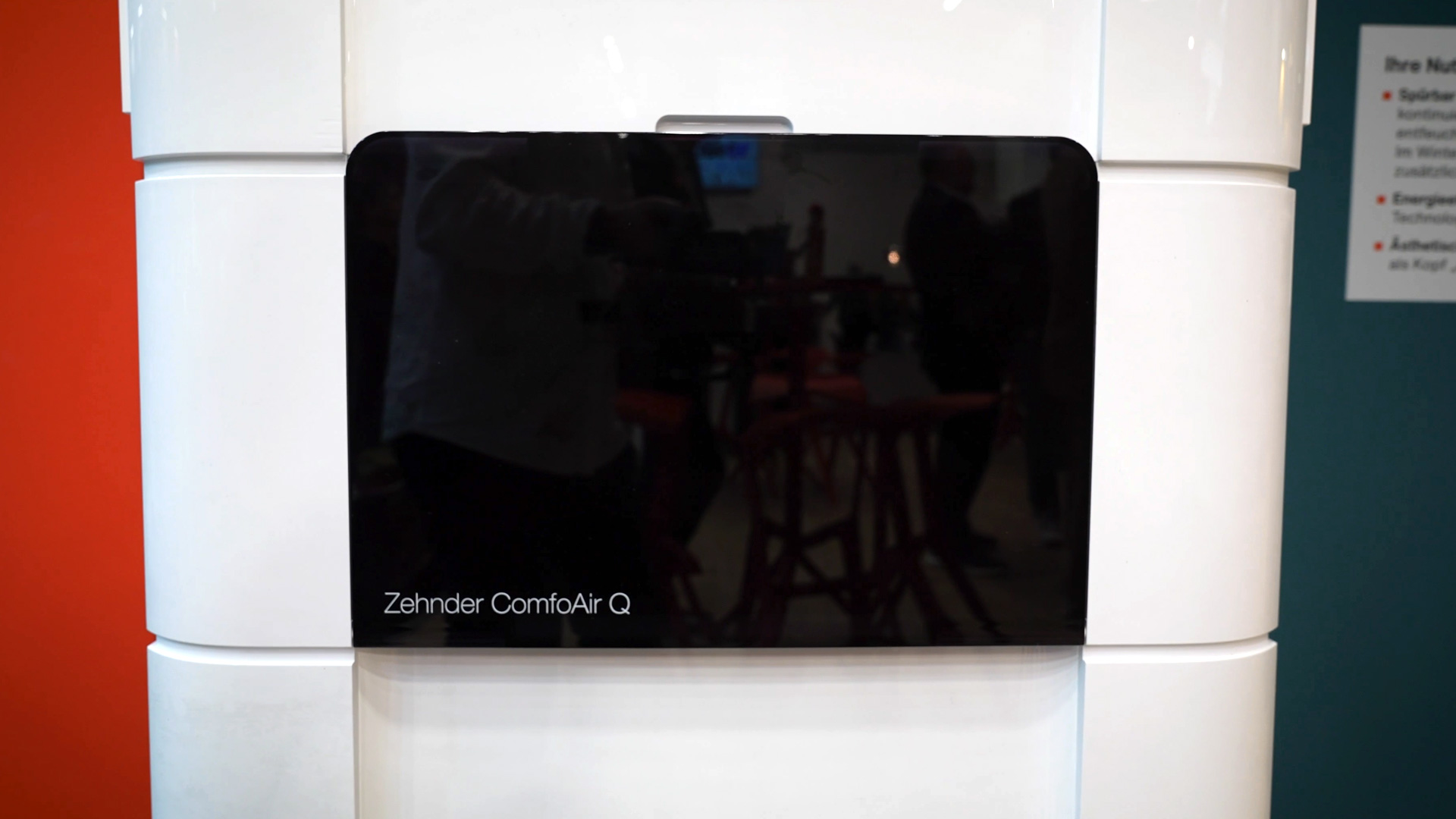
ComfoAir Q uses heat recovery for high efficiency
The heart of the system remains the heat exchanger in the ventilation unit. According to the manufacturer, the system achieves heat recovery of over 90 per cent. This significantly reduces traditional heat loss from ventilation. With conventional window ventilation, a considerable proportion of the already heated indoor air is lost to the outside. Controlled domestic ventilation, on the other hand, brings in fresh outdoor air whilst simultaneously transferring the thermal energy from the exhaust air to the supply air stream. The system’s key features:
- centralised domestic ventilation with heat recovery
- integrated heat pump unit for heating and cooling
- over 90 per cent heat recovery according to the manufacturer
- app control and digital parameterisation

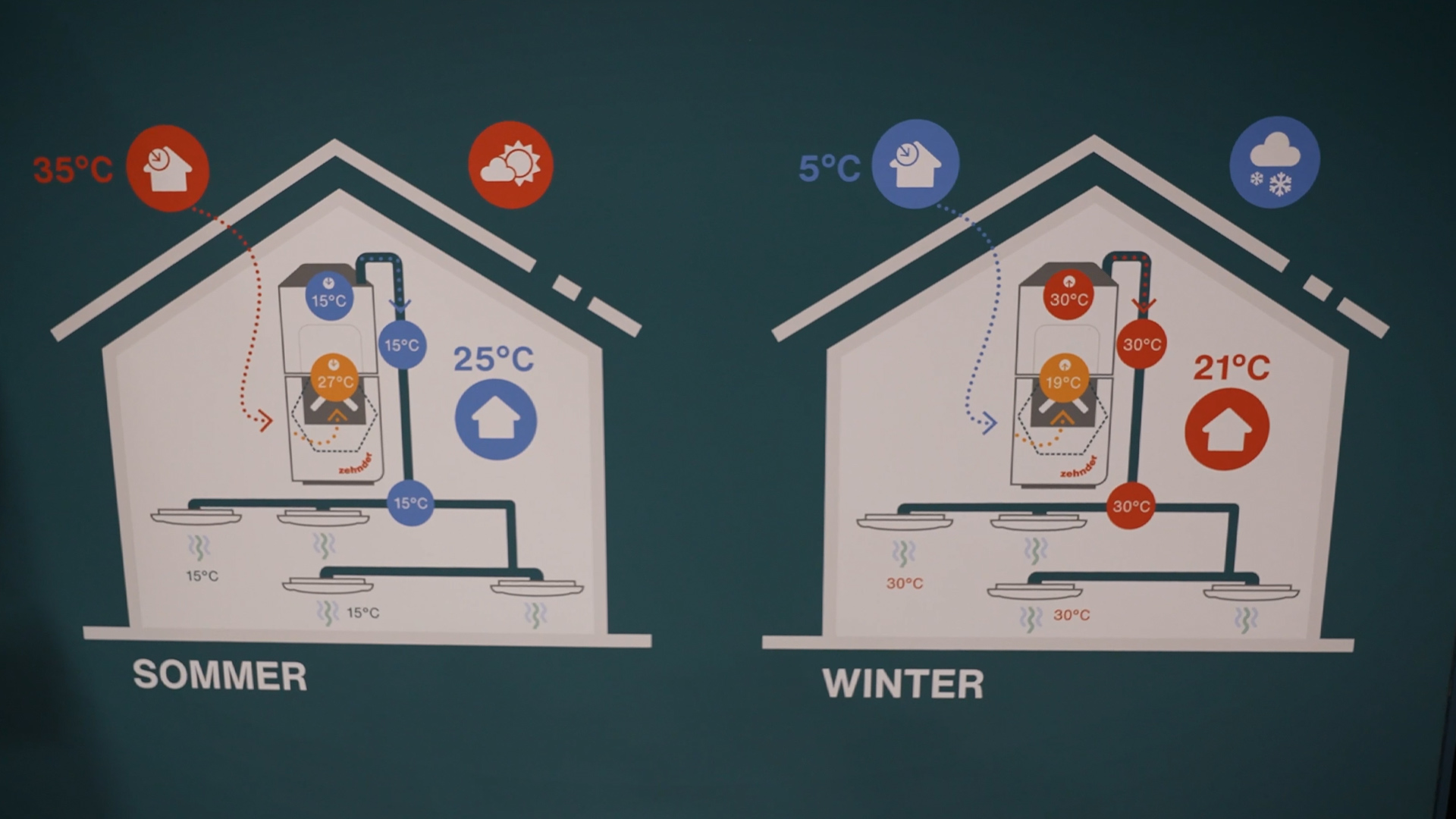
Ventilation system replaces water-based heating in new builds
Of particular interest is the approach of being able to dispense entirely with water-based heating systems. According to Zehnder, the combination of ventilation and a heat pump is already sufficient in many modern new builds to cover the entire heating and cooling requirements. In particular, prefabricated timber-frame houses or highly insulated new builds often require only minimal heating output. This offers advantages because there is no longer any need to install traditional water-based underfloor heating. Instead, the conditioned air takes over the temperature control of the building. Outside air is drawn in, passed through the heat exchanger and then further heated or cooled by the heat pump. A duct system then distributes the air into the individual living spaces. The exhaust air is typically extracted via kitchens or bathrooms and returned to the unit. Heat recovery takes place there once again. This provides an additional benefit, particularly in summer. Whilst earlier ventilation systems were primarily designed to save heating energy, active cooling has now come more into focus.
Digital control simplifies system operation
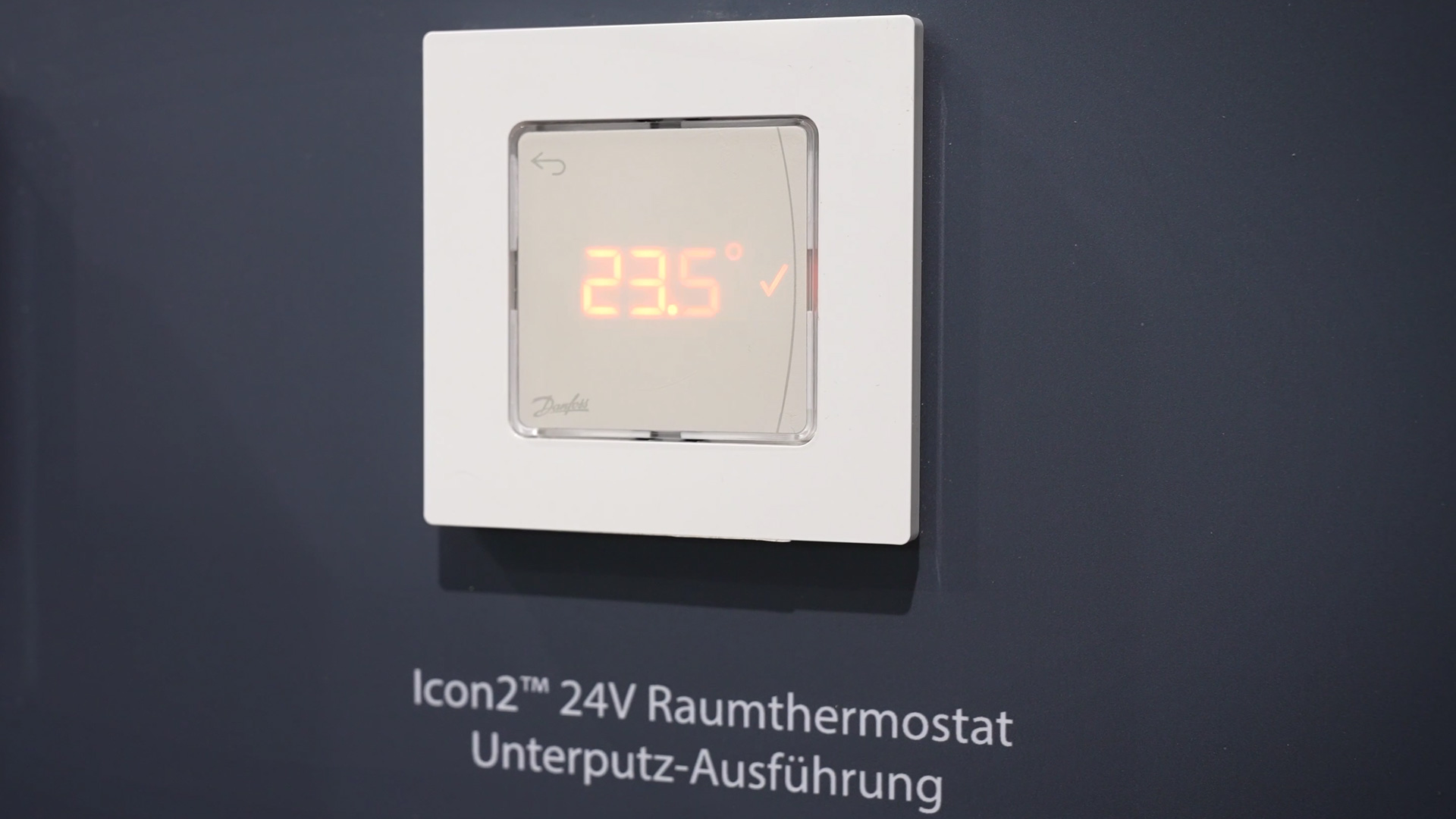
Like many modern building systems, this system can also be controlled via an app. Users can digitally adjust temperatures, operating modes and other parameters. Zehnder integrates functions that are now standard in modern building services. The system operates largely automatically and is designed to run as independently as possible once set up. Installation takes place centrally within the building – for example, in the basement or a plant room. From there, the ductwork system distributes the conditioned air throughout the house. The system is also suitable for existing buildings, provided they already meet a sufficiently high standard of energy efficiency. According to the manufacturer, houses built in the 1990s or early 2000s could, in principle, be retrofitted.
Residential ventilation is transforming building services in new builds
This development highlights just how much modern building services are changing. Whereas individual systems for heating, ventilation and cooling used to be planned separately, compact integrated solutions are now increasingly being developed. Zehnder combines several trends at once: controlled residential ventilation, heat recovery, heat pump technology and active cooling. The growing demand for summer temperature control, in particular, is significantly altering the requirements for new residential buildings. Added to this is the falling energy demand of modern houses. When buildings require only minimal heating capacity, traditional water-based heating systems are sometimes oversized. Air-based systems are therefore gaining in importance. The combination of ComfoAir Q and a heat pump add-on creates a concept that responds precisely to this development – with central ventilation, heat recovery and heating and cooling functions within a single system.
Trade fair reporting Germany - Trade fair knowledge, dates & events


