neo K hybrid thermostatic head for smart radiators
by B. Velonavy - 2026-05-08Radiator control is on the verge of a transformation that is less abrupt than digitalisation might suggest. Traditional thermostatic heads have been operating reliably for decades, whilst new requirements from connected buildings demand additional functions.
This does not result in a complete break with existing technology, but rather a combination of tried-and-tested and new approaches. A hybrid thermostatic head embraces this development. It combines mechanical control technology with digital control without altering the fundamental mode of operation. The radiator remains a locally controlled system, but gains an additional layer for comfort and operation.
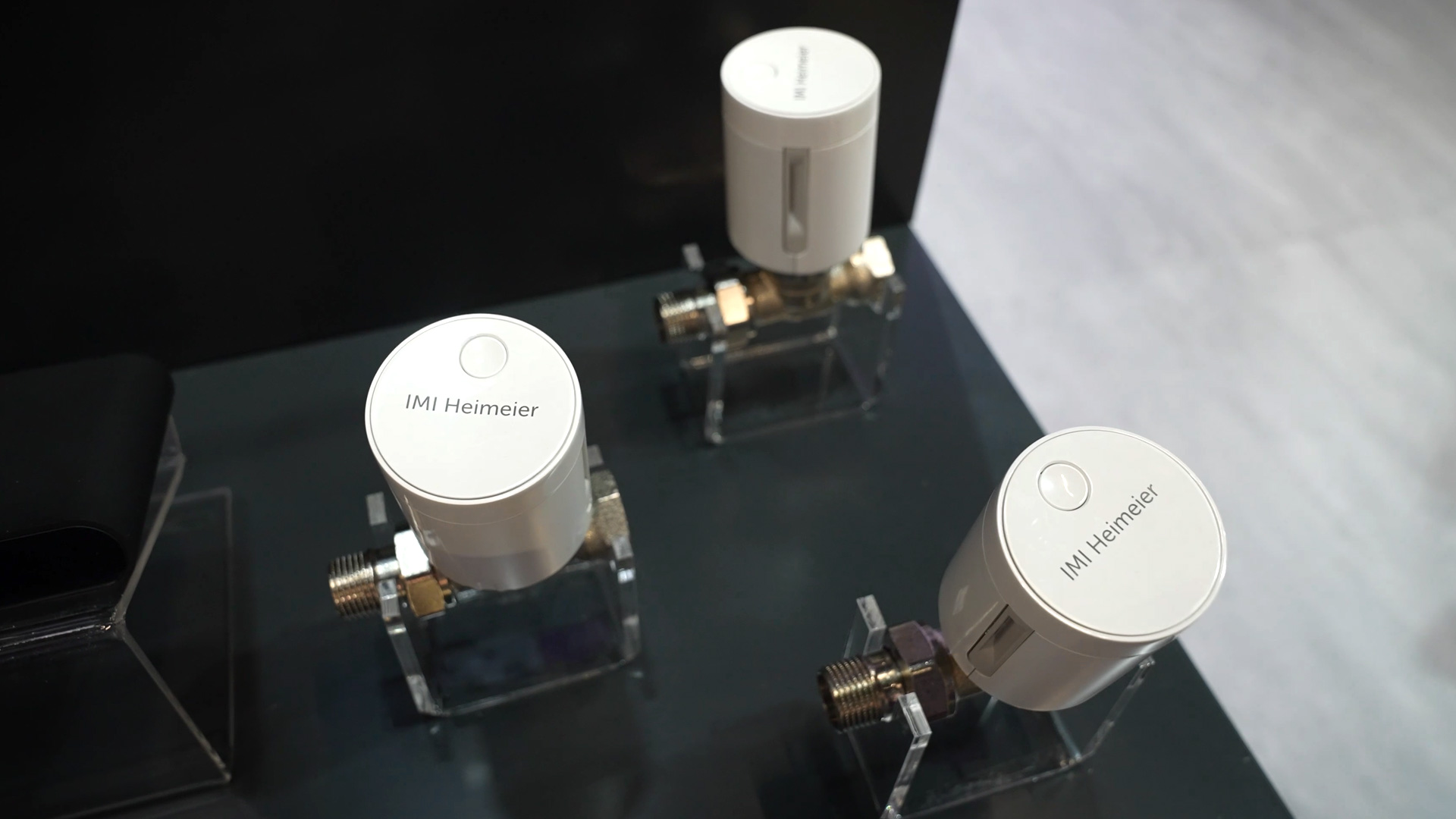
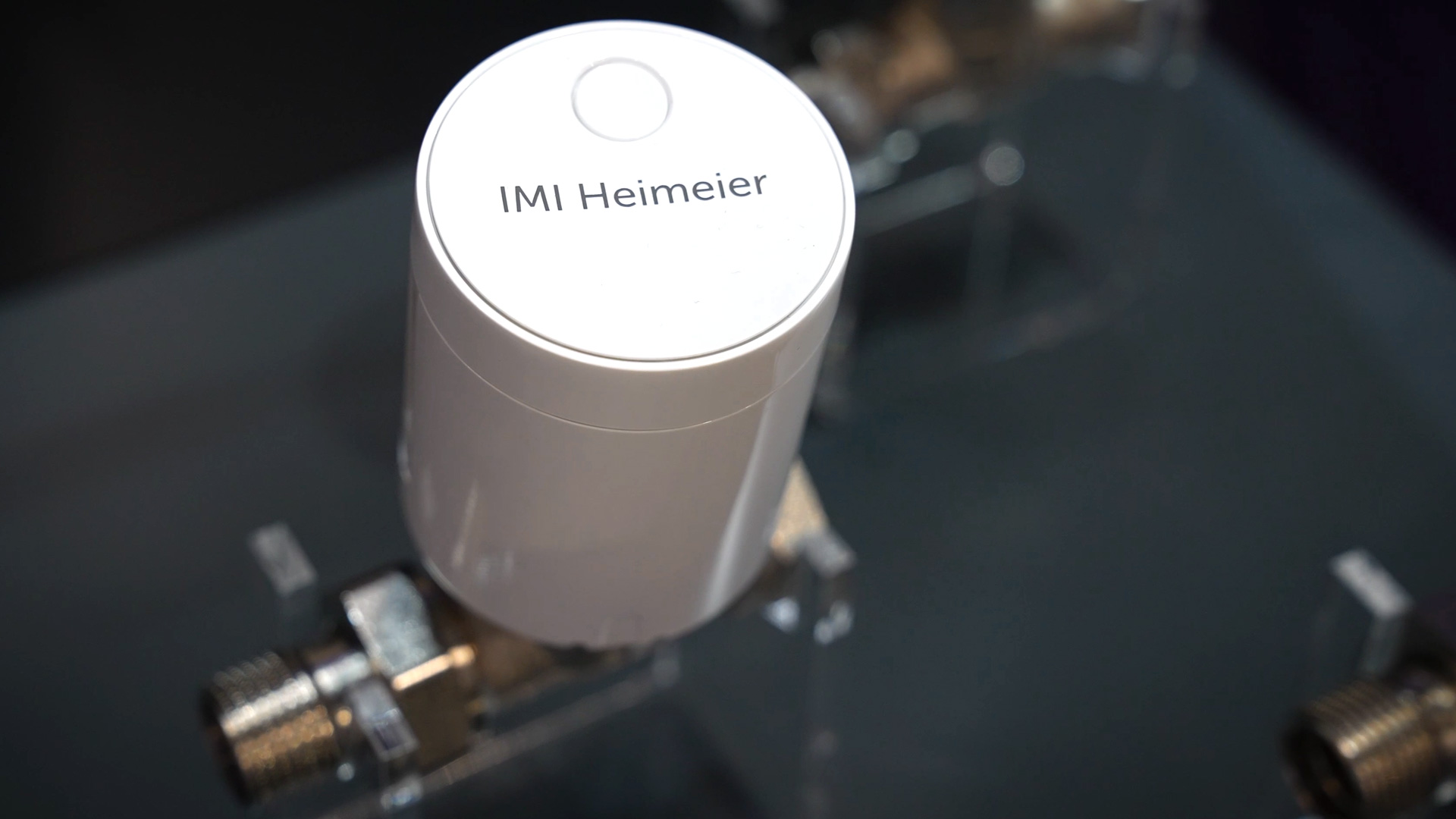
IMI neo K combines traditional control with app control
The neo K from IMI is designed as a hybrid thermostatic head and combines two worlds that have previously been viewed as separate. On the one hand, there is the classic technology, as installed in millions of systems. On the other hand, digital control and connectivity are added. IMI utilises the well-known K-head technology, which has proven itself in use over decades. This mechanical foundation remains fully intact and is not replaced. It is supplemented by a motorised drive, which is solely responsible for adjusting the setpoint. This does not change the type of control, but rather the method of operation. Users can continue to set temperatures directly on the radiator or also adjust them via an app.
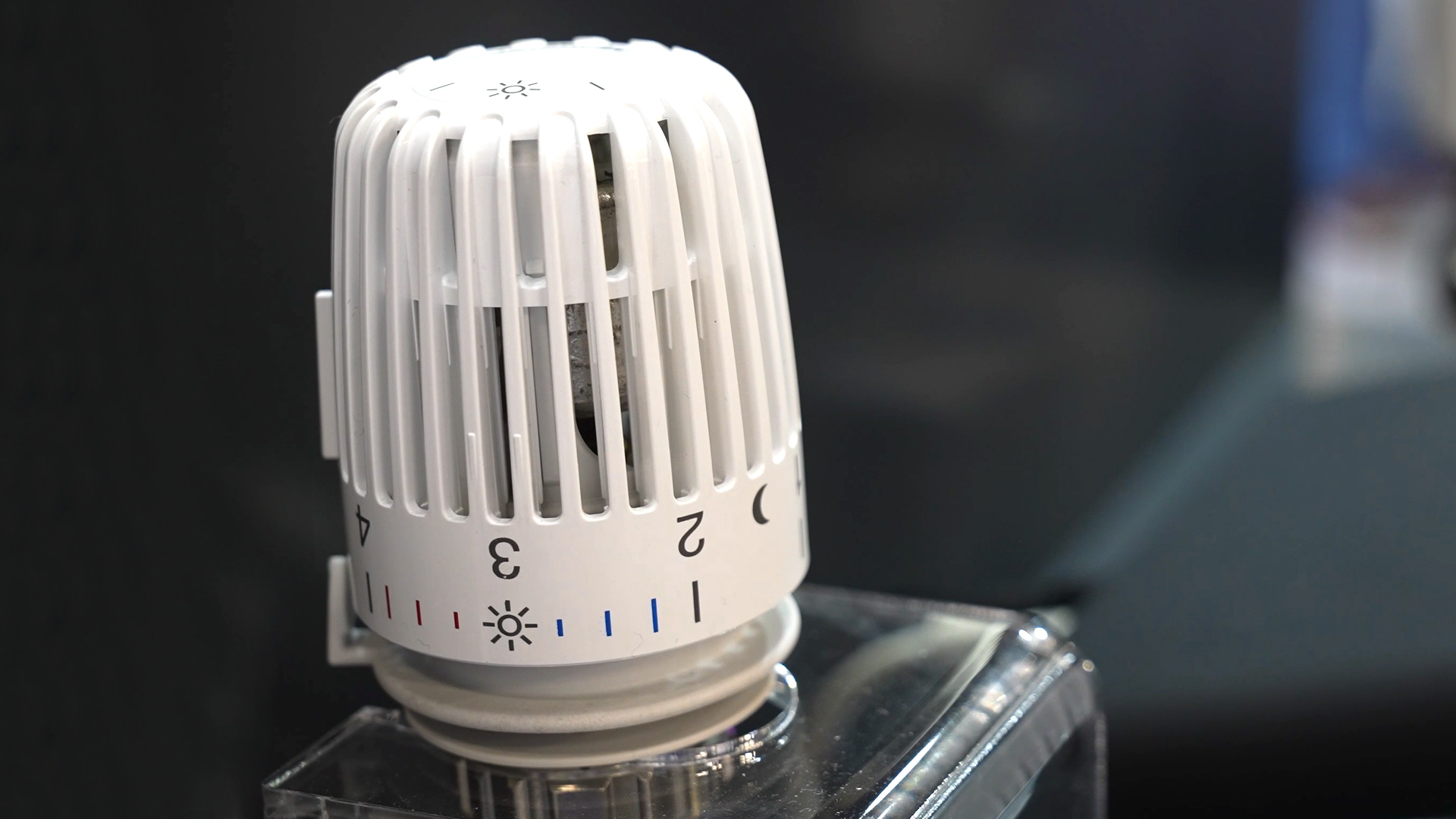
Operating principle with expansion element in the thermostatic head
An expansion element continues to operate inside the thermostatic head. This reacts to temperature changes and controls the flow of heating water through the radiator. Control is proportional and takes place without electronic intervention during operation. The motor is solely responsible for adjusting the desired temperature range. If, for example, a new setting is specified via an app, the drive briefly moves the mechanism. The system then continues to operate purely mechanically. This division of tasks is technically crucial. Whilst electronic thermostatic heads constantly readjust and therefore require a continuous supply of energy, the hybrid approach is limited to just a few interventions.

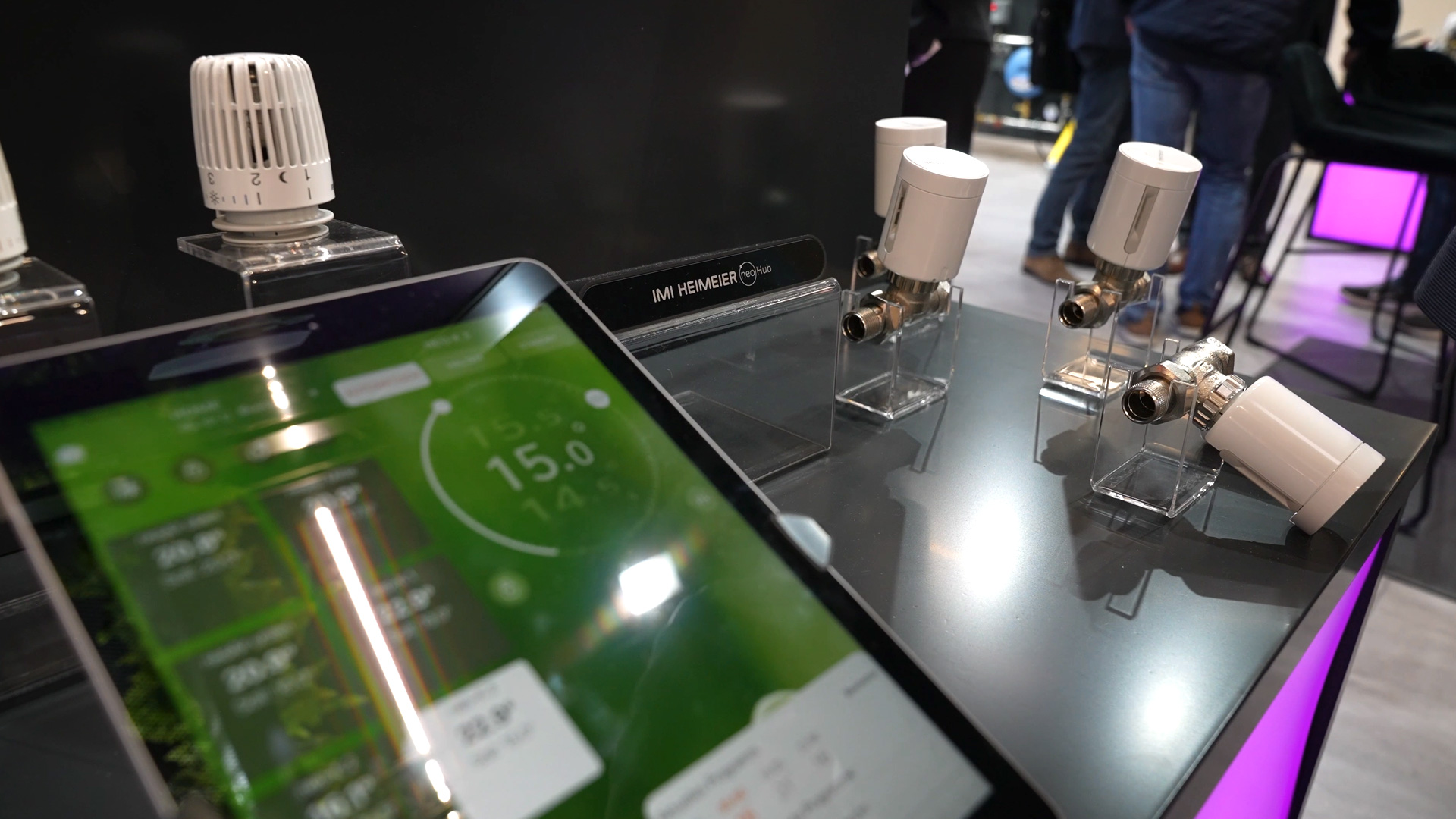
Low-noise and long battery life during operation
A key advantage becomes apparent in practical use. Conventional electronic thermostatic heads generate a slight but constantly audible noise due to their motor movements. This can be particularly disruptive in quiet environments. The neo K avoids precisely this effect. As the motor only activates when the setpoint changes, operation remains otherwise silent. For living spaces, particularly bedrooms, this is a significant difference. At the same time, this reduced activity has a positive impact on battery life. Energy is only required when an adjustment is made. The mechanical control itself requires no additional power supply. This significantly extends maintenance intervals. The combination of these two features defines the character of the system:
- mechanical control without constant motor movement
- quiet operation at the radiator
- motor active only for setpoint adjustment
- significantly extended battery life compared to purely electronic solutions
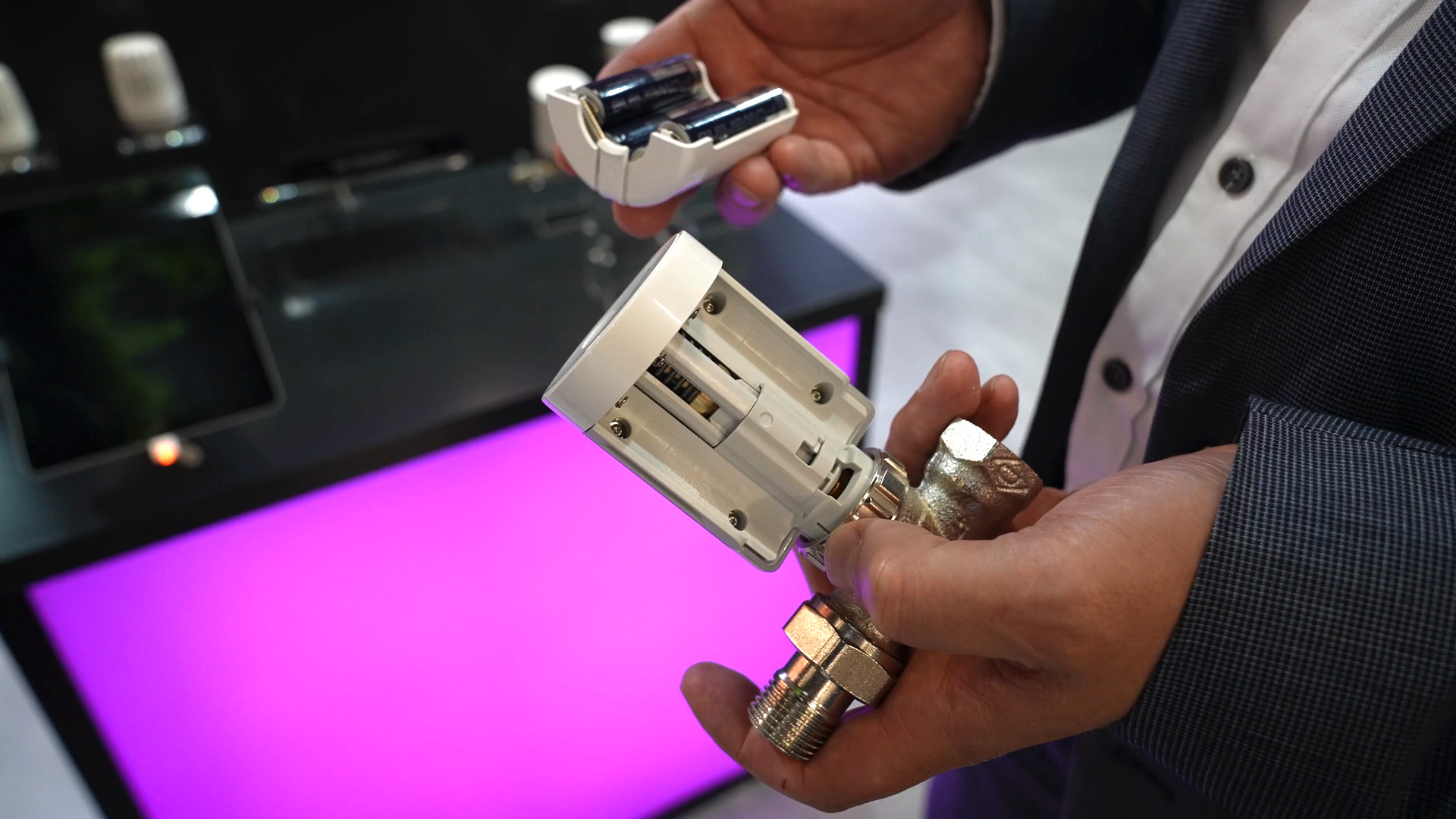
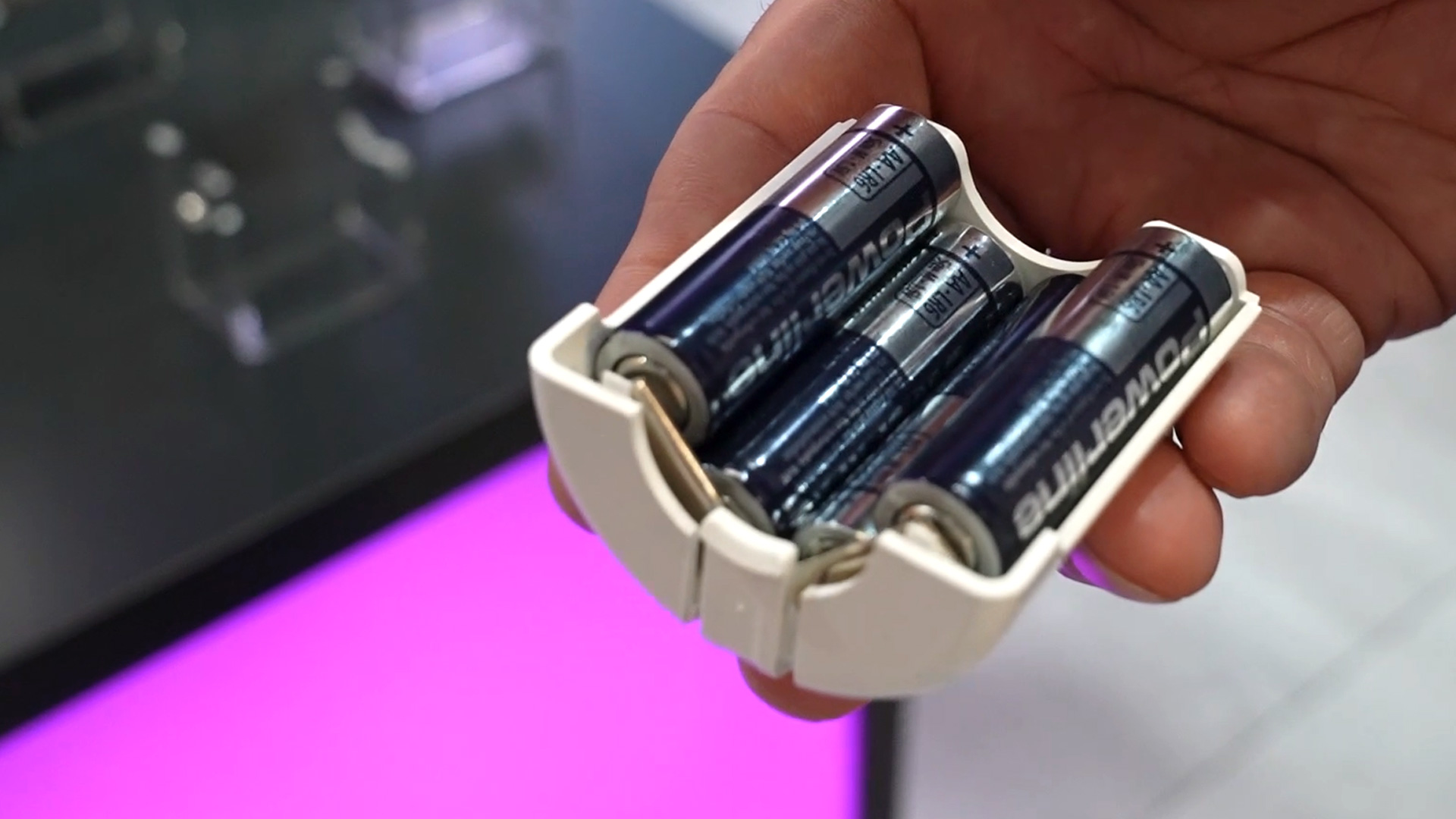
Integration into smart home systems with app control
In addition to its mechanical foundation, the neo K offers full integration into digital systems. Control is via an app, which allows temperatures to be adjusted and time schedules to be defined. IMI focuses on open-ended use: the thermostatic head can be operated both conventionally and digitally. This flexibility allows existing heating systems to be expanded gradually without requiring a complete overhaul. App control also enables adaptation to daily life. Heating times can be linked to occupancy or times of day. Control whilst on the move is also possible, for example to heat rooms before returning home.
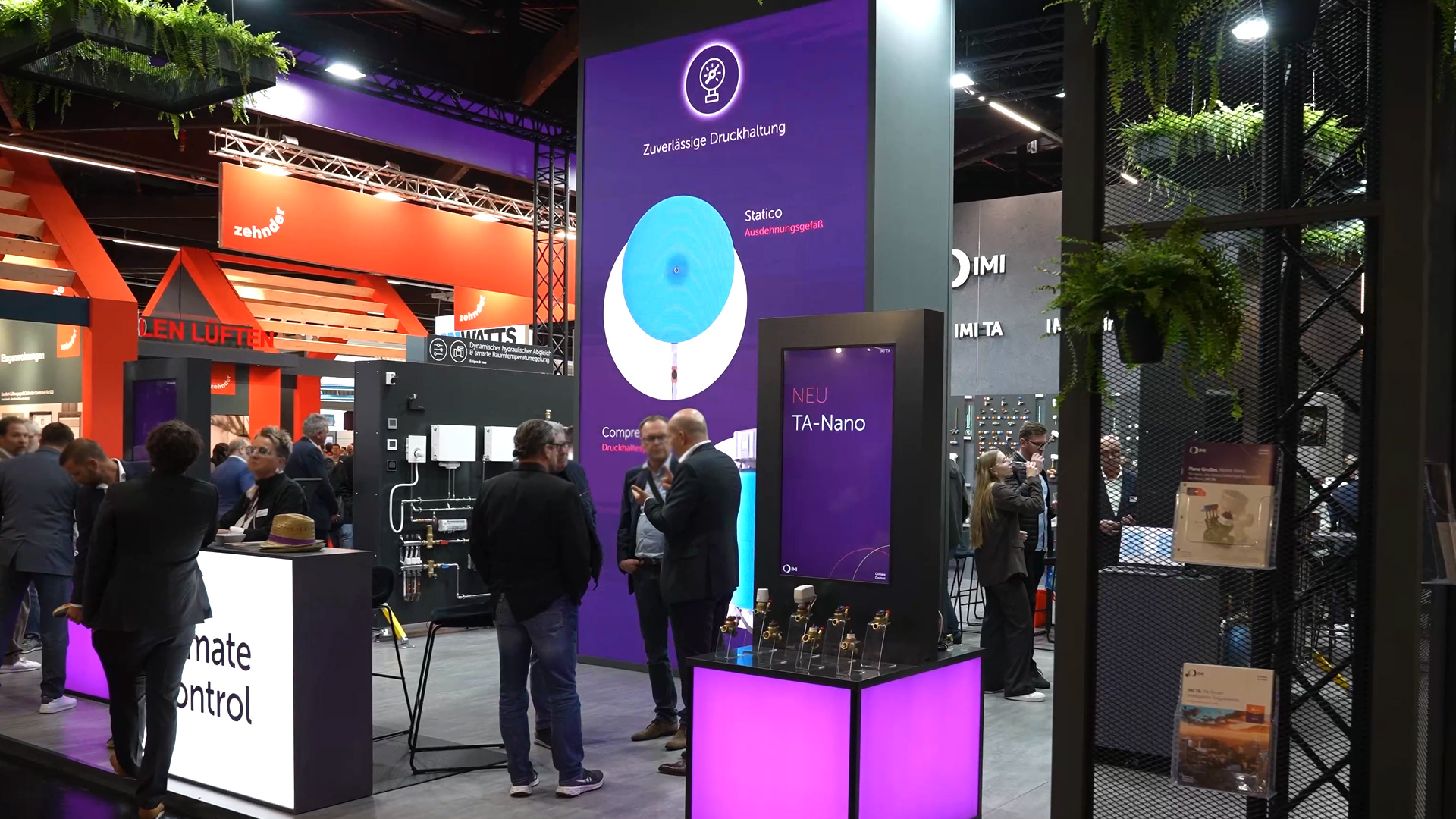
Positioning the neo K between analogue and digital
The hybrid thermostatic head sits between two established solutions. Purely mechanical systems offer simple operation and high reliability, but lack flexible control options. Electronic variants expand functionality, but come with additional energy consumption and noise. IMI positions the neo K precisely in this gap. The system combines the strengths of both approaches without fully inheriting their weaknesses. This results in a solution that can be adapted to different usage habits. Economically, too, the product remains within the range of standard components. Priced at under 100 euros, the thermostatic head is designed for a wide range of applications, from retrofitting to integration into new systems. This development demonstrates that building technology is not moving exclusively towards complete digitalisation. Rather, solutions are emerging that further develop existing technology and add new functions. The neo K is an example of how these two approaches can be meaningfully combined.
Trade fair reporting Germany - Trade fair knowledge, dates & events


