Grohe Euphoria Purefoam brings a spa feeling to the shower
by F. Zuber - 2026-04-15The idea behind Euphoria Purefoam is quickly explained, but the effect is much more comprehensive. It is a retrofit system for the shower that applies warm care foam directly to the body via the hand shower.
Instead of manually applying a classic shower gel or additional lotion, the care is integrated into the showering process. This is the real appeal of the product: it does not change the shower as a technical installation, but rather the way in which body care is experienced in everyday life. The solution is presented as a personal highlight in the Grohe range. The claim is not just a new shower effect, but an extension of the bathroom with a comfort component that is otherwise better known from spa or wellness concepts. The system is aimed at people who want to personalise their showering experience to a greater extent without having to completely rebuild their bathroom.
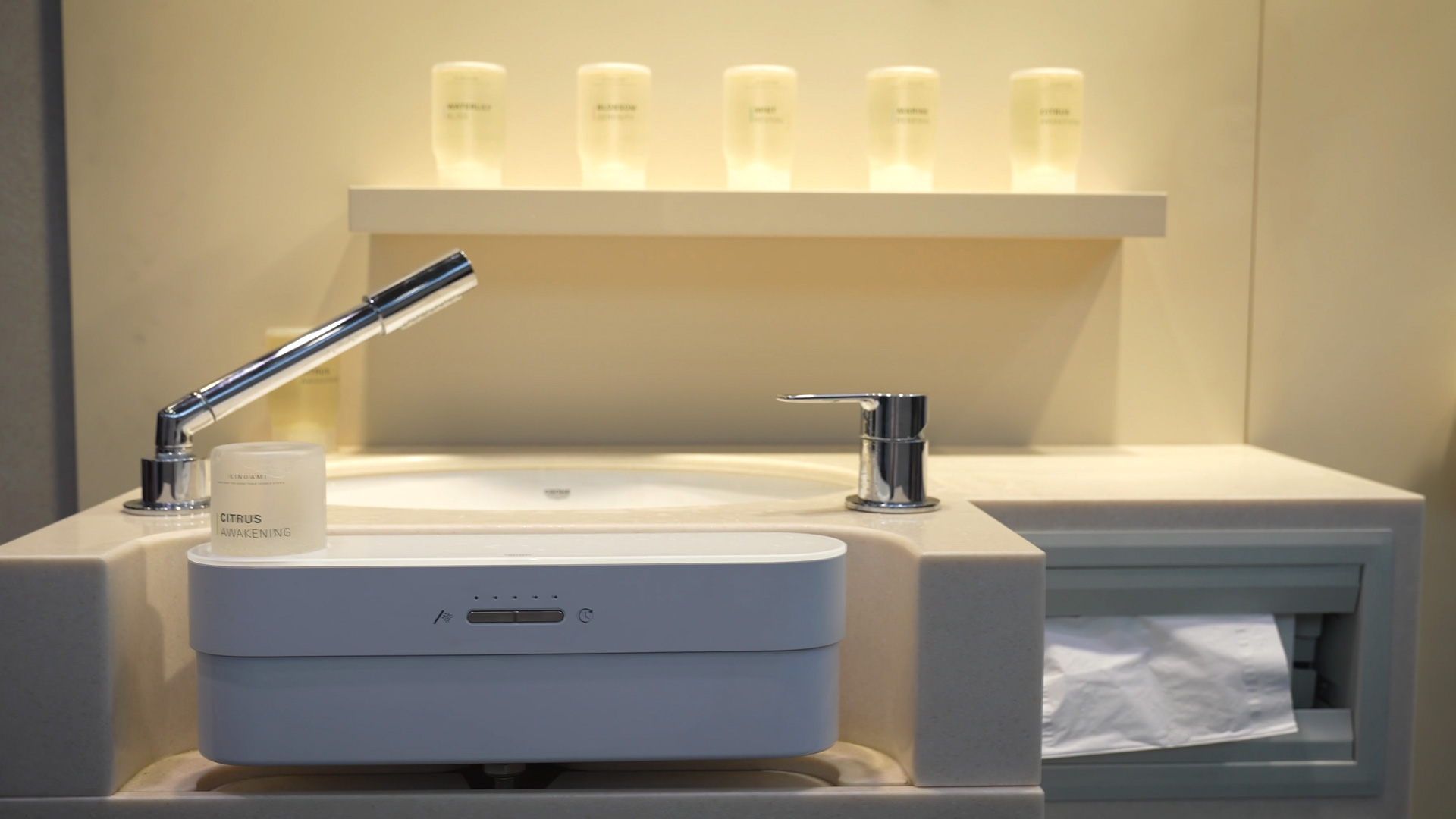
Euphoria Purefoam as a retrofittable solution for the hand shower
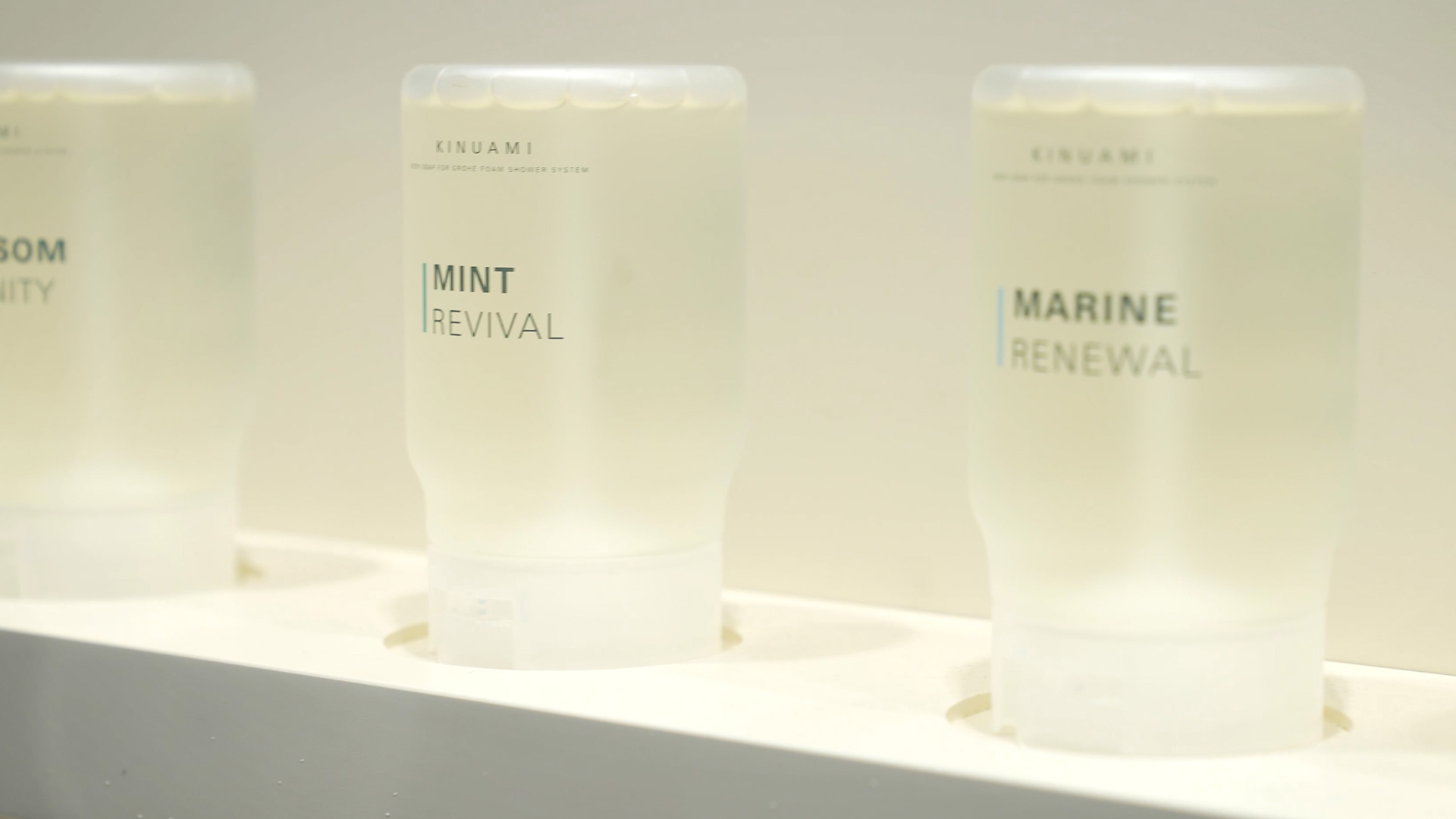
The focus is on an additional module that can be connected to existing shower situations. The idea behind it is clearly designed for everyday use: Anyone who already uses a shower should be able to add a new function to their bathroom without having to plan from scratch. The product is installed next to the actual shower and works with so-called flavours, i.e. cartridges or content variants that are intended to serve different directions of action. Applications are named for different times of day. In the morning, use can be intended to be more activating, in the evening more calming. This approach is not just cosmetic, but follows a broader trend: products in the bathroom should no longer just cleanse, but react to mood, daily rhythm and relaxation depending on the situation. In functional terms, the shower is thus being shifted a little further in the direction of a private retreat. Operation remains deliberately simple. The duration and intensity of the foam can be set on the appliance. At the touch of a button, the normal water jet turns into a soft, warm foam that is applied to the body and then rinsed off again with water. This sounds unspectacular at first, but in practice it is a clear difference to conventional body care.
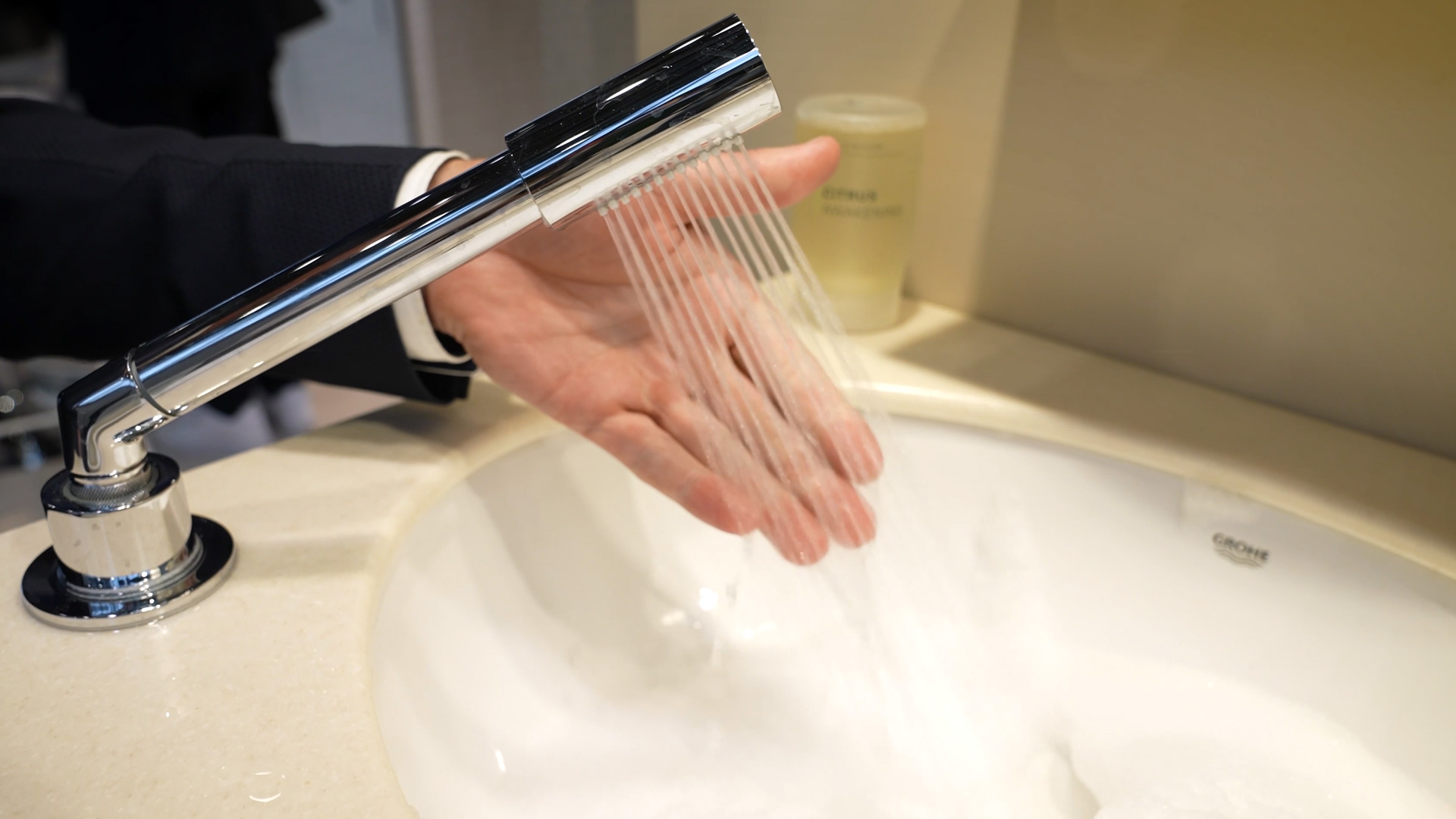
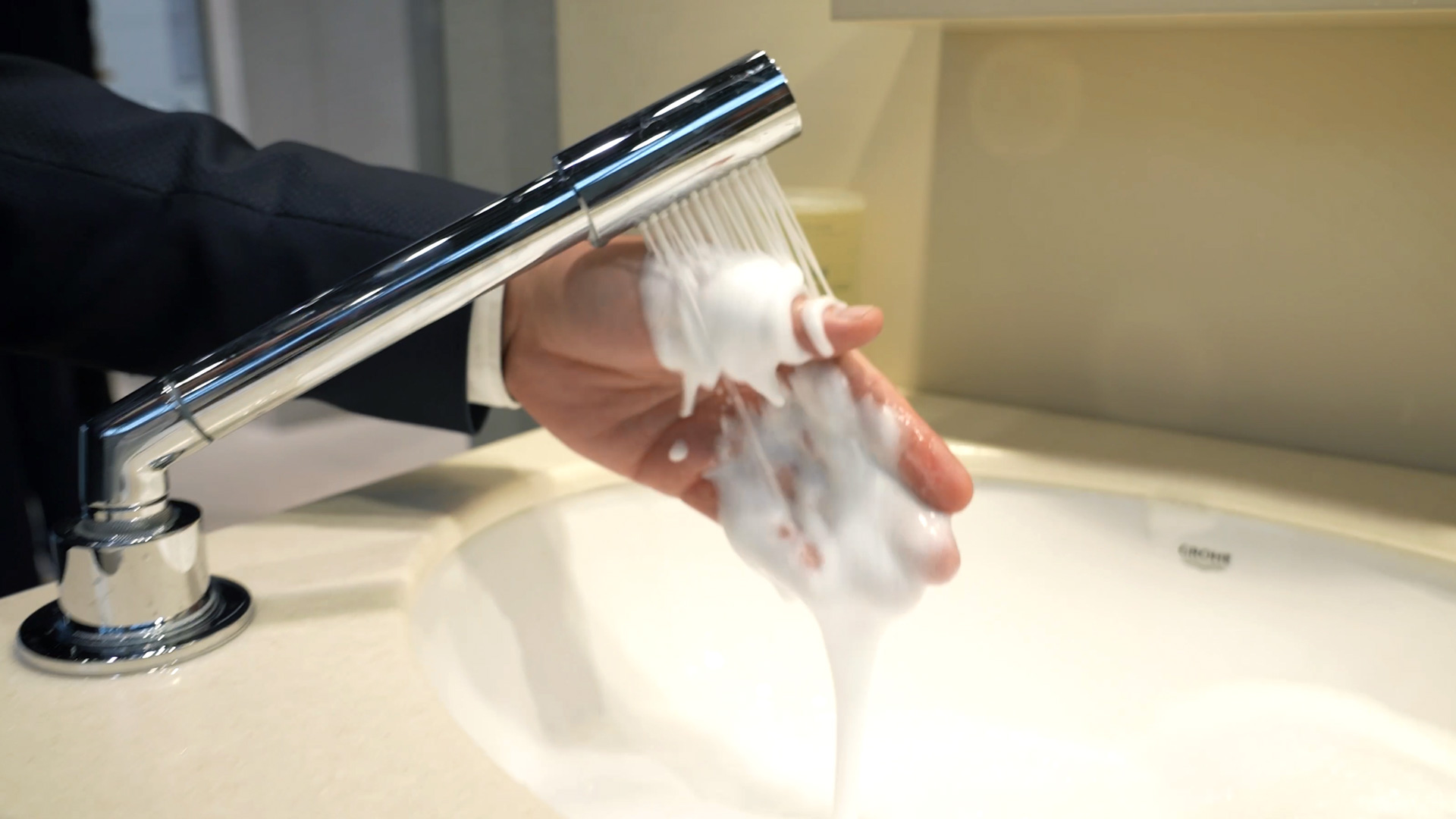
Warm foam instead of classic rubbing
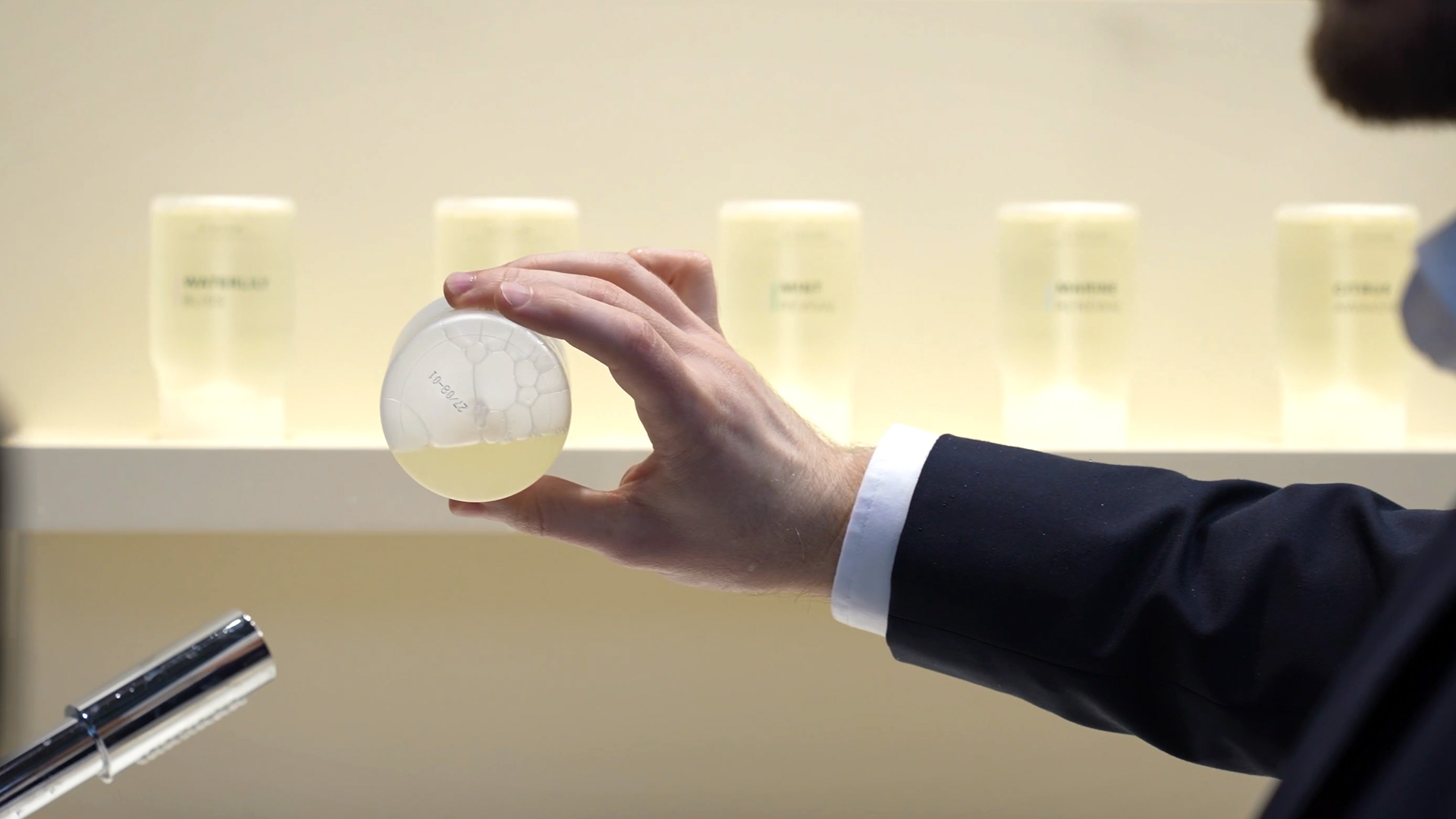
The method of application is particularly noteworthy. The foam is not applied cold, but warm. This means there is no abrupt loss of comfort while showering. Anyone who uses skincare products on wet skin will be familiar with the problem: as soon as water or warmth is removed, the body sensation quickly diminishes. This is exactly what should be avoided here. It is described as a real foam coat that surrounds the body and thus combines warmth and care. At the same time, the system favours a gentler treatment of the skin. The presentation explicitly points out that many people rub or scrub too hard when cleansing. This can damage the skin. With Euphoria Purefoam, the lotion or cleansing solution is distributed directly via the hand shower and rinsed off again later. The mechanical irritation is reduced and the application is more controlled and gentle. The description of the ingredients also matches this. The pH-neutral ingredients and the reference to animal-free test procedures are mentioned. Today, this is no longer a secondary aspect, but part of the product expectation in a market in which care, skin compatibility and ethical standards have long since gone hand in hand. Especially when a product claims to be gentle, such points must be taken into account.

What makes the shower system interesting in everyday life
The technical side is only part of the story. The more exciting question is for whom such a product can actually be useful. A classic target group is expressly denied, and that is understandable. The benefits can be transferred to very different life situations. It could conceivably be used in everyday family life if convenience and ease of use play a role. Equally plausible is the use in care situations, for example when rubbing the body of elderly people is to be simplified. The idea also makes sense for people with a tight time budget. If cleaning, care and a certain moment of relaxation are combined in one process, this not only saves individual steps, but also changes the process as a whole. The bathroom does not become luxurious in a decorative sense, but more efficient in its use. This is a sober but relevant added value. Of course, the price remains a filter. With a gross list price of 760 euros, the system is well above the level of classic care products or simple shower solutions. It is therefore not an impulse purchase for every household budget. At the same time, installation by a specialist installer is recommended, which also places the product in a more consultation-intensive environment. This speaks in favour of a market in which explanation, demonstration and trust are more important than pure shelf appeal.
Why demonstration is so important for Purefoam
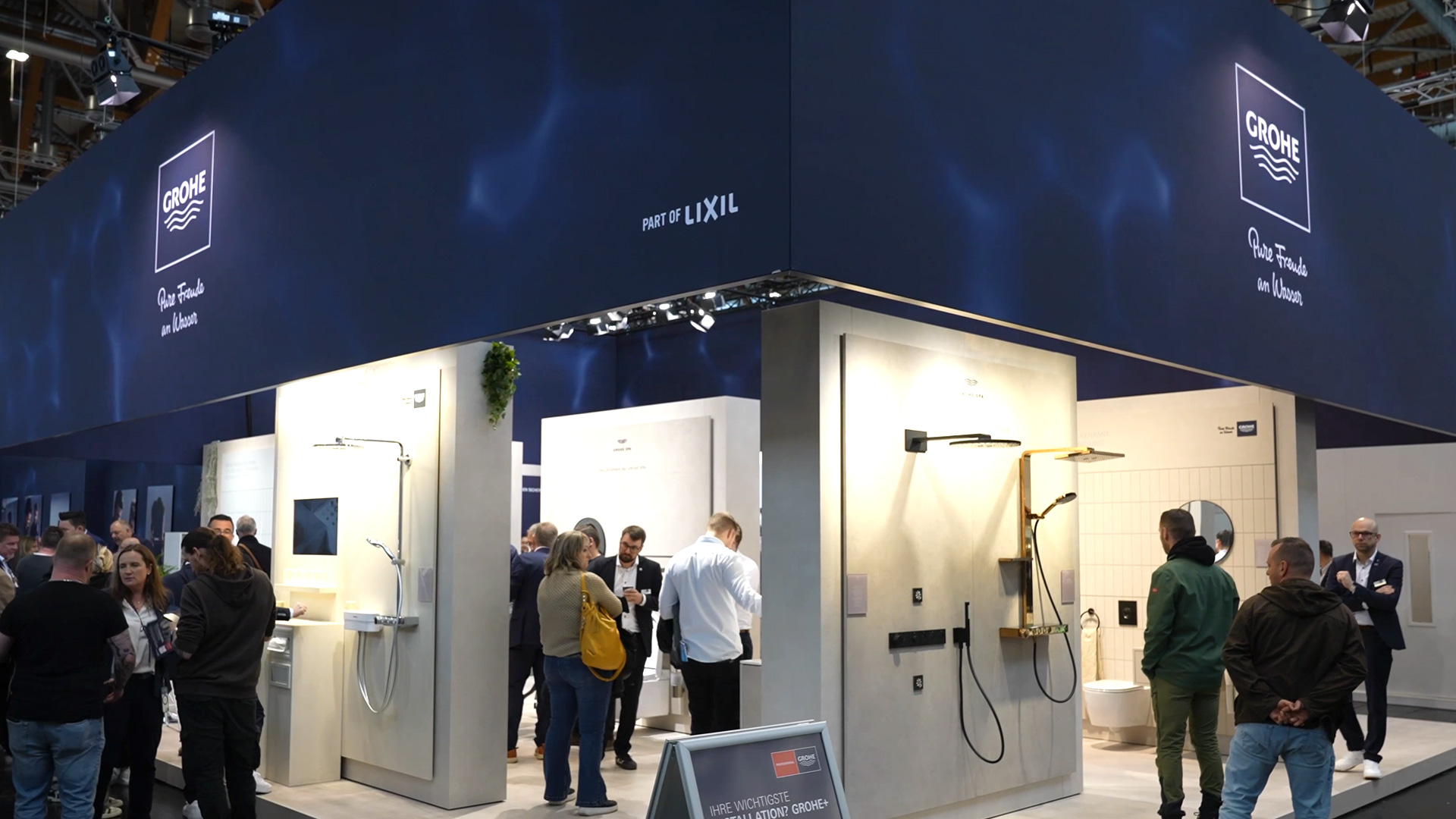
One striking point in the presentation is the indication that the product is best communicated live. This is plausible. Anyone who only reads that a hand shower produces warm foam understands the basic function, but not necessarily the actual difference in use. Products between technology, care and comfort in particular have a communication problem: they are difficult to sell using data sheets alone. This is why demonstrations are so important. The product must be experienced, because its benefits are based less on figures than on a physical impression. Temperature, consistency, distribution and the feeling of rinsing are factors that can only be conveyed in words to a limited extent. This also shows why Grohe wants to present the system together with partners at various locations. In this case, direct contact replaces the mere product description.
Technology from Asia, adapted for the European market
The indication of origin is also interesting. The technology comes from Asia and was brought to Europe via the Lixil Group. This is more than just a side note, because it shows the extent to which bathroom products are now considered internationally. Innovations are no longer just the result of classic tap technology, but of the combination of water application, care and comfort experience. The decisive factor for the European market is how well such a concept can be translated into existing habits. This is precisely where the retrofit idea comes in. It does not attempt to force a completely new bathroom behaviour, but instead docks onto familiar routines. This increases the chance that a trade fair innovation will actually become a product suitable for everyday use. The end result is therefore not so much a spectacular design story as a well-observed change in the bathroom: the shower is becoming more personalised, care products are being integrated more technically and comfort is no longer just about the water jet or temperature, but about the choreography of the entire process. Euphoria Purefoam is a striking example of this. Grohe is positioning the solution as an easily retrofittable extension that brings cleaning, care and relaxation closer together. This is precisely what makes the product interesting - not as a gimmick, but as an attempt to functionally rethink an everyday ritual.
Trade fair reporting Germany - Trade fair knowledge, dates & events


