Home station for central heat supply in apartment blocks
by B. Velonavy - 2026-05-10The heat supply in apartment blocks is changing noticeably. While for decades each flat was often equipped with its own gas boiler, the technology is increasingly shifting towards centralised heat generators.
This is due to increasing requirements for energy efficiency, hygiene and CO₂ reduction. At the same time, there is growing pressure to convert existing buildings to new heating systems. Home stations play a central role in this change. They combine central heat supply with decentralised transfer within the individual residential units. At the IFH/Intherm, Oventrop will be presenting the Regudis W-HTE series as well as a special variant for replacing gas boilers in existing buildings.
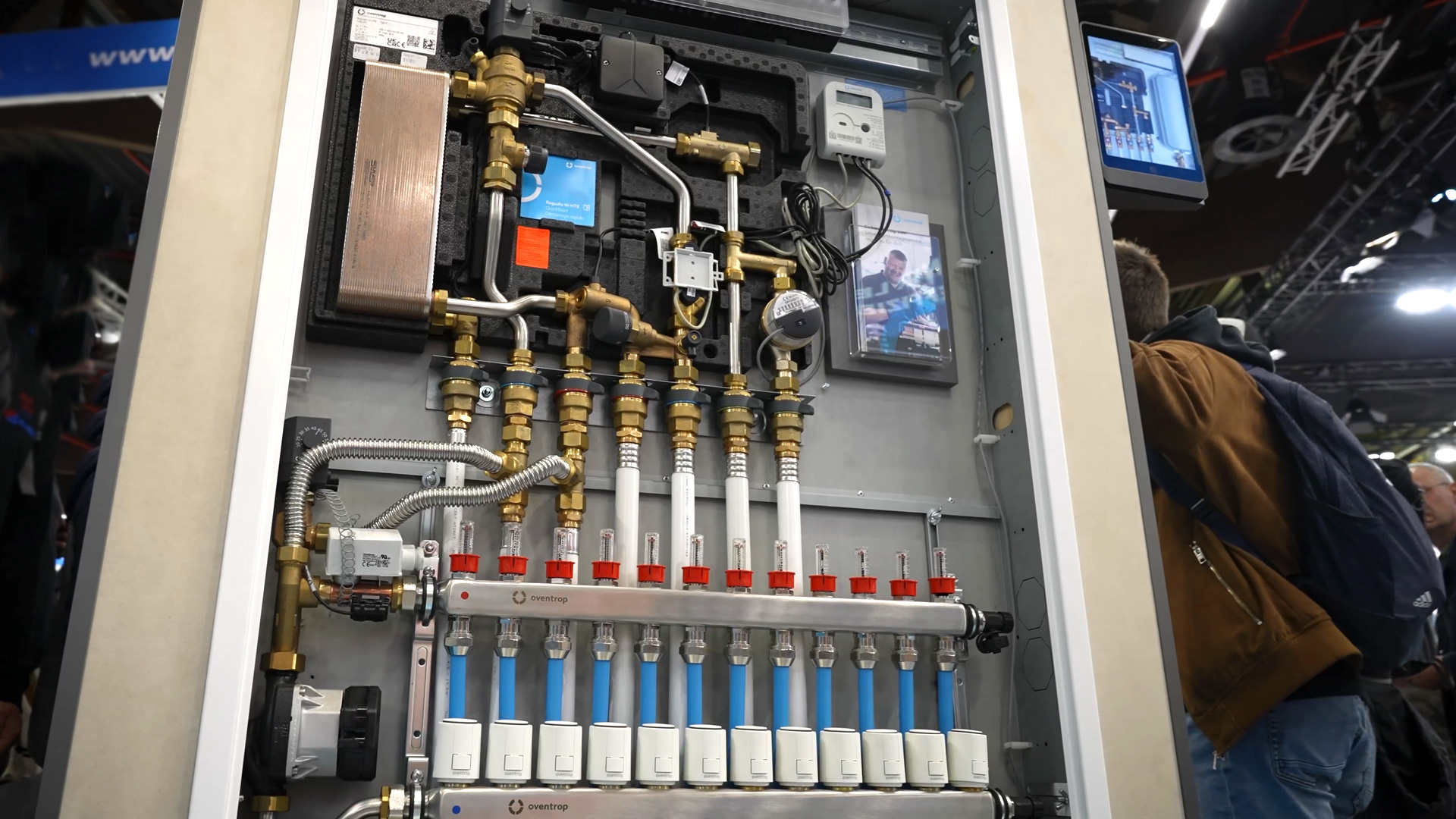

Oventrop Regudis W-HTE for central heat generators
The Regudis W-HTE flat stations are designed to transfer heat from a central source to individual flats. Instead of a separate combustion appliance in each unit, the building works with a common heat generator. This can be district heating, a heat pump or other central heating systems. The concept is usually supplemented by a buffer storage tank, which stores the heat generated and distributes it as required. From there, the heating flow and return flow reach the flats. Heat is then transferred within the station for heating and hot water preparation. Oventrop is thus pursuing a concept that is particularly advantageous in apartment blocks. The actual heat generation is bundled, while the home station takes over the individual supply.
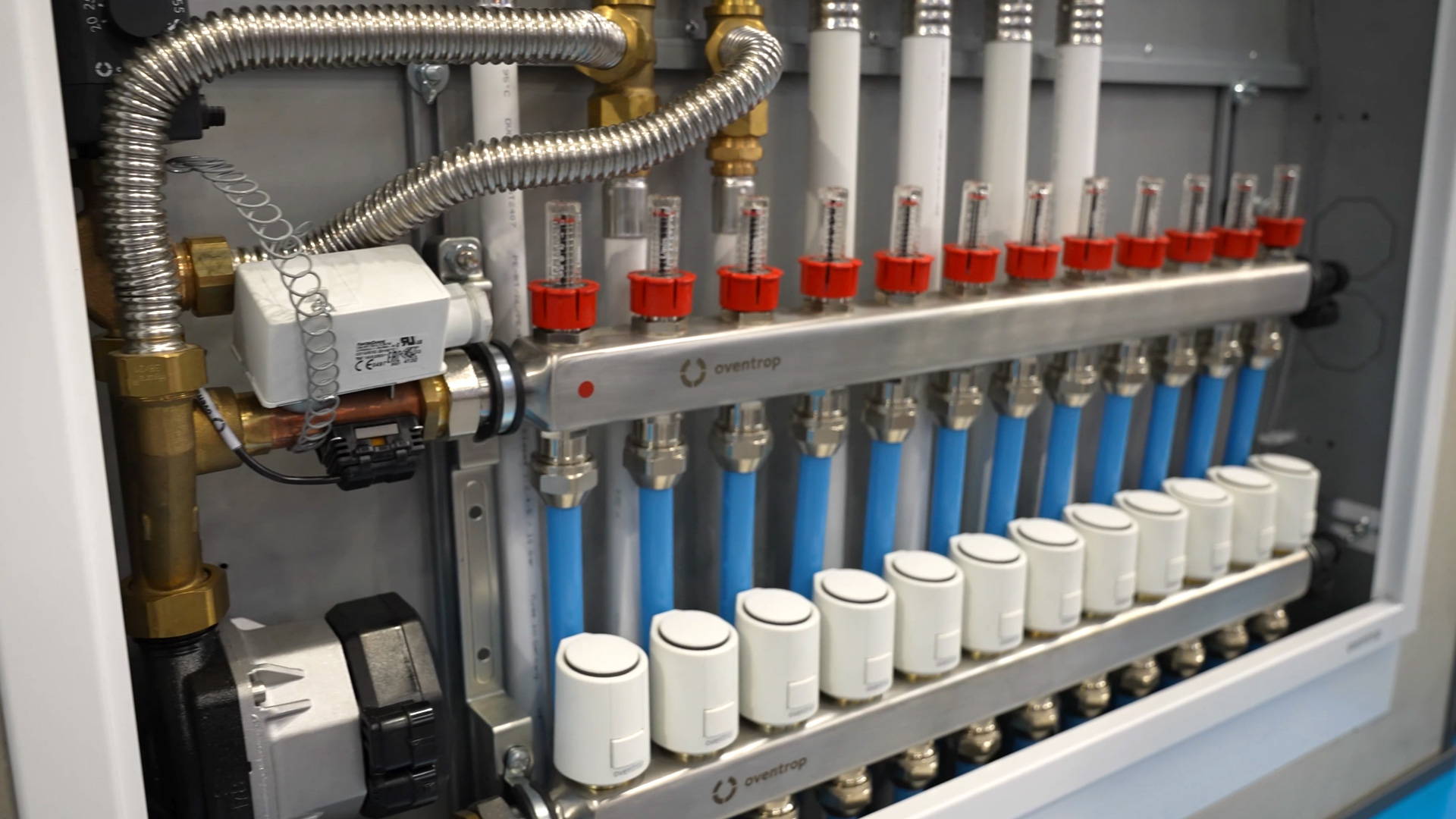
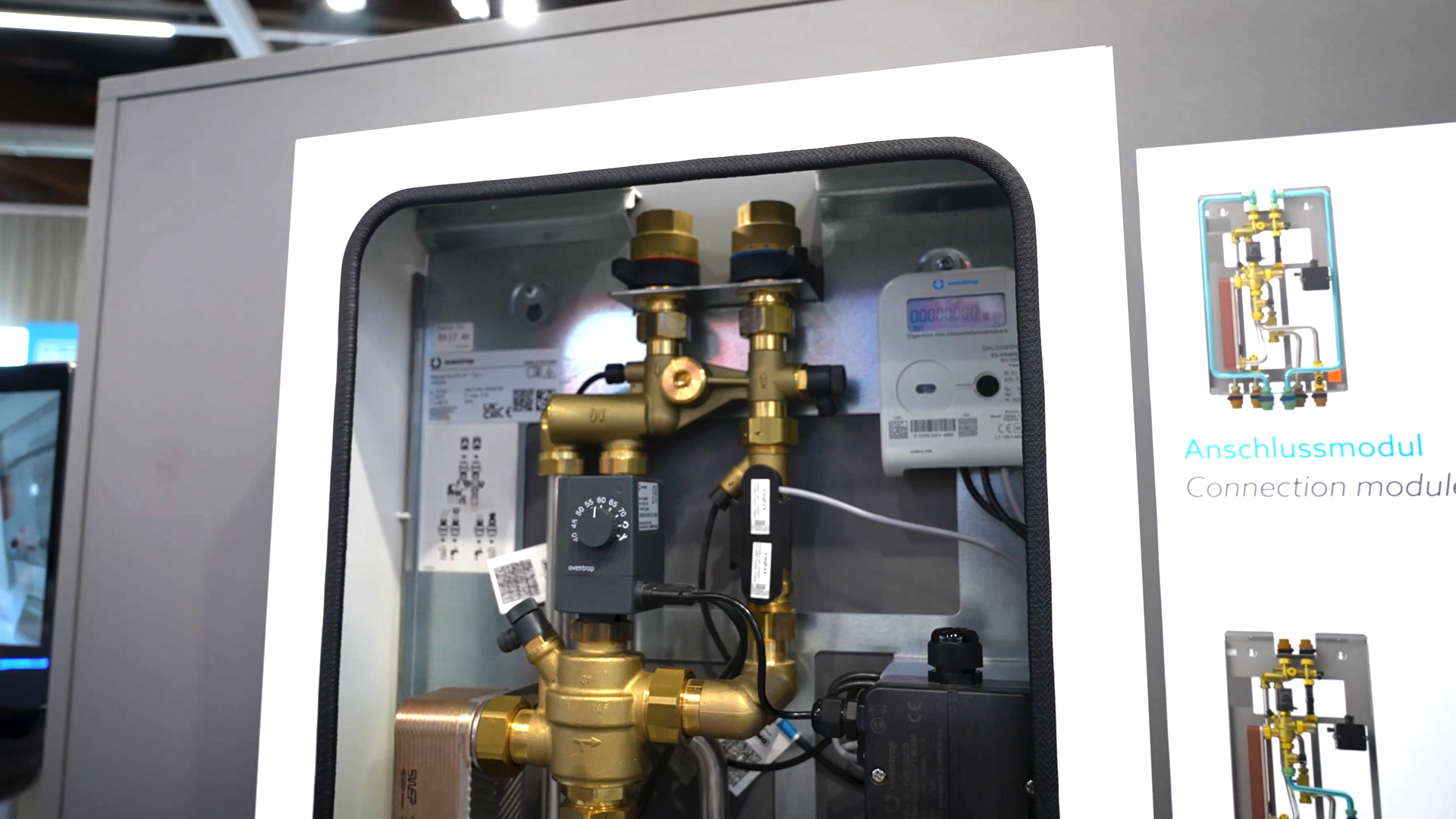
Home station combines heating and domestic hot water
The technology within the station fulfils two tasks simultaneously. On the one hand, heat is provided for space heating, for example for underfloor heating or other panel heating systems. On the other hand, the station provides domestic hot water. This is done via a plate heat exchanger. This means that hot water is not stored permanently, but only produced at the moment it is actually needed - for example when showering or washing up. This point in particular is hygienically relevant. Decentralised fresh water preparation means that the domestic hot water network within the home remains very small. Long pipe runs with permanently hot water are largely eliminated. The most important functions of the Regudis W-HTE can be summarised as follows:
- centralised heat supply with decentralised transfer
- Hot water preparation via plate heat exchanger
- suitable for heat pumps or district heating
- various output levels up to 25 litres of hot water per minute

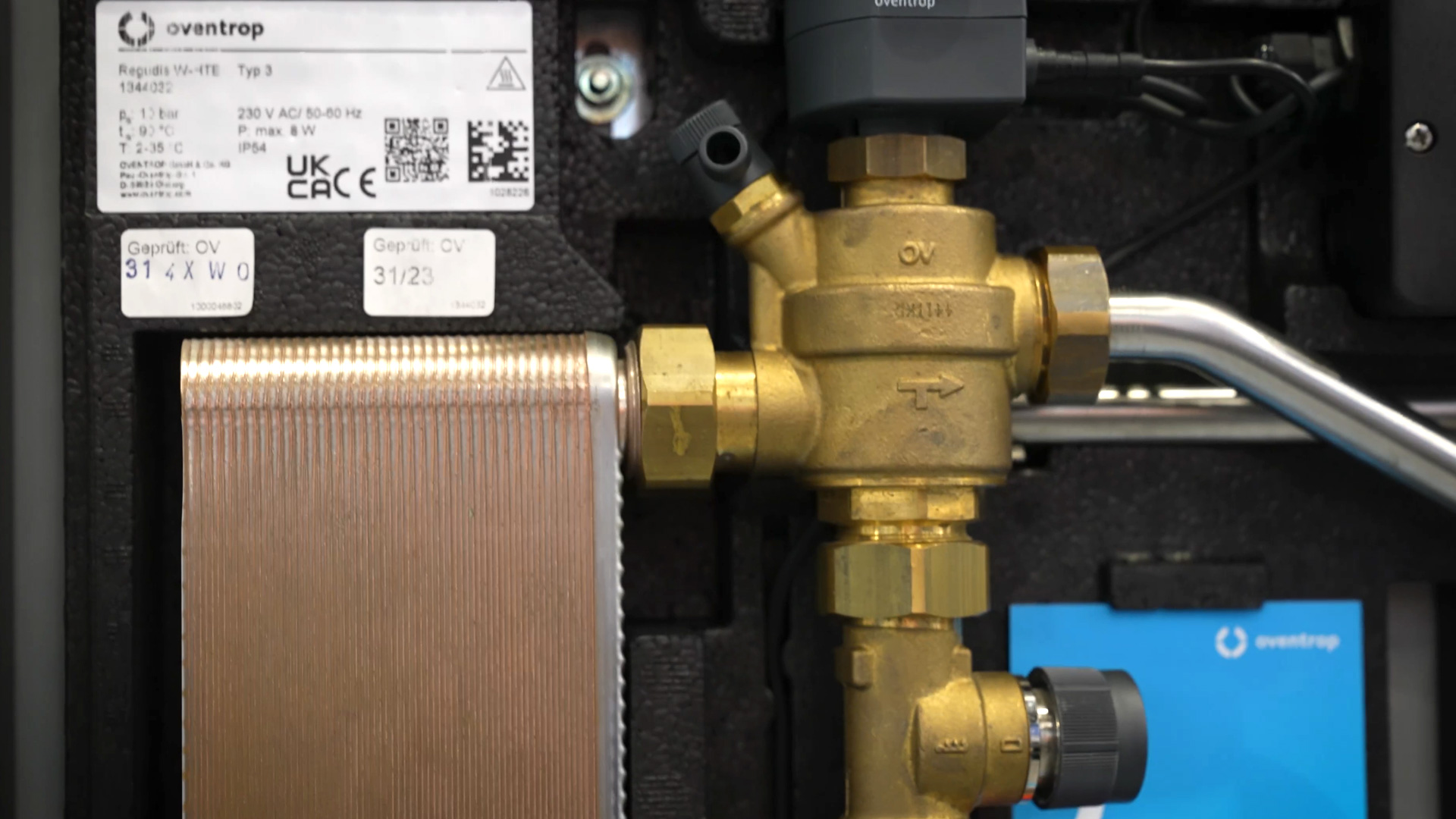
Replacing gas boilers with Regudis W-HTE GT in existing buildings
The special Regudis W-HTE GT version is particularly interesting. This variant was developed specifically for replacing existing gas boilers. The station is deliberately modelled on the form factor of classic wall-mounted boilers. While the standard station has a horizontal design, the GT version has a vertical design. This means that it can be installed in exactly the same place as the existing gas appliance. Existing connections remain largely usable. Cold water, hot water, heating flow and heating return correspond to the familiar pipework of previous gas boilers. A crucial point concerns the decommissioned chimneys. These can be used to install new heating pipes in the flats. This significantly reduces the cost of retrofitting. According to Oventrop, a residential unit can be retrofitted in around an hour - remove the gas boiler, install the home station and connect the connections.
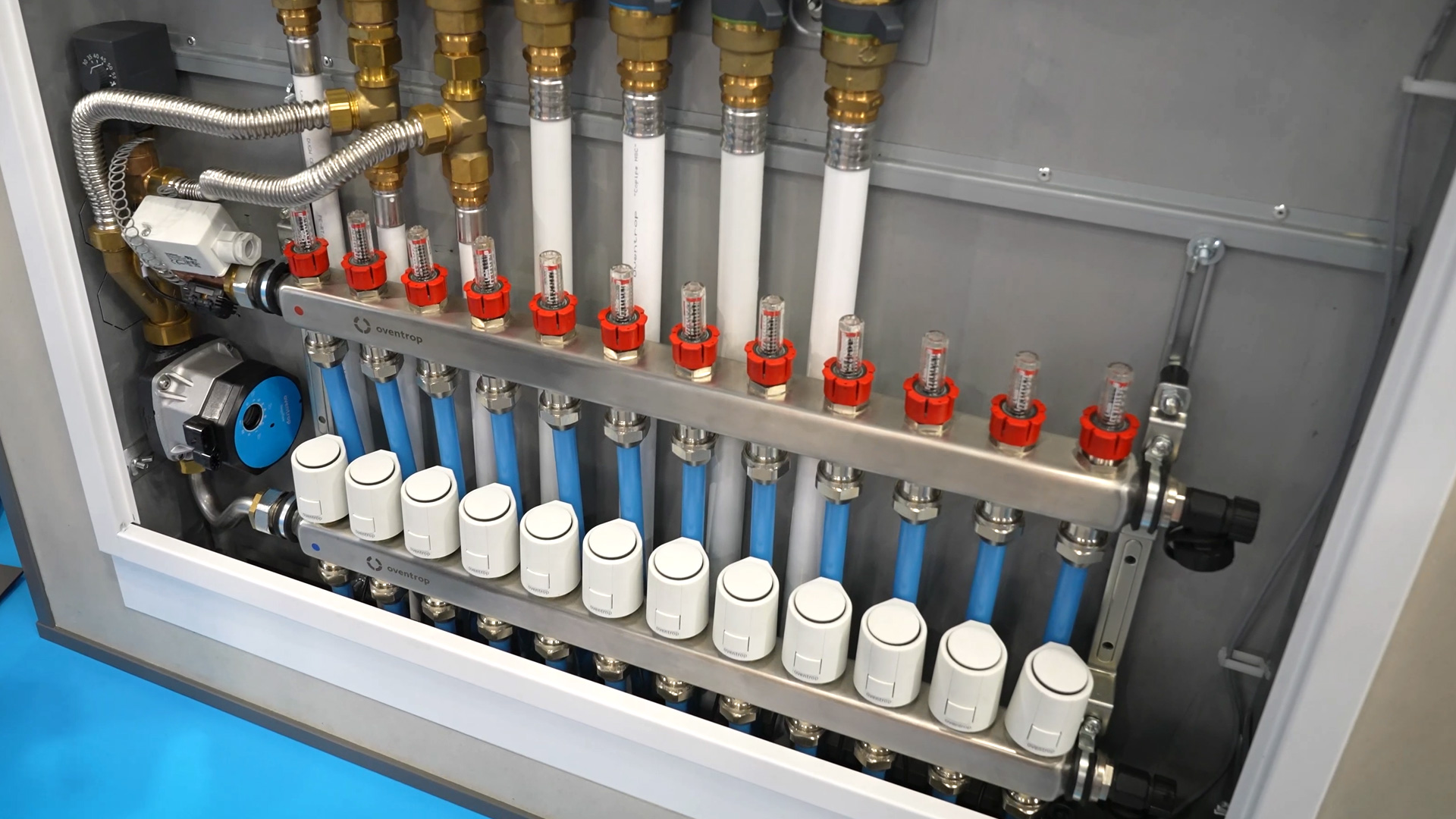
Home stations are becoming increasingly important in existing buildings
The market for such systems has been growing for years. The reasons for this lie not only in new heating technologies, but also in regulatory developments. Rising CO₂ costs and political pressure on fossil fuels are significantly changing the requirements in the building sector. This is creating a difficult situation for older apartment blocks in particular. Many buildings have decentralised gas boilers but no central heat supply. This is precisely where home stations come in. They make it possible to switch to centralised systems without having to completely redesign each flat. At the same time, individual heat supply and hot water preparation are retained. Oventrop also supports such conversions with planning services and software for designing heat generators, buffer tanks and pipe networks. This planning is particularly crucial in existing buildings, as existing building structures often only allow limited intervention.
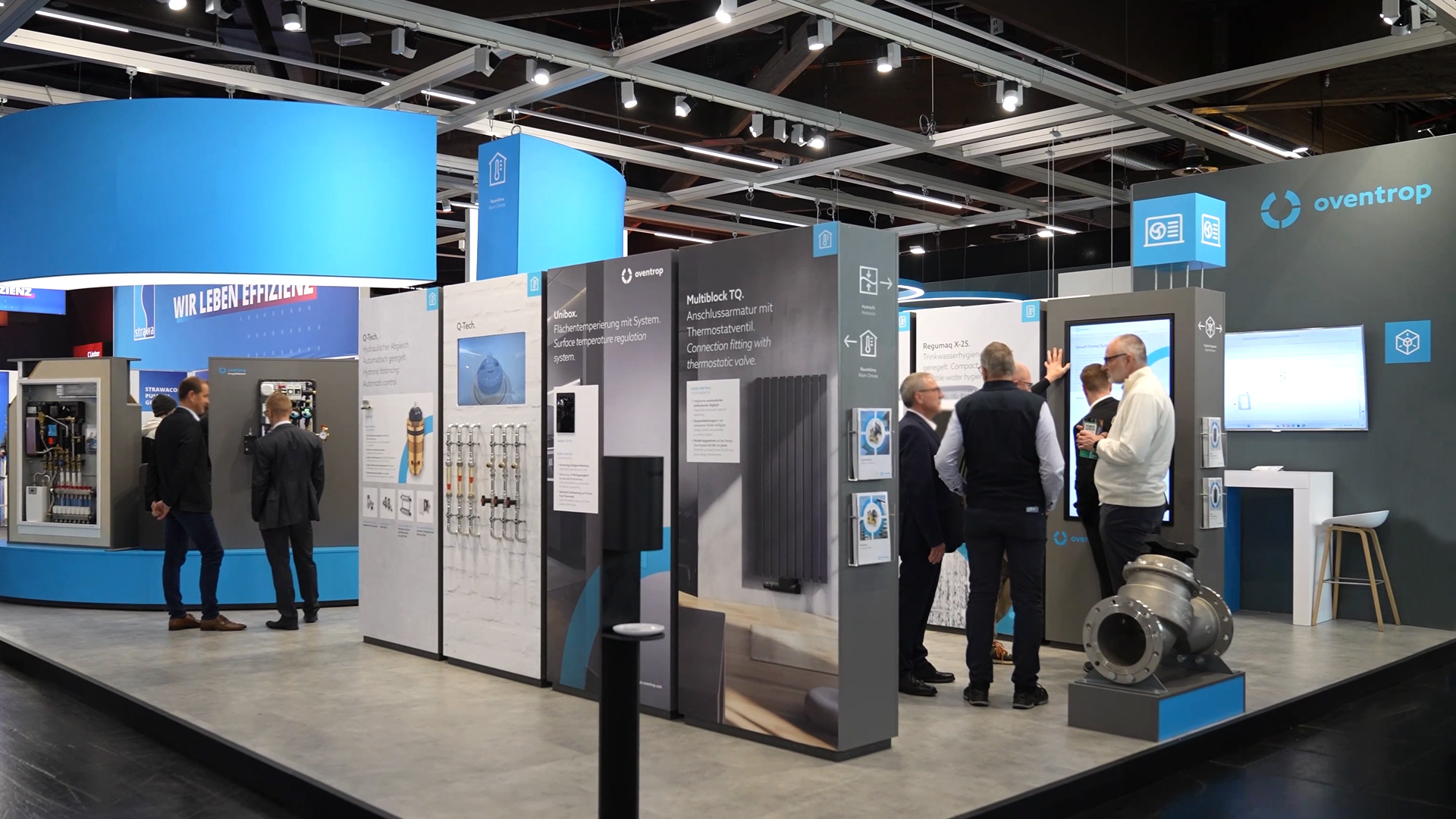
Centralised heat supply is changing residential construction
The development shows a fundamental change in building technology. While it used to be common to have many small heat generators within individual flats, technology is increasingly shifting to centralised supply systems. Home stations form the interface between centralised generation and individual use. They enable compact heat transfer within the home and at the same time reduce the technical outlay per unit. Their importance is likely to continue to grow, particularly in connection with heat pumps and district heating. This is because the more buildings are supplied centrally, the more important efficient and hygienic distribution within the individual residential units becomes. The Regudis W-HTE series shows how existing building structures can be adapted to this development - not through completely new buildings, but through targeted technical retrofitting in existing buildings.
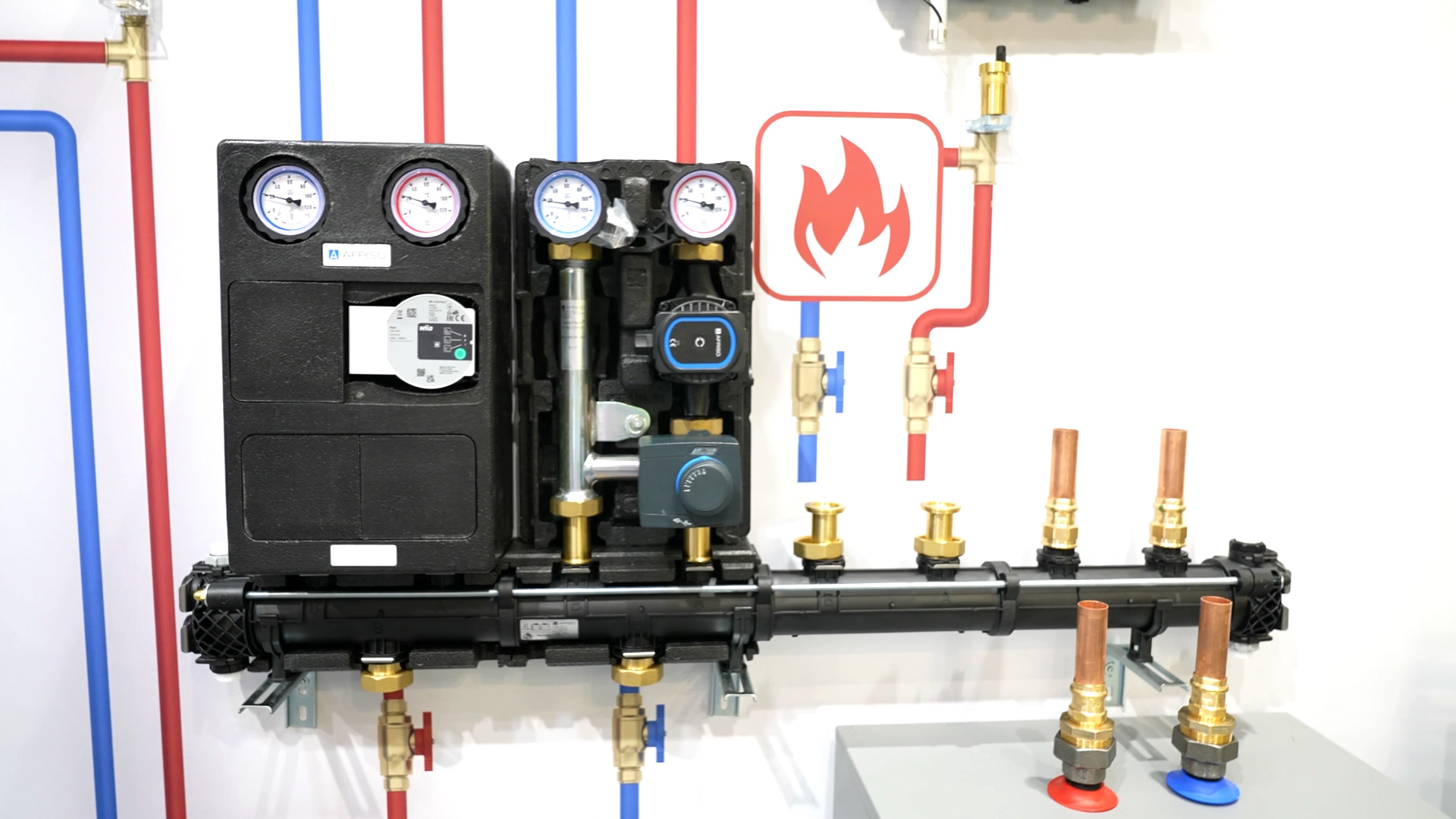
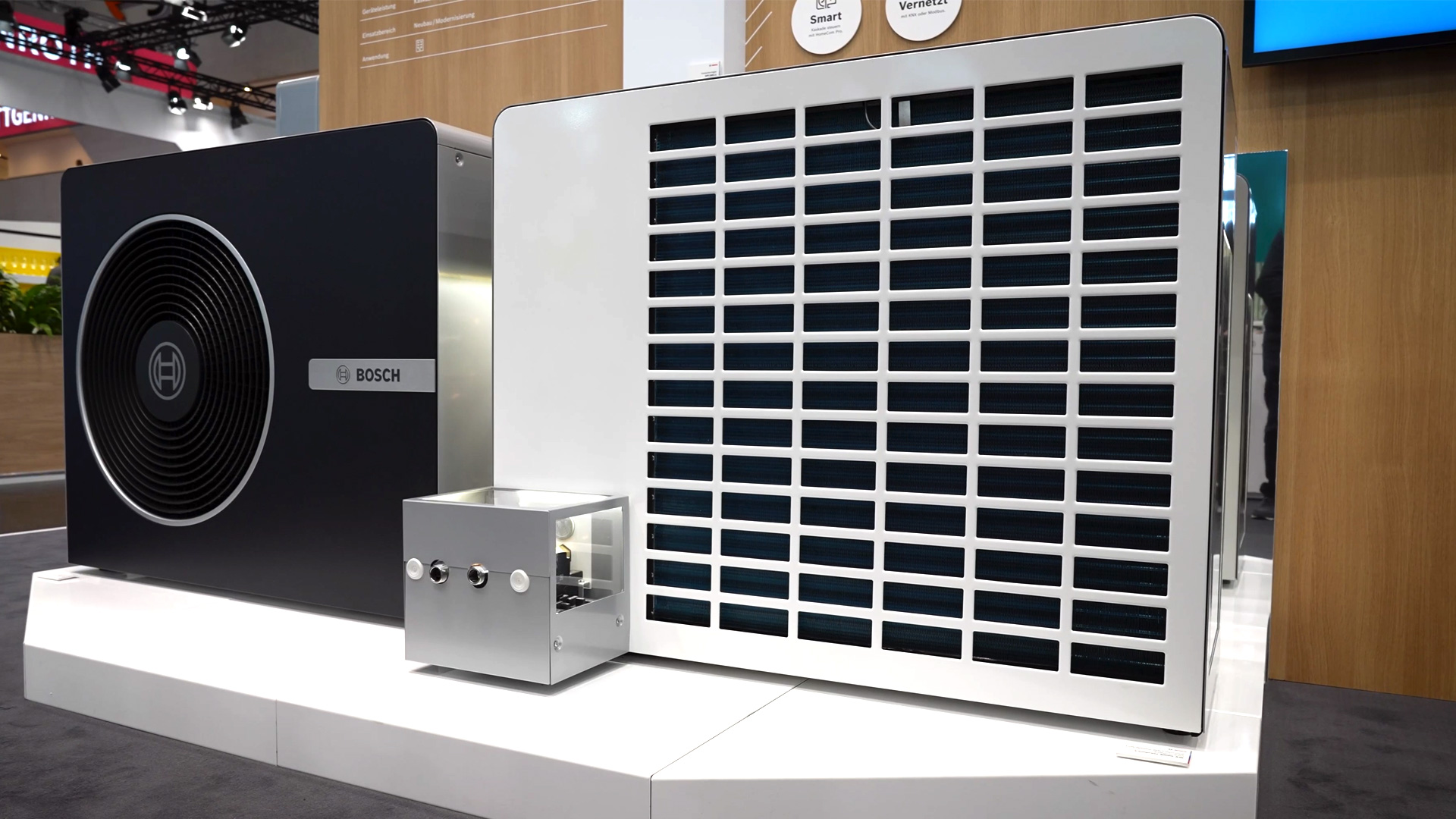
Trade fair reporting Germany - Trade fair knowledge, dates & events


