Digital level indicator for water cistern with app
by B. Velonavy - 2026-04-24The control of water resources in both private and commercial environments is often organised surprisingly imprecisely. In the case of cisterns in particular, the fill level is often still assessed manually or using simple mechanical displays.
With a digital level indicator, this process shifts significantly towards precise measurement and permanent availability of data. Essentially, this is not a completely new measurement technology, but a combination of proven sensor technology and digital evaluation. The actual innovation lies less in the measuring principle than in the way in which information can be provided and utilised.
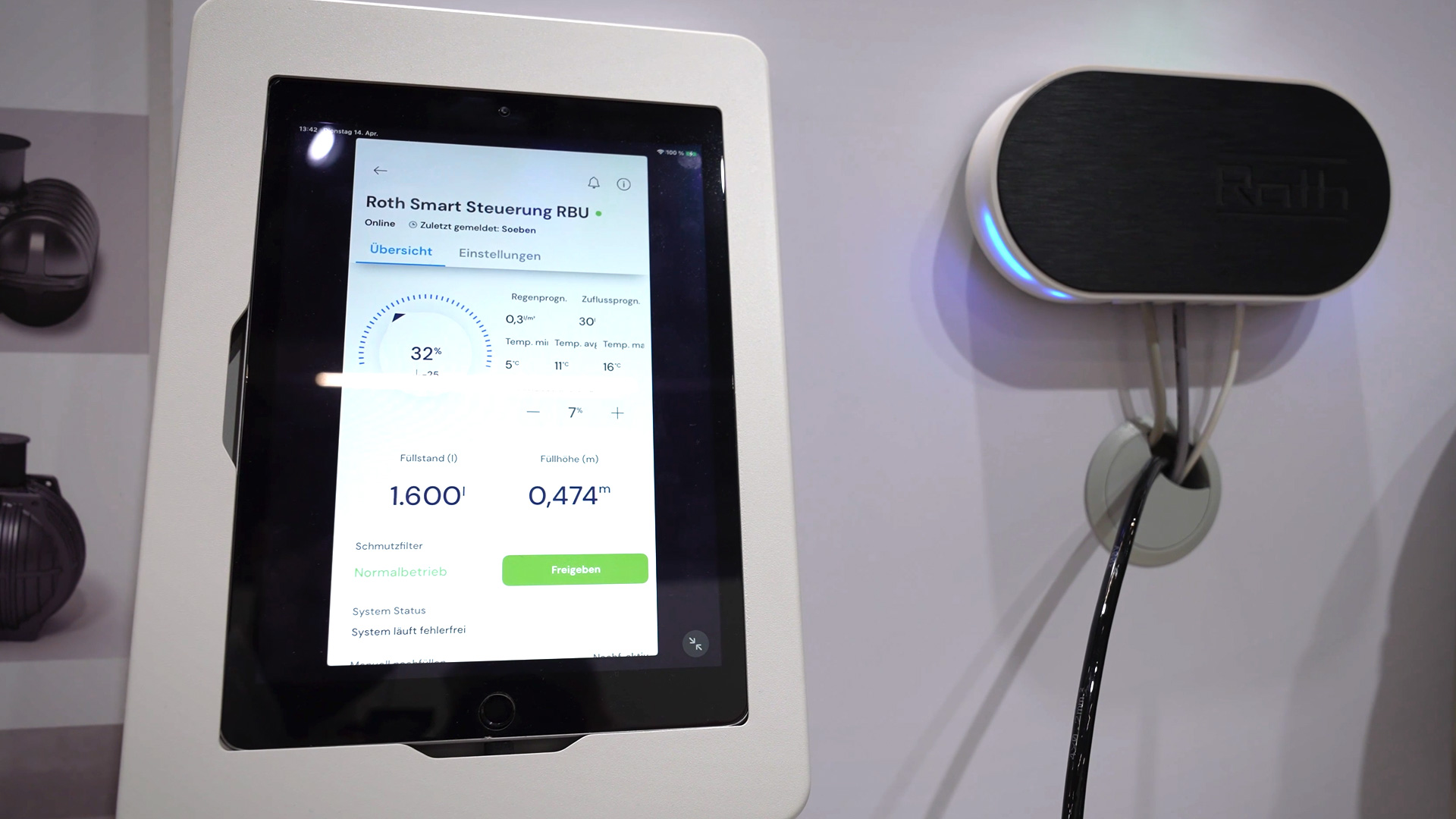

Roth level indicator for water cisterns with digital evaluation
The Roth system is based on a pressure sensor that measures the hydrostatic pressure of the water column. This physical approach has been established for a long time, as it works reliably regardless of the shape or installation position of the cistern. Whether installed above or below ground, the measurement is based on the weight of the water acting on the sensor. The sensor signal is processed in the device itself and converted into specific fill level values using stored characteristic curves. Users therefore not only receive a percentage display, but also an exact indication of the fill level. This differentiation is particularly relevant when water reserves need to be specifically controlled or scheduled. The display is shown directly on the device or alternatively via digital interfaces. This makes the classic trip to the cistern superfluous, as all relevant information is available at all times.
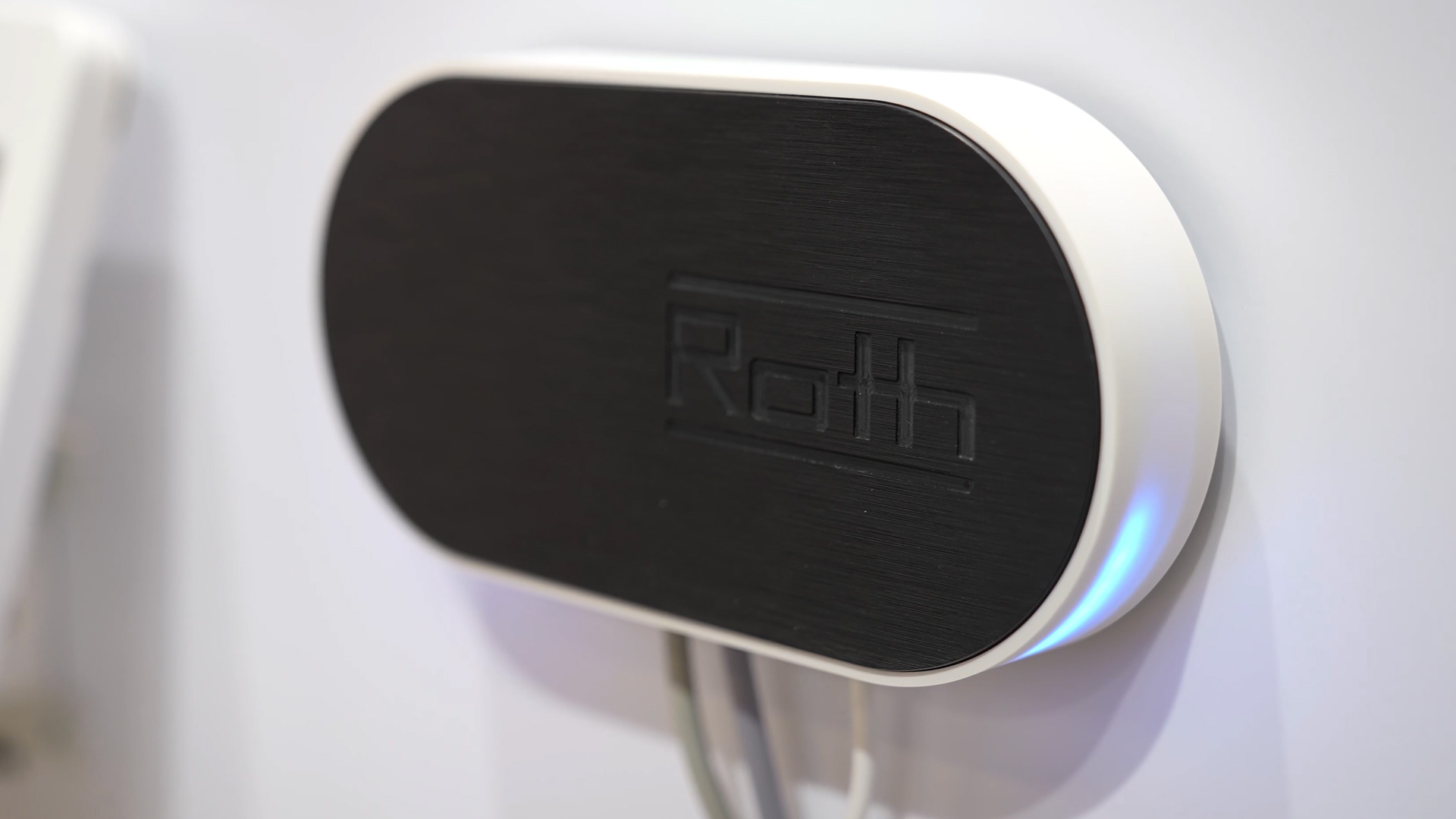
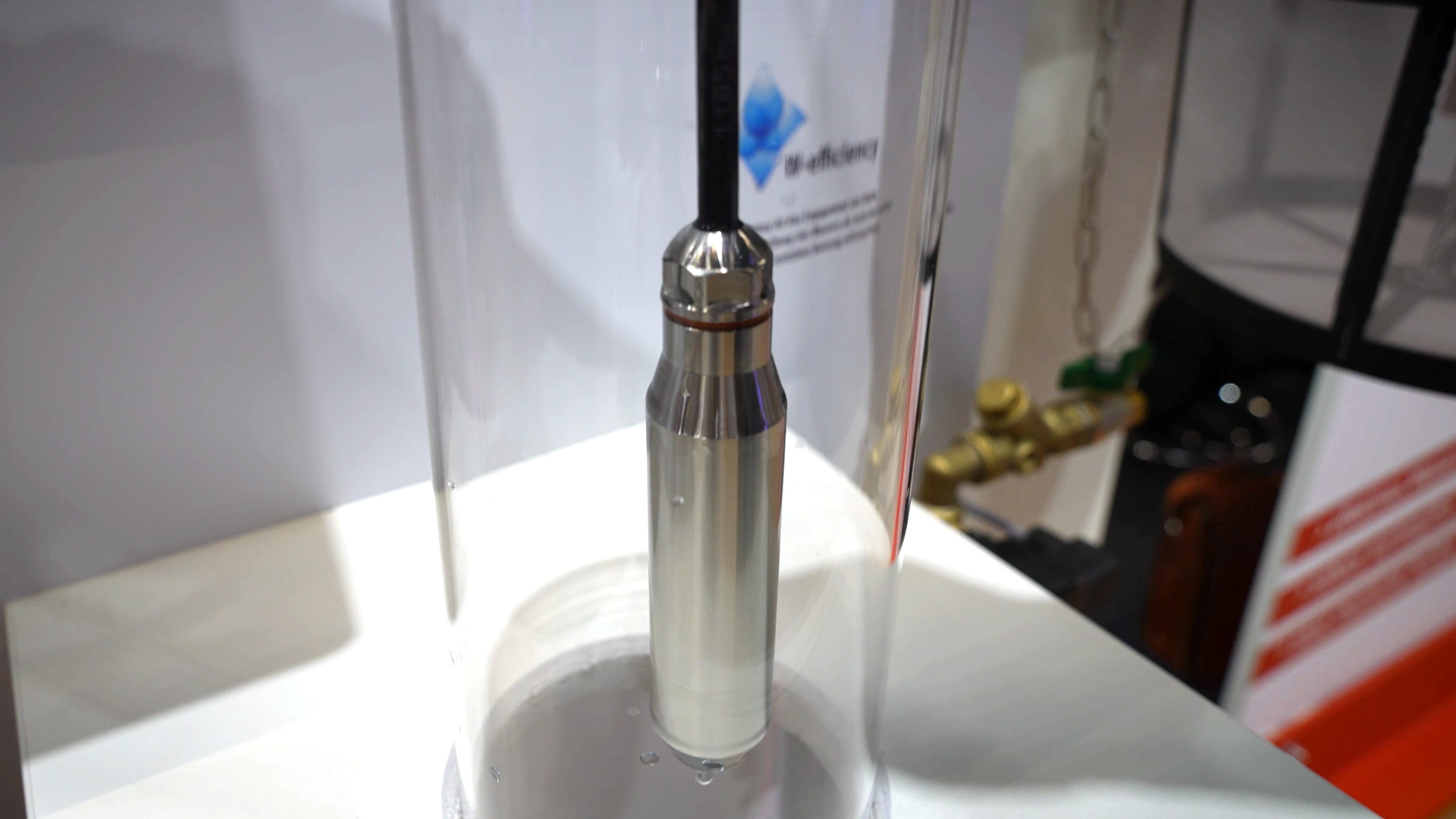
Pressure sensor as the basis for level measurement
From a technical point of view, the basis is deliberately kept simple. The pressure sensor continuously measures the load from the water column and transmits this data to the evaluation unit. There it is compared with predefined fill level curves. These curves take into account different tank geometries and enable precise conversion into actual fill levels. The advantage is that no complex mechanical components are required. At the same time, the susceptibility to wear or incorrect measurements is reduced. The measuring chain can be clearly structured:
- Detection of the water pressure by the sensor
- Transmission of the signal to the evaluation unit
- Conversion via stored fill level curves
- Display as a percentage value and fill level

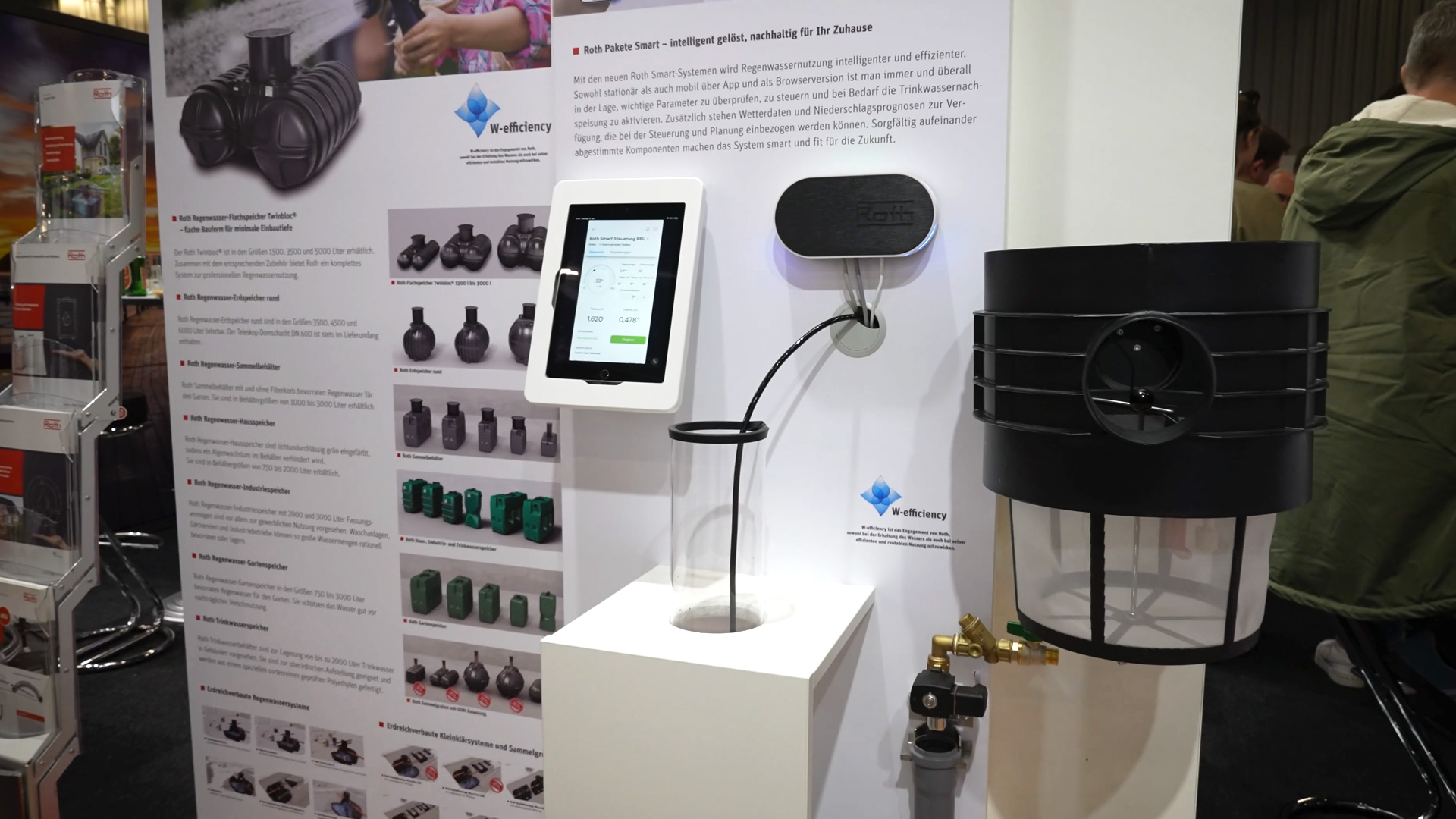
App control and display on mobile phone and computer
The real added value comes from the digital extension. The fill level data can not only be read locally, but also displayed on a smartphone or computer via an app. This makes access independent of location. Users can check how much water is currently available at any time without having to be on site. This function significantly changes usage. Cisterns are no longer only checked when required, but can be actively integrated into planning. It is worth noting that the app can be used at no additional cost. There are no in-app purchases or limited functions. All relevant data is directly available, which lowers the barrier to entry, especially in a private environment.
Filter monitoring as an extension of the fill level indicator
In addition to pure level measurement, the system extends its functionality to include filter monitoring. This approach addresses a practical problem: Filters in cistern systems become clogged over time, for example by leaves or pollen. The system recognises this condition indirectly via the behaviour of the water. If the water level in the filter area rises and the water no longer flows correctly into the tank, this is interpreted as a signal for a blockage. In this case, a corresponding message is issued. The advantage is that maintenance is carried out as required. Instead of checking at fixed intervals, the filter can be cleaned or replaced exactly when it is actually necessary. This reduces costs and at the same time improves the operational reliability of the system.
Use in private households and industrial applications
The solution is primarily aimed at private households where rainwater is collected and utilised. Here in particular, the combination of simple installation and digital control offers direct benefits. At the same time, the system also opens up prospects in the industrial environment. Several systems can be monitored in parallel. Filling levels can be compared, limit values defined and messages analysed via central displays. This is particularly relevant for larger systems in which several tanks are operated simultaneously. Here, digital networking creates a new level of transparency that goes beyond simple individual displays.
Digital monitoring as a development step in water technology
The solution presented is an example of a development that is becoming visible in many areas of building technology. Sensor technology is no longer only used for selective measurement, but as part of continuous monitoring. The focus is shifting from pure data acquisition to the usability of the information. The decisive factor is not just that a value is measured, but that it is available at all times and can be translated into specific actions. The digital level indicator demonstrates precisely this transition. It combines established measurement technology with modern data availability and thus expands the possibilities for dealing with water resources. This combination is becoming increasingly relevant, especially in times of rising demands for efficiency and sustainability.
Trade fair reporting Germany - Trade fair knowledge, dates & events


