Bosch CS 8800iAW heat pump for efficiency and performance
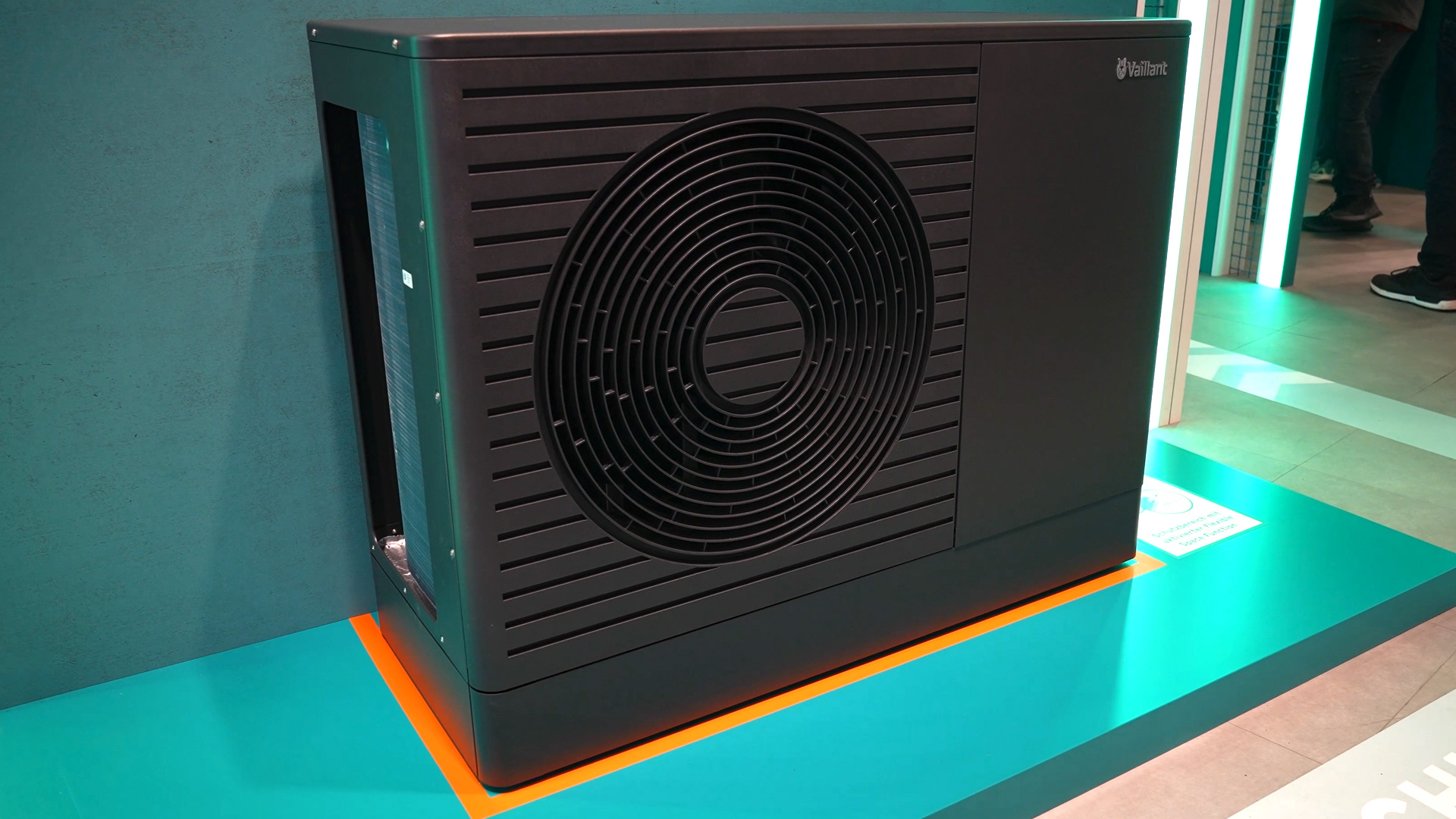
by B. Velonavy - 2026-04-17The heat pump is at the centre of a development that is fundamentally changing the heating market. With the CS 8800iAW, Bosch is presenting a system that is specifically designed for higher output ranges, better efficiency values and simplified installation.
The new generation of appliances not only expands the performance range, but also responds to changing requirements in existing buildings and apartment blocks. Essentially, the aim is to take heat pumps out of the role of a new-build solution. Systems such as the CS 8800iAW will increasingly replace conventional heating technology - even where high flow temperatures were previously required.
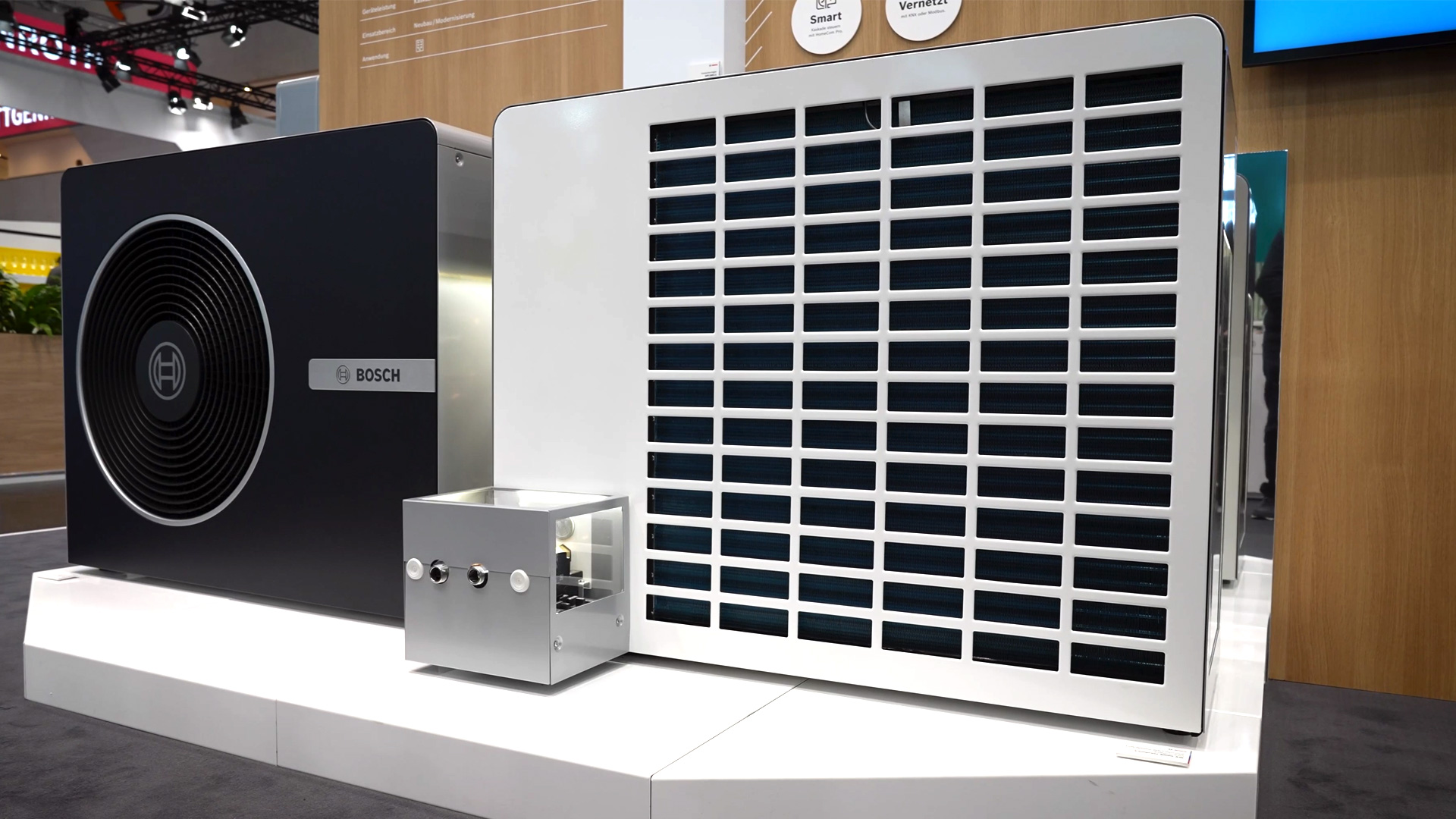

Bosch CS 8800iAW with extended output range
The most striking innovation is the increased output. Whereas previous appliances were designed for up to around 12 kW, the new series now covers 11, 13 and 15 kW. This significantly shifts the application range. The heat pump can no longer only be used in single-family homes in new builds, but is now also becoming more popular for renovations and larger buildings. This expansion is not an isolated step, but part of a broader development. Higher outputs are a prerequisite for replacing existing heating systems without having to rebuild the entire building technology. In existing buildings in particular, this often determines the economic feasibility.
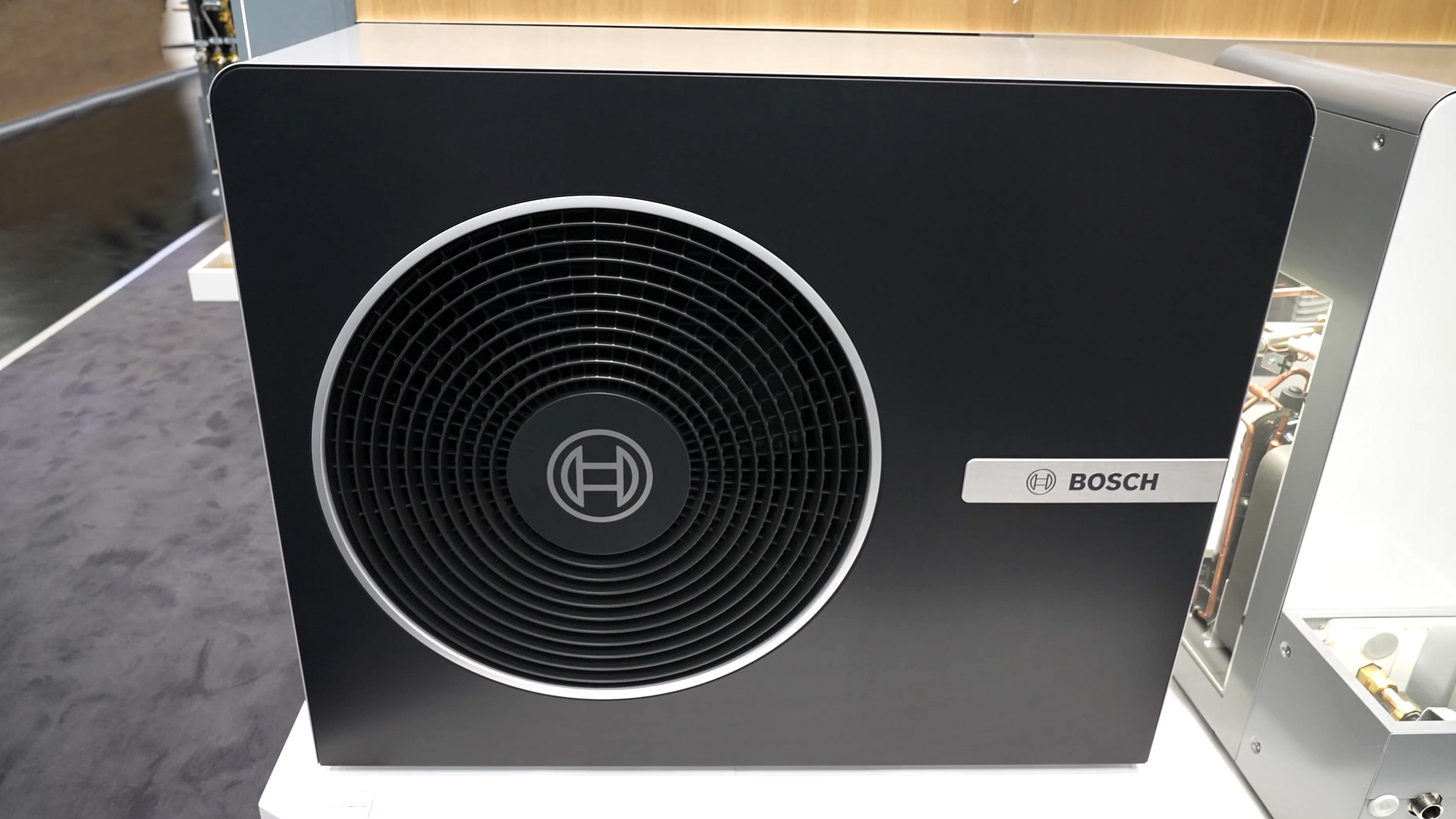
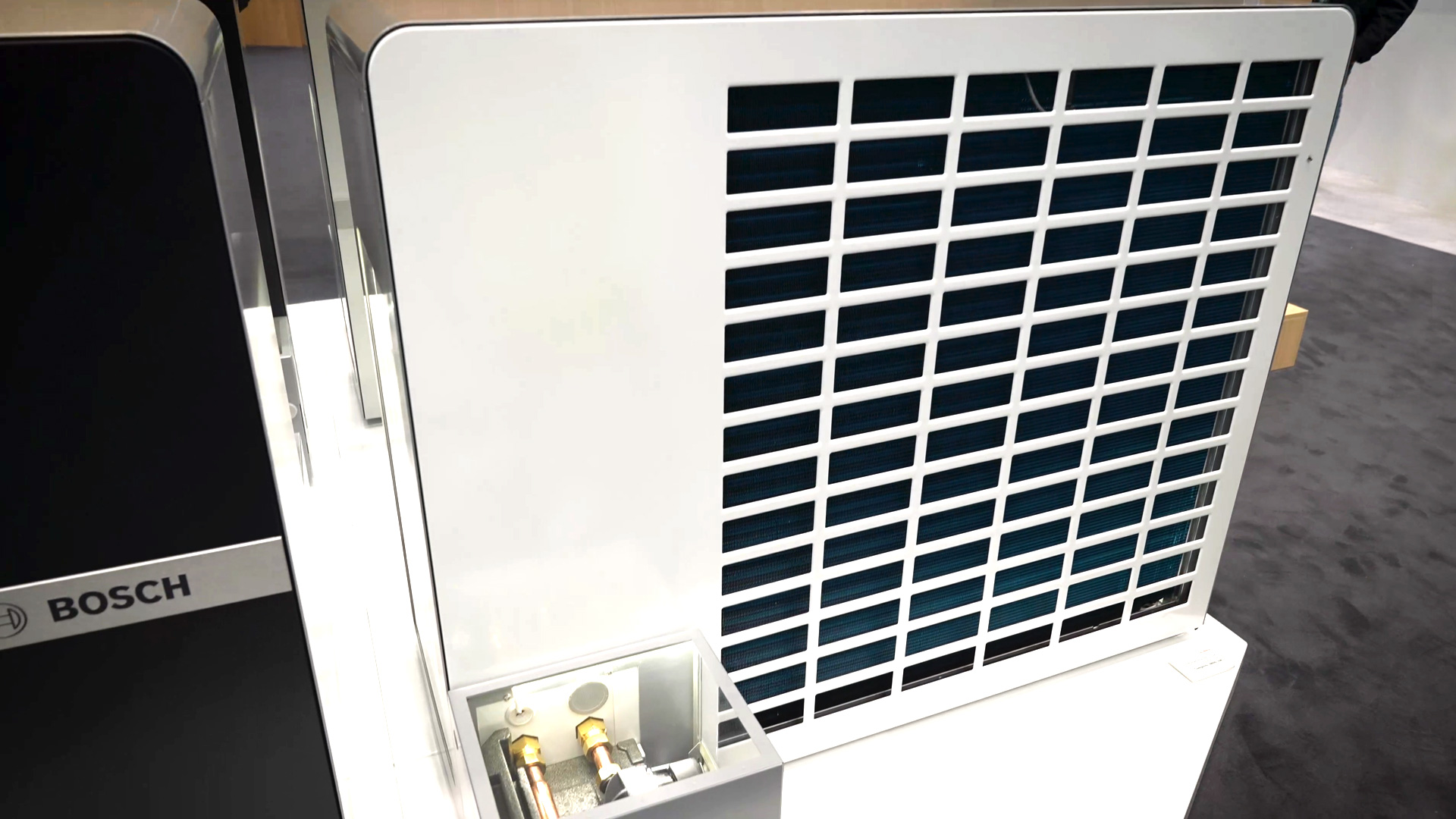
Optimised cooling circuit and efficiency class A+++
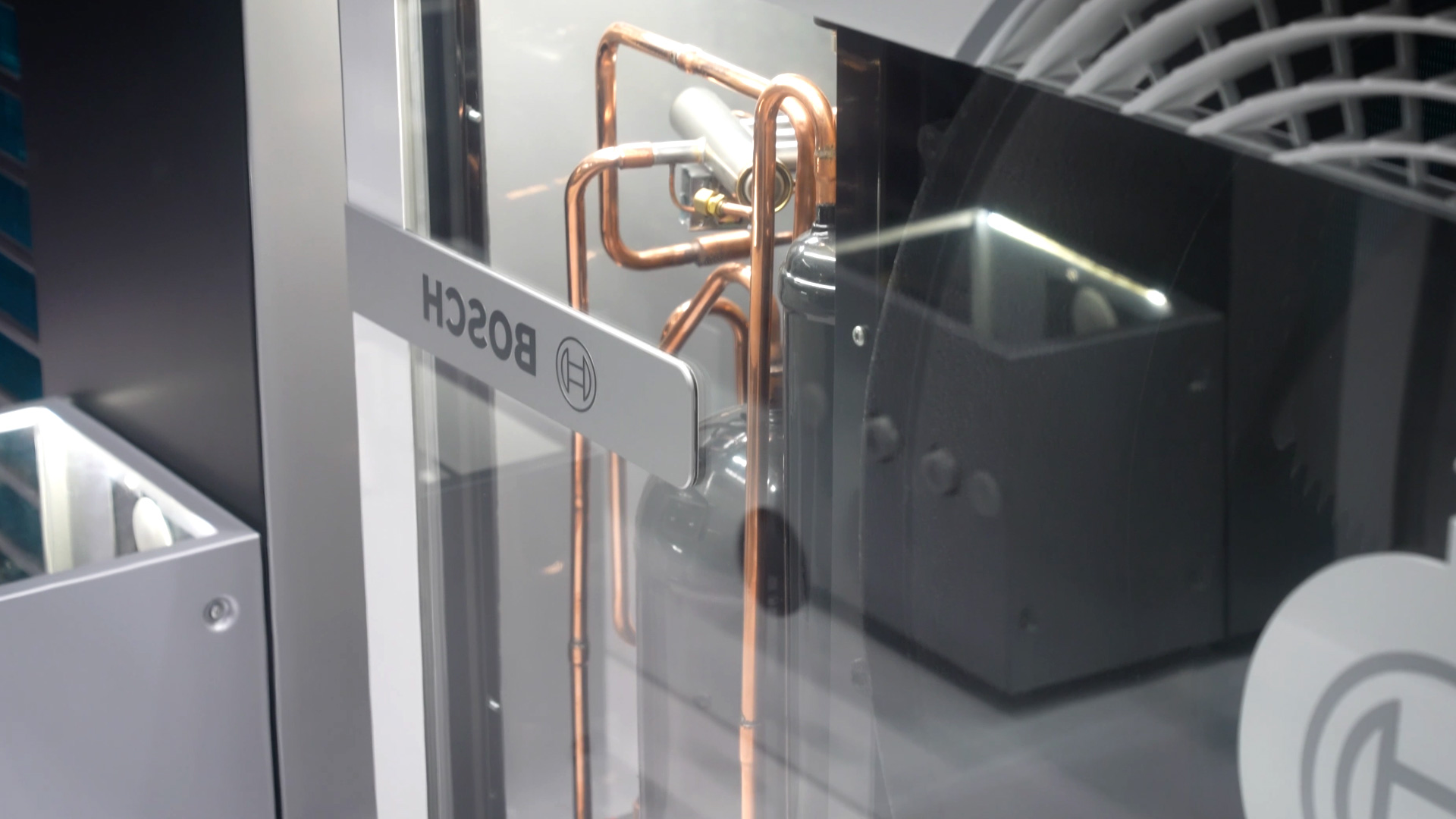
A key technical feature is the optimised refrigeration circuit. It ensures that the system achieves high efficiency values - regardless of whether it is operated with conventional radiators or underfloor heating. In both cases, the system achieves efficiency class A+++, which is currently the highest rating. This combination is crucial because it expands the possible applications. While heat pumps have long been associated primarily with low system temperatures, a different approach is emerging here: higher flow temperatures combined with high efficiency. This is particularly relevant for refurbishments where existing radiators are to continue to be used.

Cascade solution for apartment blocks and higher output
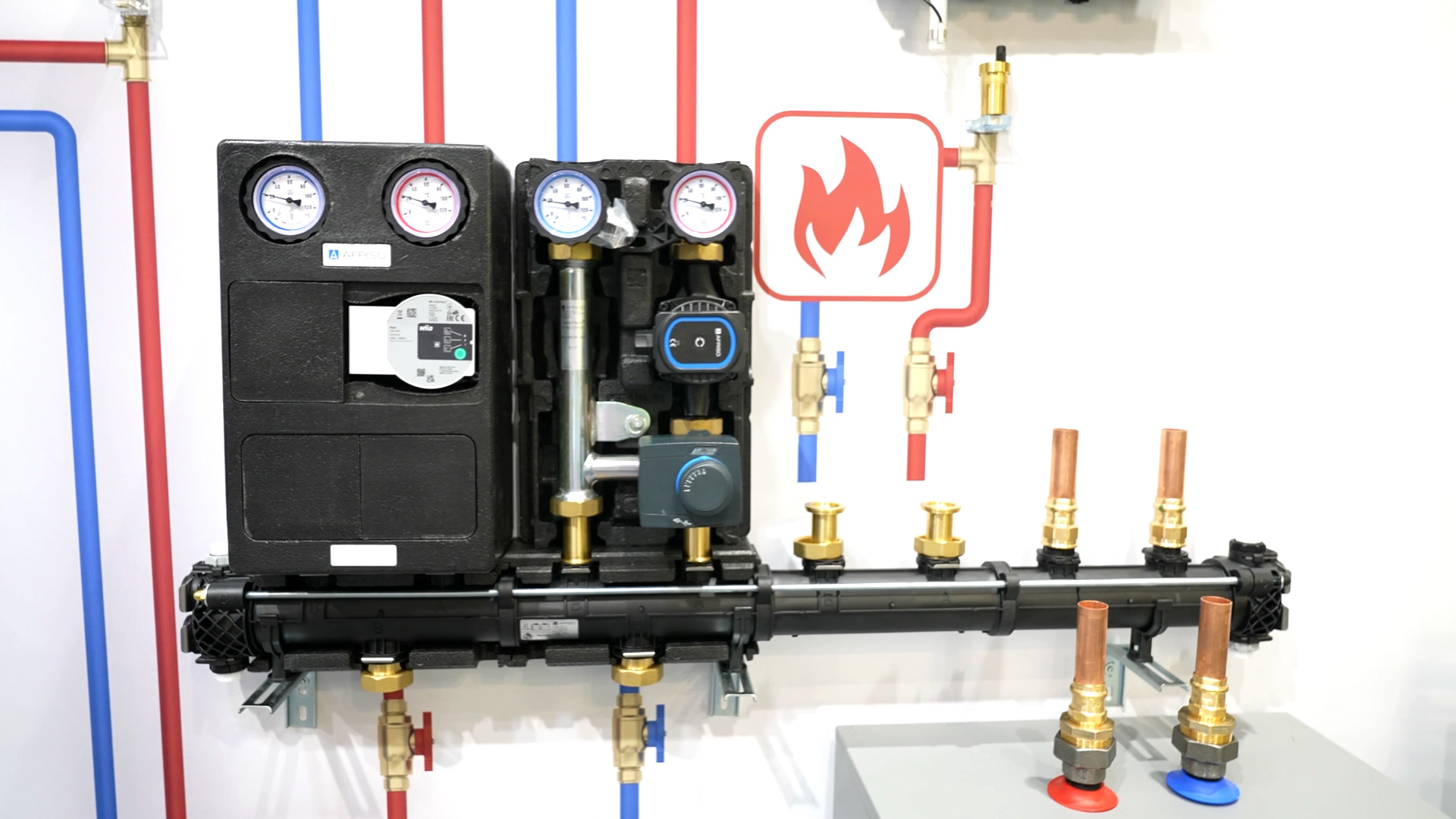
Another focus is on the cascadability of the system. Several devices can be connected together to achieve output ranges of around 15 to 45 kW. This also makes the heat pump an interesting option for medium-sized apartment blocks. This is technically realised via a cascade pump module in which the primary circuit pump is integrated. This module allows flexible pipework. Pipes can either be bundled in the boiler room or brought together outside. For larger systems with several appliances in particular, this significantly reduces the amount of construction work required, for example when core drillings are necessary. The structure of such a system can be clearly summarised:
- Cascading several outdoor units for higher total output
- Centralised consolidation of the lines inside or outside
- Cascade pump module with integrated pump group
- Reduced installation effort for larger systems
Centralised controller reduces installation costs
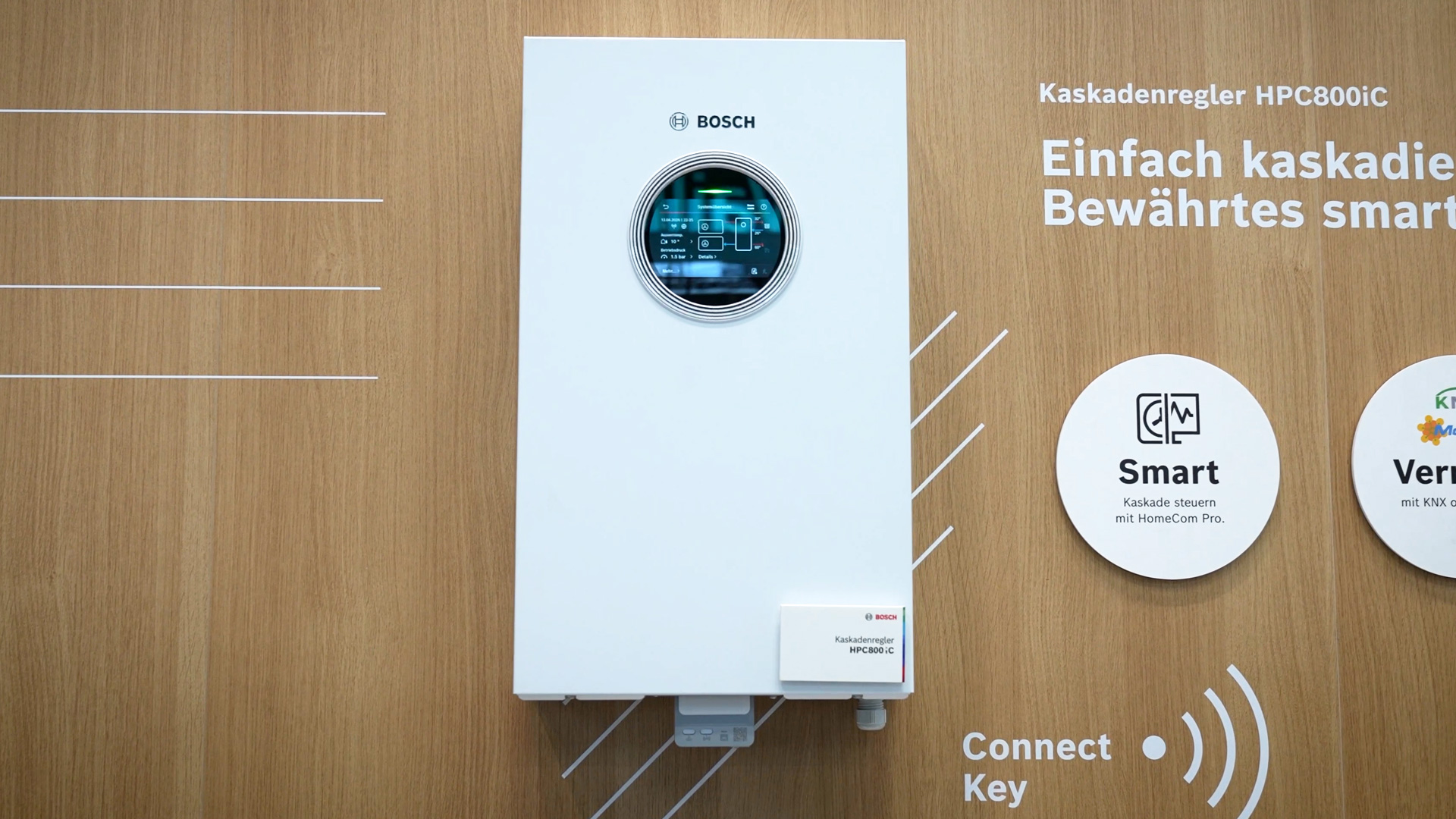
A significant difference to many other solutions lies in the design of the controller. Instead of providing a separate indoor unit for each outdoor unit, Bosch relies on a centralised controller in the boiler room. Regardless of whether two, three or, in future, up to six devices are combined, control remains centralised. This has several consequences. Firstly, installation costs are reduced because fewer components need to be installed. Secondly, the configuration of the overall system is also simpler. This is a practical advantage, especially for more complex systems with several heat pumps, which is noticeable in everyday life. In addition, components such as non-return valves are already integrated into the modules. This reduces sources of error during installation and ensures more stable operation of the system when several devices interact.
Focus on installation and standardisation
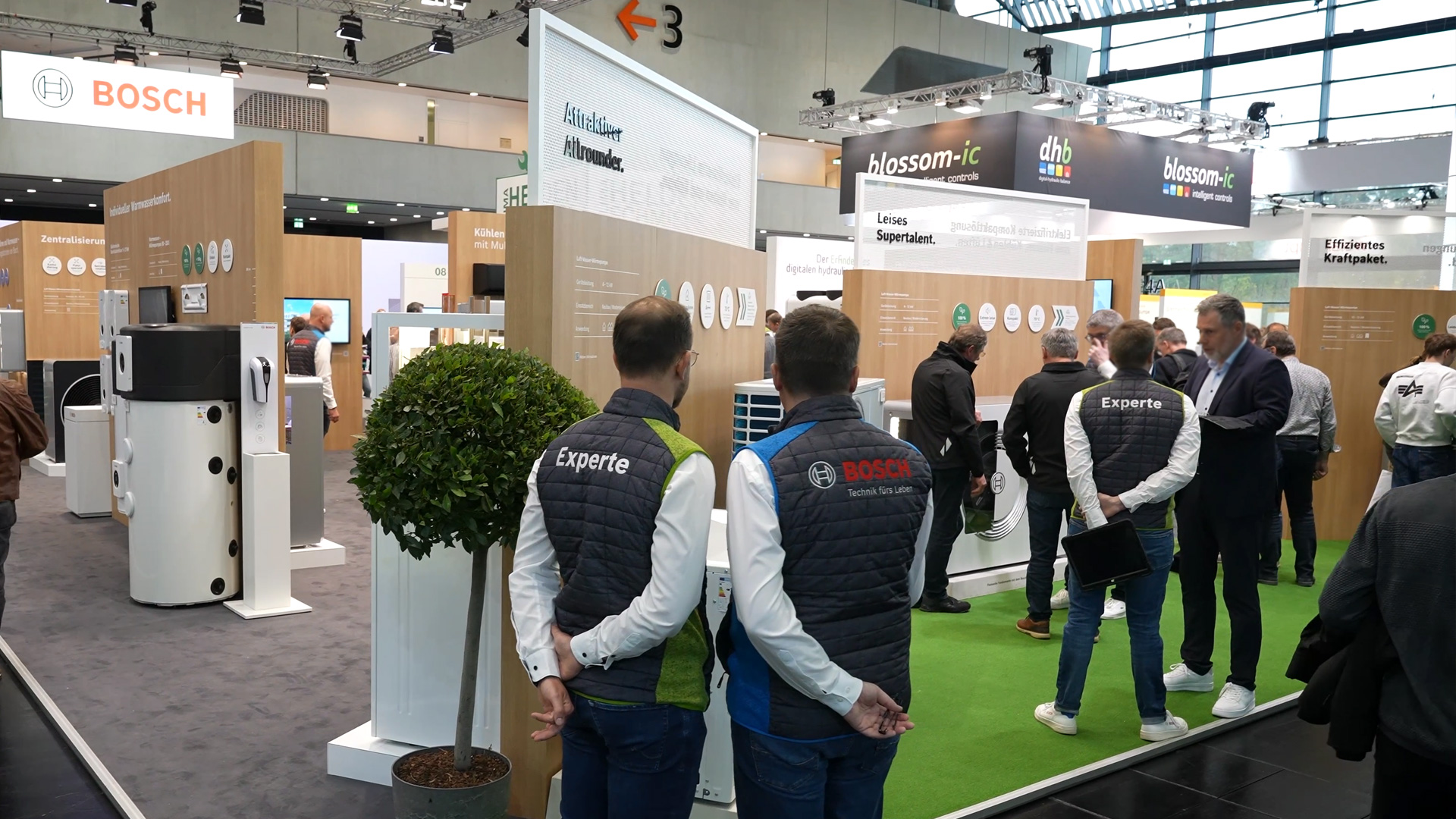
In addition to the technology itself, Bosch is deliberately focussing on installation. Prefabricated modules and a standardised system architecture are intended to reduce the workload for specialist companies. The aim is to make the heat pump not only more efficient, but also easier to implement. This applies in particular to companies that have primarily worked with conventional heating systems to date. The clearer and more structured the installation is, the faster new technologies can be integrated into day-to-day work. This aspect plays a central role, especially in the context of increasing demand.
Market development between energy prices and regulation
The increasing spread of heat pumps is not driven by technology alone. Rising energy costs and geopolitical uncertainties mean that many users want to become less dependent on fossil fuels. At the same time, regulatory requirements - for example as part of European climate targets - are setting clear framework conditions for the conversion of heating technology. Germany is regarded as an important market, but momentum is also increasing in other European countries. Systems such as the CS 8800iAW are designed to reflect this development: as a replacement for existing gas heating systems, as a solution for refurbishments and as a scalable system for larger buildings. Ultimately, it is not a single feature that determines the success of such systems, but the interplay of performance, efficiency and feasibility. This is precisely where the new generation comes in - with a clear focus on technical adaptability and practical application in everyday life.
Trade fair reporting Germany - Trade fair knowledge, dates & events


