Heating valves, thermostatic heads and smart heating systems
by J. Groh - 2026-04-20The control of heat in buildings is often not decided at the heat source, but in the distribution. Heating valves and thermostatic heads play a central role in this.
They regulate the flow rate, react to temperature changes and ensure that the energy generated reaches where it is needed. This is precisely where the system on show comes in: it combines classic valve technology with digital solutions for more precise and flexible control. The focus is on the question of how hydraulics can be operated stably and efficiently in water-based systems. Because even modern heat generators lose effectiveness if the distribution in the system is not properly harmonised.
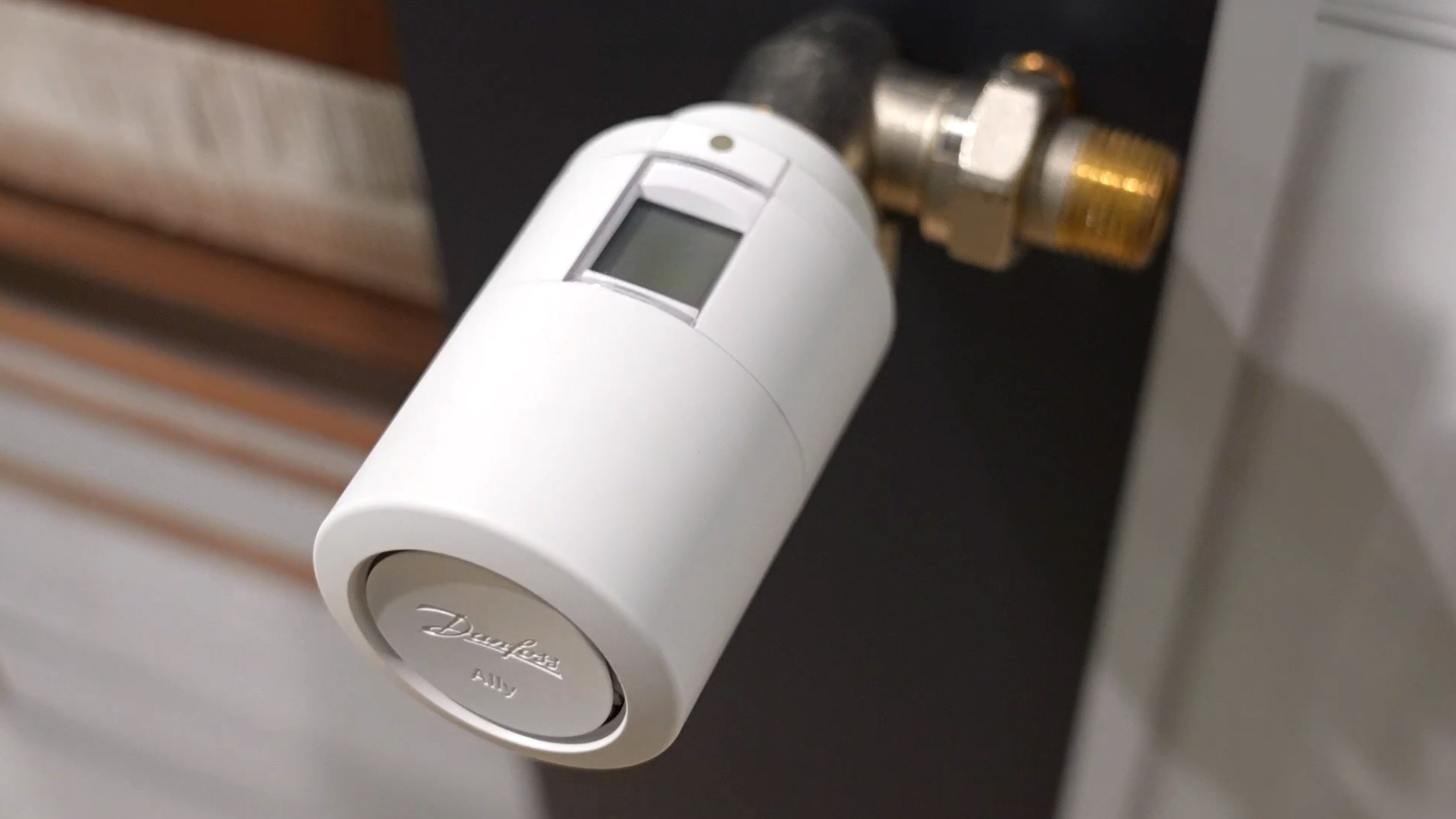

Danfoss valves and RA-DV for stable hydraulics
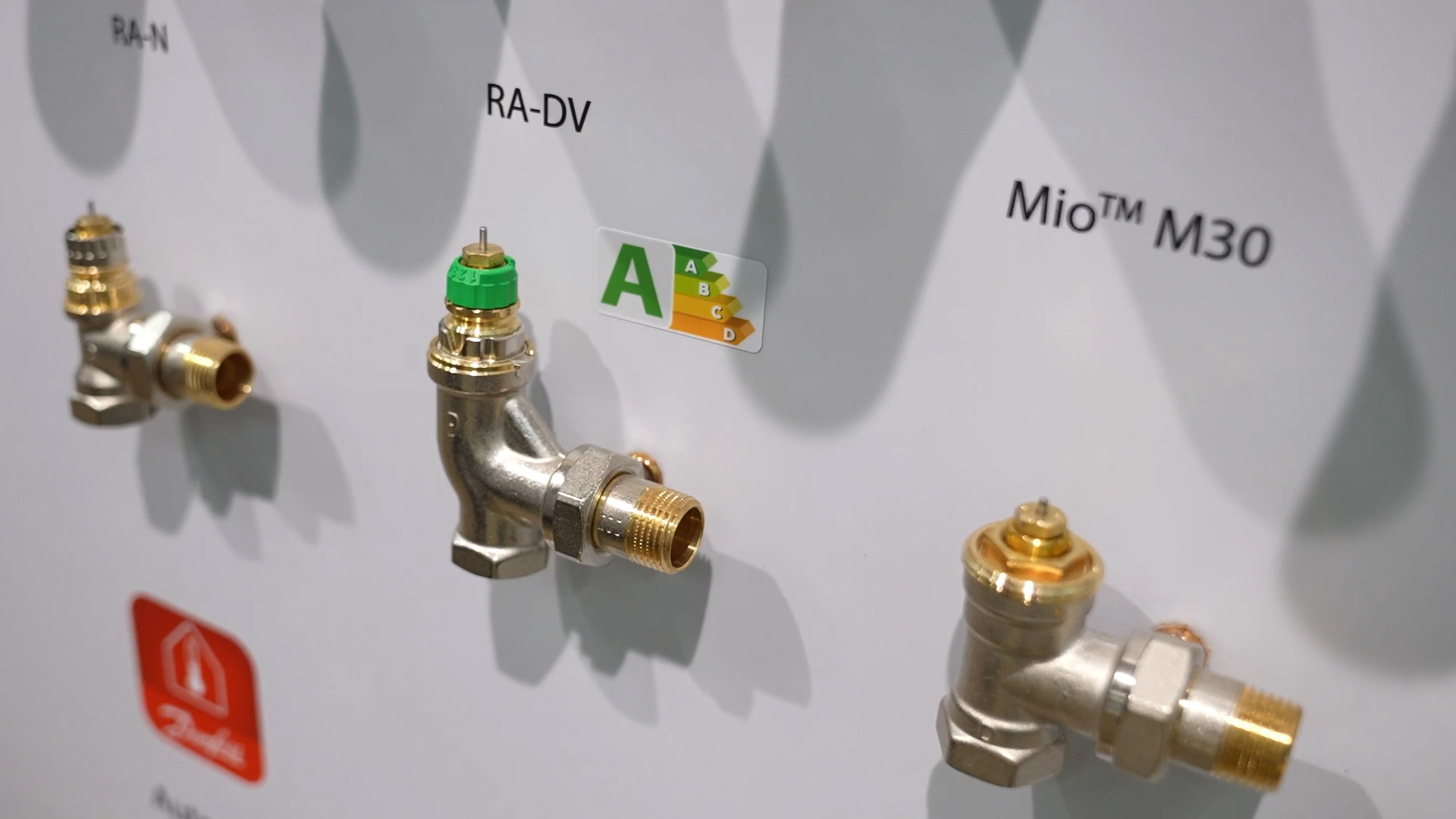
Danfoss presents different valve types that are used depending on the application. These include pressure-dependent solutions such as RA-N or Mio as well as pressure-independent thermostatic valves such as the RA-DV. The difference lies in how they deal with pressure fluctuations in the system. The RA-DV valve also integrates a differential pressure regulator. This ensures that changes in the system - such as the opening or closing of other radiators - do not have a negative effect on the control. The hydraulics remain stable and the flow rate constant. In more complex systems in particular, this is a decisive factor in achieving even heat distribution. The technical logic behind this is clear: the more constant the conditions in the heating circuit, the more precise the control can be. Pressure-independent valves therefore reduce the amount of tuning required and improve operational reliability.
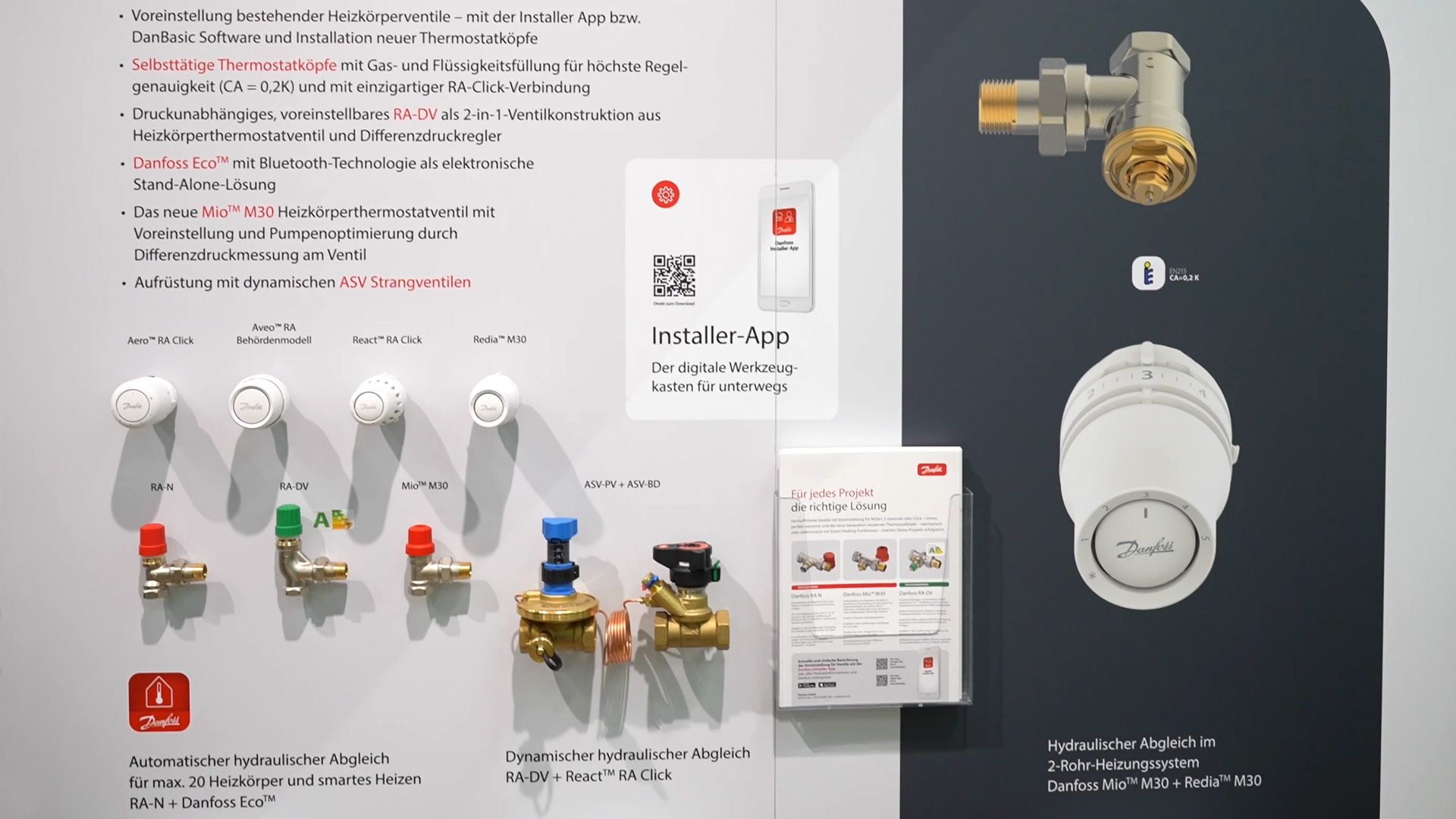
A comparison of Aero, Aveo, React and Redia thermostatic heads
Different thermostatic heads are used on the valves. A distinction is made here between gas-filled and liquid-filled variants. Gas-filled thermostatic heads react more quickly to temperature changes because the medium inside expands or contracts more quickly. The differences can be seen in the reaction times:
- Aero: around 10 minutes response time
- Aveo: around 11 minutes response time
- React: around 15 minutes reaction time
- Redia: around 18 minutes response time

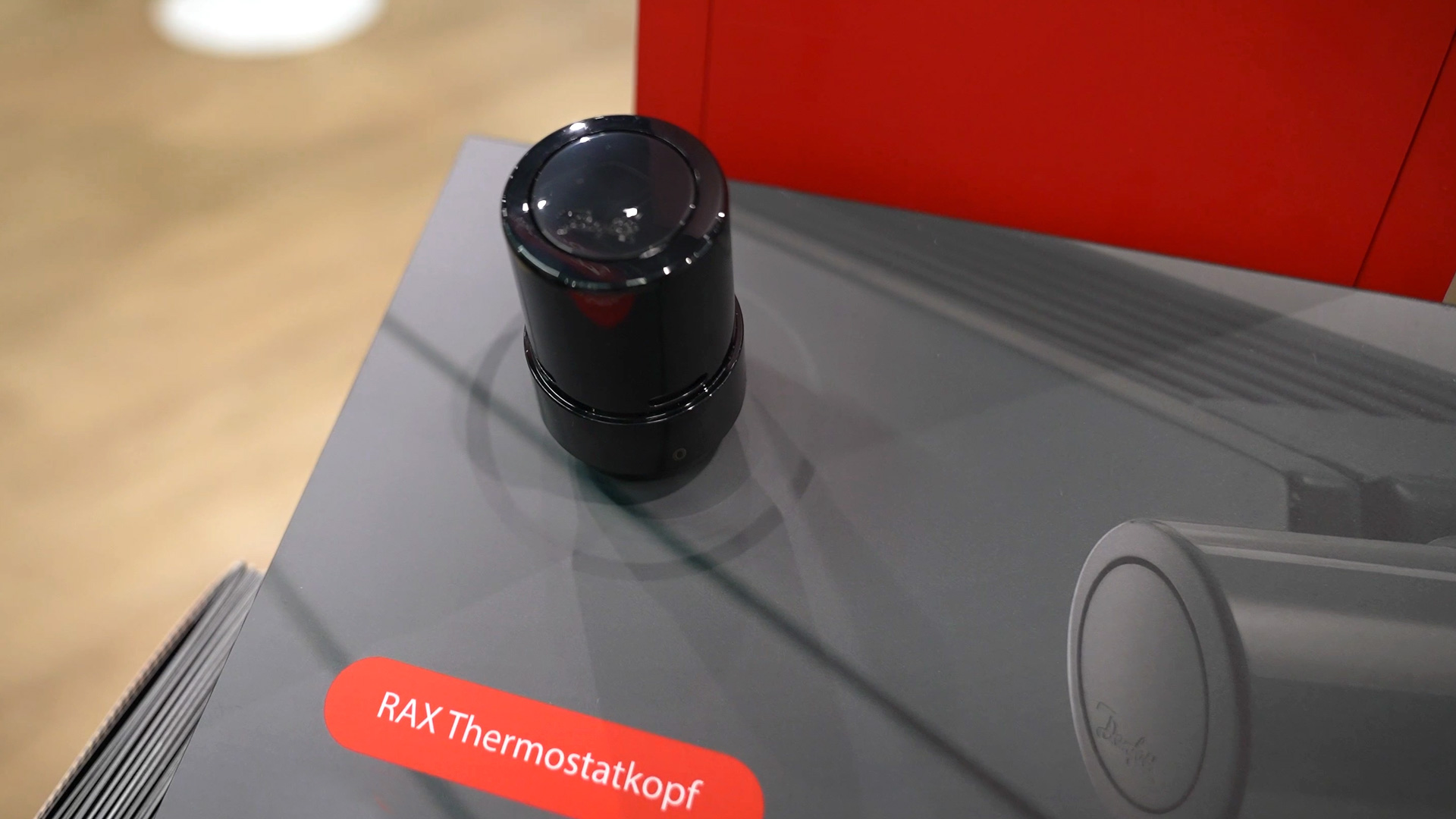
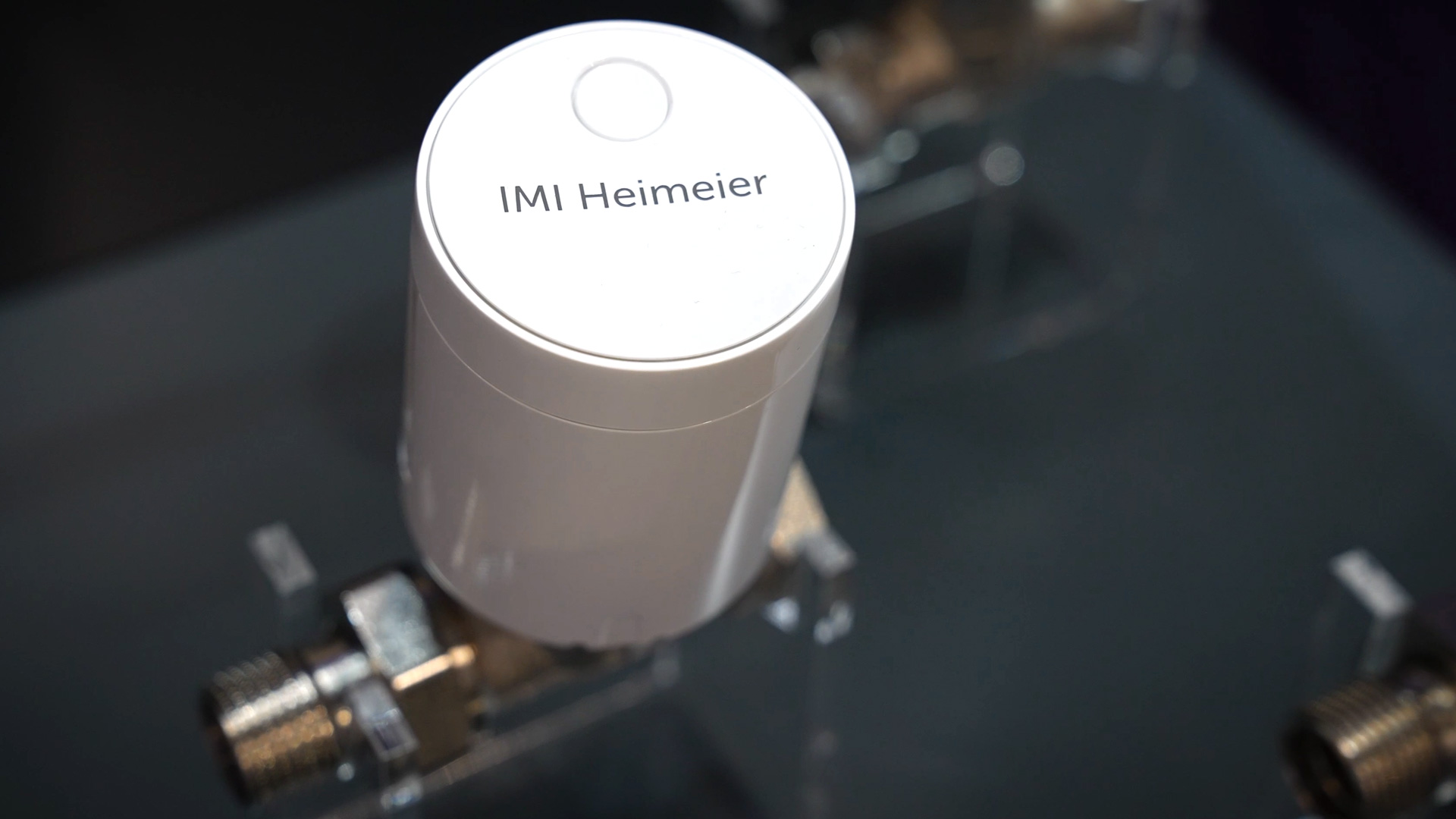
RAX thermostatic head and design in the bathroom
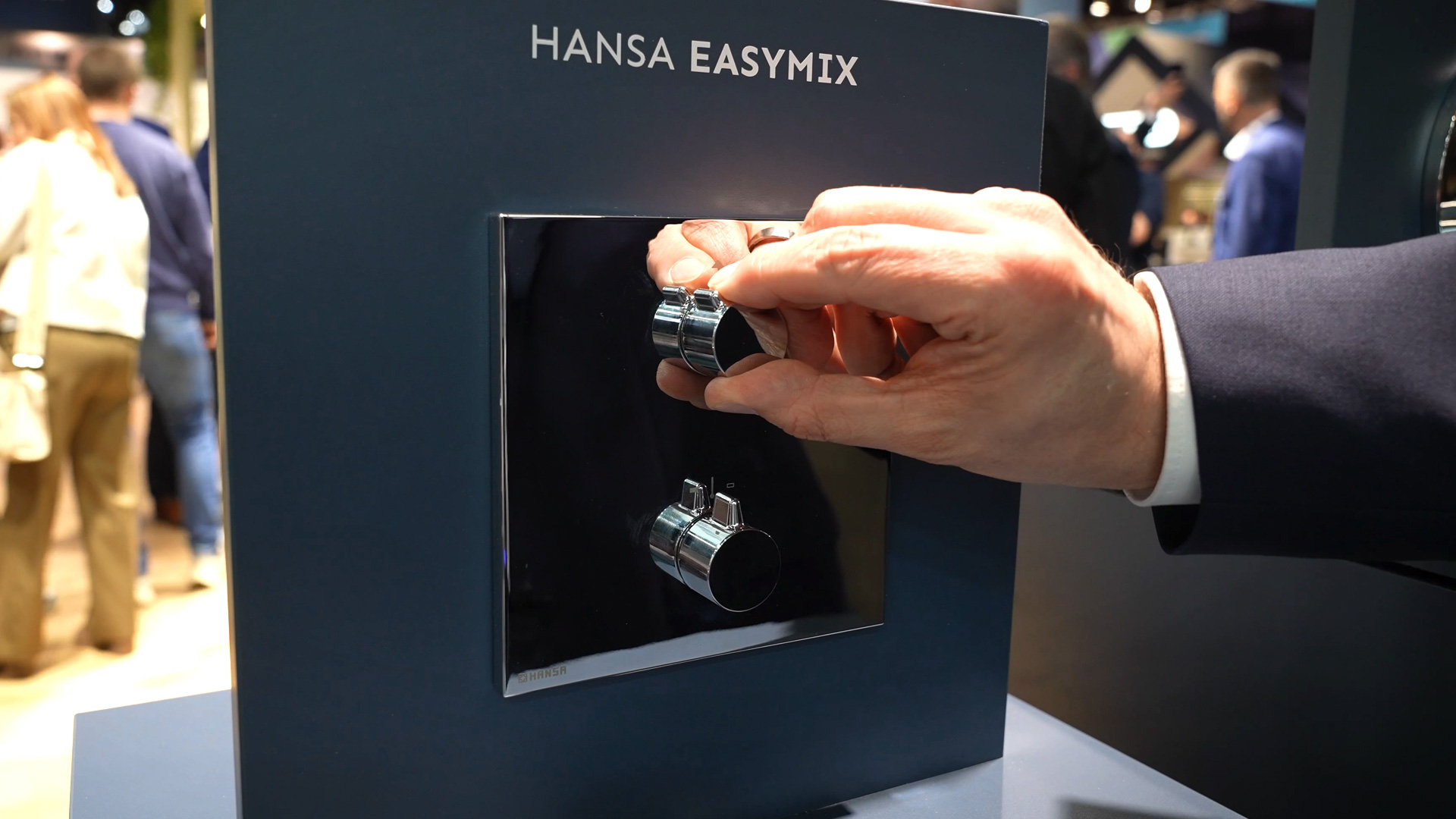
In addition to technology, design is also playing an increasingly important role. Radiators and fittings have long been visible elements in the room. The RAX thermostatic head picks up on this trend and is available in black, among other colours. Particularly in the bathroom, where design and function are closely linked, this changes the perception of the components. The thermostat is no longer just seen as a technical component, but as part of the interior design. This development is closely linked to the increasing demand for consistent design concepts.
Ally system with gateway and room sensor for smart heating
With the Ally system, Danfoss is adding digital functions to the classic control system. The thermostatic head becomes part of a networked system that is controlled via a gateway and additional room sensors. The connection is made via an app that enables access to time and temperature profiles. This fundamentally changes the way it is used. Settings no longer have to be made directly on the radiator, but can be adjusted centrally and remotely. This means more flexibility in everyday life, for example in the event of changing usage times or longer absences. At the same time, a new level of control is created. Users can plan and adjust their heating strategy more precisely. This is not only a question of comfort, but also of energy efficiency.
Icon2 underfloor heating with radio and wired thermostats
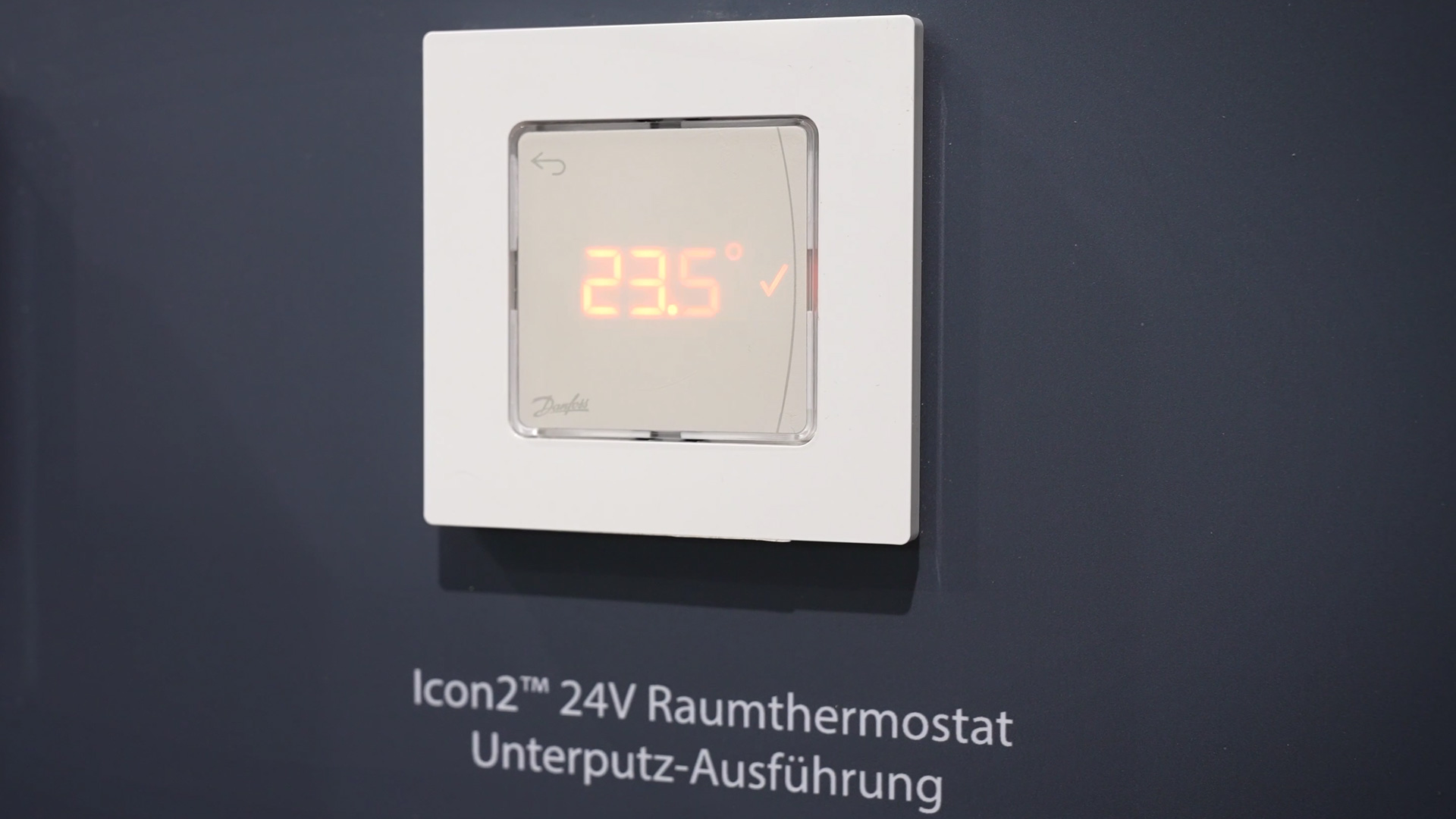
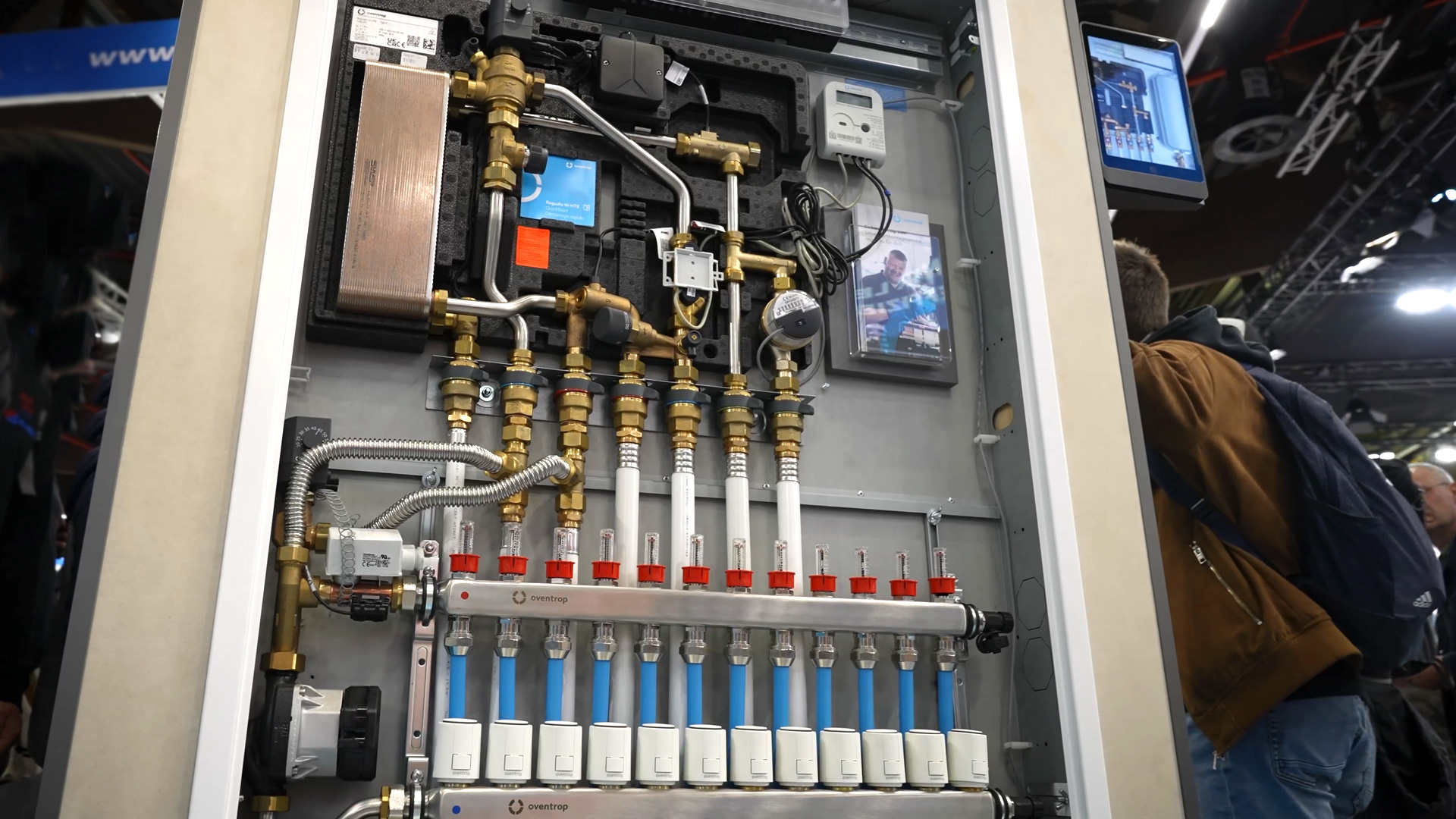
Danfoss offers its own solution for underfloor heating with the Icon2. It is designed to cover both classic wired installations and wireless solutions. Wired thermostats are primarily used where they are to be permanently integrated into existing switch programmes. Wireless thermostats expand the possibilities, especially in existing buildings. They can be installed without major intervention and can be positioned flexibly. In this case, they are simply attached using magnetic brackets, which makes installation much easier. The combination of both approaches makes it possible to cover different building types and utilisation scenarios. This is particularly relevant in the renovation sector, where existing structures often set limits.
Hydraulic balancing and automation as the next step
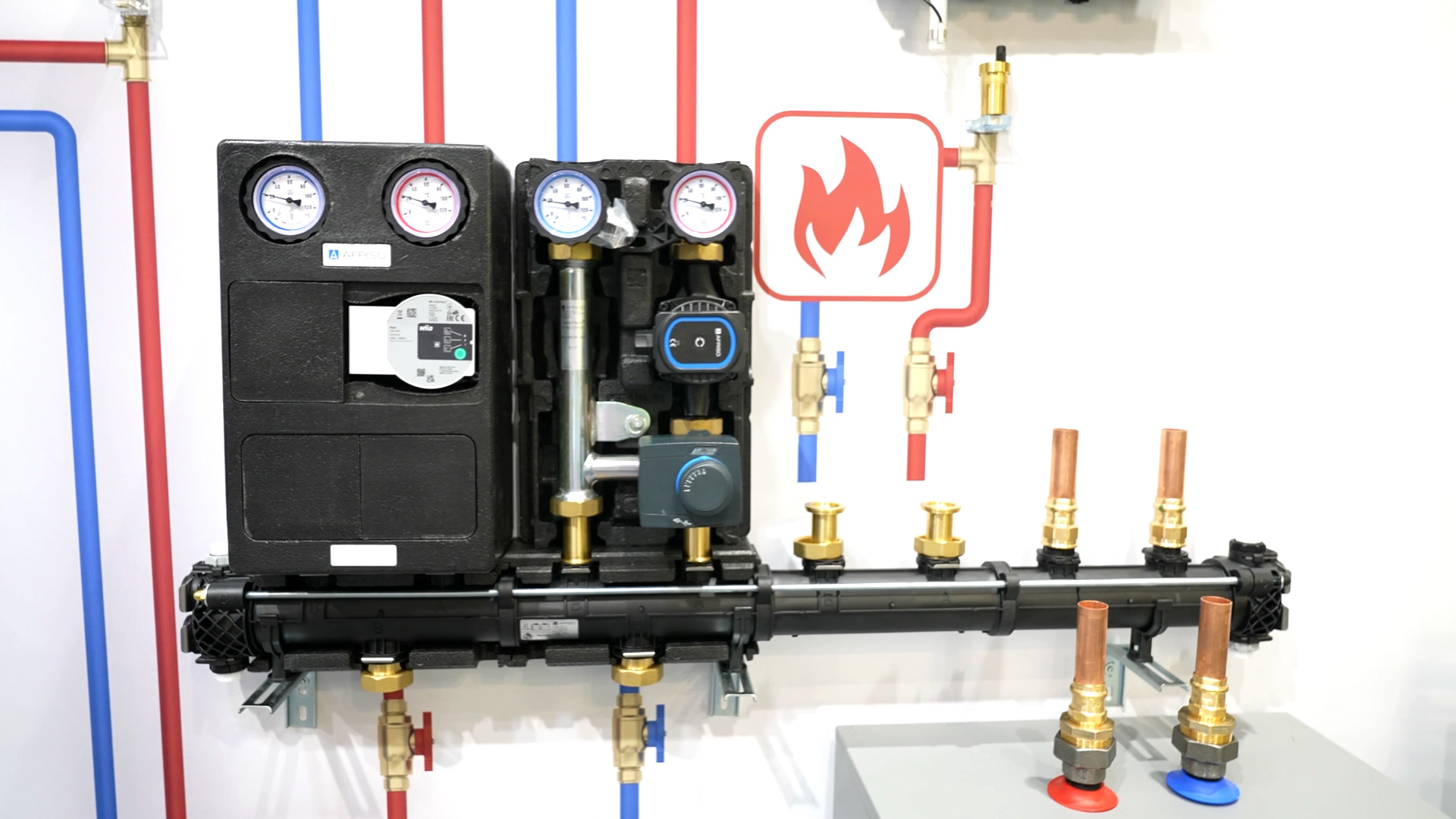
In the renovation sector, hydronic balancing remains a key issue. It ensures that all heating surfaces in the building are supplied evenly. Without this balancing, over-supply often occurs in individual areas and under-supply in others. The prospect lies in automation. In future, digital systems could take over tasks that previously had to be calculated and set manually. Automated hydronic balancing would not only save time, but also improve the quality of the adjustment. This means a noticeable reduction in workload for installers. At the same time, the probability that systems are optimally adjusted increases. This brings within reach a goal that has long been difficult to realise: stable, efficient and easy-to-operate heating systems.
Trade fair reporting Germany - Trade fair knowledge, dates & events


