Mobile pellet system for heating without a fixed connection
by B. Velonavy - 2026-05-15Temporary heating is one of those areas of building services engineering that often only comes to the fore when existing systems fail or additional capacity is required at short notice.
Construction sites, events, refugee accommodation or renovation projects often require a reliable heat source at short notice – regardless of whether a permanent infrastructure is already in place. Heizkurier develops mobile heating solutions specifically for such applications. At the IFH/Intherm, the company is showcasing a mobile pellet system designed to provide flexible heating whilst relying on pellet-based operation. The focus is not only on the system’s mobility, but above all on the concept of a fully managed heating supply.
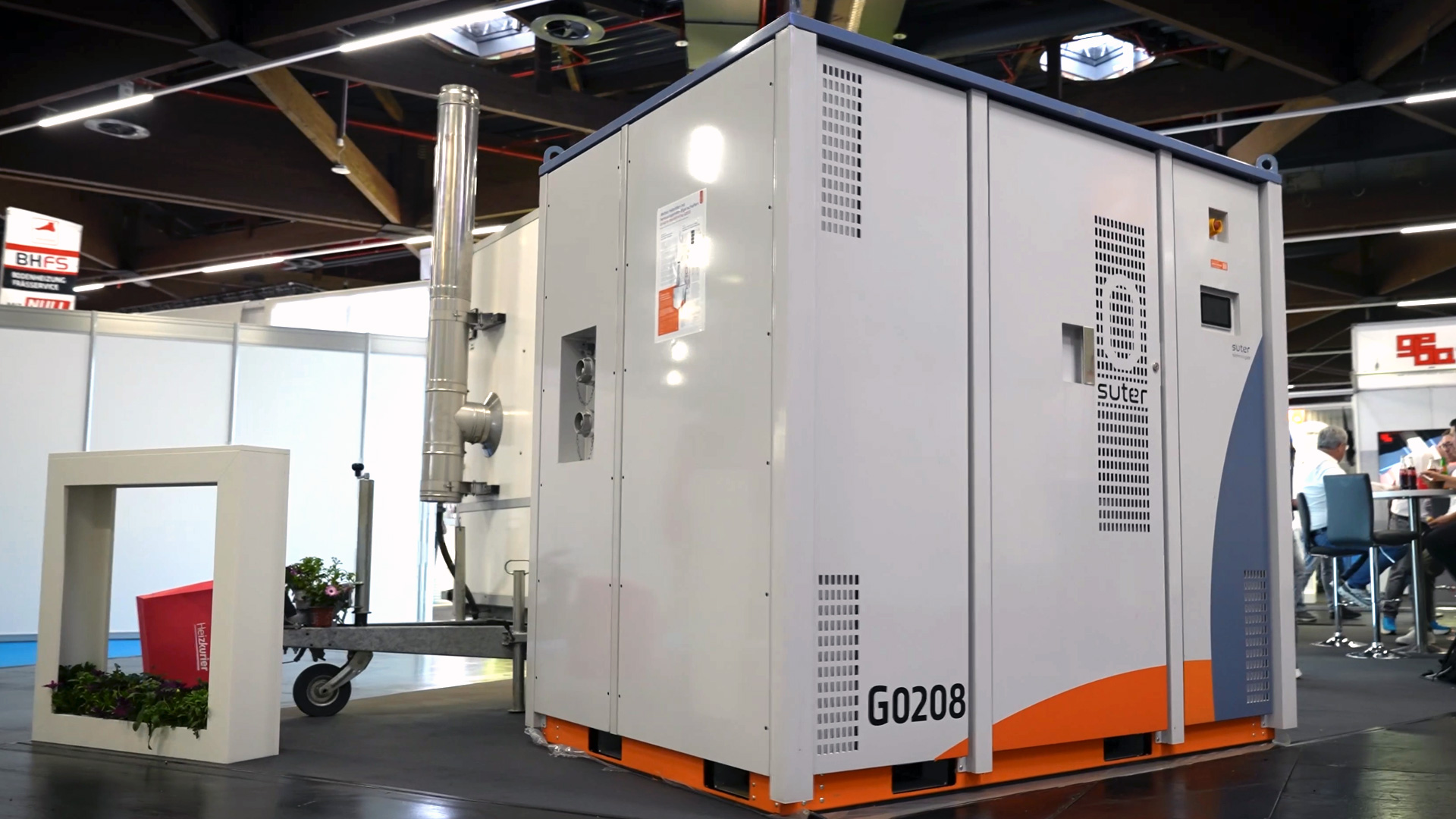
Heizkurier relies on mobile pellet systems for flexible operations
According to Heizkurier, the system on display is now one of the most important in its own portfolio. The mobile heating unit is based on a pellet boiler and is designed for transport between different locations. There are forklift pockets underneath the system, allowing it to be loaded directly onto trailers or transport vehicles. This enables the systems to be moved at short notice between cities or locations – for example, from Berlin to Munich or between various construction sites and event venues. The mobile heating systems are used, amongst other things, at:
- temporary construction sites and mobile structures
- Events and event venues
- Refugee accommodation
- Municipal and industrial applications
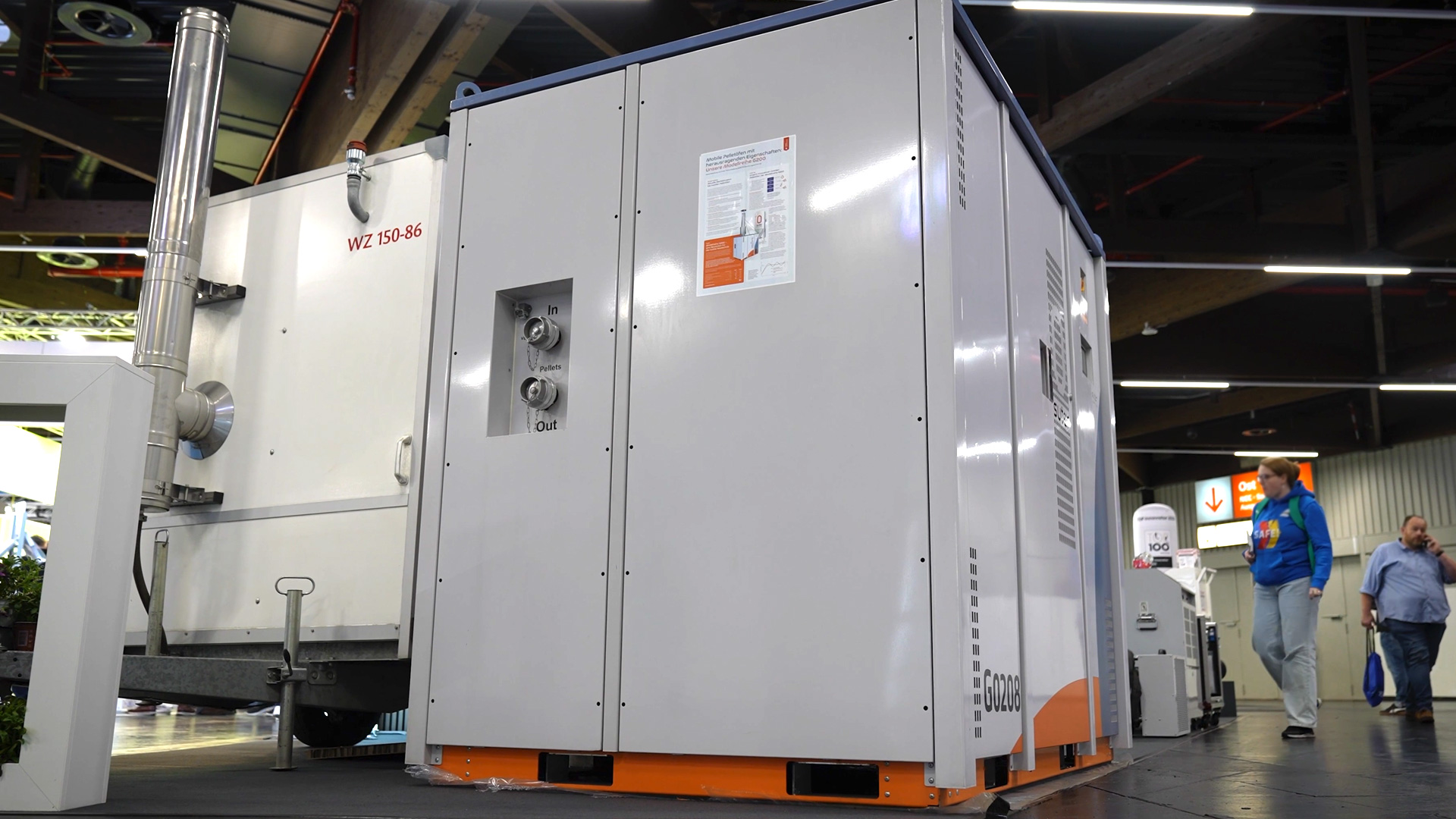
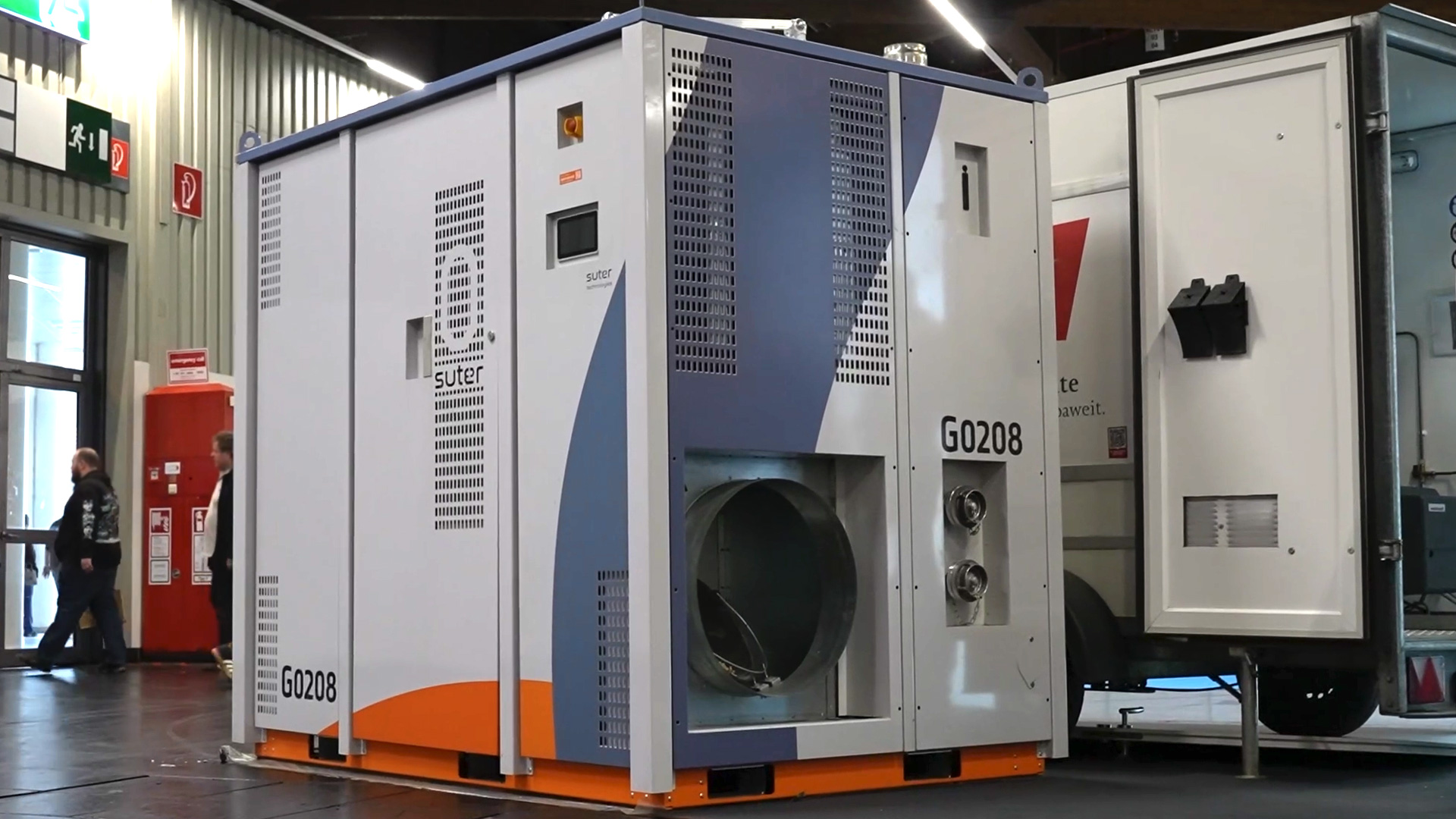
Mobile heat supply as a rental model with kW billing
Heizkurier’s business model is striking. According to the company, it does not sell the systems in Germany, but operates them entirely on a rental basis. Customers receive not only the mobile pellet system itself, but a complete heat supply including fuel logistics. Heizkurier delivers the pellets, monitors operations and ensures that the system remains continuously supplied. Billing is not based on traditional rental periods, but on the actual amount of heat supplied. Volume meters are integrated into the systems for this purpose. Ultimately, the customer pays for the kilowatt-hours of heat generated. This model significantly changes the operator’s role. Instead of having to deal with fuel supply, technology or maintenance themselves, the user receives a ready-made heating solution. From a technical perspective, the main concern for the customer remains the connection of the air or heat distribution system. According to the company, the current price range is around 16 to 18 cents per kilowatt-hour – depending on usage and conditions.

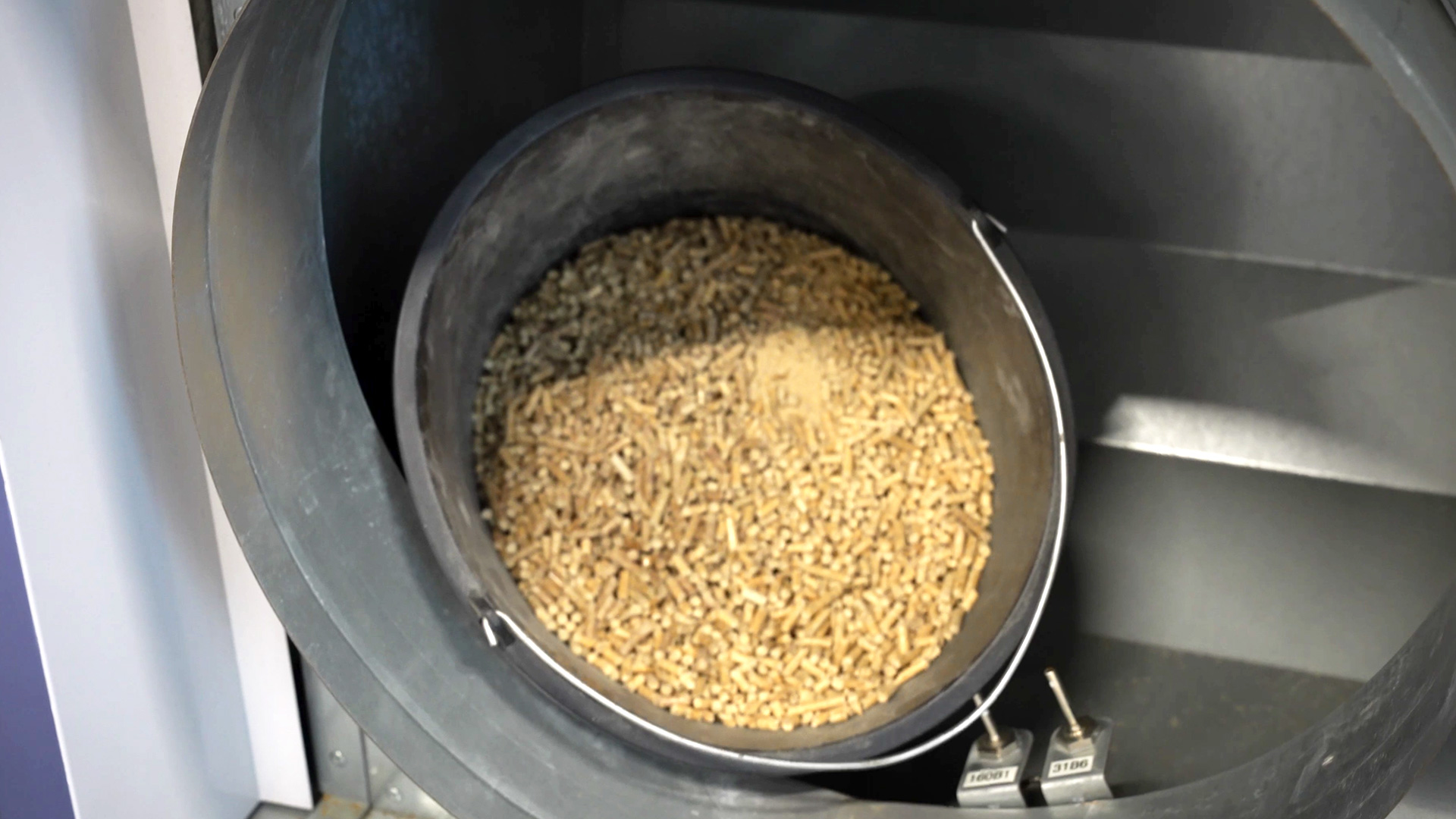
Pellet system fills a gap in the mobile heating market
In the stationary sector, pellet systems have long been considered established technology, particularly in Austria and Switzerland. In the mobile segment, however, the range of products on offer is significantly smaller. Heizkurier sees this as a market gap. Systems in the 200-kilowatt power range, in particular, have so far been available only to a limited extent. Many competitors tend to cover smaller or significantly larger power segments. This area gained additional significance following the acquisition of the Swiss firm Suter. Mobile pellet solutions were already more widespread there. At the same time, demand for mobile, lower-emission heating systems has also risen on the German market. Local authorities and public sector clients, in particular, are paying increasing attention to the emissions generated by temporary heating solutions. Mobile oil-fired heating systems are consequently coming under greater pressure, especially for longer-term use. Pellet-based heating is intended to offer an alternative here that operates without fossil fuels whilst remaining mobile.
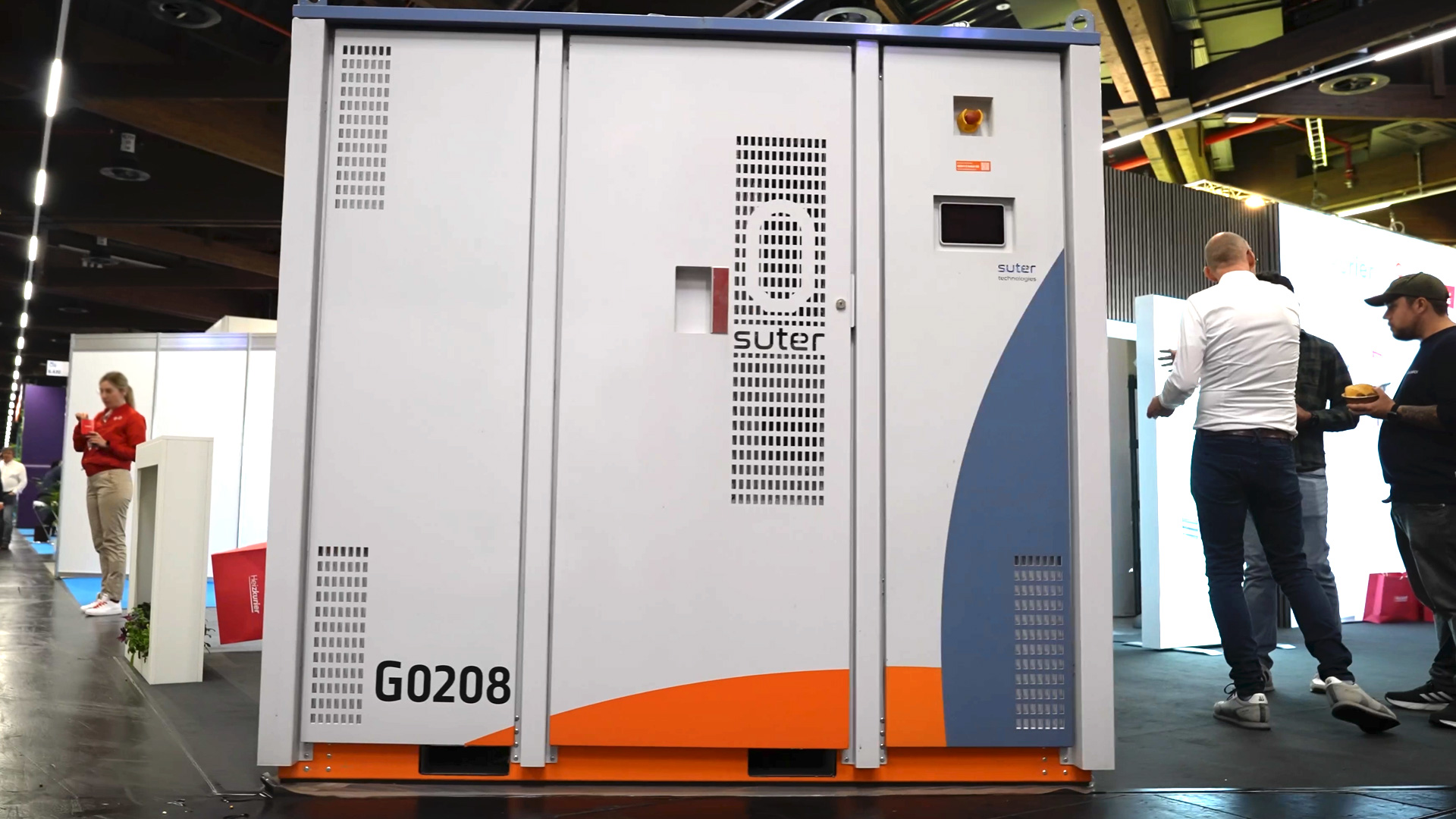
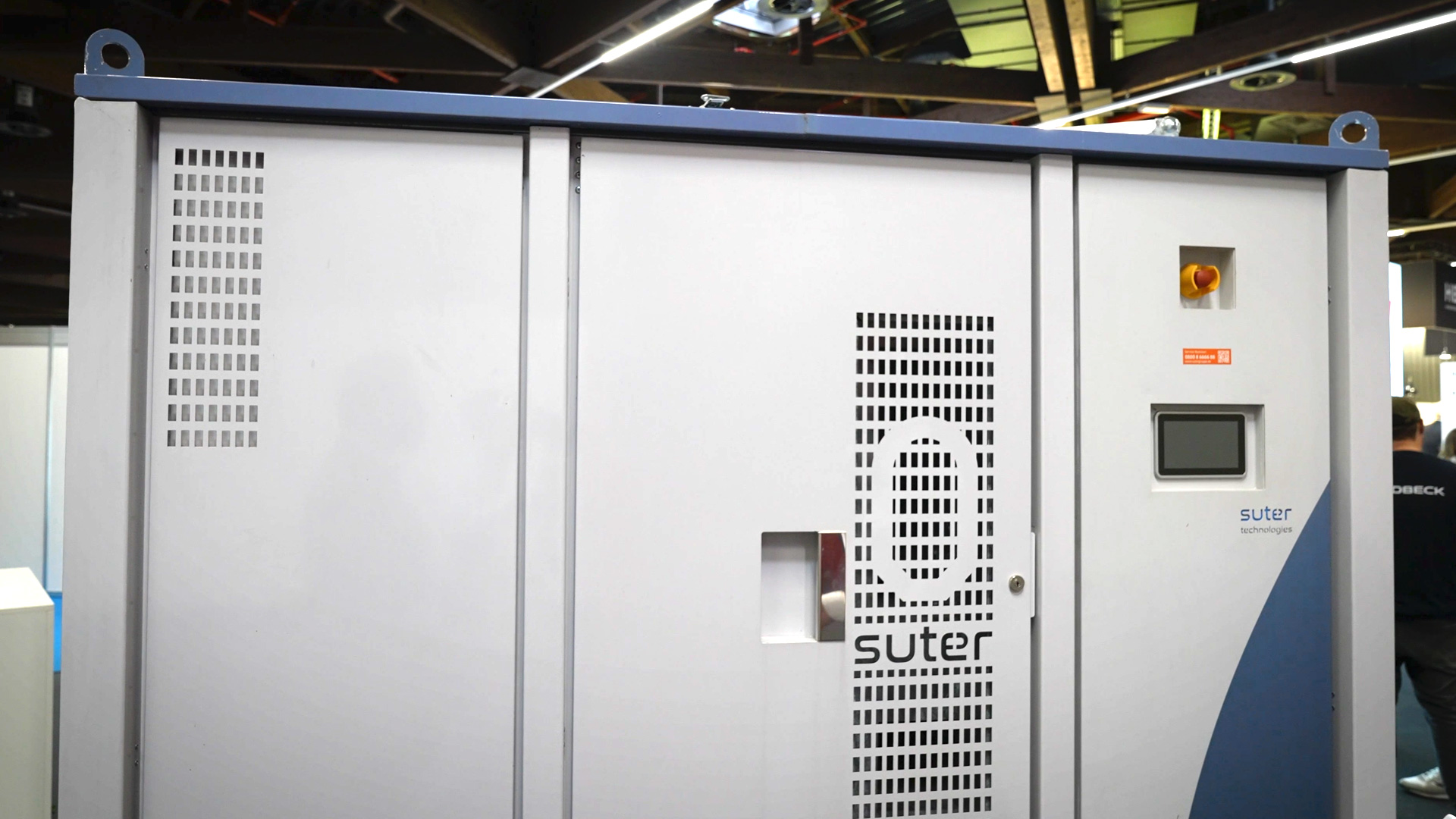
Mobile heating technology is becoming more versatile
The areas of application for temporary heating have expanded significantly in recent years. Previously, the focus was primarily on traditional construction site heating. Today, there is a growing number of applications where mobile systems are used as the sole heat source over extended periods. This applies, for example, to renovations of existing buildings, temporary heating during heating system conversions, or temporary infrastructure for major events. At the same time, demands regarding efficiency, emissions and security of supply are rising. Pellet systems offer an advantage here: the fuel is relatively easy to transport and store, whilst the systems can simultaneously provide high heat outputs. A continuous fuel supply also plays a particularly important role in larger mobile applications. That is why Heizkurier deliberately focuses on a comprehensive model where operation and pellet logistics are provided from a single source.
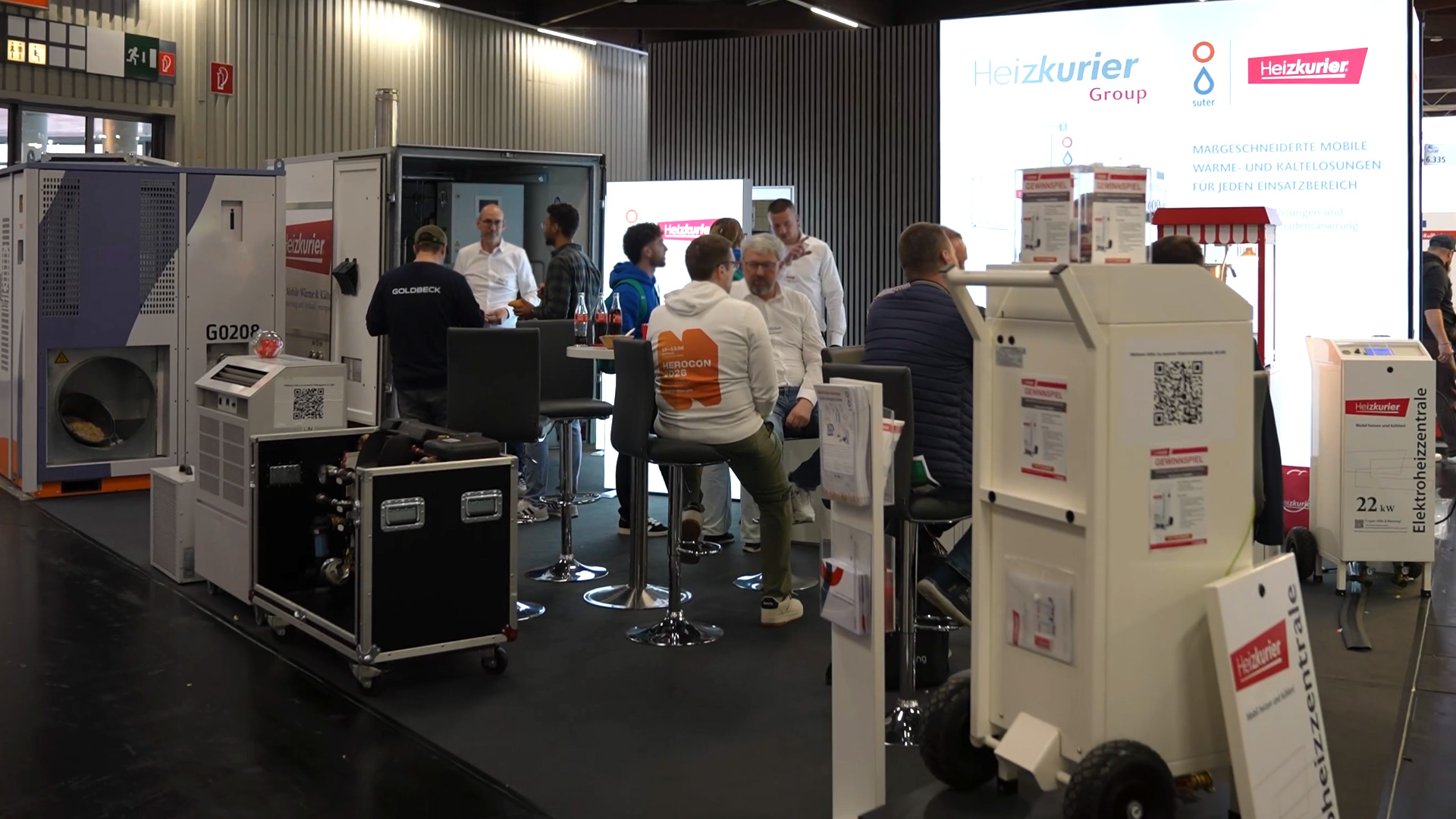
Mobile pellet systems respond to changing requirements
This development demonstrates just how much the market for temporary heat supply is changing. Today, mobile systems are no longer intended merely as short-term stopgap solutions, but increasingly as systems that can be used on a permanent basis and are economically viable. Heizkurier combines several developments: mobile heating technology, pellet-based energy supply and a service-oriented rental model. This approach is likely to gain further significance, particularly in the municipal sector and for temporary infrastructure projects. For the greater the regulatory and economic pressure on fossil fuels, the more relevant mobile systems become – systems that remain flexible whilst simultaneously meeting new requirements regarding emissions and energy supply.

Trade fair reporting Germany - Trade fair knowledge, dates & events


