IFH/Intherm 2026 showcases developments in heating, sanitation and air conditioning
IFH/Intherm 2026 brings together the key topics of the HVAC trade and shows how heating, sanitation and air conditioning are developing under changing conditions. The focus is on technical solutions that are geared towards energy efficiency, resource conservation and practical implementation in the trade. The industry is in a phase of fundamental adjustment - driven by regulatory requirements, rising operating costs and changing customer expectations.
Trends and innovations at IFH/Intherm
Residential ventilation with a heat pump for new builds
Rising summer temperatures are noticeably changing the demands placed on modern building services. Whilst energy-efficient heating was the main focus for a long time, cooling residential buildings is now becoming significantly more importan... High summer temperatures change requirements for building technology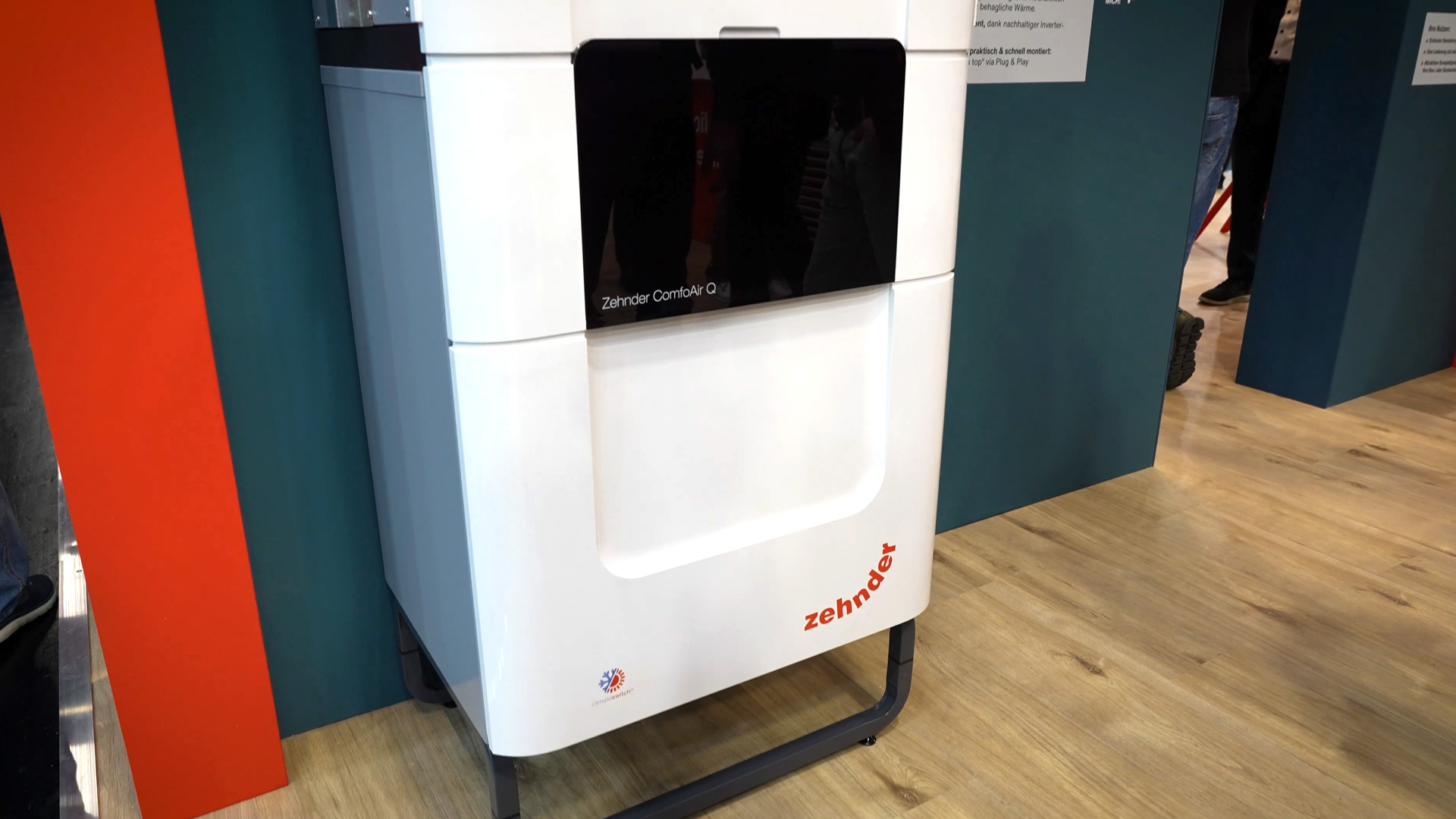
Mobile pellet system for temporary heating
Temporary heating is one of those areas of building services engineering that often only comes to the fore when existing systems fail or additional capacity is required at short notice. Temporary heating for construction sites and more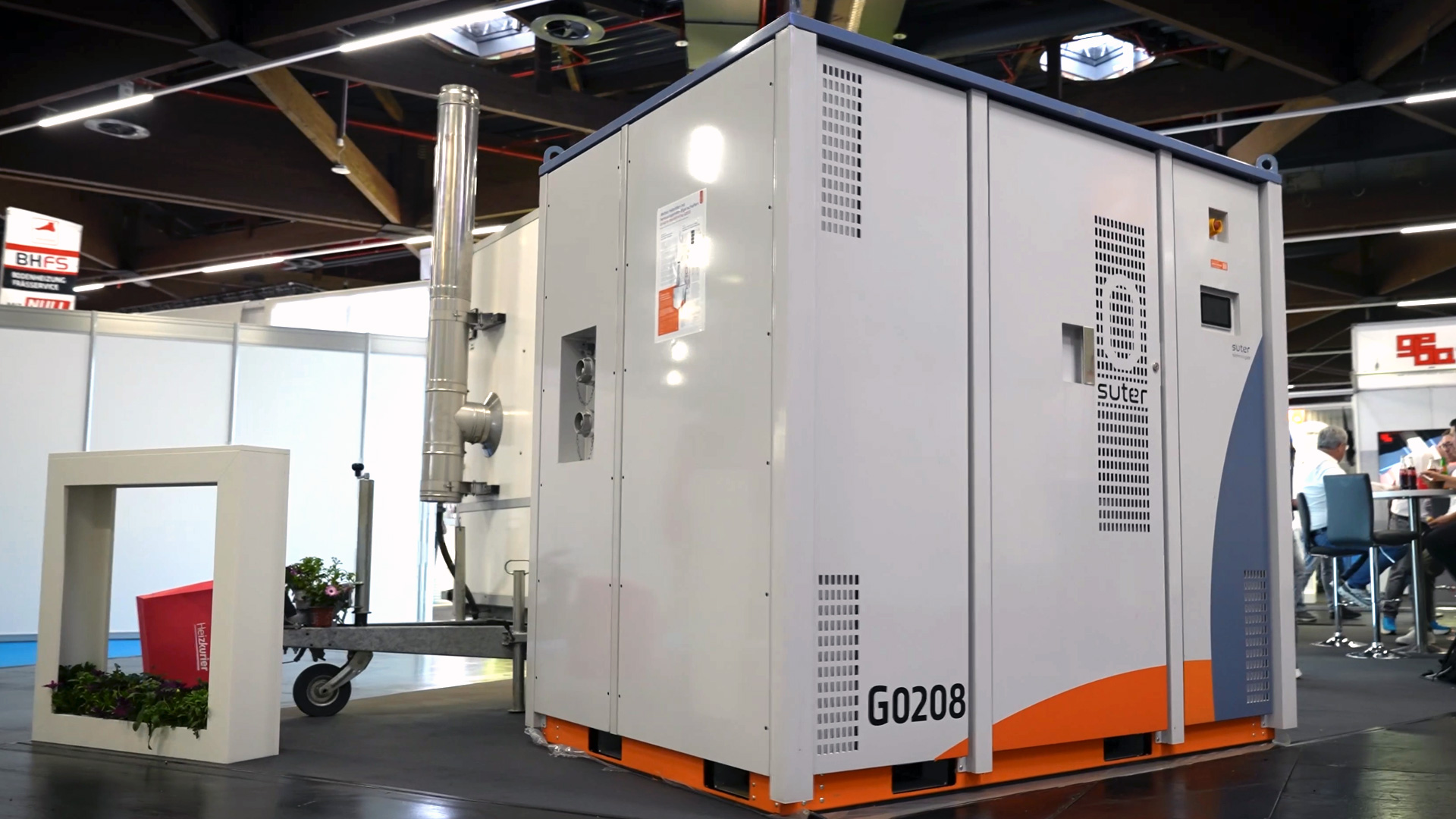
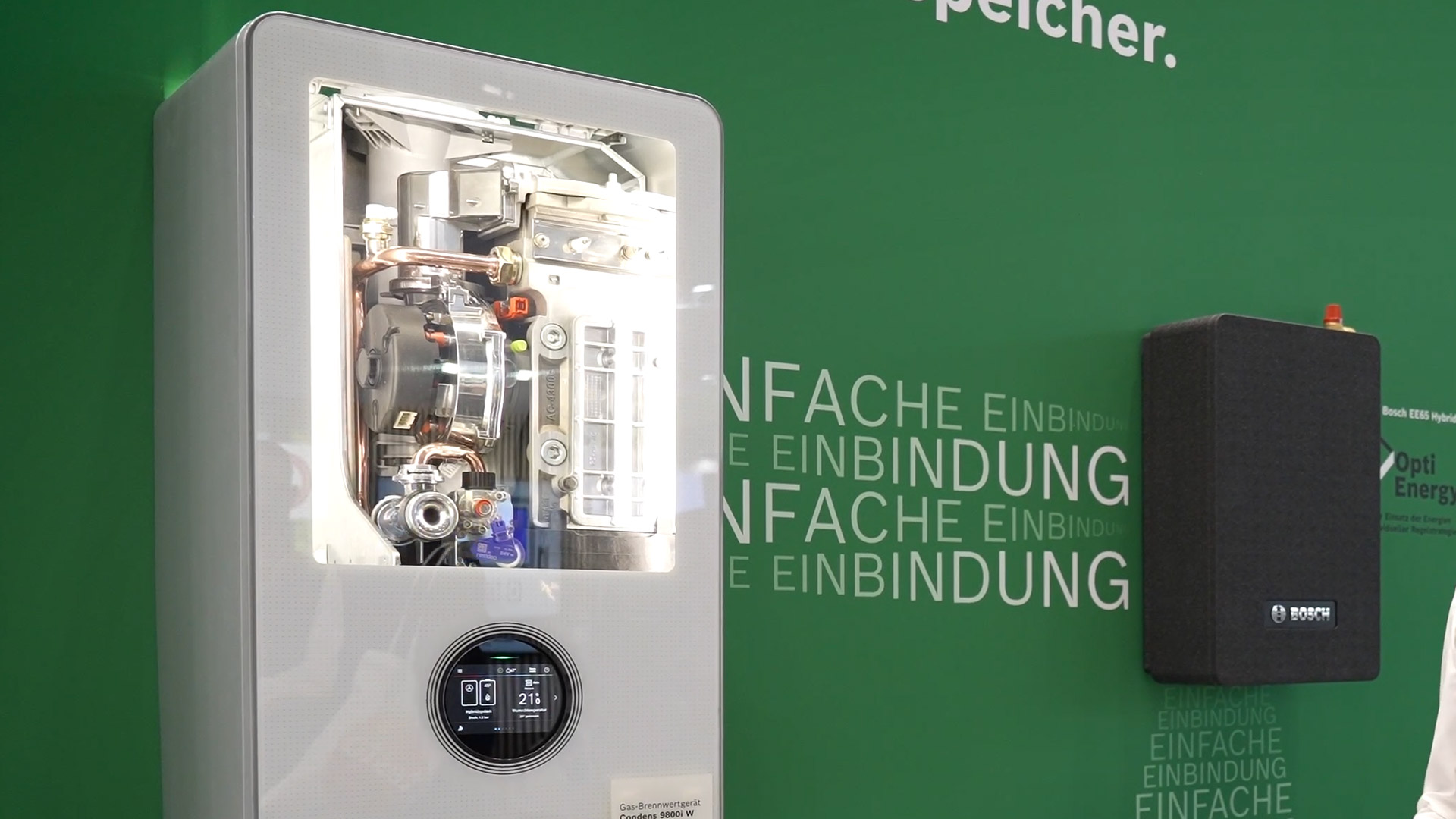
Home station replaces classic gas boiler
The heat supply in apartment blocks is changing noticeably. While for decades each flat was often equipped with its own gas boiler, the technology is increasingly shifting towards centralised heat generators. Home station instead of classic gas boiler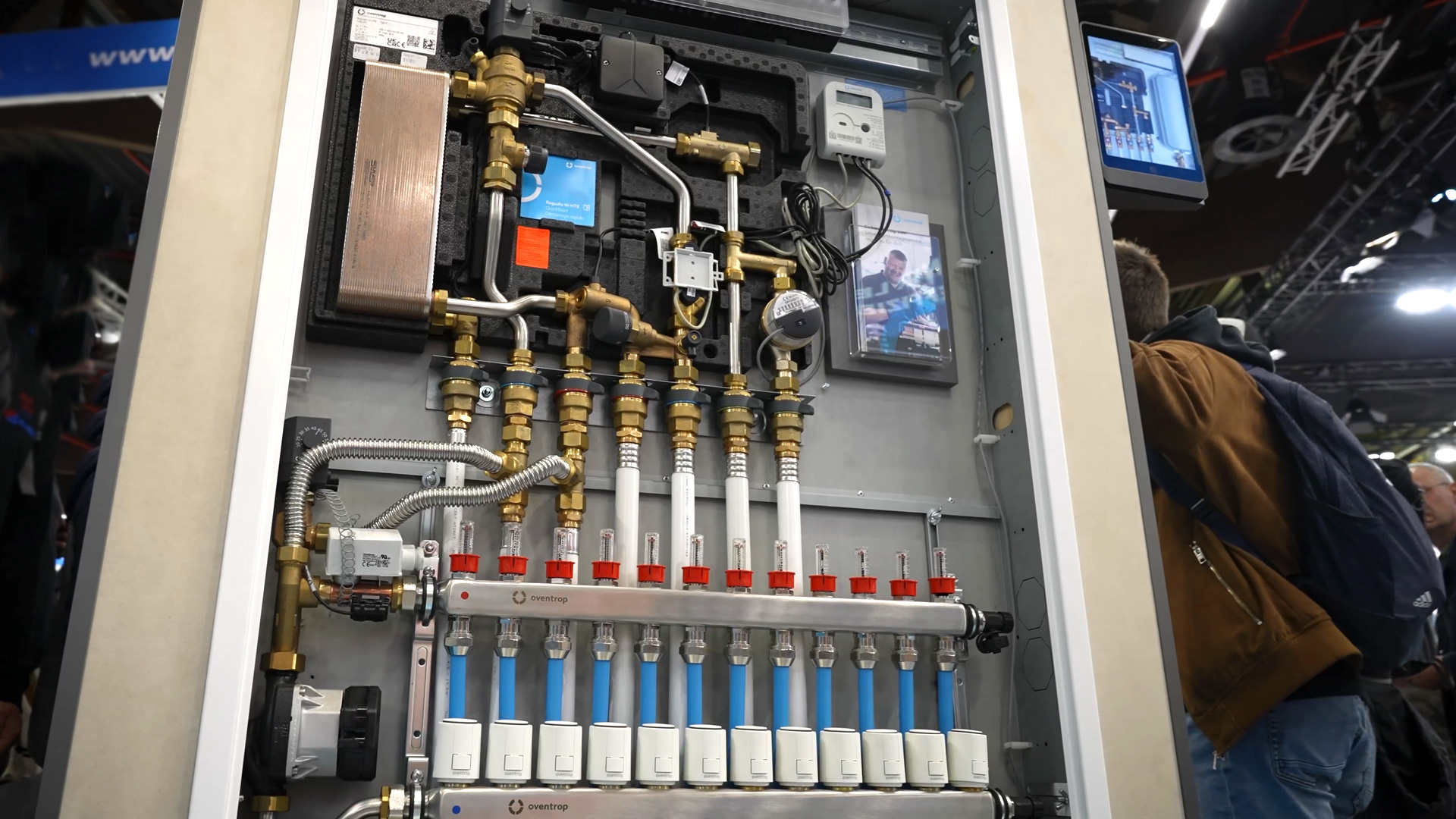
neo K hybrid thermostatic head with app control
Radiator control is on the verge of a transformation that is less abrupt than digitalisation might suggest. Traditional thermostatic heads have been operating reliably for decades, whilst new requirements from connected buildings demand add... Radiator control on the cusp of change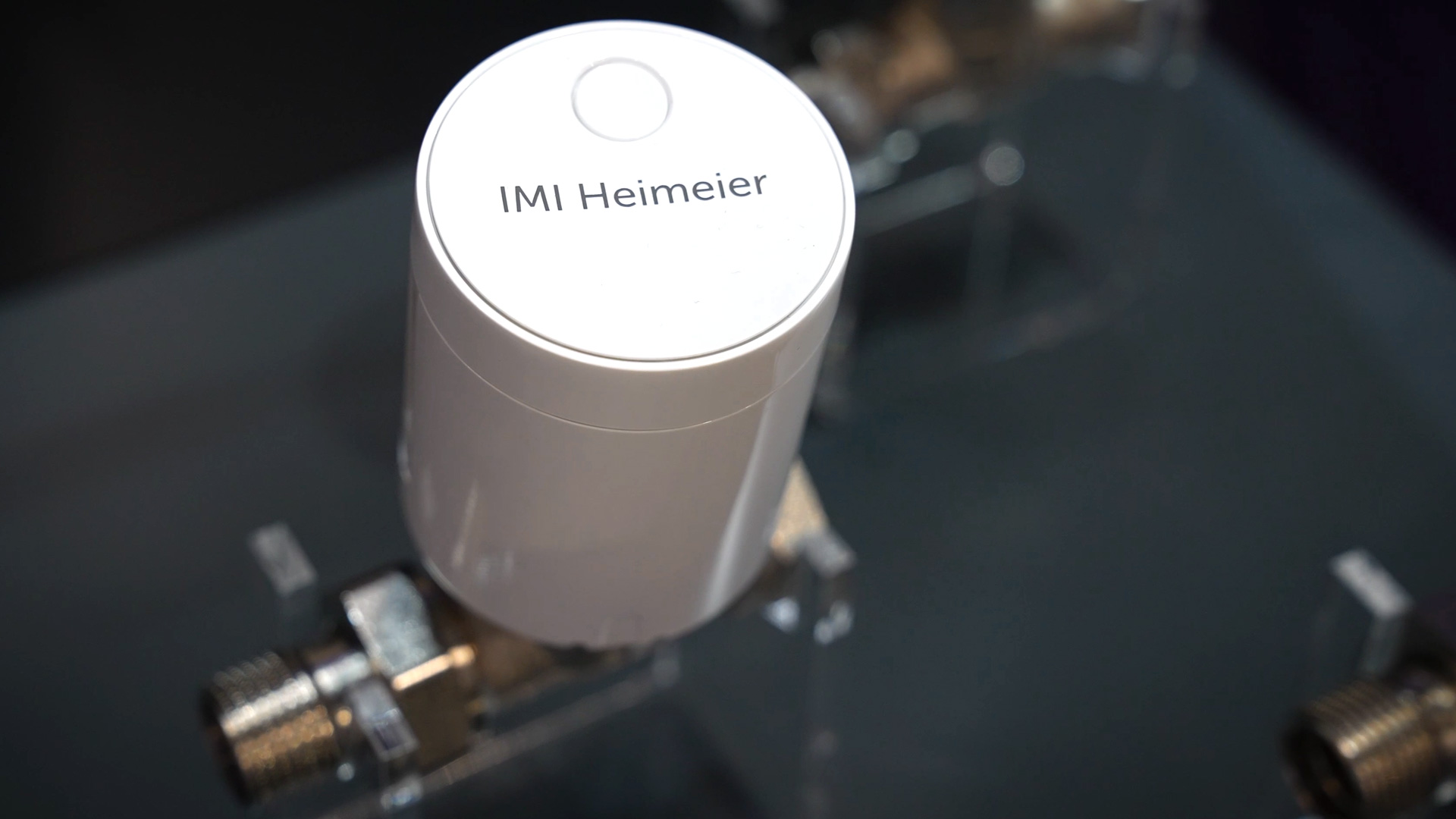
Modular HSM manifold for heat pumps
The requirements for heating systems are changing noticeably. Heat pumps operate efficiently, but at the same time place higher demands on hydraulics, flow rate and system integration. Requirements for heating systems are changing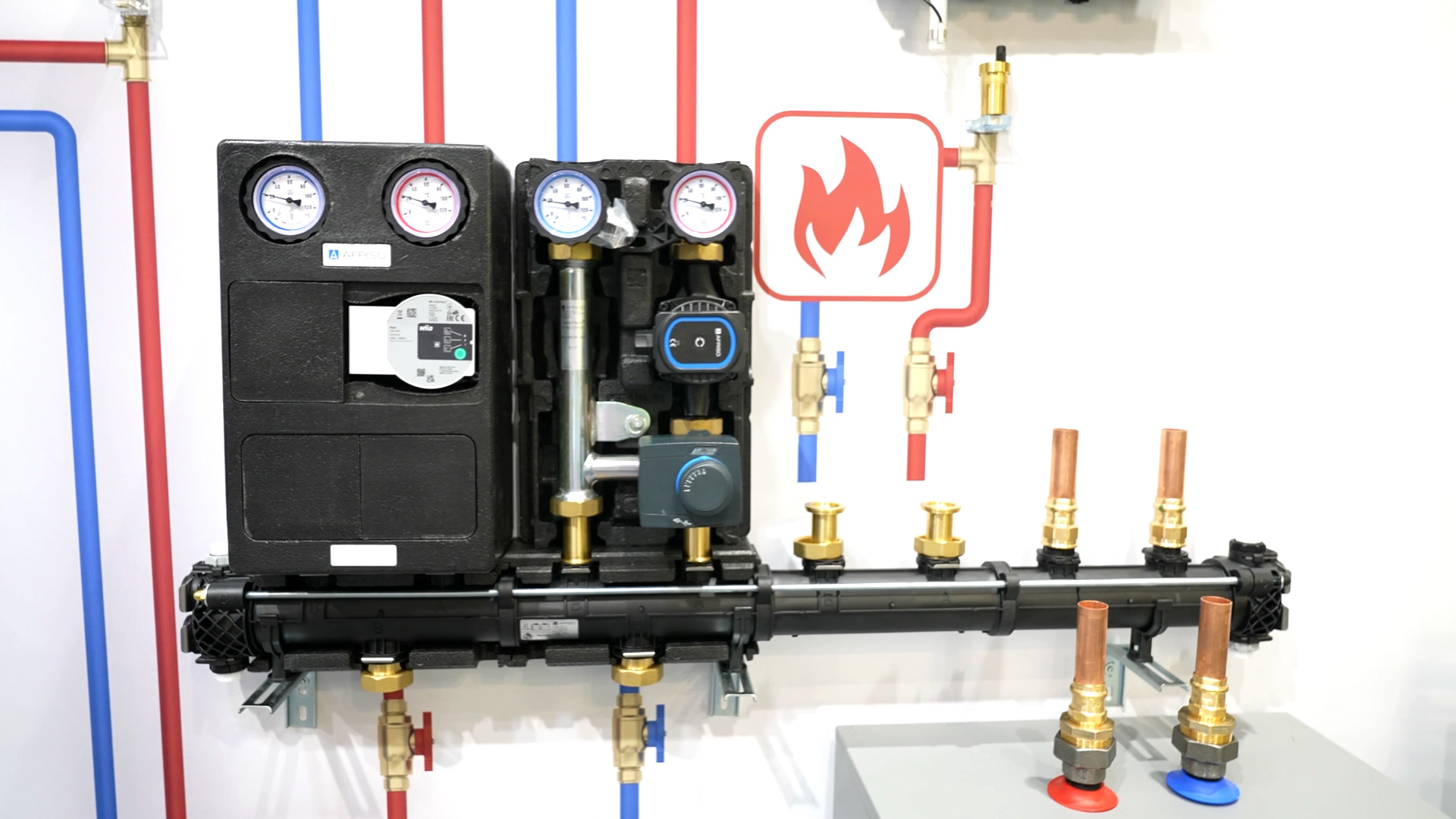
Easymix mixing system for volume and temperature
Controlling water in the bath and shower is an unspectacular process from a technical point of view - and yet it has a decisive influence on comfort, consumption and suitability for everyday use. New mixing system from Hansa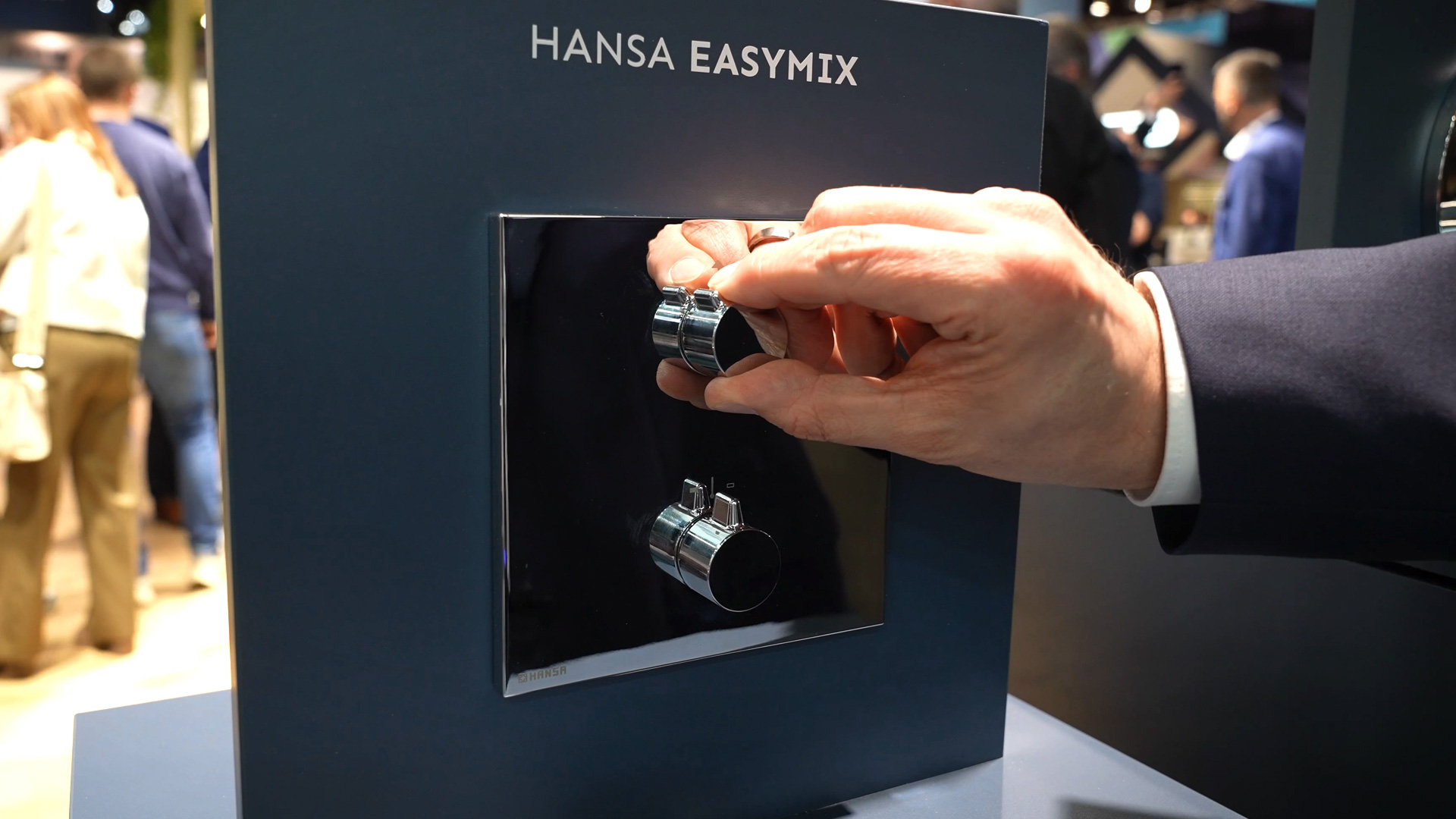
Digital level indicator for water with app
The control of water resources in both private and commercial environments is often organised surprisingly imprecisely. In the case of cisterns in particular, the fill level is often still assessed manually or using simple mechanical displa... Organise water resources privately and commercially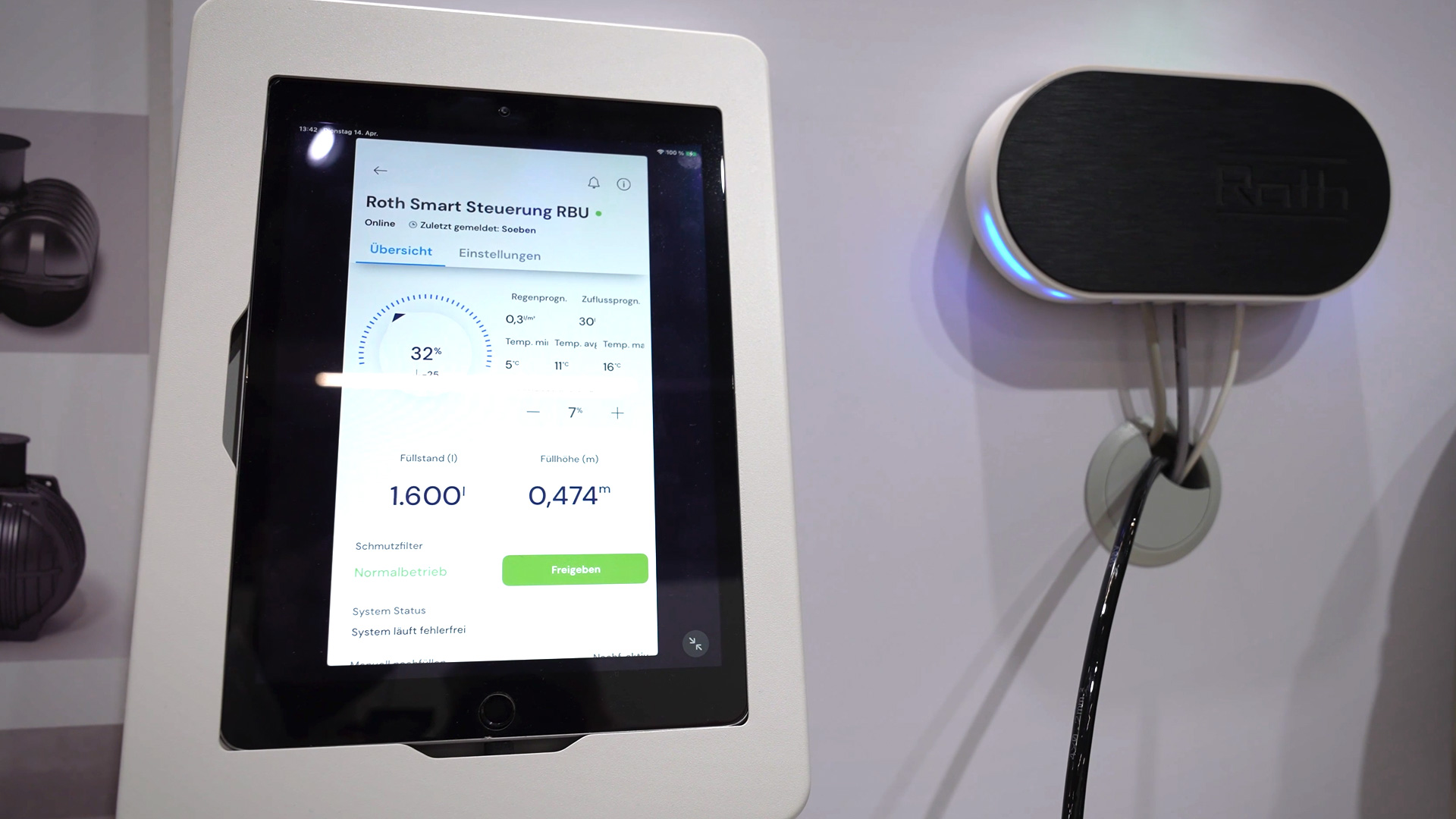
Arotherm Pro heat pump for compact installation
The heat pump is increasingly at the centre of technical developments in existing buildings. While early systems were primarily aimed at new buildings, the focus today is clearly shifting towards flexible installation and compact design. Compact design and flexible installation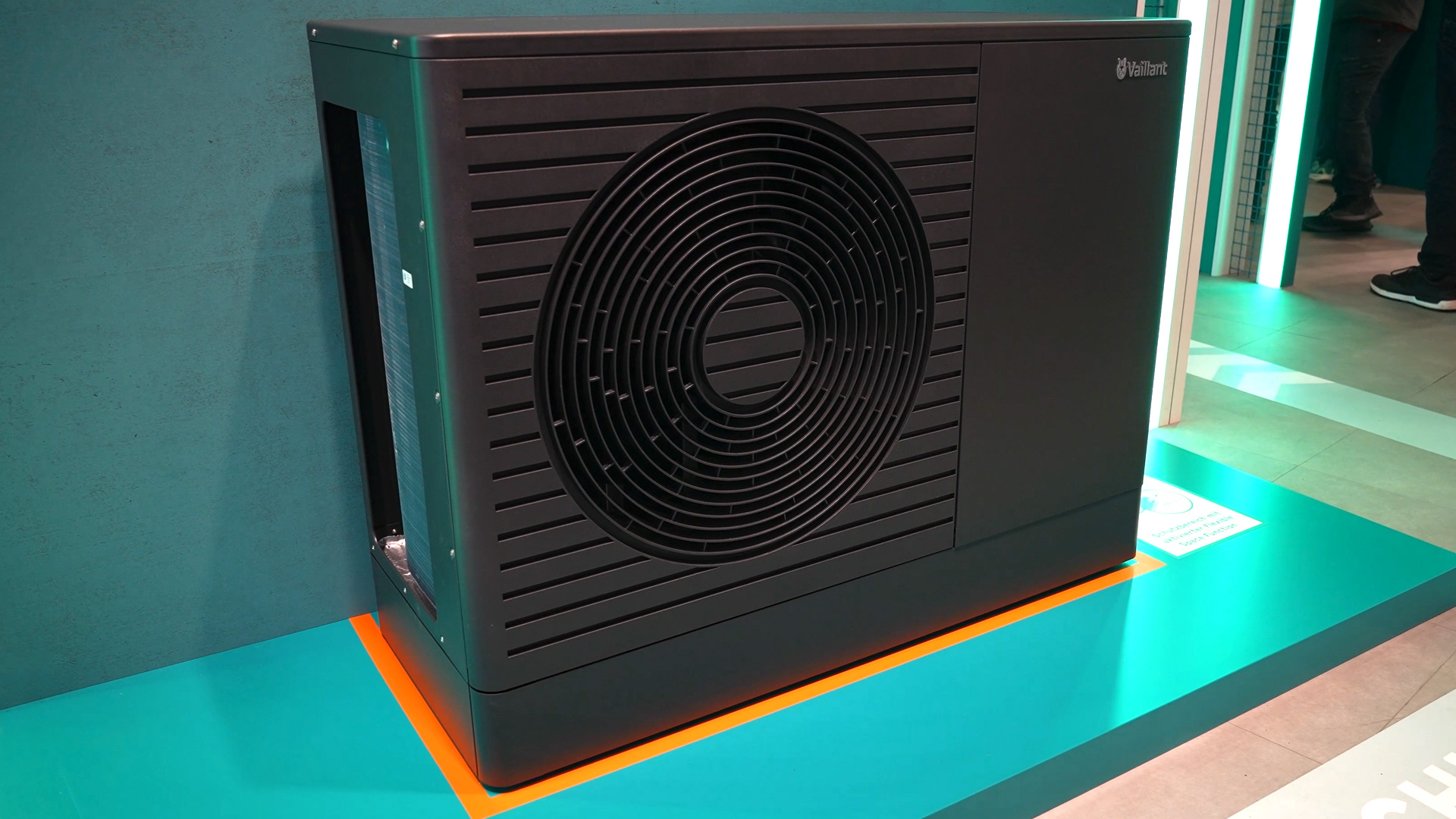
Smart heating systems for heating valves and thermostatic heads
The control of heat in buildings is often not decided at the heat source, but in the distribution. Heating valves and thermostatic heads play a central role in this. Control of heat in buildings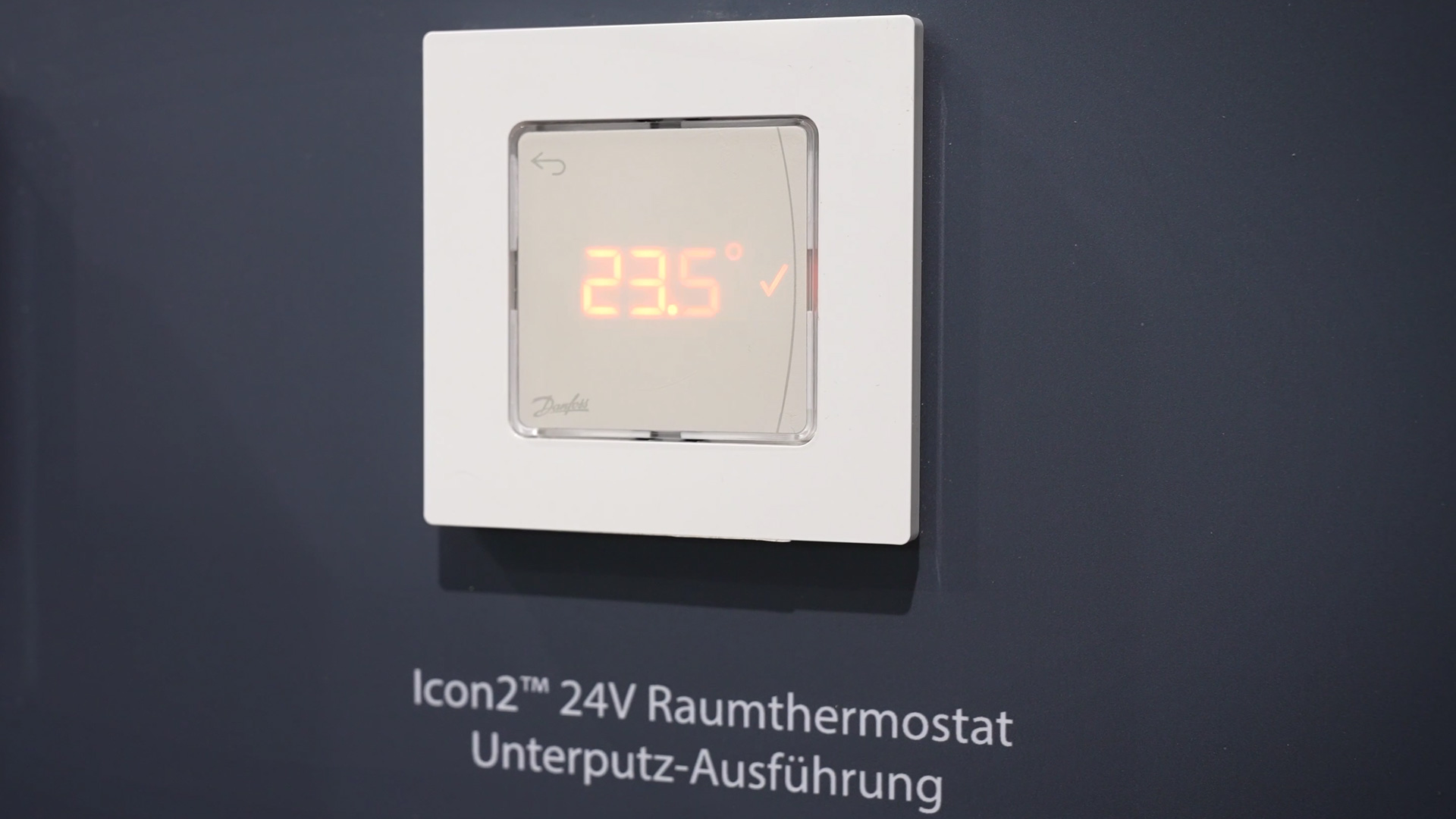
Heat pump for renovation and apartment blocks
The heat pump is at the centre of a development that is fundamentally changing the heating market. With the CS 8800iAW, Bosch is presenting a system that is specifically designed for higher output ranges, better efficiency values and simpli... Heat pump a key topic on the heating market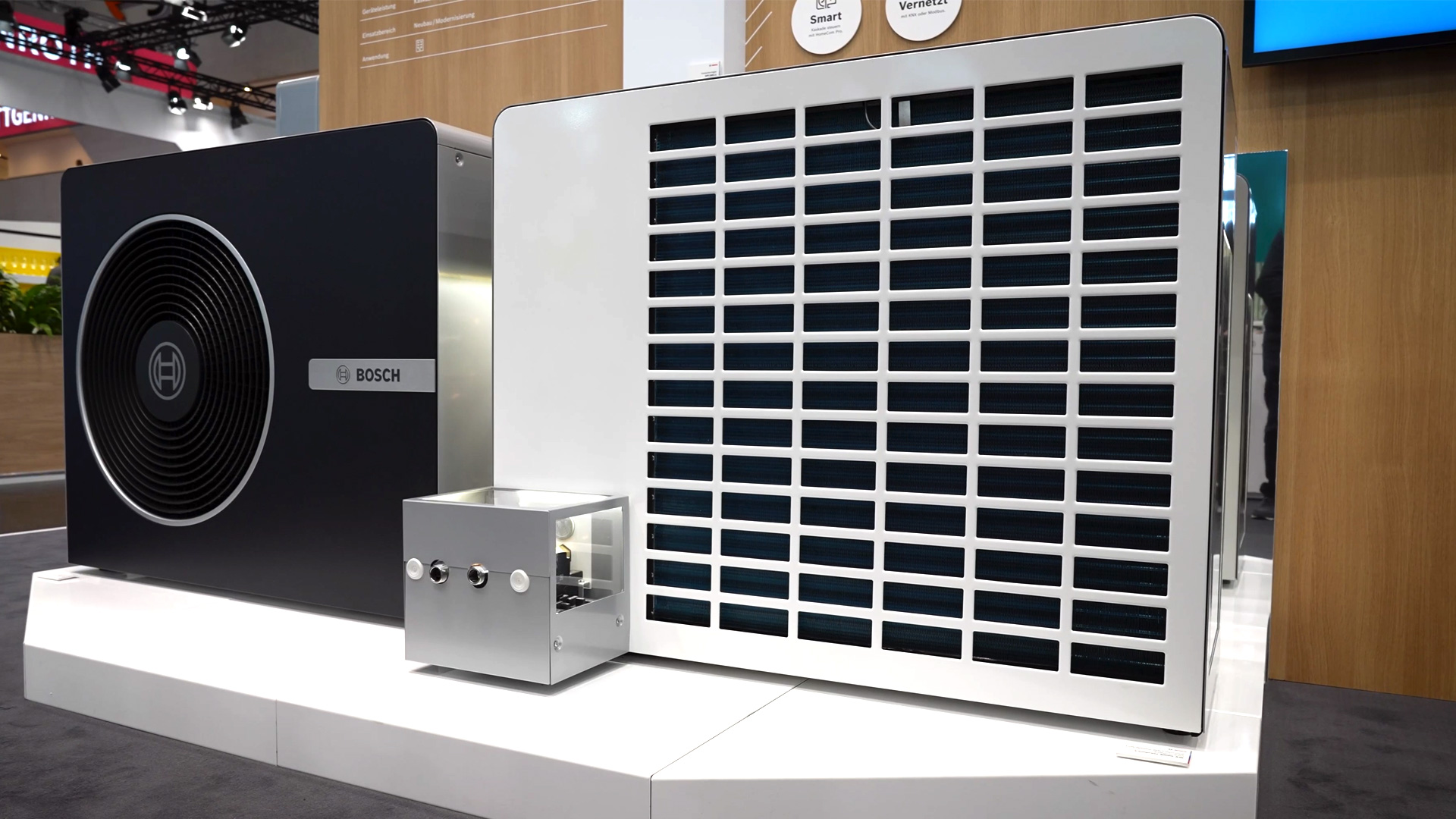
Euphoria Purefoam brings warm foam to the shower
The idea behind Euphoria Purefoam is quickly explained, but the effect is much more comprehensive. It is a retrofit system for the shower that applies warm care foam directly to the body via the hand shower. Warm foam creates a wellness feeling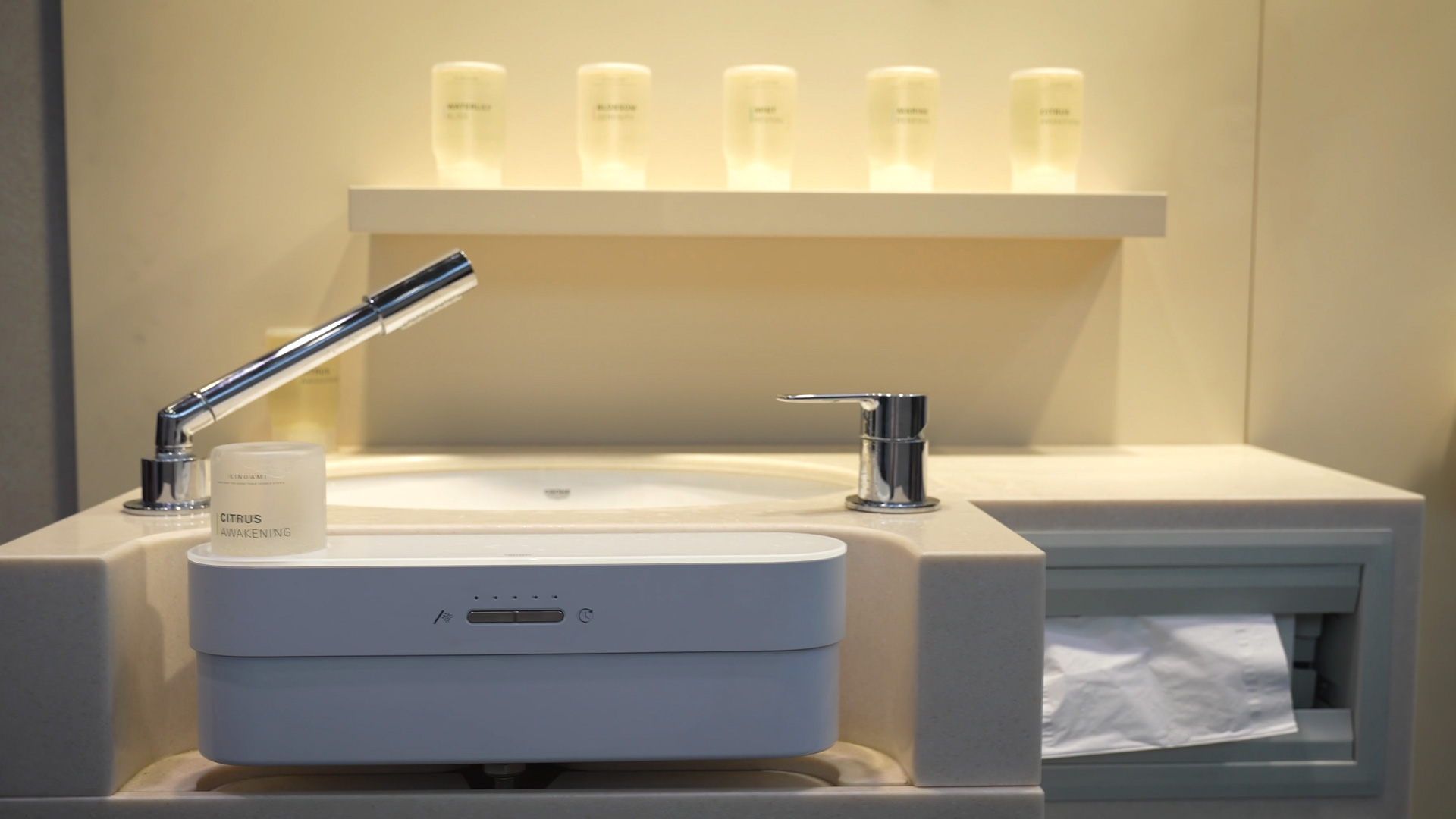
Exhaust gas measurement for efficiency and control during operation
Wherever combustion takes place, exhaust gases are produced. This applies to heating systems in buildings as well as industrial processes with high thermal loads. What can be measured in the chimney or flue gas pipe not only provides inform... Energy efficiency through modern measurement technology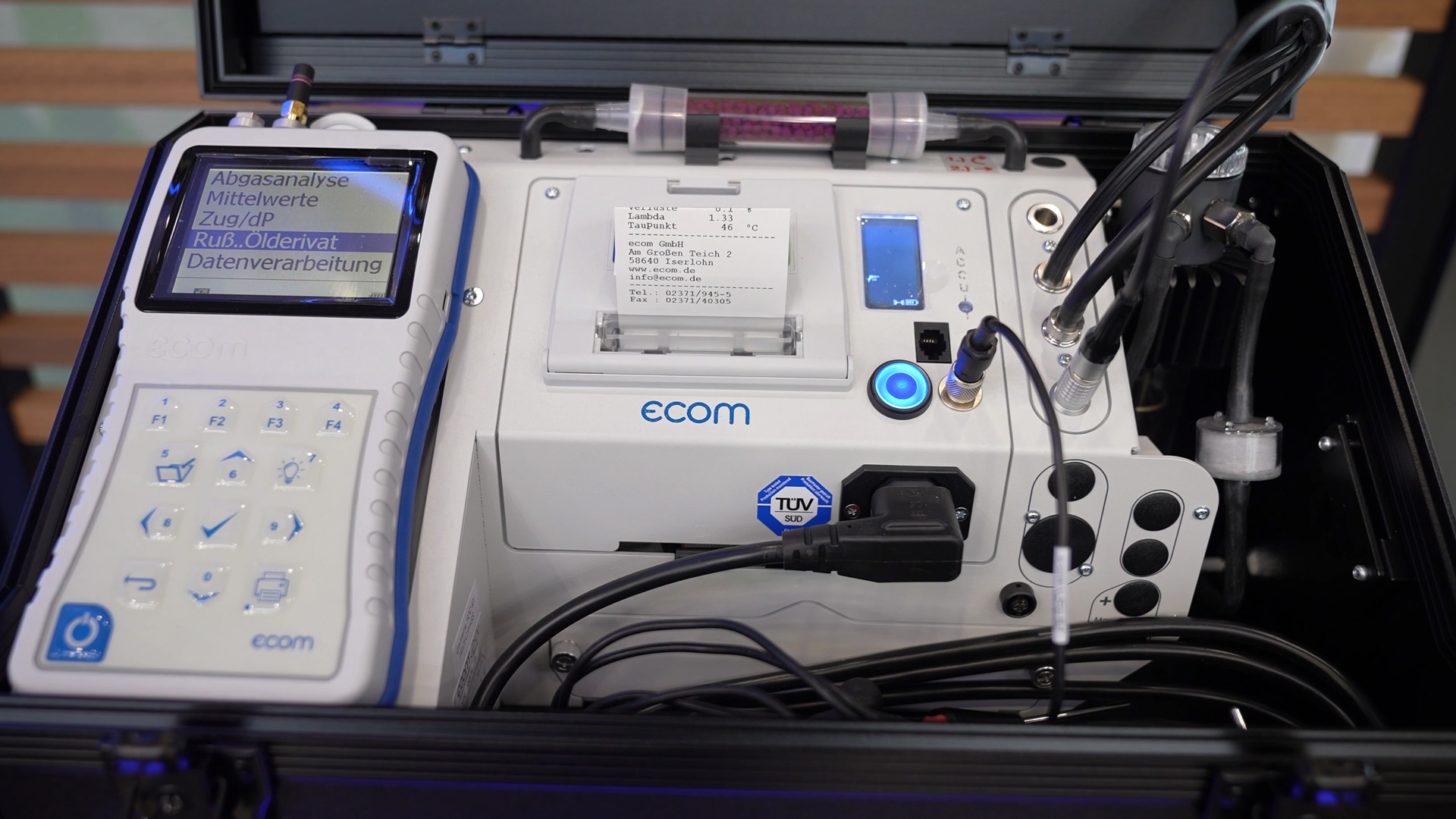
It is becoming increasingly important for specialised companies to take a holistic view of systems. Individual components are becoming less important, while integrated solutions are becoming the standard. This is precisely where IFH/Intherm 2026 comes in, showcasing specific applications that have proven themselves in planning, installation and operation.
Heating systems between heat pumps and hybrid solutions
Heat pumps continue to dominate the heating sector, but no longer as an isolated stand-alone solution. Instead, there is a clear trend towards hybrid systems in which different energy sources are combined. Photovoltaics, storage technology and intelligent control form the basis for a flexible energy supply. Integration into existing buildings remains a key issue. Many systems have to be modernised under real conditions without complete system changes being possible or economically viable. Here, solutions are emerging that integrate existing technology and optimise it step by step. Typical developments in the heating sector:
- Combination of heat pump and conventional systems
- Integration of photovoltaics into heating concepts
- Heat storage for load shifting
- Digital control for variable energy sources
- Retrofit solutions for existing buildings
Sanitary technology in the area of conflict between comfort and consumption
In the sanitary sector, the focus is clearly shifting towards resource efficiency. Water consumption and hygiene requirements are on an equal footing and are influencing the development of new systems. In technical terms, this is reflected in automated solutions that precisely control consumption and utilisation. At the same time, comfort remains a decisive factor, especially in the private sector. Bathrooms are being planned functionally without sacrificing design aspects. Relevant topics in the sanitary sector:
- Reducing water consumption with intelligent fittings
- Hygienic solutions for public and commercial buildings
- Optimised pipe routing to avoid stagnation
- Digital control of water flows
- Integration of technical solutions into modern bathroom concepts
Air conditioning and ventilation technology as part of integrated building systems
The importance of air conditioning and ventilation technology has increased significantly. In modern buildings, it is no longer sufficient to consider individual functions in isolation. Air quality, temperature and energy consumption must be planned as an overall system. Controlled ventilation is indispensable, especially in well-insulated buildings. Systems with heat recovery help to minimise energy losses while ensuring a constant indoor climate. Key developments in this area:
- Combined systems for heating, cooling and ventilation
- Heat recovery to increase efficiency
- Filter technology to improve air quality
- Decentralised and central ventilation solutions
- Integration into higher-level building control systems
Digitalisation is changing planning, operation and maintenance
In addition to traditional system technology, digitalisation is playing an increasingly important role. It not only influences the systems themselves, but also the processes in the trade. Digital tools support the planning and design of systems, facilitate documentation and improve coordination between those involved. At the same time, new possibilities are opening up in the operation of buildings. These include, among others:
- Real-time monitoring of systems
- Automated adaptation to consumption data
- Remote maintenance and diagnostics
- Digital documentation of installations
- Optimisation of maintenance intervals
IFH/Intherm 2026 as a reflection of current developments
IFH/Intherm 2026 shows the industry in a phase in which technical, economic and regulatory requirements are overlapping. Solutions must not only be efficient, but also fit into existing structures and function in the long term. The interplay between heating, sanitation and air conditioning clearly shows that building technology is developing into integrated systems. Individual trades are becoming less distinct, while overall solutions are gaining in importance. IFH/Intherm 2026 reflects precisely this development - with a clear focus on realisable technology and specific applications in everyday trade.
Trade fair reporting Germany - Trade fair knowledge, dates & events


