Videos and articles on industry, production and technology
Technological developments are rapidly shaping industrial production. Contributions from the industrial sector show how machines, systems, and processes are being further developed – from manufacturing to automated control.
Developments in manufacturing, automation and industrial digitalization
Lapmaster Wolters - Surface treatment
Precise surface finishing - for all materials and industries. This is the focus of Lapmaster Wolters' work and range of products. We visit the company at GrindTec 2016 in Augsburg ... Lapmaster Wolters - Surface treatment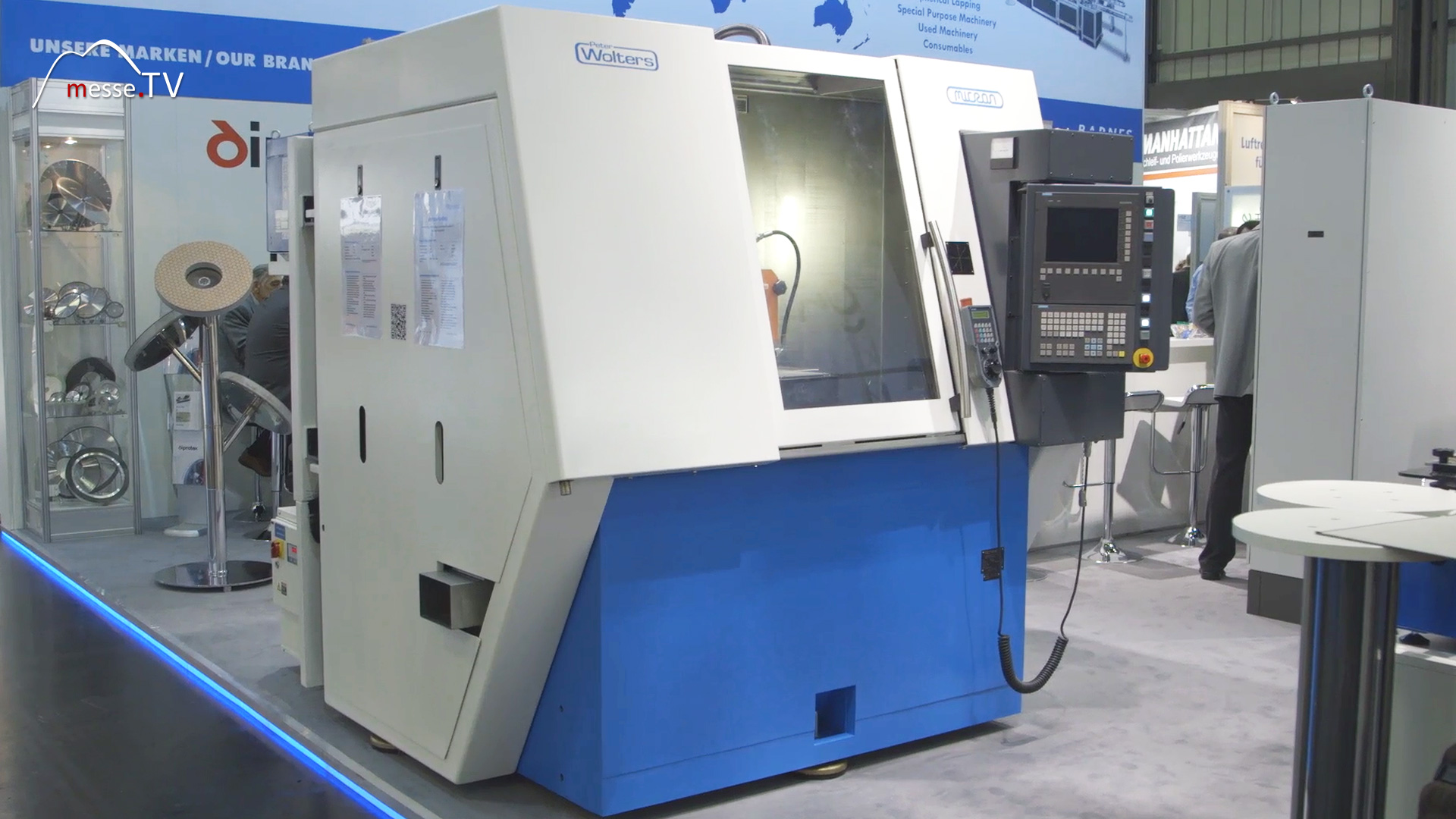
WEMA Glauchau - Machine tools
Do you need maximum individuality in your sanding processes? Then you should pay close attention now. We are visiting WEMA Glauchau at GrindTec 2016. The machine tool factory promi... WEMA Glauchau - Machine tools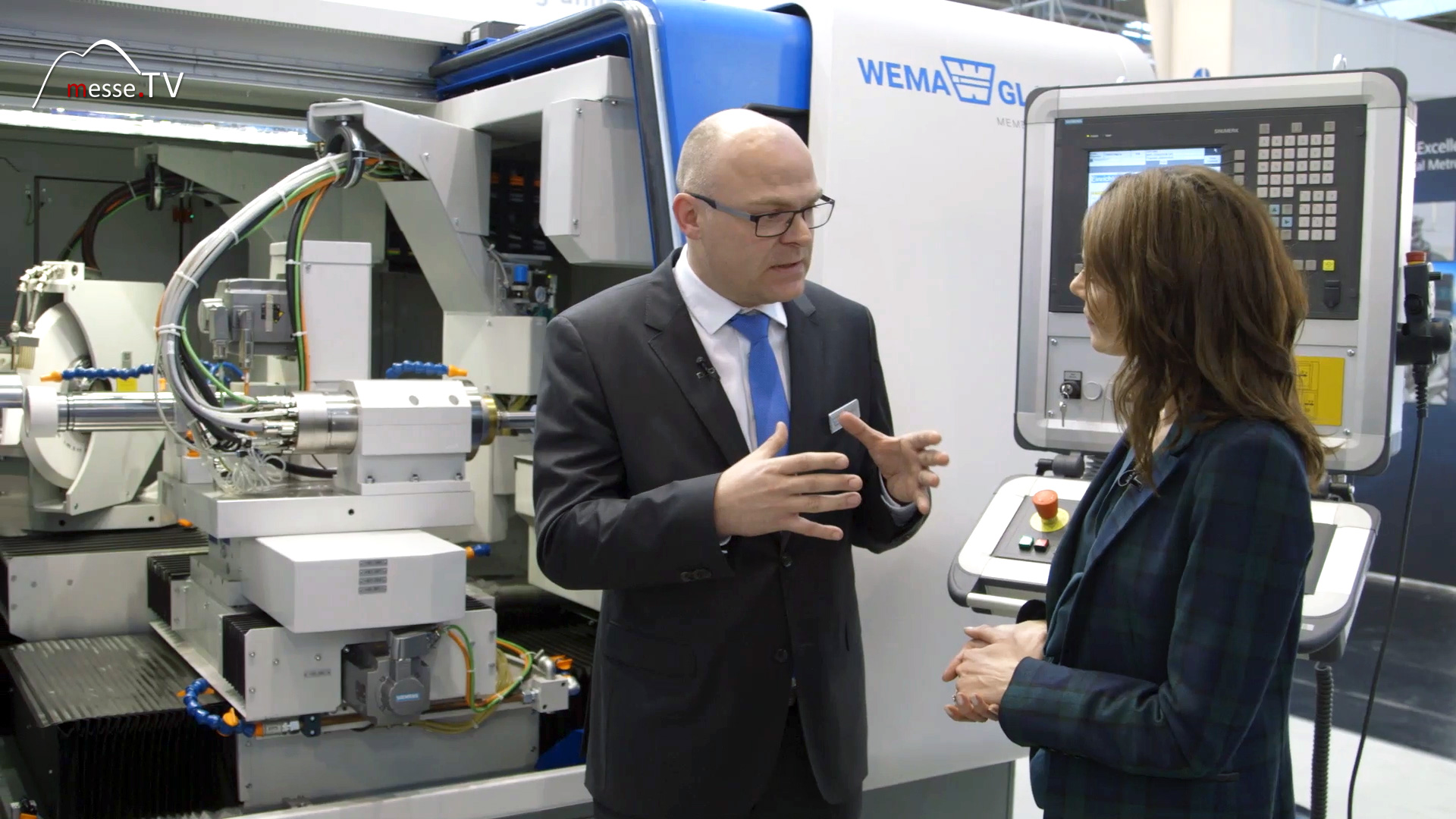

Styleshoots product photography
In the world of e-commerce and online retail, product presentation plays a crucial role. High-quality, cropped product photos are essential for convincing potential customers. Styl... Styleshoots product photography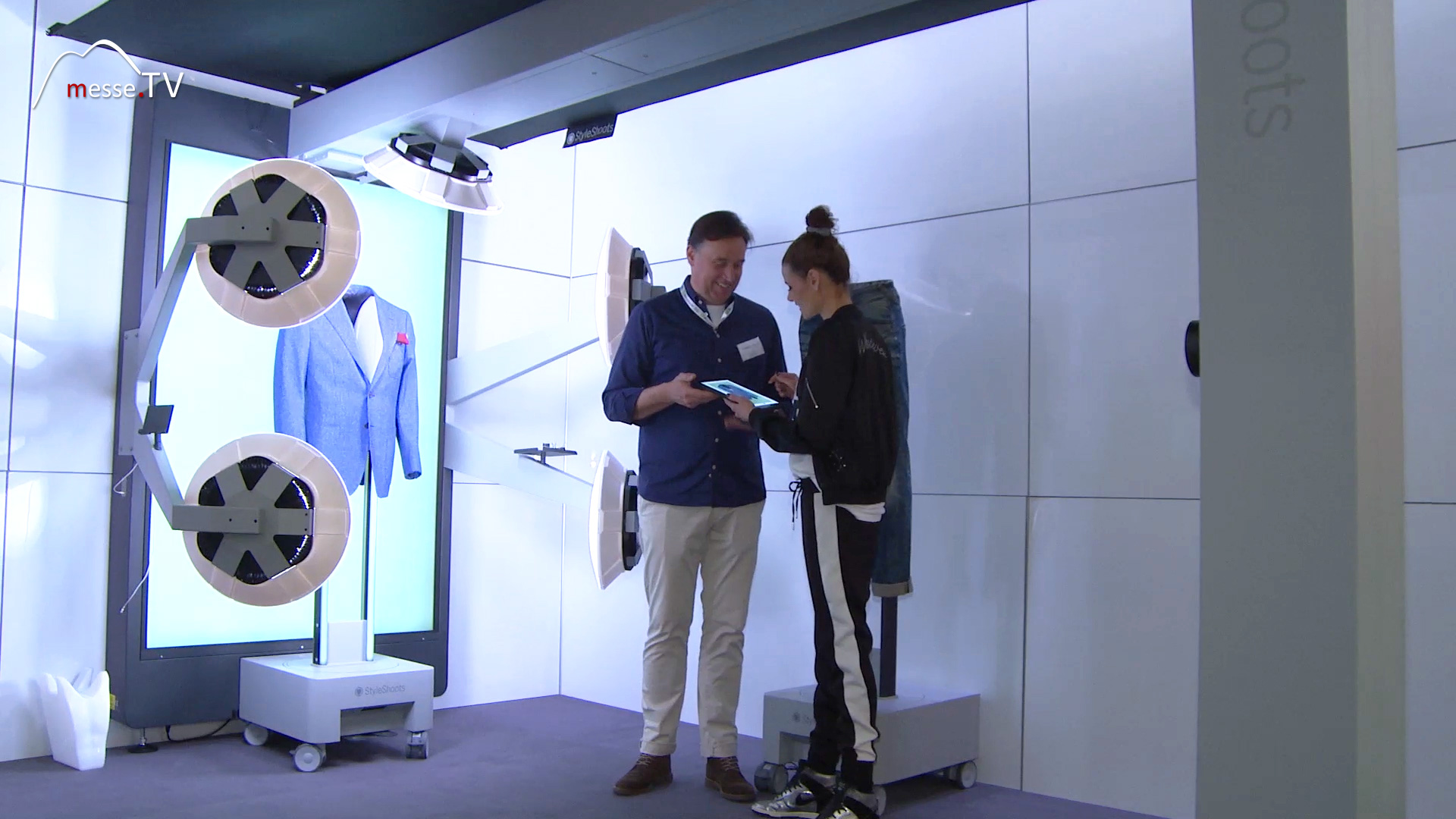
Smart Factory - industry 4.0
Many companies like to talk about Industrie 4.0 - but it often remains very theoretical. The SmartFactoryKL technology initiative is different - here you can see Industrie 4.0 in a... Smart Factory - industry 4.0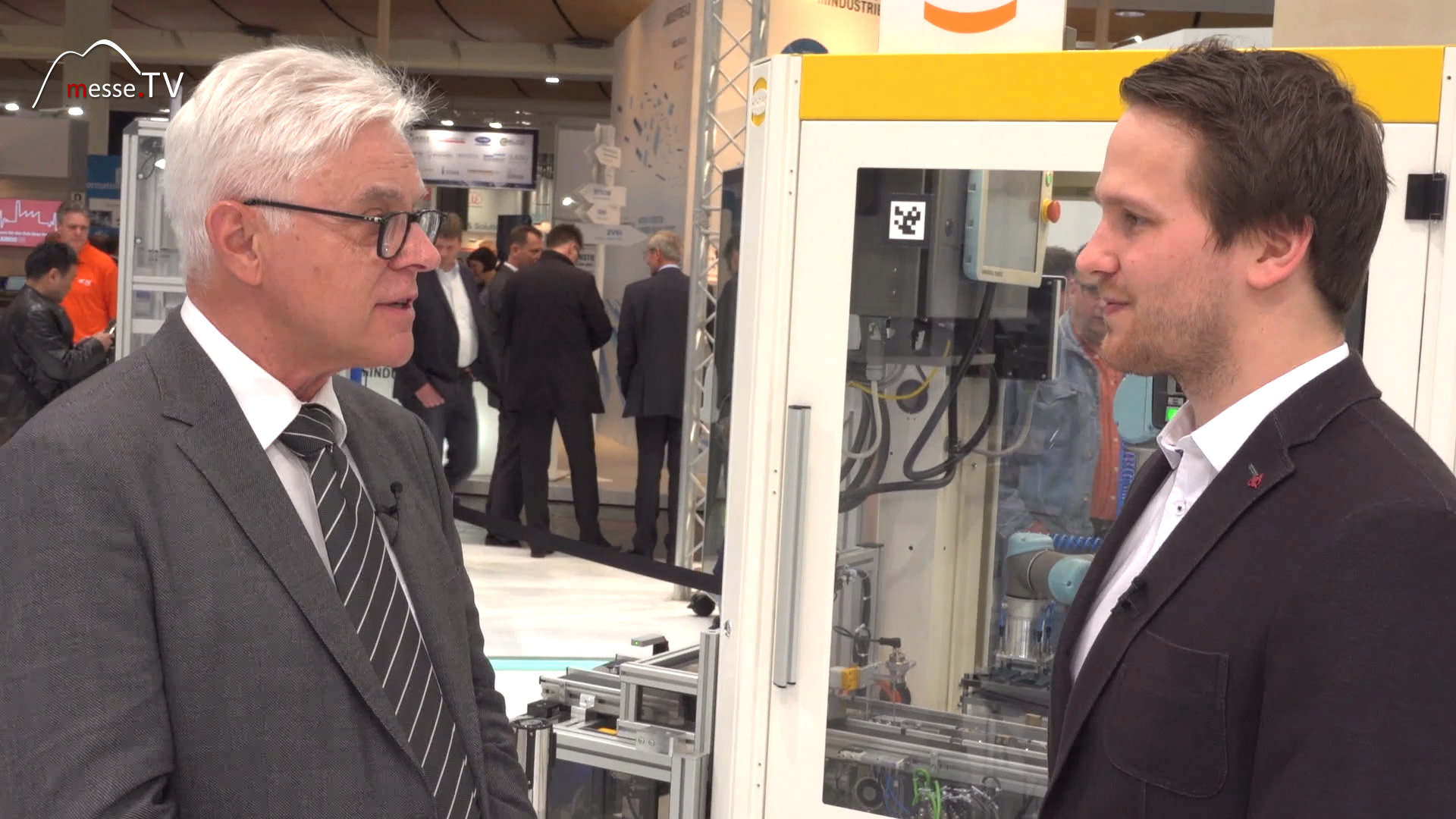
noonee - Chairless Chair
The chairless chair from noonee is certainly a very interesting product for anyone who has to keep changing their workstation during assembly work. There is no chair in the way and... noonee - Chairless Chair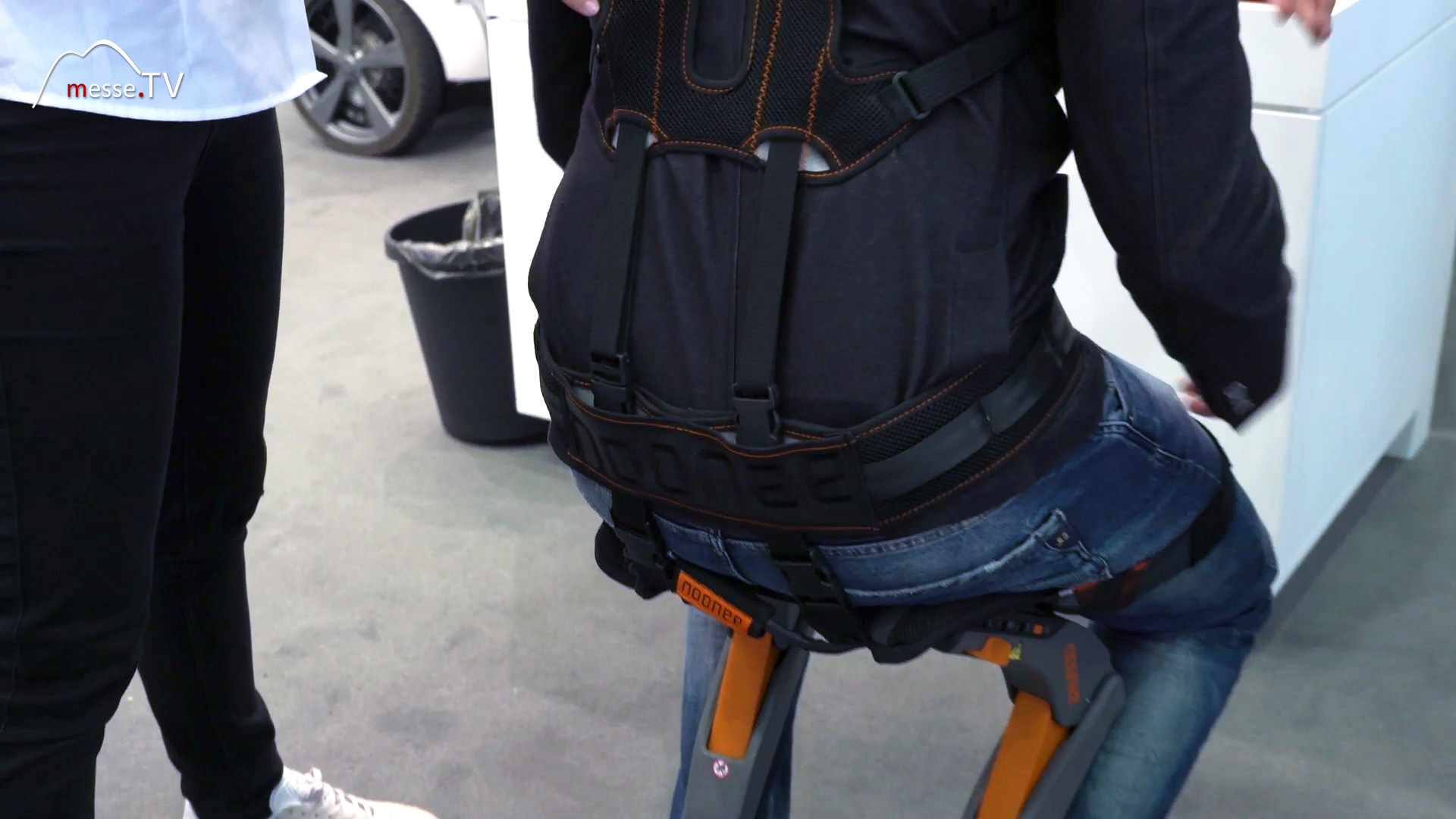
Industrial 3D printing - Proto Labs
Industrial 3D printing is hugely important when it comes to creating functional prototypes. We visited the exhibitor Proto Labs at the Hannover Messe to find out more. Messe.TV pre... Industrial 3D printing - Proto Labs

IBM - Security software IoT
Suddenly losing control of the car even though you haven't made a mistake? A horrible idea, but unfortunately quite conceivable. Many people assume that we are talking about autono... IBM - Security software IoT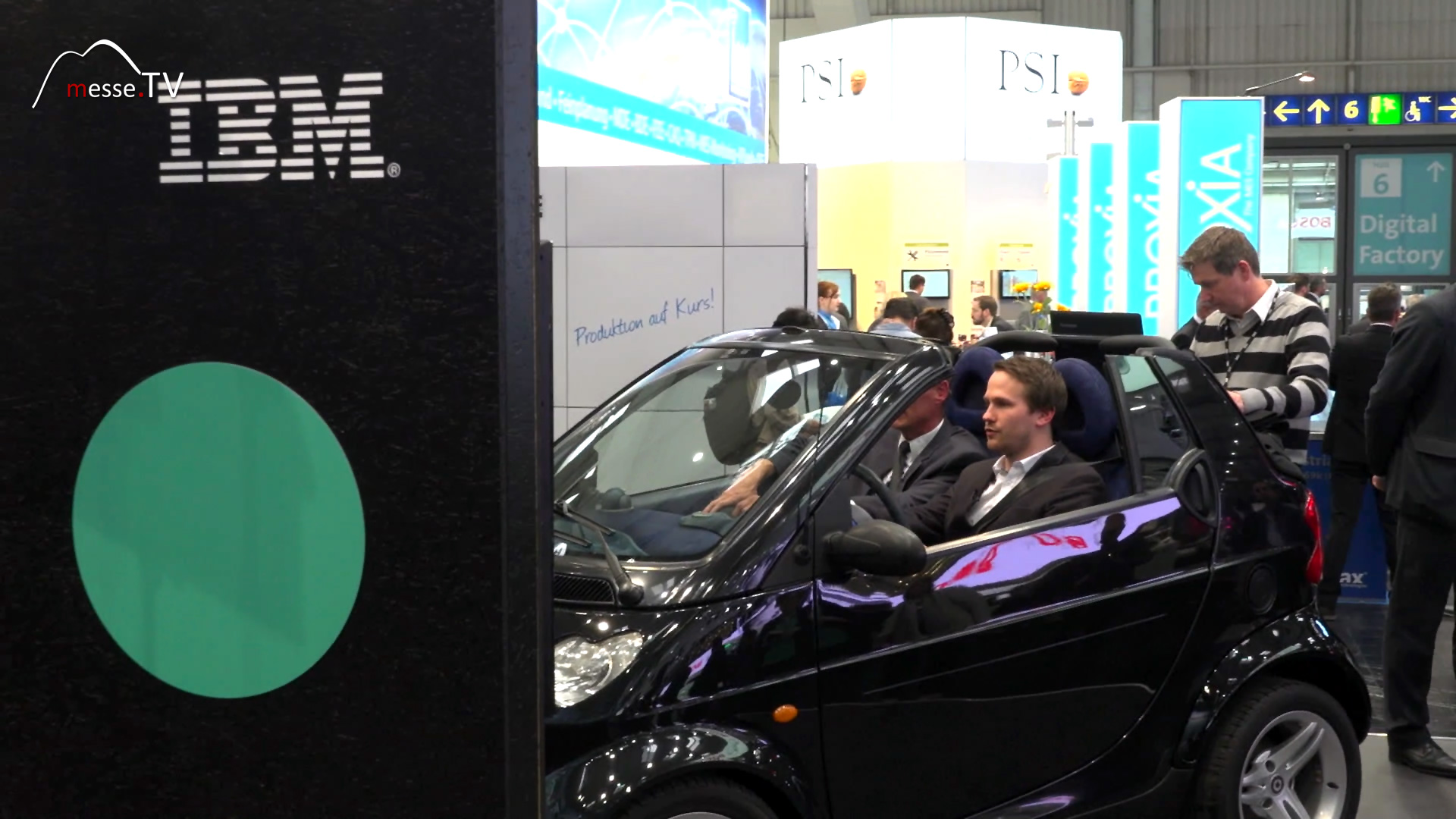
Harting - Connectors + network components
If many modules are to work together, as is the case with the Smarty Factory, then standards are needed. Harting is focusing on Industry 4.0 and is working on testing new technolog... Harting - Connectors + network components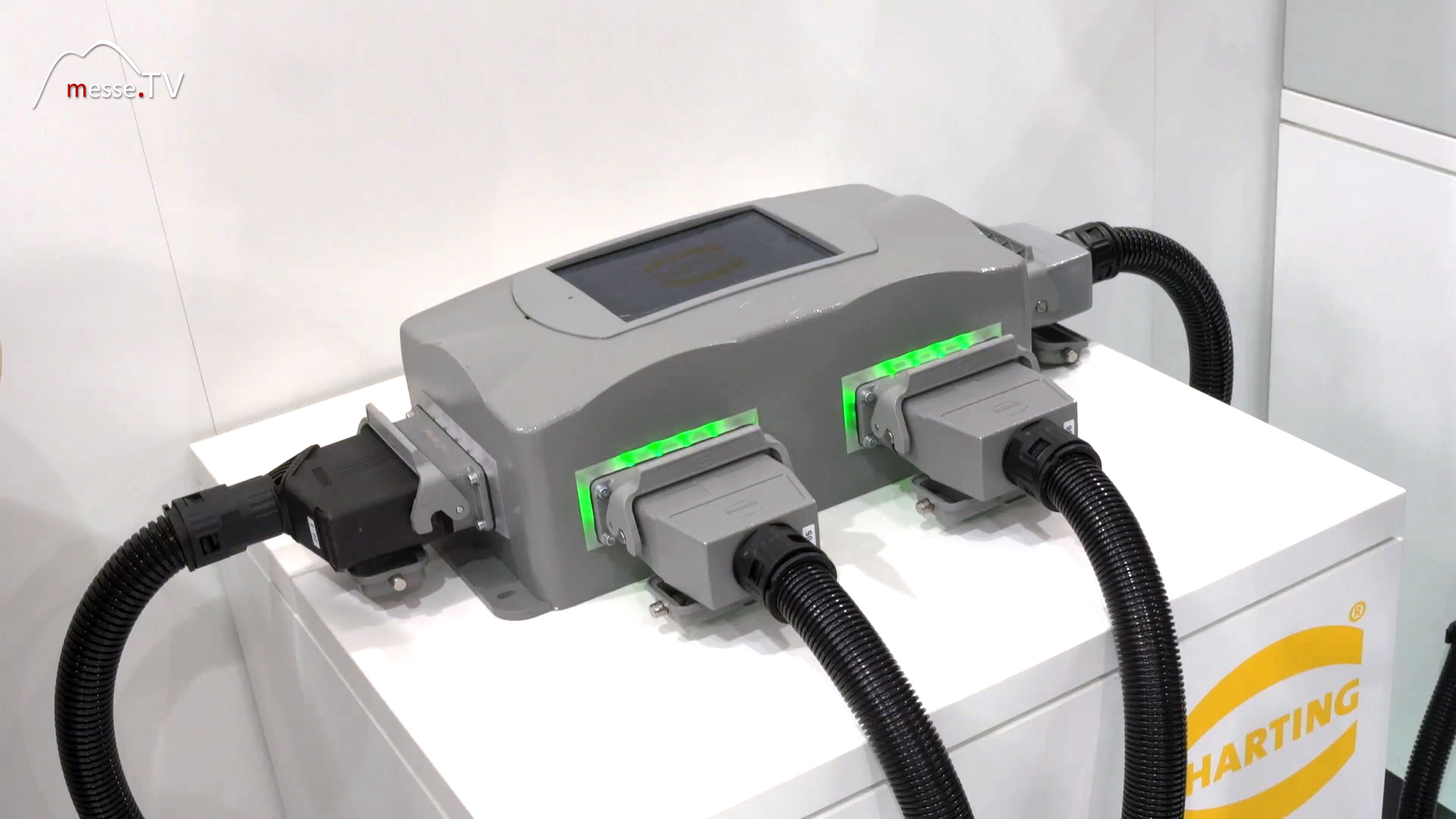
Bosch Rexroth - automation systems
Time Sensitive Networking, or TSN for short, is an important component in an intelligent factory. One of Bosch-Rexroth's strengths is combining existing technologies with new techn... Bosch Rexroth - automation systems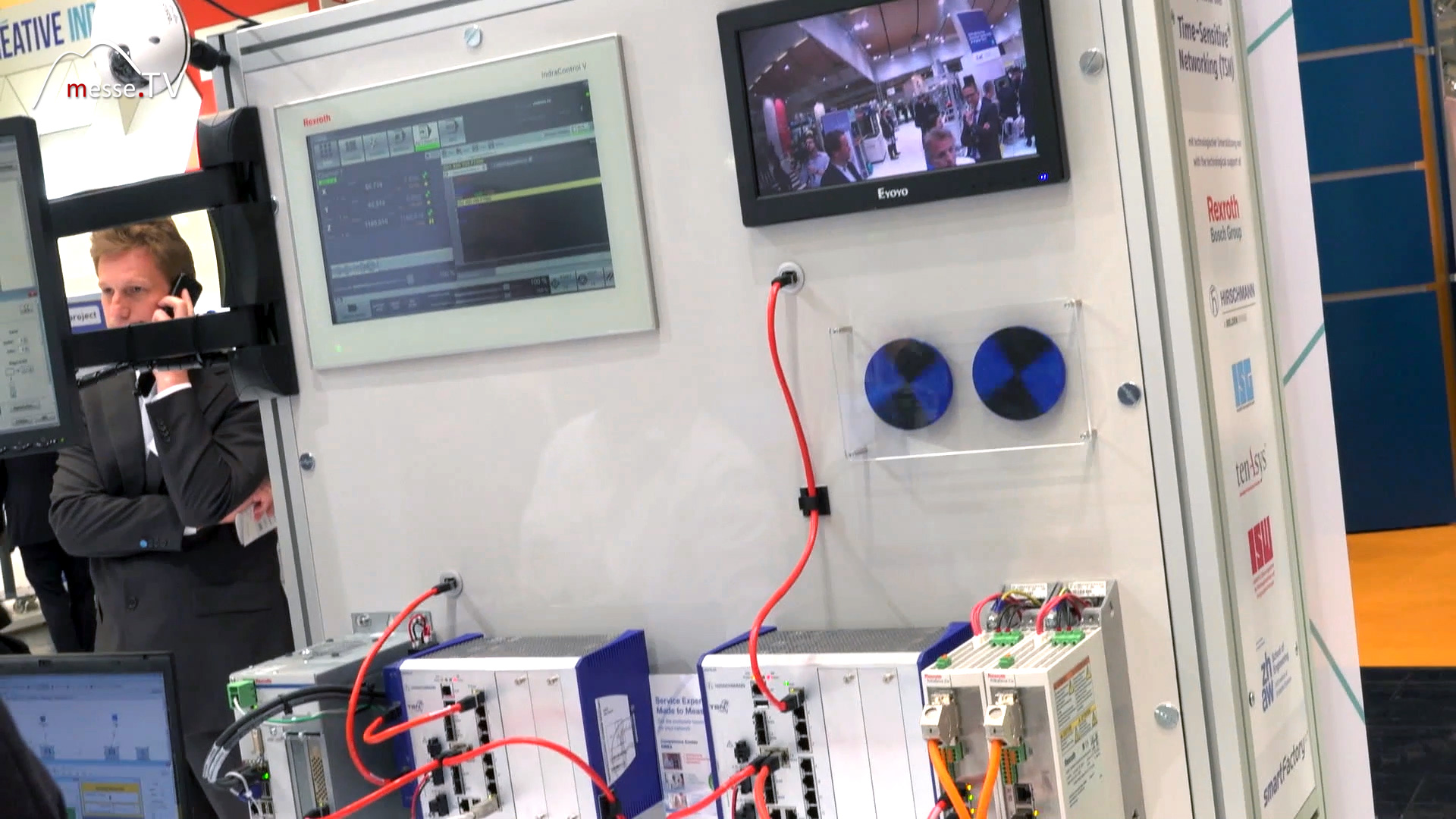
Wash-off labels for long-term use in reusable systems
Returnable bottles have been considered one of the most effective ways to reduce packaging waste for years. In practice, however, it is often not the bottle itself but the label th... Wash-off labels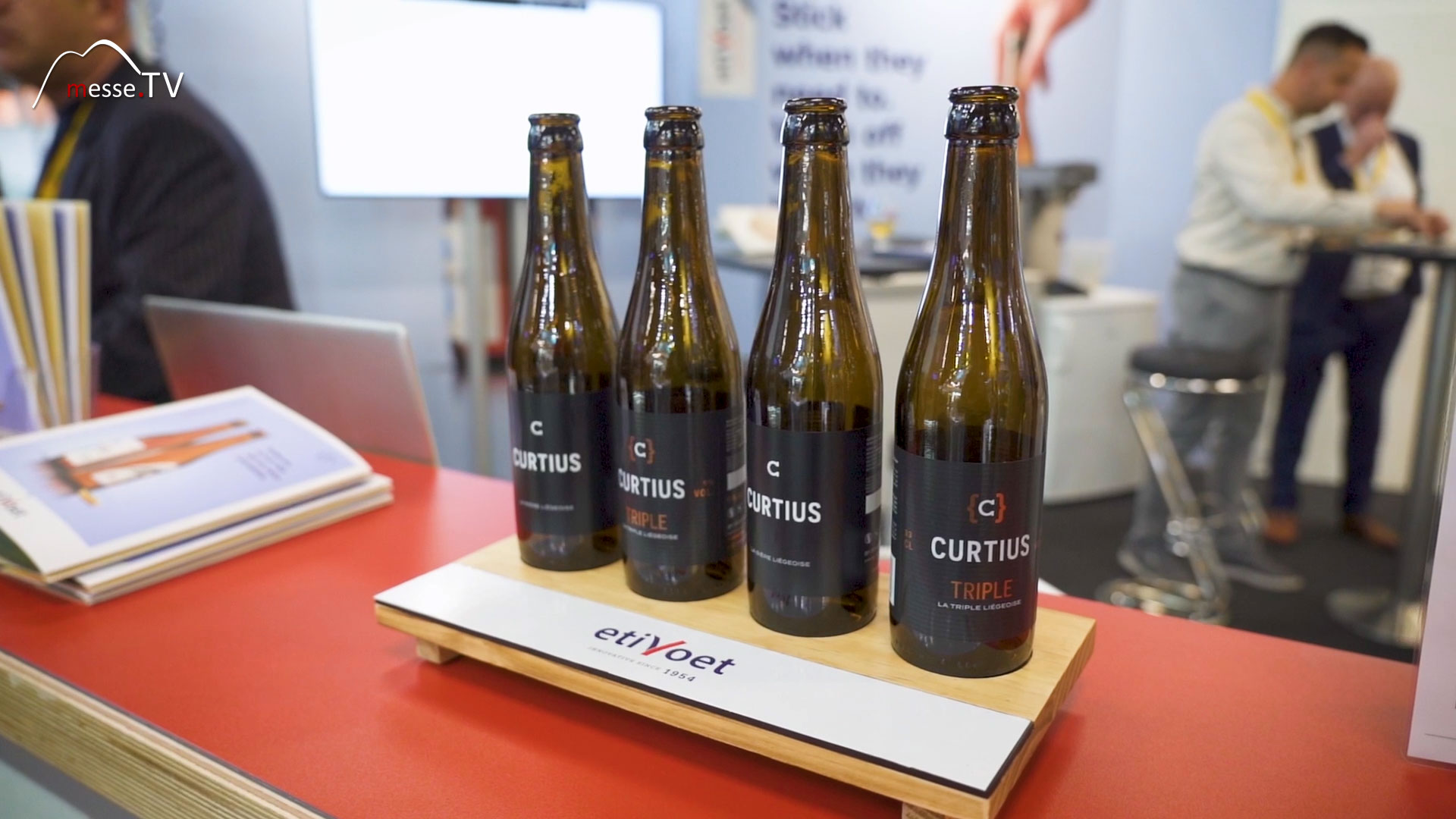
Collaborative palletising - Robotics in the palletising sector
In many production and logistics environments, palletising processes are among the areas in which automation is rapidly gaining relevance. Cartons weighing tens of kilograms, unifo... Palletising solution with robots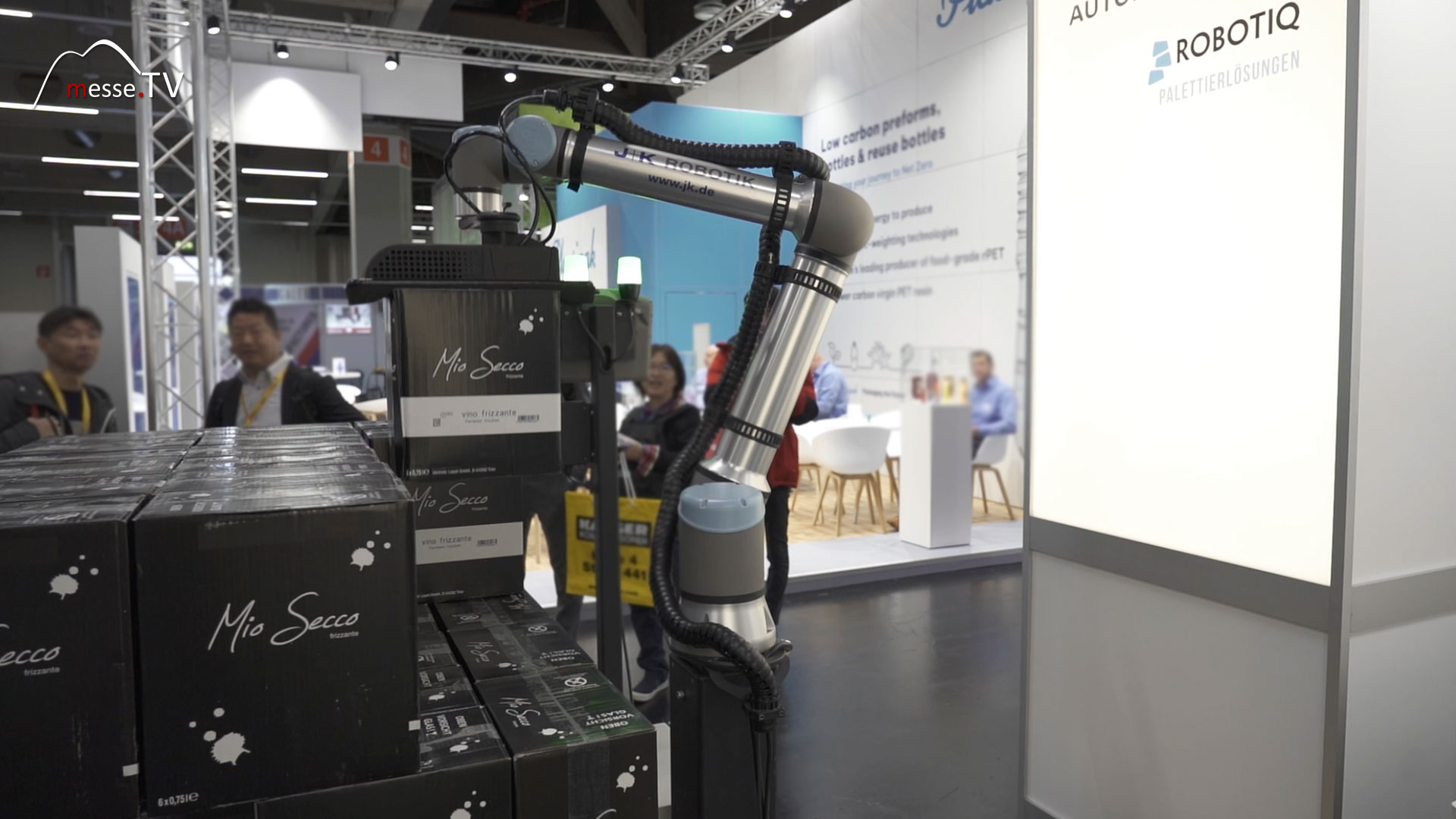
Valve technology in beverage plants: reducing energy consumption
Compressed air is one of the largest, but often underestimated, energy consumers in beverage plants. New valve concepts show how demand can be significantly reduced without comprom... Energy-efficient process valves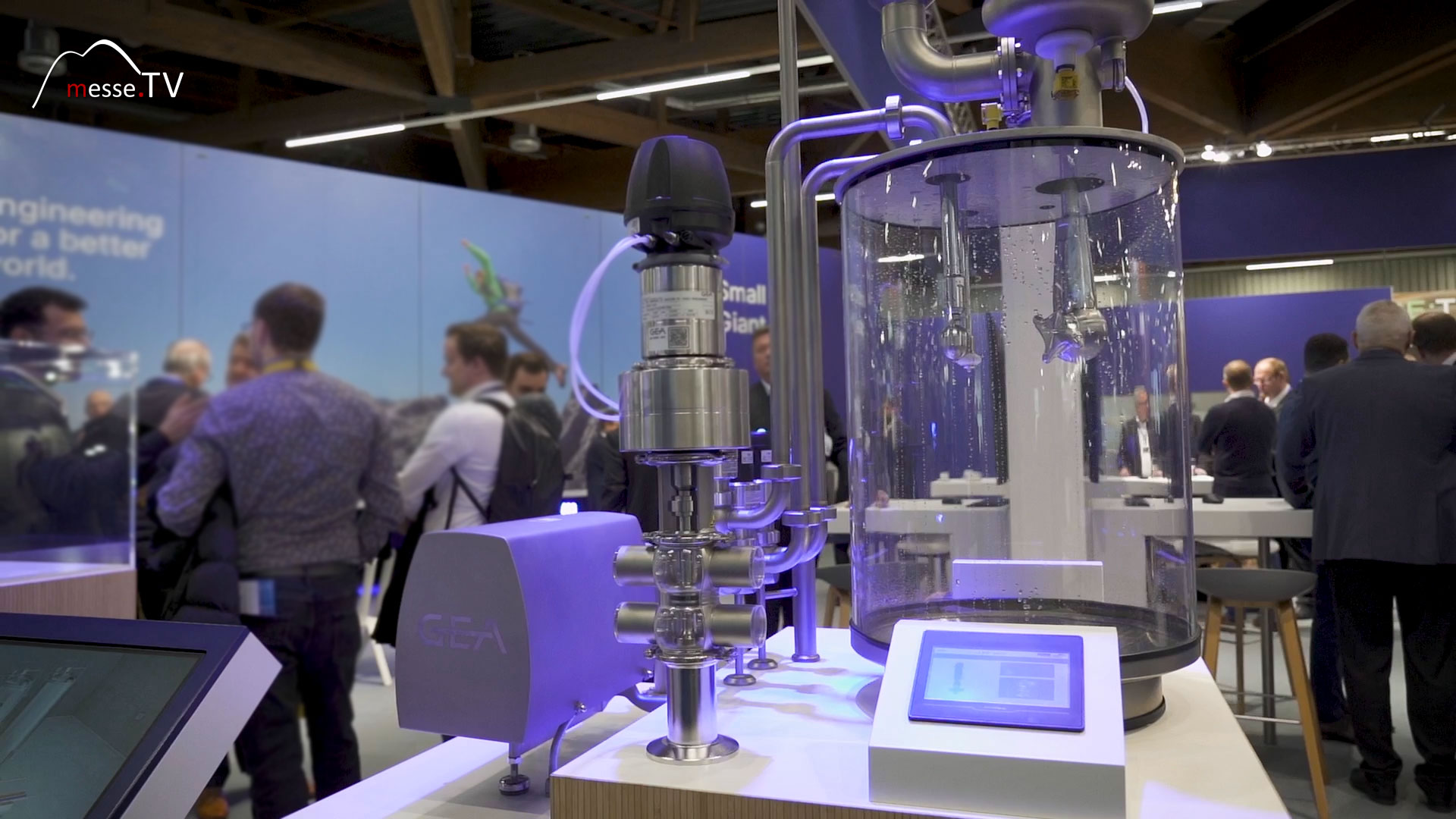
Self-sufficient energy supply for breweries
The question of a stable and sustainable energy supply is becoming increasingly important in strategic decisions for breweries. Rising energy prices, regulatory requirements and pr... Sustainable brewing Technology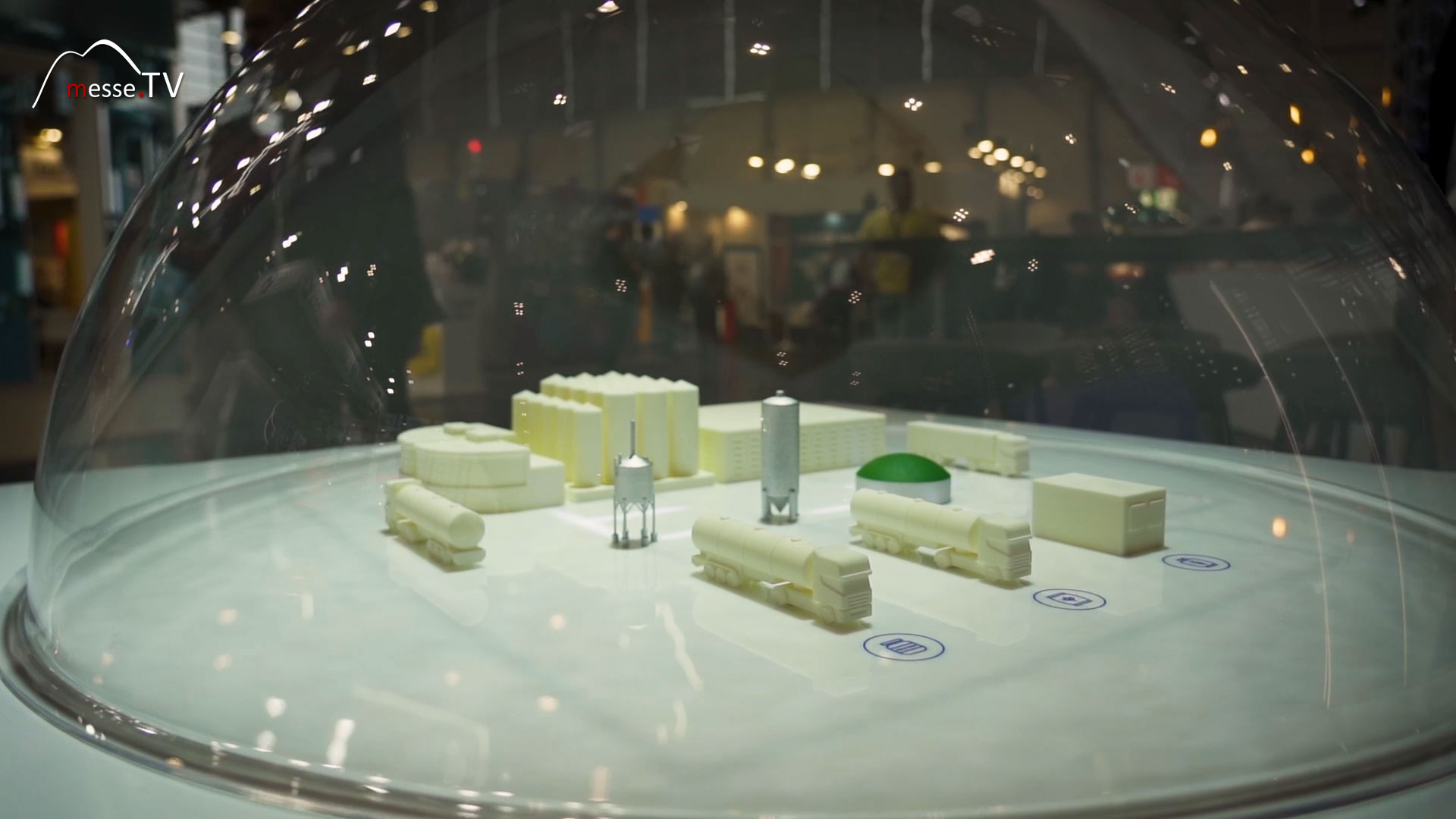
Water treatment: Process water – reducing pollution
Clean water is no longer a matter of course in industry, but a critical production factor. In the brewing and beverage industry in particular, the question of how drinking and proc... Drinking water treatment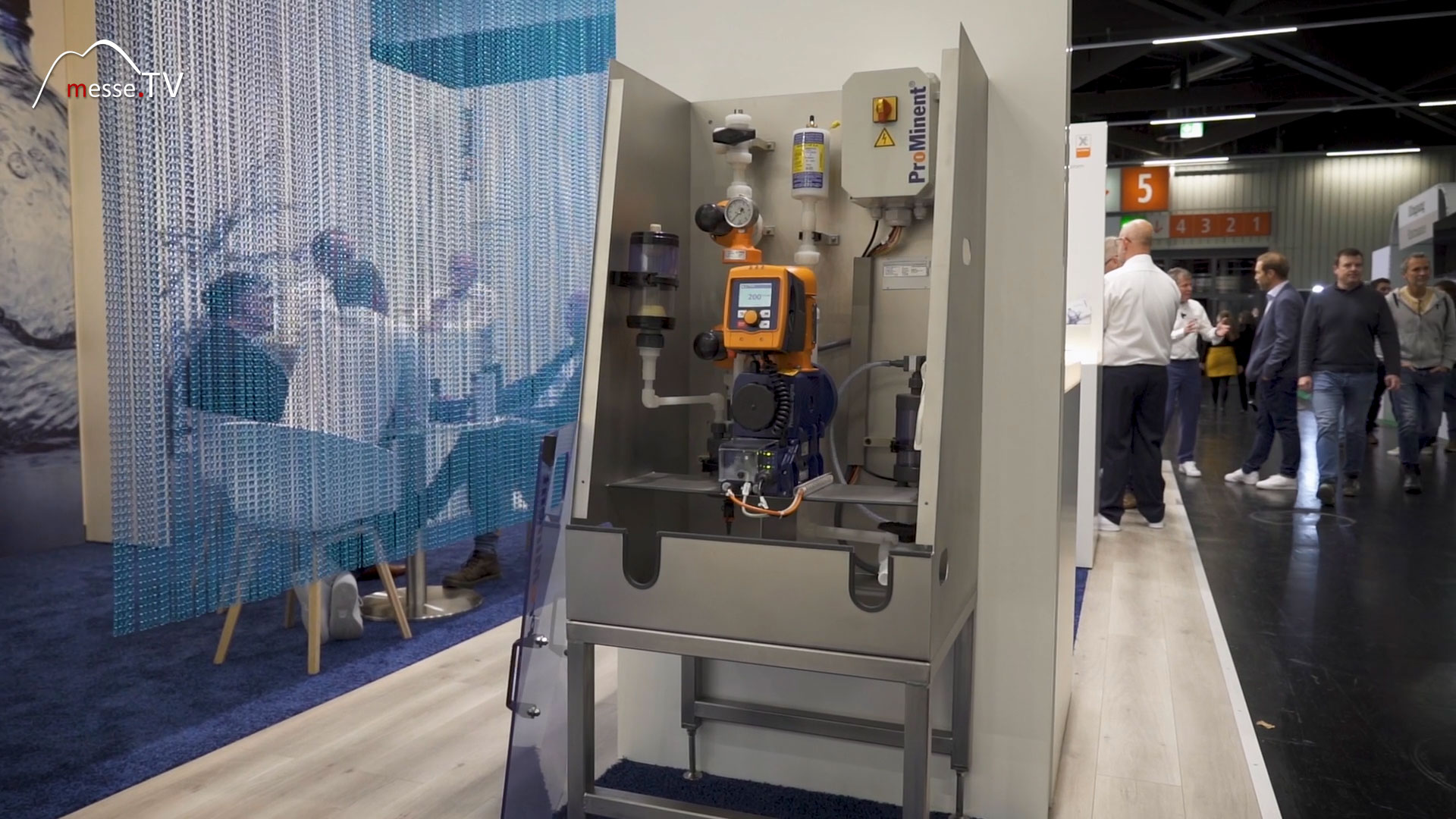
Transparent dispensing towers: Dispensing technology
The way beer is tapped and presented has long been more than just a technical issue. In bars, breweries and dining rooms, the dispensing system is part of the overall experience. I... Dispensing technology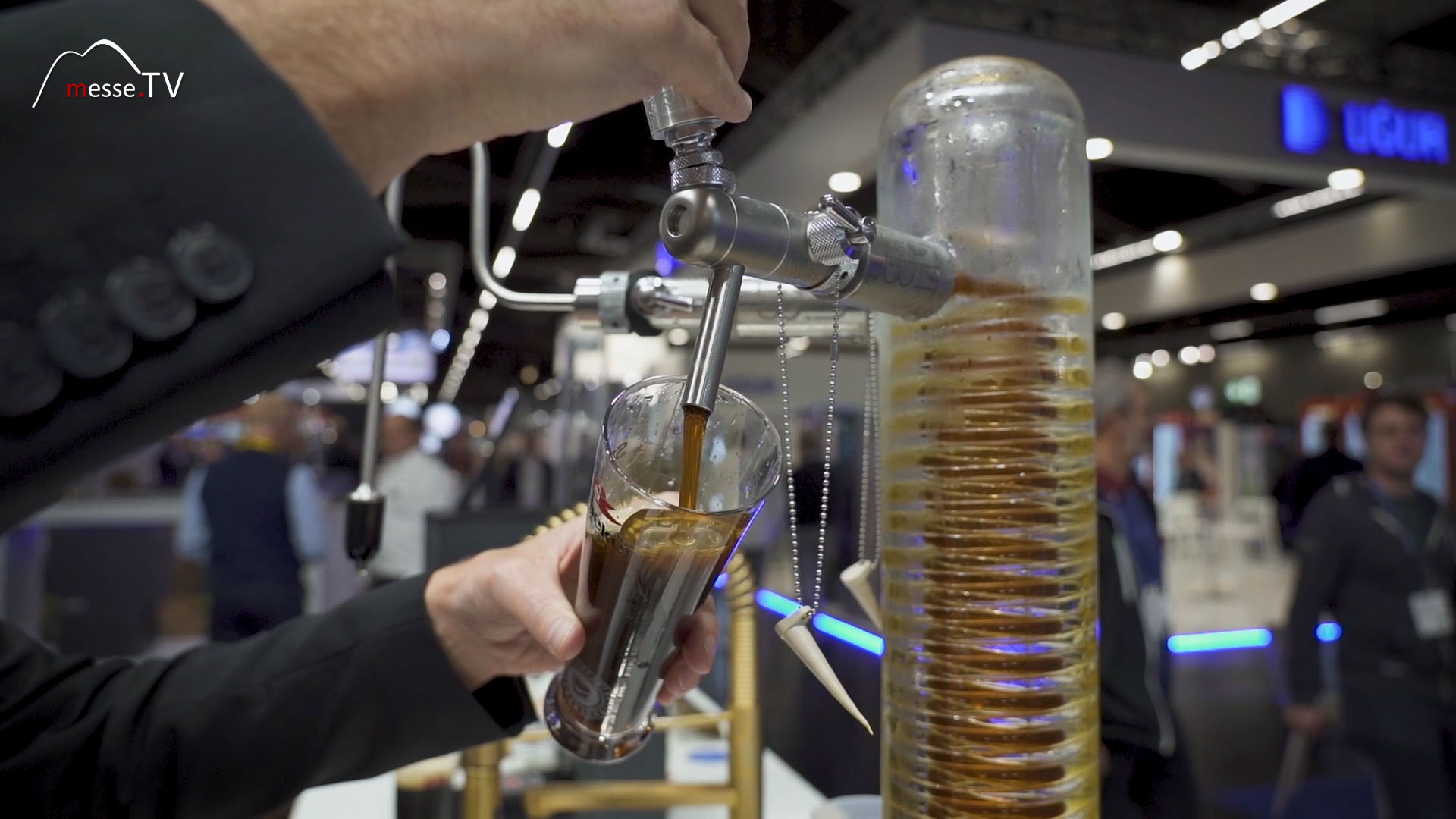
Spiral conveyors Vertical conveyor technology in logistics
Since the late 1990s, AmbaFlex has established itself as a provider of solutions for transporting products reliably and in a space-saving manner over differences in height. The foc... Vertical conveyor technology logistics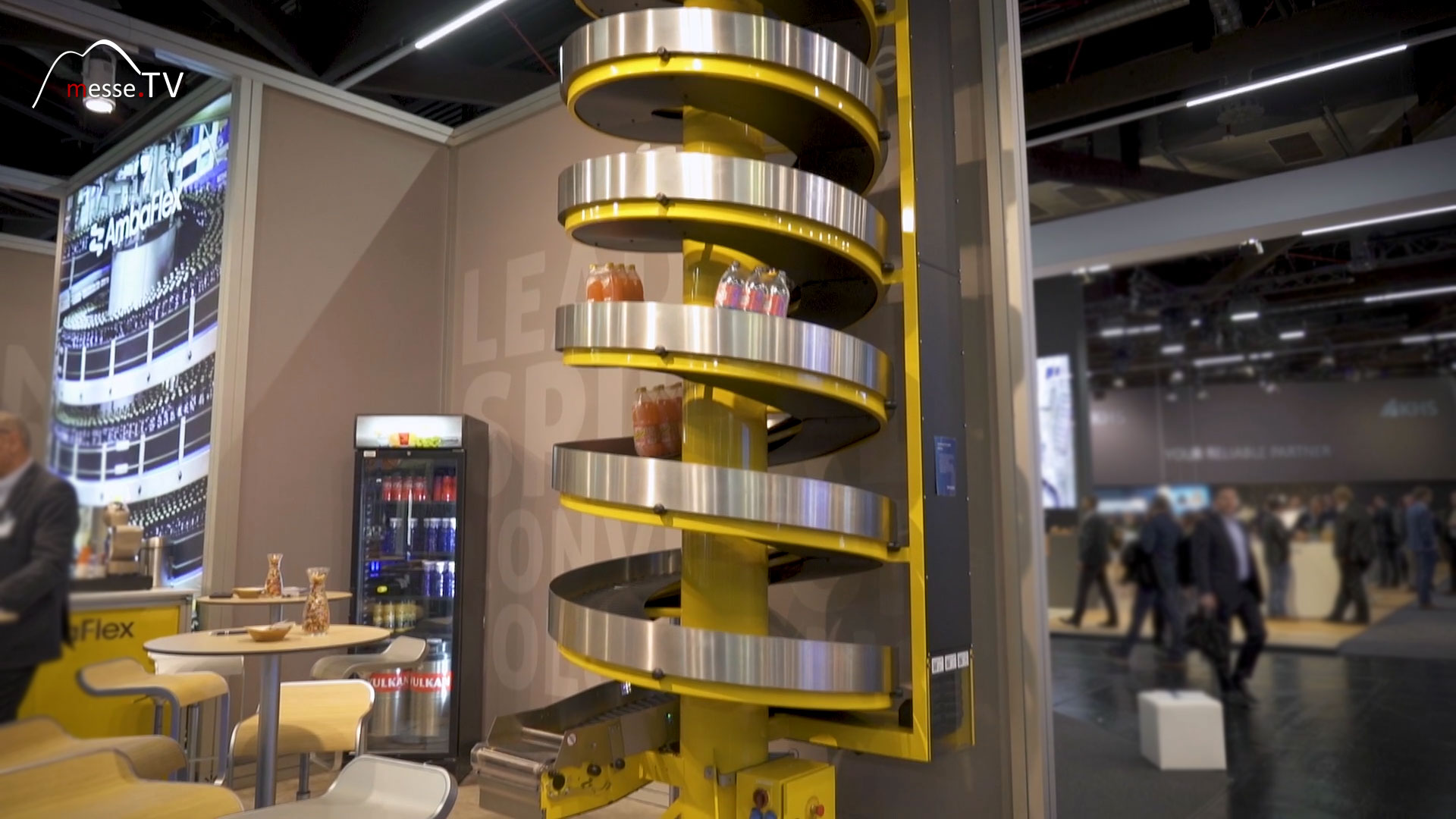
Automation solutions for industrial processes
Industrial companies are increasingly turning to automation to increase efficiency, safety, and precision in production. At trade fairs, companies showcase solutions for process control, machine networking, and quality assurance. Modular systems, integrated robot solutions, and smart sensor technology for industrial use are presented.
- Robotics for material handling and assembly
- Sensor-based systems for process monitoring
- Automated testing and inspection systems
- Software solutions for production planning and control
- Edge computing and IoT platforms for real-time analysis
Materials and manufacturing technologies in industrial change
Whether lightweight construction, 3D printing, or special materials – industry is investing in new materials and innovative processes to make products more sustainable, lighter, or more durable. Messe.TV features articles on developments in additive manufacturing as well as materials with functional properties.
- Metal and plastics processing with new processes
- Additive manufacturing for prototyping and series production
- Coating technologies for protection and durability
- High-performance materials with temperature- or pressure-resistant properties
Energy efficiency and resource-saving industrial plants
Industrial companies are faced with the challenge of making production processes not only economical but also sustainable. Energy management, heat recovery, and intelligent control technology play a central role in this.
- Industrial heat pump systems
- Recovery systems for process waste heat
- Real-time energy consumption monitoring
- Technologies for reducing CO₂ emissions
Safety technology and industrial protection systems
Industrial environments have high requirements for protection and safety. Whether for machine operation, building infrastructure, or IT, the solutions presented show how modern technology minimizes risks and secures work processes.
- Safety fences and access controls
- Personnel recognition and emergency stop systems
- Protective enclosures for hazardous work areas
- IT security in networked production environments
Maintenance, retrofitting, and industrial service concepts
Maintenance and repair are among the central tasks in industry—not only to prevent breakdowns, but also to extend the service life of systems. Numerous suppliers present modular concepts, sensor solutions, and digital tools for predictive maintenance.
- Sensors for condition monitoring
- Cloud-based maintenance systems
- Retrofit solutions for older machines
- Remote maintenance via secure remote access
Trade fair reporting Germany - Trade fair knowledge, dates & events


