Bürst-Entgratmaschine TNA für automatisierte Serienfertigung
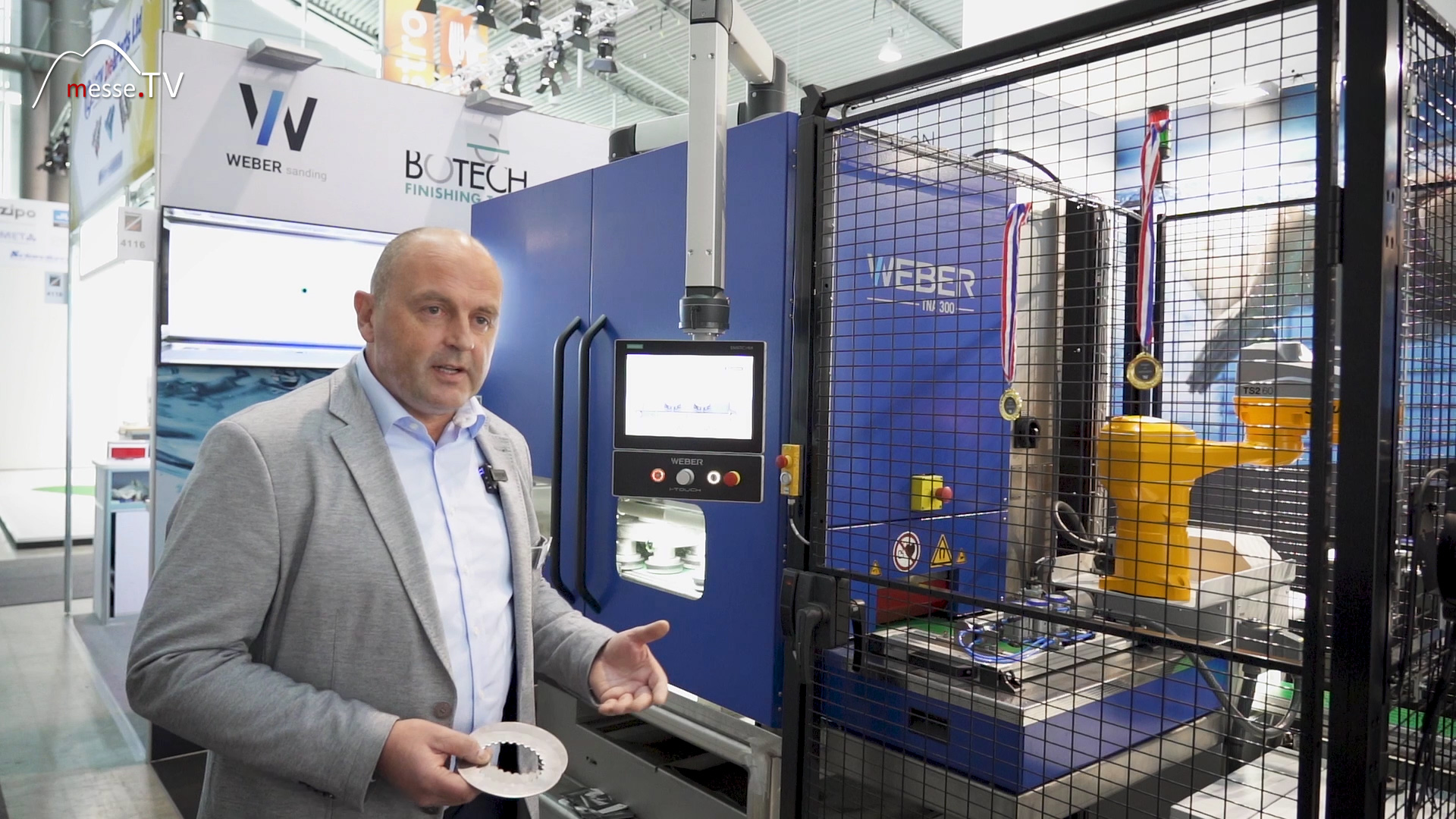
Die Bürst-Entgratmaschine TNA ist für industrielle Serienprozesse konzipiert, bei denen metallische Bauteile mit hoher Wiederholgenauigkeit bearbeitet werden müssen. Sie ist Teil eines Maschinenportfolios, das Schleif- und Entgratanlagen für unterschiedliche industrielle Anwendungen umfasst.
Entwickelt wurde die Anlage von Weber Maschinenbau, einem familiengeführten Unternehmen aus Oberfranken, das seit mehreren Generationen im Maschinenbau tätig ist. Der Fokus liegt dabei auf stabilen Prozessen, die sich dauerhaft in automatisierte Fertigungsumgebungen integrieren lassen. In vielen Industriebereichen entstehen Bauteile zunächst durch Pressen, Stanzen oder Feinschneiden. Diese Verfahren sind produktiv, führen jedoch zwangsläufig zu Graten und scharfen Kanten. Um diese zu entfernen, kommen Schleif- und Entgratanlagen zum Einsatz, die exakt auf Material, Geometrie und Stückzahl abgestimmt sein müssen. Die Bürst-Entgratmaschine TNA ist innerhalb dieses Spektrums eine spezialisierte Lösung für Massenbauteile aus Metall, bei denen eine gleichmäßige Kantenbearbeitung entscheidend ist.
Technischer Hintergrund und Einsatzbereich
Schleif- und Entgratanlagen übernehmen in der industriellen Fertigung eine zentrale Funktion. Sie stellen sicher, dass Bauteile nach dem Umformprozess funktionsfähig, sicher und montagegerecht weiterverarbeitet werden können. Die Bürst-Entgratmaschine TNA ist für genau diesen Schritt ausgelegt. Sie wird dort eingesetzt, wo große Stückzahlen mit reproduzierbarer Qualität bearbeitet werden müssen und manuelle Nacharbeit wirtschaftlich nicht sinnvoll ist. Typische Einsatzfelder finden sich in der Serienfertigung von Funktionsteilen, bei denen enge Toleranzen eingehalten werden müssen.
Bearbeitungsprinzip der Bürst-Entgratmaschine TNA
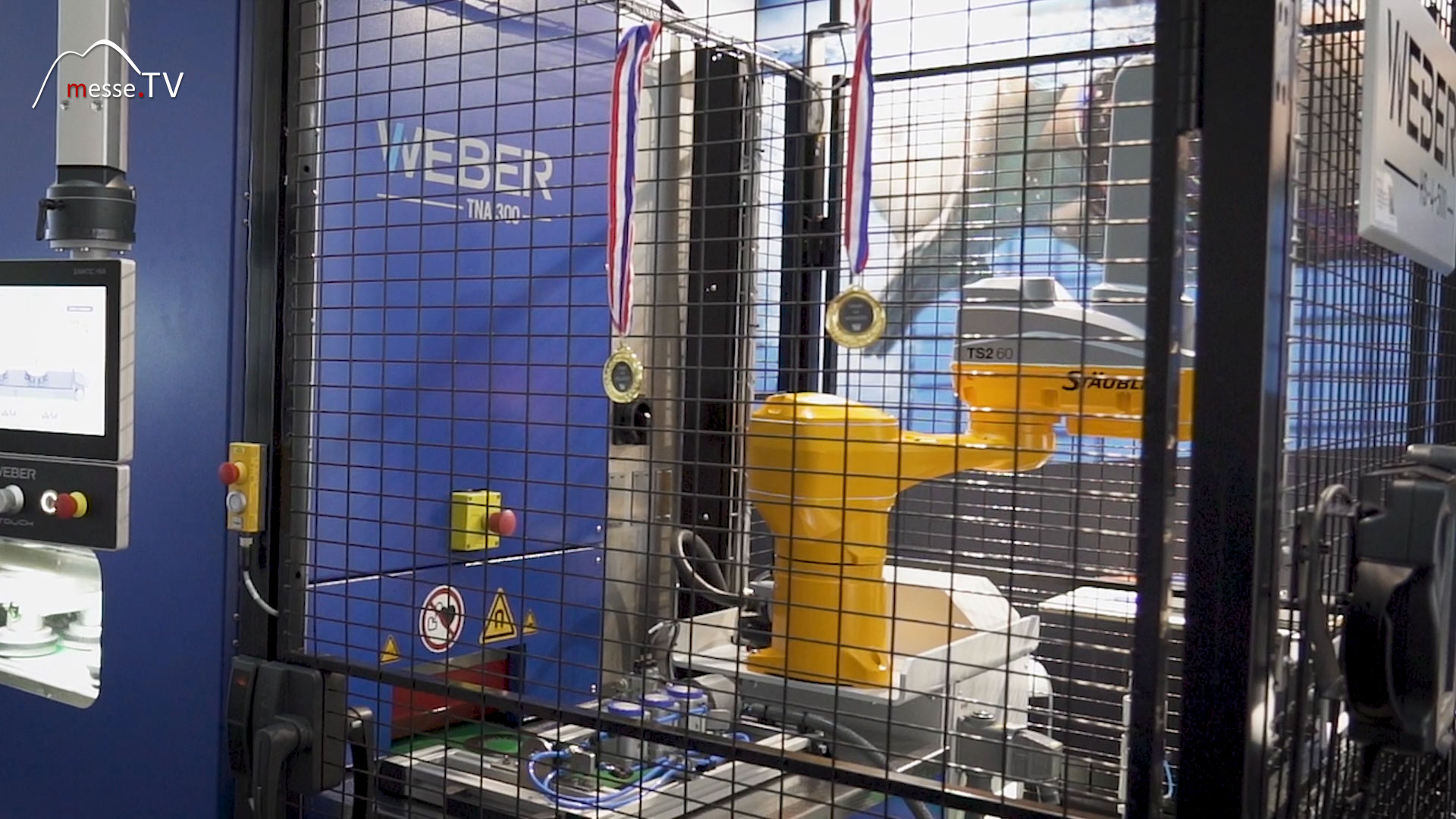
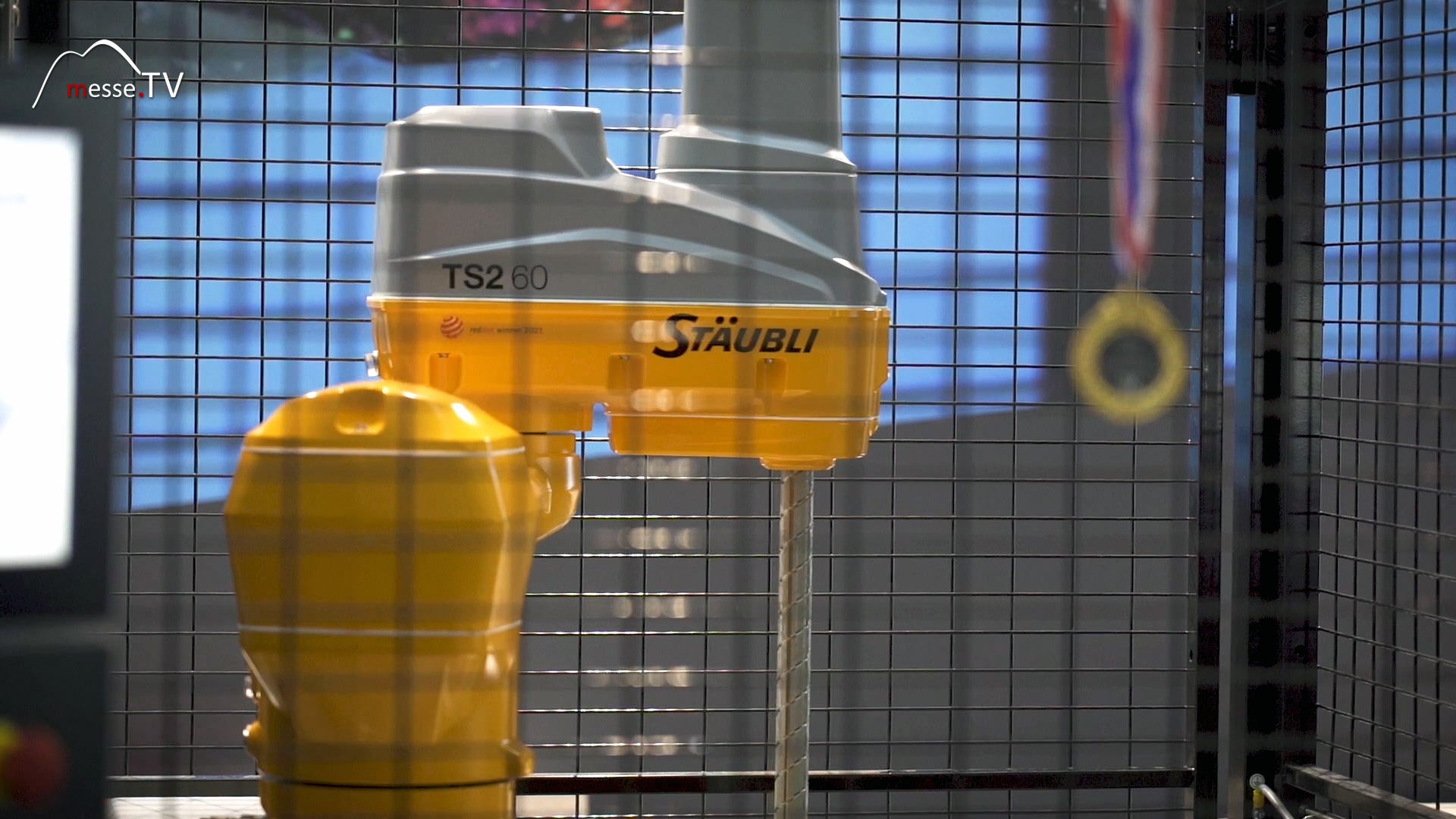
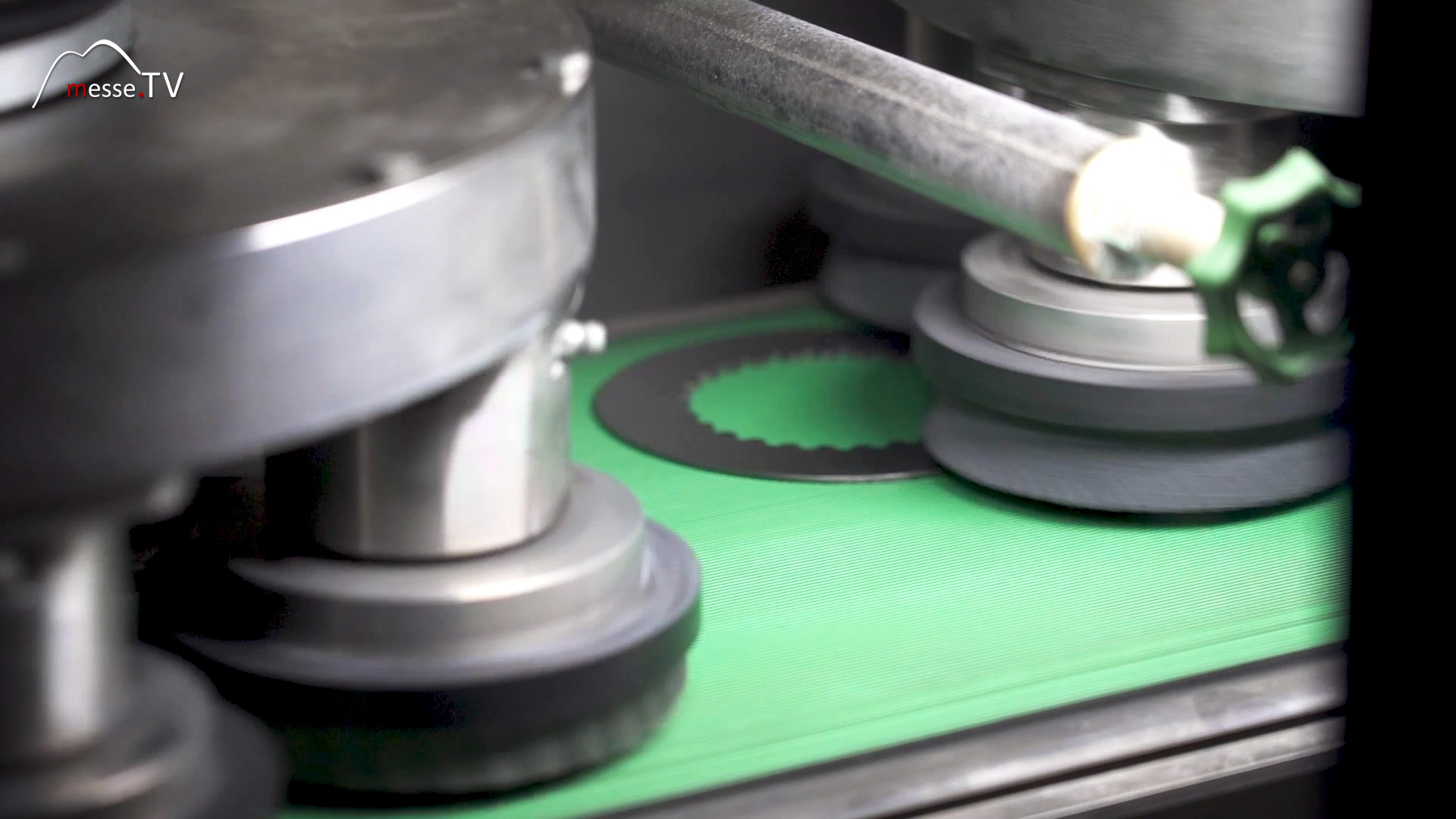
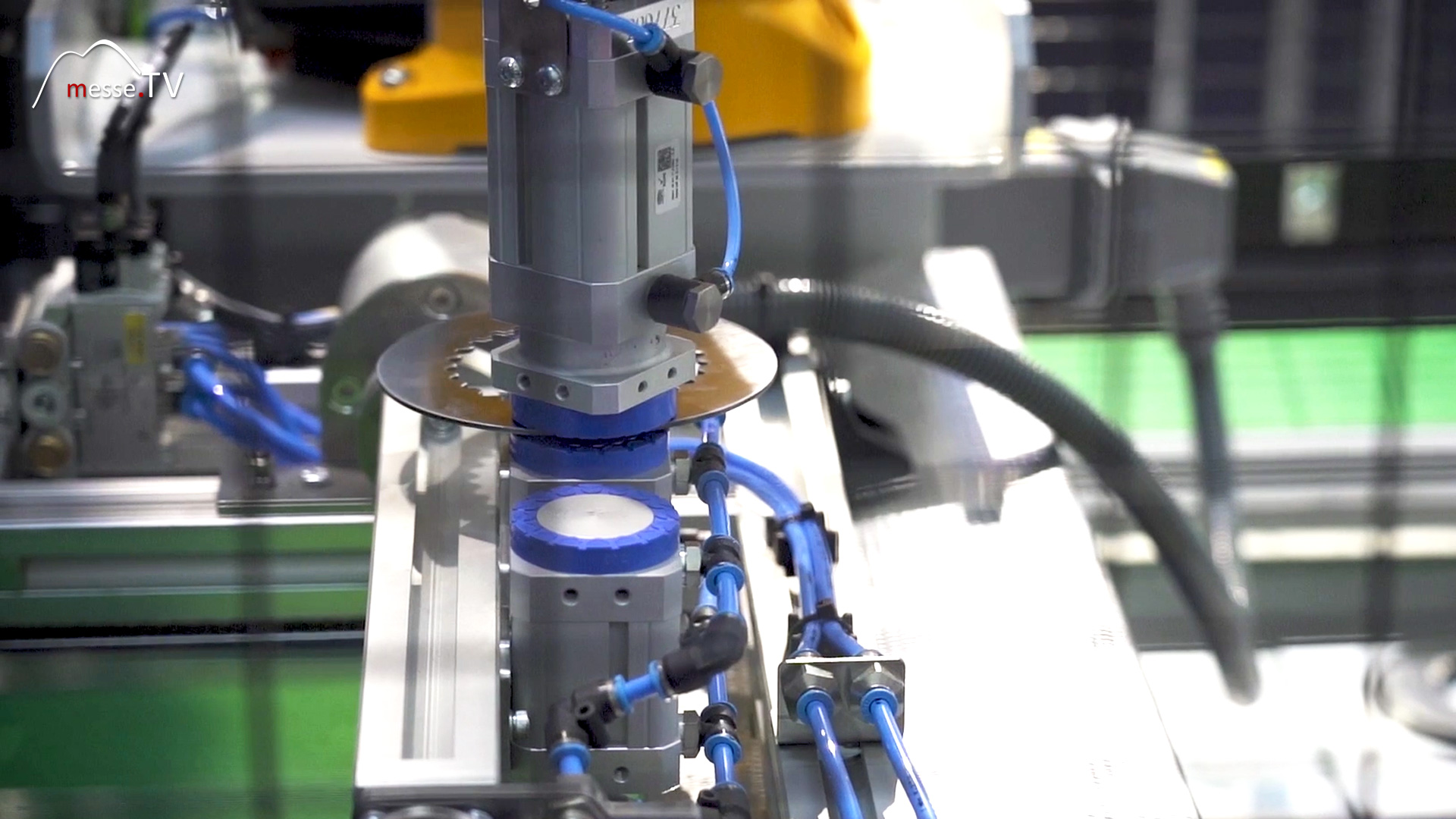
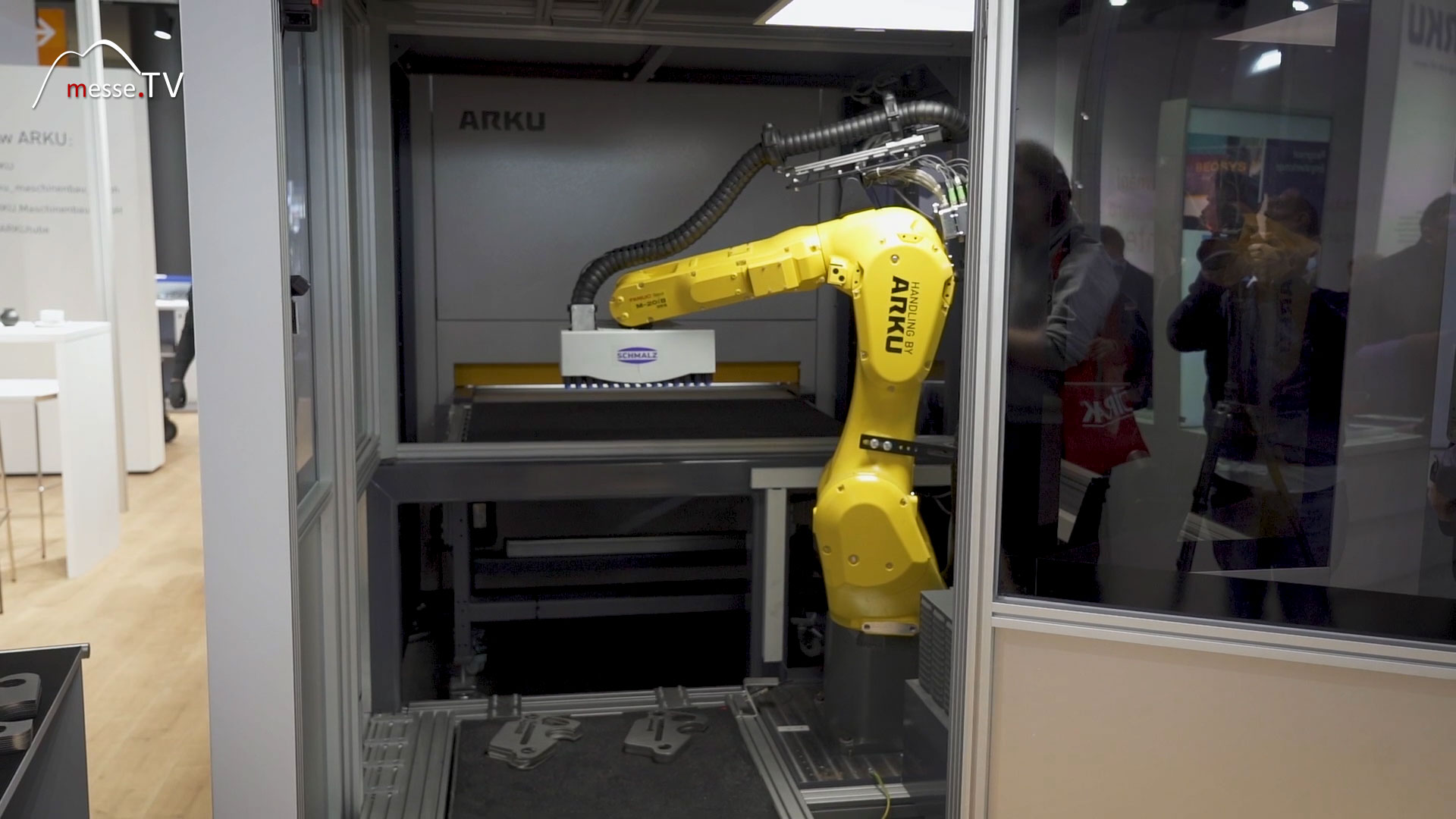
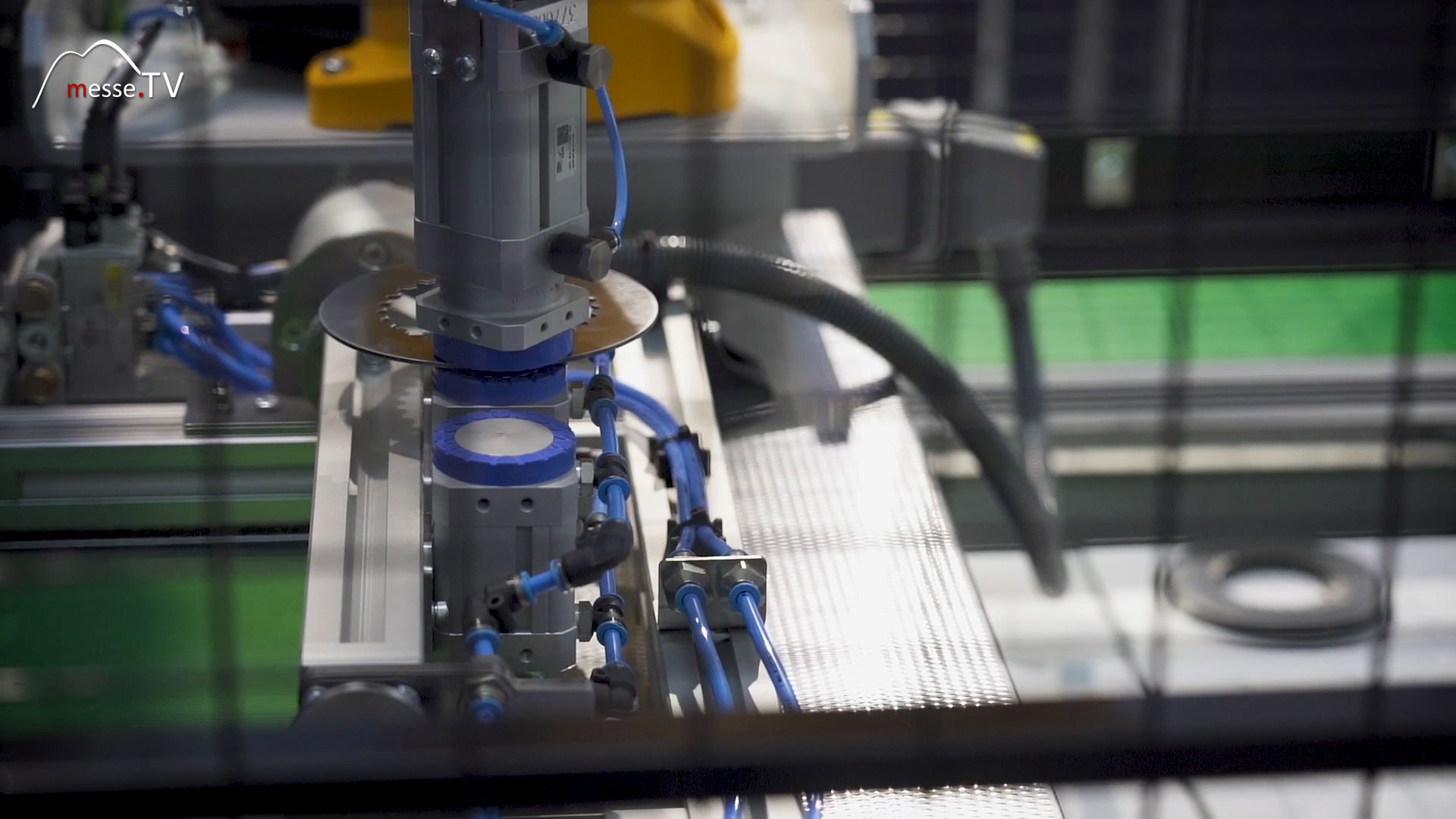
Das Bearbeitungskonzept der TNA basiert auf einem klar strukturierten Ablauf. Die Teile werden automatisiert zugeführt und zunächst auf einer Seite gebürstet. Anschließend übernimmt ein integriertes Robotiksystem die Rückführung der Werkstücke auf einen Teilewender. Dieser dreht die Bauteile, sodass auch die zweite Seite bearbeitet werden kann. Trotz einseitig arbeitender Bürsteinheit lassen sich so beide Seiten innerhalb eines geschlossenen Prozesses entgraten. Diese Lösung ist typisch für moderne Schleif- und Entgratanlagen, bei denen Effizienz und Prozesssicherheit im Vordergrund stehen.
Einbindung in automatisierte Serienfertigung
Für die automatisierte Serienfertigung ist die Integration der Anlage in bestehende Produktionslinien entscheidend. Die Bürst-Entgratmaschine TNA kann direkt an vorgelagerte Pressen oder Stanzanlagen angebunden werden. Ebenso ist die Kombination mit nachgelagerten Handlingsystemen, Palettierungen oder Gitterboxenbefüllungen vorgesehen. Belade- und Entladeprozesse greifen ineinander, sodass ein gleichmäßiger Materialfluss entsteht. Damit erfüllt die Anlage eine typische Anforderung moderner Schleif- und Entgratanlagen, nämlich die nahtlose Einbindung in durchgängige Fertigungsprozesse.
Typische Anwendungen in Industrie und Serienproduktion
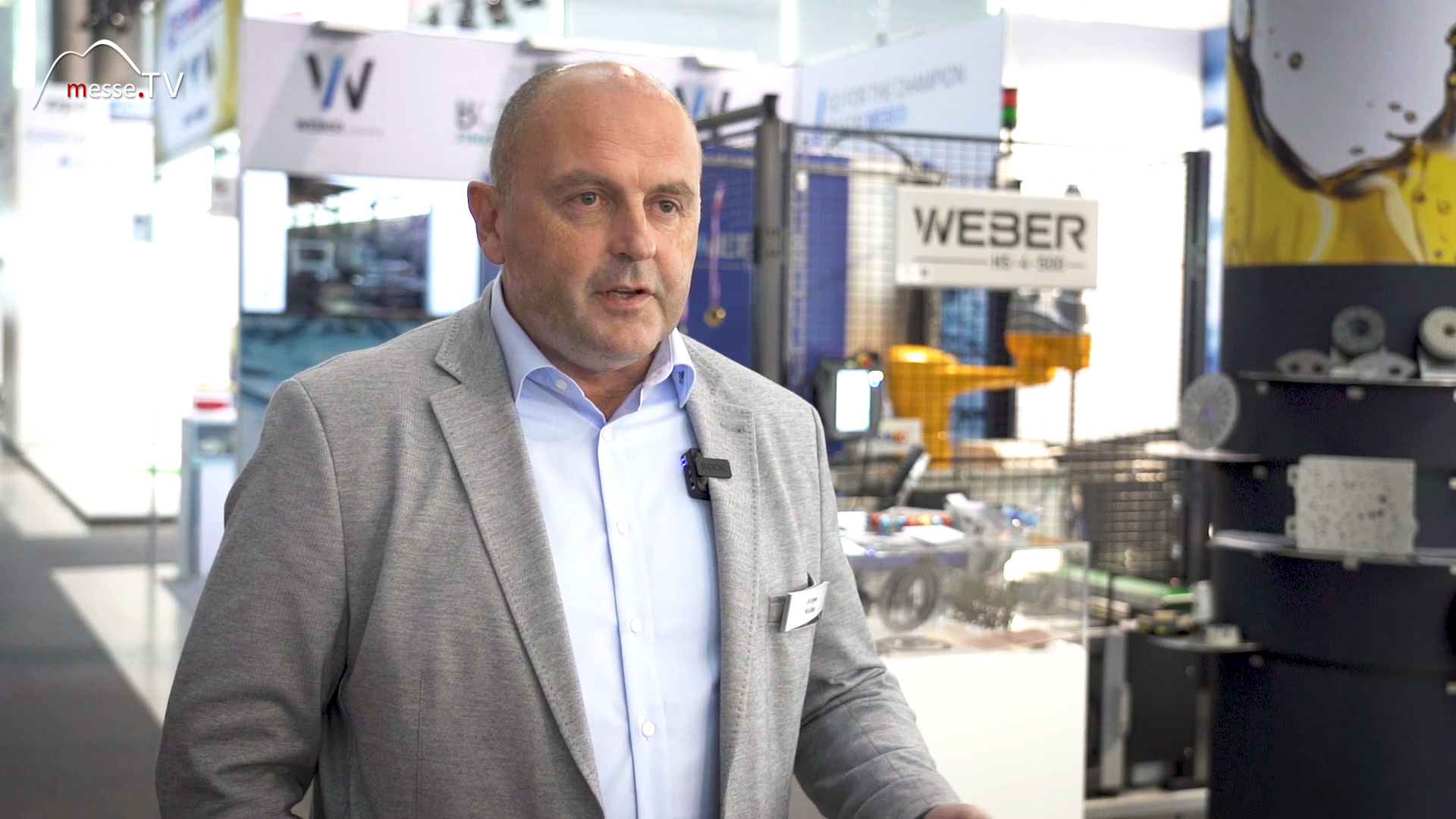
Eingesetzt wird die Bürst-Entgratmaschine TNA vor allem bei Bauteilen, wie sie in der Automobilindustrie und in angrenzenden Industriezweigen anfallen. Dazu gehören unter anderem Kupplungslamellen, Federn, Parksperren, Zahnräder oder vergleichbare Funktionsteile. Diese Komponenten werden häufig in sehr hohen Stückzahlen produziert und stellen hohe Anforderungen an die Kantenqualität. Schleif- und Entgratanlagen müssen hier zuverlässig arbeiten, um Ausschuss zu vermeiden und die Funktion der Teile sicherzustellen.
Prozessentwicklung als Teil der Lösung
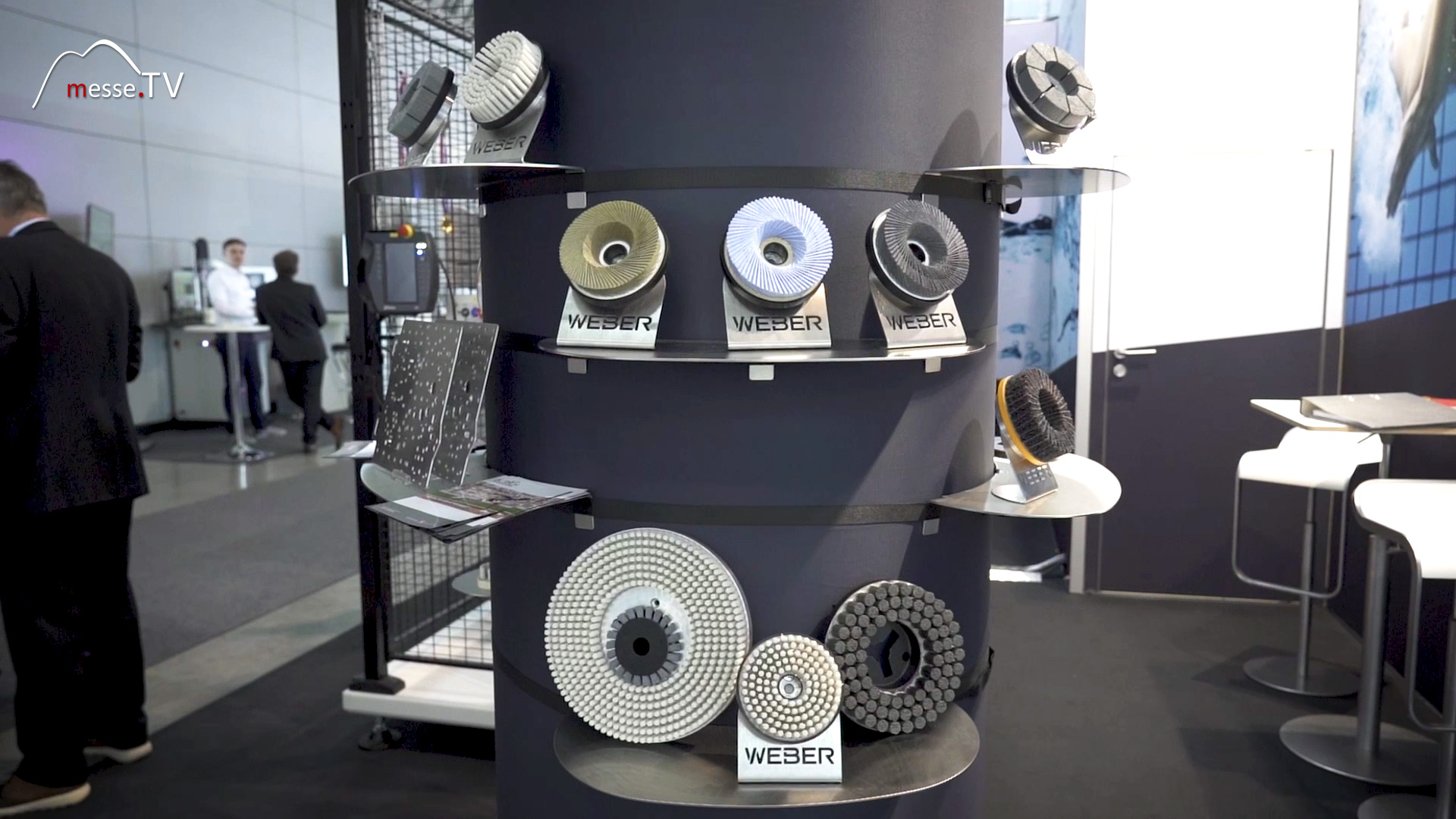
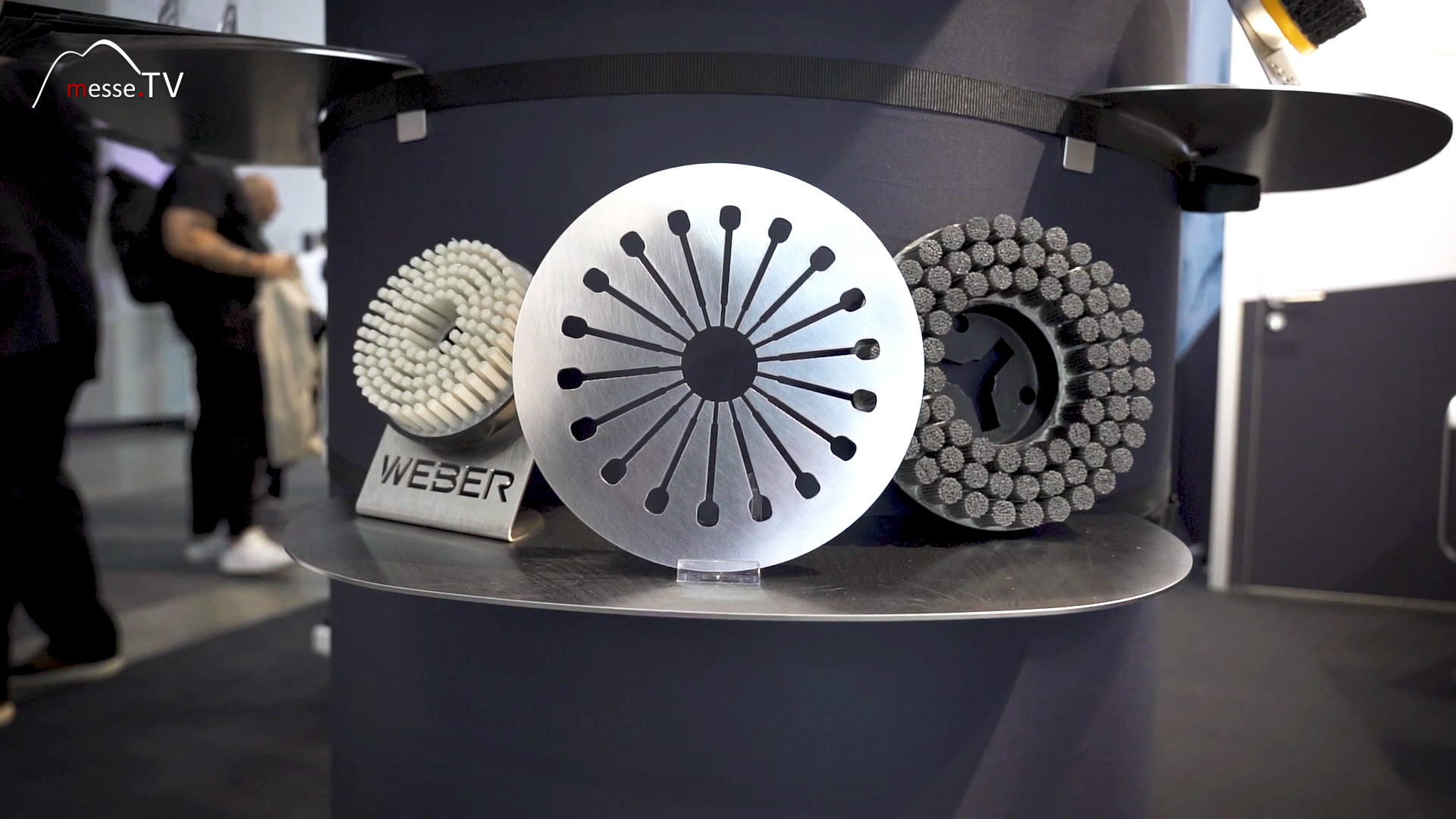
Ein wichtiger Bestandteil des Konzepts ist die begleitende Prozessentwicklung. Weber Maschinenbau liefert die Bürst-Entgratmaschine TNA nicht als isolierte Standardmaschine, sondern unterstützt Anwender bereits vor der Inbetriebnahme bei der Auslegung des Bearbeitungsprozesses. Dazu gehört die Auswahl geeigneter Bürsten, die Festlegung von Parametern und die Definition der Bearbeitungsgeschwindigkeiten. Gerade im Bereich der Schleif- und Entgratanlagen ist diese Vorarbeit entscheidend, da Bauteilgeometrien und Materialien stark variieren können.
Fertigungstiefe und technologische Ausrichtung
Die Entwicklung und Fertigung der Anlage erfolgt mit hoher Fertigungstiefe. Zentrale mechanische Komponenten werden im eigenen Werk hergestellt, wodurch eine enge Abstimmung zwischen Konstruktion, Montage und Inbetriebnahme möglich ist. Ergänzt wird die mechanische Auslegung durch Steuerungs- und Softwaresysteme, die eine Einbindung in übergeordnete Produktionsumgebungen erlauben. Prozessdaten lassen sich erfassen und auswerten, um Abläufe weiter zu stabilisieren und zu optimieren. Typische Merkmale der Bürst-Entgratmaschine TNA im Kontext von Schleif- und Entgratanlagen sind:
- Automatisiertes Entgraten von Massenstanz- und Feinschneidteilen
- Beidseitige Bearbeitung durch integrierten Teilewender
- Einbindung in automatisierte Serienfertigung
- Anpassung an unterschiedliche Bauteilgeometrien und Werkstoffe
- Kombination aus mechanischer Bearbeitung und Automatisierung
Einordnung im industriellen Maschinenbau
Die Bürst-Entgratmaschine TNA steht exemplarisch für einen Maschinenbauansatz, bei dem Schleif- und Entgratanlagen nicht als Einzelmaschinen betrachtet werden, sondern als Teil eines vollständigen Produktionsprozesses. Die Verbindung aus Entgrattechnik, Automatisierung und Prozesswissen ermöglicht Lösungen, die langfristig in der Serienfertigung eingesetzt werden können. Für Anwender bedeutet das eine stabile Anlage, die reproduzierbare Ergebnisse liefert und sich wirtschaftlich in bestehende Fertigungsstrukturen integrieren lässt.
Messe-Berichterstattung bundesweit - Messewissen, Termine & Veranstaltungen


