Bürstenreinigung und Schmierstoffe für Umformung aus Iserlohn
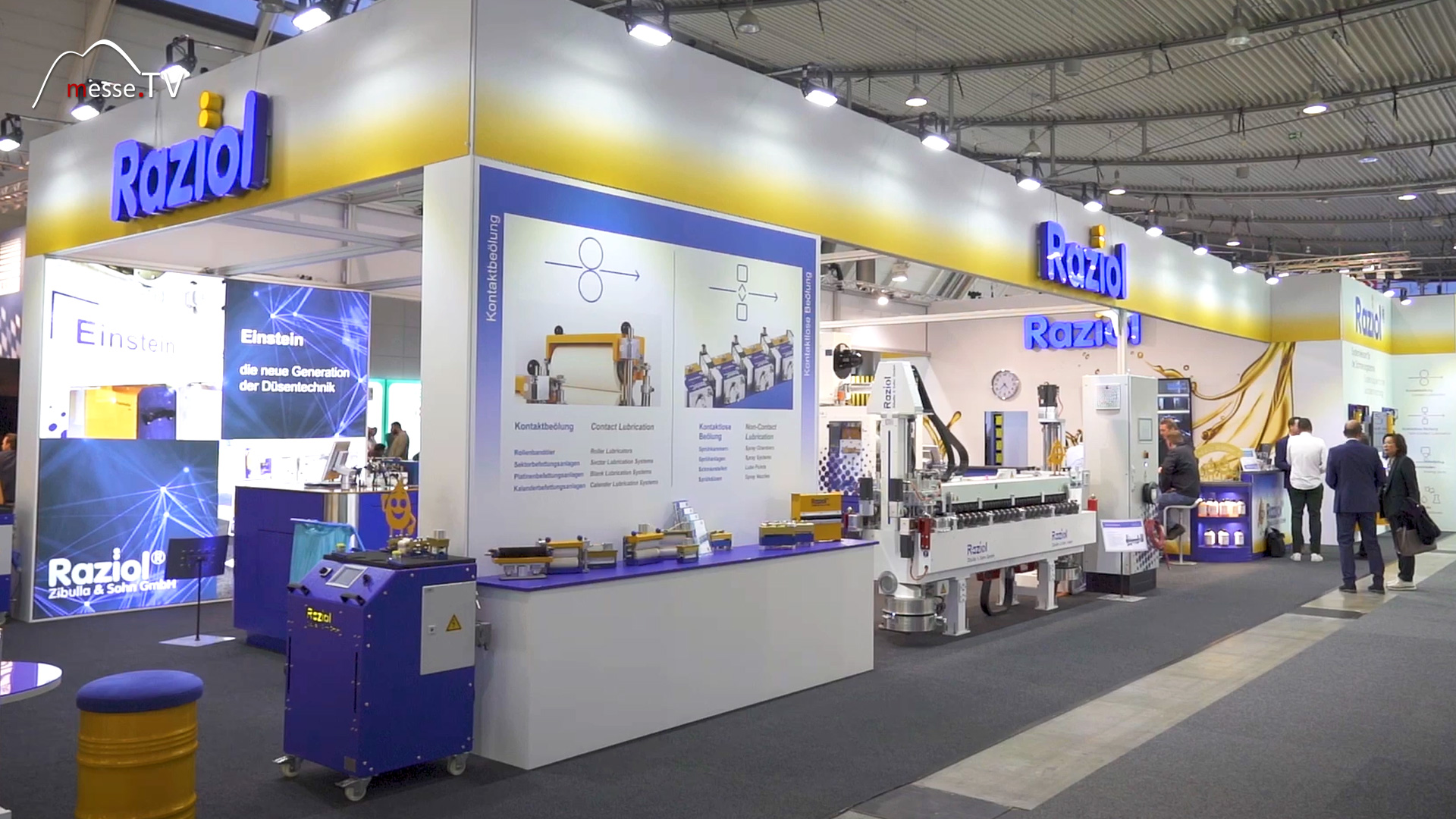
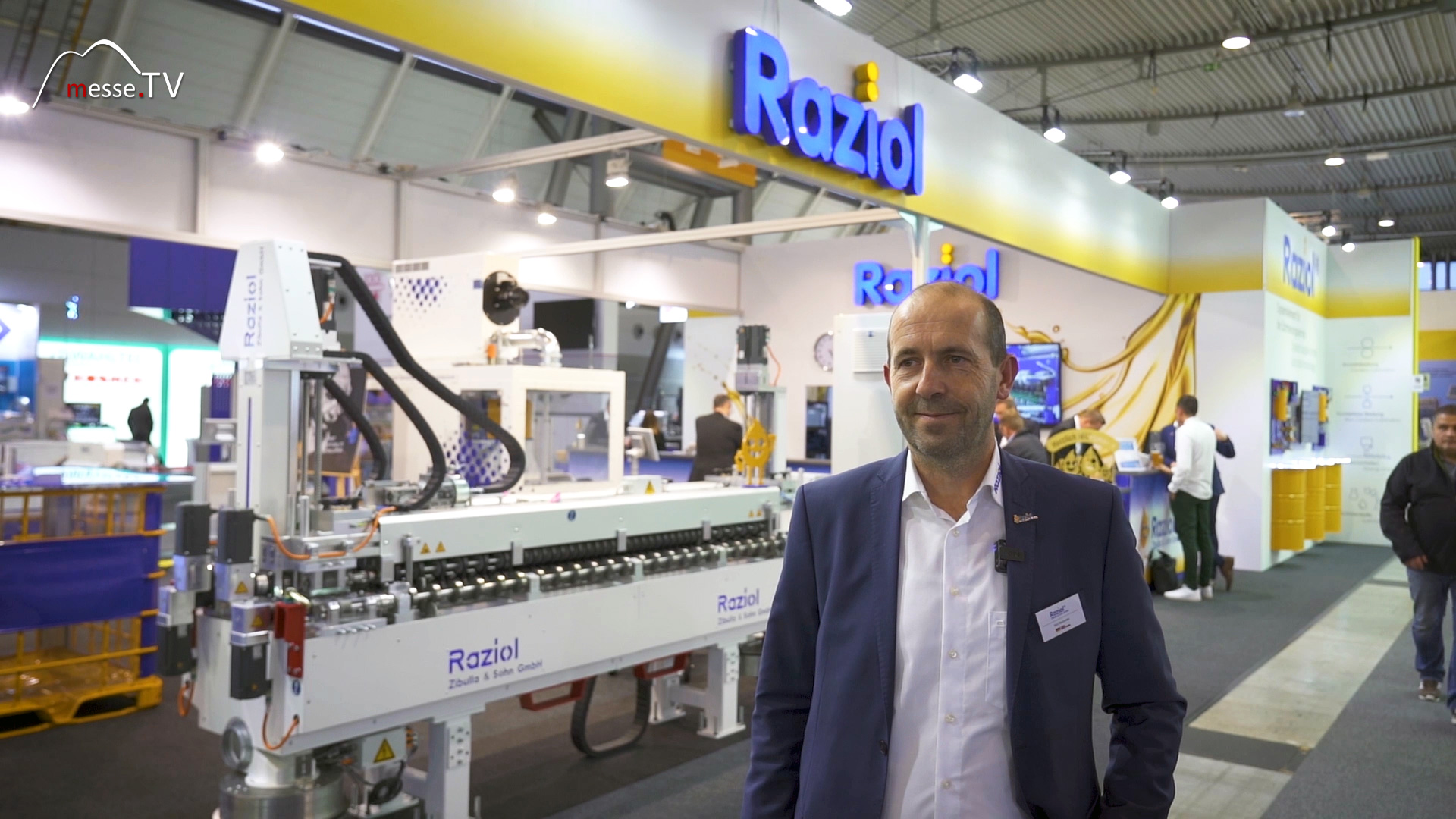
Raziol ist ein Familienunternehmen mit einer über achtzigjährigen Geschichte und hat seinen Sitz im Sauerland, genauer in Iserlohn. Von dort aus entwickelt und produziert das Unternehmen mit rund einhundertvierzig Mitarbeitenden Lösungen rund um Schmierstoffe und Applikationstechnik für industrielle Umformprozesse.
Der Fokus liegt auf Anwendungen, bei denen Metalle oder andere Werkstoffe geformt, gestanzt oder gezogen werden. Einsatzgebiete finden sich vor allem in der Automotive-Industrie, bei Zulieferern sowie in der Herstellung von Haushaltswaren und überall dort, wo Umformung ein zentraler Prozessschritt ist.
Schmierstoffe und Applikationstechnik für industrielle Umformung
Schmierstoffe spielen in der Umformung eine entscheidende Rolle. Sie beeinflussen nicht nur die Qualität der Bauteile, sondern auch Werkzeugstandzeiten, Prozesssicherheit und Wirtschaftlichkeit. Neben der Entwicklung geeigneter Schmierstoffe gehört daher auch die passende Applikationstechnik zum Leistungsspektrum. Ziel ist es, den Schmierstoff gleichmäßig, reproduzierbar und exakt dosiert aufzubringen. Dadurch lassen sich Materialverbrauch und Prozessschwankungen reduzieren, was insbesondere in automatisierten Fertigungslinien von Bedeutung ist. Die Systeme sind so ausgelegt, dass sie sich in unterschiedliche Produktionsumgebungen integrieren lassen. Ob Serienfertigung in der Automotive-Industrie oder variablere Anwendungen bei Zulieferern – die Kombination aus Schmierstoff und Applikationstechnik ist auf konstante Prozesse ausgelegt.

Bürstenreinigung als vorbereitender Prozessschritt
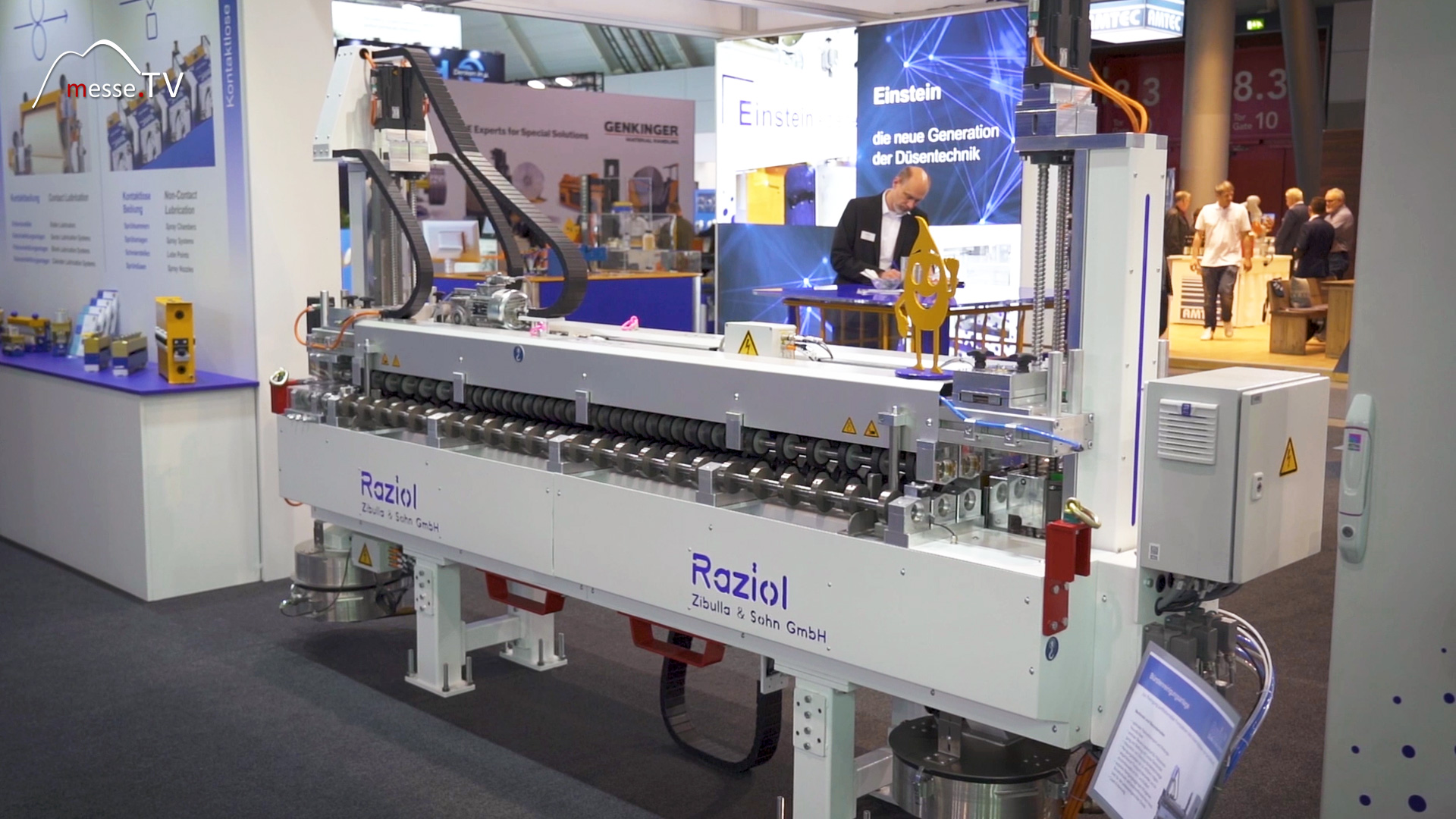
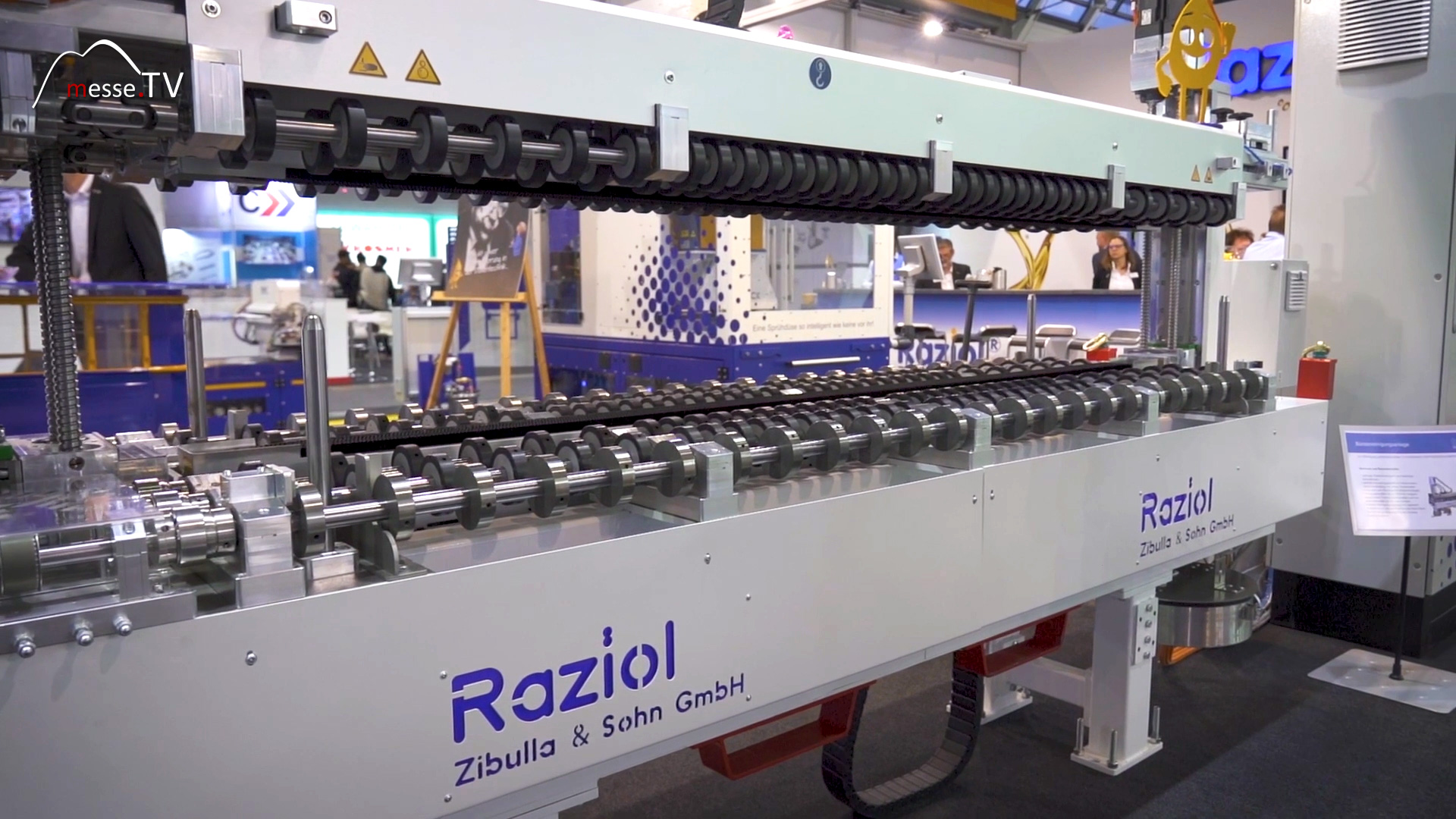
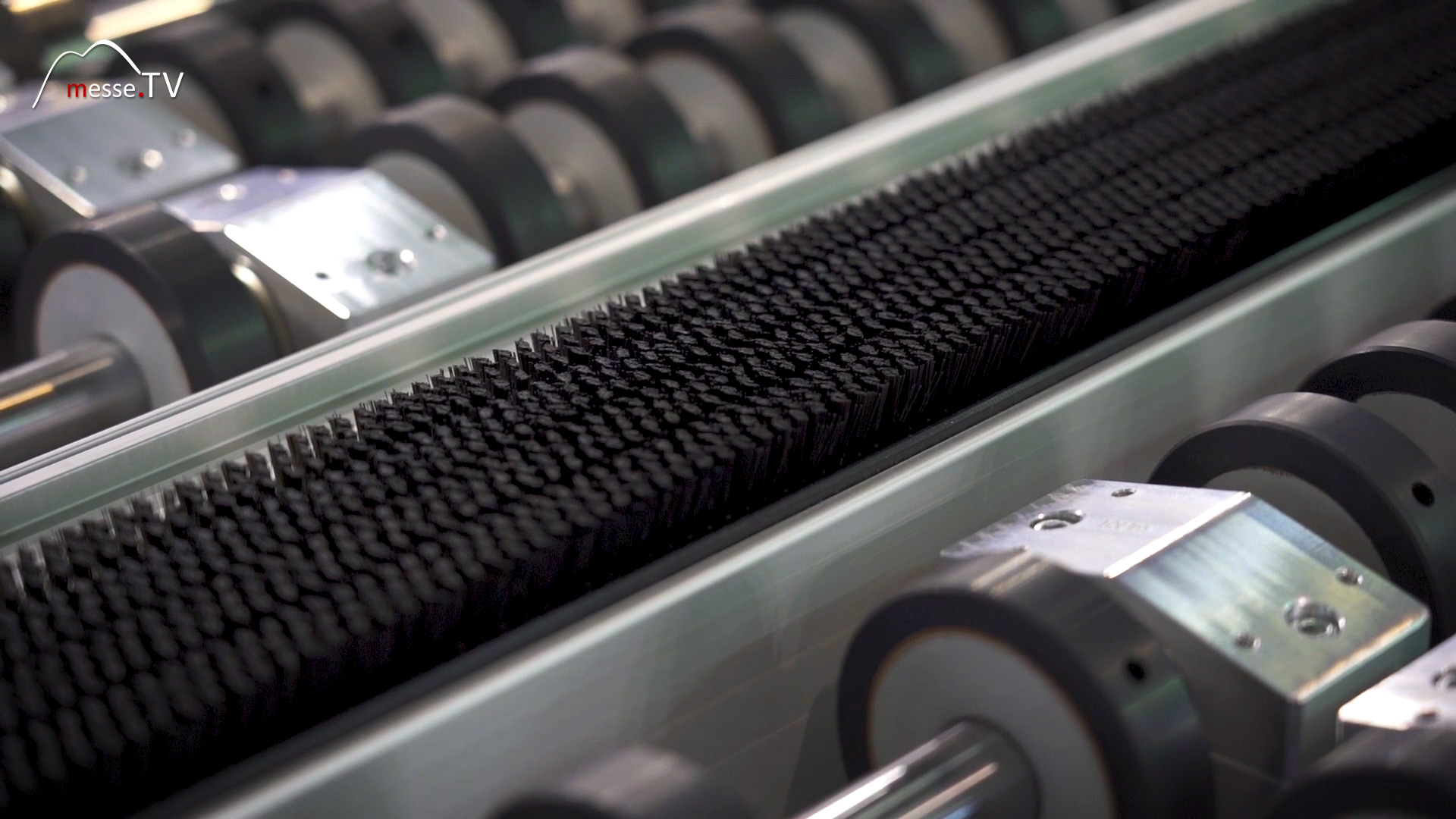
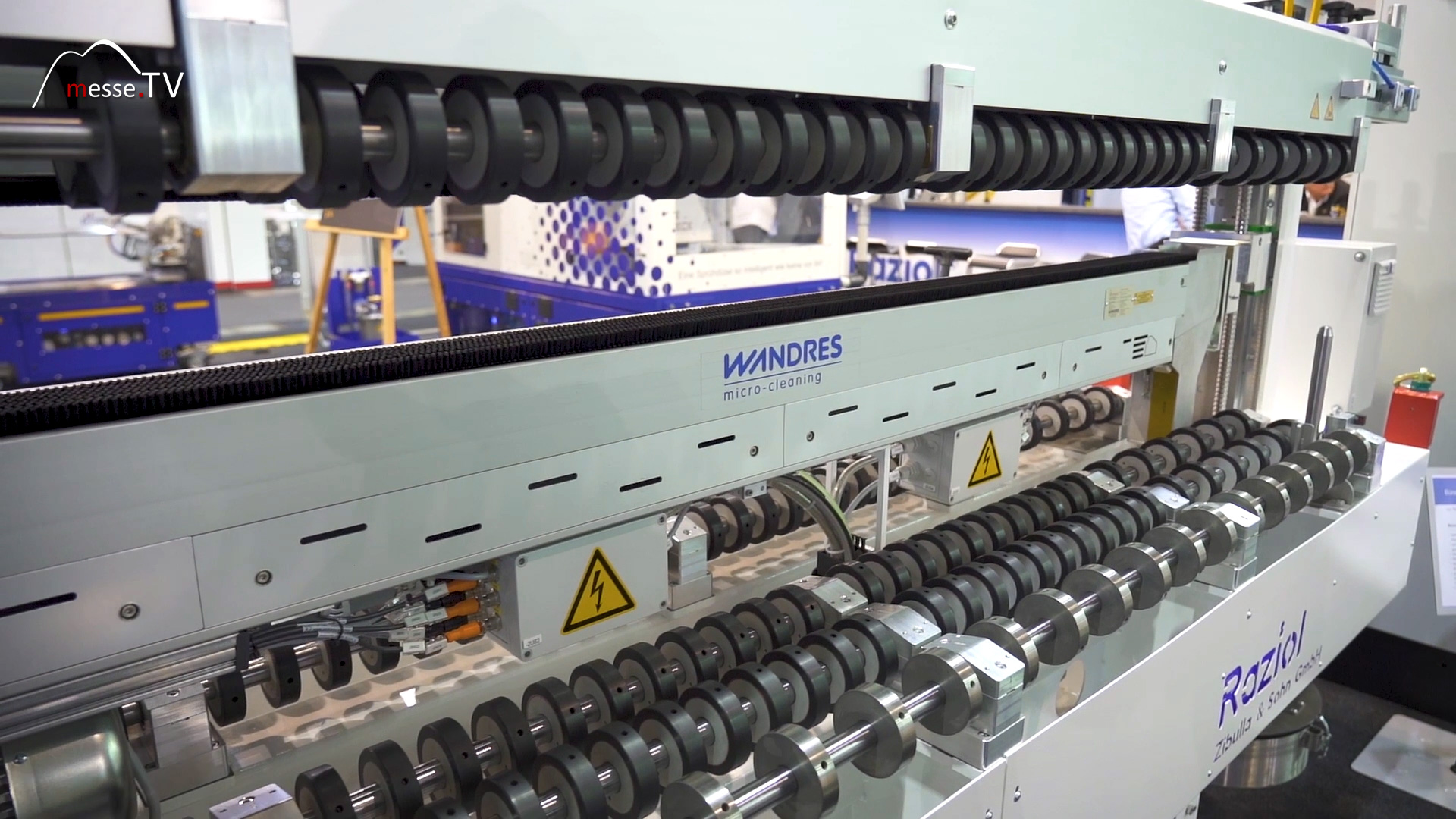
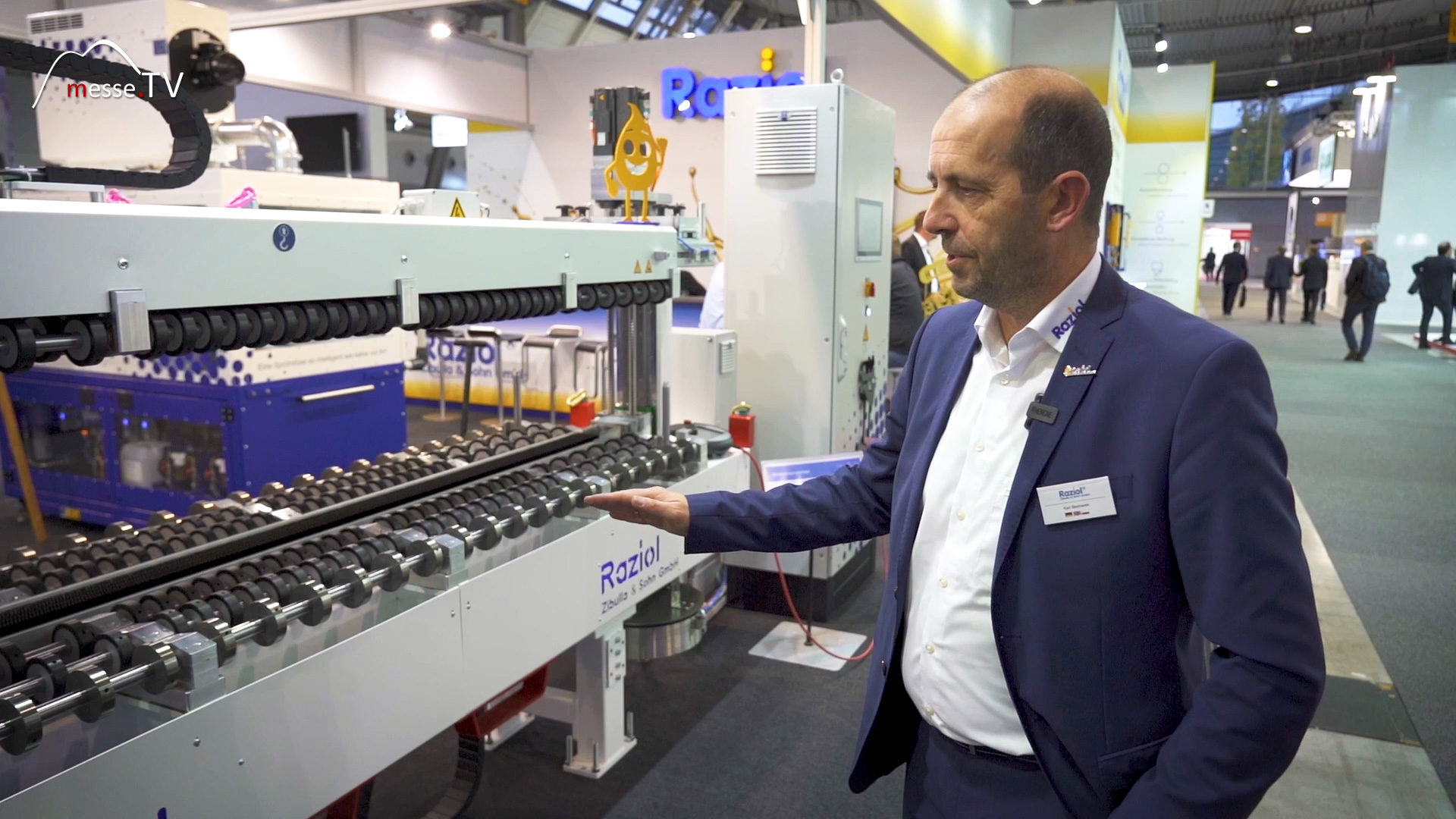
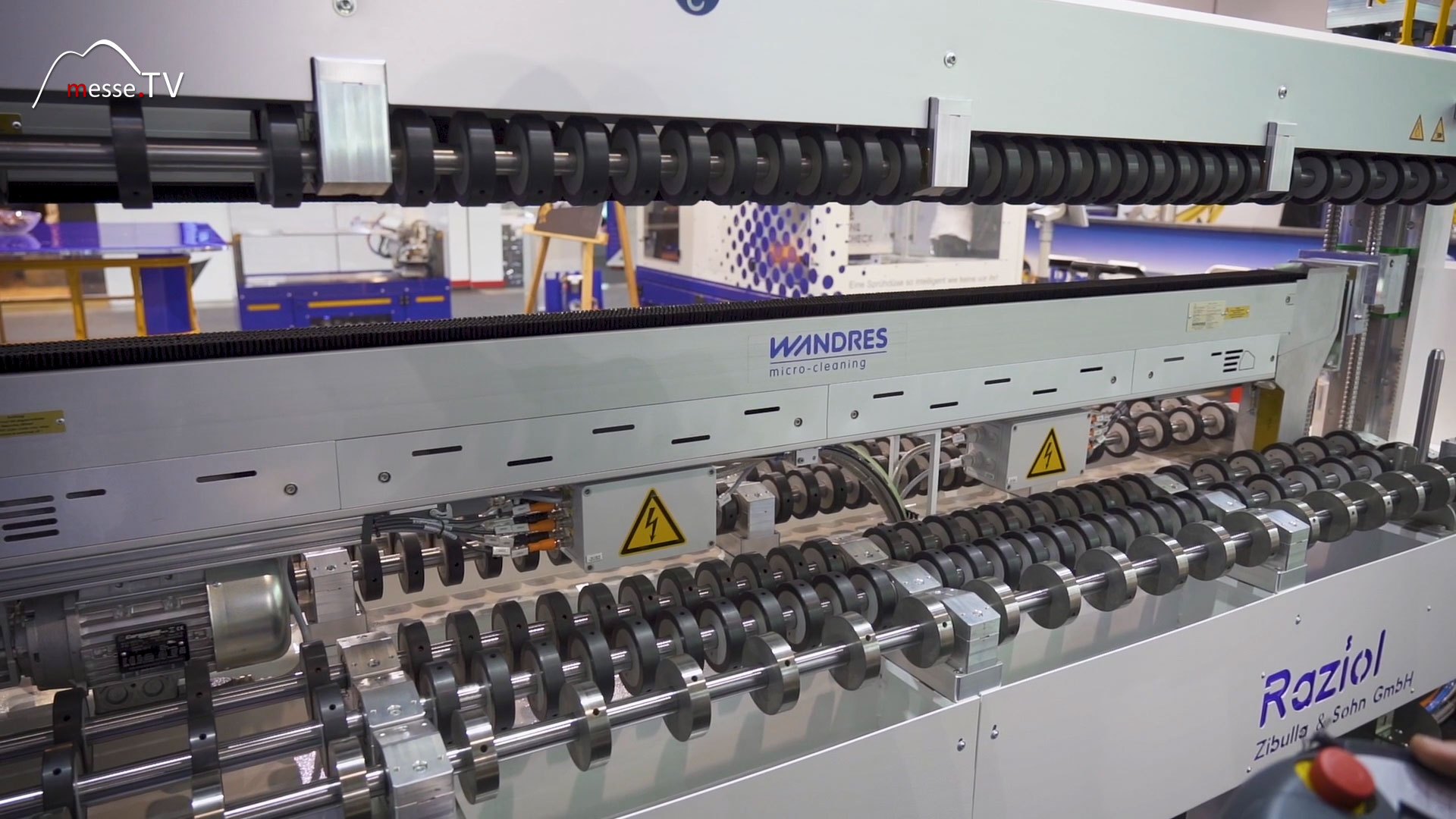
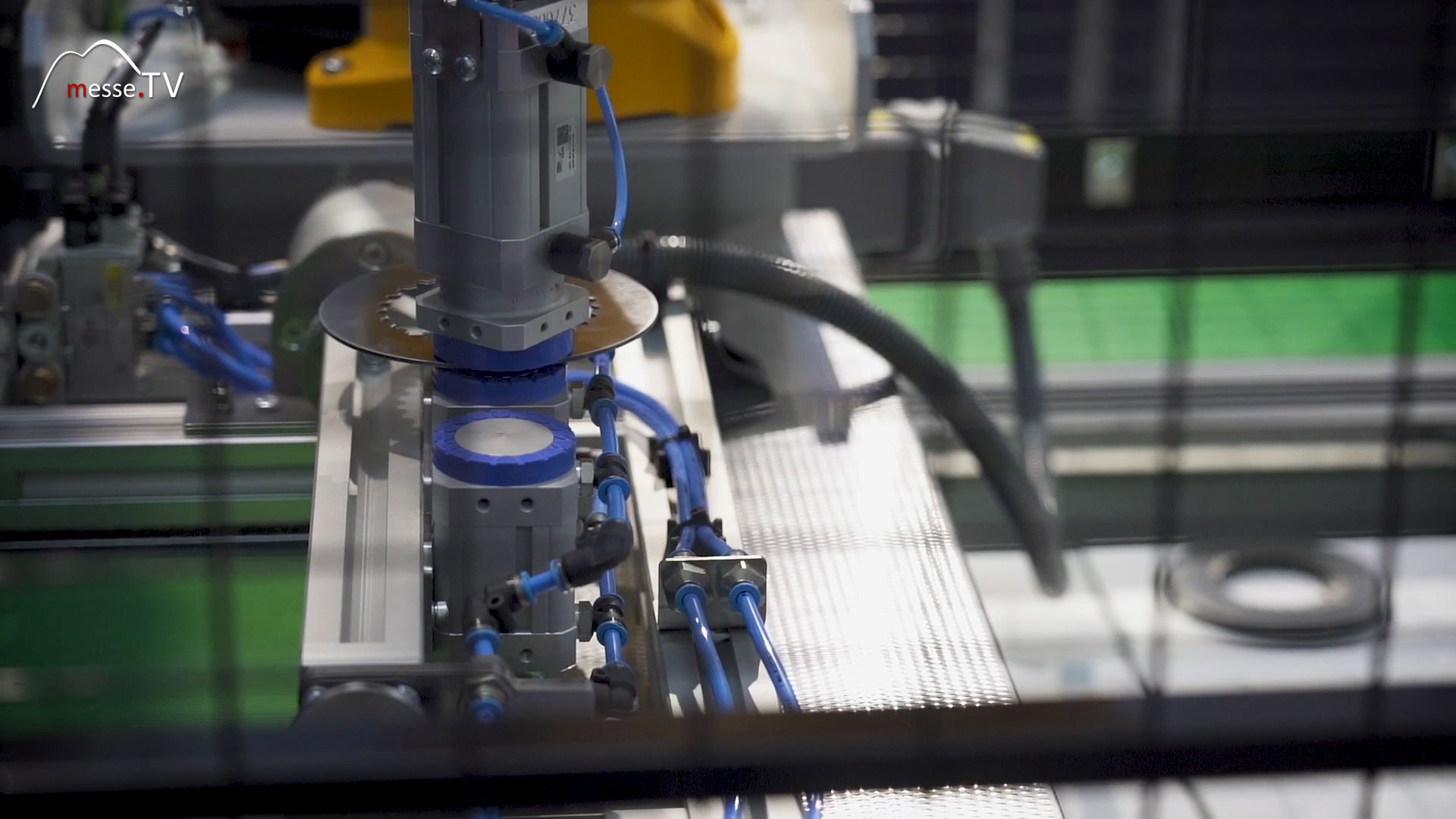
Ein zentrales Element der gezeigten Lösung ist die Bürstenreinigungsanlage. Sie kommt zum Einsatz, bevor vorgeschnittene Platinen in nachgelagerte Sprühkammern oder Umformprozesse gelangen. In diesem Schritt werden die Platinen von festen Partikeln befreit, die beim Zuschneiden oder Transport entstehen können. Diese Reinigung ist entscheidend, um eine gleichmäßige Schmierung und eine störungsfreie Weiterverarbeitung sicherzustellen. Die Reinigung erfolgt mithilfe einer Bürstentechnologie, die im laufenden Prozess arbeitet. Jede Platine wird automatisch abgereinigt, ohne dass zusätzliche manuelle Eingriffe notwendig sind. Im regulären Betrieb ist die Maschine geschlossen ausgeführt, um einen sicheren und sauberen Ablauf zu gewährleisten. Für Wartungsarbeiten kann sie in eine entsprechende Position gefahren werden, in der alle relevanten Komponenten gut zugänglich sind.
Integration in das Steuerungskonzept der Anlage
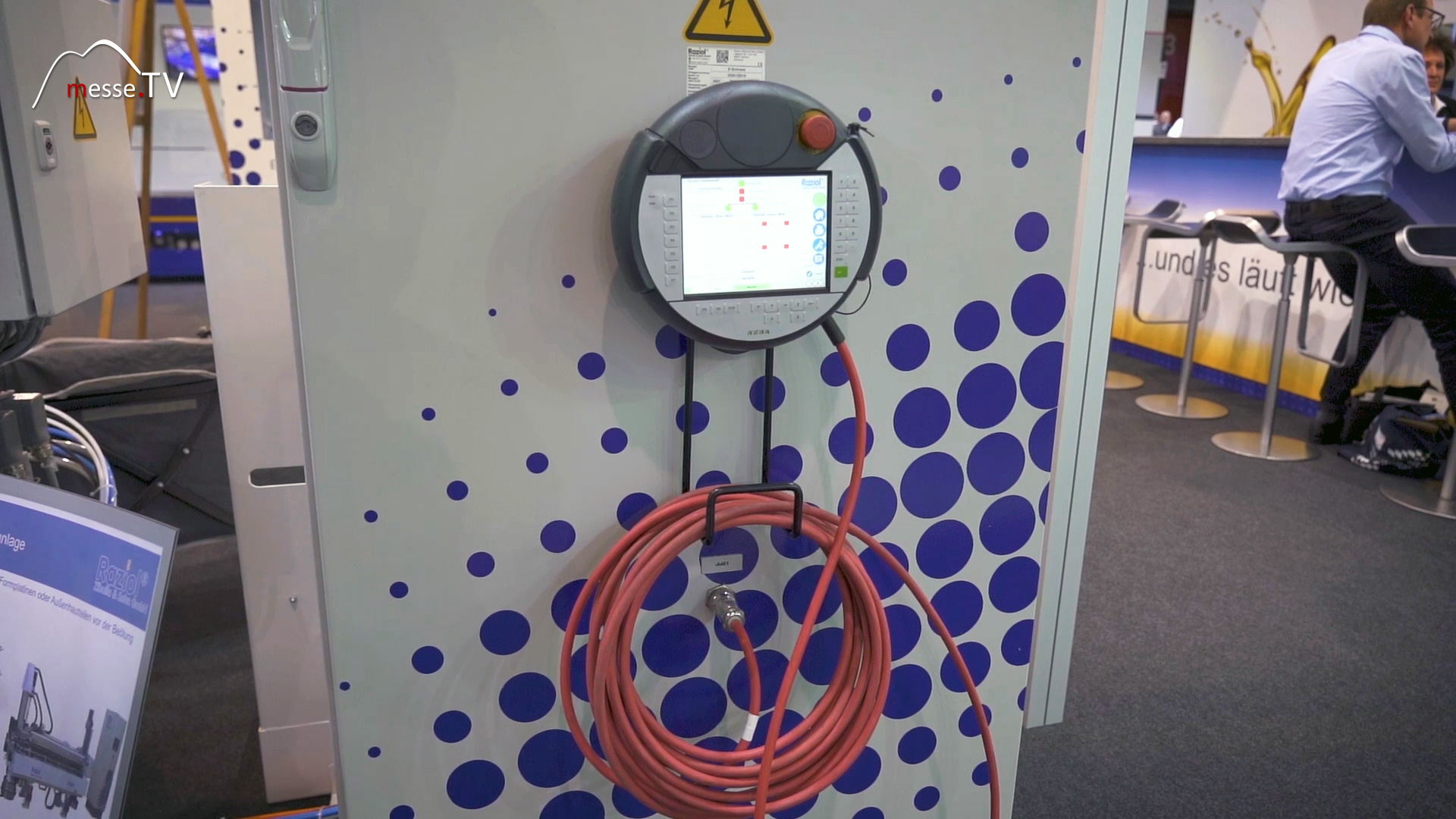
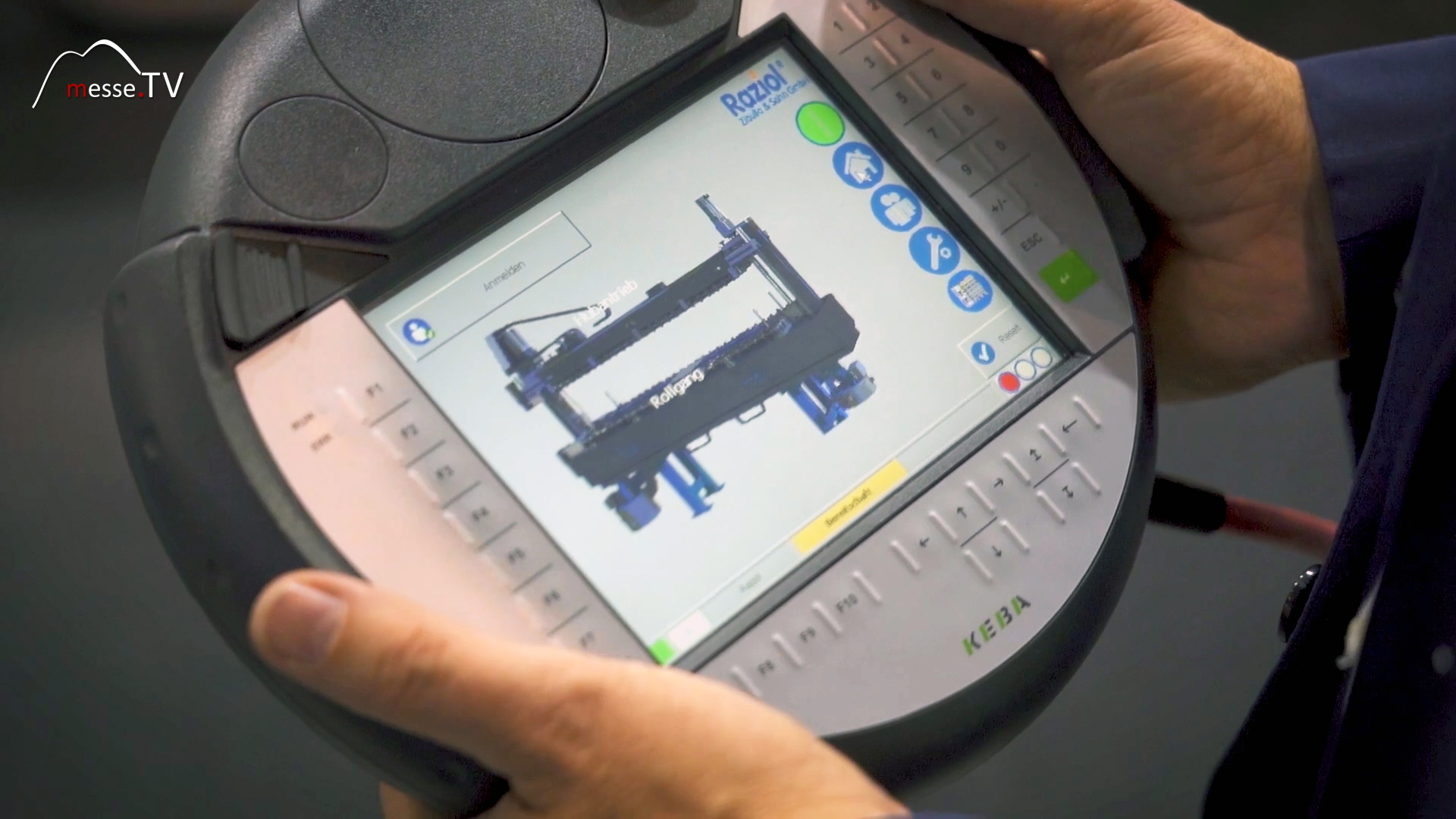
Die Bürstenreinigungsanlage ist vollständig in ein übergeordnetes Steuerungskonzept integriert. In Verbindung mit der Beölungsanlage lassen sich mehrere Prozessschritte über eine zentrale Steuerung realisieren. Das reduziert Schnittstellen, vereinfacht die Bedienung und minimiert potenzielle Fehlerquellen. Auch Reinigungs- und Wartungsfunktionen der Maschine sind in dieses Konzept eingebunden. Das Herzstück der Anlage basiert auf einer bewährten Technologie, die bereits seit Jahren im Automotive-Umfeld und bei verschiedenen Zulieferern im Einsatz ist. Diese Erfahrung spiegelt sich in der Auslegung der Maschine wider, die auf Dauerbetrieb und hohe Verfügbarkeit ausgelegt ist.
Wartungsfreundlichkeit durch konstruktive Auslegung
Ein besonderes Merkmal der Anlage ist ihre Wartungsfreundlichkeit. Durch die Möglichkeit, einzelne Antriebe gezielt zu verfahren, lassen sich Bürsten und andere Komponenten leicht erreichen. Das erleichtert Wartung, Austausch und Justage erheblich. Im gezeigten Zustand lässt sich beispielsweise die untere Bürste gezielt anheben, um zu demonstrieren, wie einzelne Elemente gewartet oder ersetzt werden können. Im Arbeitsmodus fahren die Bürsten automatisch auf die eingestellte Platinengeometrie. Für den gezeigten Anwendungsfall ist eine Platinendicke von einem Millimeter eingestellt, sodass sich die Bürsten exakt aufeinander zubewegen. Diese automatische Anpassung sorgt für eine gleichbleibende Reinigungsqualität auch bei wechselnden Bauteildimensionen.
Automatische Crasherkennung zum Schutz der Anlage
Ein weiterer zentraler Aspekt ist die integrierte Crasherkennung. In der industriellen Praxis kann es vorkommen, dass Platinen verformt oder fehlerhaft in den Prozess gelangen. Ohne Schutzmechanismen könnten solche Bauteile erhebliche Schäden an der Maschine verursachen. Die automatische Crasherkennung überwacht daher den Prozess kontinuierlich. Wird eine unverhältnismäßig verformte Platine erkannt, reagieren Bürsten und Rollen sofort. Sie fahren auseinander, bevor es zu einer Beschädigung kommt. Dieser Schutzmechanismus erhöht die Betriebssicherheit und reduziert ungeplante Stillstände. Im normalen Betrieb bleiben die Bürsten in der vorgesehenen Position, erst bei einer Abweichung greift die Sicherheitsfunktion ein.
Zusammenspiel von Reinigung, Schmierung und Prozesssicherheit
Die gezeigte Lösung verdeutlicht, wie eng Reinigung, Schmierung und Steuerung miteinander verknüpft sind. Nur wenn die Platinen sauber sind, kann der Schmierstoff optimal aufgebracht werden. Gleichzeitig sorgt eine präzise Applikation dafür, dass die Umformung gleichmäßig und materialsparend abläuft. Die integrierte Steuerung stellt sicher, dass alle Schritte aufeinander abgestimmt sind. Typische Merkmale der gezeigten Lösung sind:
- Bürstenreinigung im laufenden Prozess zur Entfernung fester Partikel
- Integration von Reinigungs- und Beölungsanlage in eine Steuerung
- Automatische Anpassung an unterschiedliche Platinengeometrien
- Hohe Wartungsfreundlichkeit durch gute Zugänglichkeit
- Crasherkennung zum Schutz vor beschädigten oder verformten Platinen
Einordnung in den industriellen Kontext
Die Kombination aus Schmierstoffen, Applikationstechnik und Bürstenreinigung zeigt einen ganzheitlichen Ansatz für Umformprozesse. Statt einzelne Prozessschritte isoliert zu betrachten, werden sie als zusammenhängendes System verstanden. Das ist insbesondere in der Automotive-Industrie und bei Zulieferern relevant, wo hohe Taktzahlen, konstante Qualität und geringe Stillstandszeiten gefordert sind. Durch die Integration aller relevanten Funktionen in ein durchgängiges Konzept lassen sich Prozesse stabilisieren und langfristig wirtschaftlich betreiben. Die gezeigte Anlage steht exemplarisch für diesen Ansatz und verdeutlicht, wie sich bewährte Technologie mit praxisnahen Sicherheits- und Wartungskonzepten verbinden lässt.
Messe-Berichterstattung bundesweit - Messewissen, Termine & Veranstaltungen


