Vakuumtechnik und Greifsysteme für Automatisierung aus dem Schwarzwald
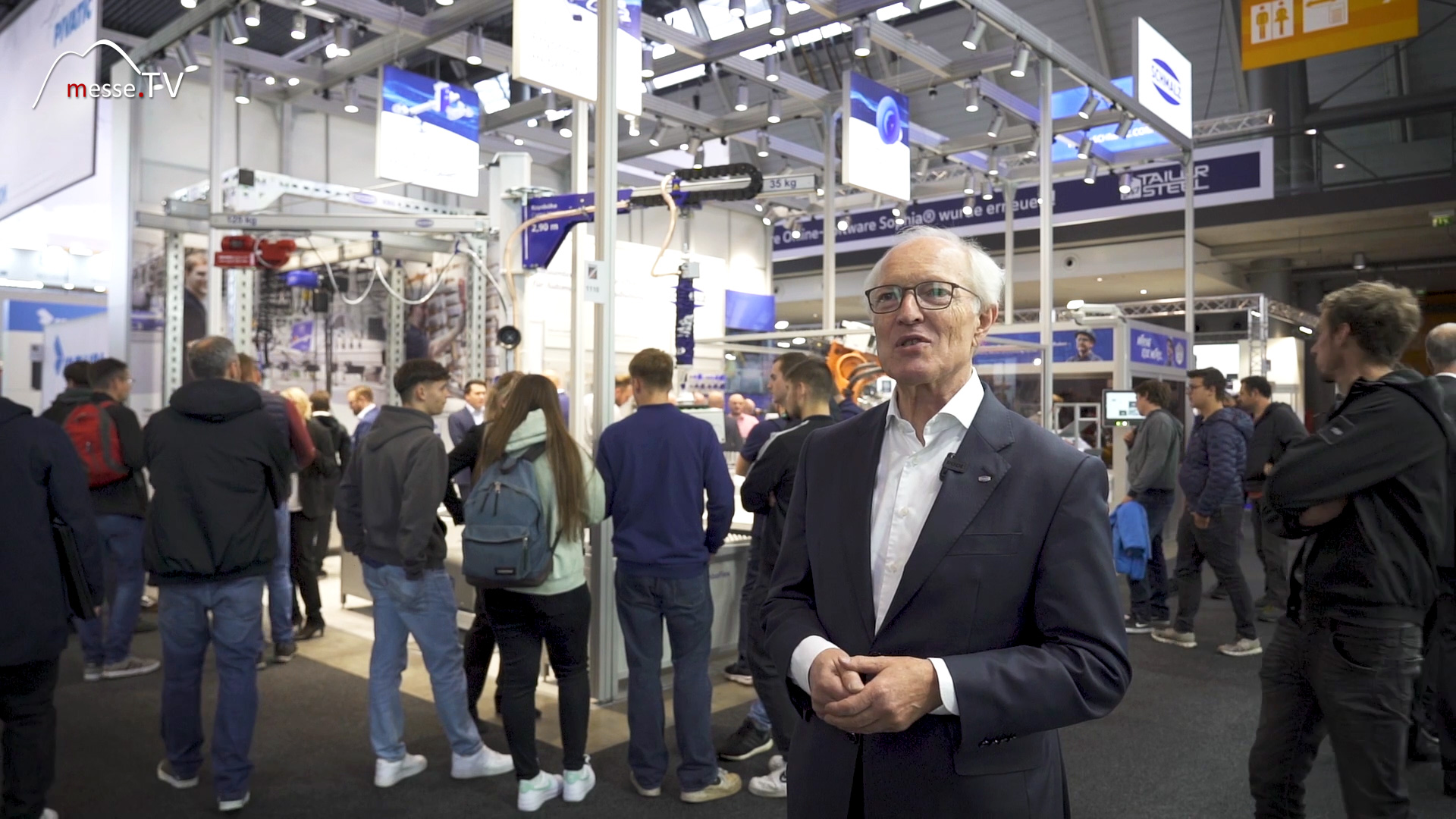
Das Unternehmen Schmalz hat seinen Ursprung im Schwarzwald und blickt auf eine mehr als hundertjährige Geschichte zurück. Über mehr als ein Jahrhundert hinweg hat sich der Betrieb von einem regional geprägten Hersteller zu einem international tätigen Anbieter von Lösungen für die industrielle Handhabung entwickelt.
Heute arbeiten rund 1.800 Mitarbeitende in etwa 30 Ländern, mit eigenen Tochtergesellschaften auf mehreren Kontinenten. Produziert wird weiterhin im Schwarzwald, gleichzeitig aber auch in Ländern wie China, Indien, den USA, Australien und Polen. Diese internationale Aufstellung ist eng mit den Anforderungen globaler Industrieunternehmen verknüpft.
Schmalz Vakuumkomponenten und Systeme für flexible Handhabung
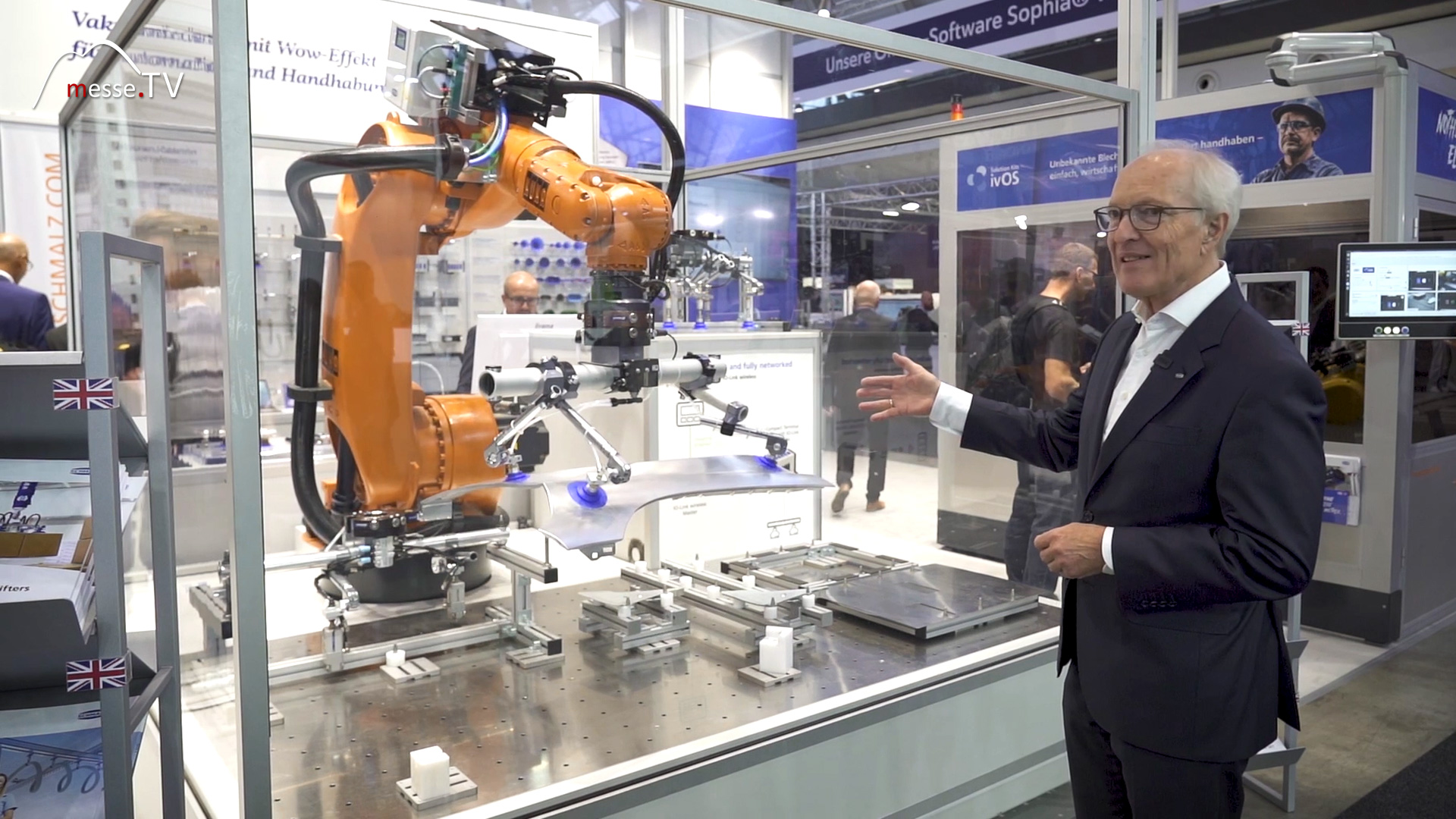
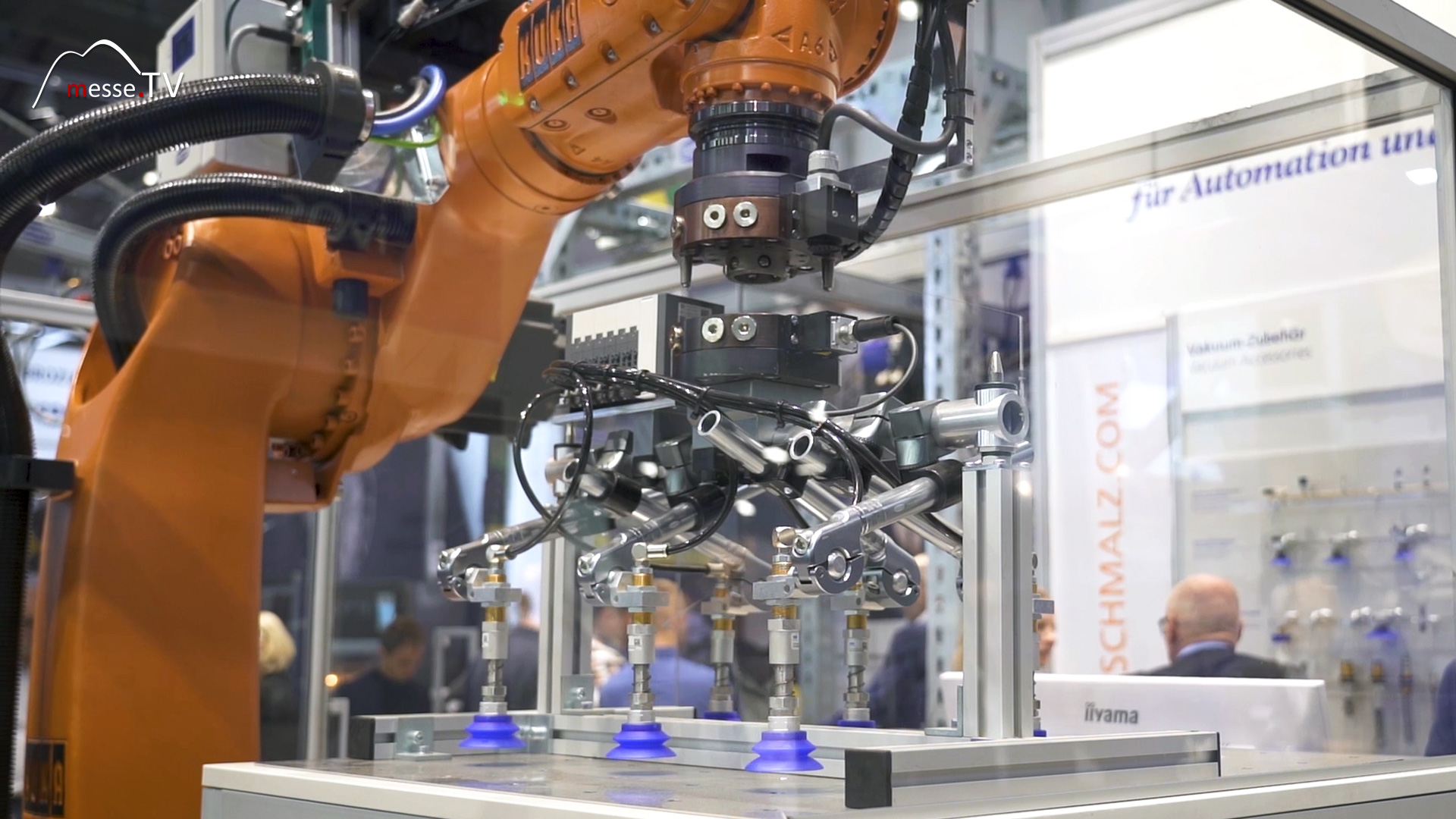
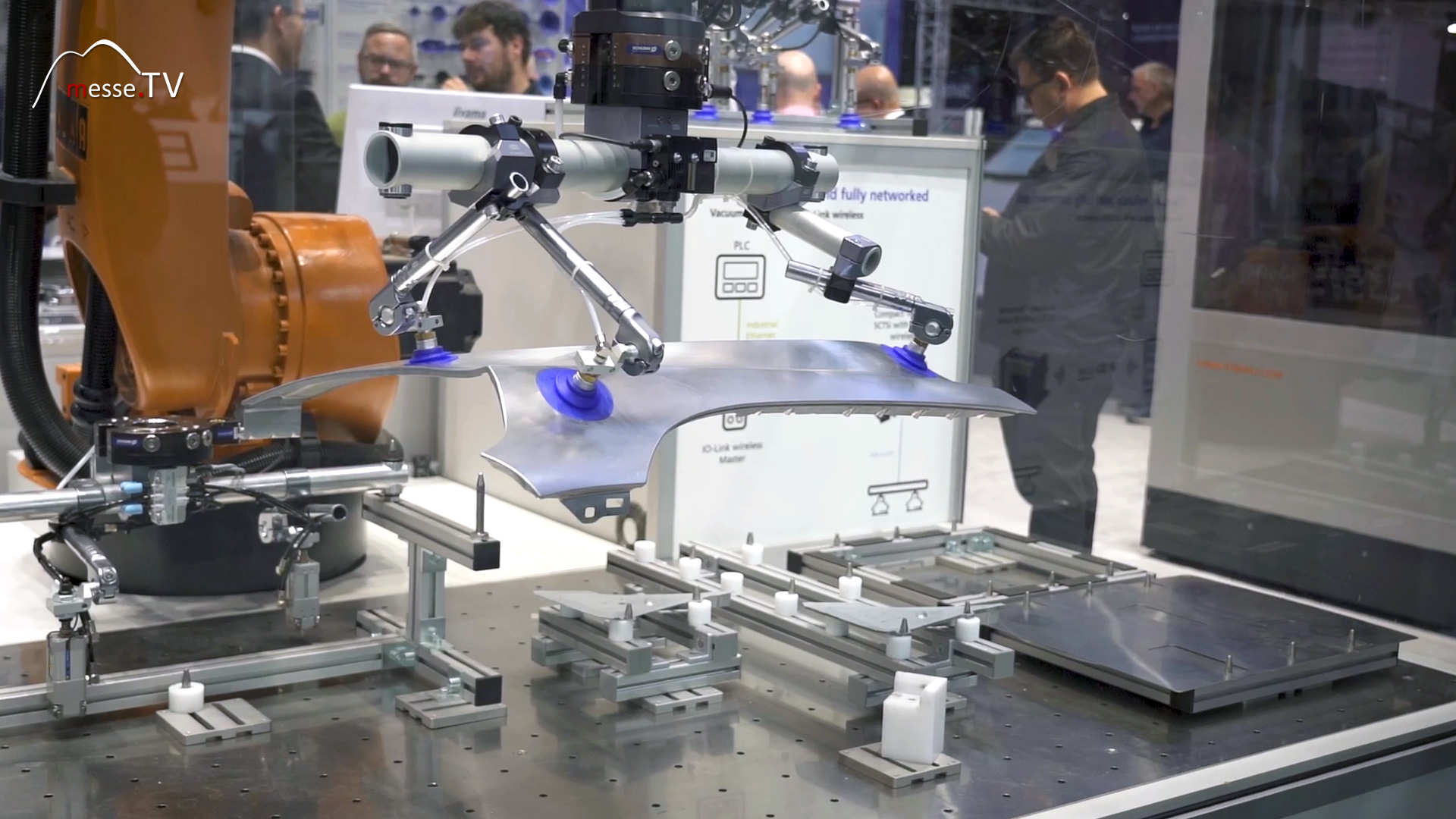
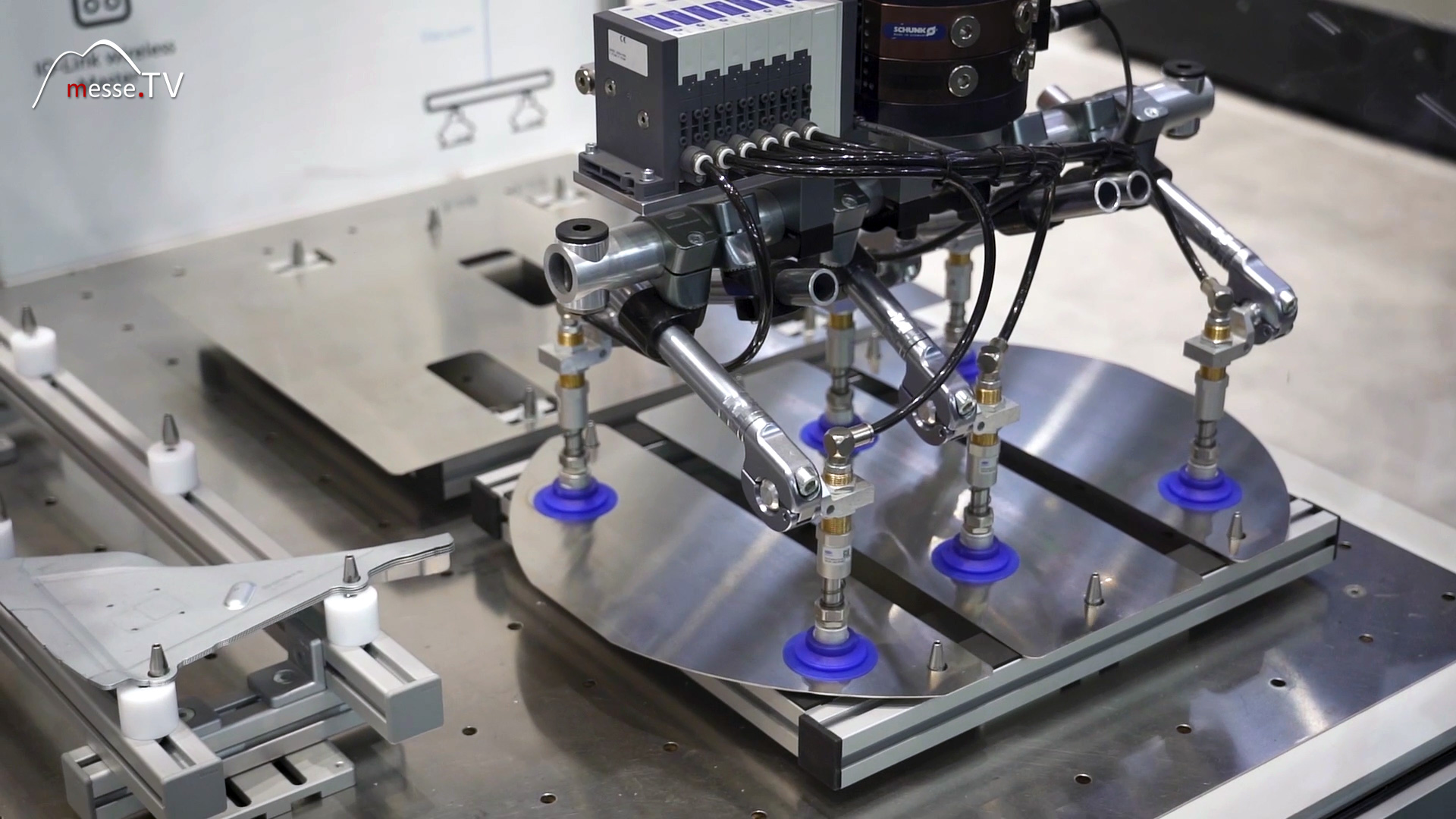
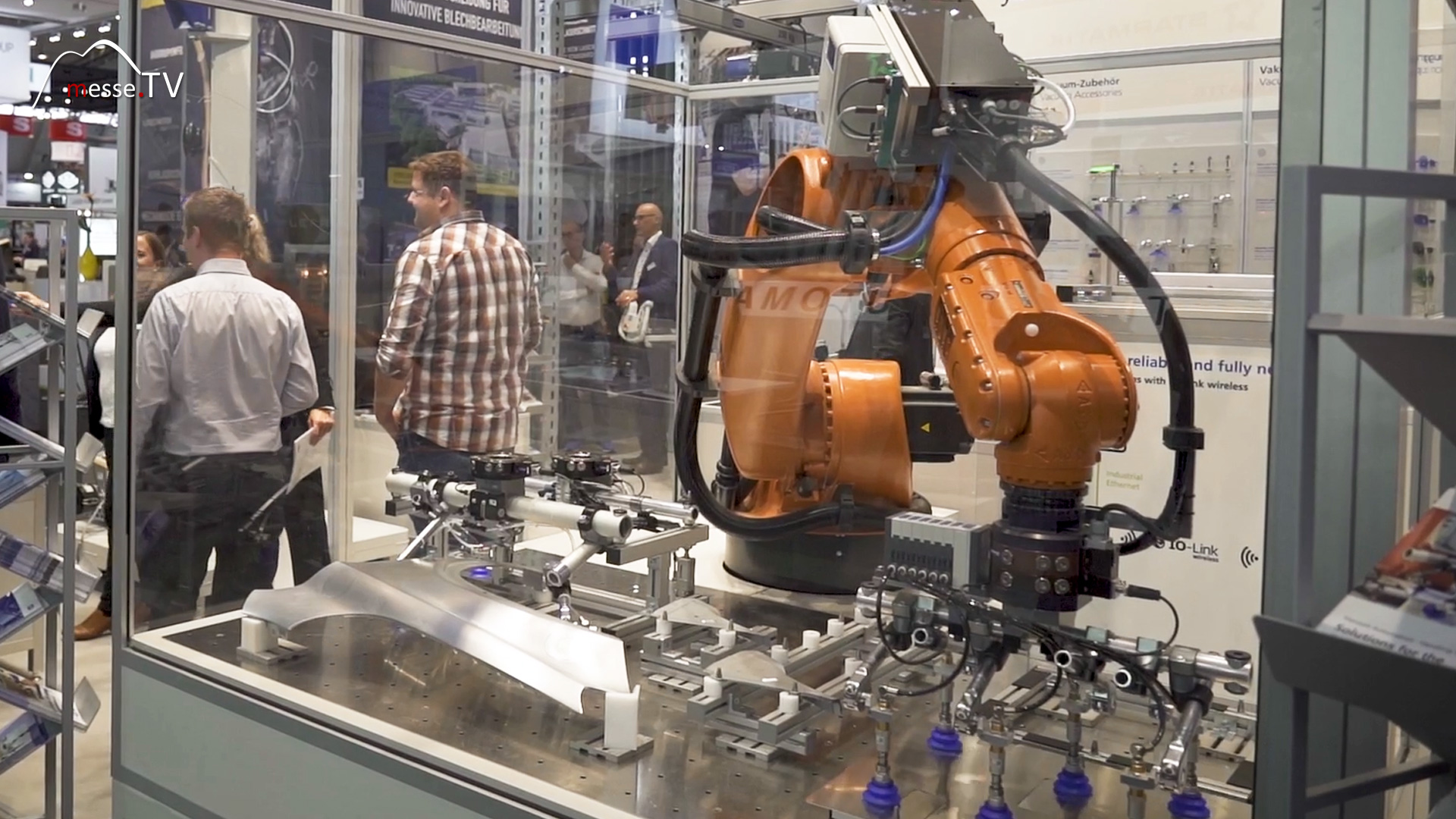
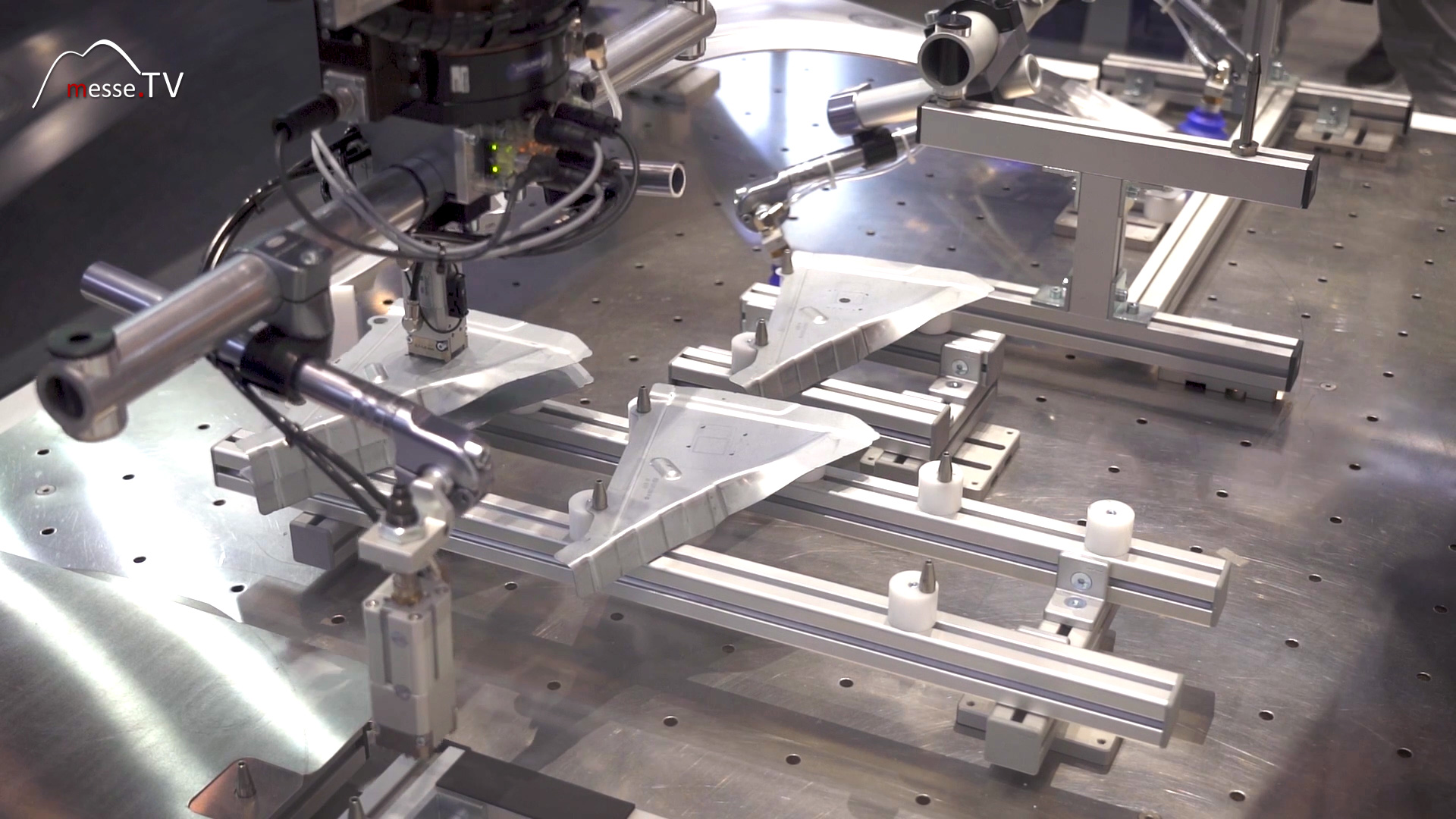
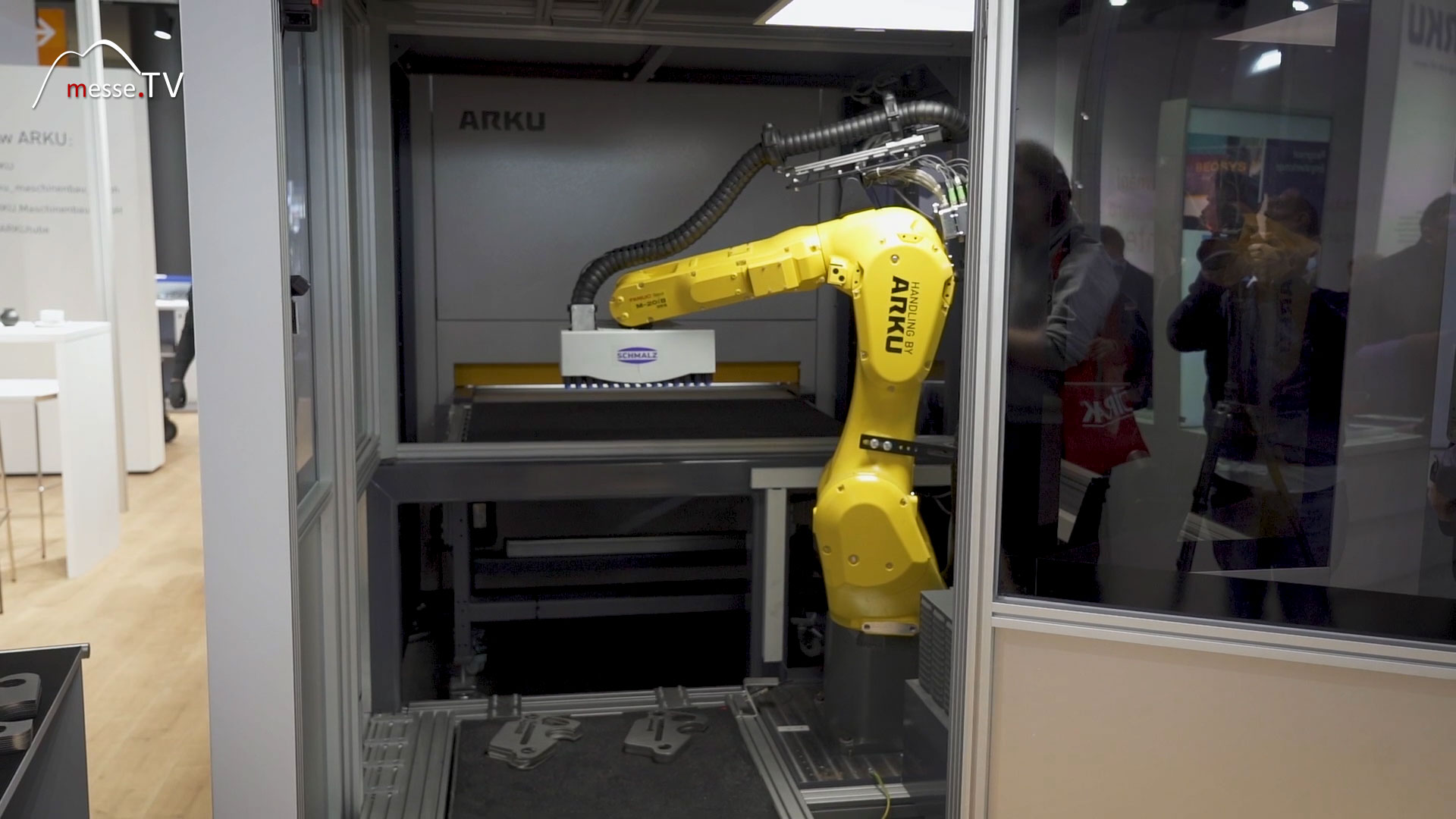
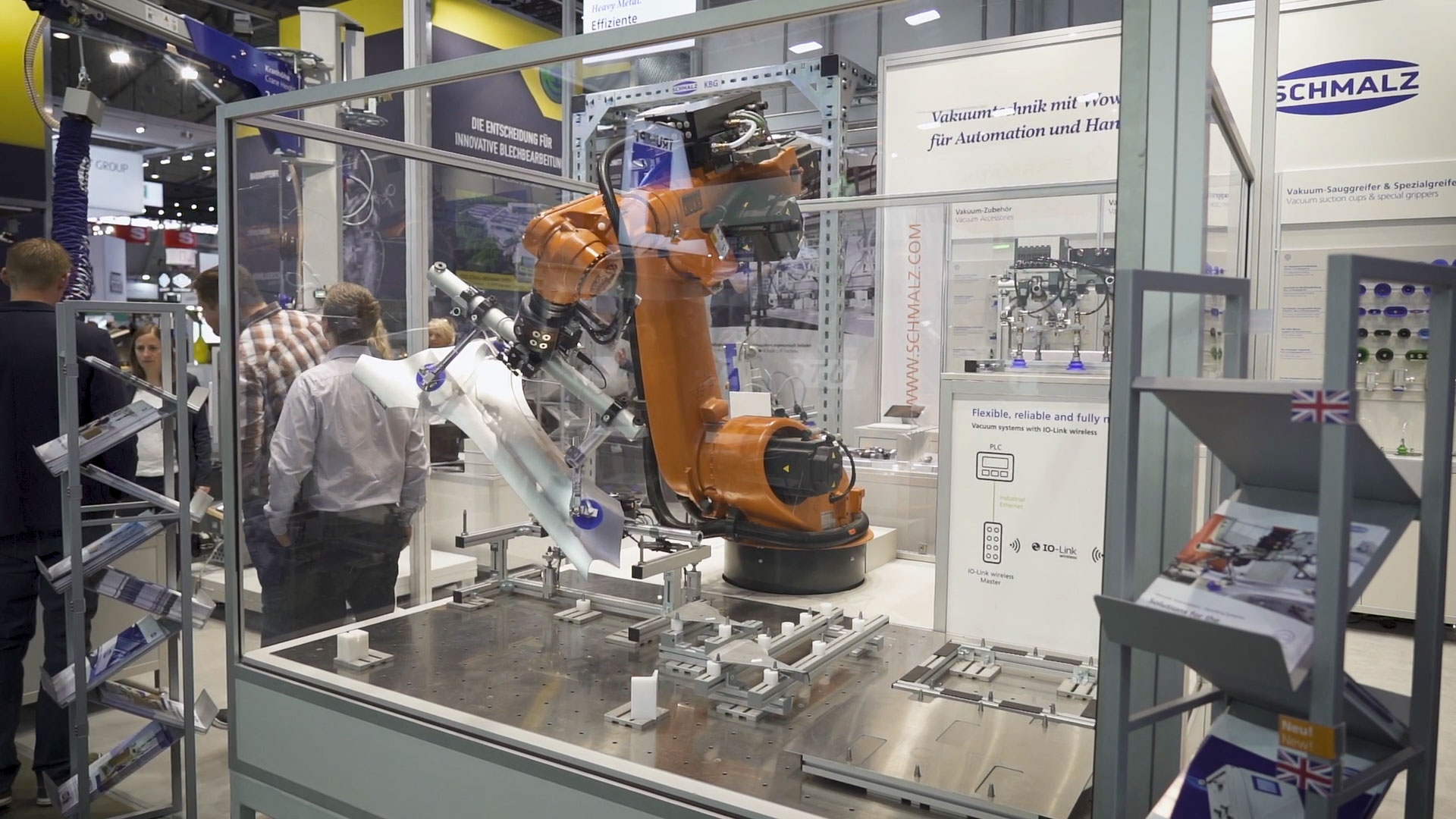
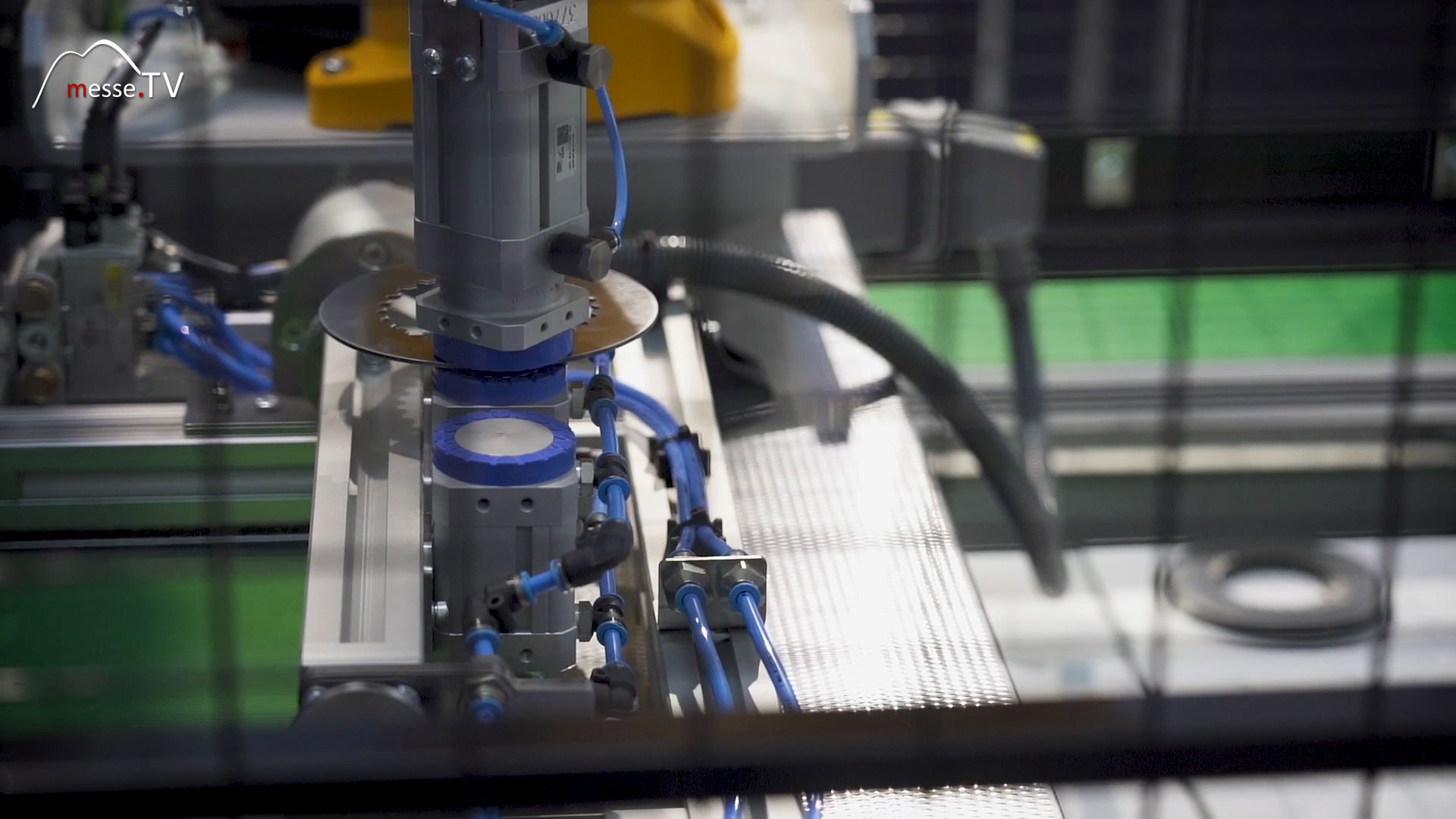
Im Kern des Portfolios stehen Vakuumkomponenten und komplette Systeme für die industrielle Automatisierung. Diese Lösungen kommen vor allem dort zum Einsatz, wo Roboter oder automatisierte Anlagen Werkstücke greifen, bewegen und positionieren müssen. Typische Anwendungen sind die Handhabung von Blechen, aber auch von Möbelteilen oder Kunststoffbauteilen. Die Bandbreite der Werkstücke reicht von dünnwandigen Bauteilen bis hin zu großflächigen oder empfindlichen Komponenten. Ergänzt werden diese Systeme durch Handhabungsgeräte, die speziell auf ergonomische Anforderungen ausgelegt sind. Sie unterstützen Mitarbeitende dabei, schwere oder unhandliche Werkstücke sicher zu bewegen. Ziel ist es, körperliche Belastungen zu reduzieren und gleichzeitig die Produktivität in der Fertigung zu steigern. Damit adressieren diese Lösungen nicht nur Effizienz, sondern auch Arbeitssicherheit und Ergonomie.

Ausrüstung für die Automobilindustrie und energieeffiziente Prozesse
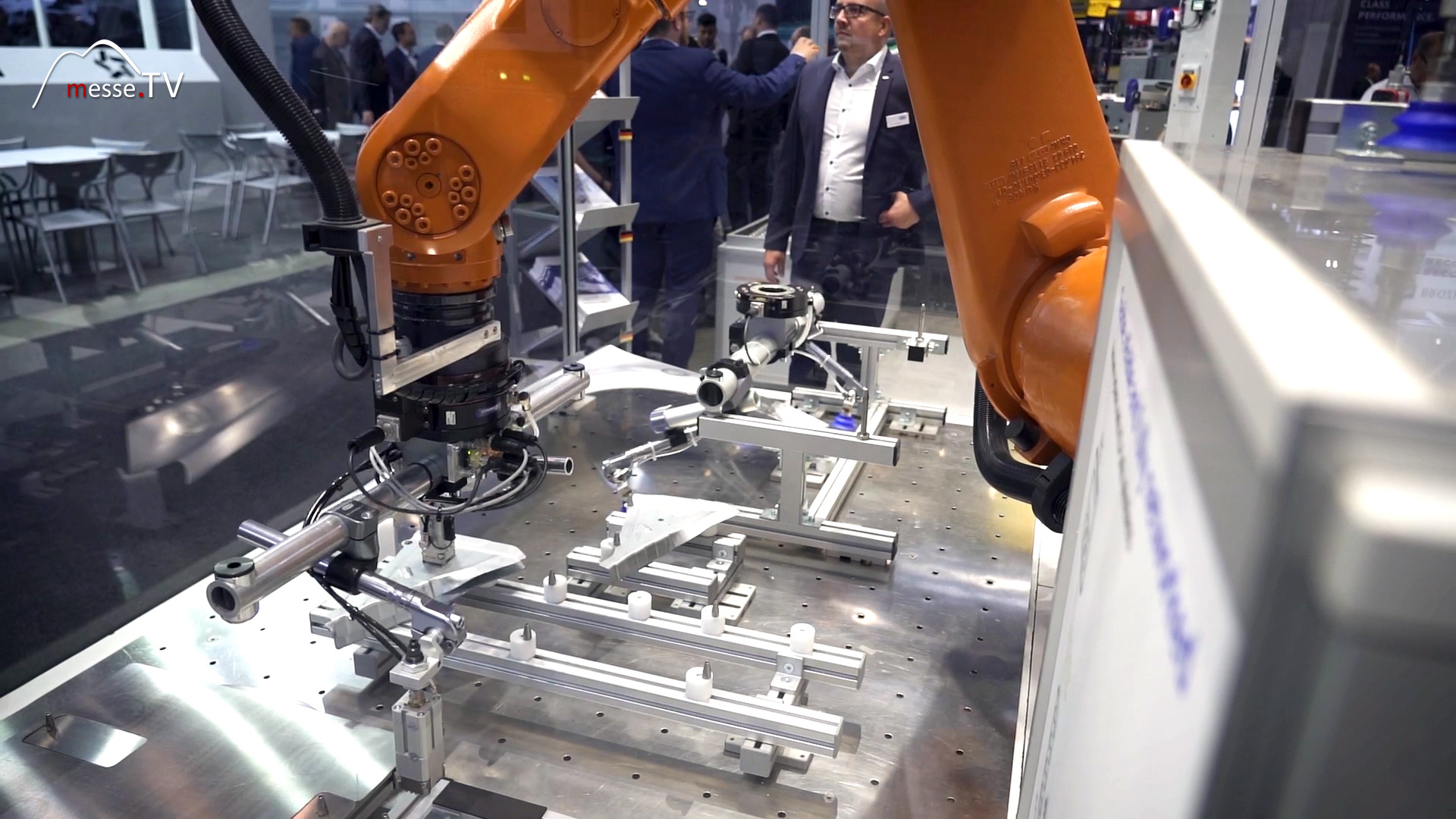
Ein wichtiger Anwendungsbereich ist die Automobilindustrie. Hier werden Vakuum- und Greifsysteme eingesetzt, um Karosserieteile oder andere großformatige Bauteile zu handhaben. In diesem Umfeld spielen mehrere Faktoren eine zentrale Rolle: Geschwindigkeit, Energieeffizienz und Prozesssicherheit. Die Systeme sind darauf ausgelegt, kurze Taktzeiten zu ermöglichen und gleichzeitig den Energieverbrauch zu optimieren. Ein technischer Schwerpunkt liegt auf der kabellosen Kommunikation zwischen Vakuumerzeuger, Sensorik und der übergeordneten Steuerung. Diese drahtlose Anbindung vereinfacht die Integration in bestehende Anlagen und reduziert den Installationsaufwand. Gleichzeitig lassen sich Prozessdaten erfassen und auswerten, was die Transparenz in der Fertigung erhöht.
Greifmittel und Picking als aktuelles Kernthema
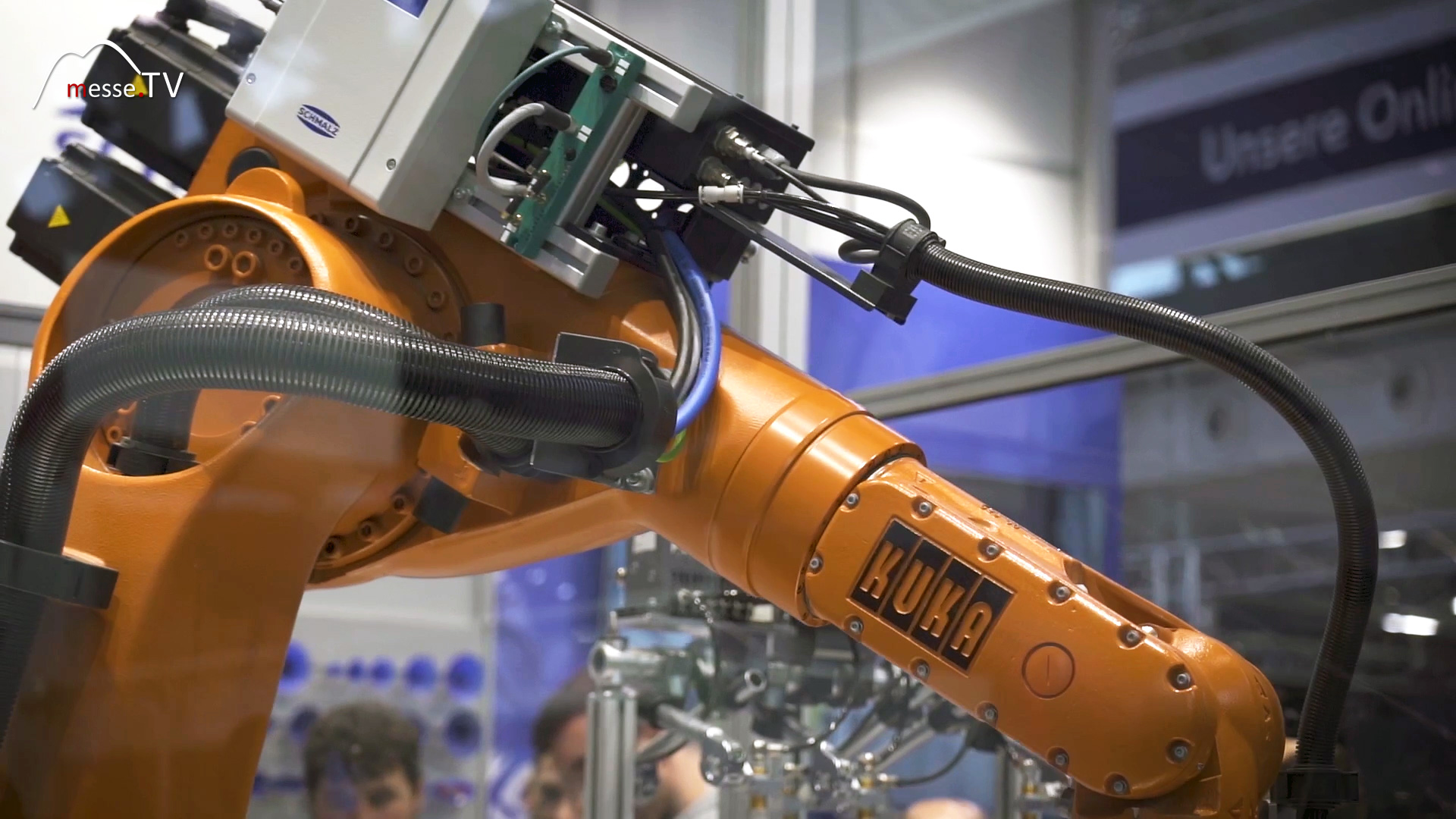
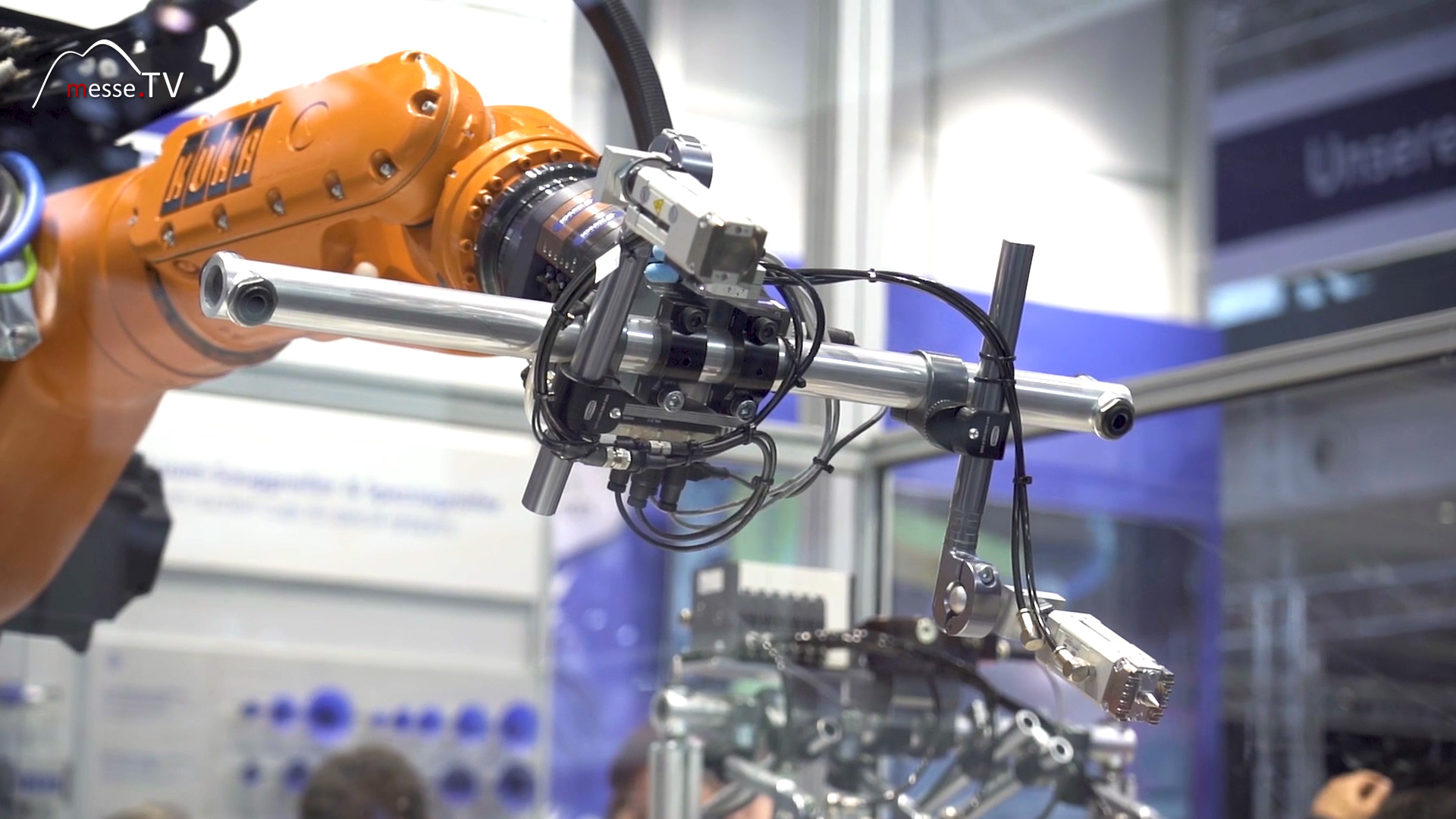
Als Ausrüster von Greifmitteln in der Automatisierung beschäftigt sich das Unternehmen intensiv mit dem Thema Picking. Dabei geht es um das gezielte Greifen und Handhaben von Blechwerkstücken, wie sie beispielsweise in Presswerken oder Karosseriebauten anfallen. Dieses Feld gewinnt aktuell stark an Bedeutung, da Produktionslinien flexibler werden müssen und Bauteile nicht immer in exakt gleicher Lage bereitliegen. In diesem Zusammenhang werden sogenannte Bundles angeboten, die Greifsysteme mit Kamera und Software kombinieren. Die visuelle Erfassung der Bauteile ermöglicht es, Position und Lage zu erkennen und den Greifprozess entsprechend anzupassen. Damit lassen sich auch ungeordnete oder variierende Werkstücklagen automatisiert handhaben, was die Flexibilität von Fertigungslinien deutlich erhöht.
Globale Präsenz und strategische Ausrichtung
Die internationale Ausrichtung ist ein zentraler Bestandteil der Unternehmensstrategie. Eine der beiden klar benannten Stoßrichtungen ist die Präsenz in China. Dort wurde ein neues Headquarter eröffnet, um näher am Markt und am Wettbewerb zu sein. Ziel ist es, Entwicklungen vor Ort frühzeitig zu erkennen und Produkte gezielt an regionale Anforderungen anzupassen. Die zweite Stoßrichtung ist Innovation. Ein hoher Forschungs- und Entwicklungsaufwand soll sicherstellen, dass kontinuierlich neue und verbesserte Produkte entstehen. Dabei geht es nicht nur um technische Weiterentwicklungen, sondern auch um wirtschaftliche Aspekte. Innovative Lösungen sollen einen Wettbewerbsvorteil schaffen und gleichzeitig effizient produzierbar bleiben.
Kosten, Bürokratie und Standortfragen
Ein zentrales Thema ist die Kostenseite. Der bürokratische Aufwand und die hohen Kosten am Standort Deutschland werden als große Herausforderung beschrieben. Diese Rahmenbedingungen erschweren es, wettbewerbsfähig zu bleiben, insbesondere im internationalen Vergleich. Als Konsequenz werden Produktionskapazitäten in Länder verlagert, in denen Rahmenbedingungen günstiger sind, etwa nach China. Gleichzeitig wird dort lokal produziert, um Transportwege zu verkürzen und näher an den Kunden zu sein.

Erwartungen an Politik und Infrastruktur
Mit Blick auf die Zukunft werden klare Erwartungen formuliert. Dazu zählt ein spürbarer Abbau von Bürokratie, um Unternehmen mehr Handlungsspielraum zu geben. Ebenso wird ein zukunftsfähiges Modell für Energiekosten gefordert, das industrielle Produktion langfristig absichert. Ein weiterer Schwerpunkt ist Bildung. Die Förderung von Ausbildung und Ingenieurnachwuchs, insbesondere in MINT-Berufen, wird als entscheidend angesehen. Diese Förderung müsse früh beginnen, bereits in der Schule, und sich bis in Hochschulen fortsetzen. Auch die Infrastruktur spielt eine wichtige Rolle. Der Zustand von Straßen, Netzen und insbesondere der digitalen Anbindung wird kritisch gesehen. Eine stabile Internet- und Mobilfunkverbindung wird als Grundvoraussetzung für moderne Industrie betrachtet, gerade in ländlich geprägten Regionen wie dem Schwarzwald.
Zentrale Einsatzfelder der Vakuum- und Greiftechnik
- Automatisierte Blechhandhabung in Presswerken
- Greifsysteme für Roboter in der Industrieautomation
- Ergonomische Handhabungsgeräte für schwere Werkstücke
- Kombinierte Lösungen aus Kamera, Software und Greifer
- Energieeffiziente Systeme für hohe Taktzahlen
Messe-Berichterstattung bundesweit - Messewissen, Termine & Veranstaltungen


