Technological development of modern photovoltaic systems
Photovoltaics is one of the key technologies of the energy transition. The articles show how solar modules, inverters, and integrated systems are being further developed—from decentralized power generation to integration into complex energy structures.
Photovoltaics – all articles on the topic of solar power
Solar trackers shift electricity generation in solar parks
The rapid expansion of photovoltaics is leading to a new problem: More and more solar installations are producing their highest output at the same time of day. Traditional, south-f... Tracking solar panels astronomically to follow the sun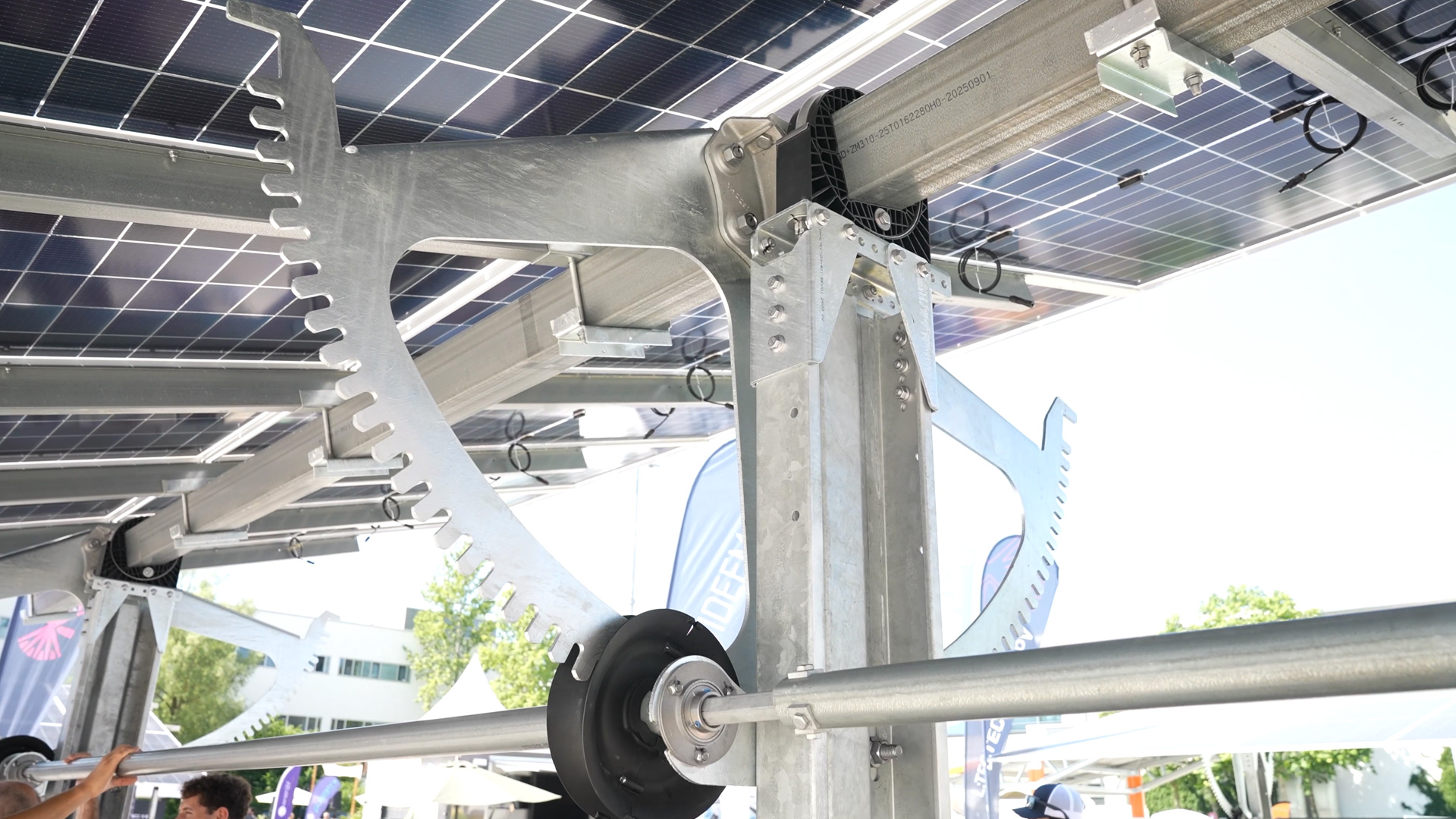
Solar modules with higher efficiency and a new aesthetic
Photovoltaic modules have long since ceased to evolve solely on the basis of higher power output. As the market matures, greater focus is being placed on design, space utilisation ... TOPCon modules make life easier for installers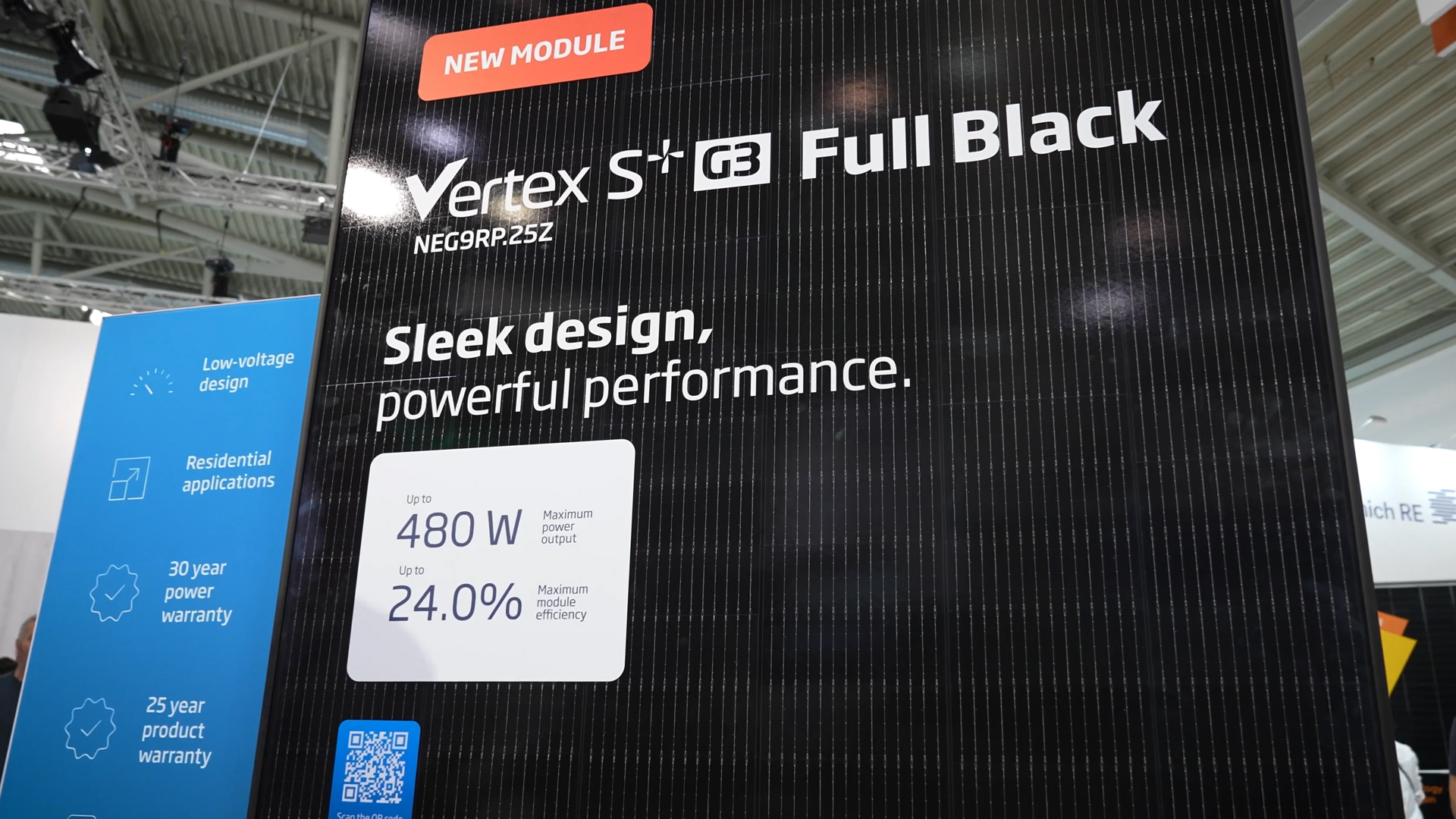

Solar fences for photovoltaics on existing spaces
Photovoltaics are increasingly being installed in places where electricity generation was previously rarely considered. Alongside rooftop systems, façades, car parks and open space... FlexAD as a modular solar fence system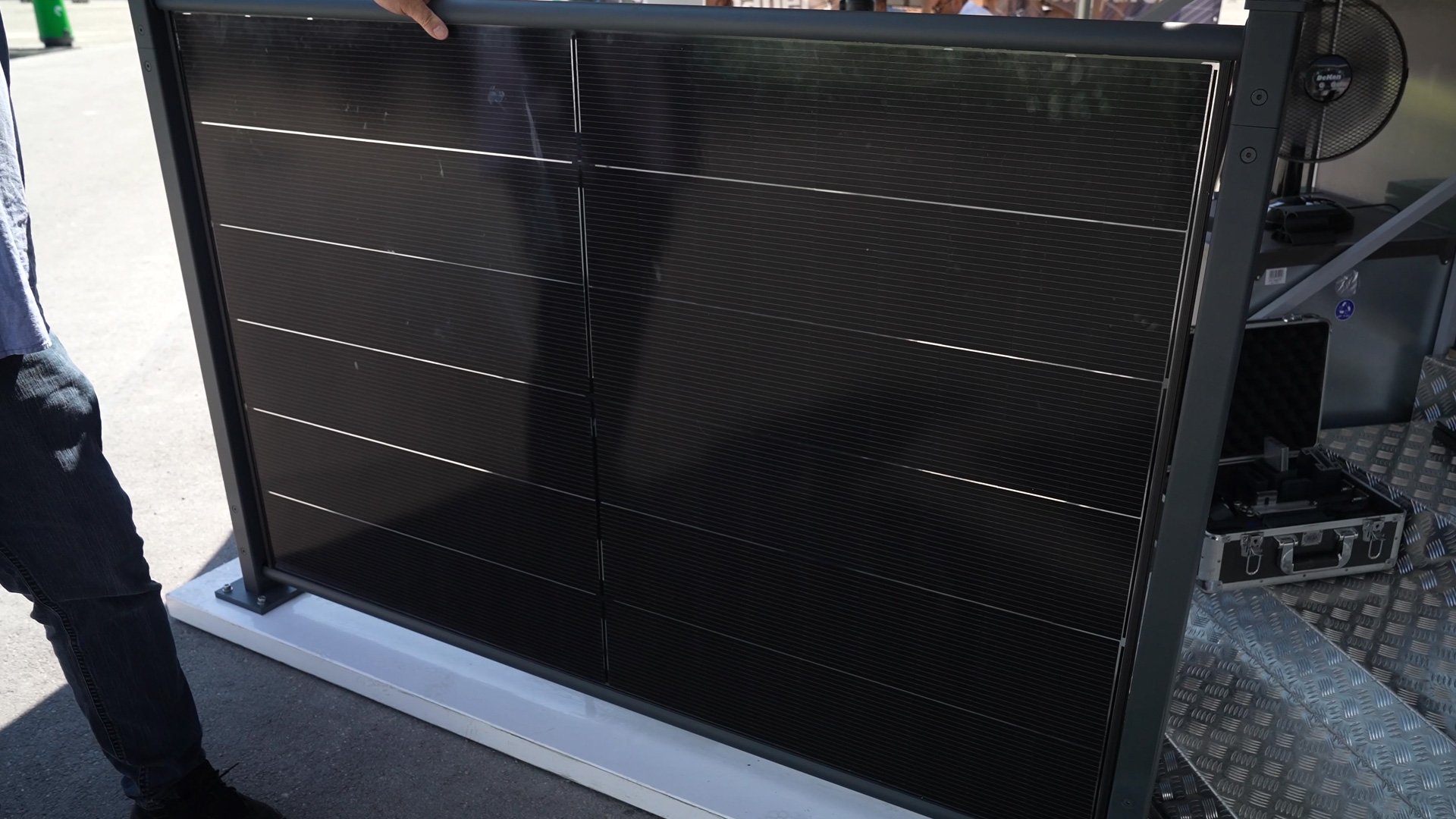
PREFA solar system: Efficient solar energy - Green Week 2025
PREFA is a European manufacturer of roof, solar and façade systems made of aluminum. The company offers durable and low-maintenance solutions for roofs and façades. The products ar... PREFA solar system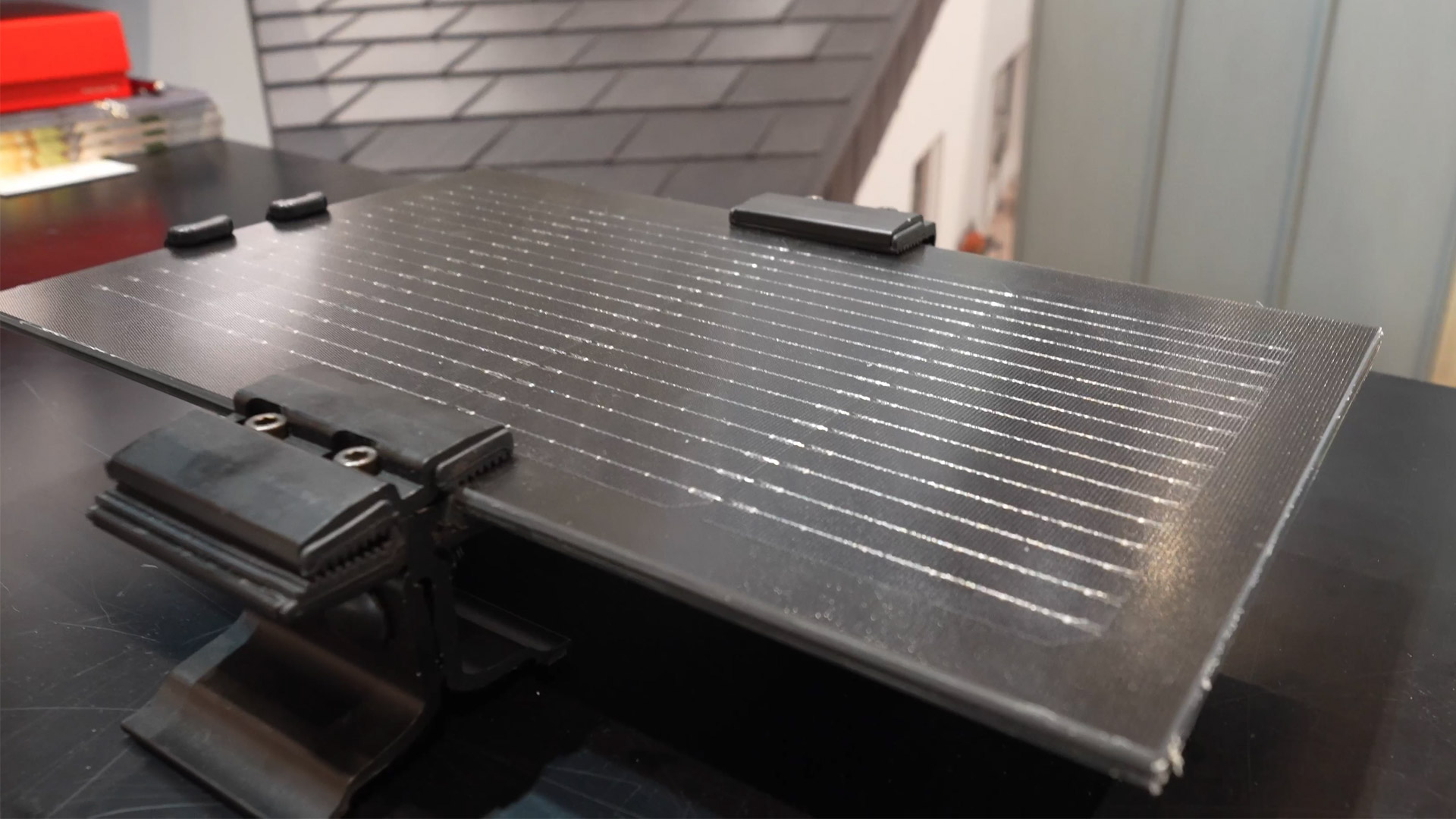
Photovoltaic systems with storage and energy utilisation
Photovoltaics is increasingly developing into an integrated system in which individual components are no longer viewed in isolation. Modules, storage systems and inverters interloc... Integrated systems in the field of photovoltaics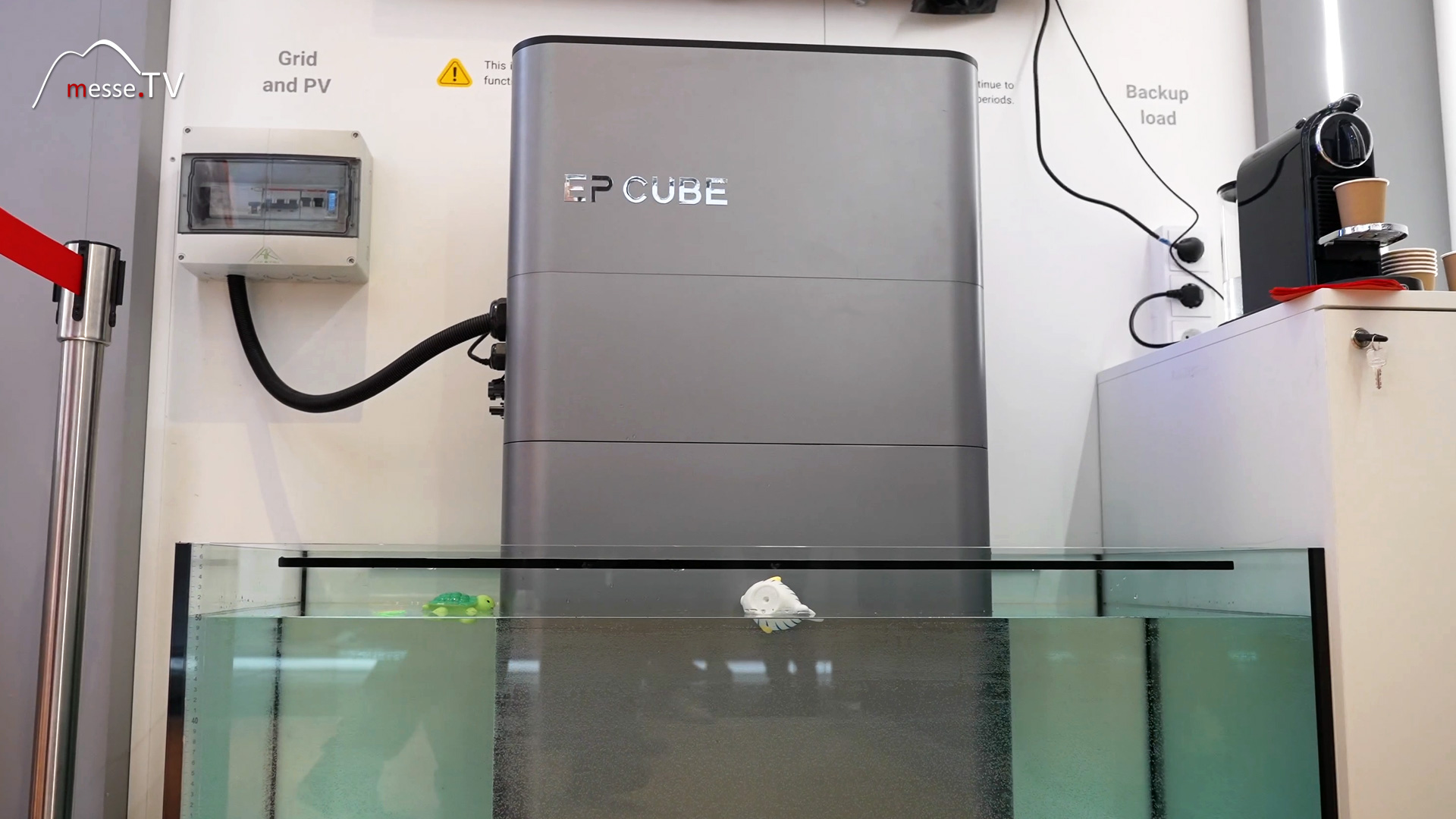
Photovoltaic solutions - REC
REC Group is a leading manufacturer of solar panels headquartered in Norway. Founded in 1996, REC specializes in the development and production of high-quality and sustainable sola... Photovoltaic solutions - REC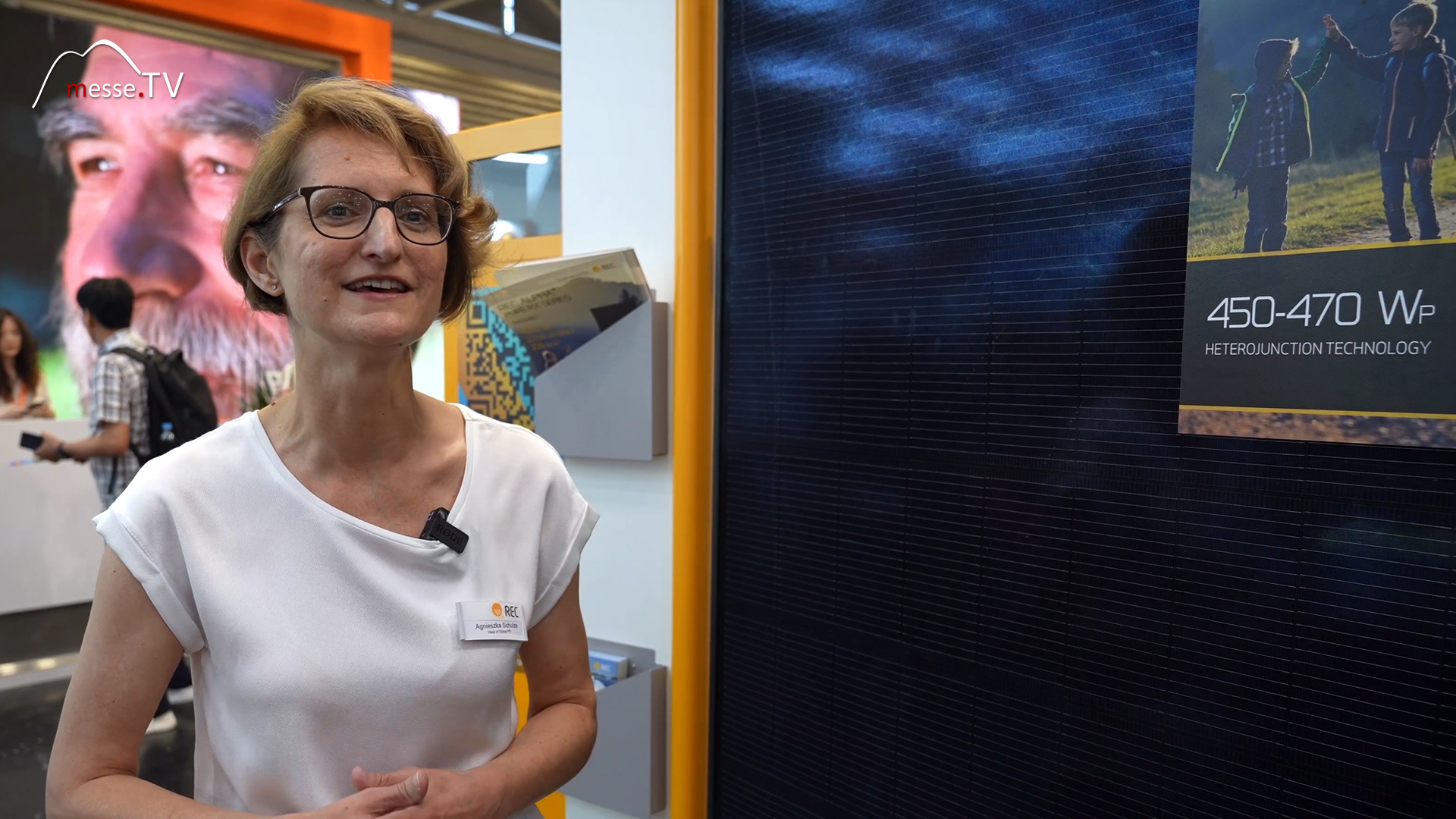
Solar system direct from the manufacturer - Q Cells
Q CELLS is a leading provider of solar energy solutions and offers innovative solar modules, energy storage systems and complete solutions for private and business customers. Its p... Solar system direct from the manufacturer - Q Cells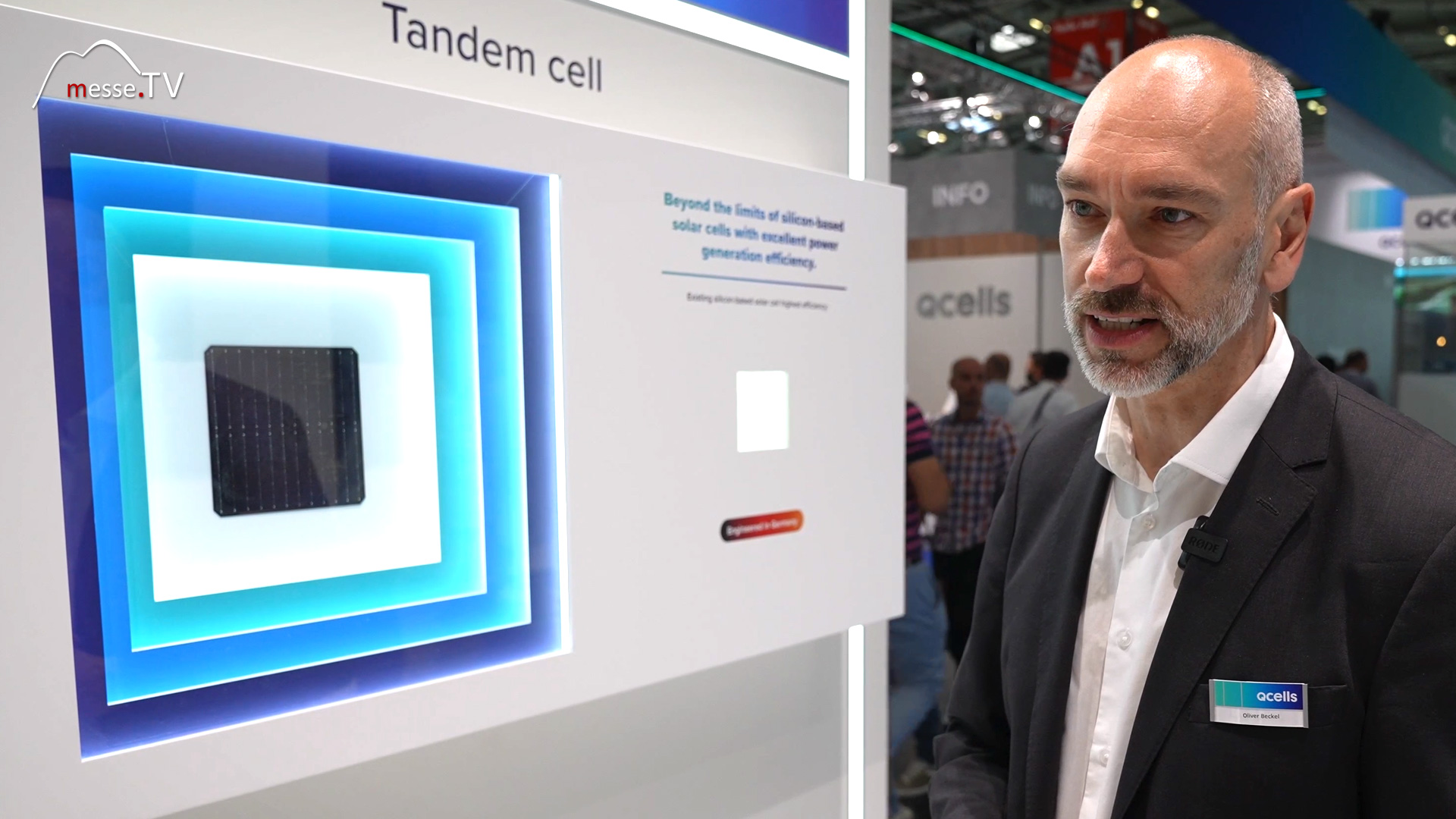
Equipment manufacturer solar industry - M10 Solar Equipment
M10 Solar Equipment offers highly innovative technologies for the manufacture of solar modules, including shingle matrix technology, which enables higher efficiencies and more cost... Equipment manufacturer solar industry - M10 Solar Equipment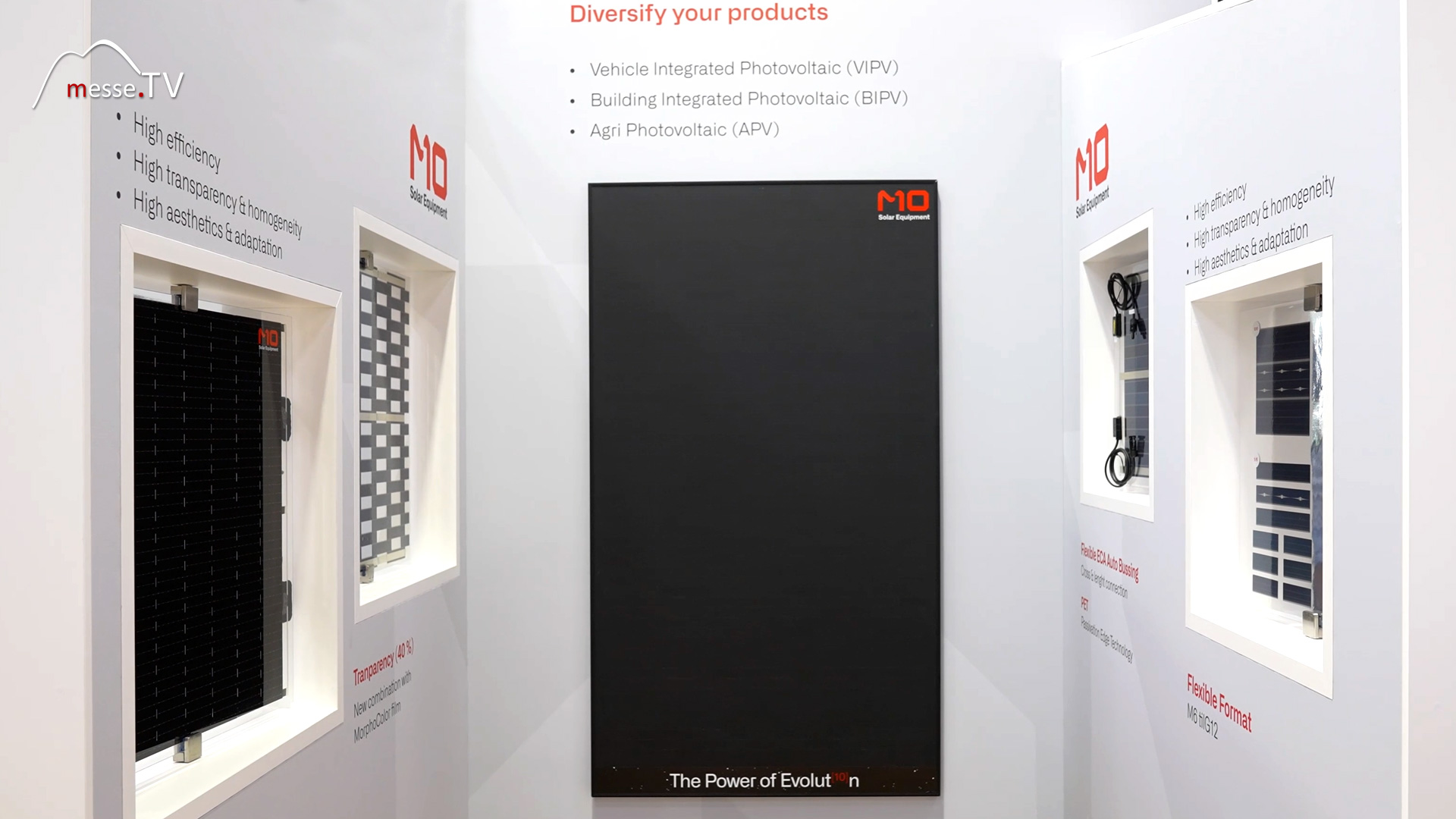
Solar module manufacturer - LONGi
LONGi is a leading company in the solar energy industry and offers comprehensive solutions for the use of renewable energies. With a focus on high-efficiency monocrystalline silico... Solar module manufacturer - LONGi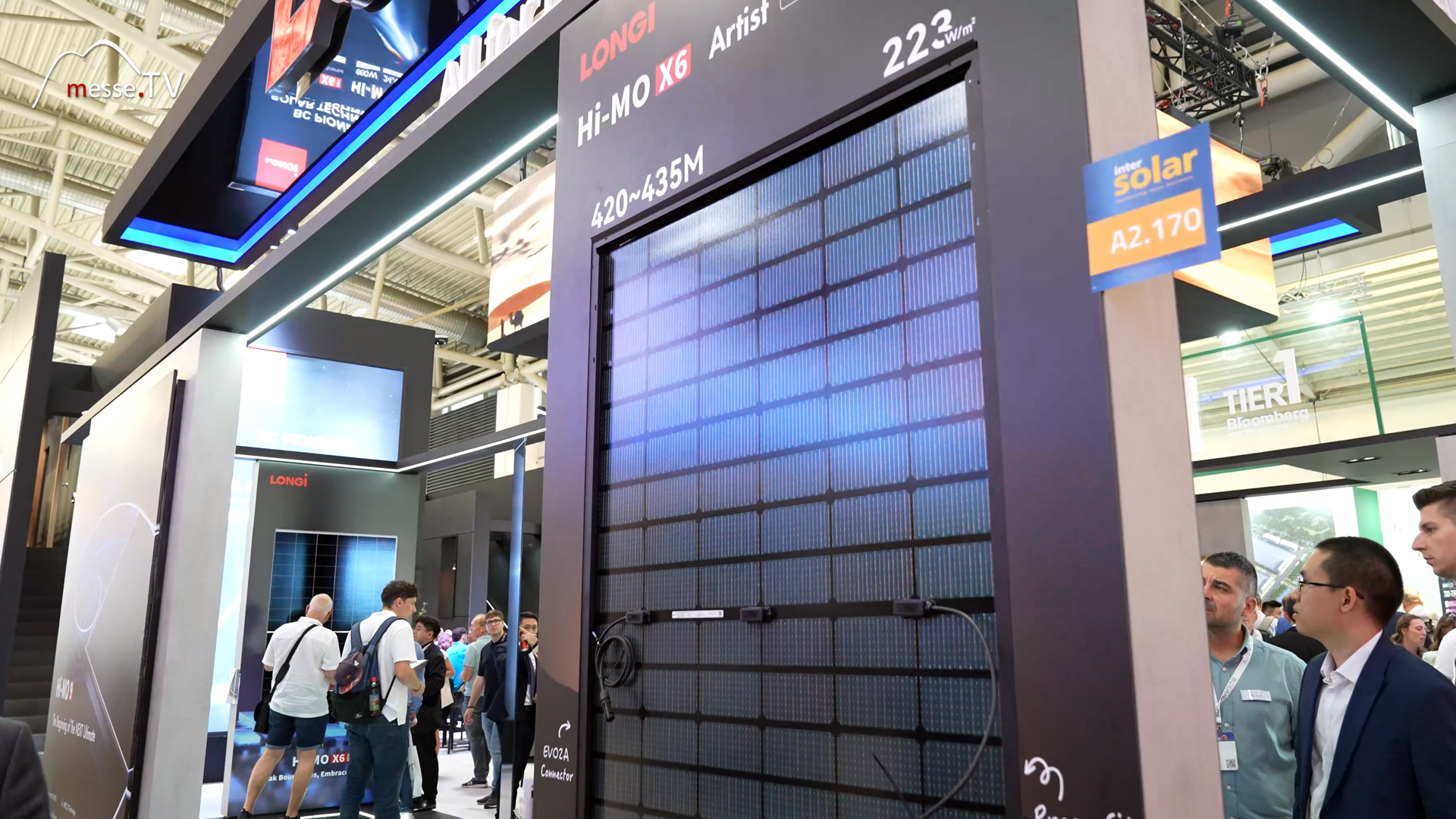
Solar collectors and heat pump storage tanks - Sunex
Sunex was founded in 1997 in Silesia and produces for German-speaking countries, i.e. Austria, Germany, Switzerland and various other countries. The broad portfolio of products sta... Solar collectors and heat pump storage tanks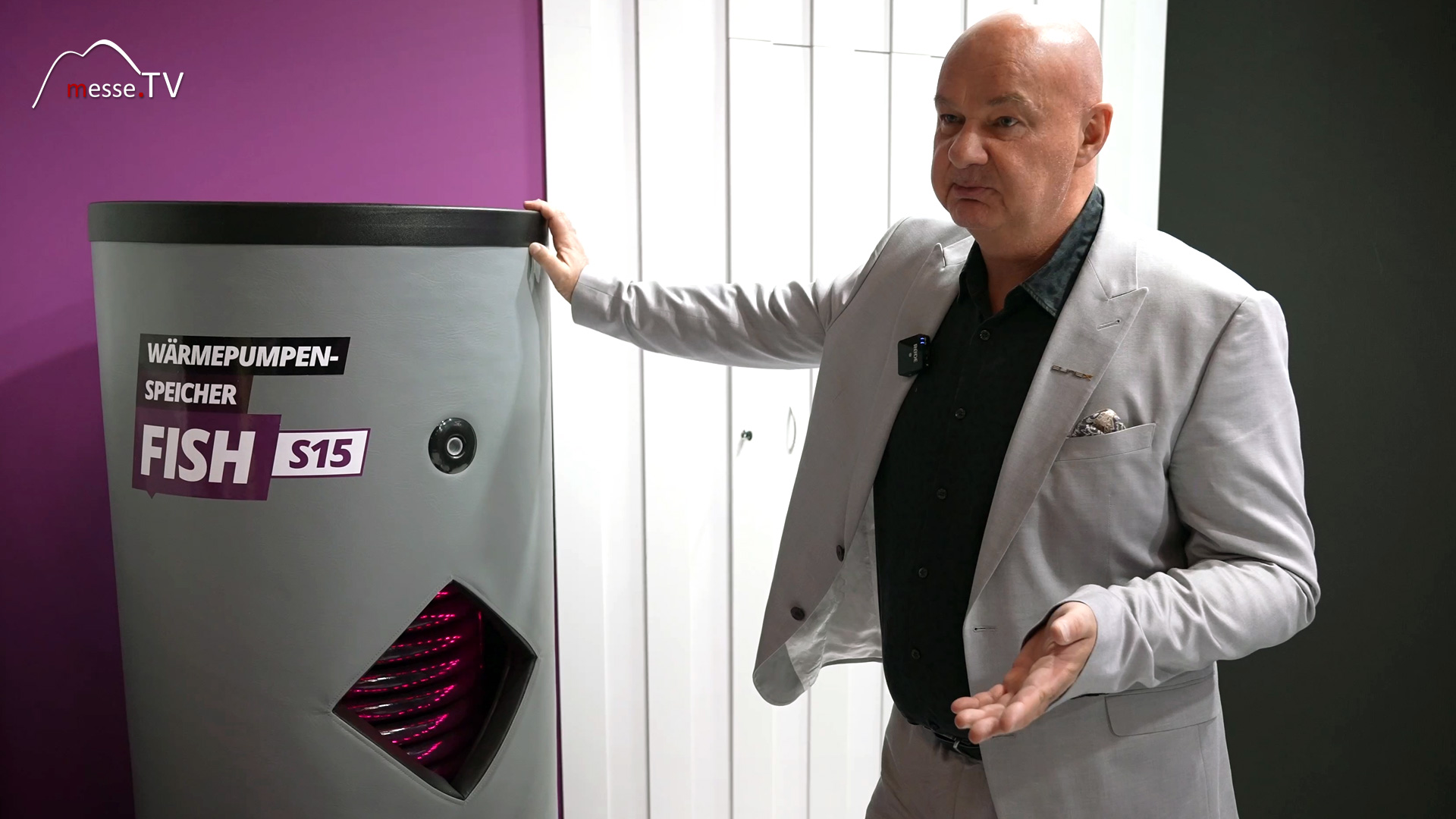
Photovoltaics and heat in buildings
For years, photovoltaics in buildings has been primarily associated with electricity generation. Classic own consumption often ends where household appliances and battery storage a... Photovoltaic heat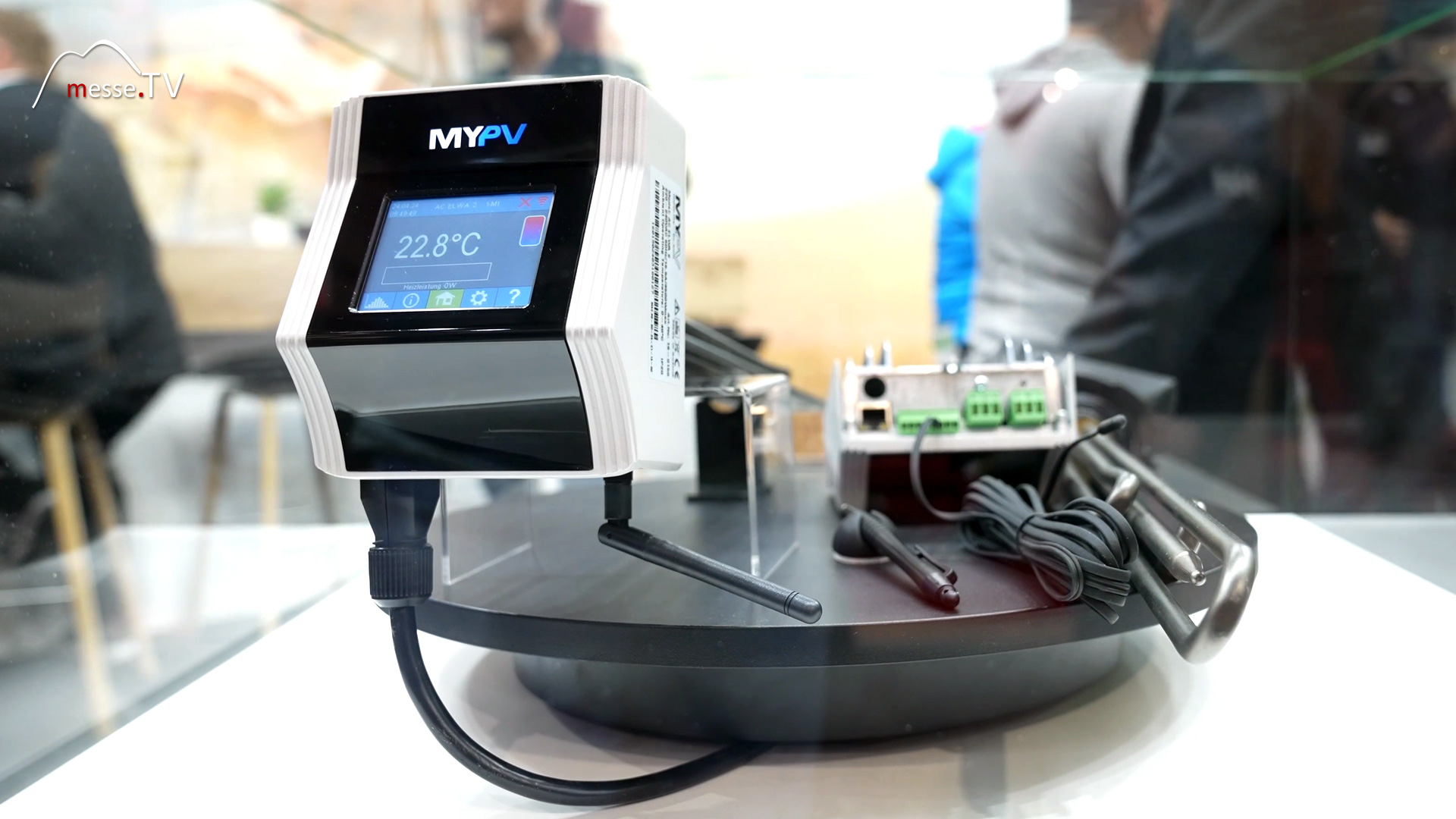
Power to Heat – combining heat generators and energy Sources
The energy transition in the building sector is increasingly being determined by one central question: what happens to the electricity generated by photovoltaic systems if it canno... Storing heat efficiently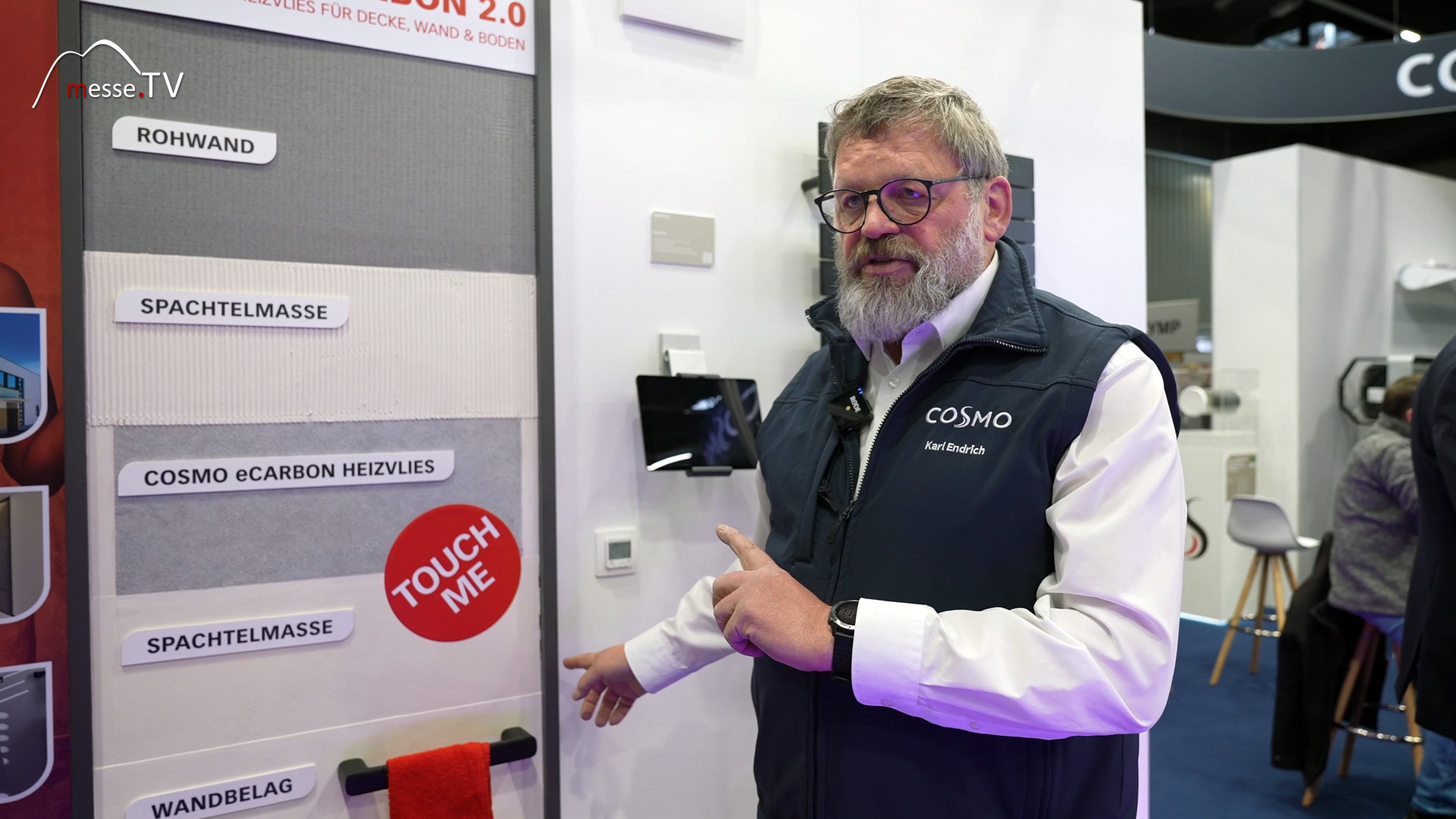
LED solar simulators for precise testing of solar cells and modules
Whether a solar cell or solar module achieves the expected performance is not determined only once it is installed on a roof or in a solar farm. The components are measured under s... Electroluminescence detects defects in solar modules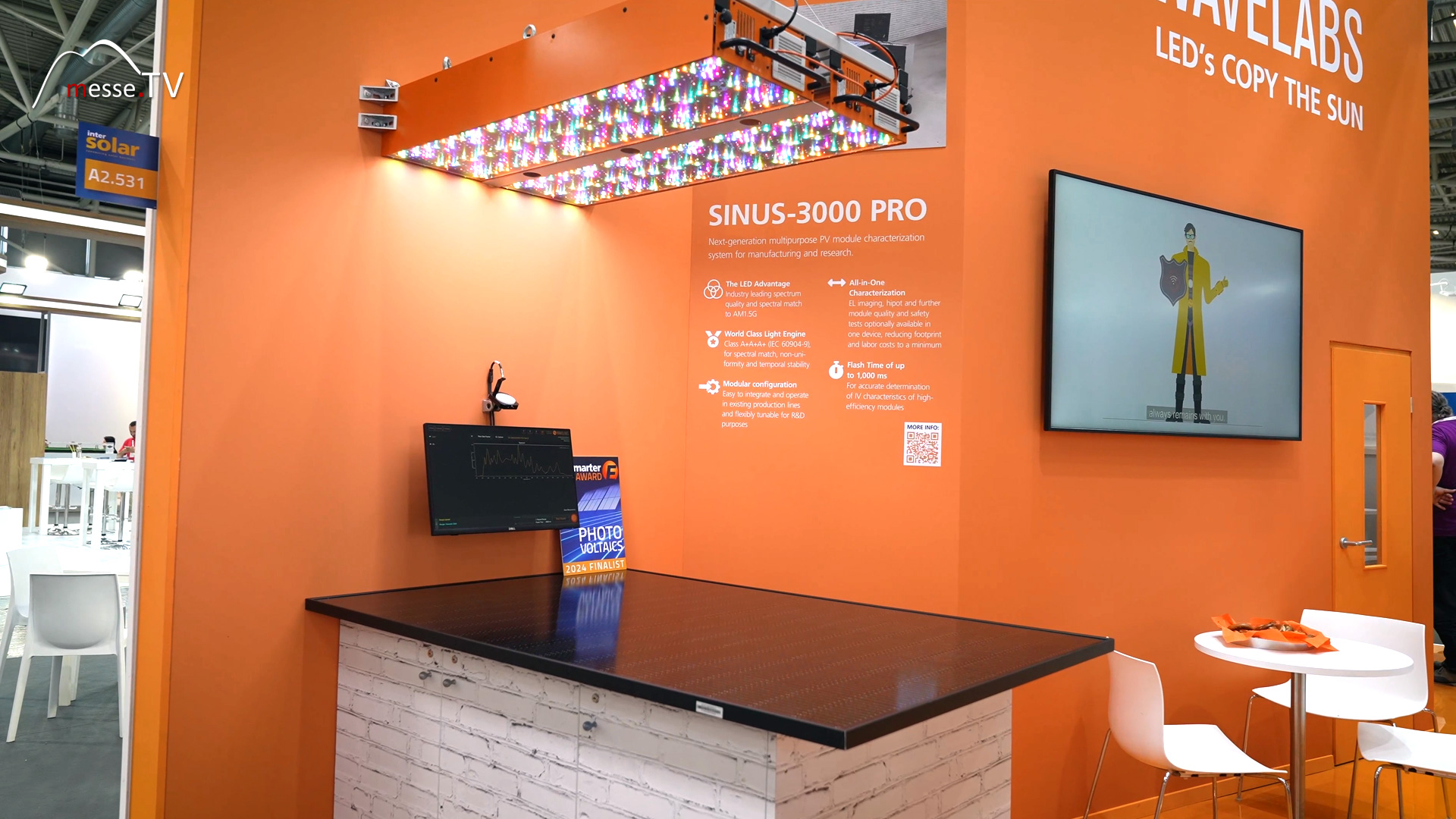
Photovoltaics has undergone significant development in recent years. In addition to efficiency improvements in solar cells, system integration and service life now play a key role. Modules are becoming more robust and powerful, while at the same time being better adapted to different operating conditions – from rooftop systems to large-scale ground-mounted solutions. New approaches are also emerging at the system level. Inverters are increasingly taking on additional functions such as grid support, monitoring, and control of connected consumers. This is transforming photovoltaics from a pure power generator to an active component of modern energy systems.
Areas of application for photovoltaics in households, commerce, and industry
Photovoltaic systems are now used in almost all areas of power supply. In the private sector, the focus is often on self-sufficiency, while in commerce and industry, reducing energy costs and hedging against volatile electricity prices are becoming increasingly important. The design, dimensioning, and system architecture vary significantly depending on the application:
- Roof systems for decentralized power generation in residential and commercial areas
- Commercial systems with self-consumption optimization and load management
- Ground-mounted systems for large-scale power production
- Photovoltaics in combination with storage, charging infrastructure, or heating technology
Photovoltaics as a building block of networked energy systems
Photovoltaics is increasingly being viewed not in isolation, but as part of a networked overall system. In conjunction with energy storage systems, intelligent control systems, and digital platforms, solar power can be used specifically when it is needed. For experts and decision-makers, the most relevant question is how photovoltaics can be integrated into existing energy and infrastructure systems. Issues such as grid stability, scalability, and cost-effectiveness are coming to the fore. Photovoltaics is thus evolving from a standalone technology to a central element of modern, flexible energy supply.
Roof-top power generation: cost-effectiveness and benefits in residential buildings
A photovoltaic system on the roof of a residential building is now one of the established solutions for permanently reducing electricity costs and contributing to climate protection and the environment. The amount of electricity generated is expressed in kWh and depends on factors such as module area, orientation, and location. The higher the direct self-consumption, the greater the positive impact of the system on running costs. Surplus electricity from the PV system can be fed into the public grid. Depending on the date of commissioning, a feed-in tariff is paid for this. For operators, this results in a balanced ratio of own consumption and grid feed-in, which offers both economic and ecological advantages per euro invested.
Combination with heat pump and heating in a holistic energy concept
A photovoltaic solution is particularly efficient when it is part of a holistic energy concept. In combination with a heat pump, the self-generated electricity can be used directly for heating and hot water production. This significantly increases the share of self-consumption while replacing fossil fuels. In conjunction with solar thermal energy, different forms of energy can be used separately in a meaningful way: electricity from photovoltaics for electrical consumers and heat pumps, thermal energy for hot water or heating support. This combination increases supply security and improves the overall balance of a building – both in terms of climate protection and long-term operating costs.
Trade fair reporting Germany - Trade fair knowledge, dates & events


