Energy storage – making solar power flexible and secure
Energy storage makes solar power flexible and secures the supply beyond the moment of generation. The articles present solutions for households, businesses, and networked systems – from batteries to intelligent load management.
Energy storage – all articles on the topic of electricity storage systems
AC chargers connect electric cars to the grid
At first glance, the wallbox at home and the charging point in the car park appear to be relatively simple pieces of technology. A power connection, a charging cable and an interfa... The Edge series brings AC charging into the home
Sodium-ion batteries for large-scale energy storage
Today, stationary battery storage systems are predominantly based on lithium-ion technologies. Lithium iron phosphate batteries – LFP for short – in particular have become establis... Digital data is becoming an integral part of modern battery storage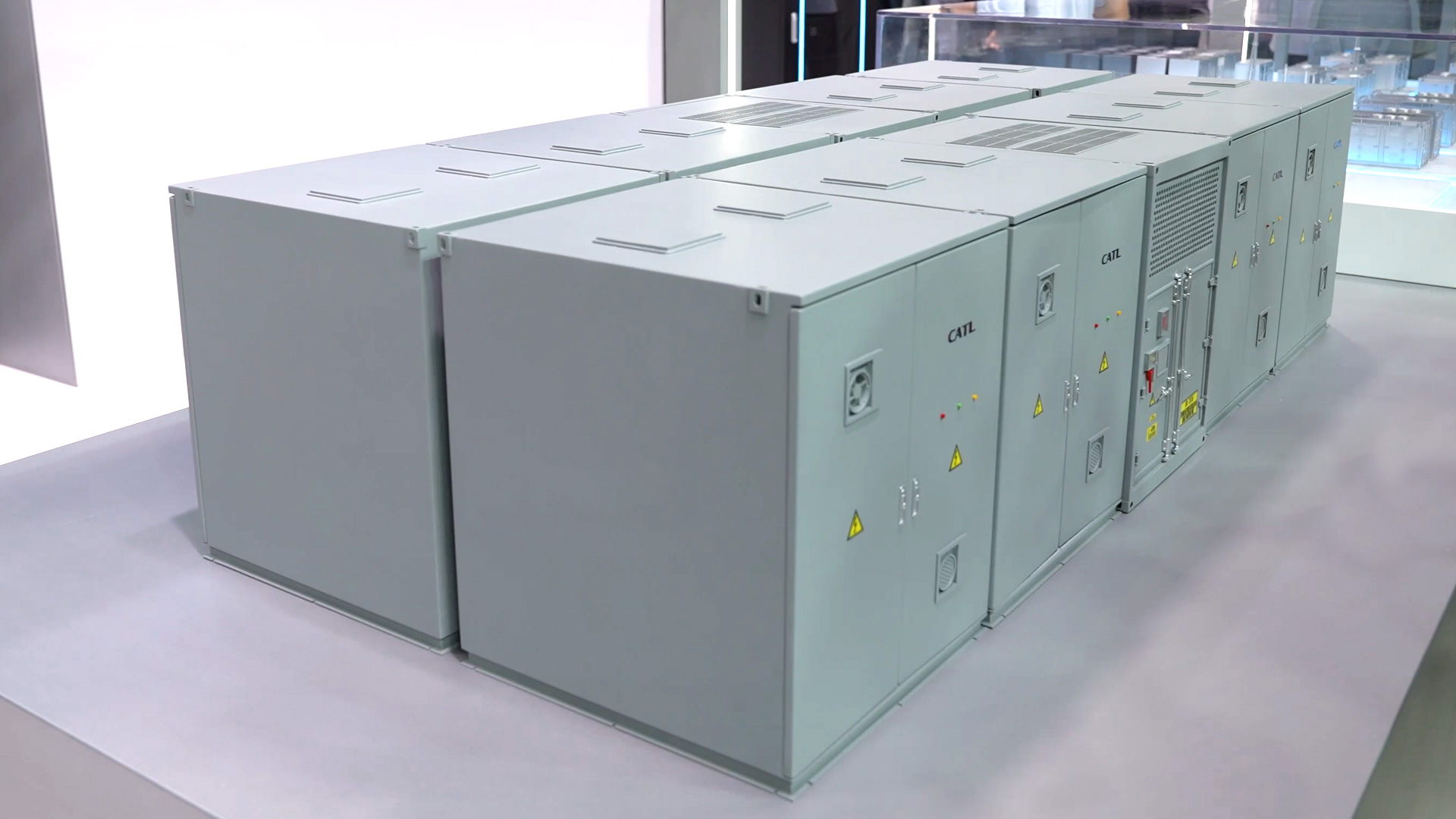

Long-term storage for renewable energy and hydrogen
Wind and solar power are not always available when industry, the grid or consumers need them. The more renewable energy is expanded, the more important it becomes to address the qu... Storage systems can replace fossil-fuel-fired peak-load power stations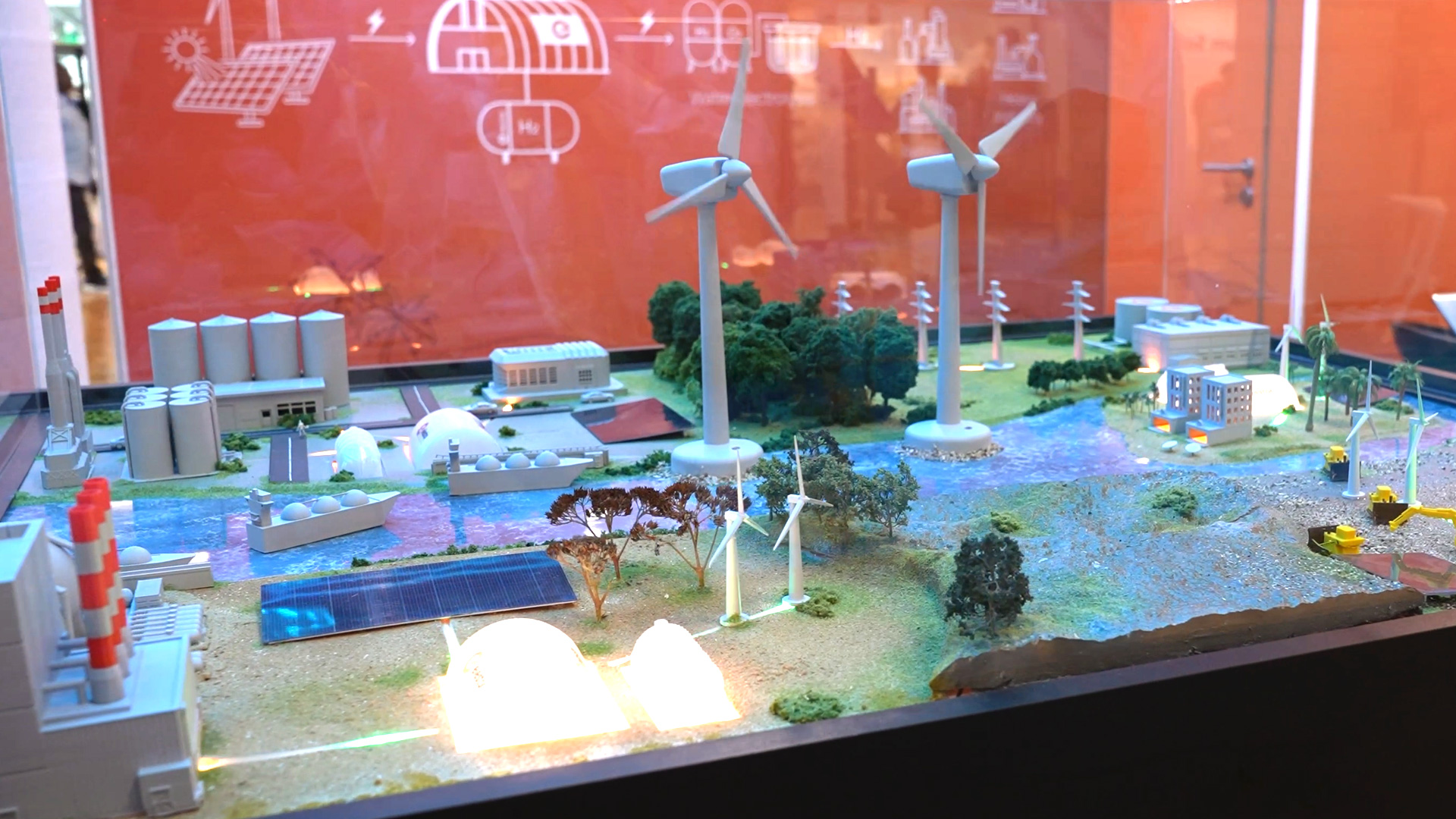
Battery storage for energy trading and cybersecurity
Battery storage systems are evolving rapidly. Whilst they were originally used primarily to temporarily store surplus solar power, they are now increasingly taking on roles in ener... Storage technology combined with energy trading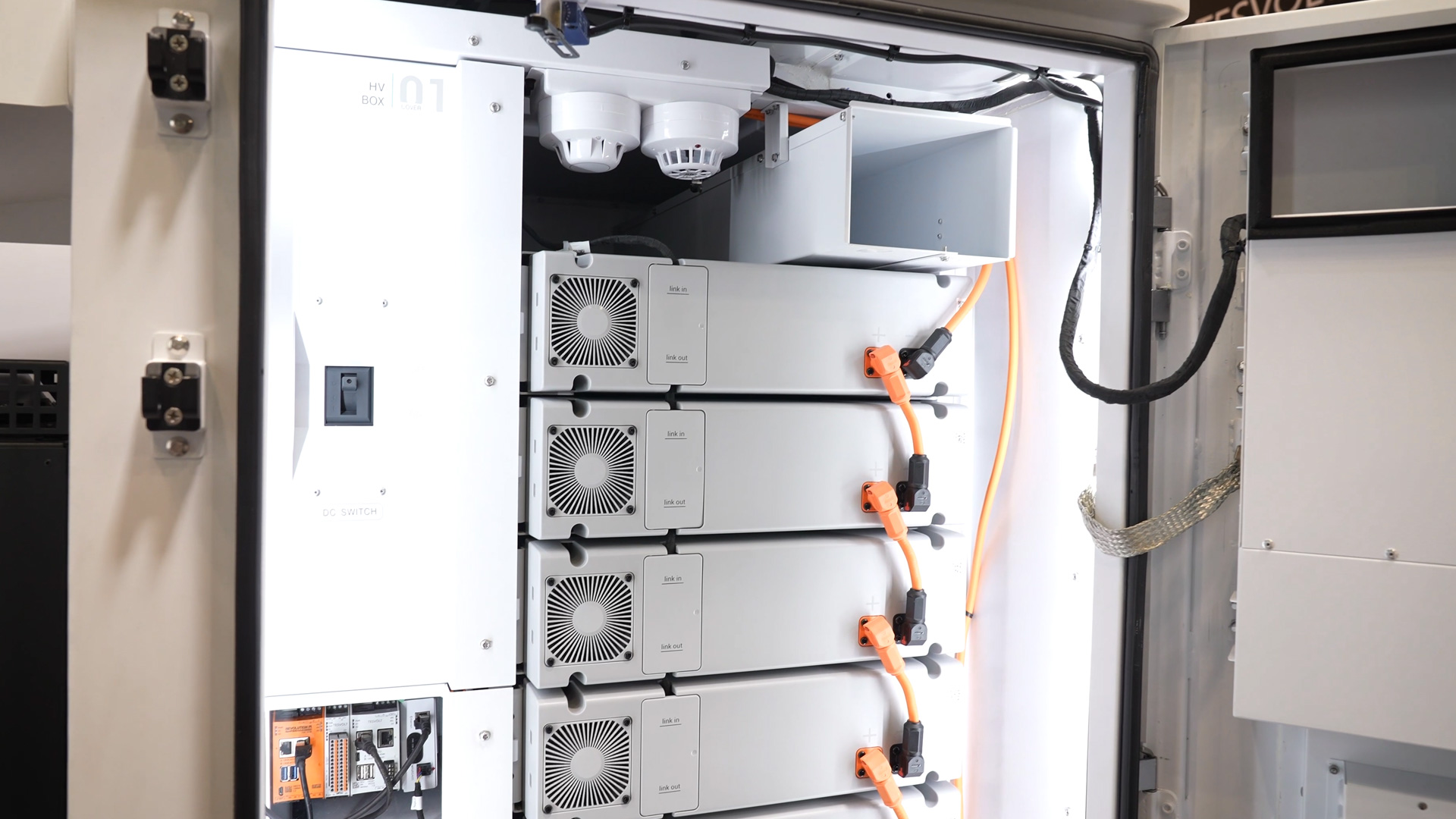
Battery storage systems for PV installations and energy management
The energy transition is changing not only electricity generation but also the demands placed on businesses and commercial enterprises. Whilst photovoltaic systems are now standard... Battery storage systems optimise self-consumption of solar power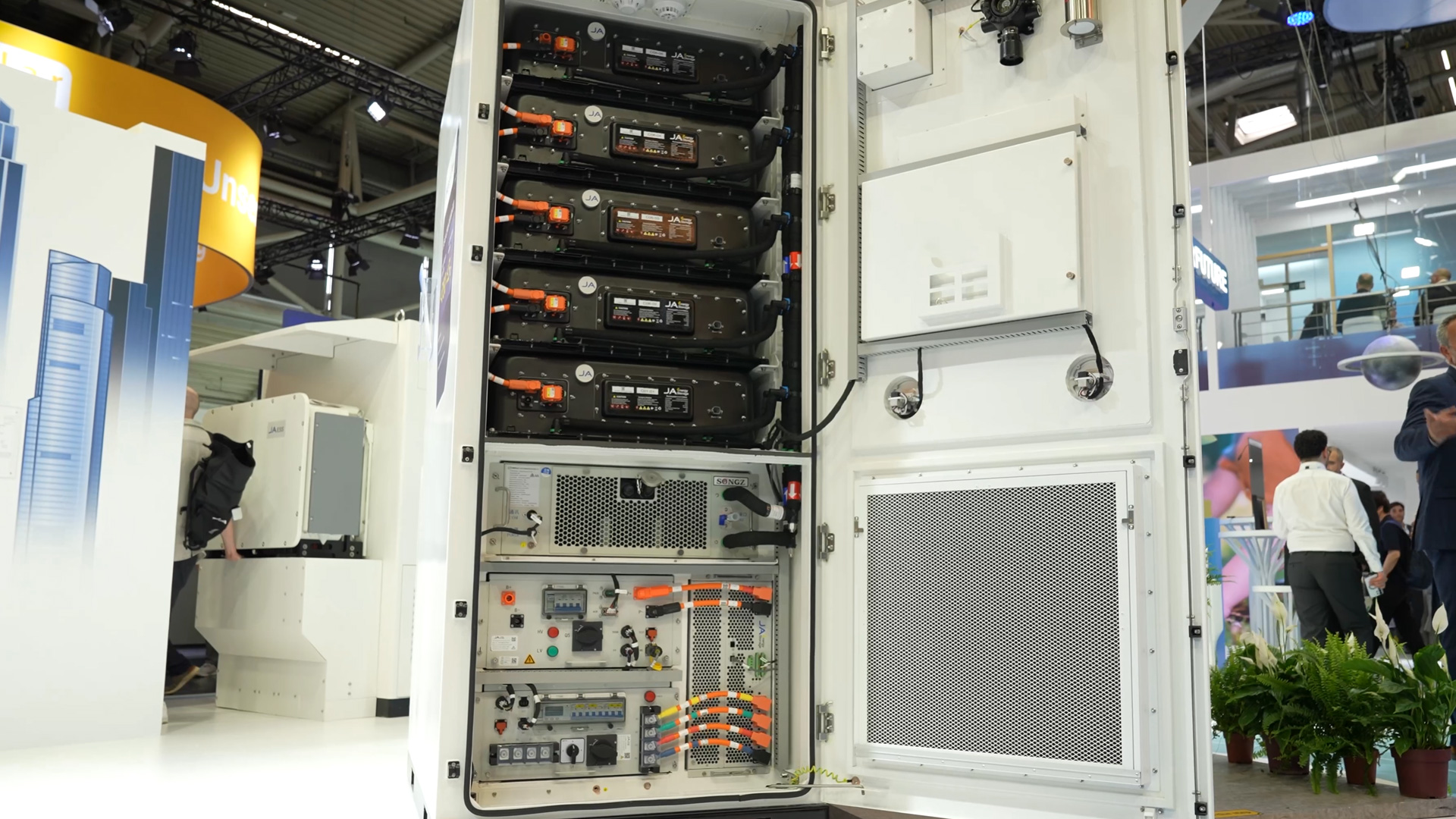
Photovoltaic systems with storage and energy utilisation
Photovoltaics is increasingly developing into an integrated system in which individual components are no longer viewed in isolation. Modules, storage systems and inverters interloc... Integrated systems in the field of photovoltaics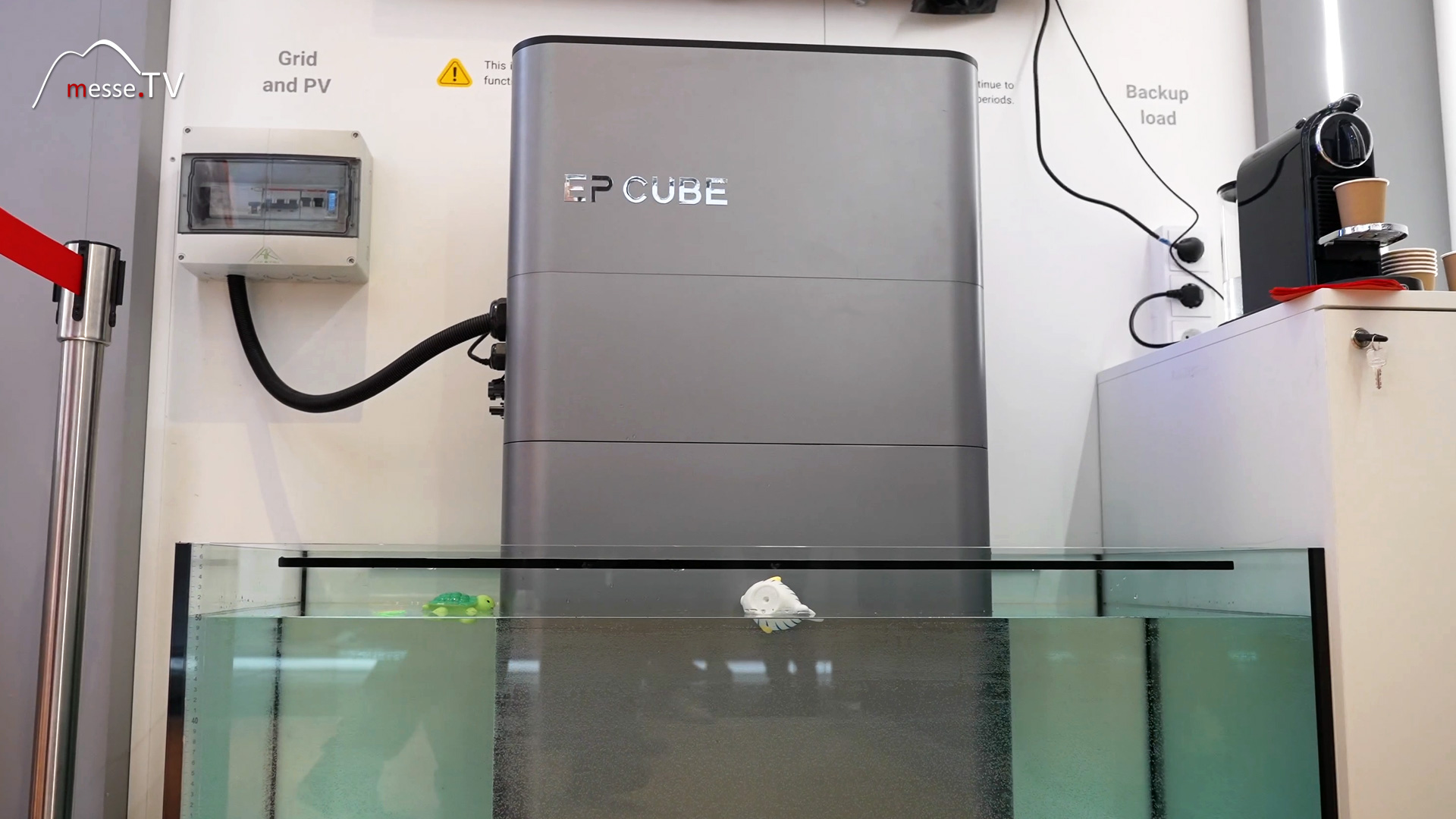
SolaX Power: Solar Hybrid-Systems - Intersolar 2024
SolaX Power develops advanced solar technology, including inverters, energy storage systems and EV chargers. Their products are characterised by high efficiency, reliability and in... Solar Hybrid-Systeme - SolaX Power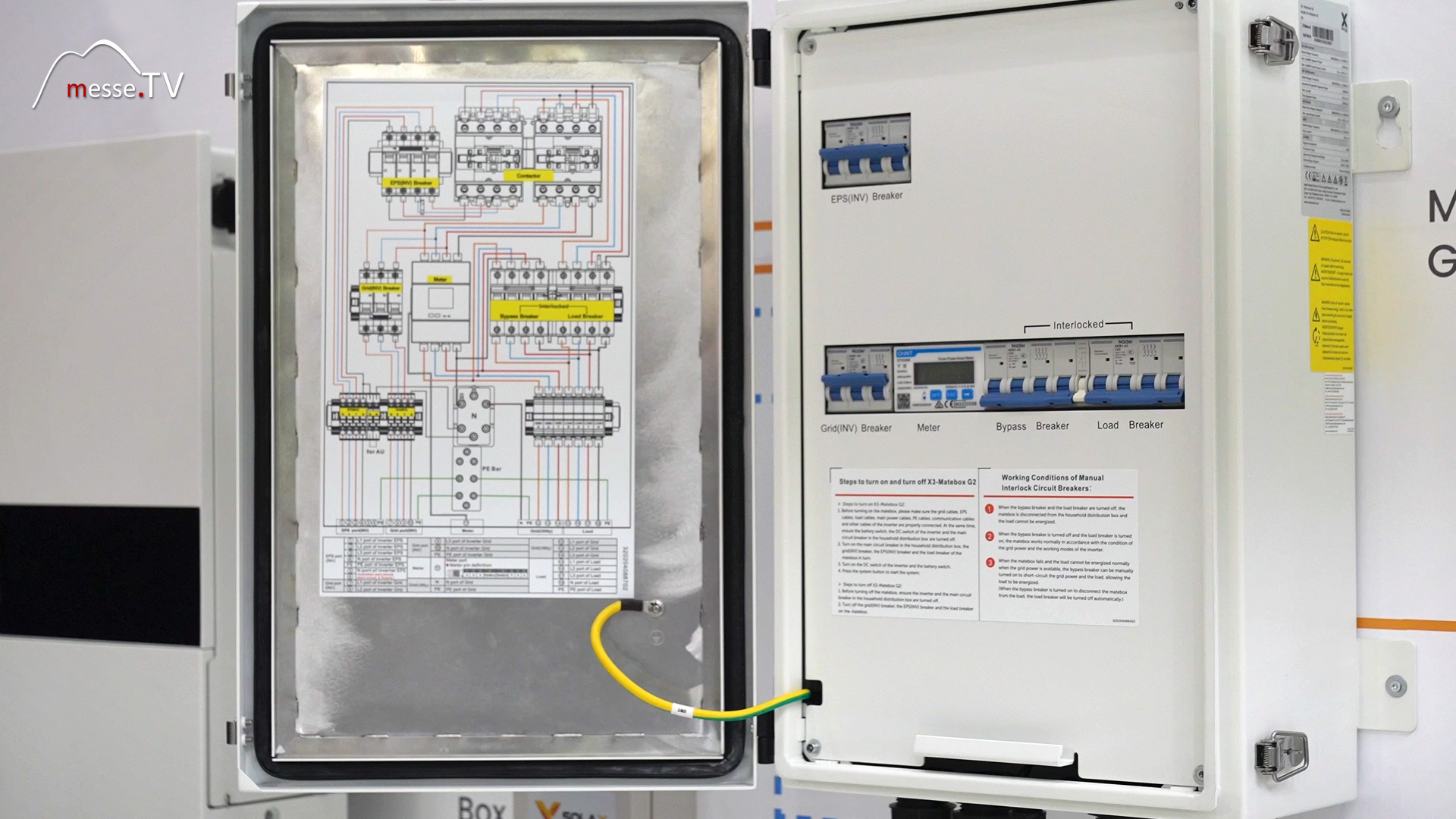
Vigilex: Explosion protection for battery & gas storage systems
Vigilex Energy offers specialized solutions for fire and explosion protection in energy storage systems (BESS). Its products, such as ARC-VENT and DUAL-VENT, are designed to maximi... Explosion protection for battery and gas storage systems - Vigilex Energy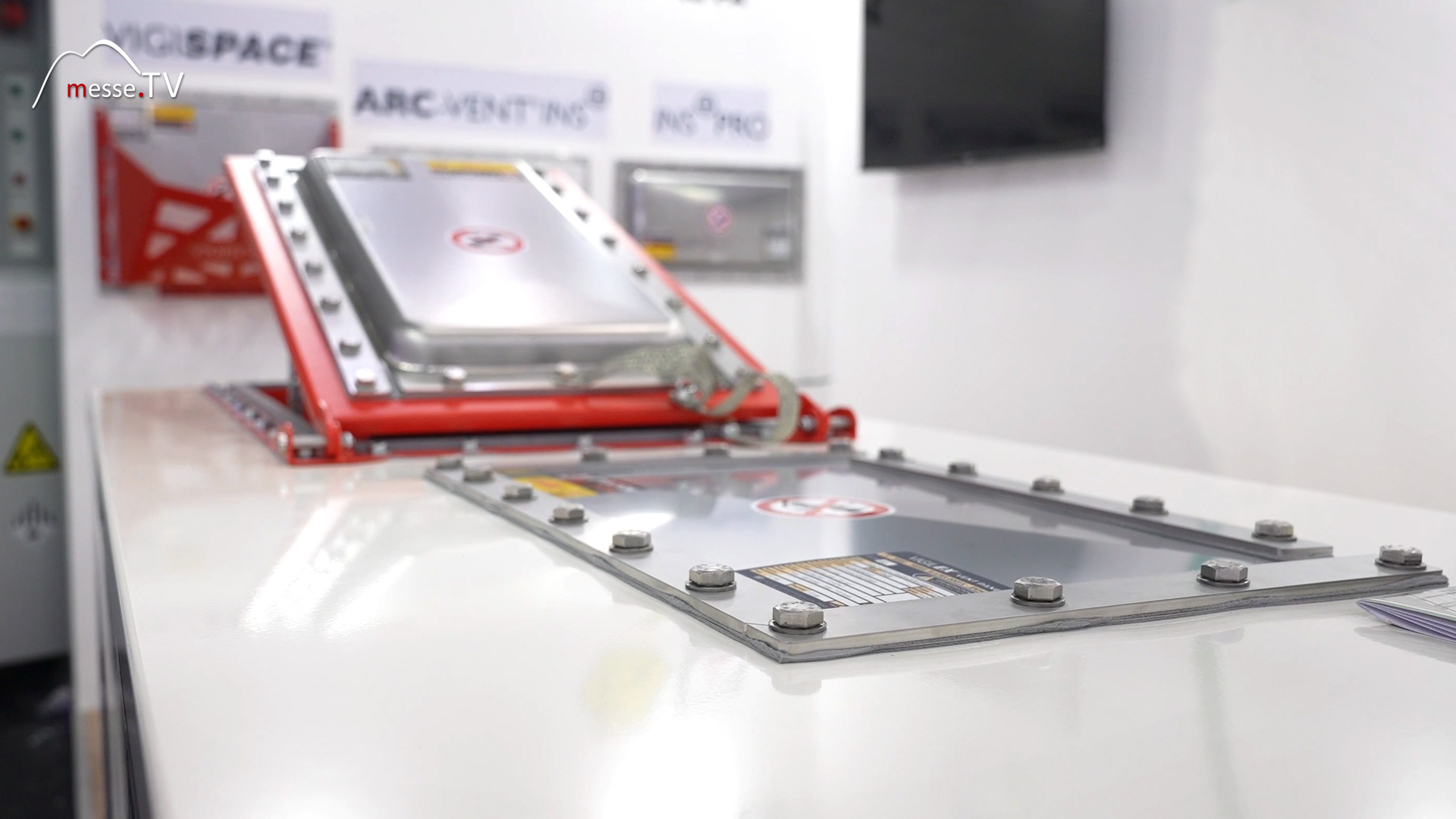
Solar modules, inverters, energy storage - Trina Solar
Trina Solar, founded in 1997, is a leading global provider of intelligent solar solutions. The company has shipped over 150 gigawatts of solar modules worldwide and provides compre... Solar modules, inverters, energy storage - Trina Solar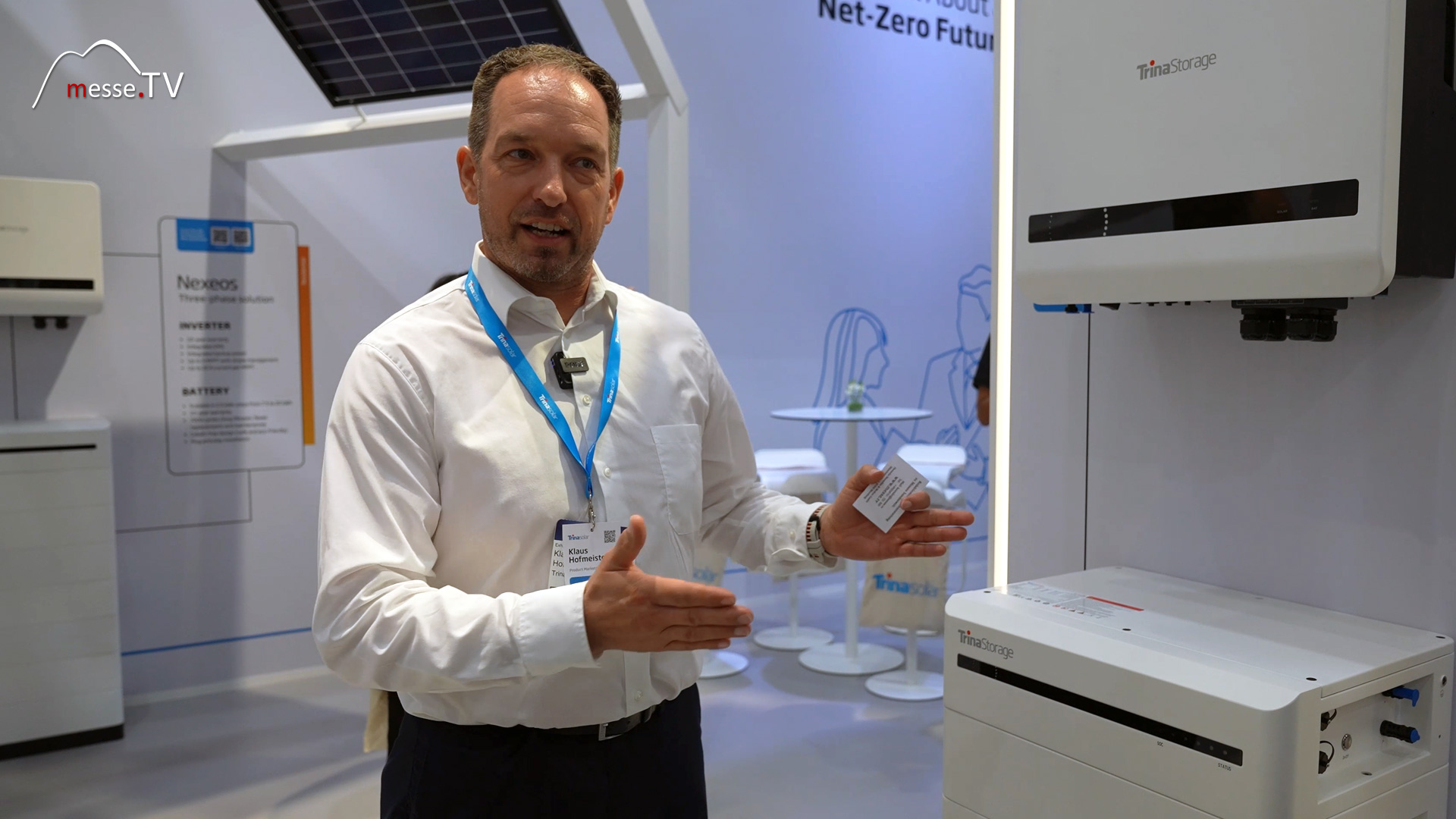
Battery storage for renewable energies - TESVOLT
TESVOLT develops high-performance lithium battery storage systems for industrial and commercial applications. Their storage systems are flexible and modular to meet different energ... Battery storage for renewable energies - TESVOLT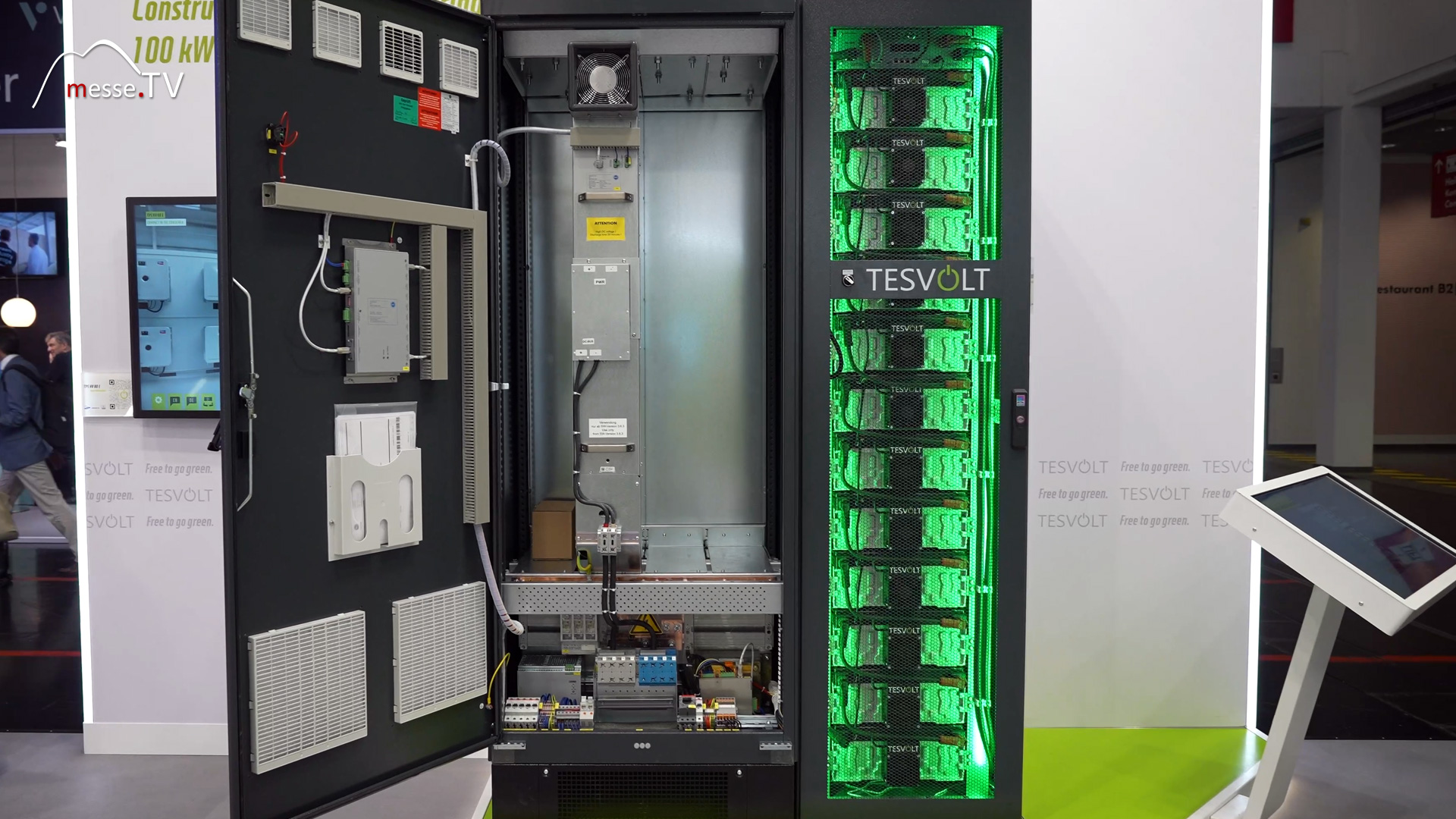

Energy storage solutions - PRIME Batteries
PRIME Batteries Technology offers advanced energy storage solutions for various applications, including stationary energy storage, industrial applications, electric vehicles and ma... Energy storage solutions - PRIME Batteries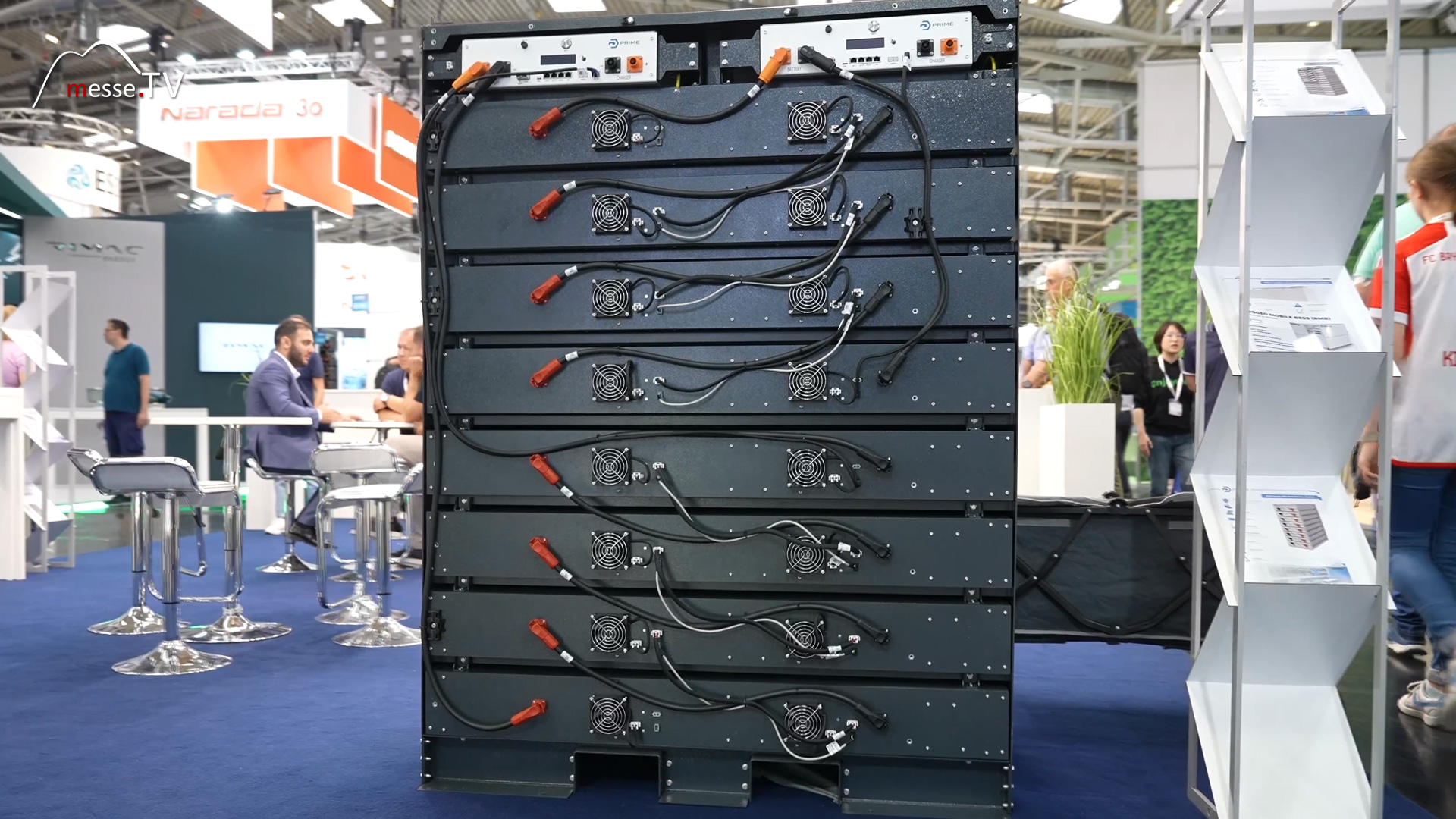
Stationary battery storage systems - Kyon Energy
Kyon Energy develops and operates large-scale battery storage technologies to support the energy transition. The company offers comprehensive services, from site development to tur... Stationary battery storage systems - Kyon Energy
Why energy storage is central to the energy transition
With the increasing share of renewable energies, the importance of energy storage is growing significantly. Electricity from photovoltaics or wind is not always available when it is needed. Storage solutions compensate for this time lag and help to better coordinate generation and consumption. For households, businesses, and energy suppliers, this means greater independence from the grid, higher self-consumption rates, and a more stable energy supply. At the same time, storage systems relieve the burden on the grid infrastructure by reducing peak loads and cushioning feed-in fluctuations.
Storage technologies and their main areas of application
Energy storage systems differ in terms of technology, capacity, and area of application. The most widely used today are lithium-ion-based battery storage systems, which are used in both private and commercial environments. In addition, there are other concepts that offer advantages depending on the requirements. Common storage solutions include:
- Battery storage for optimizing self-consumption and emergency power supply
- Commercial storage for peak load capping and grid stabilization
- Neighborhood and large-scale storage for the integration of renewable energies
- Systems with intelligent energy management for consumption control
Interaction between energy storage systems, grids, and consumers
Modern energy storage systems are increasingly part of networked energy systems. They communicate with photovoltaic systems, charging infrastructure, heat pumps, or industrial consumers and respond dynamically to supply and demand. This creates a flexible overall system that distributes energy efficiently. For decision-makers and experts, it is particularly relevant how storage solutions can be integrated into existing structures. Aspects such as scalability, controllability, and long-term economic efficiency play a central role here. Energy storage systems are thus evolving from mere add-on components to active building blocks of an intelligent energy supply.
Thermal energy storage systems for the use of thermal energy
Thermal energy storage systems take a different approach: they store energy not as electricity, but directly as heat. This form of storage is particularly efficient when heat is to be used immediately – for example, for heating systems, hot water, or industrial processes. Instead of converting electrical energy, existing heat is conserved and released again when needed. Thermal energy storage systems offer great practical benefits, especially in combination with renewable energy sources. They enable surplus energy to be used sensibly and supply gaps to be closed without additional conversion losses. In the overall system, they complement electrical storage and hydrogen solutions and contribute to the holistic and demand-oriented use of renewable energy.
Storage solutions for renewable power generation and hydrogen
Modern storage systems are a key prerequisite for making energy from renewable sources reliably usable. Since electricity generation from wind and solar power fluctuates, surplus electrical energy must be stored temporarily in order to make it available at a later time or in other locations. In addition to stationary battery systems, new concepts such as mobile energy storage are also being used, for example for temporary applications or off-grid locations. Hydrogen also plays an important role as a chemical energy carrier. Surplus electricity can be converted into hydrogen by electrolysis and stored long-term in a hydrogen storage facility. This form of storage is particularly suitable for seasonal balancing effects and large amounts of energy, where conventional battery storage systems reach their limits.
Trade fair reporting Germany - Trade fair knowledge, dates & events


