Battery storage for PV systems and load management
by A. Bergmeier - 2026-06-24The energy transition is changing not only electricity generation but also the demands placed on businesses and commercial enterprises. Whilst photovoltaic systems are now standard on many roofs, another question is increasingly coming to the fore: how can the electricity generated be used as efficiently as possible?
This is where modern battery storage systems come into their own. They are designed not only to store energy, but also to actively contribute to load control, reducing energy costs and integrating additional consumers. At Intersolar Europe in Munich, JA Solar is presenting a storage system which, in addition to conventional energy storage, is primarily designed with safety, monitoring and intelligent control in mind. This demonstrates that modern battery storage systems have long since become much more than simple reservoirs of electricity.
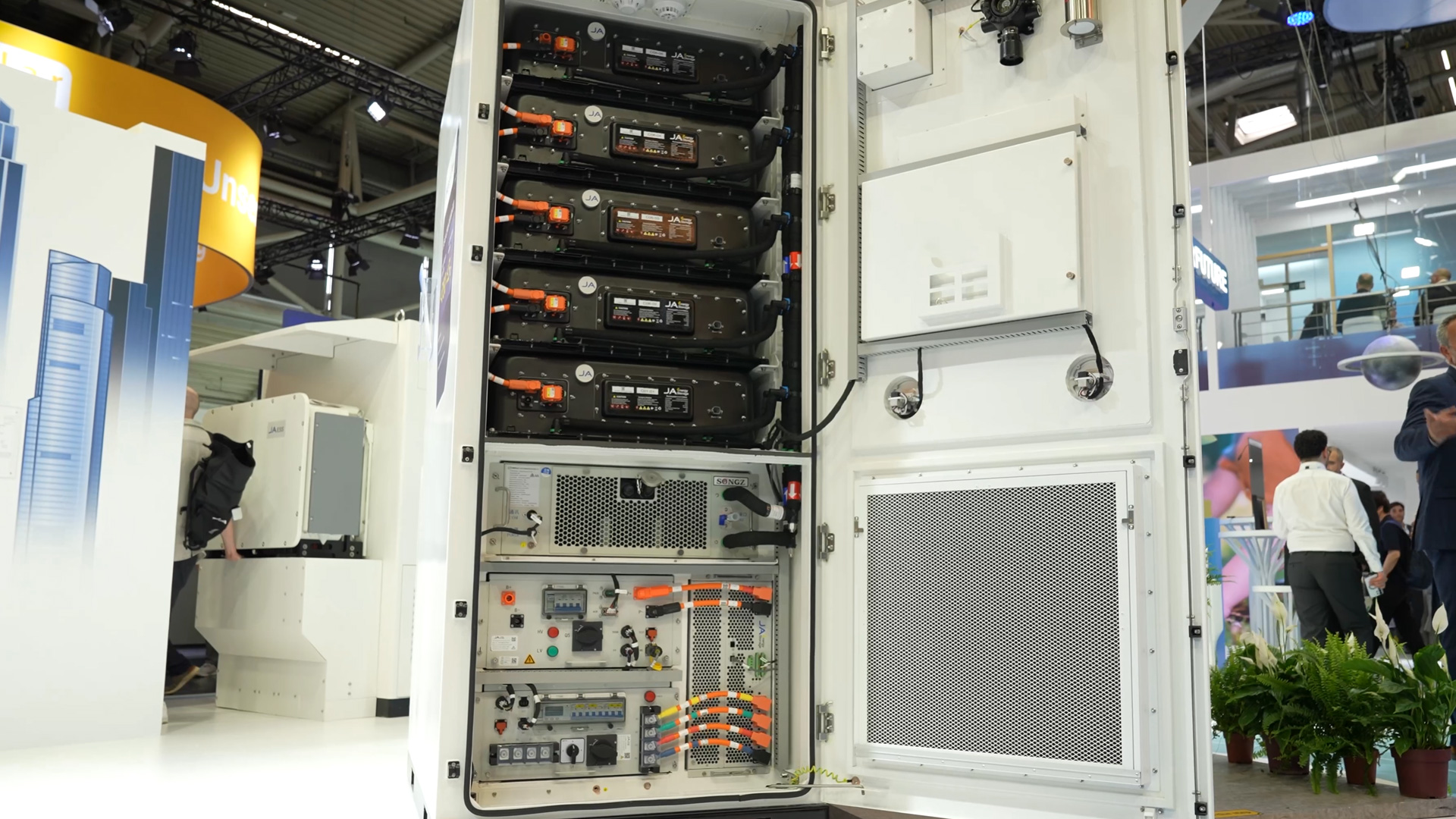
JA Solar prioritises comprehensive battery safety
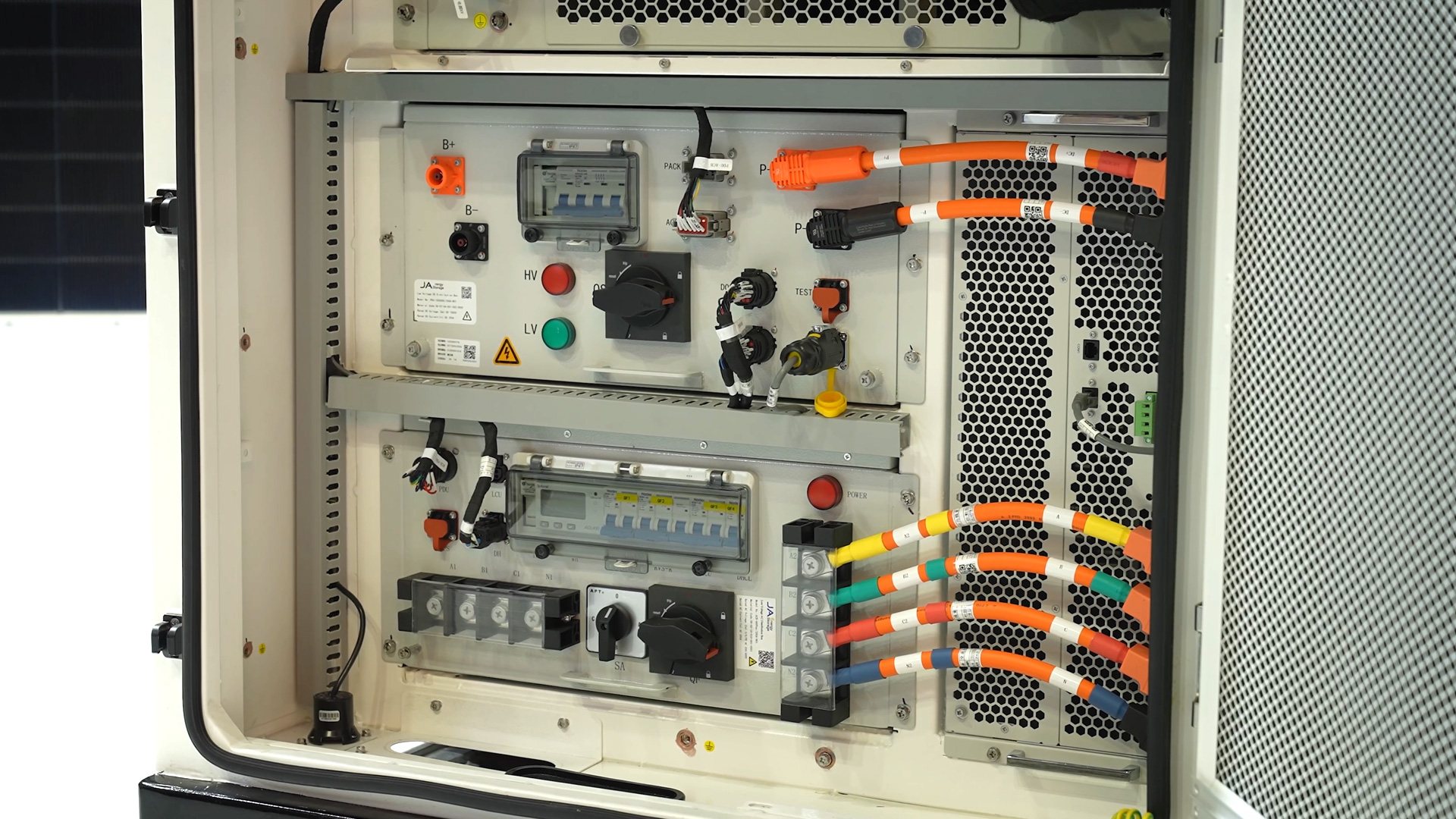
Hardly any other topic is discussed as intensively in the context of stationary storage systems as safety. Accordingly, manufacturers are going to great lengths today to identify and prevent risks at an early stage. With the system on display, it is not just the battery pack that is monitored. Rather, continuous monitoring takes place right down to the level of individual cells. Voltage and temperature are measured continuously. As soon as any anomalies occur, the system automatically triggers alarm messages and can shut down the battery as a precautionary measure. The aim is to detect critical conditions before they even arise. This is intended to prevent what is known as a battery thermal runaway – that is, uncontrolled heating that can lead to a fire.
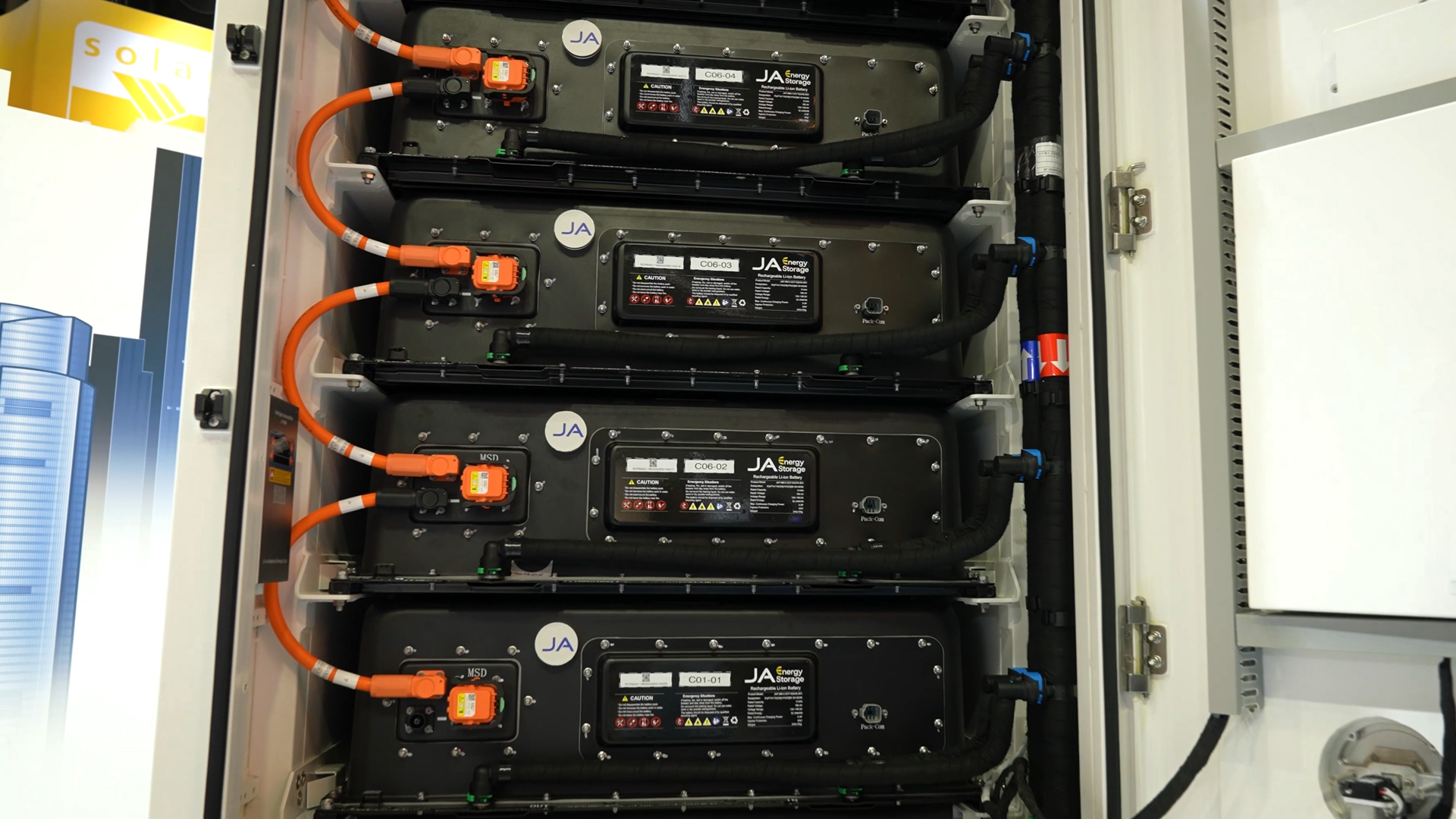
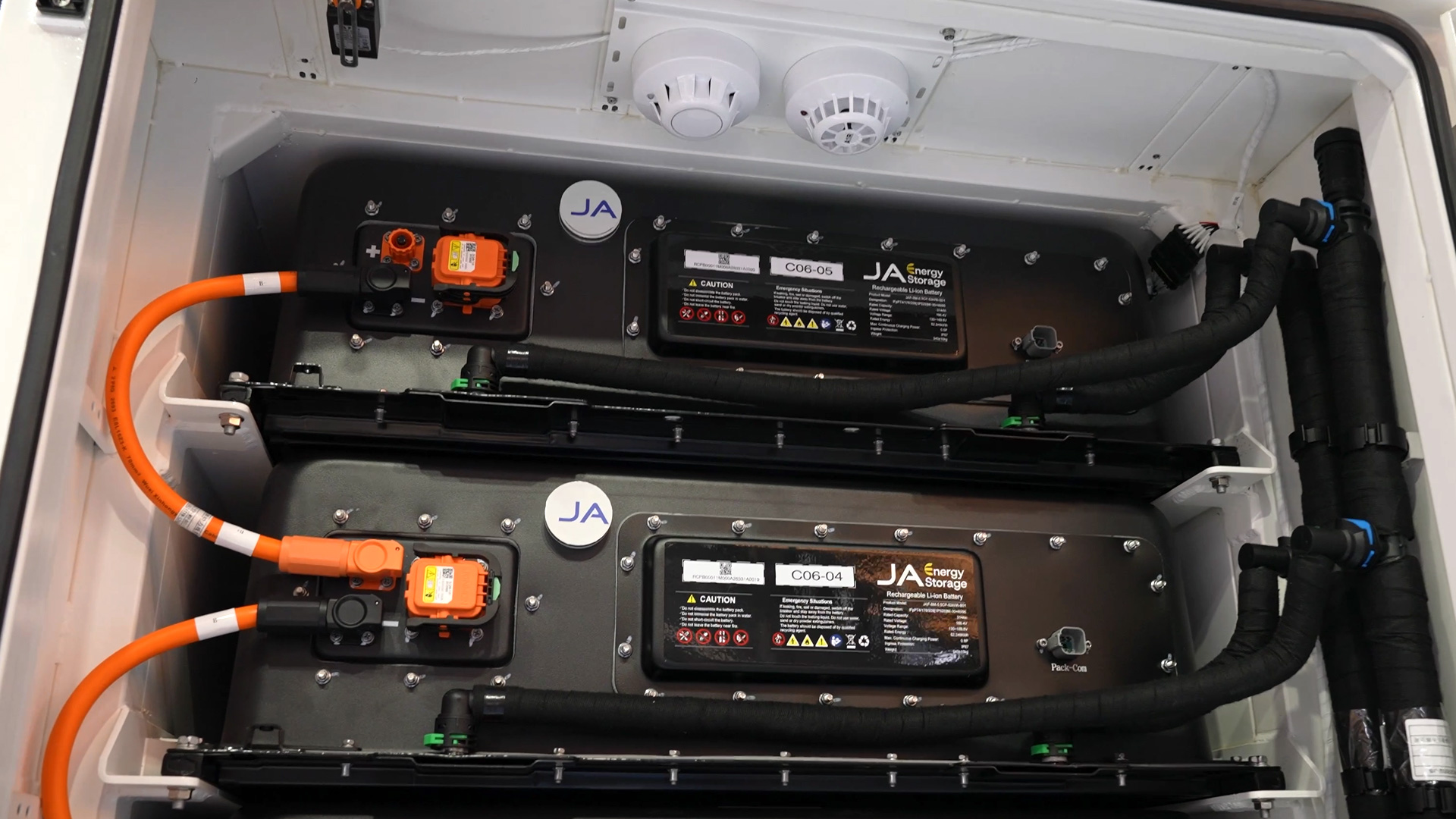
In addition, the system features safety mechanisms at the enclosure level. The entire battery cabinet has been certified to the relevant standards. Should an incident nevertheless occur, automatic ventilation systems ensure that air is directed through the enclosure in a controlled manner and that the storage system remains safely shut down. For operators, planners and insurance companies, this form of system certification is becoming increasingly important. Several European countries already have specific requirements for stationary battery storage systems on premises.
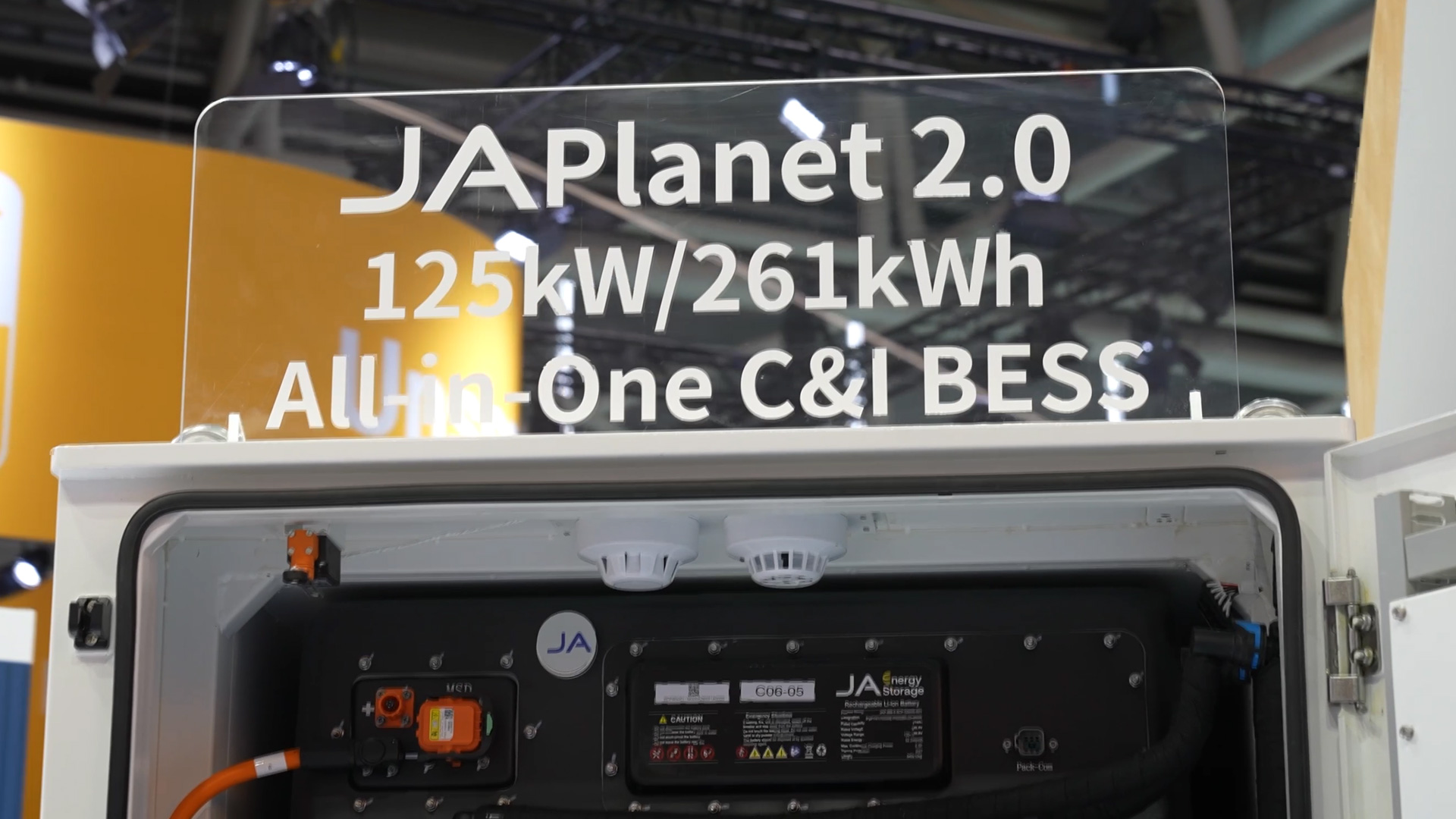
Battery storage systems optimise the self-consumption of solar power
Alongside safety, cost-effectiveness is a key focus. A battery storage system only fulfils its purpose if it intelligently absorbs and releases electricity. To this end, a bidirectional metering system is installed at the grid connection point. This continuously detects whether surplus energy from a photovoltaic system is available or whether additional electricity is required. If more solar power is generated than is currently needed, the storage system charges automatically. If, on the other hand, consumption in the building or business increases, the battery supplies the required energy. The main areas of application include:
- Storing surplus energy from photovoltaic systems
- Increasing the proportion of self-consumption
- Reducing grid procurement costs
- Peak load capping during periods of high power demand
- Energy monitoring and load analysis
Peak shaving reduces operational power costs
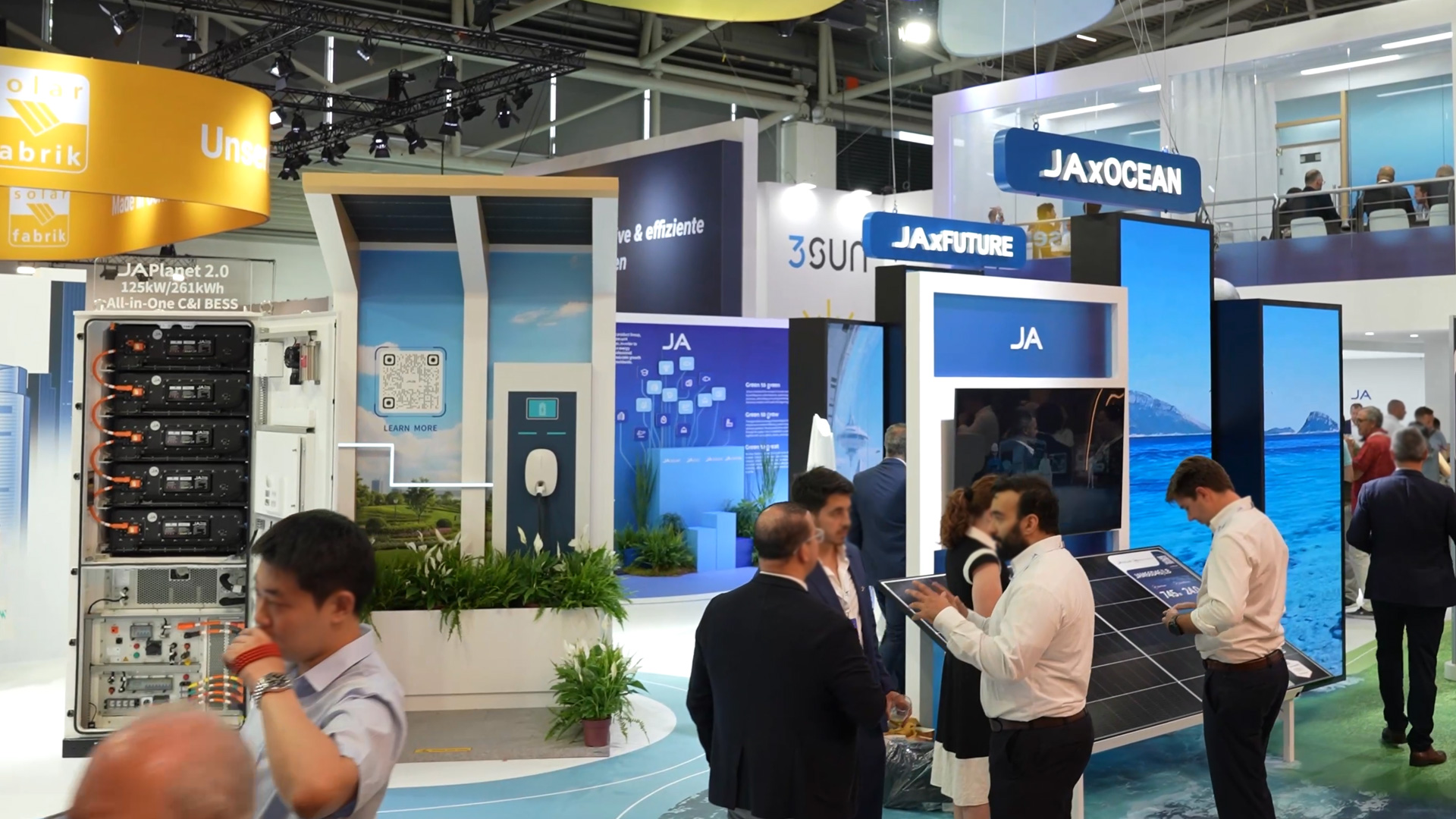
A particularly important application is what is known as peak shaving. Many businesses pay not only for their electricity consumption but also for the maximum power they draw from their energy supplier. Short-term load peaks can therefore incur significant costs. Modern battery storage systems balance out such peaks by providing energy at short notice and reducing grid draw. The system described has a capacity of 125 kilowatts. This enables load peaks to be specifically mitigated. Even a reduction of just a few dozen kilowatts can yield noticeable financial benefits over the course of a year. Manufacturing plants, logistics centres and companies with energy-intensive facilities, in particular, are therefore increasingly turning to storage systems as a means of reducing costs.
Digital platform connects storage, PV system and consumers
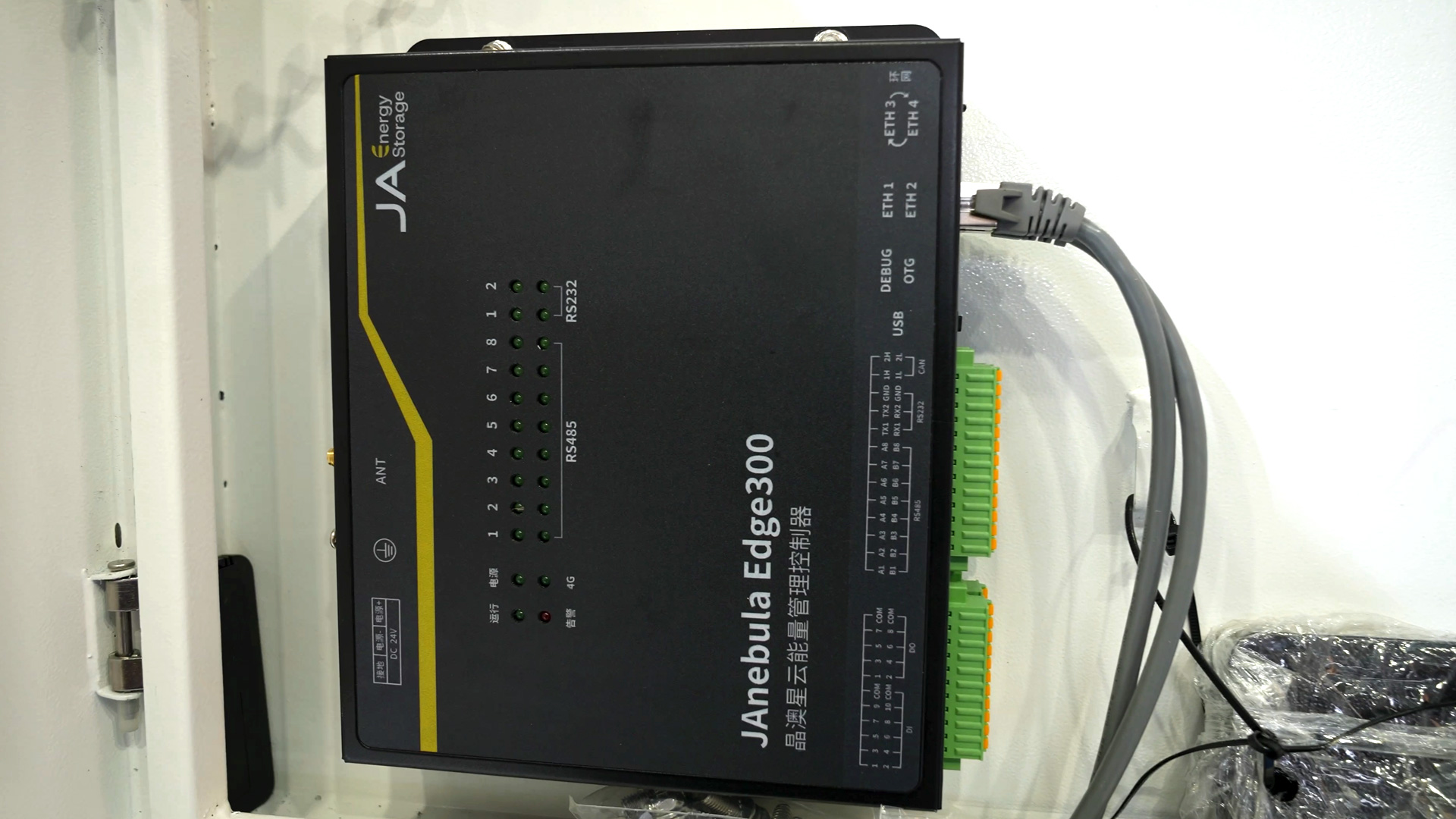
Another key focus is on digitalisation. The storage unit is equipped with its own controller, which monitors and analyses all technical data. This enables comprehensive energy monitoring. Operators gain insight into charge states, power flows and consumption profiles. The platform is increasingly evolving into a central control unit for a building’s entire energy system. In future, it is not only battery storage and photovoltaic systems that are to be integrated. Other consumers such as heat pumps, charging infrastructure for electric vehicles or existing energy systems can also be integrated. This results in a digital energy management system that links all components together and optimises their interaction.
Networked energy systems are becoming the new standard
This development clearly shows the direction in which the market is moving. Individual components are becoming less important, whilst integrated systems are becoming increasingly vital. Photovoltaics, battery storage, electric mobility and building services are becoming increasingly intertwined. JA Solar regards this interconnection as a key development step for the coming years. The aim is to no longer view energy flows in isolation, but as part of an intelligent overall system. By the end of the decade, this form of digitalisation is likely to become the norm in many commercial and industrial applications. Battery storage systems play a key role in this. They not only store energy but are increasingly becoming the central hub of modern energy systems.
Trade fair reporting Germany - Trade fair knowledge, dates & events


