Long-term storage makes renewable energy more predictable
by A. Bergmeier - 2026-07-03Wind and solar power are not always available when industry, the grid or consumers need them. The more renewable energy is expanded, the more important it becomes to address the question of how large quantities of energy can be stored over longer periods.
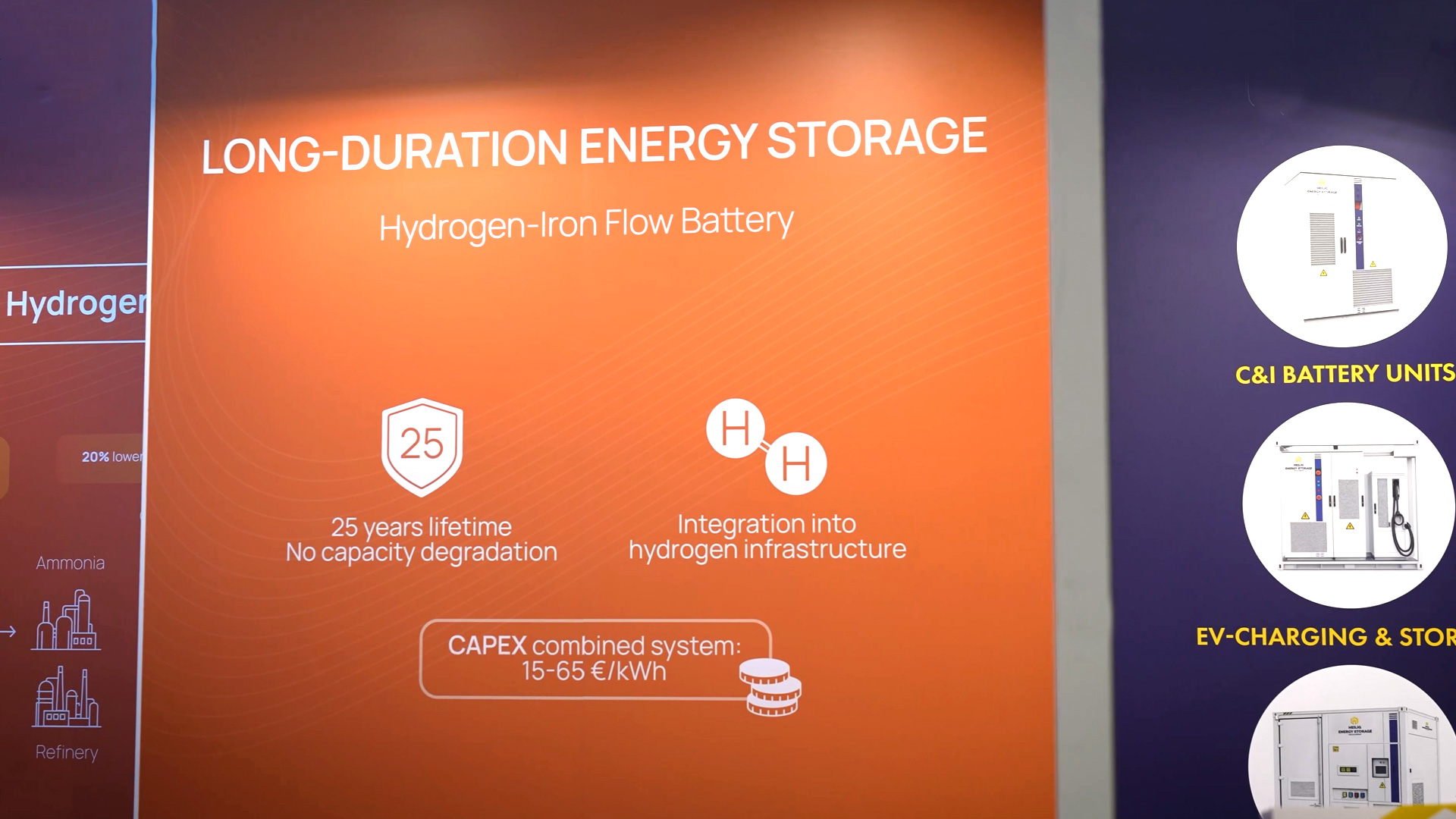
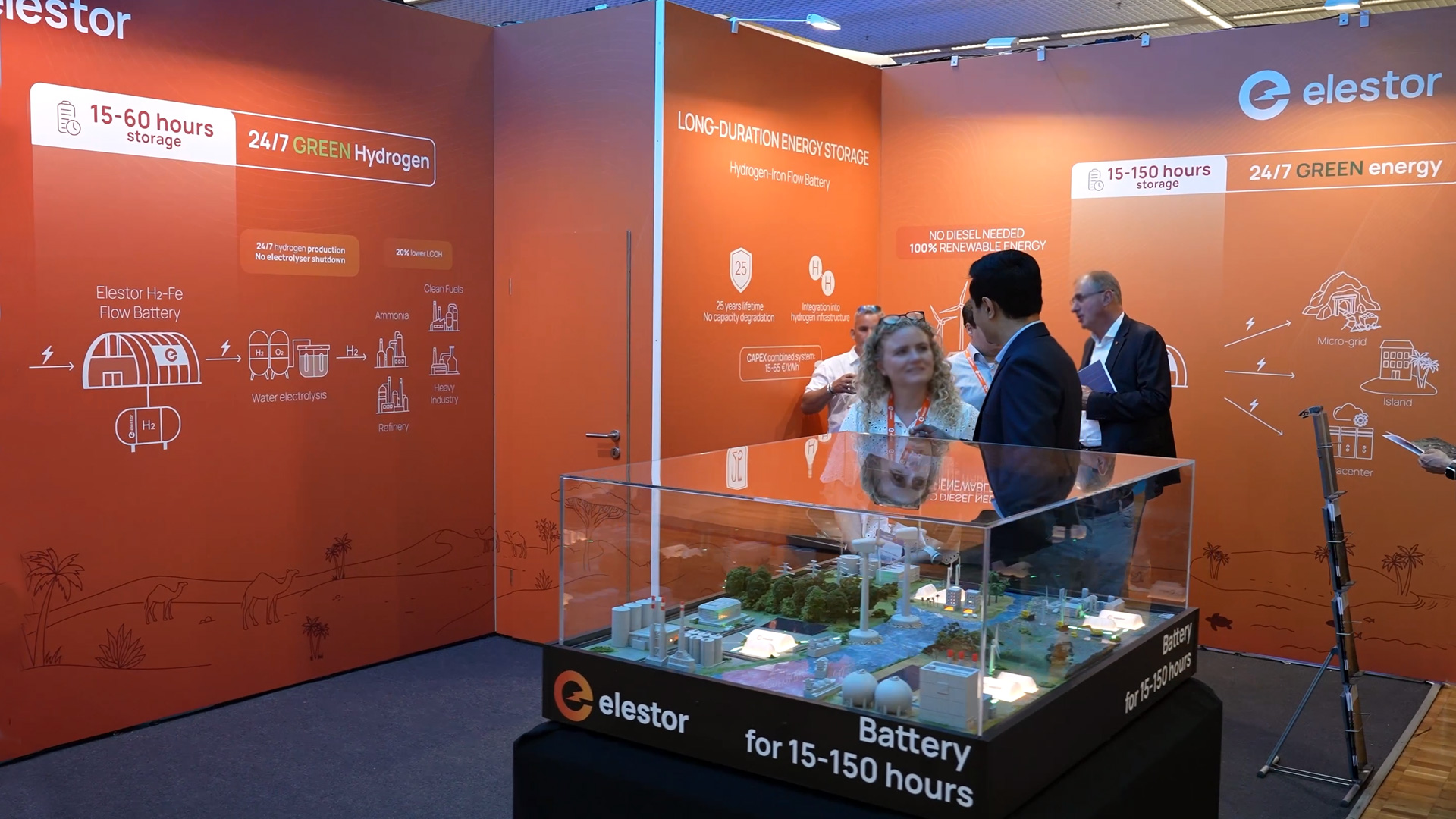
Short-term storage can balance out peak loads or store solar power overnight. However, periods lasting several days present different requirements. At ees Europe, Elestor showcased a long-term energy storage solution based on a hydrogen-iron flow battery. The system is designed to provide electrical energy not just for a few hours, but over periods of 15 to 150 hours. The technology is therefore primarily aimed at applications where renewable energy needs to be made available on a continuous basis.
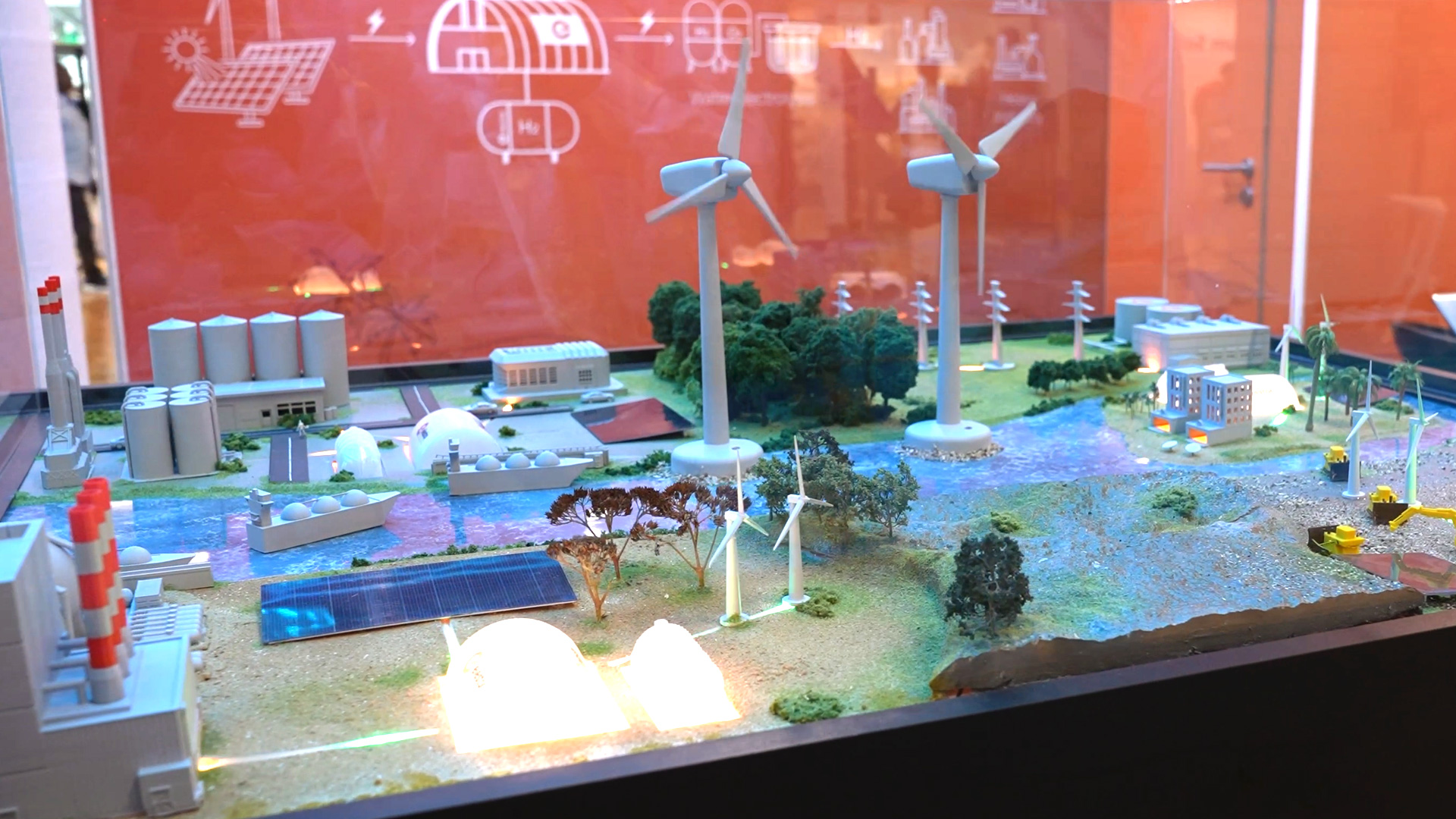
Elestor uses a hydrogen-iron flow battery for long operating times
The key difference compared to many conventional battery systems lies in the design of the flow battery. In conventional battery storage systems, power and capacity are closely linked. Anyone requiring a longer storage duration usually has to install additional complete battery units. With the hydrogen-iron flow battery, however, power and capacity are separate. The power is determined by the electrochemical part of the system, whilst the storage duration is determined by the size of the tanks. If, for example, a system with a power output of five or 20 megawatts is planned, it can then be specified how many hours this power is to be available for. This allows for a high degree of scalability. If an operator initially installs a system with a 50-hour storage duration and later requires 100 hours, additional tanks can be added. The battery does not necessarily need to be redesigned for this.
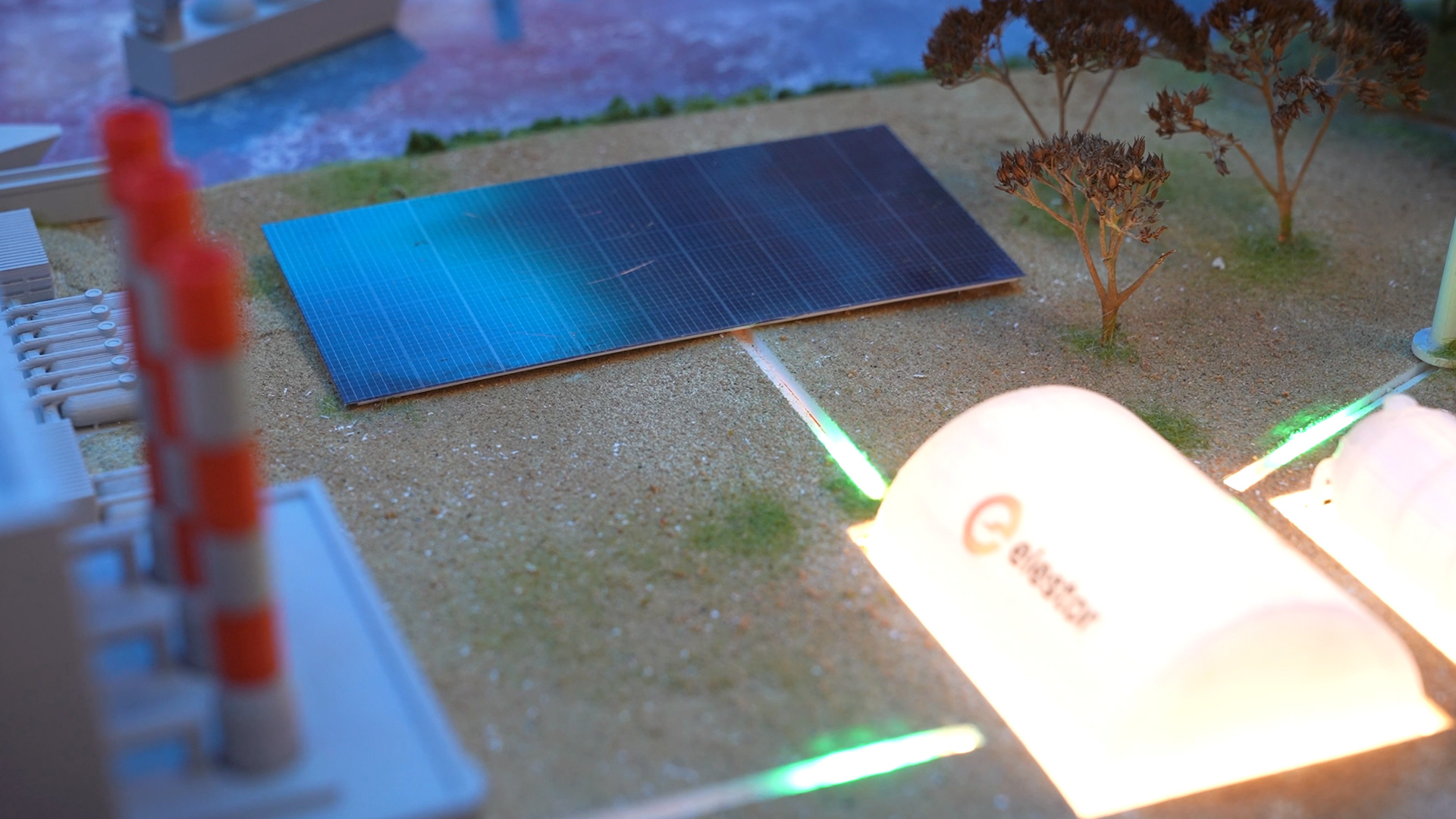
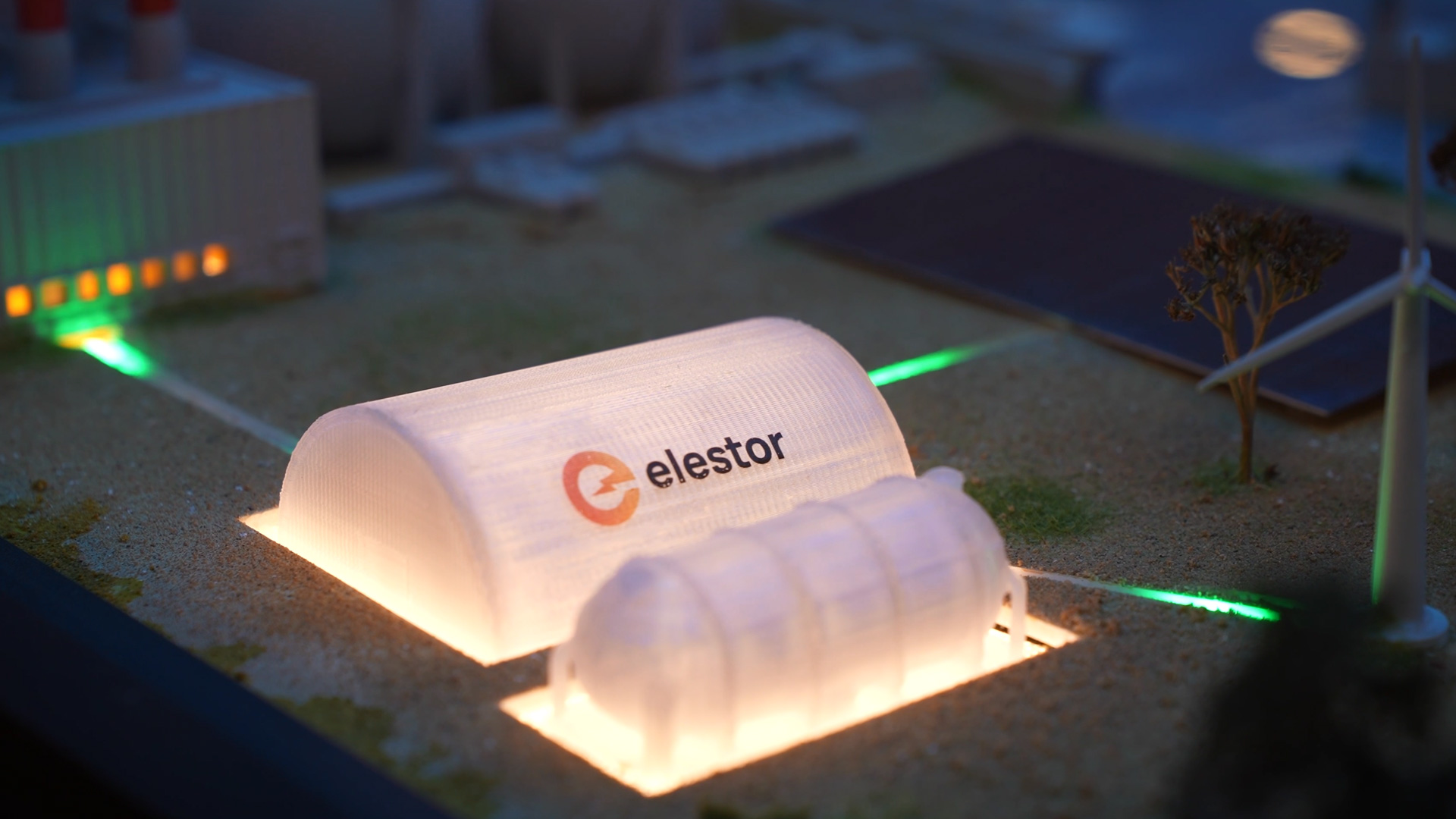
Iron sulphate as an readily available raw material
An important component of the system is iron sulphate. According to Elestor, it is one of the most widely available and comparatively inexpensive chemicals. This sets the approach apart significantly from storage technologies that rely on raw materials such as lithium or vanadium. This point is particularly relevant in the context of energy resilience. Countries and regions aim to reduce their dependence on imported energy sources and critical raw materials. A storage technology based on readily available materials can help to make supply chains more robust. The system’s key features:
- Hydrogen-iron flow battery for long storage durations
- Decoupling of power and capacity
- Storage times between 15 and 150 hours
- Scalable tanks for future expansion
- Use of iron sulphate as a widely available raw material
Long-term storage stabilises green hydrogen
A key area of application lies in the production of green fuels. Anyone generating hydrogen using wind or solar power is dependent on fluctuating electricity availability. However, electrolysers operate more economically if they can be run as continuously as possible. Long-term energy storage systems can act as a bridge here. They absorb surplus renewable electricity and make it available again later. This allows an electrolyser to be utilised more evenly. This can reduce the size of the plant and lower the costs of green hydrogen. This hydrogen can in turn be used in downstream processes, such as for eSAF, i.e. sustainable aviation fuel. It is precisely such applications that demonstrate that long-term storage is relevant not only for electricity grids, but also for industrial value chains.
Storage systems can replace fossil-fuelled peak-load power stations
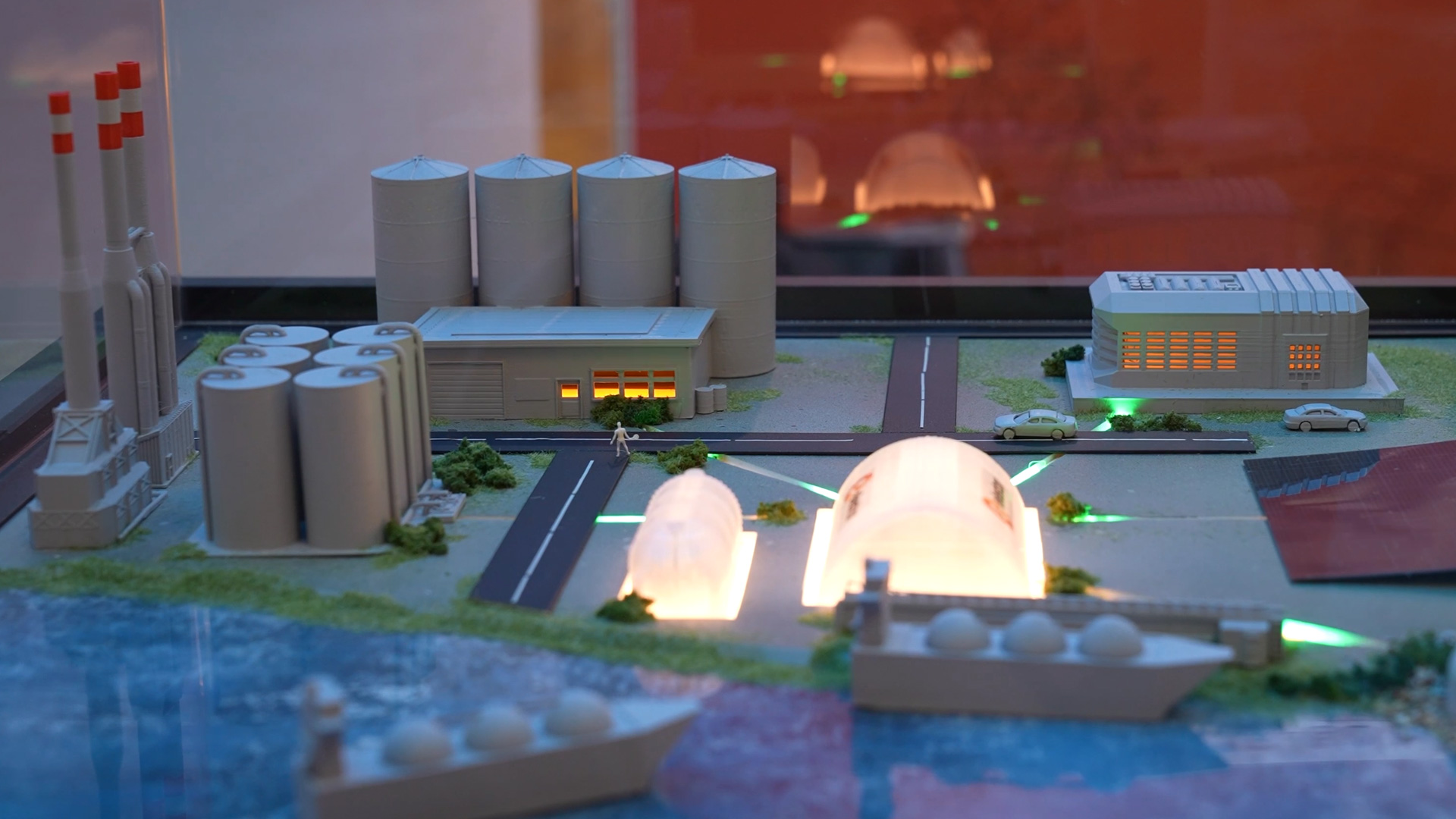
Another area of application concerns grid stability. Many countries currently use gas-fired peak-load power stations to provide short-term flexibility. These plants step in when electricity demand and generation do not match. Large-scale long-term storage systems could take on part of this task. They can store energy when plenty of renewable electricity is available and release it again later. This creates flexibility without burning fossil gas. This approach is particularly interesting in regions with high levels of wind or solar power generation. There, stored energy can help to balance out fluctuations and make better use of renewable generation.
Major project in the Netherlands as the next step
The technology is still in the early stages of market development. Elestor currently classifies its own system as Technology Readiness Level 6. At the same time, larger projects have already been initiated. These include a planned 20-megawatt battery with a 50-hour storage duration in the Netherlands, which is to be connected to a 320-megawatt wind farm. Such projects are important because they mark the transition from demonstration and pilot schemes to commercially viable installations. For operators, investors and insurers, the decisive factor will be whether long-term storage can be operated reliably, scalably and economically. The coming years are therefore likely to reveal which technologies will prevail in this new market segment. One thing is clear, however: as renewable energy continues to expand, the demand for storage solutions that go beyond traditional short-term applications will grow. Hydrogen-iron flow batteries could play an important role in making renewable energy more predictable, regionally accessible and independent.
Trade fair reporting Germany - Trade fair knowledge, dates & events


