EES Europe – Schrittmacher der Energiewende
In der Diskussion um die Energiewende geraten Energiespeicher oft in den Hintergrund – dabei sind sie der Schlüssel zu ihrem Erfolg. Ohne sie ließe sich die schwankende Erzeugung von Wind- und Sonnenstrom kaum sinnvoll in die Versorgungsnetze integrieren.
Energiespeicher im Mittelpunkt: Die EES Europe als Innovationsplattform
Als Schrittmacher der Energiewende bringt die EES Europe in München Entwickler, Hersteller, Systemintegratoren und Anwender zusammen. Die Messe zeigt, was heute bereits möglich ist und wie sich eine Branche entwickelt, die zwischen Innovationsdruck und wachsendem Marktbedarf steht. Hier treffen sich Entwickler, Hersteller, Systemintegratoren und Anwender, um zu zeigen, was heute schon möglich ist – und wo die Reise hingeht. Die Messe bildet dabei nicht nur aktuelle Technologien ab, sondern auch die Dynamik einer Branche, die zwischen Innovationsdruck und wachsendem Marktdruck balanciert.
Neuheiten und Trends der ees Europe auf Messe TV
Vom Lithium-Ionen-Akku zur Sektorenkopplung
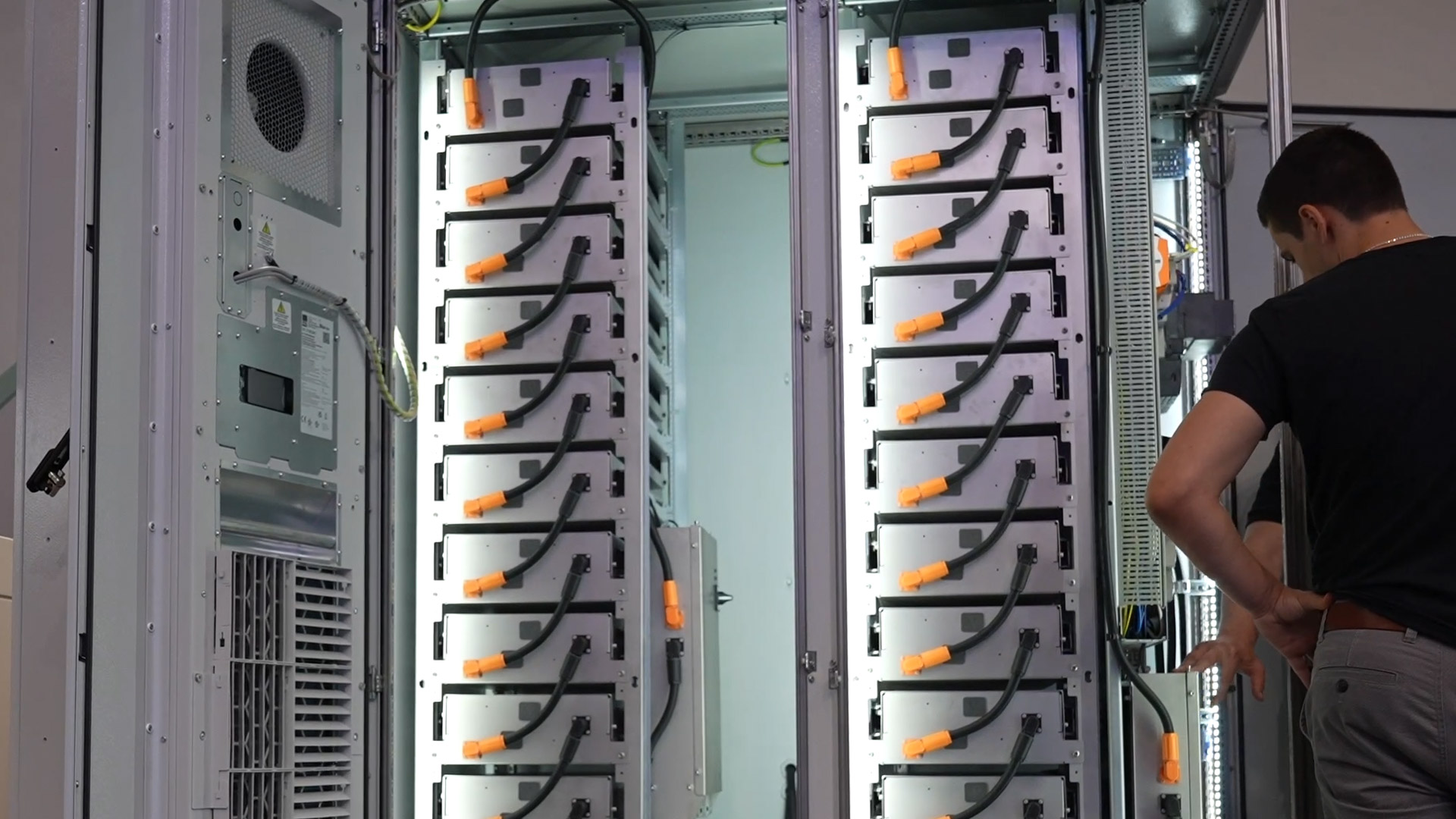
Die Zeiten, in denen Batterien allein für Smartphones oder Laptops relevant waren, sind lange vorbei. Heute ist Energiespeicherung ein Kernthema der Energie- und Verkehrswende. Im Mittelpunkt steht weiterhin die Lithium-Ionen-Technologie, doch die Messe zeigt, dass es darüber hinausgeht: Festkörperbatterien mit höherer Energiedichte, Redox-Flow-Systeme für stationäre Speicheranwendungen oder Natrium-Ionen-Batterien, die als kostengünstige Alternative für bestimmte Märkte gehandelt werden. Es geht auf der EES Europe aber nicht allein um Batteriezellen oder neue Zellchemien. Wichtiger noch sind die Systeme drumherum: Lade- und Entladestrategien, Thermomanagement, intelligente Steuerungen, die Energieflüsse in Echtzeit optimieren. Wer sich auf der Messe umsieht, erkennt schnell: Speicherlösungen werden nicht isoliert gedacht, sondern zunehmend als integraler Bestandteil von Smart Grids, Quartierspeichern und hybriden Energieversorgungskonzepten. Eine Übersicht über weitere Branchenevents gibt es übrigens auf der Messe München.
Weltmarkt in Bewegung
Die EES Europe ist nicht nur eine Leistungsschau der etablierten Marktführer. Gerade die kleinen, spezialisierten Anbieter bringen frische Ideen mit. Start-ups aus Europa, Asien und Nordamerika zeigen zum Beispiel, wie Second-Life-Konzepte für Batterien wirtschaftlich tragfähig werden können. Andere arbeiten an modularen Speichereinheiten für private Haushalte, die sich je nach Bedarf erweitern lassen. Zudem drängen neue Akteure auf den Markt: Unternehmen aus der klassischen Automobilbranche etwa, die im Zuge der Elektromobilität Speicher-Know-how aufgebaut haben und nun auch stationäre Anwendungen in den Blick nehmen. Oder Tech-Konzerne, die sich auf intelligente Netzsteuerung und Plattformlösungen spezialisieren. Die Messe zeigt diese Vielfalt – und verdeutlicht damit auch, dass es keine einfache Antwort auf die Frage nach der Zukunft der Energiespeicherung gibt. Die Anforderungen sind zu unterschiedlich, die Anwendungen zu vielfältig.
Speicher als Teil eines größeren Ganzen
Interessant an der EES Europe ist auch, dass hier Speichersysteme nicht nur als Endprodukte präsentiert werden. Viele Aussteller zeigen Komplettlösungen: Energiespeicher, kombiniert mit Photovoltaikanlagen, Wärmepumpen oder Ladesäulen für Elektrofahrzeuge. Die sogenannte Sektorenkopplung – also die Verbindung von Strom, Wärme und Mobilität – ist eines der großen Themen, das die Messe durchzieht. Es geht um intelligente Energiemanagementsysteme, die Eigenverbrauch optimieren, um Microgrids, die autarke Quartiere ermöglichen, und um virtuelle Kraftwerke, die viele kleine Anlagen zu einem großen Energiepool vernetzen. Speicher stehen dabei im Zentrum – als Flexibilitätsoption, als Sicherheitspuffer, als Baustein für ein dezentrales Energiesystem.
Nachhaltigkeit ist mehr als ein Schlagwort
Angesichts steigender Nachfrage nach Rohstoffen wie Lithium, Kobalt oder Nickel kommt auch die Frage nach der Umweltbilanz der Speichertechnologien nicht zu kurz. Viele Hersteller auf der EES Europe präsentieren daher nicht nur ihre neuesten Batteriegenerationen, sondern auch Recyclingkonzepte, Strategien zur Rohstoffreduktion oder alternative Materialansätze. Es gibt inzwischen Batteriezellen, die vollständig ohne Kobalt auskommen. Recyclingverfahren werden effizienter, die Rückgewinnung wertvoller Materialien besser steuerbar. Auch Lebensdaueranalysen und Second-Use-Strategien gewinnen an Bedeutung: Batterien aus Elektroautos etwa, die im stationären Betrieb eine zweite Karriere erleben, bevor sie recycelt werden.
Global denken, lokal handeln
Was bei einem Rundgang über die Messe auffällt: Energiespeicher sind ein globales Geschäft – und doch sind viele Lösungen regional zugeschnitten. Während in Europa Netzstabilität und Eigenverbrauchsoptimierung dominieren, geht es in Schwellenländern oft um die Frage: Wie bringe ich überhaupt verlässliche Energieversorgung in Regionen ohne stabiles Netz? Kleine, dezentrale Speicherlösungen, sogenannte Off-Grid-Systeme, eröffnen hier völlig neue Möglichkeiten. Solar-Home-Systems mit integrierten Batterien, Containerlösungen für Krankenhäuser oder Schulen – auf der EES Europe wird klar: Energiespeicher sind weit mehr als nur ein technisches Produkt. Sie sind Teil einer gesellschaftlichen Infrastruktur.
Ein Blick in die Zukunft
Die Branche wächst rasant – und mit ihr die Innovationsdynamik. Es geht nicht mehr nur um Kapazität oder Ladegeschwindigkeit. Aspekte wie Nachhaltigkeit, Kreislaufwirtschaft und smarte Vernetzung werden immer wichtiger. Wer auf der EES Europe genau hinschaut, sieht, wohin die Reise geht: zu einem flexiblen, dezentralen Energiesystem, das ohne Speicher kaum denkbar wäre. Die EES Europe zeigt: Energiespeicherung ist kein Randthema mehr. Sie ist ein Fundament für die Energieversorgung der Zukunft. Weitere Informationen zur Veranstaltung finden Sie unter www.ees-europe.com
Messe-Berichterstattung bundesweit - Messewissen, Termine & Veranstaltungen


