Sodium-ion batteries are transforming large-scale energy storage
by Andreas Bergmeier - 2026-07-08Today, stationary battery storage systems are predominantly based on lithium-ion technologies. Lithium iron phosphate batteries – LFP for short – in particular have become established for large-scale storage facilities.
However, with the global expansion of renewable energy, the demands on the systems’ service life, performance and cost-effectiveness are increasing. At the same time, there is a growing need for batteries that operate reliably even under challenging climatic conditions. At ees Europe in Munich, CATL unveiled a new generation of energy storage solutions based on sodium-ion technology. This alternative cell chemistry is expected to offer particular advantages at low temperatures, during long operating periods and in performance-oriented storage applications. This could mean that, alongside lithium, sodium could play a greater role in stationary battery storage in future.
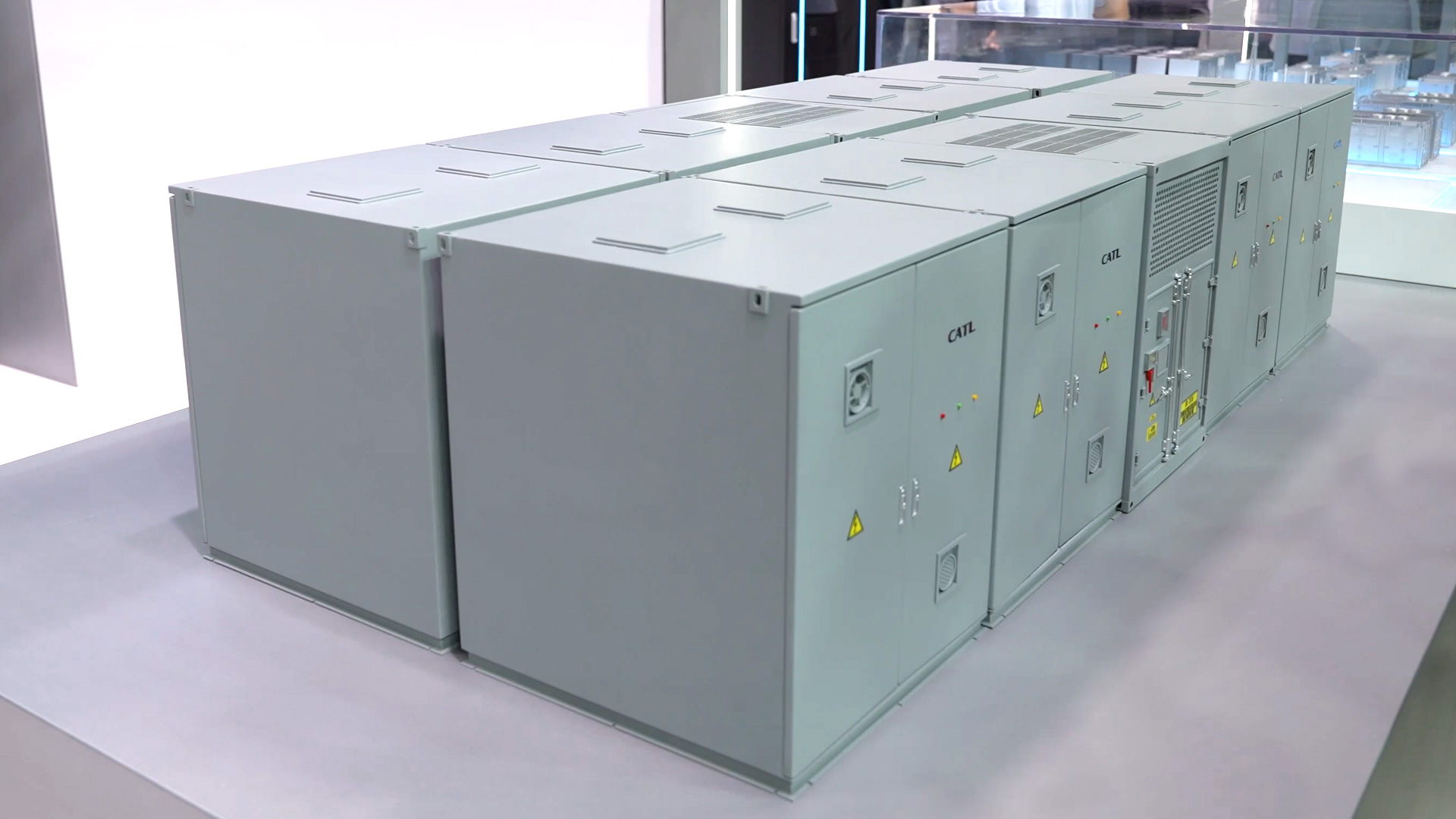

CATL is focusing on sodium-ion batteries for energy storage
The fundamental difference lies in the electrochemistry of the battery cells. Whilst conventional storage systems use lithium ions for charge transport, the new generation of cells is based on sodium ions. The principle of a rechargeable battery remains the same, but the properties of the materials used alter the behaviour of the storage system. According to CATL, the performance at low temperatures is particularly impressive. At minus 20 degrees Celsius, up to 98 per cent of the capacity is said to remain available. This figure is particularly relevant for energy storage systems in cold regions. Falling temperatures can slow down the electrochemical processes in battery cells, thereby impairing usable power and capacity. Stationary storage systems are often located outdoors and must cope with significant temperature fluctuations over many years. If battery performance remains largely intact even in severe frost, this can influence the costs associated with temperature control and operational management.
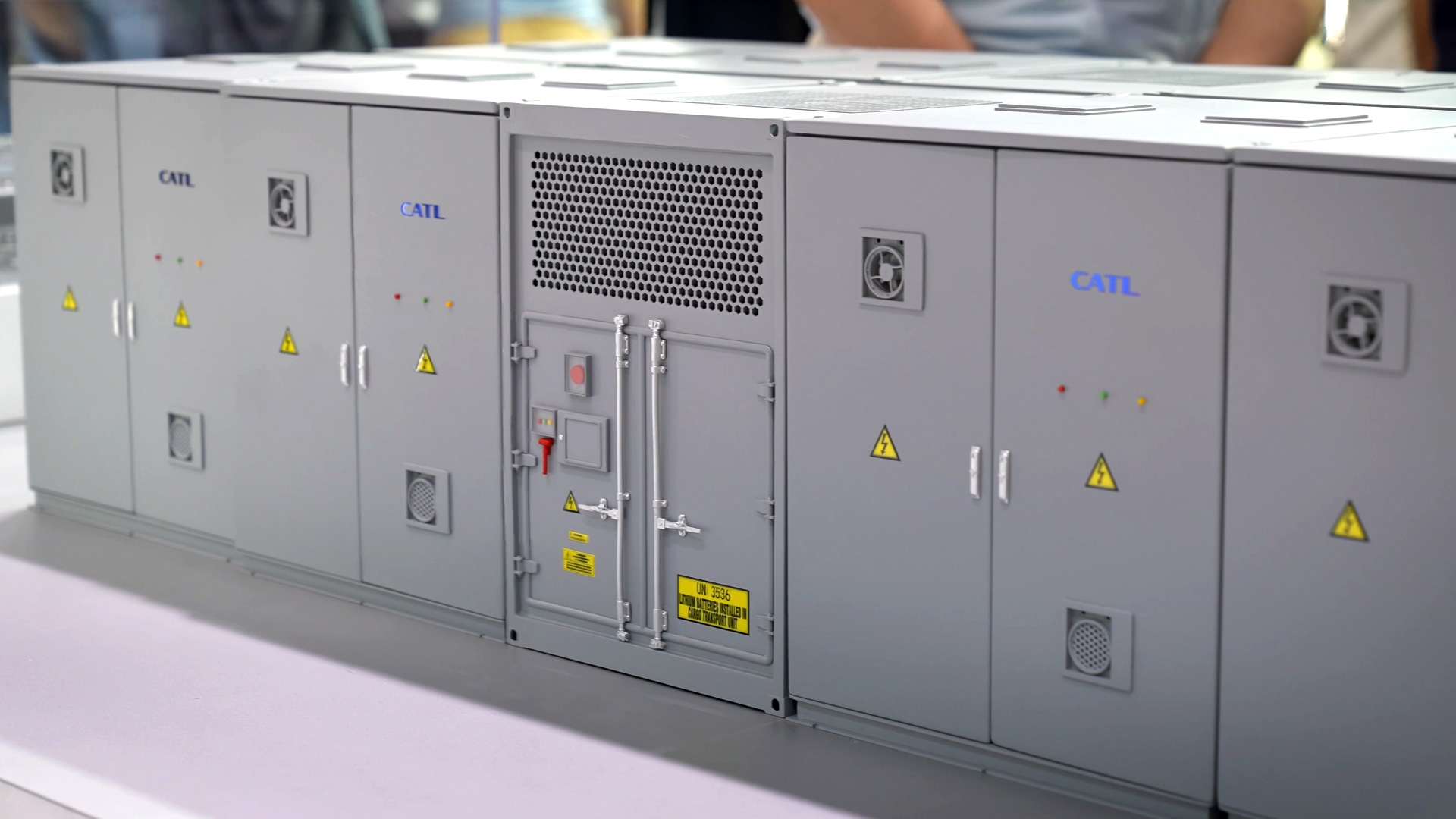
Sodium-ion cells are expected to last up to 30 years
In addition to performance in cold conditions, service life is becoming a key focus. Large energy storage systems are not assessed solely on the basis of their purchase costs. The decisive factor is how many charge and discharge cycles they can reliably complete over their entire operational lifetime. For sodium-ion batteries, the company cites a potential service life of up to 30 years based on one full cycle per day. By way of comparison, the manufacturer refers to operating lifespans of around 20 years for lithium-ion systems under comparable assumptions. A longer service life can significantly alter the cost-effectiveness of large-scale storage projects. If a battery system needs to be replaced or fundamentally upgraded at a later date, the investment costs are spread over a longer period. At the same time, the ageing of the battery cells becomes increasingly significant when storage systems are used daily on the electricity market or for grid stabilisation. The characteristics of sodium-ion technology mentioned include:
- high available capacity at temperatures as low as minus 20 degrees Celsius
- a potential service life of up to 30 years at one cycle per day
- high performance for short storage cycles
- storage durations of one to eight hours
- higher round-trip efficiency compared to comparable lithium-ion systems

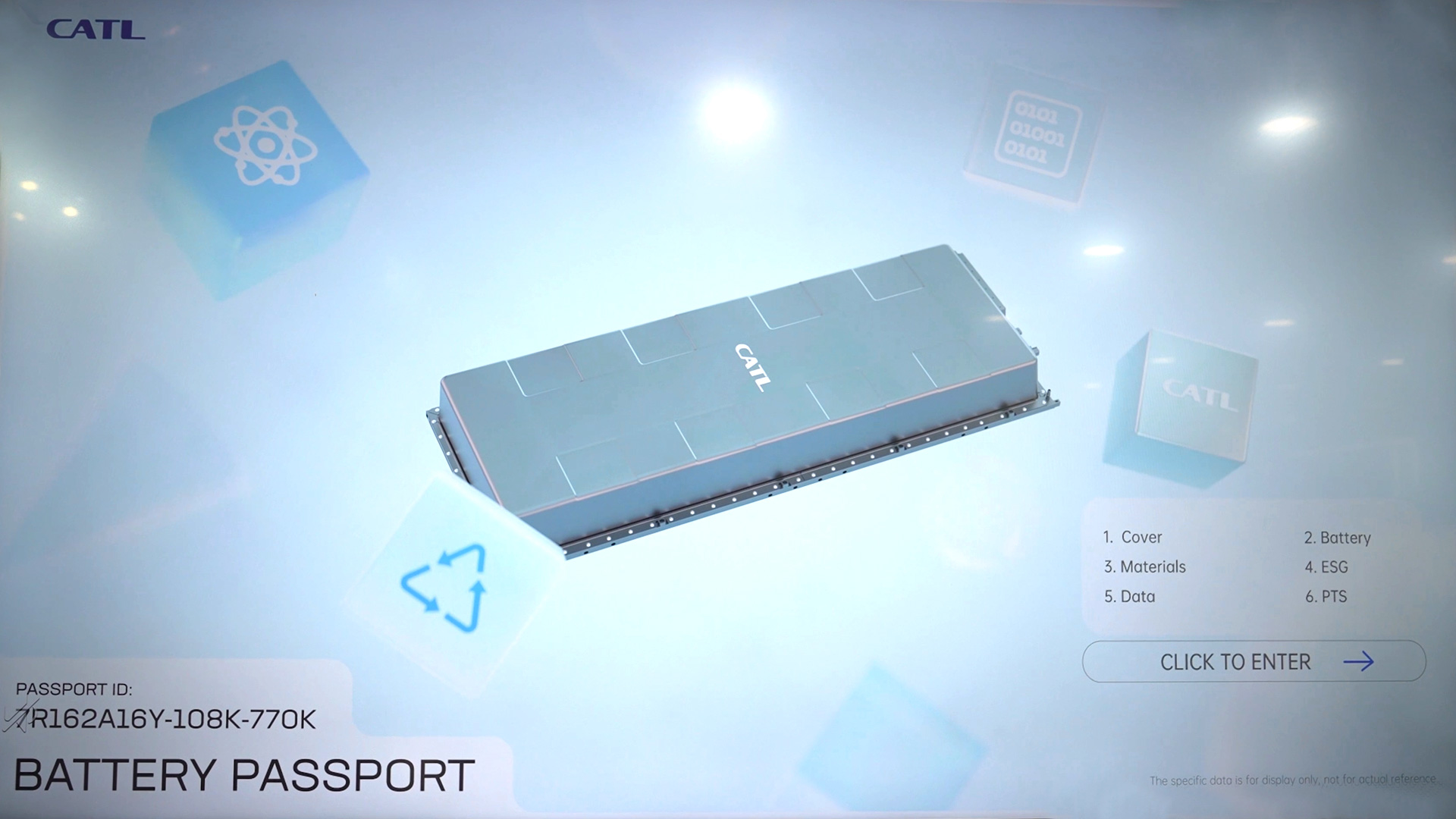
One-hour storage systems benefit from high power output
Another key focus is on the performance of the cells. According to the manufacturer, sodium-ion batteries are particularly well-suited to so-called one-hour systems. In these systems, the stored energy is discharged at high power within a comparatively short period of time. Such storage systems can be used, for example, for short-term grid support, to handle industrial peak loads or for applications in the electricity market. CATL sees cost advantages for these systems compared to lithium-ion batteries. At the same time, the technology is also said to enable storage durations of two, four or eight hours. This means that the areas of application largely overlap with those of today’s LFP storage systems. The difference lies less in a completely new application than in the technical properties of the battery cells. In addition to cold resistance and a longer service life, the manufacturer cites a round-trip efficiency that is approximately two per cent higher. Round-trip efficiency describes the proportion of the stored energy that is still available after charging and subsequent discharging. In large storage systems, even a few percentage points can add up to significant amounts of energy over many years.
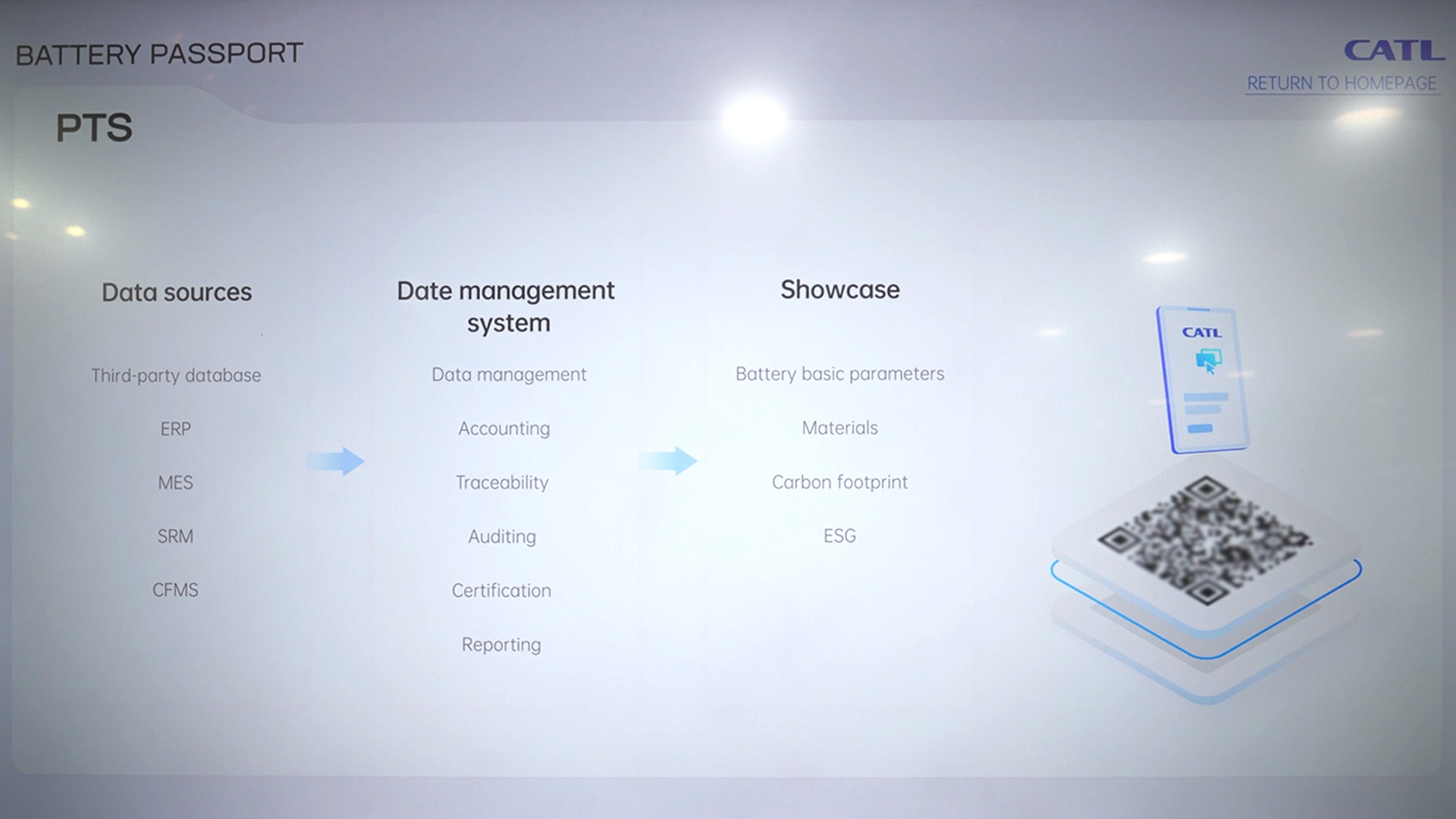
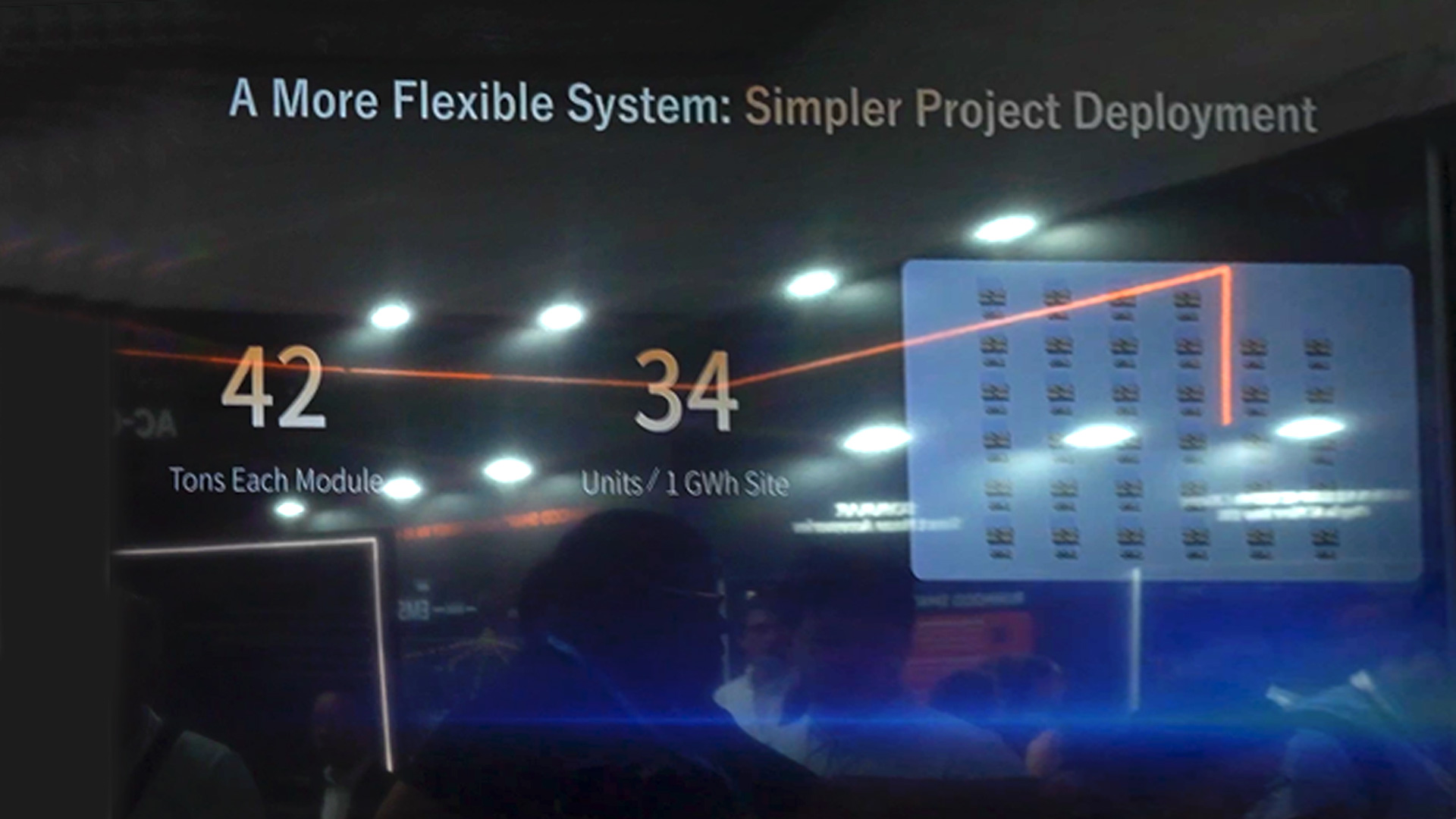
Battery passport provides visibility of origin and operational data
Alongside advances in cell chemistry, the documentation of battery systems is also evolving. With the European requirements for the digital battery passport, the demands on the traceability of technical data, materials used and the supply chain are increasing. The battery passport functions as a digital record of a battery system. Information about the battery can be accessed via a QR code. This includes static data such as capacity, voltage and temperature ranges, weight, as well as details of the materials used and their origin. This transparency is becoming increasingly important, particularly in international supply chains. The digital record can, for example, document which countries the materials come from and which suppliers were involved in the manufacturing process. Information on sustainability and other ESG-related criteria can also be stored. In addition to this fixed product information, dynamic operational data plays an important role. This includes the internal resistance of the battery cells and the State of Health, or SoH for short. This describes the condition of a battery and indicates the extent to which its performance has changed compared to its original state.
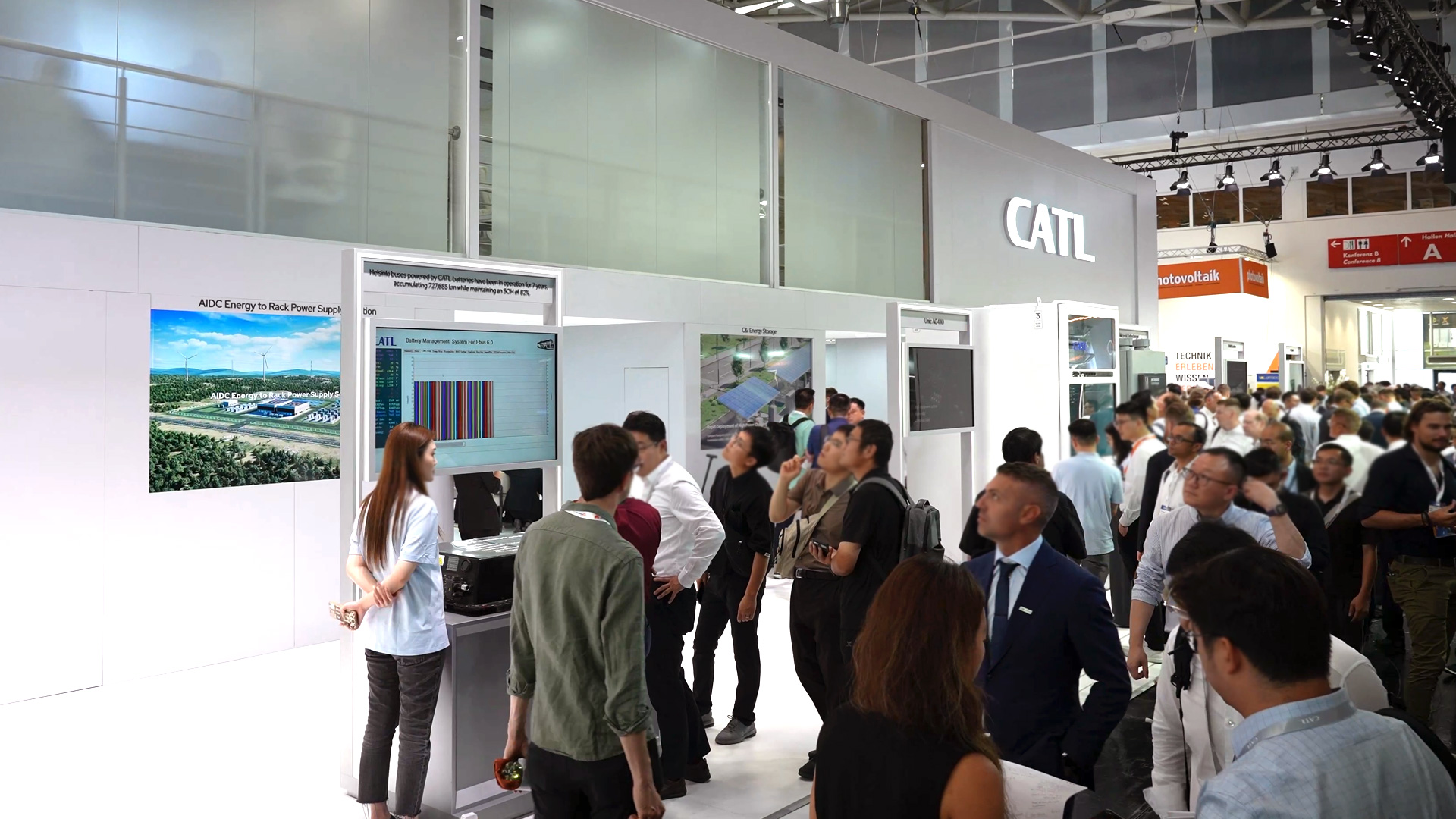
Digital data is becoming an integral part of modern battery storage systems
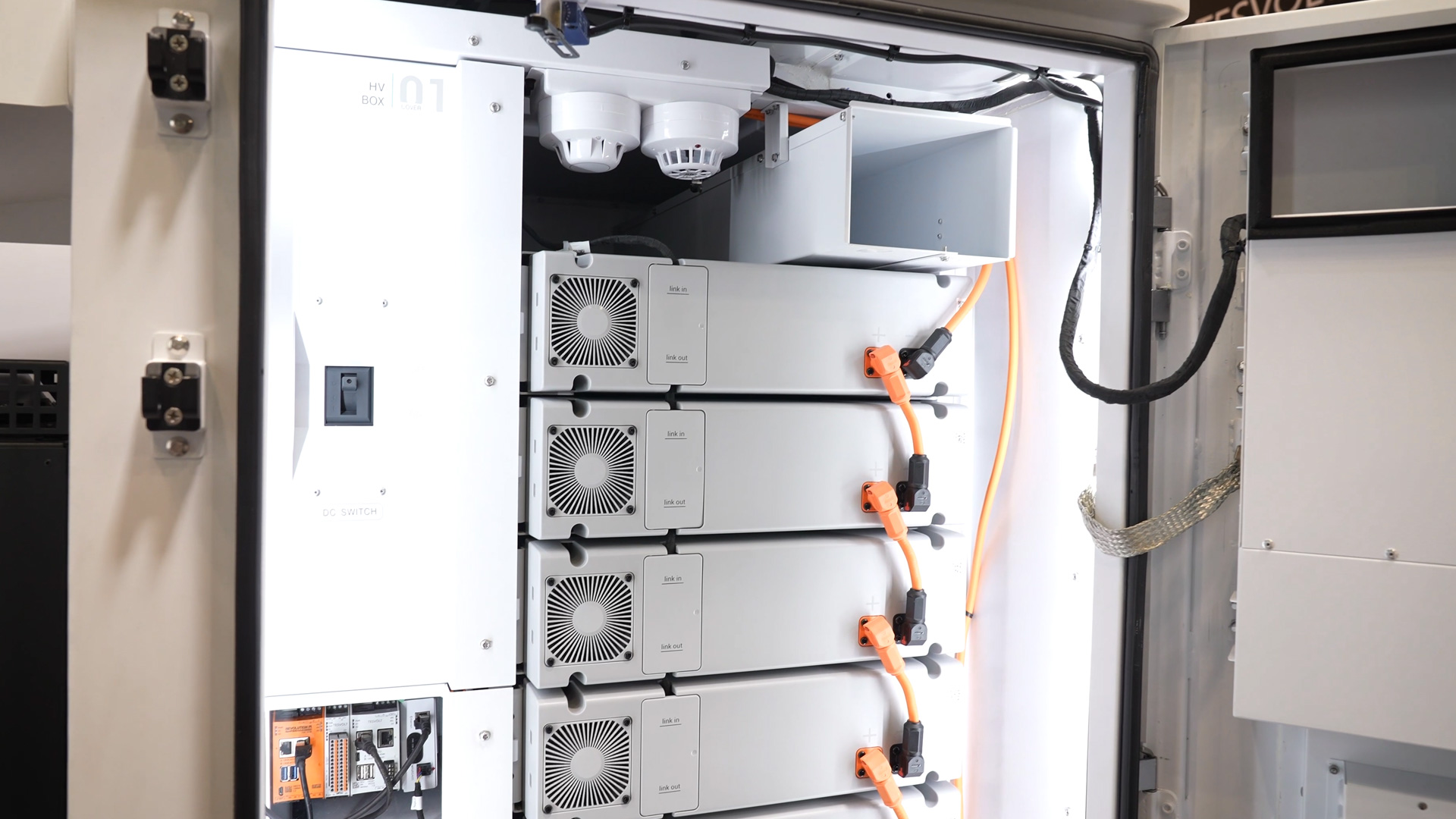
In the case of a large battery container, QR codes can provide access to the stored information. According to its own statements, CATL has already developed its own ‘battery passport’ system for this purpose. This is intended to enable customers to track technical and operational data for different battery systems. This development shows that modern energy storage systems increasingly consist of two levels. On the one hand, there is the electrochemistry of the battery cells, which determines capacity, performance and service life. On the other hand, a digital data structure is emerging that documents the system’s origin, condition and operation. Sodium-ion batteries thus do more than simply expand the range of available cell chemistries. Their high performance at low temperatures, their targeted long service life and their suitability for storage cycles ranging from short durations to several hours could open up new possibilities for large-scale energy storage. Whether the technology will become widely adopted on a large scale alongside established lithium-ion systems will depend primarily on costs, industrial scaling and experience gained from long-term operation.
Trade fair reporting Germany - Trade fair knowledge, dates & events


