Solar thermal energy—solar energy for heat generation
Energy storage systems make solar power flexible to use and ensure supply beyond the moment of generation. The articles show solutions for households, businesses, and networked systems – from batteries to intelligent load management.
Energy storage – all articles on the topic of electricity storage systems
PREFA solar system: Efficient solar energy - Green Week 2025
PREFA is a European manufacturer of roof, solar and façade systems made of aluminum. The company offers durable and low-maintenance solutions for roofs and façades. The products ar... PREFA solar system
Solar thermal collectors and buffer storage tanks from Citrin Solar
The discussion about renewable energies is no longer just about the generation of electricity or heat. At least as important is the question of how this energy can be stored sensib... Buffer storage tanks for residential and commercial buildings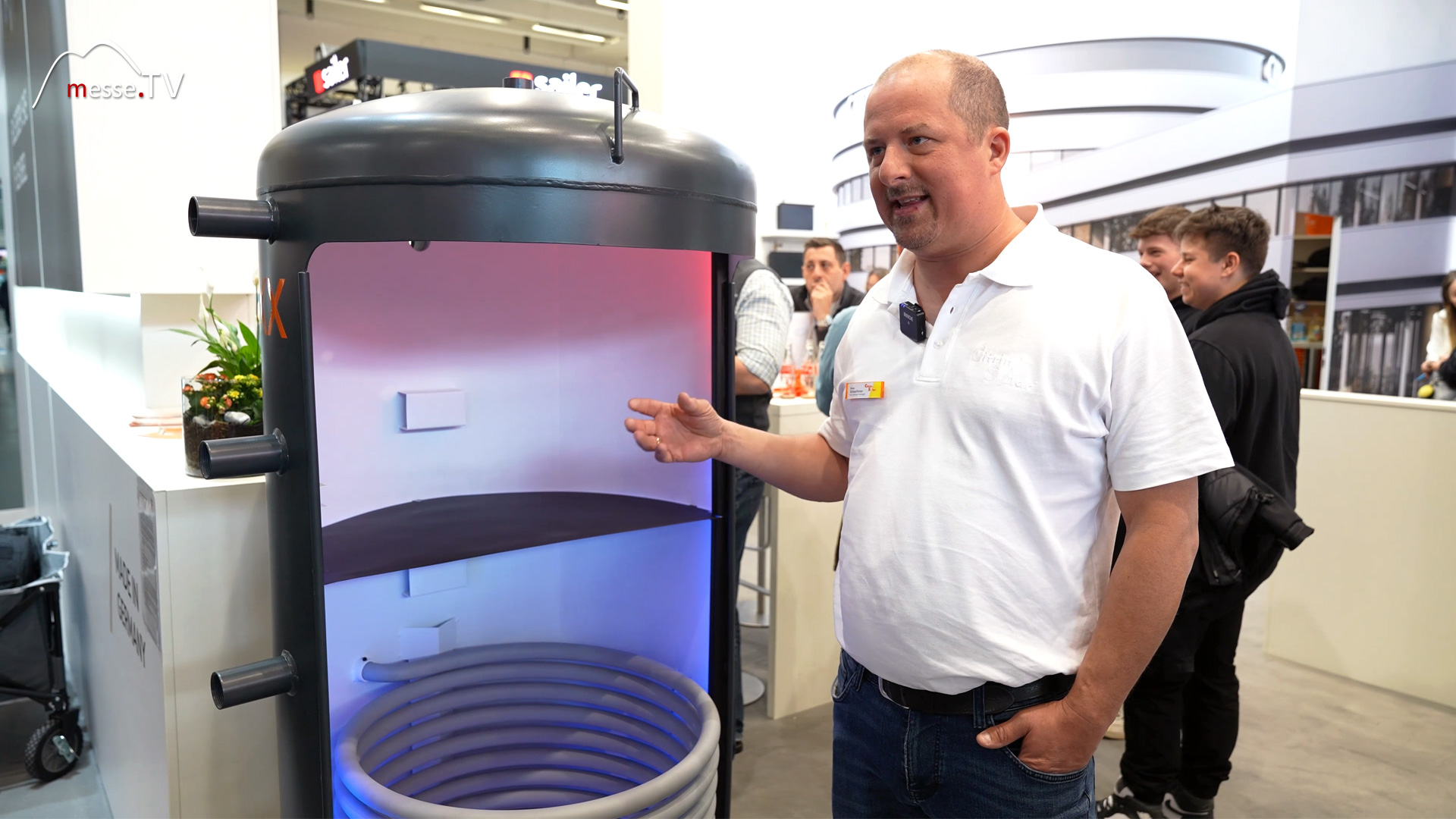

Power to Heat – combining heat generators and energy Sources
The energy transition in the building sector is increasingly being determined by one central question: what happens to the electricity generated by photovoltaic systems if it canno... Storing heat efficiently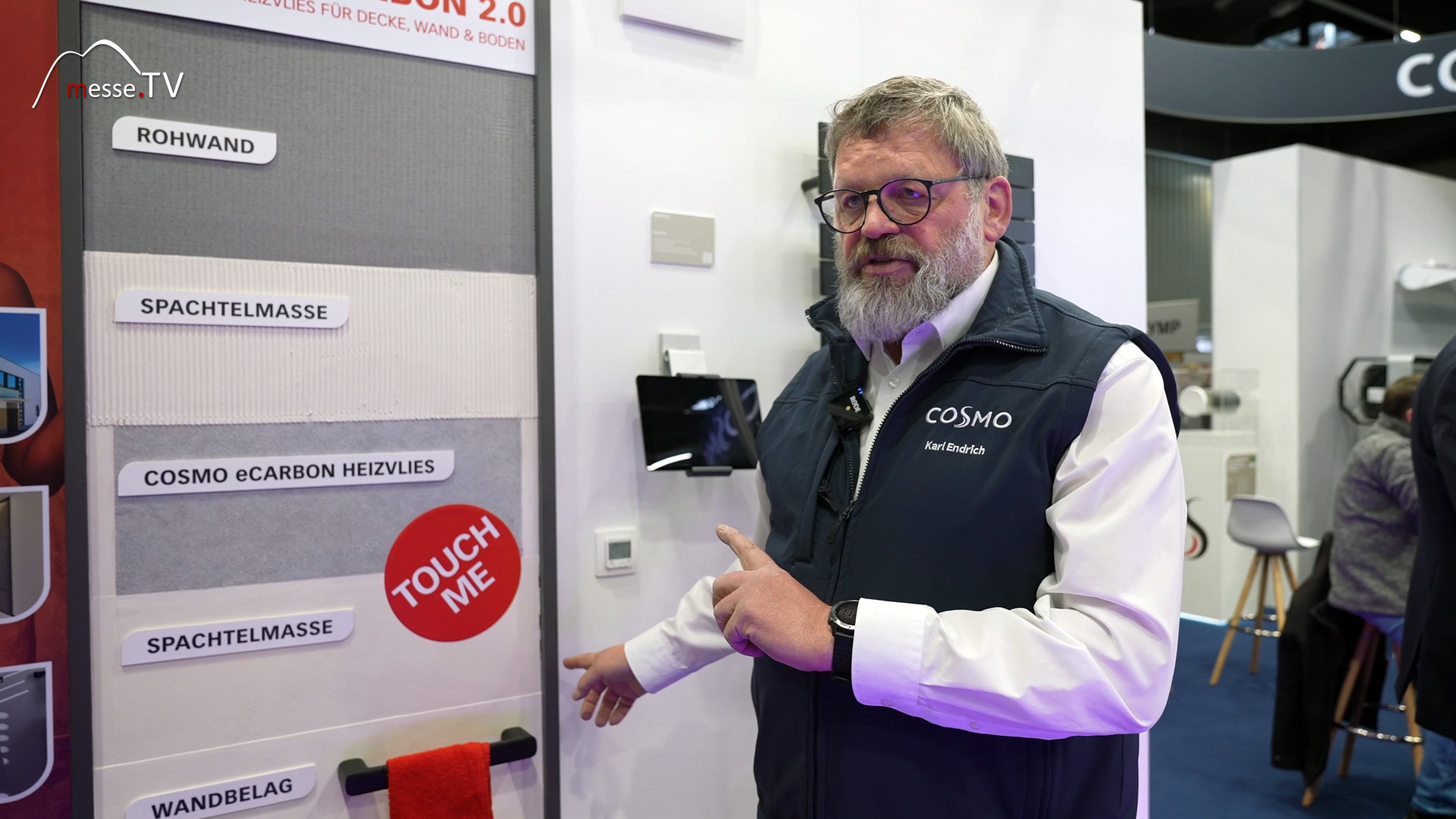
PVT collectors – combining photovoltaics and solar thermal energy
The discussion about renewable energies is often dominated by individual technologies. Photovoltaics stands for electricity, solar thermal energy for heat. In practice, however, it... Solar hybrid technology with PVT modules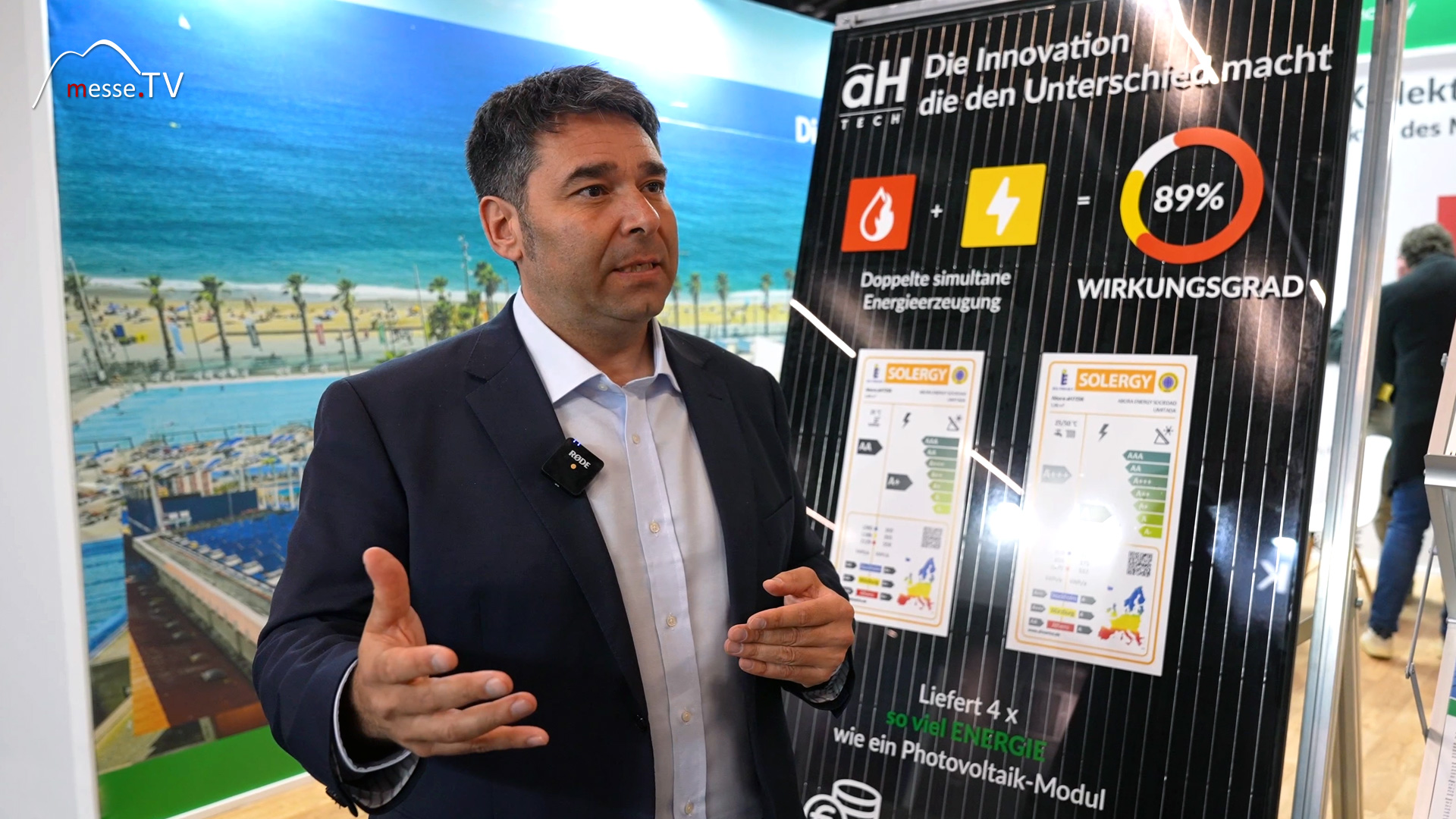
Areas of application for solar thermal energy in buildings and industry
Solar thermal energy is used on various scales today. In residential buildings, it is mainly used to heat drinking water and to support heating systems. In apartment buildings, public buildings, and commercial properties, larger systems are used that can cover a significant proportion of the heat demand. In addition, its use in industrial applications is gaining in importance. Process heat for washing, drying, or preheating stages can be supplemented by solar thermal systems in many industries. Especially when heat demand is constant, solar thermal energy offers the opportunity to reduce fossil fuel consumption and lower operating costs in the long term.
System technology and components of solar thermal systems
A solar thermal system consists of several coordinated components. At its heart are the collectors, which convert solar radiation into usable heat. Depending on requirements, flat-plate collectors or vacuum tube collectors are used, which differ in terms of efficiency, design, and area of application. The system is supplemented by storage tanks, control technology, and hydraulic integration into the existing heating concept. The efficiency of the system depends not only on the collector area, but also on planning, orientation, insulation, and coordination with the actual heat demand. Typical components of a solar thermal system include:
- Solar thermal collectors for heat generation
- Heat storage for hot water or heating support
- Control and regulation technology for optimal use of solar heat
- Hydraulic components such as pumps and heat exchangers
Role of solar thermal energy in the future energy mix
In the context of the heat transition, solar thermal energy is increasingly being seen as a complementary technology. In combination with heat pumps, biomass heating systems, or local heating networks, it can help to significantly increase the share of renewable heat. Conventional heat generators can be completely relieved, especially in the summer months. New concepts are also emerging at the neighborhood and municipal level, in which large solar thermal systems are integrated into heating networks. The technology is thus evolving from a stand-alone application to a building block of systemic energy solutions that combine security of supply, climate protection, and economic efficiency.
Heat generation from solar energy in the overall context of the energy transition
The use of solar energy for heat generation plays an important role in Germany when it comes to reducing emissions in the building sector and in heat supply. While photovoltaics is primarily focused on electricity production, solar thermal systems provide directly usable heat for hot water, heating systems, or industrial applications. The heat generated is thus available without conversion losses and complements other renewable energy technologies in a meaningful way. For decision-makers and experts, reliable information on technology, possible applications, and framework conditions is crucial. Questions regarding integration into existing energy systems, efficiency, and regulatory requirements are particularly important in evaluating such solutions. Another key aspect is funding: many systems are eligible for subsidies if they meet defined technical and quality requirements. This allows investments to be economically secured and integrated into sustainable supply concepts in the long term.
Trade fair reporting Germany - Trade fair knowledge, dates & events


